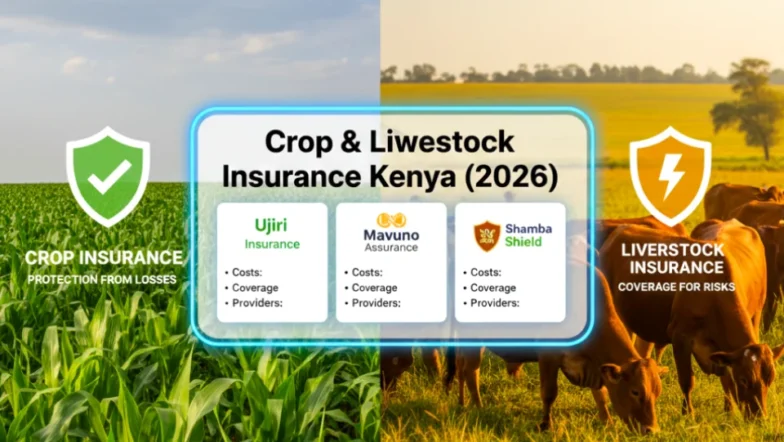
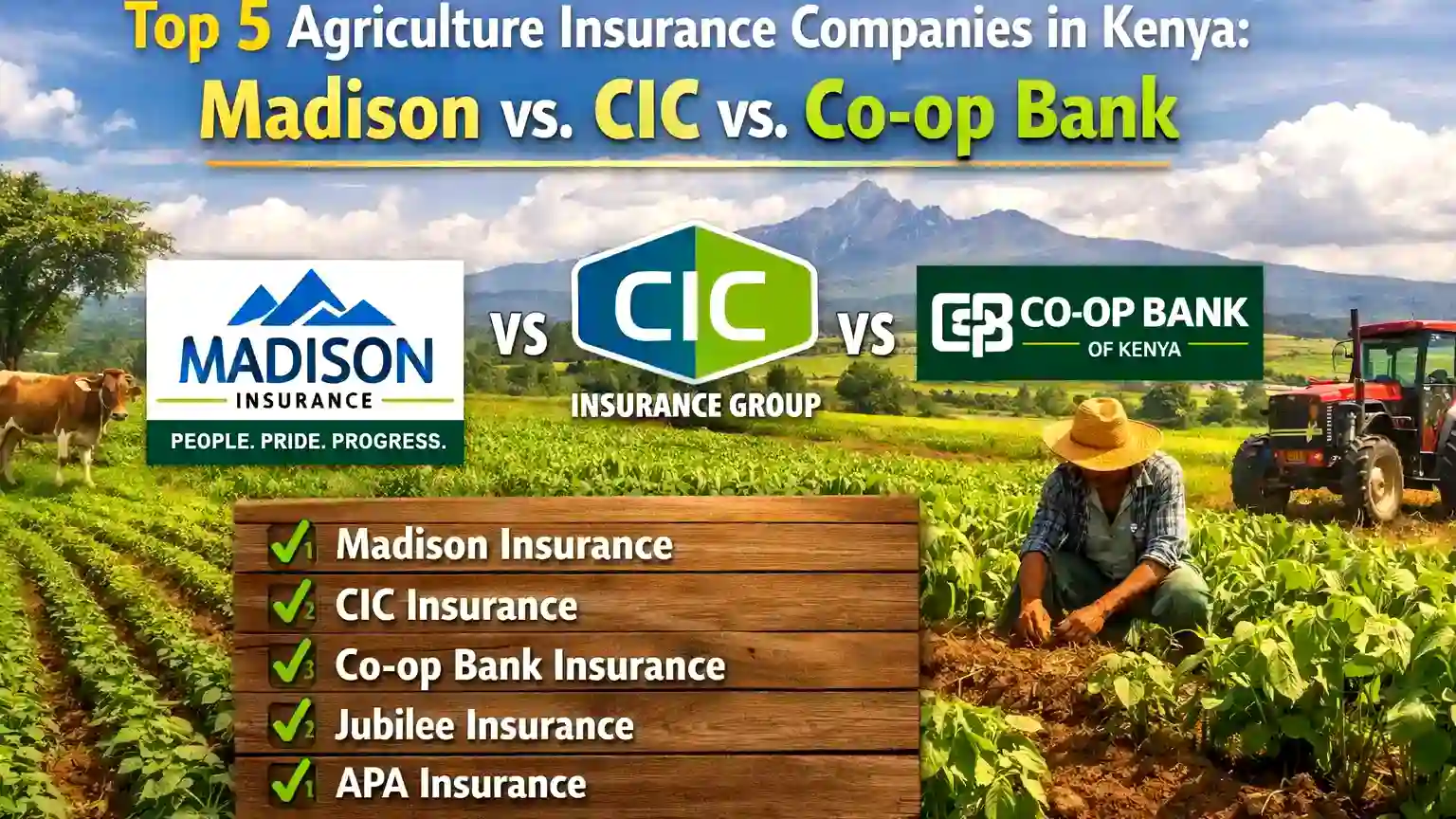

The agricultural insurance landscape in Kenya has evolved significantly in 2026, with CIC Group, Madison Insurance, and Co-op Bank Bancassurance leading the market. These providers now offer specialized coverage ranging from Multi-Peril Crop Insurance to Index-Based Livestock Insurance to protect farmers against climate volatility. Selecting the right partner depends heavily on whether your primary agribusiness focus is high-yield crops, commercial dairy, or pastoral livestock.
Table of Contents
Which insurance providers offer the best agricultural coverage in 2026?
| Provider | Best For… | Key Product | Claims Speed |
| CIC Group | Large-scale grain & Co-ops | Area Yield Index | High (Digital) |
| Madison | Dairy & Pedigree Cattle | Specialized Livestock | Medium (Vet-led) |
| Co-op Bank | Financing & Input Loans | Bancassurance / IPF | Instant (Credit-linked) |
| APA | Greenhouse & Horticulture | Multi-Peril Crop | High (Parametric) |
| Kenya Orient | Smallholders / Beginners | Micro-Crop Insurance | Instant (Mobile) |
The top providers for 2026 are CIC Group for general crop and cooperative coverage, Madison Insurance for specialized livestock and dairy policies, and Co-op Bank Bancassurance for farmers seeking credit-linked insurance. APA Insurance and Kenya Orient round out the top five with strong niche products for horticulture and small-scale machinery coverage.
1. CIC Group (The Market Leader)
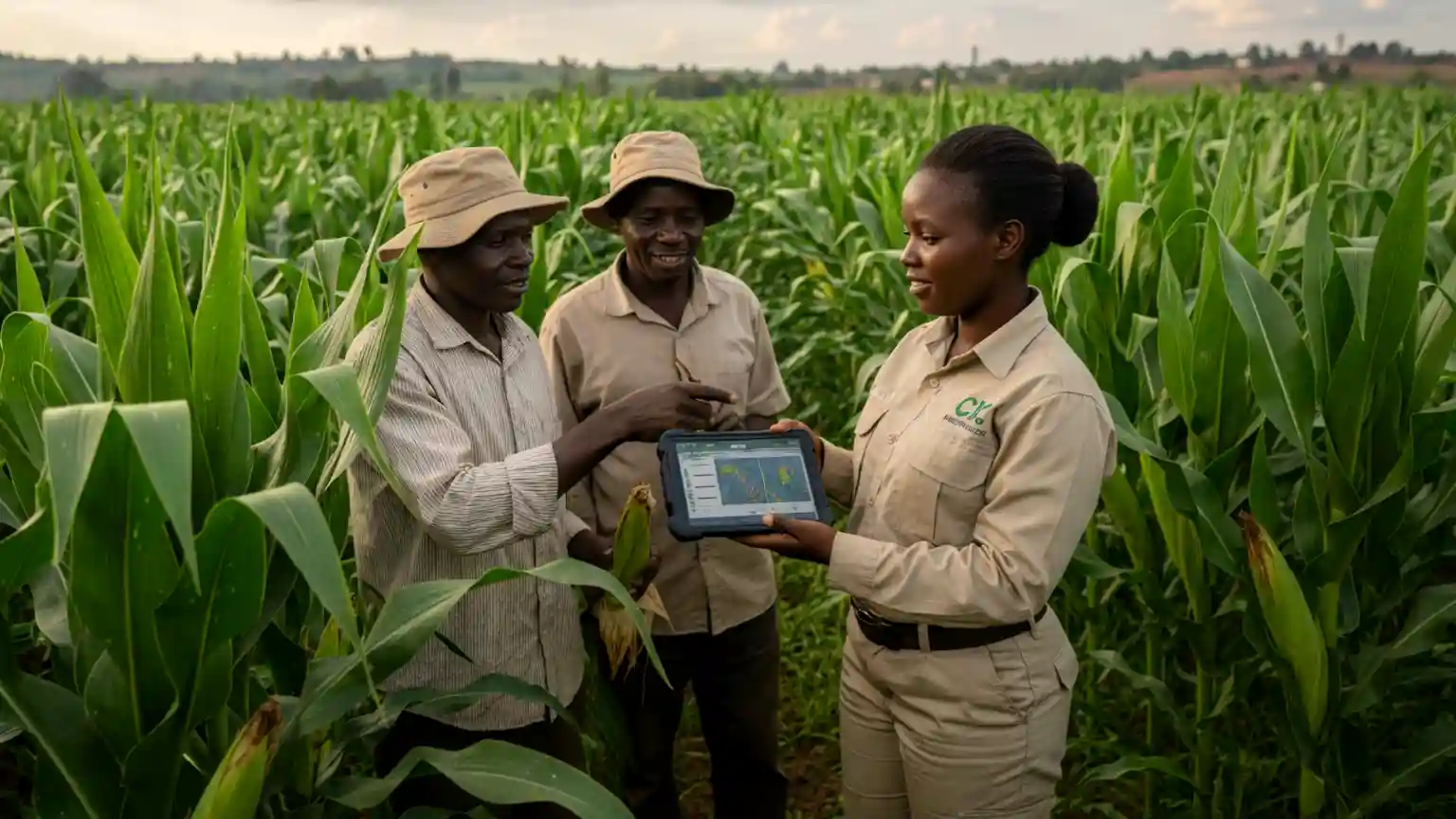
CIC Group remains the dominant force in Kenya’s agriculture insurance sector, commanding the largest market share in 2026. They are the pioneers of the Bima ya Jamii concept and offer the most comprehensive Area Yield Index Insurance. This policy is crucial for maize and wheat farmers in the Rift Valley, as it compensates based on average yield data rather than individual farm losses.
READ ALSO: How to Get Instant Farm Input Mobile Loans in Kenya 2026: Digital Credit Apps and Bank Options
Their standout product for 2026 is the re-engineered Livestock Insurance which now uses satellite imagery to speed up claims processing during drought seasons. For cooperative members, CIC is often the default choice due to their deep integration with Kenya’s Sacco system.
2. Madison Insurance (The Livestock Specialist)
If your agribusiness revolves around dairy or beef, Madison Insurance is widely regarded as the Authority Pillar for livestock. In 2026, they have optimized their Dairy Cattle Insurance to cover not just mortality, but also theft and calving complications. Their veterinary network is extensive, ensuring that verification for claims happens within 48 hours.
They also offer a robust Poultry Insurance package that appeals to commercial layer and broiler farmers in Kiambu and Machakos. Madison has reduced the minimum flock size requirements, making it accessible for emerging agribusiness entrepreneurs.
3. Co-op Bank Bancassurance (The Credit Link)
Co-op Bank operates differently by functioning as an intermediary that bundles insurance with agricultural loans. This is the best option for farmers seeking capital for inputs or machinery. Through their Mco-op Cash platform, farmers can secure insurance premiums as part of their loan structure.
This model eliminates the upfront cash burden of paying premiums. It is particularly effective for coffee and tea farmers who are already integrated into the cooperative banking system. The coverage is underwritten by top reputable underwriters but managed seamlessly through the bank.
4. APA Insurance (Crop Diversity)
APA Insurance has carved a niche in high-value horticulture. For farmers exporting avocados, french beans, or flowers, APA offers specific Multi-Peril Crop Insurance that covers hail damage and excessive rainfall. In 2026, they introduced parametric triggers for greenhouse farmers, allowing for automatic payouts if temperatures exceed specific thresholds.
5. Kenya Orient (Small-Scale Innovation)
Kenya Orient is the go-to provider for small-scale technology integration. They are famous for their mobile-based insurance products that allow farmers to insure inputs like fertilizer and seeds for as little as KES 50. Their Mobile Crop Insurance is vital for subsistence farmers transitioning into commercial farming who need micro-coverage.
Where to Buy Agriculture Insurance in Kenya: 2026 Purchase Guide
Farmers can purchase these policies through physical branches of CIC or Madison, accredited Bancassurance agents at Co-op Bank, or via digital platforms like Safaricom’s DigiFarm. Verification of agents should always be done via the Insurance Regulatory Authority online portal to avoid fraud.
Official Government & Regulatory Channels
The primary starting point for any farmer is verification. Before exchanging money, check the provider’s status with the Insurance Regulatory Authority. The Kenya Agricultural and Livestock Research Organization often partners with these insurers to provide data, and their local extension offices can direct you to legitimate agents.
Commercial & Digital Platforms
In 2026, the buying process has moved largely online. Safaricom DigiFarm allows farmers to purchase micro-insurance policies from providers like APA and CIC directly via USSD or App. Bancassurance desks at Co-op Bank branches also have pre-packaged products ready for purchase.
READ ALSO: Top 7 Best AI Apps for Kenyan Farmers in 2026: Fight Crop Diseases, Cut Costs and Boost Yields
Visit Madison House in Upper Hill, Nairobi, or regional offices in Eldoret, Nakuru, and Meru for direct underwriting.
Buyer’s Caution: Avoiding Scams
Agribusiness fraud is real, so never pay premiums to a personal M-Pesa number. Payments should always be made to a registered Paybill number or via direct bank transfer to the insurance company’s official account. Ensure you receive a policy document within 7 days of payment.
How does insurance coverage differ across Kenyan counties?
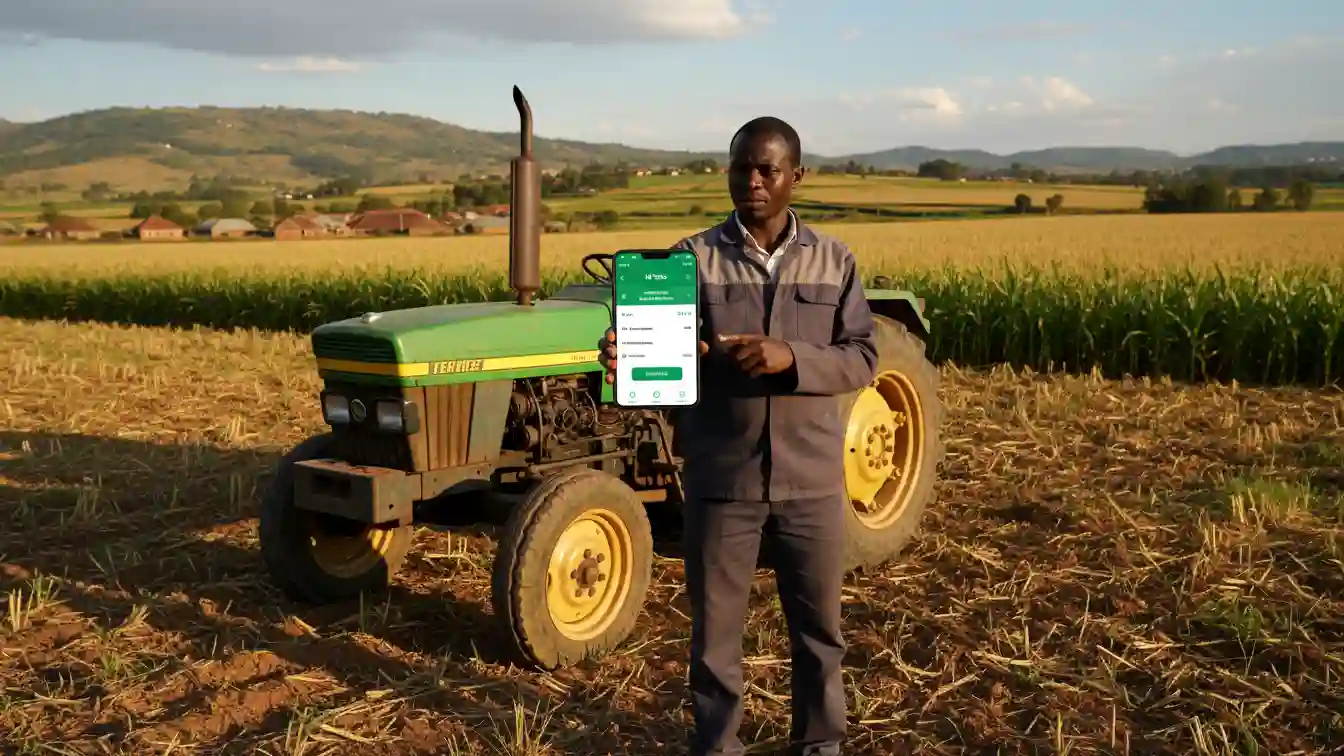
Insurance uptake varies by climate zone. Uasin Gishu utilizes crop insurance for large-scale maize, Kiambu focuses on intensive dairy livestock policies, while arid counties like Turkana rely heavily on Index-Based Livestock Insurance for drought protection.
Uasin Gishu & Trans Nzoia (The Grain Basket)
In these counties, the focus is strictly on Multi-Peril Crop Insurance for farmers managing large tracts of land. The risk profile centers on hail damage, excessive rainfall during harvest, and fires. CIC Group is the dominant player here due to the cooperative nature of maize farming.
Kiambu & Meru (Intensive Mixed Farming)
This region is the heart of Kenya’s dairy industry, so Madison Insurance sees its highest penetration here. Farmers prioritize high-yield dairy cow insurance because the loss of a single pedigree animal is a financial disaster. There is also a growing uptake of greenhouse insurance for horticulture farmers supplying Nairobi markets.
Turkana & Marsabit (Pastoralist Zones)
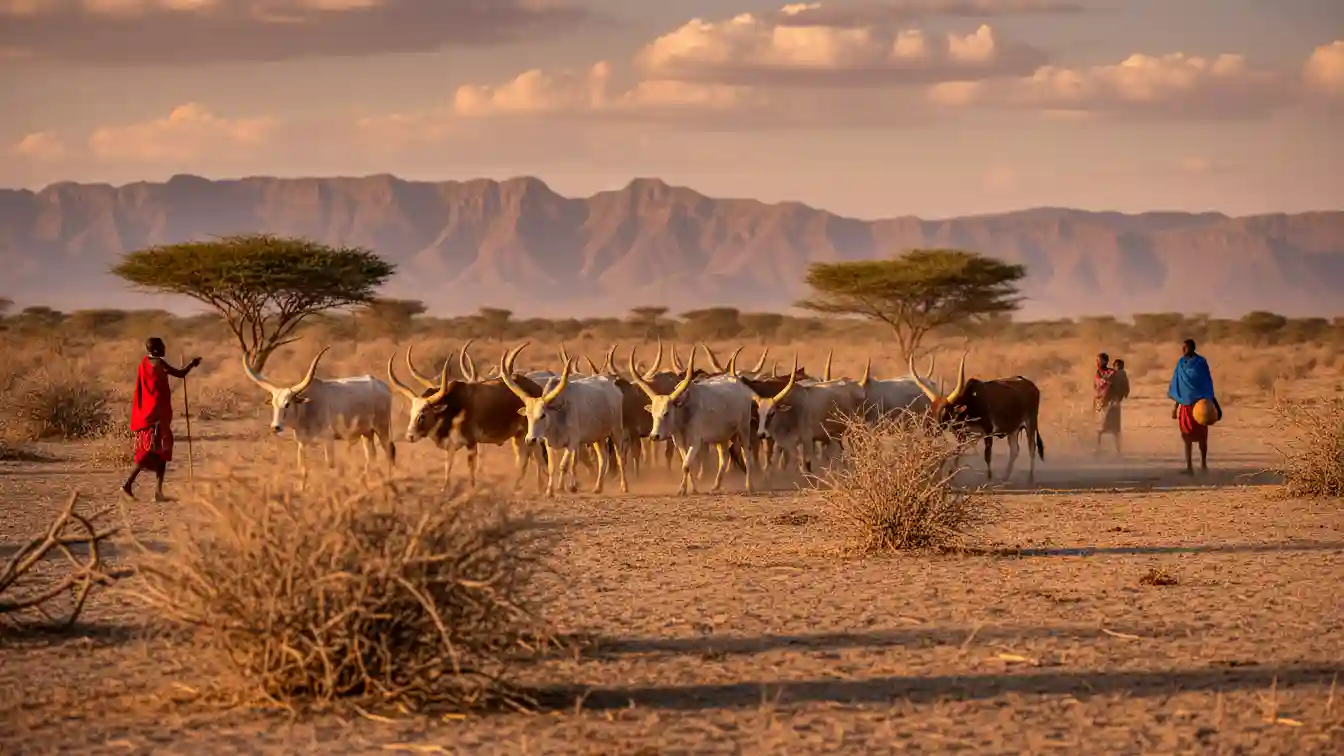
Traditional indemnity insurance does not work here due to the nomadic nature of farming. Instead, the Kenya Livestock Insurance Program and commercial Index-Based Livestock Insurance are standard. These policies trigger payouts automatically when satellite data shows forage availability has dropped below a critical level.
When is the right time to purchase crop and livestock insurance?
Crop insurance must be purchased before the onset of the rains, while livestock insurance can be purchased year-round but usually requires a 14 to 21 day waiting period before coverage becomes active.
The 2026 Farming Calendar for Insurance
- January – February: This is the critical window for the Long Rains season. Farmers must finalize proposals and pay premiums for maize, wheat, and beans before planting begins.
- March – May: During the rainy season, the focus shifts to monitoring. Farmers should document any early signs of pest infestation or flooding. This is also a prime time to insure livestock as disease vectors increase during wet weather.
- June – July: Assessment period. If you have a claim related to germination failure or early drought, notification usually happens here.
- August – September: Harvesting season coverage. Ensure your policy covers transit risks from field to store, as fire risk is high in wheat fields.
- October – December: Short rains planning. Purchase coverage for short-cycle crops like beans and vegetables, and review annual livestock policies for renewal.
What are the costs and financial benefits of agricultural insurance?
Premiums typically range from 3.5% to 6% of the Sum Insured. For a maize acre valued at KES 50,000, the premium costs roughly KES 2,000. This small cost prevents the total loss of capital, ensuring the farmer stays in business for the next season.
Break-Even Analysis: Insured vs. Uninsured
Many beginners view insurance as a dead cost. However, in 2026, with erratic weather patterns, it is a critical input. Let us analyze the financials of growing 1 Acre of Maize in Nakuru.
Scenario: Total crop failure due to severe drought.
| Cost Item | Uninsured Farmer (KES) | Insured Farmer (KES) |
|---|---|---|
| Land Preparation & Inputs | 25,000 | 25,000 |
| Labor & Management | 10,000 | 10,000 |
| Insurance Premium (4%) | 0 | 1,400 |
| Total Investment | 35,000 | 36,400 |
| Harvest Revenue (Drought) | 5,000 | 5,000 |
| Insurance Payout | 0 | 30,000 |
| Net Position | -30,000 (LOSS) | -1,400 (BREAK-EVEN) |
The uninsured farmer loses KES 30,000 and has no capital to plant next season. The insured farmer recovers the bulk of their input costs and can replant immediately. The KES 1,400 premium acts as a firewall against bankruptcy.
The Math Check: Insurance Benefit Ratio (IBR)
To quantify the value of this protection, we use the IBR formula. This helps you see exactly how much of your “at-risk” capital is shielded by the policy:
$$IBR = \frac{Potential Payout – Premium Paid}{Total Production Cost}$$
In our Nakuru maize example:
$$\frac{30,000 – 1,400}{35,000} \approx 0.82$$
READ ALSO: Crop & Livestock Insurance Kenya (2026): Costs & Top Providers
This result of 0.82 means that for a small upfront cost, you have effectively de-risked 82% of your total investment.
Most banks in 2026 will lower your interest rate by 1-2% if you present a valid insurance policy document, effectively offsetting the cost of the premium.

How does insurance impact the agricultural supply chain and credit access?
Insurance acts as collateral enhancement. Banks and micro-finance institutions are 80% more likely to lend to insured farmers because the risk of default due to crop failure is transferred to the underwriter. It also opens doors to contract farming with major processors.
Unlocking Contract Farming
Major processors like Brookside Dairy, Kenya Breweries, and Unga Limited prefer contracting farmers who have valid insurance. In 2026, supply contracts often include a clause requiring Multi-Peril Crop Insurance. This ensures the processor has a stable supply chain and the farmer is protected against breach of contract due to natural calamities.
Value Addition Security
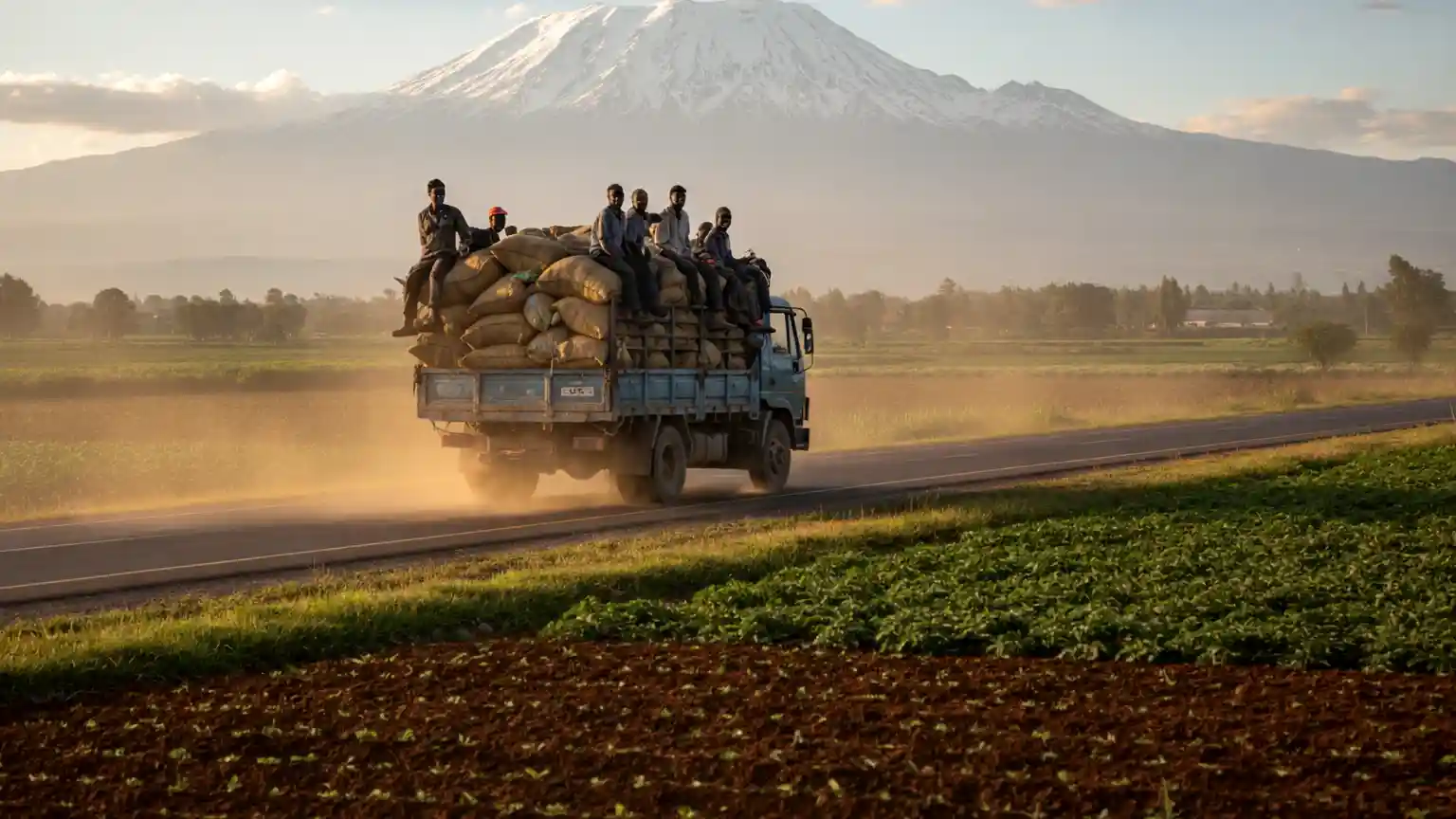
For farmers engaged in value addition like yoghurt production or grain milling, insurance extends beyond the field. Goods in Transit insurance protects produce as it moves from the farm in Narok to the market in Nairobi. Fire and Burglary insurance is essential for storage barns and processing equipment to prevent total investment loss.
2026 Outlook and Conclusion
As we navigate 2026, the necessity of agricultural insurance in Kenya has transitioned from optional to mandatory for any serious agribusiness. The Top 5 providers have adapted to the digital age, making coverage accessible and claims faster. The integration of AI for damage assessment and drone technology for field visits has reduced fraud and lowered premiums.
For the beginner farmer, the strategy is simple: do not plant a seed or buy a cow without a safety net. Start small with micro-insurance products from DigiFarm or Kenya Orient to cover your inputs. As you scale, migrate to comprehensive Multi-Peril policies from CIC or Madison.
READ ALSO: 10 Most Profitable Farming Ventures in Kenya for 2026
Visit your local Co-op Bank branch or download the CIC mobile app today to request a quote. Protect your shamba, protect your future.
Farmers Also Ask
Does agricultural insurance cover drought in Kenya?
Yes, but it depends on the policy type. Index-Based Weather Insurance covers drought specifically when rainfall drops below a certain level. Standard Multi-Peril policies also cover drought, but you must prove the loss was caused by weather and not poor farming practices.
What is the minimum number of cows for Madison livestock insurance?
In 2026, Madison Insurance has lowered the threshold. You can insure a single dairy cow, provided it is tagged and has a veterinary health certificate. However, insuring a herd of 5 or more often attracts a discount on the premium rate.
Can I insure traditional breeds like Zebu cattle?
Yes, traditional breeds can be insured, especially under Index-Based Livestock Insurance schemes available in arid counties. However, for high-value individual coverage, insurers prefer exotic or improved breeds due to their higher market value.
How long does it take for CIC to pay a claim?
CIC Group aims to settle clear-cut claims within 14 to 30 days after the final assessment report is submitted. In 2026, claims under KES 50,000 often settle faster via mobile money if digital evidence is provided.
Is theft covered under crop insurance?
Generally, no, as standard crop insurance covers natural risks like hail, flood, and drought. Theft is considered a management risk rather than a climatic one. However, some harvested crop policies may cover burglary if there is evidence of forced entry.
Do I need a KRA PIN to buy agriculture insurance?
Yes, a KRA PIN is mandatory for processing insurance documents in Kenya. It is required for Know Your Customer compliance and for any tax-related implications on payouts or premiums.
What happens if I sell my farm or animals mid-season?
You must notify the insurance provider immediately. The policy can sometimes be transferred to the new owner, or cancelled. If cancelled, you may receive a refund of the premium for the unexpired period, provided no claim has been made.
Does Co-op Bank insurance cover poultry diseases?
Yes, Co-op Bank’s Bancassurance partners offer poultry policies that cover diseases like Newcastle and Gumboro, provided a strict vaccination schedule is followed and documented. Unvaccinated birds will not be covered.
Can I insure crops grown in a greenhouse?
Absolutely. Greenhouse insurance is a specialized product offered by APA and CIC. It covers the structure against wind or storm damage, as well as the crop inside against pests and diseases.
Is insurance mandatory for government agricultural loans?
Yes. If you are taking a loan from the Agricultural Finance Corporation or a commercial bank for farming, the lender will insist on a comprehensive insurance policy to secure the loan amount against default.