

Table of Contents
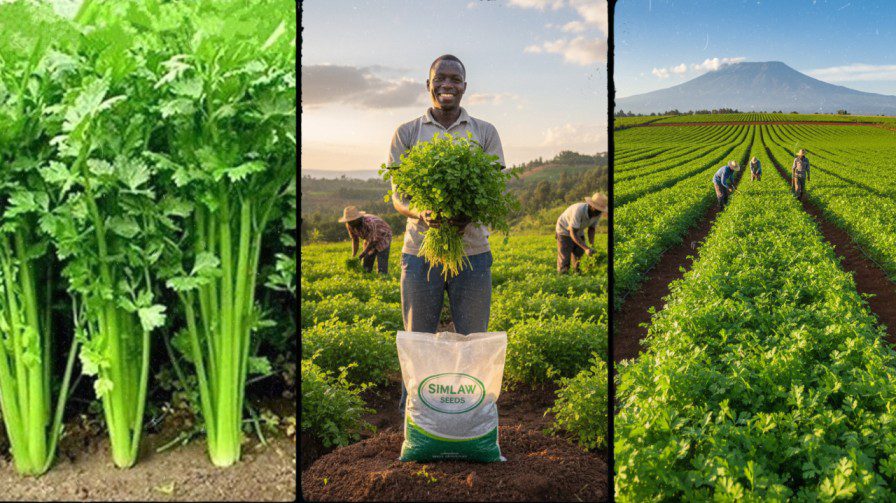
Successful coriander farming in Kenya requires selecting the right certified seeds from providers like Simlaw Seeds or Kenya Seed Company to guarantee high germination rates. In 2026, the demand for both fresh leafy dhania and seeds is projected to rise due to expanding urban markets and export opportunities.
Farmers are increasingly realizing that dhania is not just a garnish but a commercial powerhouse capable of generating quick cash flow. However, the difference between profit and loss often lies in technical details like soil pH, variety selection, and timing.
This guide serves as your definitive “Source of Truth” for maximizing yields and profits on your shamba.
What Are the Best Coriander Varieties to Grow in Kenya for Maximum Profit?
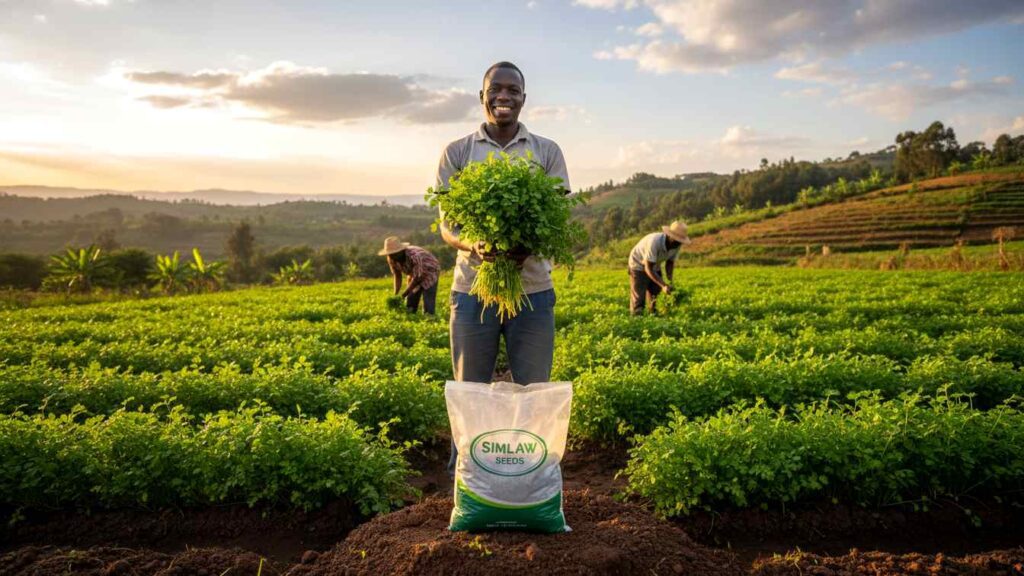
The most profitable coriander varieties in Kenya for 2026 include Dhania I (Improved), American Long Standing, and Cilantro Filter. These varieties are favored for their resistance to bolting, strong aromatic flavor, and rapid maturity of 4 to 6 weeks. Farmers should choose certified seeds from Kenya Seed Company or Royal Seed to ensure disease resistance and high vegetative yields essential for the fresh market.
Choosing the correct variety is the single most critical decision you will make as a farmer. In Kenya, the market generally prefers varieties that produce lush, broad leaves with a strong scent. If the leaves are too thin or lack aroma, brokers at Marikiti will downgrade your price immediately.
Read Also: Maize Farming in Kenya: High Yield Production Guide, Best Practices and Profit Tips 2026
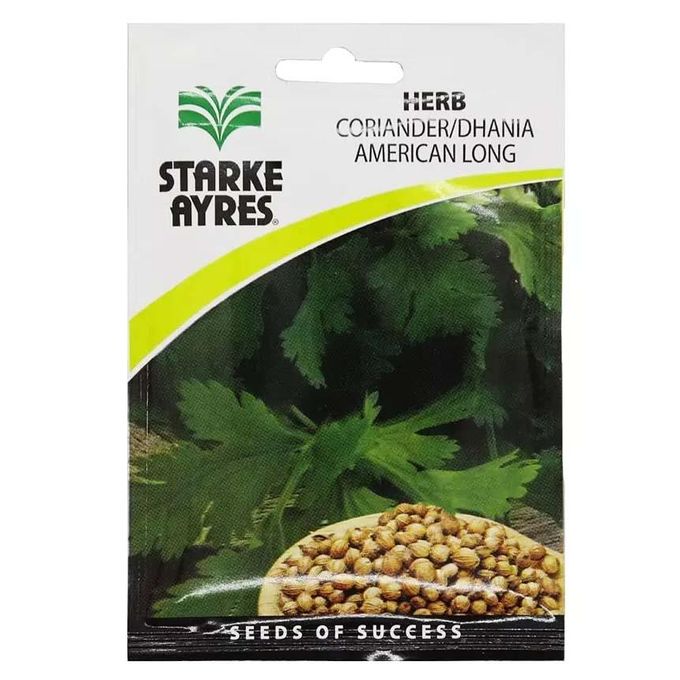
Dhania I (Improved) remains the industry standard for most smallholder farmers. It is marketed by Simlaw Seeds and is renowned for its adaptability to various climatic zones. It produces a high vegetative yield which is perfect for the local “bunch” market.
Another top contender is the American Long Standing variety. As the name suggests, this type resists “bolting” (flowering prematurely), which allows farmers a longer harvesting window for fresh leaves. This variety is critical if you are farming in hotter lowlands.
“Expert Tip: I always advise clients in hot areas like Kitui or Machakos to strictly use American Long Standing. Standard varieties will flower too quickly under heat stress, ruining your crop’s market value as a leafy vegetable.
Comparative Look at Top Varieties
Understanding the nuances between varieties can help you target specific markets. Here is how they stack up.
| Variety Name | Key Feature | Best Region | Maturity |
|---|---|---|---|
| Dhania I (Improved) | High Biomass | Kiambu, Nyandarua | 6 Weeks |
| American Long Standing | Heat Tolerance | Machakos, Kajiado | 7 Weeks |
| Cilantro Filter | Uniform Color | Meru, Export Zones | 5-6 Weeks |
Cilantro Filter is gaining traction in 2026 for export-oriented farmers. It has a uniform height and dark green color that appeals to supermarket buyers and exporters. This variety often fetches a premium price per kilo due to its aesthetic appeal on the shelf.
Indigenous varieties often saved by farmers exist but are discouraged for commercial farming. They often have poor germination rates and are susceptible to fungal diseases like Powdery Mildew. Investing in F1 or improved certified seeds is the cheapest insurance you can buy.
Always check the expiry date and lot number on seed packets. Counterfeit seeds are a real issue in the Kenyan agro-vet supply chain. Ensure the seed packet has the official KEPHIS certification sticker intact.
How Does the Climate in Different Kenyan Counties Affect Dhania Yields?
Coriander thrives in temperatures between 18°C and 25°C, making Kiambu, Meru, and Uasin Gishu ideal due to their cool, wet climates. However, excessive rain causes damping-off disease, while extreme heat in counties like Kajiado triggers premature flowering. Success in 2026 depends on matching your local micro-climate with irrigation management and soil drainage capability.
Module A: Regional Comparative Analysis (Kiambu vs. Meru vs. Kajiado)
To truly understand where coriander thrives, we must analyze the specific conditions of three distinct agricultural hubs in Kenya: Kiambu, Meru, and Kajiado. Each offers unique advantages and challenges for the modern agribusiness investor.
1. Kiambu County: The Market Leader
Kiambu is the historic heartland of leafy vegetable farming in Kenya. Its proximity to Nairobi means transport costs are negligible, and produce arrives fresh at Marikiti or City Market within an hour of harvest. This proximity is a massive competitive advantage.
The cool, damp climate in areas like Limuru and Githunguri is perfect for vegetative growth. However, the high humidity often leads to fungal issues like Powdery Mildew. Farmers here spend more on fungicides like Ridomil Gold but save significantly on logistics.
2. Meru County: The High-Yield Zone
Meru offers highly fertile volcanic soil and reliable rainfall, particularly in the Imenti zones. The 2026 outlook suggests Meru will overtake Kiambu in volume production due to land availability. The soil here is naturally rich in phosphates, reducing fertilizer costs.
Read Also: 10 Most Profitable Farming Ventures in Kenya for 2026
The challenge here is distance. Transporting perishable dhania to Nairobi requires refrigerated trucks or night travel to prevent wilting. However, Meru farmers often secure better bulk prices from exporters who appreciate the consistent quality of crops grown in rich volcanic soil.
3. Kajiado County: The Irrigation Frontier
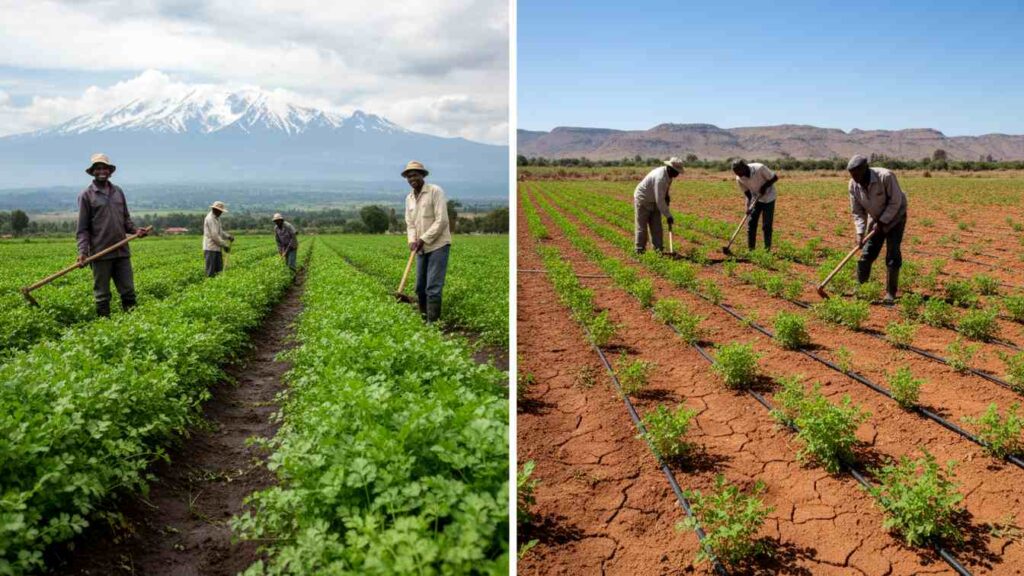
Kajiado represents the new wave of agribusiness. It is hotter and drier, necessitating drip irrigation systems. While the initial CAPEX is higher, the control over water means Kajiado farmers can produce year-round, even during droughts when prices spike.
The heat is a major risk factor for bolting. Farmers here must use shade nets or specific heat-resistant seeds. Yet, with fewer fungal pathogens in the dry air, pesticide costs in Kajiado are often 30% lower than in Kiambu.
When Is the Best Time to Plant Coriander for Maximum Profit in 2026?
The most profitable planting windows are late February (for the Long Rains harvest) and September (for the Short Rains harvest). However, off-season production via irrigation in January and July yields the highest prices, often exceeding KES 100 per kg. Avoiding the peak market gluts in June and December is crucial for maximizing revenue in 2026.
Module B: 12-Month Farming Calendar
Timing is everything in coriander farming. Because the crop matures in just 4-6 weeks, you can squeeze in multiple cycles. This calendar assumes a standard Kenyan bimodal rainfall pattern.
- January (Dry/Hot):
- Action: Plant under irrigation.
- Why: Supply is low across the country. Prices are high.
- Risk: Heat stress requires frequent watering.
- February (Pre-Rains):
- Action: Land preparation for long rains. Sowing in late Feb.
- Why: To catch the early rains for germination.
- March (Long Rains Start):
- Action: Main season planting. Weeding.
- Why: Free water reduces costs, but fungal risks rise.
- April (Heavy Rains):
- Action: Disease management (spraying). Harvesting early crop.
- Why: Marikiti floods with produce; prices dip. Focus on volume.
- May (Rains Tapering):
- Action: Second cycle planting.
- Why: Soil moisture is still high.
- June (Cold/Dry):
- Action: Harvest main crop.
- Why: Prices are lowest due to market glut.
- July (Cold Season):
- Action: Plant cold-tolerant varieties.
- Why: Growth slows down; supply starts to drop.
- August (Cold/Dry):
- Action: Irrigation planting.
- Why: Preparing for the October market gap.
- September (Short Rains Prep):
- Action: Land preparation. Sowing.
- Why: Targeting the festive season harvest.
- October (Short Rains):
- Action: Weeding and top dressing.
- Why: Rapid growth phase.
- November (Short Rains):
- Action: Pest control (Aphids).
- Why: Warm and wet conditions breed pests.
- December (Festive Season):
- Action: Harvest.
- Why: High demand for cooking, but high supply often stabilizes prices.
How Much Does It Cost to Start Farming Dhania and What Are the Expected Returns?
Starting one acre of coriander in 2026 costs approximately KES 25,000 to KES 40,000 depending on irrigation and labor needs. With an average yield of 4-6 tonnes per acre and a conservative price of KES 40 per kg, gross revenue can reach KES 160,000 to KES 240,000 per cycle. This offers a potential ROI of over 300% within two months.
Module C: Deep-Dive Financials (1 Acre Model)
Farming is a business, not a hobby. Below is a detailed financial breakdown for one acre of coriander production in Kenya, adjusted for 2026 economic conditions. These figures assume you own the land or are leasing it separately.
Break-Even Analysis
To break even, you need to cover your total production cost of KES 37,500. At a low market price of KES 20/kg, you need to harvest 1,875 kg. At a good market price of KES 50/kg, you only need to harvest 750 kg. Since a well-managed acre yields 4,000kg+, the risk is relatively low.
2026 Production Budget (KES)
| Expense Item | Details | Cost (KES) |
|---|---|---|
| Land Preparation | Ploughing & Harrowing (Tractor) | 6,000 |
| Certified Seeds | 5kg @ KES 1,500/kg (Simlaw/Kenya Seed) | 7,500 |
| Manure & Fertilizer | Animal Manure (3 tons) + DAP (50kg) | 10,000 |
| Labour | Planting, Weeding (2 rounds), Harvesting | 8,000 |
| Crop Protection | Pesticides & Fungicides (Osho/Syngenta) | 4,000 |
| Miscellaneous | Transport, Sacks, Airtime | 2,000 |
| TOTAL INPUT COST | Direct Production Costs | 37,500 |
Projected Revenue (Per Cycle)
| Scenario | Yield (kg) | Price per kg (KES) | Gross Revenue (KES) | Net Profit (KES) |
|---|---|---|---|---|
| Conservative | 3,000 | 20 | 60,000 | 22,500 |
| Average | 4,000 | 40 | 160,000 | 122,500 |
| High Performance | 5,000 | 60 | 300,000 | 262,500 |
Personal Expert Tip: Do not rely on “farm gate” brokers if possible. Transporting your produce to the market yourself can increase your margin by KES 10-15 per kg.
What Are the Best Practices for Land Preparation and Planting Dhania?
Land should be ploughed and harrowed to a fine tilth, as coriander seeds are small and struggle in clumpy soil. Use a seed rate of 5-8 kg per acre. Mix seeds with sand for even distribution and plant in shallow drills 30cm apart. Apply well-decomposed manure and DAP fertilizer during planting to boost early root development.
Read Also: How to Grow Big Cabbages in Containers Kenya: Best Varieties, Where to Buy Seeds and Best Farming Practices 2026
Your shamba preparation determines 50% of your success. Coriander has a weak taproot system, meaning it cannot push through hardpan soil. If the soil is not loose, the roots will stunt, leading to a poor harvest.
Step 1: Fine Tilth is Mandatory Ensure the soil is powdery. Large clods of earth will bury the small seeds too deep, preventing germination. If you are hiring a tractor service, insist on a thorough harrowing pass to break up all lumps.
Step 2: Seed Preparation Coriander “seeds” are actually fruits containing two embryos. Experienced farmers gently crush the round seeds between two boards or rub them with a slipper to split them into two. This effectively doubles your seed count and speeds up germination, which is a vital cost-saving trick.
Step 3: Sowing Depth and Spacing Plant shallow—no deeper than 1 inch (2.5 cm). If you plant too deep, the energy reserves in the seed will be exhausted before the sprout reaches sunlight. Space your drills about 30cm apart to allow for easy weeding later.
Fertilizer Application for Maximum Yields
While manure is excellent, commercial farming requires a starter fertilizer. Use DAP (Diammonium Phosphate) at the planting stage at a rate of 50kg per acre. The phosphorus in DAP promotes vigorous root establishment, which is crucial for a short-cycle crop like dhania.
Avoid using urea or CAN during planting as they can “burn” the delicate seeds. Reserve nitrogenous fertilizers for top dressing three weeks after germination.
How Can Farmers Effectively Manage Pests and Diseases in Coriander?
Major pests include Aphids and Cutworms, while common diseases are Powdery Mildew and Damping-off. Manage aphids using Acetamiprid based sprays and control fungal issues with Mancozeb or Copper-based fungicides. Crop rotation is essential to prevent soil-borne diseases from building up.
Pests: Aphids are the biggest enemy. They suck sap and cause leaves to curl and yellow. Treat immediately upon sighting, as they reproduce rapidly. Cutworms attack young seedlings at the stem base. Drenching the soil with a suitable insecticide during planting can prevent this.
Diseases: Damping-off kills seedlings before they establish. Avoid overwatering and ensure good drainage. Powdery Mildew appears as white dust on leaves during humid weather. It renders the crop unsellable. Use products like Ortiva or similar fungicides recommended by Osho Chemicals.
Common Problems and Solutions Table
| Problem | Symptoms | Chemical Solution (Active Ingredient) |
|---|---|---|
| Aphids | Curled yellow leaves, sticky honeydew | Acetamiprid or Imidacloprid |
| Cutworms | Seedlings cut at soil level overnight | Lambda-cyhalothrin (drench) |
| Powdery Mildew | White powdery spots on leaves | Azoxystrobin or Sulphur-based sprays |
| Soft Rot | Mushy, smelling stems | Copper Oxychloride (preventative) |
Integrated Pest Management (IPM) is highly recommended. This involves using sticky traps for whiteflies and aphids before resorting to harsh chemicals. Remember, dhania is often eaten raw, so observing the Post-Harvest Interval (PHI) of any chemical you use is a moral and legal obligation.
What Does the Supply Chain Look Like and How Can You Add Value?
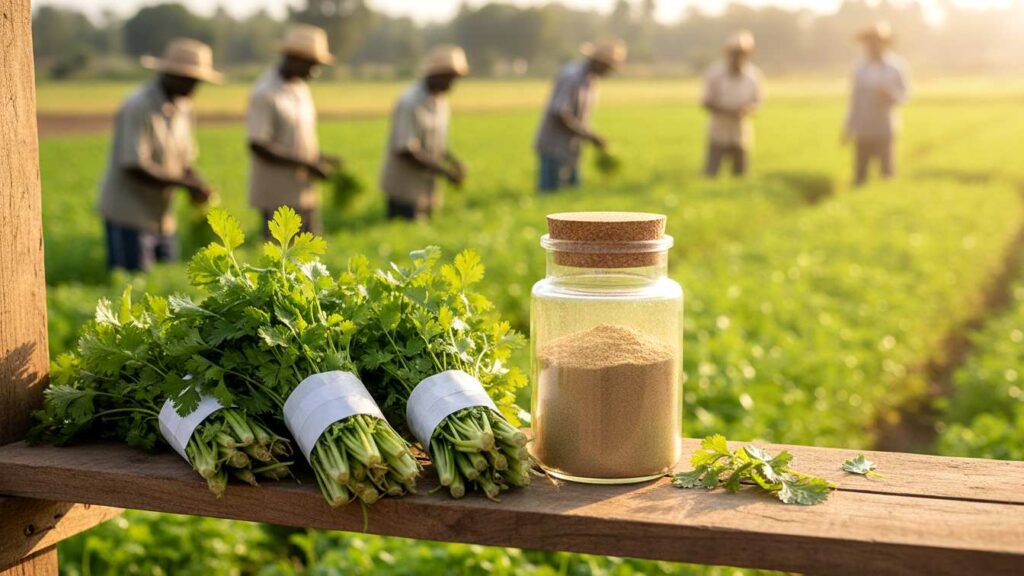
The supply chain moves from Farm -> Aggregator/Broker -> Wholesale Market (Marikiti) -> Retailer (Mama Mboga/Supermarket). To add value, farmers can wash, grade, and package fresh dhania in branded bunches for supermarkets, or dry excess produce to create coriander powder, which has a longer shelf life and higher value density.
Module E: Supply Chain & Value Addition
Understanding the journey your crop takes from the soil to the plate is key to finding profit leaks. In Kenya, the supply chain is often fragmented.
The Traditional Route: Most farmers sell to brokers at the farm gate. While convenient, brokers often dictate low prices, claiming “bad market conditions” in Nairobi. They use 90kg bags (which damage the leafy crop) to transport it to markets like Wakulima Market.
The Modern Route: Savvy farmers in 2026 are bypassing brokers. They form groups and hire a Canter truck to deliver directly to traders in urban centers. Even better, some are contracting directly with grocery startups and supermarkets like Naivas or Carrefour.
Read Also: How to Grow Bulb Onions in Crates: Step by Step Guide for Kenyan Farmers
Value Addition Opportunities: 1. Packaging: Instead of selling in rough sacks, clean the dhania, remove yellow leaves, and tie them into uniform bunches. Pack these in perforated plastic bags with a label. This appeals to the middle-class shopper. 2. Drying: If the market price crashes, do not let your crop rot. Harvest, wash, and solar-dry the leaves (in the shade to keep the green color). Dried coriander flakes sell at a premium in spice aisles. 3. Seed Production: If the vegetative market is poor, let the crop flower and produce seeds. Coriander seeds (spices) are non-perishable and can be stored until prices rise.
2026 Outlook: Is Coriander Farming Still Profitable?
As we navigate 2026, the outlook for coriander farming in Kenya remains highly positive. The trend towards healthy eating and the explosion of culinary interest in herbs ensures steady demand. The rise of food delivery apps in Nairobi has also increased the demand for fresh garnishes.
However, climate unpredictability is the new normal. Farmers who rely solely on rain will struggle with consistency. The winners in 2026 will be those who invest in simple drip irrigation kits and certified drought-resistant seeds.
“My Final Verdict: Dhania is an excellent “cash flow” crop. It keeps money coming into the farm account every 6 weeks, which can fund long-term projects like avocado or coffee farming. Do not ignore it.
Ready to start? Don’t guess. Visit your nearest Kenya Seed Company stockist today to buy certified seeds. Prepare your land now, and you could be harvesting your first profit in less than 45 days!
FAQ: Farmers Also Ask
Why do my coriander leaves turn yellow?
Yellowing leaves usually indicate nitrogen deficiency or waterlogging. Coriander hates “wet feet.” Ensure your soil drains well. If the soil is dry and leaves are yellow, apply a nitrogen-rich foliar feed or top-dress with CAN fertilizer.
How many kgs of dhania can 1 acre produce?
A well-managed acre can produce between 4,000 kg to 6,000 kg (4-6 tonnes) of fresh coriander. In terms of bunches, this can translate to over 20,000 medium-sized bunches depending on your bundling size.
What is the best fertilizer for dhania?
Start with well-decomposed manure and DAP during planting to support root growth. After 2-3 weeks, top dress with CAN or Urea to boost vegetative (leaf) growth. Foliar fertilizers rich in Nitrogen and trace elements are also effective.
Can I grow coriander in a greenhouse?
Yes, but it is rarely cost-effective unless you are targeting a premium niche market. Open field farming is cheaper. However, a greenhouse guarantees clean, pest-free produce which can fetch higher prices in high-end markets.
How do I stop my coriander from flowering too early (bolting)?
Bolting is caused by heat stress or water shortage. To prevent it, use bolt-resistant varieties like American Long Standing, mulch the soil to keep roots cool, and irrigate consistently. Avoid planting in the hottest months if you lack irrigation.
Where can I buy certified coriander seeds in Kenya?
Buy from reputable agrovets stocking Simlaw Seeds, Kenya Seed Company, Royal Seed, or East African Seed. Avoid buying seeds from the open market (grocery section) as they have poor germination rates.
Is there a market for dried coriander leaves?
Yes, there is a growing market for dried herbs. You can sell to spice processors or package it yourself. It requires proper drying techniques (shade drying) to retain the green color and aroma.
What is the maturity period for dhania?
Coriander matures very fast. You can start harvesting lower leaves for home use at 4 weeks. Commercial harvesting usually happens between 5 to 7 weeks after planting.
How do I control weeds in a coriander farm?
Weed control is difficult because coriander is delicate. Hand weeding is the safest method. Do it early when weeds are small. There are selective herbicides available (like Linuron), but they must be applied carefully by a professional to avoid killing the crop.
Can I intercrop coriander with other crops?
Yes, coriander is an excellent intercrop. It repels aphids and spider mites. It grows well between rows of tomatoes, cabbages, or sukuma wiki. Just ensure it doesn’t get completely shaded out by the taller crops.






Pingback: Seed review: coriander to deliver fast cash, everywhere