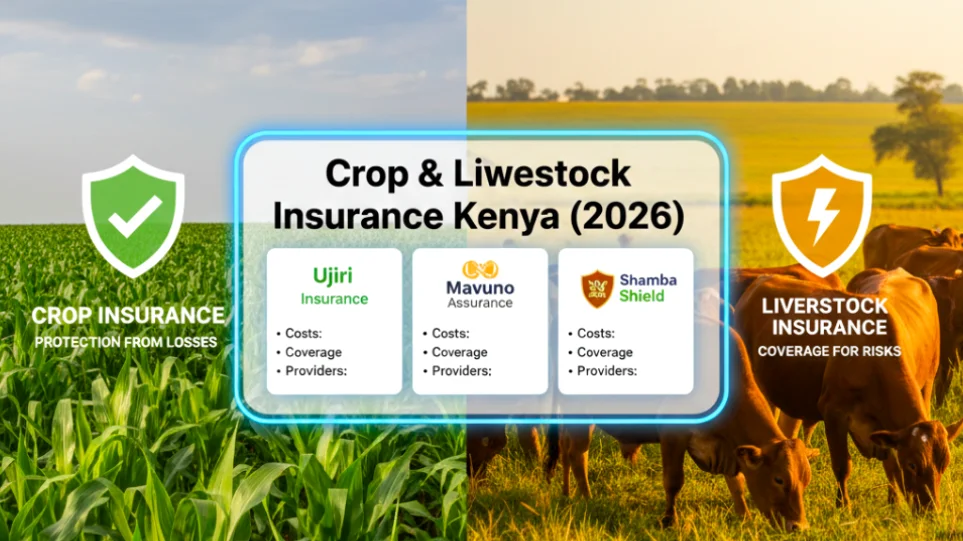

Agricultural insurance in Kenya has evolved into a critical safety net for farmers, protecting against climate shocks, pests, and market volatility. In 2026, modern digital platforms and government subsidies have made coverage more accessible, with premiums averaging 3.5% to 6% of the production cost. This guide outlines the best providers, cost structures, and regional strategies to secure your shamba against unforeseen losses.
Table of Contents
The agricultural sector contributes significantly to Kenya’s economy, yet it remains highly vulnerable to unpredictable weather patterns. Recent data indicates that climate variability affects over 70% of agricultural output in the region. Coverage is no longer a luxury but a necessary input for sustainable farming.
Technological advancements have streamlined the coverage process, allowing for faster onboarding and claims settlement. Farmers can now access policies via USSD codes or mobile apps, bypassing traditional paperwork. This shift has democratized access, bringing financial security to even the smallest landholders.
What Are the Best Crop and Livestock Insurance Policies for 2026?
The most effective policies for 2026 are Area Yield Index Coverage (AYII) for crops and Index-Based Livestock Coverage (IBLI) for pastoralists. Top-performing “varieties” of coverage include Multi-Peril Crop Coverage (MPCI) for large-scale farmers and hybrid seed-embedded micro-coverage for smallholders. These policies leverage satellite data and automated weather stations to trigger faster M-Pesa payouts without lengthy field assessments.
Selecting the right coverage “variety” or policy type is as crucial as choosing the right seed. For 2026, the market has shifted away from traditional indemnity-based models toward technology-driven index solutions. Understanding these options ensures you get value for your money.
1. Area Yield Index Insurance (AYII)
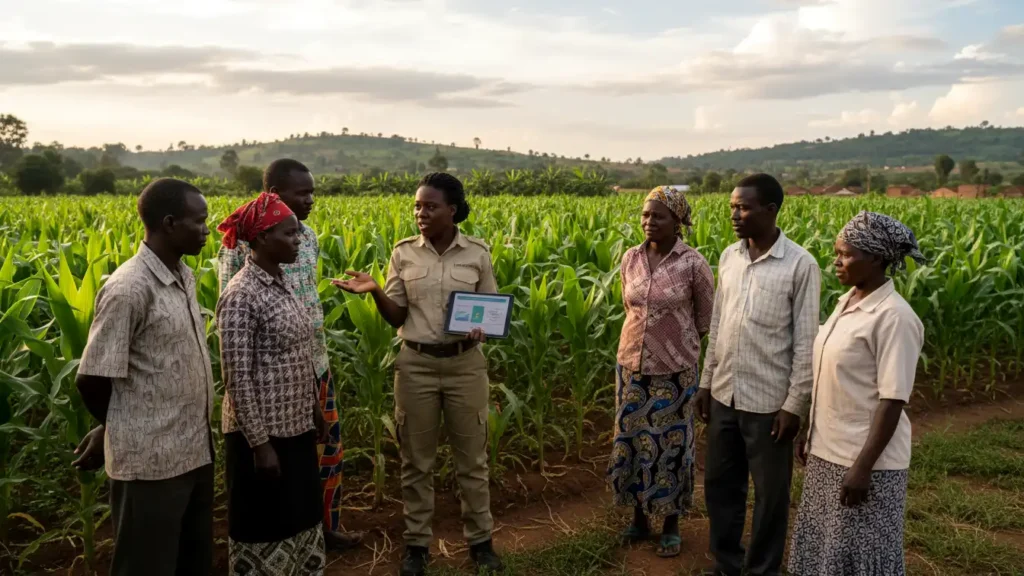
AYII is currently the gold standard for small-scale maize, wheat, and sorghum farmers in Kenya. Instead of visiting every individual farm to assess damage, insurers measure the average yield of a specific “unit area” (usually a ward or village). If the area’s average yield drops below a historical benchmark due to drought or pests, all insured farmers in that zone receive a payout.
This model significantly reduces premium costs because it eliminates expensive administrative overheads like individual farm inspections. APA Coverage and CIC Group are leaders in this space, often partnering with county governments to subsidize premiums. It is particularly effective for staple crops grown by many farmers in the same region.
Read Also: How to Get Instant Farm Input Mobile Loans in Kenya 2026: Digital Credit Apps and Bank Options
Farmers in high-potential areas like Trans-Nzoia and Bungoma have seen great success with this model. It aligns payouts with the general performance of the season, ensuring fairness. However, it does not cover localized risks like hail damage on a specific farm.
2. Index-Based Livestock Insurance (IBLI)
For pastoralists in arid regions, IBLI uses satellite imagery to monitor forage availability (greenness of vegetation). When forage becomes scarce due to drought, the policy triggers a payout to help farmers buy feed and keep their animals alive. This is critical for keeping livestock healthy before they succumb to starvation.
The International Livestock Research Institute (ILRI) pioneered this technology, which is now sold by commercial insurers. It is designed to be proactive rather than reactive. Payouts are often released before animals die, allowing herders to purchase fodder or water trucking services.
3. Multi-Peril Crop Insurance (MPCI)
This is a comprehensive cover designed primarily for medium to large-scale commercial farmers. It covers losses from a wide range of risks including fire, lightning, storm, hail, and flooding. Unlike index coverage, MPCI requires an individual assessment of the farm before and after the loss.
UAP Old Mutual is a key provider of this tailored coverage. It is more expensive than index coverage due to the administrative cost of visits. However, it offers the most accurate compensation for specific losses suffered by an individual enterprise.
4. Hybrid/Embedded Micro-Insurance
A rapidly growing trend in 2026 is insurance embedded directly into the cost of inputs. When you buy a bag of certified seeds from companies like Kenya Seed Company or Syngenta, a small insurance premium is included. You register the bag via USSD code, and if the season fails, you are compensated with replacement inputs.
Expert Tip: “Never ignore the waiting period clauses. For livestock policies, coverage usually starts 15-30 days after the premium is paid. Ensure your animals are tagged and verified early to avoid claim rejections.” — Senior Underwriter, Nairobi.
Expert Tip: “Never ignore the waiting period clauses. For livestock policies, coverage usually starts 15-30 days after the premium is paid. Ensure your animals are tagged and verified early to avoid claim rejections.” — Senior Underwriter, Nairobi.
Where to Get Crop & Livestock Insurance Kenya (2026): Costs & Top Providers in Kenya?
You can purchase agricultural insurance through established underwriters like CIC Group, APA Insurance, and Kenya Orient, or via aggregators like Digifarm and Pula Advisors. In 2026, many farmers buy coverage directly through banking apps (KCB, Equity) or via USSD menus linked to seed purchases. Always verify the agent’s license with the Insurance Regulatory Authority (IRA) before transacting.
For a deep dive into how the top providers stack up, read our detailed comparison of the Top 5 agriculture insurance companies in Kenya.
The procurement landscape for agricultural insurance has digitized, moving from physical offices to mobile-first platforms. Here is where you should source your coverage in 2026.
Top Digital & Physical Providers
CIC Group (Agri-Business) remains the market leader offering the widest range of livestock and crop policies. They have strong networks in cooperatives and offer specialized products for dairy and horticulture. Their “Co-op Insurance” model is highly trusted among SACCO members.
APA Insurance is excellent for Area Yield Index Insurance and specialized horticulture covers (greenhouses). They have partnered deeply with the government on subsidy programs. Their digital claims process is rated highly for speed and transparency.
UAP-Old Mutual is known for Multi-Peril Crop Insurance suitable for medium-to-large scale commercial farming. They provide strong technical support and agronomy advice alongside their policies. Their products often appeal to farmers with bank loans requiring comprehensive collateral protection.
ACRE Africa operates as a specialized intermediary that designs micro-insurance products sold through input dealers and aggregators. They connect insurers with smallholder farmers who were previously uninsurable. Their scratch-card insurance models attached to seed bags are revolutionary.
Read Also: Top 7 Best AI Apps for Kenyan Farmers in 2026: Fight Crop Diseases, Cut Costs and Boost Yields
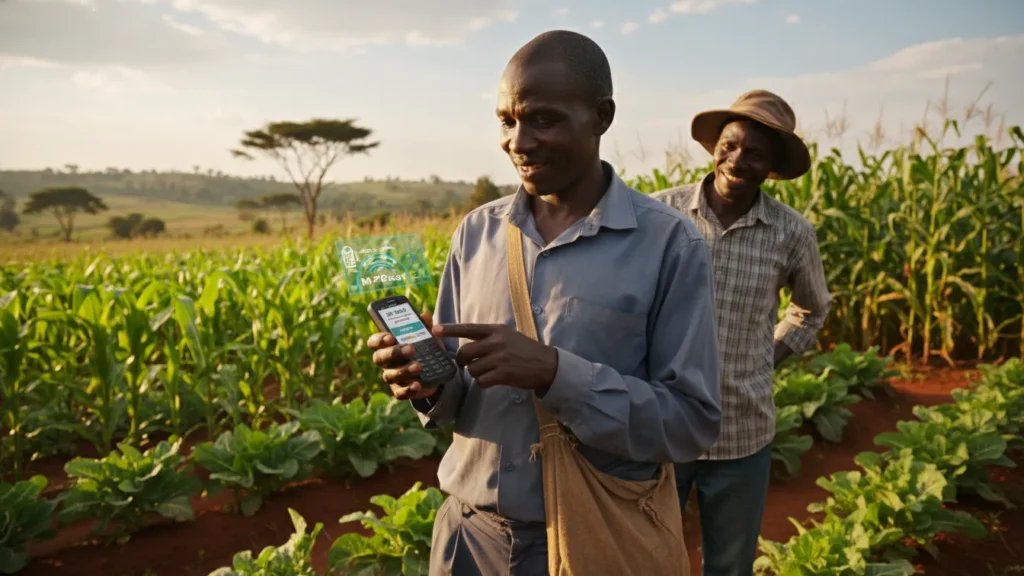
Digifarm (Safaricom) offers bundled insurance products directly on your phone. You can pay premiums using M-Pesa and receive claims directly to your mobile wallet. This platform integrates credit, inputs, and insurance into a single digital ecosystem.
Buyer’s Caution: Verification List
Before paying any premium, perform these checks to avoid fraud. First, text the insurer’s name to the Insurance Regulatory Authority (IRA) verification number to confirm they are licensed for agricultural products. This simple step can save you from fake agents.
Second, demand a “Key Facts Statement” (KFS). This is a simplified 1-page summary of what is covered and what is excluded. Do not rely solely on verbal promises made by sales agents.
Third, ensure you receive an official digital receipt immediately. Do not pay cash to individual agents without an official receipt book. Mobile money payments to official paybills are safer as they create a digital paper trail.
How Do Insurance Costs Compare Across Different Kenyan Counties?
Insurance costs vary significantly by region based on climate risk profiles. Turkana (High Risk) premiums can reach 8-10% for livestock due to frequent drought. Uasin Gishu (Medium Risk) crop premiums average 4-6% for maize. Kiambu (Low Risk) dairy and horticulture premiums are generally lower, around 3.5-4.5%, due to better infrastructure and lower weather volatility.
Geography is the primary driver of insurance premiums in Kenya. Underwriters analyze historical weather data and claim frequency to set rates for each county. Understanding your region’s risk profile helps in budgeting.
1. Turkana & Marsabit (Arid/Pastoralist Focus)
Turkana faces severe drought risks, making it a high-premium zone for livestock insurance. However, the Kenya Livestock Insurance Program (KLIP) often subsidizes these costs significantly. Farmers here rely heavily on IBLI to protect camels and goats from starvation.
Without subsidies, commercial rates are steep, reflecting the high probability of payout. The government often steps in to cover up to 50% of the premium for vulnerable households. This makes coverage affordable for the poorest herders.
2. Uasin Gishu & Trans-Nzoia (The Grain Basket)
As major maize and wheat producers, these counties have a mature insurance market. Premiums are moderate because the weather is relatively predictable, though changing rain patterns are increasing rates slightly. Most farmers here use Multi-Peril Crop Insurance (MPCI) tied to bank loans for fertilizer and machinery.
Read Also: Top 5 Profitable Dairy Cow Breeds for Successful Farming in Kenya (2026 Guide)
The high density of farmers allows insurers to pool risk effectively. This keeps premiums competitive compared to other regions. Aggregators often negotiate bulk rates for cooperatives in these areas.
3. Kiambu & Murang’a (Intensive Dairy & Horticulture)
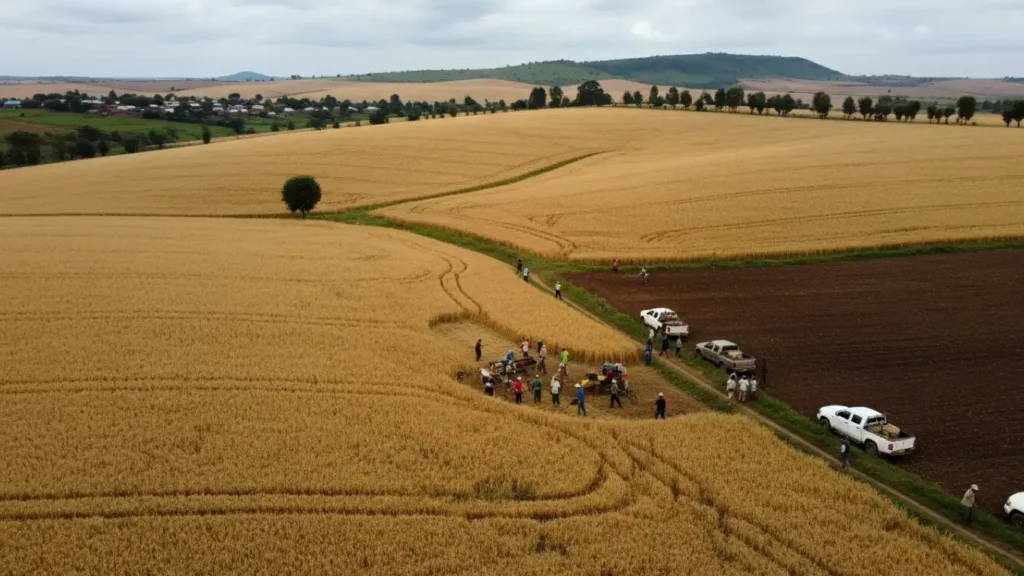
Kiambu features high-value intensive farming. Insurance here focuses on “Named Peril” policies for greenhouses (covering windstorm and hail) and high-yield dairy cows (covering death and theft). Because risks like theft or fire are more manageable than regional drought, premiums are competitive relative to the high value of the assets insured.
Dairy farmers in this region often access insurance through their milk processors. Premiums are sometimes deducted directly from milk payments. This arrangement simplifies the payment process and ensures continuous coverage.
4. Nakuru & Narok (Mixed Farming)
These counties have diverse agricultural activities ranging from wheat to potatoes. The risk profile is mixed, with some areas prone to flash floods while others face dry spells. Insurance products here are often customized to specific zones within the county.
Potato farmers in Nyandarua and Nakuru are increasingly adopting seed potato insurance. This covers the high cost of certified seeds against rot or germination failure. Premiums are generally around 4-5% of the input cost.
When Should You Apply for Coverage During the Farming Calendar?
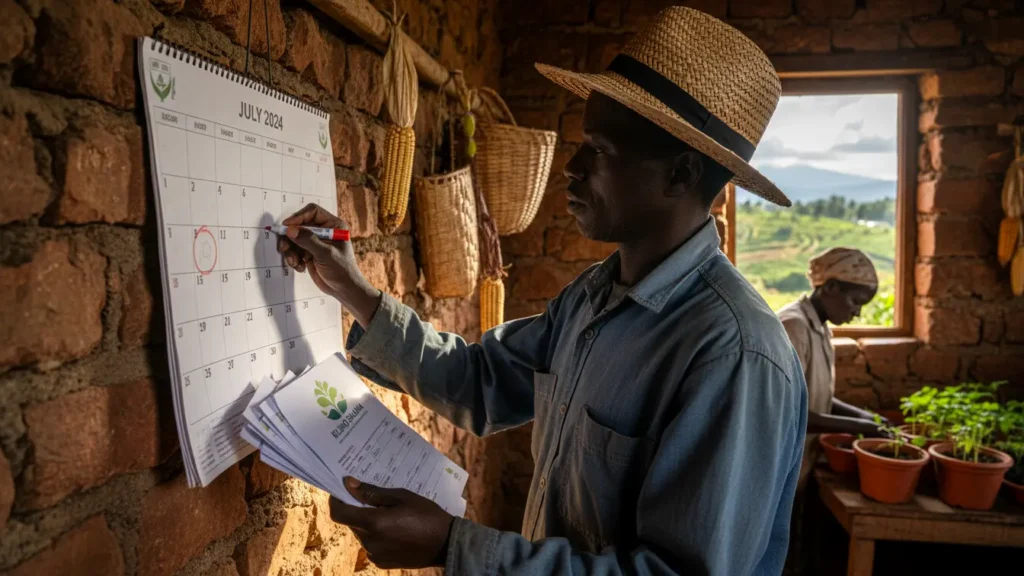
Timing is non-negotiable; you must purchase crop insurance before planting or at the onset of rains. For the Long Rains (March-May), finalize policies by late February. For the Short Rains (October-December), secure coverage by late September. Livestock insurance typically has open windows but requires a 15-30 day waiting period before coverage becomes active to prevent “adverse selection.”
Insurance operates on strict deadlines to prevent fraud. Attempting to insure a crop after germination or an animal that is already sick will result in immediate rejection. Planning your insurance purchase is as important as planning your fertilizer application.
12-Month Insurance Activity Calendar
January – February: This is the primary purchase window for the Long Rains. Finalize your budgets and pay premiums now. If you are a dairy farmer, this is a good time to tag new calves and update your policy.
Read Also: 10 Most Profitable Farming Ventures in Kenya for 2026
March: This is the deadline for planting declarations. You must submit returns to insurers stating the acreage planted and seed variety used. Rains typically begin, marking the start of the risk period.
April – May: This is the monitoring phase. Keep detailed records of rainfall and farm activities. Notify insurers immediately if you notice flooding or early pest infestation.
June – July: Mid-season assessments occur during these months. For MPCI, adjusters may visit to inspect crop health. For Index insurance, satellite data is aggregated to check for drought triggers.
August – September: Harvest declarations are due for the Long Rains. If your yield is below the guaranteed threshold, file your claims now. This is also the time to prepare for Short Rains coverage.
October: The purchase window for Short Rains opens. Pay premiums for the second season promptly. Late payments are rarely accepted once the rains have started.
November – December: Claim settlements are processed for the Long Rains. You should receive payouts during this period. Use this time to review your annual performance and adjust coverage for the next year.
What Are the Financial Costs and Returns of Agricultural Insurance?
For a standard acre of maize, premiums cost between KES 1,500 and KES 2,500 per season depending on coverage depth. The break-even point is reached if you suffer a significant loss once every 5-7 years. While it adds to upfront costs, insurance unlocks cheaper credit from banks, often lowering loan interest rates by 1-2%, which offsets the premium expense.
Farmers often view insurance as a “dead cost,” but in 2026, it is a financial tool that safeguards working capital. It transforms agriculture from a gamble into a calculated business investment. Let’s break down the numbers for a typical 5-acre commercial maize farm.
Cost-Benefit Analysis Table (5 Acres Maize – Uasin Gishu)
| Cost Item | Without Insurance (KES) | With Insurance (KES) |
|---|---|---|
| Land Preparation & Inputs | 120,000 | 120,000 |
| Insurance Premium (4%) | 0 | 4,800 |
| Total Production Cost | 120,000 | 124,800 |
| Scenario: Total Crop Failure | LOSS: -120,000 | PAYOUT: +100,000 |
| Net Financial Position (Failure) | -120,000 (Debt) | -24,800 (Recoverable) |
| Bank Loan Interest Rate | 14% (High Risk) | 12% (Secured) |
Analysis: By spending KES 4,800 on premiums, the farmer avoids a catastrophic KES 120,000 loss. Furthermore, banks often mandate insurance for agribusiness loans. If you have a valid policy, banks view you as a lower risk, potentially reducing your interest rate.
This interest saving alone can sometimes pay for the insurance premium. For example, a 2% reduction on a KES 120,000 loan saves KES 2,400. This covers half the cost of the premium immediately.
Break-Even Context
You do not need a payout every year for insurance to be profitable. If one catastrophic drought wipes out your shamba every ten years, the payout from that single event usually exceeds the total premiums paid over that decade. It ensures you stay in business for the next season.
How Does Insurance Impact the Agricultural Supply Chain and Value Addition?
Insurance de-risks the entire supply chain, encouraging aggregators and processors to contract smallholder farmers. When farmers are insured, input suppliers are more willing to offer seeds and fertilizer on credit. For value addition, processors like Brookside or Unga Ltd prefer sourcing from insured cooperatives because supply consistency is guaranteed even during adverse weather years.
Insurance is the grease that keeps the agricultural supply chain moving. In 2026, value chain integration is tighter than ever. Large buyers are increasingly demanding that their suppliers have risk mitigation measures in place.
De-Risking Input Credit
Agrovets and input suppliers are often reluctant to lend to farmers due to fear of crop failure. Insurance bridges this gap effectively. Companies like Apollo Agriculture bundle insurance with fertilizer and seed loans.
If the crop fails, the insurance pays off the loan directly to the supplier. This protects the farmer’s credit score from default. It also ensures the supplier maintains a healthy balance sheet.
Contract Farming Stability
Exporters of french beans or avocados require consistent volumes to meet international orders. They are increasingly mandating that their contracted farmers hold valid insurance. This ensures that if a specific region is hit by hail, the financial blow doesn’t cause the farmer to abandon agriculture.
This stability allows farmers to recover and plant again quickly for the next cycle. It builds long-term trust between the buyer and the farmer. Without insurance, one bad season can end a contracting relationship.
How to File a Successful Insurance Claim in 2026
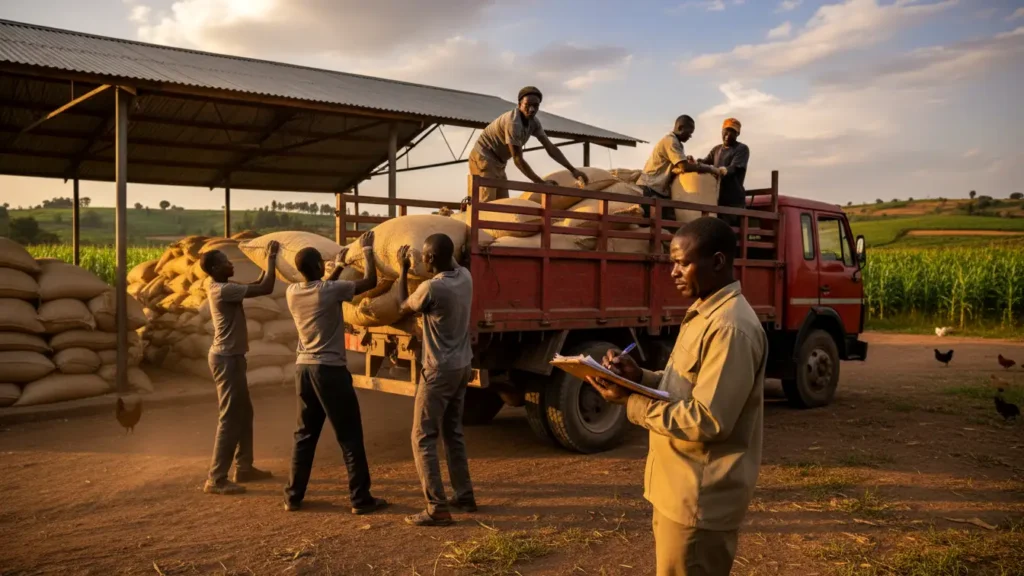
Filing a claim can be stressful, but following the right procedure ensures a smooth settlement. The process has become more digital, but specific steps must be followed. Understanding these steps before a loss occurs is vital.
Step 1: Immediate Notification
Notify your insurer immediately upon noticing damage. Most policies require notification within 24 to 48 hours of the event. You can often do this via a mobile app, USSD code, or a toll-free call.
Step 2: Documentation and Evidence
Take clear photos of the damaged crops or dead livestock. For livestock, preserve the ear tags as proof of identity. Do not dispose of the carcass or harvest the damaged crop until the insurer gives the go-ahead.
Step 3: The Assessment
For index insurance, this step is automated via satellite or weather station data. For indemnity insurance, an adjuster will visit your farm. Be present during the visit to answer questions and sign the assessment form.
Step 4: Settlement
Once the claim is approved, payment is processed. In 2026, most smallholder claims are settled via M-Pesa. Larger commercial claims are paid via bank transfer.
What Is the 2026 Outlook for Kenyan Agricultural Coverage?
The outlook for 2026 is robust, driven by climate urgency and digital adoption. We expect to see a surge in “parametric” products where payouts are triggered automatically by sensors, removing human bias and delay. The integration of AI in yield estimation will make premiums more accurate and affordable for individual smallholders.
Government involvement will likely deepen through expanded subsidy programs. The goal is to reach universal coverage for vulnerable pastoralists. Additionally, blockchain technology may soon be used to make policy contracts smart and self-executing.
Read Also: Maize Farming in Kenya: High Yield Production Guide, Best Practices and Profit Tips 2026
Call to Action: Do not wait for the clouds to gather before thinking about protection. Start small. For the upcoming season, allocate 5% of your input budget to a simple Area Yield Index cover. Contact CIC Agribusiness or visit your local Digifarm agent today to get a quote. Your farm is a business—protect it like one.
Farmers Also Ask (FAQ)
1. What usually is not covered by crop insurance?
Standard policies exclude losses caused by negligence (e.g., poor weeding), theft of crops in the field, and post-harvest losses (e.g., rot in storage). Malicious damage and war are also standard exclusions. Always read the “Exclusions” section of your policy.
2. Can I insure my small one-acre farm?
Yes. Modern “micro-insurance” products are designed specifically for smallholders. You can buy coverage for as little as half an acre, often bundled with seed purchases. Aggregators pool many small farmers together to make this viable for insurers.
3. How long does it take to get paid after a loss?
It depends on the policy. Index-based insurance (weather/satellite) usually pays out within 14-21 days after the season data is finalized. Traditional indemnity insurance requiring field visits can take 30-60 days to process after the claim is filed.
4. Does livestock insurance cover theft?
Standard Index-Based Livestock Insurance (IBLI) only covers death due to drought (lack of forage). However, “comprehensive” livestock policies available for high-value dairy cows (zero-grazing) often cover theft, accident, and disease, but they cost more
5. Is government-subsidized insurance available?
Yes. The Kenya Agricultural Livestock and Research Organization (KALRO) and the Ministry of Agriculture operate the Kenya Agricultural Insurance Program (KAIP) and KLIP. These programs can subsidize up to 50% of the premium for vulnerable farmers in specific counties.
6. What happens if I replant after a crop failure?
If you suffer early germination failure and replant, some policies offer a “replanting benefit” (usually 15-25% of the sum insured) to cover the cost of new seeds. You must notify the insurer immediately before replanting to qualify.
7. Can I insure crops against monkey or elephant damage?
Generally, no. Damage by wild animals is usually considered a “wildlife conflict” issue handled by the Kenya Wildlife Service (KWS). However, some specialized Multi-Peril policies may include it if explicitly stated, but it is rare for standard policies.
8. How do I prove the value of my dairy cow for insurance?
You will need a valuation report from a veterinary officer. The vet assesses the cow’s breed, age, production history, and health to assign a market value. This value becomes the “Sum Insured” upon which premiums are calculated.
9. Can I pay premiums in installments?
Most agricultural policies require upfront payment before the risk period begins (before planting or grazing season). However, digital platforms and SACCOs may offer financing where they pay the insurer upfront and you repay the SACCO in installments.
10. What is a “franchise” or “deductible” in crop insurance?
This is the portion of the loss you bear yourself. For example, if your policy has a 10% deductible, the insurer will not pay for losses less than 10%. They only pay for severe losses that exceed this threshold to avoid handling tiny administrative claims.