
Table of Contents
Dairy farming is one of the most resilient and profitable sectors in Kenyan agriculture, contributing over 4% to the national GDP. As we move through 2025, the industry is transforming from traditional, low-input cattle keeping to high-precision dairy agribusiness.
With national milk demand exceeding 5.2 billion liters annually, while supply often struggles to reach 4 billion liters, there is a clear market gap and lucrative opportunity for both investors and smallholder farmers.
This guide is a comprehensive manual for anyone looking to enter the dairy sector. It covers:
- Cost breakdowns for starting and running a dairy farm
- Breed selection tips for optimal milk production
- Management practices required to maximize profits in today’s economic climate
Unlike the pastoralist methods of the past, modern dairy farming in Kenya is a science of margins. It is no longer enough to simply own a cow; one must own a genetic asset that converts fodder into milk with maximum efficiency. Whether you are situated in the cool, high-potential zones of Githunguri and Nyandarua or the transitioning semi-arid regions of Machakos and Kajiado, the fundamental rules remain constant. Success requires a synchronization of superior genetics, precise nutrition, and comfortable housing. A failure in any one of these pillars results not just in lower yields, but in financial losses that can cripple a farm within its first year.
This master guide will meticulously walk you through every stage of setting up a successful dairy unit. We will analyze the 2025 market rates for heifers, detailed construction costs for zero-grazing units, and the revolutionary impact of government subsidies on sexed semen. We will also explore the profitability of different breeds and how to navigate the challenges of feed formulation in an era of fluctuating raw material prices.
STEP 1 CHOOSING THE RIGHT DAIRY BREED FOR YOUR REGION
The single most critical decision a new farmer makes is the selection of the foundation stock. Your choice of breed dictates your feeding strategy, your housing requirements, and ultimately, your profit margins. In Kenya, the “best” cow is not necessarily the one that produces the most milk, but the one that produces the most milk relative to the resources and climate available to it. Importing a high-maintenance animal into an environment that cannot support it is the fastest route to failure.
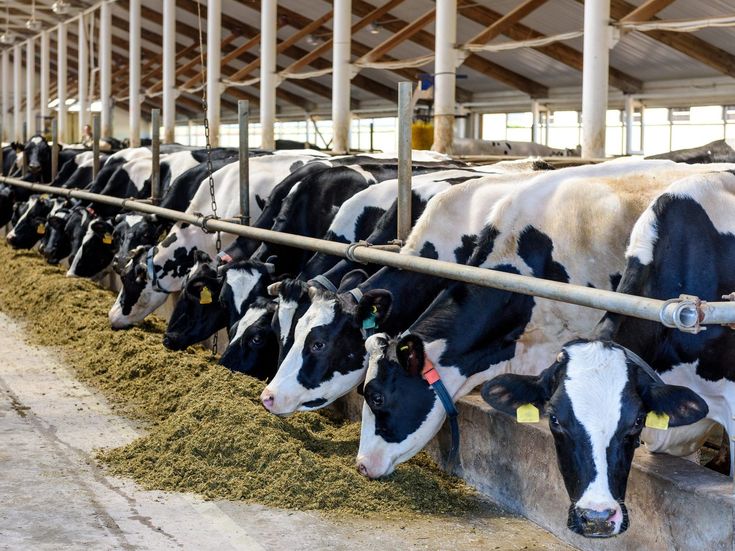
For farmers in the high-altitude, cool regions such as Kiambu, Nyeri, Meru, Uasin Gishu, and Kericho, the Friesian (Holstein) remains the undisputed champion of volume. A well-managed pedigree Friesian in these zones can comfortably produce between 25 and 40 liters of milk per day. However, this production comes at a steep caloric price. These large-framed animals, often weighing over 600kg, require massive intake of dry matter-upwards of 100kg of fresh fodder and 60-100 liters of water daily. If your farm cannot guarantee this level of input year-round, the Friesian will sacrifice its own body condition to produce milk, leading to infertility and metabolic diseases.
Read more
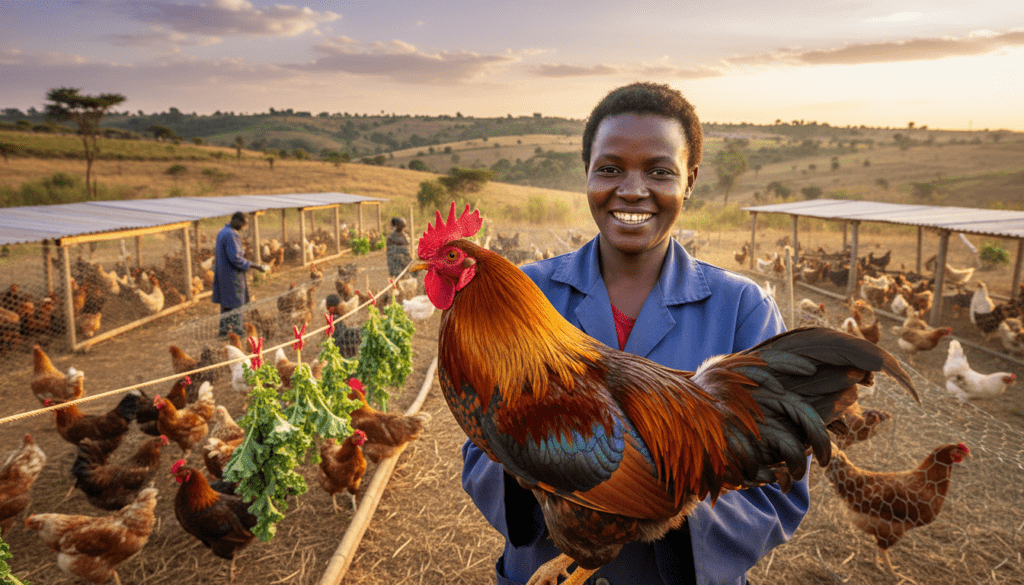
In contrast, the Ayrshire breed offers a pragmatic balance for the medium-potential areas and farmers who may not have an unlimited supply of high-quality silage. Ayrshires are renowned for their hardiness and ability to forage more efficiently than Friesians. They are particularly well-suited for regions like parts of Nakuru, Trans Nzoia, and Kisii. An Ayrshire will typically yield 20 to 25 liters daily but will do so with slightly lower feed requirements and greater resistance to hoof problems and mastitis. Their milk also boasts a higher butterfat content than Friesians, which is an advantage if you plan to value-add into yogurt or cream.
For farmers in hotter, lower-altitude areas or those with limited acreage, the Jersey and Guernsey breeds are the most economically viable options. These smaller cows (350-450kg) consume roughly 30 percent less feed than a Friesian, yet they produce milk with exceptional butterfat content, often exceeding 5 percent. This makes them the ideal choice for niche markets or household sufficiency. A Jersey cow is highly heat-tolerant and has superior hoof hardness, making it suitable for the rocky terrains of Eastern Kenya or the coastal strip. While their volume might hover around 15 to 20 liters, the cost of production per liter is significantly lower, often resulting in a higher net profit per kilogram of feed consumed.
STEP 2 ESTIMATING STARTUP COSTS AND COW PRICES 2025 MARKET RATES
Accurate financial forecasting is the bedrock of a successful dairy enterprise. In 2025, the cost of acquiring quality genetics has risen, reflecting the scarcity of verifiable pedigree stock. A premium in-calf Friesian heifer, approximately 7 to 8 months pregnant and sourced from a reputable breeder like Kisima, Gicheha, or a top-tier Githunguri farm, now commands a price between KES 180,000 and KES 250,000. These animals come with records detailing their lineage and projected production, reducing the gambler’s risk associated with buying livestock.
For those with a tighter budget, standard commercial grade heifers are trading between KES 100,000 and KES 160,000. It is vital to exercise extreme caution when encountering “bargain” cows sold in local markets for KES 40,000 to KES 60,000. In almost all cases, these are cull cows being offloaded due to chronic mastitis, recurring fertility issues, or old age. Investing in such animals is often a sunk cost, as the veterinary bills and lost production will quickly exceed the price of a quality heifer.
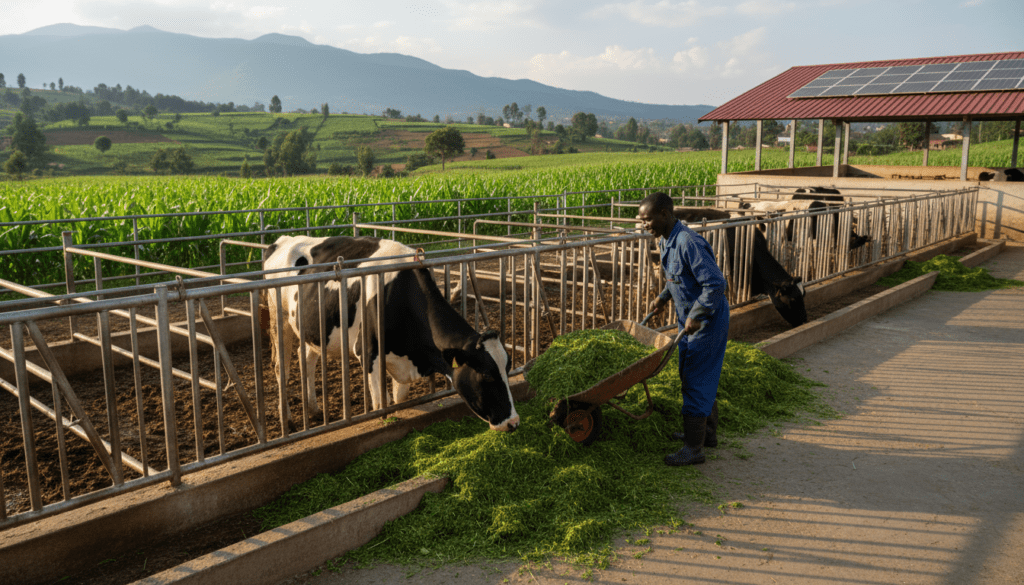
Infrastructure expenses must also be tallied before the first cow arrives. A standard zero-grazing unit designed to house four cows, constructed with timber, iron sheets, and a concrete floor, will cost between KES 150,000 and KES 250,000. This variance depends heavily on the cost of materials in your specific county and whether you use treated timber or locally sourced poles. Essential machinery includes a chaff cutter to minimize feed wastage. A manual chaff cutter retails for approximately KES 15,000 to KES 20,000, while a more efficient petrol-powered 7.5HP cutter ranges from KES 38,000 to KES 48,000. Electric models (3HP) typically sit between KES 40,000 and KES 50,000.
Operational liquidity is also crucial. A 70kg bag of high-yield Dairy Meal has stabilized between KES 3,100 and KES 3,500 depending on the brand (e.g., Fugo, Unga, or empirical mash). Hay prices fluctuate wildly with the seasons; a standard bale of Boma Rhodes hay can cost as little as KES 200 during the harvest or spike to KES 450 during the dry season. To remain profitable, feed costs must be kept below 60 percent of milk revenue, which emphasizes the necessity of growing your own fodder rather than relying solely on purchased feeds.
STEP 3 HOUSING AND ZERO GRAZING UNIT DESIGN
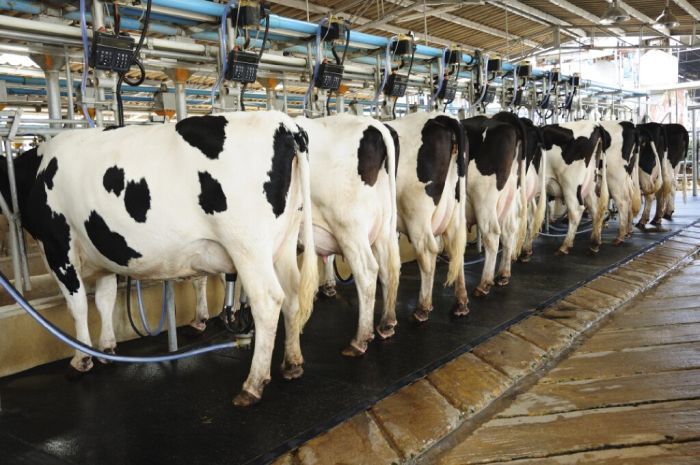
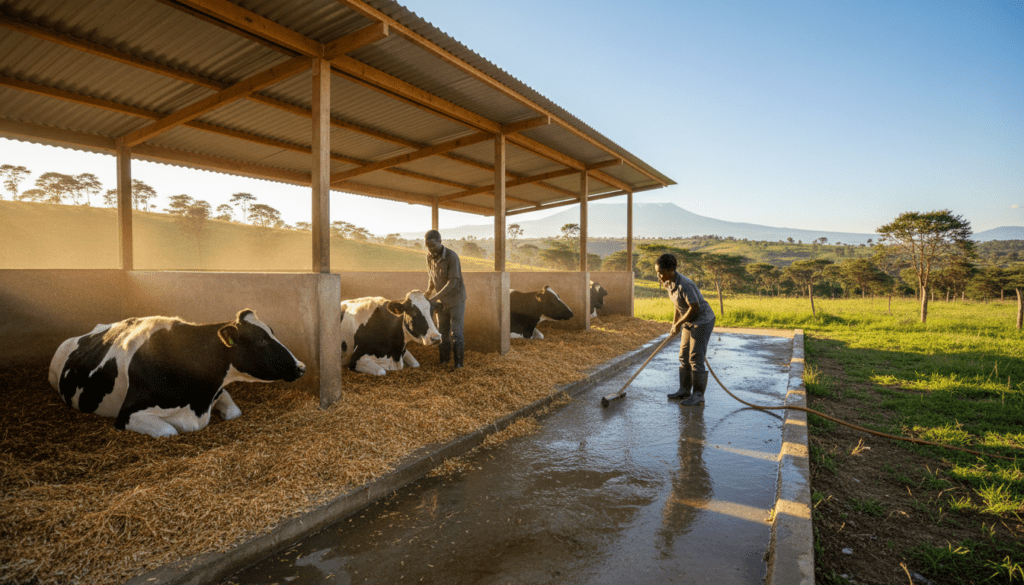
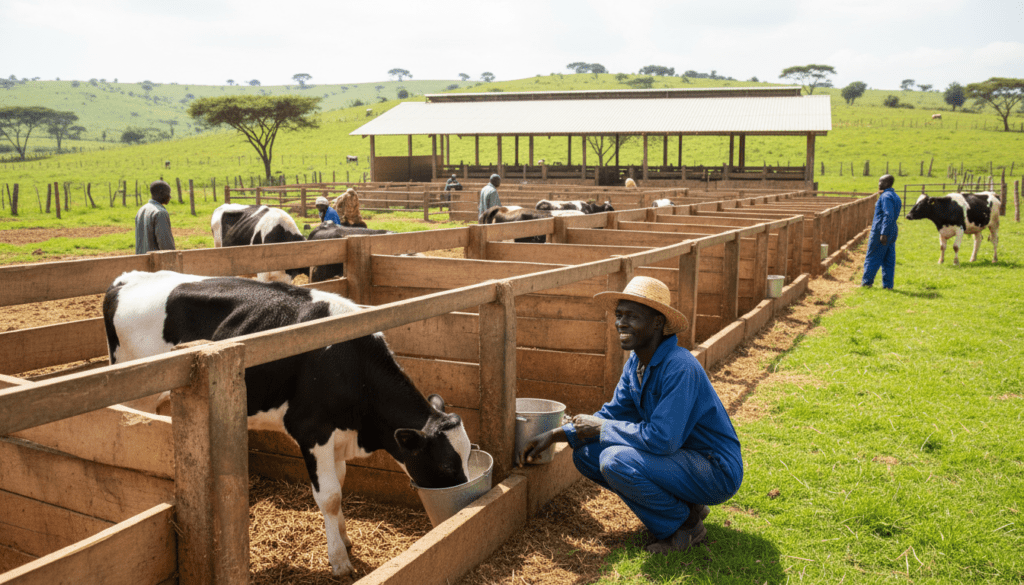
The physical environment in which a cow lives has a direct and immediate impact on her milk production. Cows are creatures of comfort; stress hormones like cortisol inhibit the release of oxytocin, the hormone responsible for milk let-down. A poorly designed shed that is wet, cramped, or hot will suppress yield regardless of how well you feed the animal. A functional zero-grazing unit is divided into three primary zones: the resting cubicles, the walking area, and the feeding/water trough area.
The resting cubicles are where the cow spends the majority of her day ruminating and making milk. Each cubicle should measure approximately 4 feet by 7 feet for a standard Friesian. The floor of the cubicle must be raised above the walking area to prevent slurry from entering, and it should be filled with soft bedding material such as sawdust, sand, or specialized rubber cow mats. This soft bedding is not a luxury; it prevents physical injury to the udder and knees, drastically reducing the incidence of mastitis and lameness.
The walking area, or the “loafing” area, requires a concrete floor that is grooved or roughened to prevent slipping. Cows that slip and fall are prone to pelvic fractures, which often necessitate culling. Crucially, this floor must slope gently towards a drainage channel to facilitate easy cleaning. Accumulated slurry is a breeding ground for bacteria that cause hoof rot, a painful condition that stops a cow from eating and standing. The roof of the structure should be high, ideally 3 to 4 meters at the highest point, to allow hot air to rise and escape. Heat stress is a major productivity killer in tropical climates, and proper ventilation is the cheapest way to mitigate it.
Water infrastructure is frequently the most overlooked aspect of housing design. A lactating cow requires between 60 and 100 liters of water per day to maintain production. The water trough must be positioned in the walking area, not the sleeping cubicle, to keep bedding dry. It should be large enough to allow the cow to drink rapidly and must be cleaned daily to prevent algae buildup. If a cow does not drink enough water, her milk yield will drop immediately, as milk is composed of over 85 percent water.
STEP 4 ESTABLISHING HIGH QUALITY FODDER
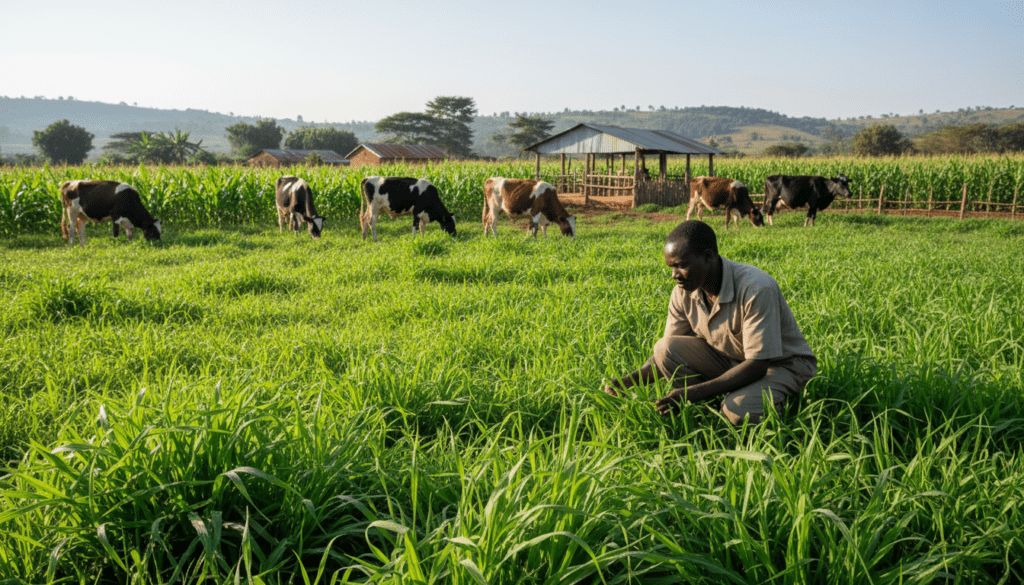
The economic reality of dairy farming in Kenya dictates that you cannot buy your way to profitability using commercial feeds alone. You must become a grass farmer first and a dairy farmer second. The goal is to produce high-energy, high-protein fodder on your own land to lower the cost of production. In 2025, the reliance on Napier grass is shifting towards more superior grass varieties, specifically Brachiaria (Mulato II, Cayman, or Cobra).
Brachiaria grass has revolutionized fodder production due to its high crude protein content, which ranges from 14 to 16 percent, compared to the 8 to 10 percent found in Napier grass. Furthermore, Brachiaria is resistant to the Napier Stunt Disease that has decimated fodder crops in Western Kenya and is highly drought-tolerant, with deep roots that allow it to regenerate quickly after cutting. For farmers seeking bulk, the “Super Napier” (Pakchong 1) variety is a hybrid that grows extremely fast and is hairless, making it very palatable, though it requires protein supplementation.
Protein is the most expensive component of a cow’s diet. To reduce the need for expensive dairy meal, farmers should plant legumes such as Desmodium or Lucerne (Alfalfa). Intercropping Desmodium with Napier or Maize (the “Push-Pull” technology) serves a dual purpose: the Desmodium suppresses weeds like Striga and repels stem borer pests, while simultaneously fixing nitrogen in the soil to boost the grass yield. This symbiotic relationship reduces fertilizer costs and provides a rich protein supplement for the cattle.
Proper soil nutrition is essential for fodder establishment. Planting should be done using DAP fertilizer or NPK 23:23:0 to encourage strong root development. Current subsidized prices for DAP at National Cereals and Produce Board (NCPB) depots are approximately KES 2,500 per bag, though retail prices can be higher. After every harvest, it is critical to top-dress the grass with CAN (Calcium Ammonium Nitrate) or Urea to stimulate leaf regrowth. Neglecting soil fertility results in fodder that is high in fiber but low in the nutrients required for milk synthesis.
STEP 5 BUYING SEEDS ONLINE IN KENYA
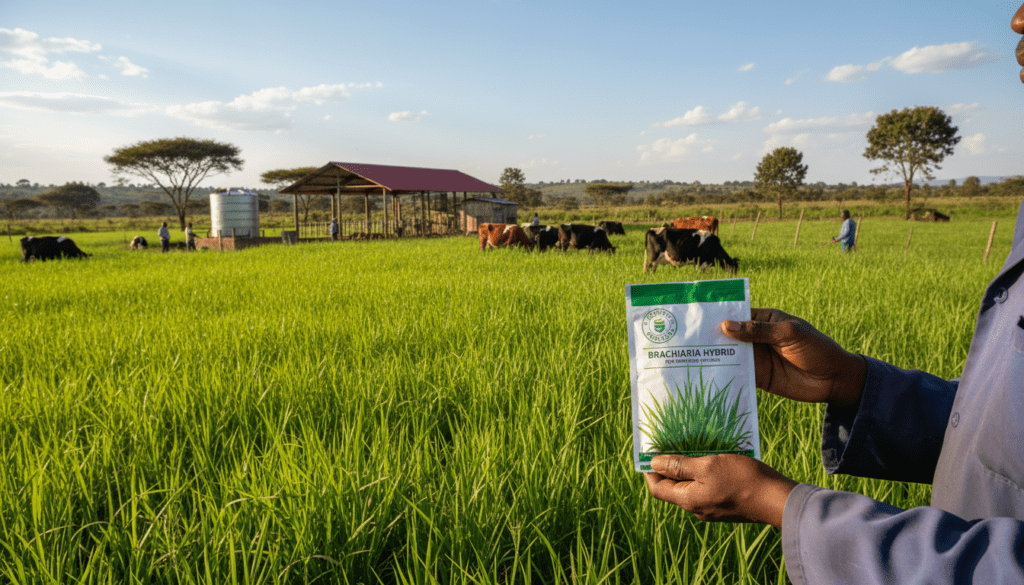
Accessing certified, disease-free seeds has historically been a challenge for rural farmers, but the digitization of the agricultural supply chain has improved this significantly. In 2025, several reputable companies and platforms allow farmers to order seeds directly, ensuring they receive KEPHIS-certified inputs rather than low-quality imitations often sold in informal markets.
AgriJibu is a comprehensive online marketplace that has gained traction for stocking a wide range of inputs. They supply seeds from major brands like Kenya Seed Company, Simlaw, and offer fertilizers like Yara. Their delivery network covers most parts of the country. Kenya Seed Company itself, while primarily distributing through physical stockists, lists its authorized agents online, ensuring you can find genuine Boma Rhodes and indigenous vegetable seeds near you.
Simlaw Seeds, the retail arm of Kenya Seed, operates a robust online catalog where farmers can order specific fodder seeds such as Desmodium and Lucerne. Brachiaria seeds, which are often in high demand, can be sourced from these platforms or directly from KARLO (Kenya Agricultural and Livestock Research Organization) centers, which often sell splits that establish faster than seeds. Elgon Kenya is another industry giant that provides an online portal for purchasing not just seeds, but also irrigation kits and greenhouse materials.
When purchasing seeds, it is imperative to check the packet for the “Lot Number” and the “Date of Test.” Seeds that have been sitting on a shelf for more than 12 months may have significantly reduced germination rates. For grasses like Brachiaria, buying vegetative splits from a certified nursery is often a safer bet for quick establishment than sowing seeds, which can be finicky regarding soil depth and moisture.
STEP 6 FEEDING AND NUTRITION MANAGEMENT
Feeding a dairy cow is a precise exercise in nutritional balancing. A high-yielding cow requires a Total Mixed Ration (TMR) that combines carbohydrates, proteins, minerals, and vitamins in specific proportions. The golden rule for intake is that a cow must consume dry matter equivalent to roughly 3 percent of her body weight every day. For a standard 500kg Friesian, this equates to 15kg of dry matter, which translates to approximately 60 to 70kg of fresh, wet fodder daily.
The bulk of this diet (about 70 percent) should come from energy-rich roughages. Maize silage is the gold standard here because of its high starch content, which drives milk volume. If silage is unavailable, Boma Rhodes hay or wilted Napier grass serves as the base. The remaining 30 percent of the diet comprises protein sources and concentrates. Since commercial dairy meal can be expensive, many farmers opt to mix their own rations using raw materials like Maize Germ, Wheat Bran, Soya Meal, and Sunflower Cake.
However, home mixing requires strict adherence to formulas to avoid imbalances. A critical addition to any diet is high-quality mineral salts. Kenyan soils are often deficient in specific trace elements, and a cow lacking in phosphorus or calcium will struggle to conceive or may succumb to milk fever. Commercial mineral mixes like Maclik Super or Fosfovita are formulated to bridge this gap.
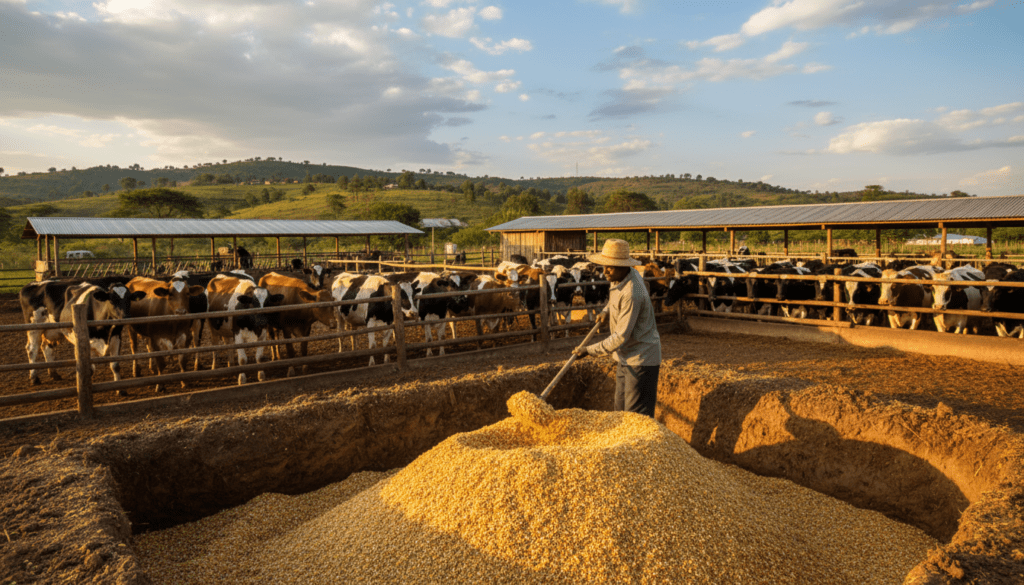
Silage making is not just a method of food preservation; it is a strategy for consistent production. By harvesting fodder during the rainy season when it is abundant and fermenting it in pit silos or silage bags, a farmer ensures their cows have high-quality feed during the dry months of January to March. The current market price for loose maize silage is approximately KES 8 to KES 10 per kilogram if purchased, whereas producing it on your own farm can cost less than KES 4 per kilogram. This price difference often determines whether a farm makes a profit or a loss during the drought.
STEP 7 BREEDING AND ARTIFICIAL INSEMINATION AI
The profitability of a dairy cow is cyclical; she must calve down once every year to maintain peak milk production. This “one cow, one calf, one year” principle dictates that a cow must conceive within 85 to 90 days of giving birth. Achieving this requires rigorous heat detection. Farmers must observe their herd early in the morning and late in the evening for signs of standing heat, which include mounting other cows, standing to be mounted, bellowing, and a clear mucus discharge.
The most significant advancement for smallholder farmers in recent years is the government-subsidized Sexed Semen program. Through partnerships with the Kenya Animal Genetic Resources Centre (KAGRC) and international genetics firms, the cost of sexed semen has been slashed from over KES 6,000 to approximately KES 1,000 to KES 2,000. Sexed semen contains X-chromosome-bearing sperm, guaranteeing a 90 percent chance of producing a female calf. This allows farmers to grow their herd internally with high-quality heifers rather than gambling on a 50/50 chance of getting a bull calf, which has little economic value in a dairy system.
When using Artificial Insemination, always engage a licensed provider or a vet affiliated with a cooperative. It is your right and responsibility to view the semen straw before it is loaded into the AI gun. Check the bull’s name and code to ensure you are getting the genetics you paid for and to prevent inbreeding. Inbreeding-mating a cow with a bull related to her-results in weak offspring, deformities, and poor production traits. Always keep records of which sire was used on which cow.
STEP 8 DISEASE CONTROL AND CALF REARING
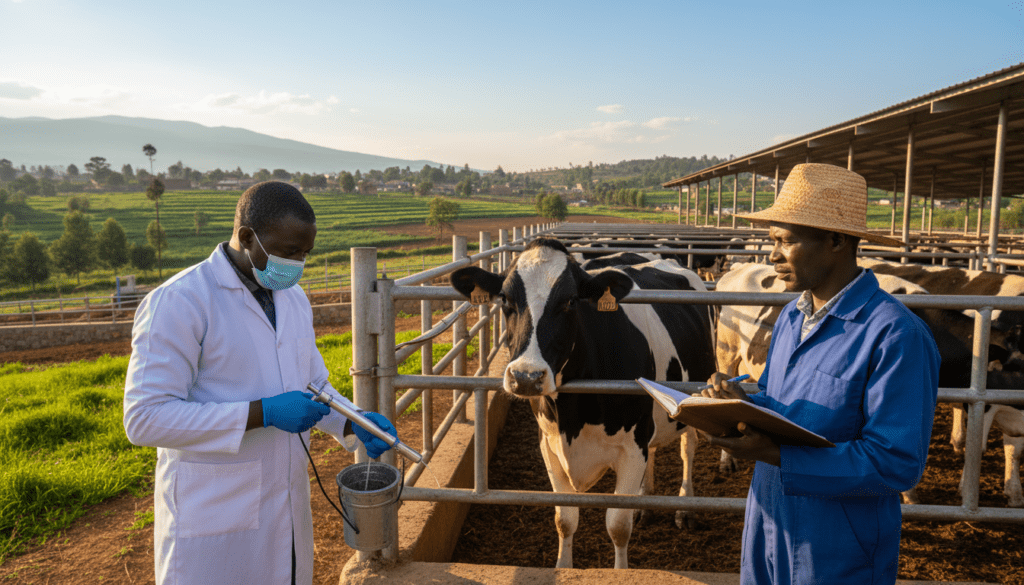
In Kenya, the tropical climate supports a host of livestock diseases that can wipe out a herd in days. The most prevalent threat to exotic cattle is East Coast Fever (ECF), transmitted by the brown ear tick. Anaplasmosis is another tick-borne killer. Prevention is the only viable strategy; cows must be sprayed or dipped with acaricides once a week without failure. It is important to rotate the active ingredients in your spray (e.g., switching between Amitraz and Cypermethrin) every 6 to 12 months to prevent ticks from developing resistance.
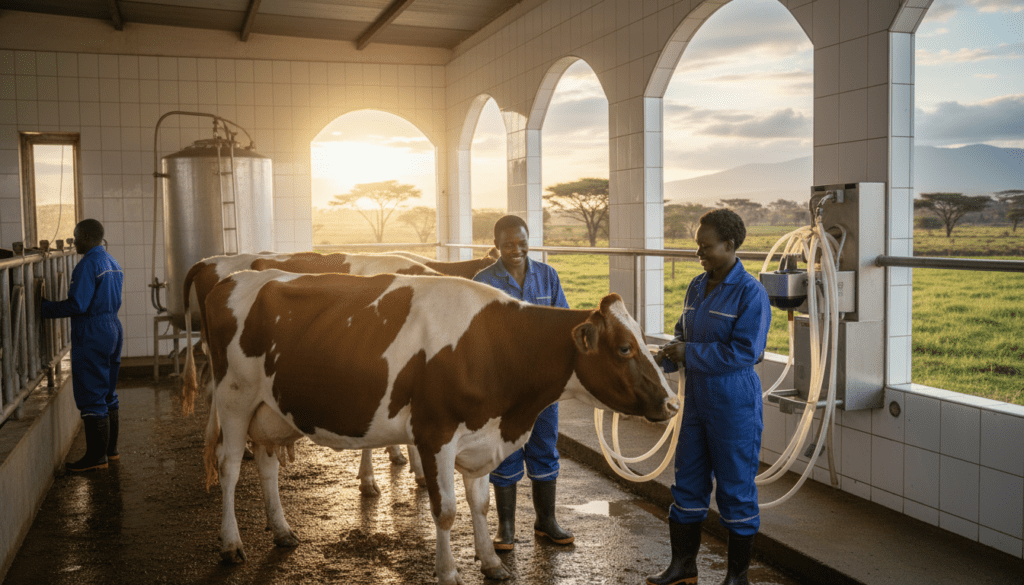
Mastitis, an infection of the udder, is the leading cause of revenue loss in dairy farming. It is almost always caused by poor hygiene. Milkers must wash their hands thoroughly and use a clean, separate towel for each cow’s udder. A “strip cup” test should be performed before every milking to check for clots or watery milk. After milking, teats should be dipped in an iodine-based solution to seal the teat canal, which remains open for about 30 minutes, making it vulnerable to bacteria.
Calf rearing is the process of building your future herd. The first 6 hours of a calf’s life are critical; it must ingest Colostrum, the thick, yellow first milk from the mother. A calf is born with zero immunity, and Colostrum provides the antibodies necessary for survival. If this window is missed, the calf will likely be sickly and stunted for life. Calves should be housed in individual pens to prevent them from suckling on each other, which can transmit diseases and cause navel infections. Weaning should be done gradually at 3 months, but solid feeds like calf pellets and sweet potato vines should be introduced as early as the second week to stimulate rumen development.
STEP 9 MILKING HYGIENE AND VALUE ADDITION
Milk is a highly perishable food product that demands impeccable hygiene standards. The process begins with a clean milking environment and ends with rapid cooling. While hand milking is common, affordable portable milking machines (costing between KES 55,000 and KES 65,000) are becoming standard. Machines provide consistent vacuum pressure, which hand milking cannot replicate, ensuring the udder is completely emptied. Incomplete milking reduces overall yield and increases the risk of mastitis.
For most farmers, selling raw milk to large processors like New KCC or Brookside is the default route. In 2025, New KCC has set a buying price of KES 50 per liter, while other processors offer competitive rates around KES 42 to KES 48 depending on quality and volume. However, the real profit lies in value addition. By pasteurizing milk and processing it into Mala (fermented milk) or Yoghurt, a farmer can more than double their revenue, selling a liter for KES 100 to KES 120.
Value addition requires investment in a simple pasteurizer and proper packaging, as well as adherence to Kenya Dairy Board regulations. For those unable to process, joining a strong dairy cooperative is essential. Co-ops not only provide a guaranteed market but also offer economies of scale, allowing members to purchase feeds and fertilizers at discounted rates on credit, which is recovered from their milk payout.
STEP 10 PROFITABILITY ANALYSIS 1 COW MODEL
Understanding the economics of a single cow helps in scaling the business accurately. Let us construct a conservative monthly financial model for one high-yielding Friesian cow in the year 2025.
Expenses (Per Month):
The primary cost is feed. A cow consuming 4kg of dairy meal per day at KES 50 per kg will cost KES 6,000 per month. Roughage (Hay/Silage) and green fodder, assuming a mix of bought and farm-grown, is estimated at KES 3,000. Mineral salts and supplements cost roughly KES 1,000. Veterinary services, including dipping and deworming, average KES 1,500. This brings the total direct cost of maintaining the cow to approximately KES 11,500 per month.
Revenue (Per Month):
Assuming the cow produces an average of 25 liters per day, the total monthly yield is 750 liters. At a farm-gate price of KES 50 per liter (based on New KCC rates), the gross revenue is KES 37,500.
Net Profit:
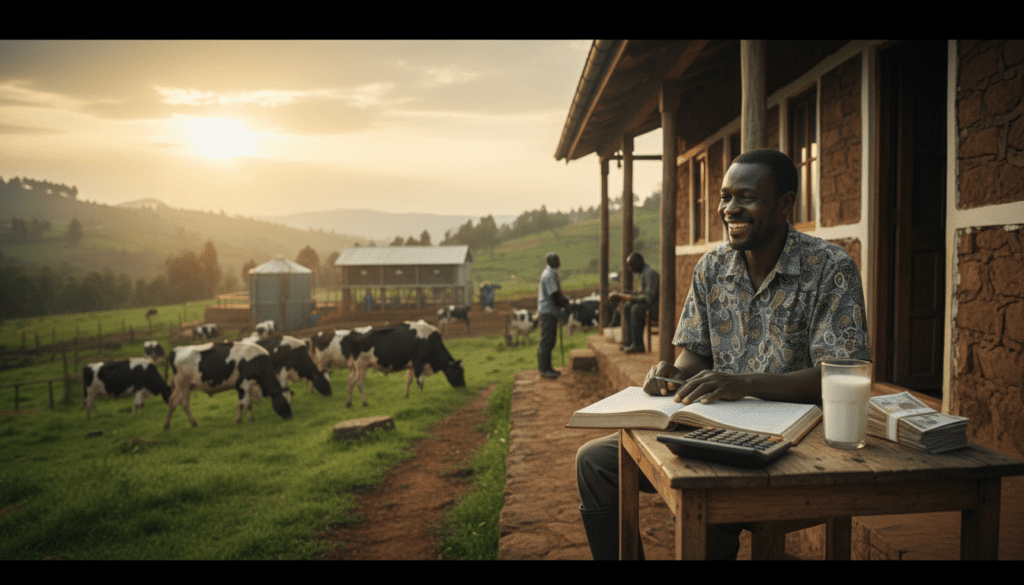
Subtracting the expenses (KES 11,500) from the revenue (KES 37,500) leaves a net profit of KES 26,000 per cow per month. With a herd of four such cows, a farmer can realize a monthly net income exceeding KES 100,000. It is important to note that this profit margin relies heavily on the farmer growing their own fodder; if all feeds are purchased at market rates, the profit can shrink by up to 50 percent. Additionally, the calf produced annually is a significant asset, with a heifer calf being worth over KES 100,000 at maturity.
FAQ DAIRY FARMING IN KENYA
1. How much land do I need for 5 dairy cows?
For a zero-grazing system, the actual shed requires very little space-roughly an eighth of an acre. However, the challenge is feed. To sustain 5 cows comfortably without buying expensive hay, you need approximately 2 to 3 acres of land dedicated to high-yield fodder like Brachiaria and Napier grass. If you do not have this land, you must factor in the cost of leasing land or buying bulk feeds, which will reduce your profit margins.
2. Which is better buying a cow or raising a calf?
For a beginner with available capital, buying an in-calf heifer is the superior strategy. You will start seeing returns (milk) within a few months of purchase. Raising a calf from birth takes 18 to 24 months of intensive feeding and veterinary care before you see a single drop of milk. This is a long period to endure cash outflows without revenue.
3. Why is my cow giving little milk despite eating well?
Low milk yield despite perceived “good feeding” is usually due to three factors: genetic limitations (the cow is simply not a dairy breed), water insufficiency (cows need massive amounts of water to produce milk), or mineral deficiencies. Additionally, parasitic infections like worms and liver flukes can drain a cow’s energy; regular deworming is essential.
4. How do I stop milk fever?
Milk fever is a calcium deficiency that occurs immediately after calving. To prevent it, feed a “Dry Cow Mineral” that is rich in phosphorus and low in calcium during the last two months of pregnancy. This trains the cow’s body to mobilize its own calcium. Immediately after calving, offer a calcium-rich drench or bolus.
5. Can I use a bull instead of AI?
Using a bull is generally discouraged for smallholder farmers. Bulls are expensive to feed, dangerous to handle, and can transmit venereal diseases like Brucellosis and Trichomoniasis. Furthermore, a bull limits your genetic progress. AI allows you to access world-class genetics from bulls that you could never afford to buy, for a fraction of the cost.
6. What is the best grass for milk production?
Currently, Brachiaria (Mulato II) is considered superior to Napier grass. It has a higher crude protein content and is more digestible, meaning the cow gets more nutrition from every bite. Lucerne (Alfalfa) is excellent for protein but requires specific soil conditions. Maize Silage is the best option for energy.
7. How often should I dip my cows?
You should dip or spray your cows once every week. In areas with high tick populations, such as the Coast or Nyanza regions, you may need to increase this to every 5 days. Ensure the acaricide reaches hidden areas like the ears, under the tail, and the udder.
8. Where can I get a loan for dairy farming?
Most major financial institutions in Kenya, including Equity Bank, KCB, and Co-op Bank, offer specific agricultural loan products. However, they typically require active bank statements. Joining a dairy cooperative is often the easiest route to credit; co-ops provide input loans for feeds and fertilizer that are automatically recovered from your milk delivery payments.
9. Is silage necessary for small-scale farmers?
Yes, silage is critical. Without it, your milk production will plummet during the dry season when green grass is scarce. This dry period is exactly when milk prices are highest due to low market supply. Having silage allows you to produce high volumes when prices are best, maximizing your annual profit.
CONCLUSION
Dairy farming in Kenya is shifting from a traditional lifestyle to a precise, data-driven science. The era of tethering a cow by the roadside and expecting a 20-liter bucket is over. The modern Kenyan farmer views the cow as a biological factory where specific inputs-quality feed, clean water, and comfort-are converted into valuable outputs like milk and calves.
Your success will not be determined by luck, but by your ability to grow cheap, high-quality fodder and your discipline in managing herd health. With the government’s push for subsidized inputs like sexed semen and the stabilization of milk prices through processors like New KCC, the environment for dairy investment is favorable. Start with the right breed, focus on quality nutrition over quantity, and treat your farm with the rigor of any other commercial business.
Read more
Crop & Livestock Insurance Kenya (2026): Costs & Top Providers

Agricultural insurance in Kenya has evolved into a critical safety net for farmers, protecting against climate shocks, pests, and market volatility. In 2026, modern digital platforms and government subsidies have made coverage more accessible, with premiums averaging 3.5% to 6% of the production cost. This guide outlines the best providers, cost structures, and regional strategies…
How to Grow Coriander at Home Using Old Tyres: Easy Step-by-Step Guide
Farming in Kenya is changing. You no longer need acres of land in the village to grow your own food. In busy towns like Nairobi, Mombasa, and Kisumu, space is tight, and innovative farming is becoming a necessity. One of the most practical ways to grow vegetables is by using old automobile tyres. Among the…
How to Start Bulb Onion Farming in Kenya: Complete 2026 Guide, Costs & Profit Per Acre
Bulb onion farming is one of the most lucrative agribusiness ventures in Kenya today. The demand for onions in major cities like Nairobi, Mombasa, and Kisumu remains consistently high throughout the year. Despite this demand, Kenya still imports a significant percentage of its onions from neighboring Tanzania to meet local consumption needs. This gap in…