
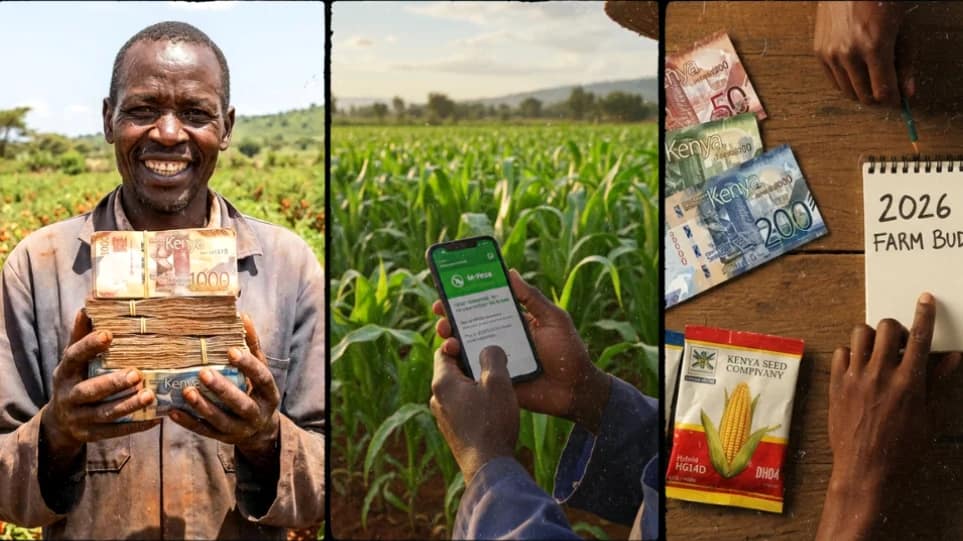

Securing an instant agricultural input loan in 2026 is faster than ever thanks to AI-driven credit scoring from providers like DigiFarm, Apollo Agriculture, and KCB Mobigrow. Farmers can now access unsecured financing for seeds and fertilizer within minutes by dialing USSD codes or using mobile apps. Eligibility hinges on an active M-Pesa history and verifiable farming activities. This guide breaks down the eligibility criteria, application steps, and repayment models to help you secure capital for the upcoming season.
Table of Contents
The Kenyan agricultural landscape has undergone a digital revolution. Gone are the days of rigorous paperwork at physical bank branches. Today, your smartphone is your bank, and your farm’s location data is your collateral.
For smallholder farmers, this shift means immediate access to high-quality inputs. By leveraging data from satellite imagery and mobile money transactions, lenders can now assess risk remotely. This guide serves as your comprehensive handbook to navigating this new financial ecosystem.
Which Mobile Loan Providers Are Dominating the Kenyan Market in 2026?
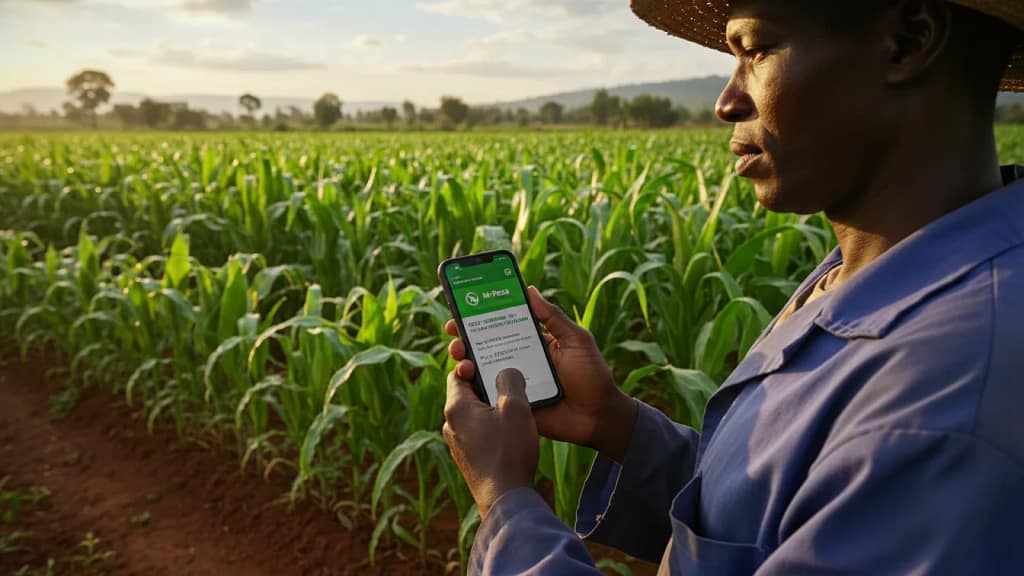
In 2026, the market leaders for instant ag-loans are Safaricom DigiFarm, Apollo Agriculture, and KCB Mobigrow. These platforms have integrated directly with the government’s e-voucher subsidy program, allowing farmers to pay just 60% of input costs upfront. Specialized insurtech players like Pula now bundle weather-index insurance automatically with these loans to protect against drought risks.
The “Big Three” providers have carved out distinct niches in the market. Understanding their specific strengths will help you choose the right partner for your farm. Safaricom DigiFarm is the mass-market leader, accessible via simple USSD codes.
Read Also: Top 7 Best AI Apps for Kenyan Farmers in 2026: Fight Crop Diseases, Cut Costs and Boost Yields
By dialing 944#, farmers can register and access credit limits based on their M-Pesa usage and farm size. In 2026, their partnership with iProcure ensures that the loan isn’t cash, but a digital voucher. This voucher is redeemable for physical inputs at local agrovets, ensuring the funds are used for farming.
Apollo Agriculture targets farmers looking for a comprehensive service package. They provide a bundle that includes high-quality seeds from companies like Kenya Seed or SeedCo, fertilizer, and crop insurance. Their repayment model is strictly tied to the harvest season, which aligns perfectly with maize and potato cash flows.
KCB Mobigrow offers a more banking-centric approach but with digital speed. They are particularly strong in the dairy sector and larger-scale grain farming. Their loans often come with higher limits, suitable for farmers managing more than five acres.
How Do Regional Differences Affect Loan Eligibility and Input Costs?
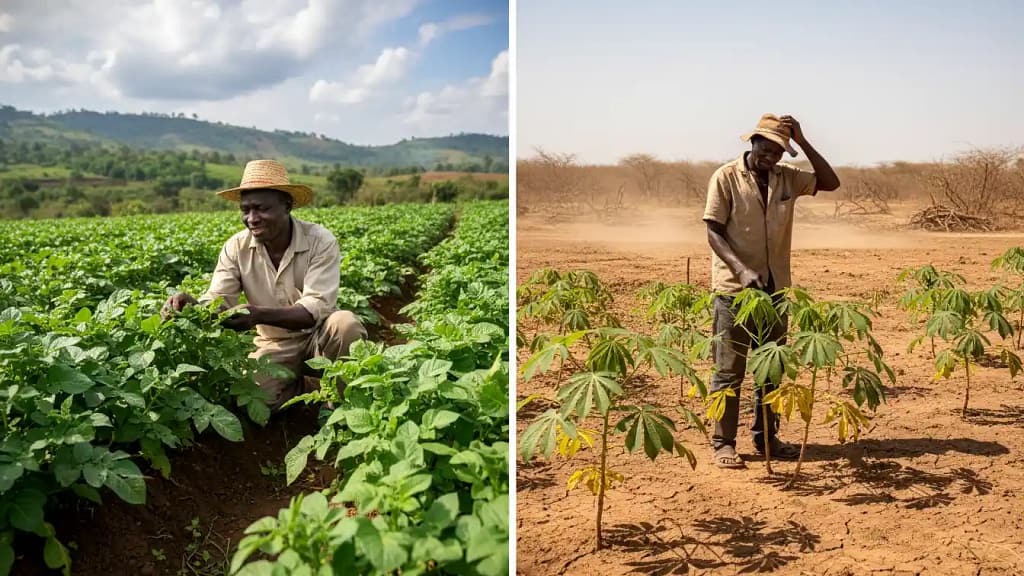
Loan limits and input packages vary significantly by county due to ecological zones and crop risks. High-potential zones like Uasin Gishu attract higher credit limits for maize, while semi-arid regions focus on drought-resistant crops. Lenders use satellite data to customize these offers, meaning a farmer in Meru gets a different loan structure than one in Kilifi.
Module A: Regional Comparative Analysis
To understand where you stand, we must compare the credit environment across three distinct agricultural hubs: Meru, Uasin Gishu, and Kilifi. Lenders in 2026 use location-based risk profiling to determine your offer.
| Feature | Meru County (Highlands) | Uasin Gishu (Breadbasket) | Kilifi County (Coastal) |
|---|---|---|---|
| Primary Crops Funded | Potatoes, Bananas, Coffee | Maize, Wheat, Dairy | Cashew, Coconut, Cassava |
| Avg. Loan Limit (Beginner) | KES 15,000 – 25,000 | KES 20,000 – 40,000 | KES 8,000 – 15,000 |
| Key Risk Factor | Price volatility (Potato gluts) | Pest attacks (Fall Armyworm) | Drought & Heat Stress |
| Input Package Focus | Certified Potato Seeds (Shangi), Fungicides | Hybrid Maize Seeds (600 series), DAP Fertilizer | Drought-tolerant seeds, Irrigation kits |
| Digital Adoption Rate | High (75% smartphone use) | Very High (85% smartphone use) | Growing (55% smartphone use) |
Meru County is currently benefiting from the “National Potato Strategy.” This initiative has pushed lenders to offer specific financing for certified potato seeds to combat low yields. If you are in Meru, look for loan products that specifically mention “Viazi Soko” partnerships.
Uasin Gishu remains the stronghold of maize farming in Kenya. Here, Apollo Agriculture and KCB Mobigrow compete aggressively for market share. They often offer higher loan limits per acre because the harvest data in this region is historically predictable.
Read Also: Mango Farming in Kenya: Spacing, Seedlings, Yields and Profit per Acre in 2026
Kilifi County presents a unique “Green Revolution” opportunity for coastal farmers. While traditionally underserved, 2026 has seen a surge in financing for irrigation kits along the Sabaki River. Lenders here are cautious with rain-fed crops but willing to finance value-chain crops like coconuts if linked to processors like Kentaste.
When Is the Best Time to Apply to Align with the Farming Calendar?
Timing your application is critical; applying too early means interest accrues before planting, while applying too late risks missing the rains. In 2026, most digital lenders open their application windows 4-6 weeks before the onset of the Long Rains (March) and Short Rains (October).
Module B: 12-Month Farming Calendar (2026)
Successful loan repayment depends entirely on syncing your borrowing with your harvest income. This calendar assumes a standard maize/bean rotation for Uasin Gishu and Meru, though it is adaptable for other regions.
- January: Planning & Soil Testing. Contact CropNuts or DigiFarm for soil testing. Apply for “Long Rains” input loans now. Lenders process approvals this month.
- February: Input Acquisition. Loan disbursed as e-vouchers. Collect seeds and fertilizer from approved stockists like Simlaw Seeds or local agrovets. Land preparation begins.
- March: Planting (Long Rains). Onset of rains. Planting must happen immediately. First installment of loan repayment (if on a monthly schedule) or insurance premium activation.
- April: Weeding & Top Dressing. Apply CAN fertilizer. Some loans offer a second disbursement tranche specifically for top-dressing inputs.
- May: Pest Control. Monitor for Fall Armyworm. Use emergency credit lines if unexpected pesticide costs arise.
- June: Crop Maintenance. Heavy rains usually cease. Crops are maturing.
- July: Harvest Preparation. Begin scouting for buyers. DigiFarm market linkages open up.
- August: Harvesting (Green Maize/Beans). Early harvest for cash flow. Repay a small portion of the loan if possible to reduce interest.
- September: Main Harvest & Drying. Main crop harvest. Dry maize to 13.5% moisture content.
- October: Loan Repayment & Short Rains Planting. CRITICAL: Full loan repayment is often due to unlock “Short Rains” credit. Apply for second season funding.
- November: Short Rains Management. Planting of short-cycle crops (beans, vegetables).
- December: Market Review. Analyze profit. Plan for the next year.
“Farmers who miss the January application window often have to resort to predatory lenders. Digital platforms have strict cut-off dates to manage their own risk.”
Is the Cost of Credit Worth the Potential Return on Investment?
Yes, but only if you achieve optimal yields. With interest rates averaging 1.5% to 3% per month (approx. 18-36% APR), the cost of digital credit is high compared to traditional banks but accessible without collateral. The break-even point for a maize farmer in 2026 is approximately 11.5 bags per acre.
Module C: Deep-Dive Financials (Break-Even Analysis)
Let’s look at the numbers for a 1-acre Maize Farm in 2026 using a digital loan package. We assume the farmer is using the government subsidy e-voucher for fertilizer alongside the loan.
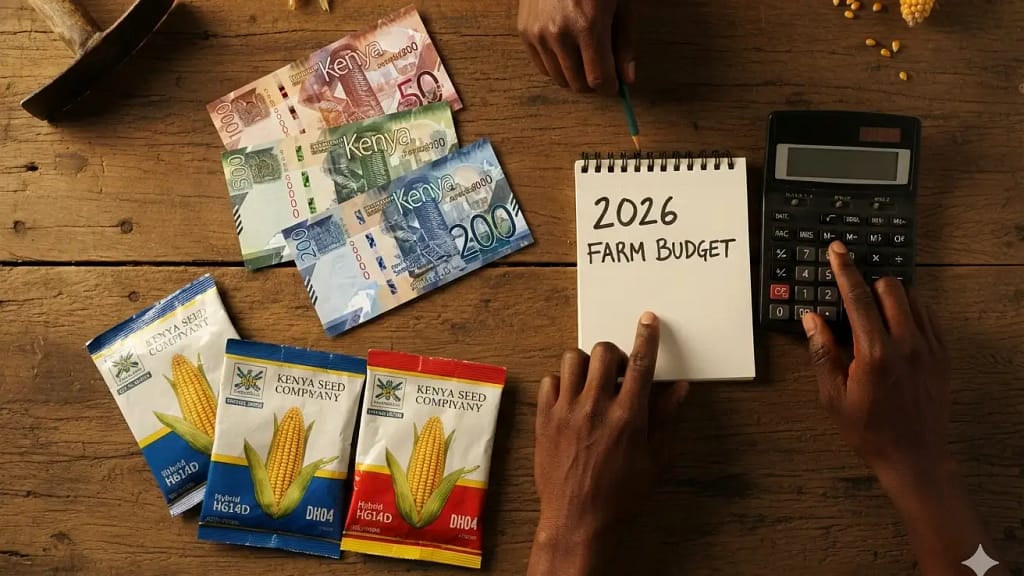
Assumption: You borrow KES 25,000 for inputs (Seeds, Fertilizer, Insurance). Loan Term: 6 Months. Interest Rate: 12% total (flat rate for the season).
| Expense Category | Item Details | Cost (KES) |
|---|---|---|
| Land Preparation | Ploughing & Harrowing (Tractor) | 8,000 |
| Seeds | 2 Packets (10kg) Hybrid Maize (e.g., 614/6213) | 5,000 |
| Fertilizer (Planting) | 1 Bag DAP (Subsidized price via e-voucher) | 2,500 |
| Fertilizer (Top Dressing) | 1 Bag CAN (Subsidized price via e-voucher) | 2,500 |
| Labor (Weeding/Harvest) | Manual labor (2 cycles) | 12,000 |
| Pest Control | Pesticides (Armyworm/Stalk borer) | 3,000 |
| Post-Harvest | Bags, Dusting, Transport | 4,000 |
| Loan Interest | 12% on KES 25,000 input loan | 3,000 |
| TOTAL COST | Production Cost per Acre | 40,000 |
Revenue Scenarios (2026 Market Prices)
- Scenario A (Poor Yield): 15 bags @ KES 3,500/bag = KES 52,500.
Profit: KES 12,500. This barely covers household needs and is not sustainable. - Scenario B (Average Yield): 25 bags @ KES 3,500/bag = KES 87,500.
Profit: KES 47,500. This is a good ROI that allows for reinvestment and school fees. - Scenario C (High Yield): 35 bags @ KES 3,500/bag = KES 122,500.
Profit: KES 82,500. This level of success typically requires strict adherence to agronomy advice.
The Break-Even Point: To cover the KES 40,000 production cost, you need to harvest at least 11.5 bags per acre. However, to make the risk worthwhile, targeting 20+ bags is essential. The loan is a tool to reach Scenario B or C by enabling access to certified seeds.
How Do Insurance Bundles Protect Your Loan?
Bundled insurance is the safety net that makes digital borrowing safer for smallholders. Providers like Apollo Agriculture partner with Pula to offer “Area Yield Index Insurance.” This means if average yields in your specific ward drop due to drought or pests, a payout is triggered automatically to cover part of your loan.
Module D: Risk Mitigation Mechanisms
Farming in Kenya is fraught with climate risks. In the past, a bad season meant a farmer would default and be auctioned. In 2026, the integration of insurtech has changed this narrative.
Read Also: 10 Most Profitable Farming Ventures in Kenya for 2026
1. Area Yield Index Insurance: This is the most common form of coverage bundled with mobile loans. It does not require an agent to visit your specific farm to assess damage. Instead, if the average yield in your “Agro-Ecological Zone” falls below a certain threshold (e.g., 70% of historical average), every farmer in that zone with a loan gets a payout.
2. Hybrid Weather Index Insurance: This utilizes satellite data to monitor rainfall and vegetation health. If your area in Kitui or Makueni experiences a verified drought during the critical flowering stage of maize, the insurance kicks in. This data-driven approach removes human bias and speeds up claim settlements.
3. Credit Life Insurance: Almost all digital loans now include a small premium for credit life insurance. This covers the loan balance in the unfortunate event of the borrower’s death or permanent disability. It ensures that the debt does not pass on to the family, protecting the farm’s assets.
How Does the Supply Chain Support Value Addition?
Digital loans in 2026 often come with “market linkage” contracts. This means the lender connects you to a buyer (off-taker) who pays a premium for quality. Value addition here doesn’t just mean processing; it includes proper drying, grading, and packaging, which are often funded as part of the credit package.
Module E: Supply Chain & Value Addition
The days of selling raw produce to brokers at the farm gate for a pittance are fading. Modern credit facilities are increasingly “bundled” with supply chain solutions to ensure farmers can repay their loans.
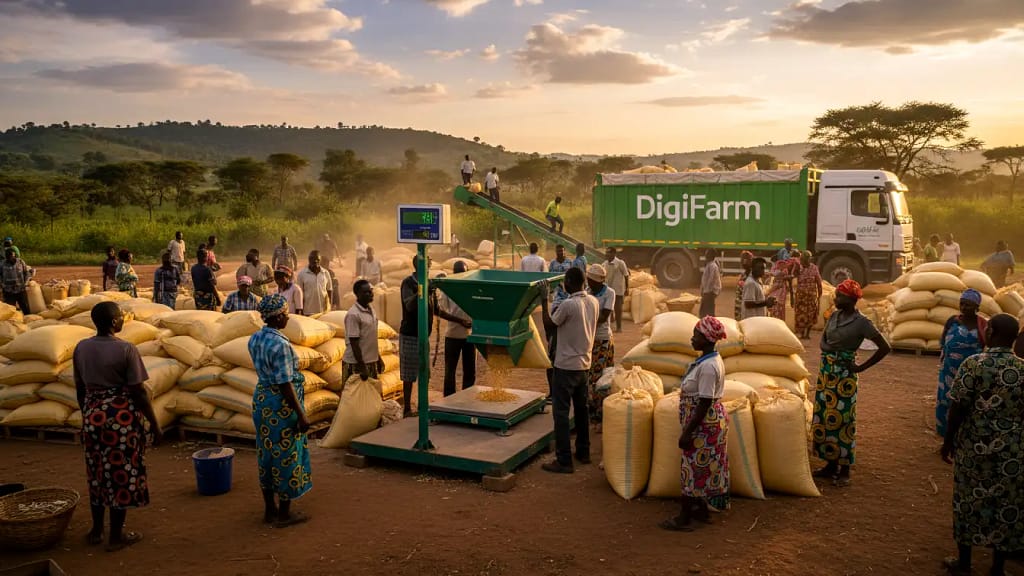
1. Aggregation Centers: Providers like DigiFarm have established collection centers where produce is weighed digitally and receipts are issued via SMS. This transparency eliminates the “broken scale” tricks used by middlemen. Your loan repayment is often deducted automatically from this sale, building your credit score for the next season.
2. Value Addition Financing: In Kilifi, loans are now available for small-scale solar dryers for mangoes and coconuts. By drying the fruit, farmers can sell chips during the off-season when prices are higher. Kentaste works with farmers to ensure coconuts are harvested at the right maturity for oil processing.
Read Also: Maize Farming in Kenya: High Yield Production Guide, Best Practices and Profit Tips 2026
3. Subsidized Transport: Some input loans now include a logistics component. Instead of struggling to transport 10 bags of fertilizer on a motorbike (boda boda), the aggregate order for a village is delivered by truck to a local depot. This reduces transport costs per farmer by up to 40%.
2026 Outlook: What Is the Future of Ag-Financing?
The future of agricultural financing lies in “Climate-Smart Lending.” Lenders are beginning to offer lower interest rates to farmers who adopt regenerative practices like cover cropping and zero-tillage. Additionally, blockchain technology is being piloted to create immutable records of a farmer’s harvest history, further reducing the need for physical collateral.
As we look through 2026 and beyond, the trend is undeniable: Data is the new collateral. The “shamba” you cultivate is being mapped by satellites, and your M-Pesa history tells a story of your reliability. This digital footprint is becoming more valuable than a title deed.
We are seeing a move towards specific climate incentives. Loans are becoming cheaper for farmers who adopt conservation agriculture because data shows these methods reduce risk. Furthermore, the integration of government subsidies directly into digital wallets means the era of queuing for fertilizer at NCPB depots is effectively over.
Read Also: Hass Avocado in Kenya: Price, Seedlings, Varieties & Where to Buy
For the youth entering agriculture, this digitization lowers the barrier to entry. You no longer need to inherit land with a title deed to get started; you just need to lease land, have a smartphone, and demonstrate your farming activity digitally.
Ready to Scale Your Farm?
“Don’t wait for the rains to start looking for capital. Download the apps, register your farm, and check your credit limit today.”
Action Step: Dial 944# (DigiFarm) or download the Apollo Agriculture app now to start your eligibility check.

Farmers Also Ask: 10-Question Deep-Dive Troubleshooting FAQ
Can I get a loan if I don’t have a title deed?
Yes. Most digital ag-loans in 2026 are unsecured. They rely on your credit score (CRB status), M-Pesa transaction history, and sometimes a “group guarantee” model where you and your neighbors co-guarantee each other. They do not require a title deed as collateral.
What happens if my crop fails due to drought?
This is where bundled insurance helps. If you took a loan that includes Pula or other weather-index insurance, and the satellite data confirms a drought in your area, the insurance payout is used to offset your loan balance. Always confirm if your loan package includes insurance before signing.
Can I use the loan to pay for labor?
Usually, no. Most digital loans are “input financing,” meaning you receive vouchers for seeds and fertilizer, not cash. However, some advanced tier loans (after you have successfully repaid 2-3 cycles) may offer a small cash component (10-20%) specifically for labor or harvesting costs.
How do I check my credit limit on DigiFarm?
Dial 944# on your Safaricom line. Select the “Loans” option. The system will automatically calculate your limit based on your historical data. If it says “0,” you may need to use other Safaricom services more frequently or register your farm details first to build a profile.
What are the interest rates for Apollo Agriculture in 2026?
Apollo Agriculture typically charges a flat fee per season rather than a monthly compound interest. In 2026, this fee ranges from 10% to 15% of the input value, depending on the crop and region. This fee is added to the total loan amount due at harvest.
Are there loans for livestock farming?
Yes, but they are different from crop loans. KCB Mobigrow and Equity Bank offer products for dairy farmers (for feeds and vet services), often linked to milk delivery payments. If you deliver milk to a cooperative, check if they have a check-off loan arrangement.
How does the e-voucher subsidy work with these loans?
The government e-voucher covers roughly 40% of the fertilizer cost. When you apply for a digital loan, the lender will finance the remaining 60% that you would normally pay in cash. This significantly lowers the total amount you need to borrow.
Can I pay back the loan early?
Yes, and it is highly recommended. Repaying early often qualifies you for a higher limit in the next season. Some lenders may also offer a small discount on the interest or fees for early repayment, though this varies by provider.
What do I do if I am blacklisted by CRB?
If you are negative listed on the CRB, you will likely be blocked from instant digital loans. You must clear your outstanding default with the previous lender and obtain a clearance certificate. Some “Group Lending” models might still accept you if your group members agree to vouch for you.
Who supplies the seeds and fertilizer?
Lenders partner with reputable suppliers to avoid fake inputs. Common partners include Kenya Seed Company, Simlaw Seeds, Yara, and MEA Fertilizers. You will be directed to a specific local agrovet that is an authorized agent to pick up these genuine products.
