
Table of Contents
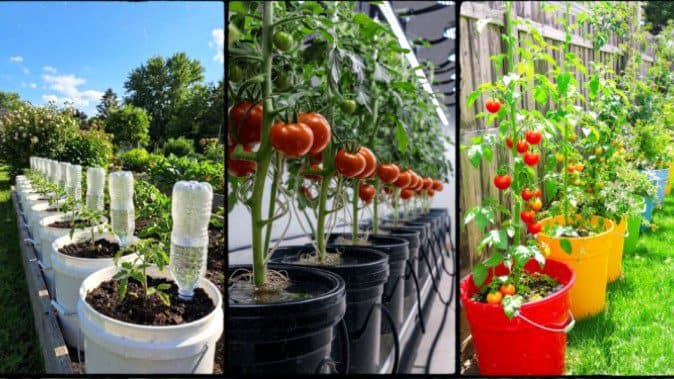
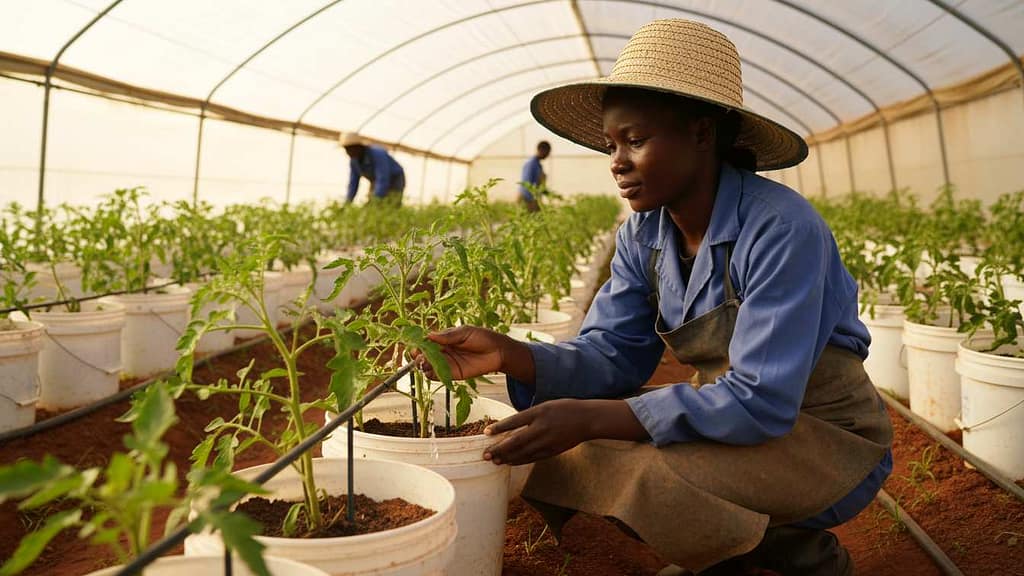
Container gardening is revolutionizing urban agriculture in Nairobi, Mombasa, and beyond, offering a robust solution to land scarcity and persistent soil-borne diseases. By utilizing the refined 2026 bucket farming protocols, even a small concrete balcony can generate significant revenue with minimal water wastage. This guide provides the definitive, scientifically backed roadmap for cultivating high-yield tomatoes in buckets, specifically tailored for the modern Kenyan agribusiness context.
The shift towards vertical and container farming is driven by rapid urbanization in counties like Kiambu and Kajiado, where arable land is disappearing. Bucket farming allows farmers to bypass poor soil conditions entirely by creating a controlled environment. It is the great equalizer, allowing anyone with five square meters to become a commercial producer.
However, success requires more than just filling a bucket with dirt. It demands a precise understanding of root aeration, nutrient timing, and variety selection. This comprehensive guide will walk you through every stage of production, ensuring you maximize profits while minimizing input costs.
What Are the Best Tomato Varieties for Bucket Farming in Kenya?
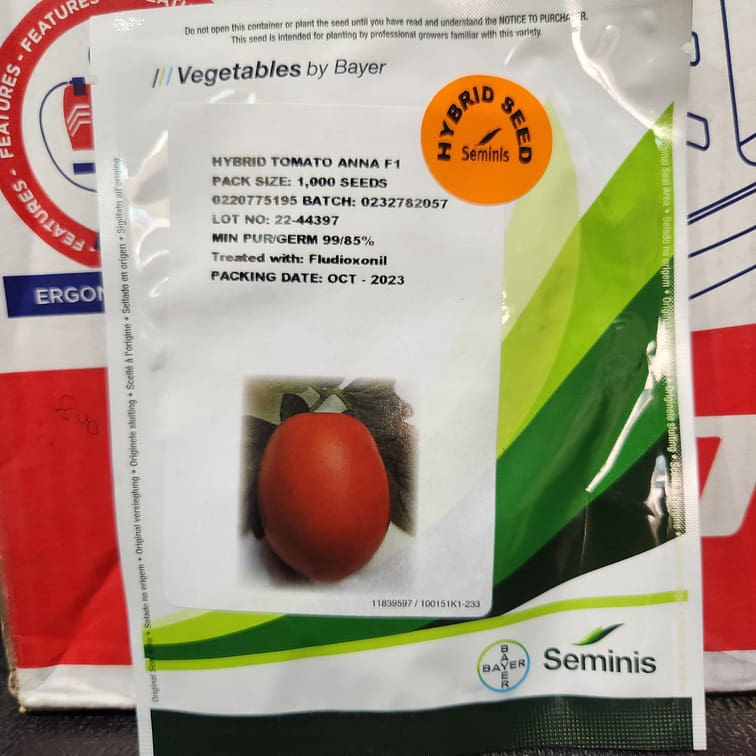
For 2026 bucket farming, the absolute best performers are determinate (bushy) hybrids like Anna F1, Star 9068, and Tylka F1. These varieties are genetically bred to stop growing at a manageable height, requiring less complex trellising while offering high disease resistance. For high-value niche markets, Cherry Tomatoes are excellent for pots due to their prolific production and high price per gram in supermarkets.
Choosing the right seed is 80% of the battle in container farming. in a bucket environment, root space is restricted to approximately 20 liters. You need a plant genetics package that focuses energy on fruit production rather than massive vegetative growth.
Read Also: Coriander Varieties in Kenya: Best Dhania Types, Yields and Market Demand 2026
Indeterminate varieties, which grow as vines indefinitely, can be grown in buckets but are labor-intensive. They require rigorous pruning and tall support structures, which can be unstable in lightweight plastic buckets. Therefore, we focus primarily on determinate or semi-determinate types for this guide.
Anna F1 remains the “Gold Standard” for Kenyan bucket farmers in cooler regions like Nairobi and Nyeri. It matures early (75 days) and produces oval, firm fruits with a long shelf life. This hardness makes it ideal for transporting to local markets via boda boda without incurring crushing damage.
Tylka F1 is gaining massive traction for the 2026 season because of its superior resistance to Tomato Yellow Leaf Curl Virus (TYLCV). This virus is a major threat in warmer, lower-altitude counties like Kisumu, Kilifi, and Garissa. If you are farming in a hot zone, Tylka F1 is your insurance policy.
Star 9068 is a favorite for farmers in Meru and Kirinyaga. It is known for its heavy fruit set and ability to withstand periods of water stress better than others. It produces a uniform, deep red fruit that is preferred by large scale buyers and hotels.
For seeds, always source from certified providers to ensure germination rates above 95%. Reliable suppliers for 2026 include:
- Kenya Seed Company (State-backed reliability).
- Simlaw Seeds (Wide distribution network).
- Royal Seed (Known for premium hybrids like Zara F1).
- Continental Seeds (Excellent for specific niche varieties).
- Syngenta (Global leader in disease-resistant genetics).
How Do I Prepare the Perfect Soil Mix for High Yields?
Direct Answer: Never use plain garden soil; it compacts rapidly and suffocates roots. The ideal 2026 mix is a 2:1:1 ratio: 2 parts loamy topsoil, 1 part well-decomposed manure (cow or chicken), and 1 part river sand or cocoa peat for drainage. Add a handful of DAP or bone meal during planting to boost initial root development.
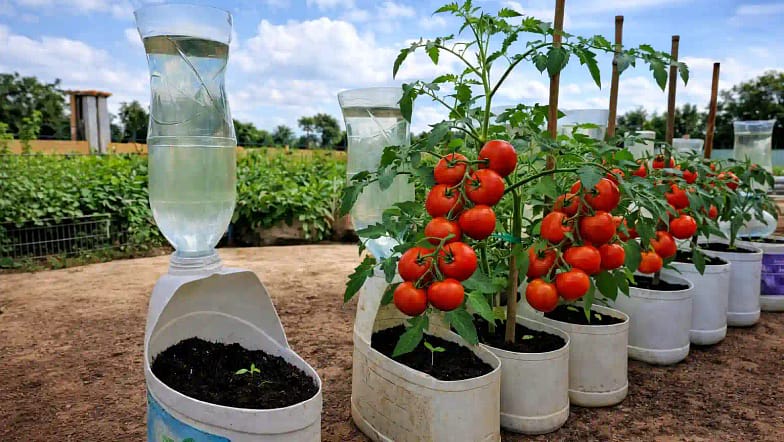
Soil preparation determines the drainage and aeration capacity of your bucket farm. Tomatoes hate “wet feet,” meaning if water stagnates at the bottom of the bucket, root rot (Phytophthora) is guaranteed. To prevent this, drill at least 8-10 holes (1cm diameter) at the bottom and lower sides of your 20-liter bucket.
The addition of Cocoa Peat (coconut coir) has become a game-changer for urban farmers in Kenya. It retains moisture without becoming soggy, reducing your watering frequency by up to 30%. If cocoa peat is too expensive in your area, clean river sand is a viable, low-cost alternative to ensure the soil remains loose.
Manure sourcing is critical; never use fresh manure as the ammonia levels will burn tender seedlings. Ensure your manure has been composted for at least 3-4 months until it resembles dark, odorless earth. You can buy ready-to-use organic compost from companies like Safiorganics.
Soil sterilization is a step many beginners skip, leading to bacterial wilt. Before filling your buckets, you can “solarize” your soil mix. Spread the soil on a black plastic sheet in the hot sun, cover it with clear plastic, and leave it for 2 weeks to kill nematodes and pathogens.
“The biggest mistake beginners make is using fresh manure. It burns the tender roots of seedlings. Always ensure your manure has cured for at least 3 months until it looks like dark soil.” — Jane Muthoni, Senior Agronomist at KALRO.
Read Also: Maize Farming in Kenya: High Yield Production Guide, Best Practices and Profit Tips 2026
For chemical balancing, mix in 50g of DAP fertilizer per bucket during the filling stage. This ensures phosphorus is available right at the root zone where the young plant needs it most. Alternatively, organic farmers can use a cup of bone meal per bucket.
How Should I Manage Watering and Fertigation?
Tomatoes in buckets need daily watering during hot spells, but over-watering is deadly. Consistency is key to preventing blossom end rot. For fertilization, apply a calcium-rich foliar feed (like EasyGro Calcium) every two weeks starting at flowering, and top dress with CAN when fruits are marble-sized.
Water management is the most critical daily task in container farming. In 2026, many smart farmers are adopting low-cost drip irrigation kits specifically designed for bucket systems. These kits, available from suppliers like Grekkon Limited or Irrico International, ensure every bucket receives the exact same amount of water.
Without drip lines, you must water by hand using a cup or watering can. The rule of thumb is to water until you see the first drops coming out of the drainage holes. This ensures the entire root ball is moist.
Blossom End Rot is a physiological disorder, not a disease, caused by calcium deficiency often triggered by irregular watering. If you let the soil dry out completely and then flood it, the plant cannot uptake calcium efficiently. Mulching your buckets with dry grass or wood shavings helps maintain consistent soil moisture levels.
Fertigation (applying fertilizer through water) is highly effective. You can mix soluble fertilizers like NPK 17:17:17 into your watering can once a week. This provides a steady stream of nutrients rather than a “boom and bust” cycle associated with granular top dressing.
Module A: Regional Comparative Analysis (Nairobi vs. Meru vs. Kilifi)
Farming tomatoes in buckets requires different strategies depending on your geo-location in Kenya. The micro-climates dictate your watering schedule, pest management, and variety selection. Here is a comparative analysis for 2026.
1. Nairobi & Kiambu (Highland/Urban)
Environment: Cool nights, moderate temperatures, limited space. Strategy: This is the hub of “Balcony Agribusiness.” The biggest challenge here is fungal diseases like Late Blight due to the cool, damp mornings. Farmers must use greenhouse plastic covers or situate buckets under roof overhangs to control moisture on leaves. Best Variety: Anna F1 (thrives in cooler temps). Market: High-end direct-to-consumer. Selling punnets to neighbors or office colleagues via WhatsApp groups fetches premium prices (KES 150+ per kg).
2. Meru & Central Rift (High Potential/Transitional)
Environment: Fertile, varying altitudes, intense sun. Strategy: Farmers here often use buckets to bypass soil-borne Bacterial Wilt which plagues open fields in Meru. The sun intensity requires mulching buckets heavily with dried grass to prevent rapid evaporation. Water availability is generally better, allowing for larger scale bucket systems (100-500 buckets). Best Variety: Star 9068 (Heavy yielder). Market: Volume sales to aggregators and local open-air markets. Prices are competitive, averaging KES 80-100 per kg.
3. Kilifi & Mombasa (Coastal/Lowland)
Environment: Hot, humid, saline water issues. Strategy: The heat is the enemy. Black buckets absorb too much heat, cooking the roots. Farmers must paint buckets white or wrap them in reflective material. Shade nets (30-40% density) are mandatory to prevent sunscald on fruits. Best Variety: Tylka F1 (Heat tolerant and virus resistant). Market: Tourism industry (hotels) requires high-quality produce. High demand, but requires strict consistency.
Module B: 12-Month Farming Calendar (2026)
Timing your harvest to coincide with market shortages is the secret to maximum profitability. In Kenya, tomato prices usually peak when the open-field supply drops due to excessive rain or drought. Bucket farmers are immune to many of these weather shocks.
Quarter 1: January – March (Hot & Dry)
Activity: This is high-risk, high-reward. Water scarcity is an issue nationwide. Action: If you have reliable water (borehole/tap), plant now. Pests like Red Spider Mites and Tuta Absoluta are aggressive in heat. Use sticky traps and Neem oil weekly. Harvest Target: Late March/April. Prices are usually high as open-field crops dry up.
Quarter 2: April – June (Long Rains)
Activity: High fungal pressure (Blight). Action: Bucket farmers have an advantage here—you can move buckets to sheltered areas. Spray preventive fungicides (Mancozeb based) weekly like Oshothane. Ensure drainage holes are not blocked. Harvest Target: July. Prices stabilize.
Read Also: How to Grow Big Cabbages in Containers Kenya: Best Varieties, Where to Buy Seeds and Best Farming Practices 2026
Quarter 3: July – September (Cold Season)
Activity: Slow growth rates. Action: Reduce watering frequency to avoid cold, wet soil. Plants will take longer to mature (up to 90 days). Focus on pruning lower leaves to improve airflow and prevent mold. Harvest Target: October. Prices start climbing.
Quarter 4: October – December (Short Rains)
Activity: Preparation for the festive peak. Action: Plant in September/October to harvest in December. Demand skyrockets during Christmas and New Year. Harvest Target: December/January. This is the “Bonus” season where a crate can hit KES 8,000.
What Are the Major Pests and How Do I Control Them?
Direct Answer: The “Big Three” in Kenya are Tuta Absoluta, Red Spider Mites, and Whiteflies. For Tuta, use pheromone traps and Coragen (if necessary). For mites, use Abamectin-based sprays like Dynamec. Always rotate chemicals to prevent resistance.
Tuta Absoluta (Tomato Leaf Miner) can destroy 100% of your crop in days. In a bucket system, you have the advantage of isolation. If one bucket is heavily infested, remove it immediately to save the others. In 2026, biological controls are becoming more accessible; look for products containing Bacillus thuringiensis.
Red Spider Mites thrive in dry, dusty conditions typical of urban balconies. You will see tiny webs and yellow speckling on leaves. Increasing humidity helps deter them. A simple spray of water on the undersides of leaves can dislodge them before they establish.
Whiteflies are vectors for viral diseases like TYLCV. They hide under leaves and fly up in clouds when disturbed. Yellow sticky traps are highly effective in reducing their population. For chemical control, use products containing Acetamiprid, such as Twiga Acetamiprid.
Bacterial Wilt is the silent killer. The plant looks healthy in the morning and wilts by afternoon, eventually dying. Since this is soil-borne, bucket farming is the best prevention because you are using isolated, treated soil. If a plant gets wilt, do not reuse that soil—discard it far from your shamba.

Module C: Deep-Dive Financials (Break-Even & ROI)
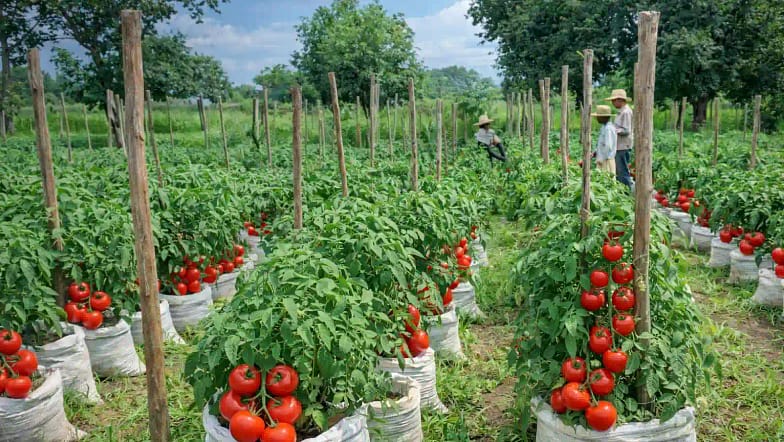
Let’s look at the economics of a 50-Bucket Unit. This is a manageable size for a beginner, fitting in a 5m x 5m area (like a backyard or rooftop). Prices are estimated for 2026 based on inflation-adjusted trends.
Assumptions:
Yield per bucket: 10kg (conservative, over 4-5 months).
Total Yield: 500kg.
Average Market Price: KES 80 per kg (fluctuates between 50-150).
| Expense Category | Item Details | Cost (KES) |
|---|---|---|
| CAPEX (One-off) | 50 Buckets (recycled 20L @ KES 150) | 7,500 |
| Soil & Manure (Pickup load) | 3,000 | |
| Drip Kit / Hose / Watering Can | 2,500 | |
| OPEX (Per Season) | Seedlings (High quality F1 @ KES 15) | 750 |
| Fertilizers (DAP, CAN, Foliars) | 2,500 | |
| Crop Protection (Pesticides/Fungicides) | 2,000 | |
| Supports (Sticks/Twine) | 1,000 | |
| Water Bill (Estimated) | 2,000 | |
| Miscellaneous | 1,000 | |
| TOTAL COST | Setup + Season 1 Expenses | 22,250 |
Revenue Projection (Season 1)
- Total Harvest: 500kg
- Gross Revenue (@ KES 80/kg): KES 40,000
- Net Profit (Season 1): KES 40,000 – KES 22,250 = KES 17,750
Revenue Projection (Season 2)
In the second season, your CAPEX is zero (you already own the buckets and soil). You only pay OPEX (approx. KES 9,250).
- Gross Revenue: KES 40,000
- Net Profit (Season 2): KES 40,000 – KES 9,250 = KES 30,750
Analysis: The break-even point is reached midway through the first harvest. By maintaining the system, a 50-bucket unit can generate roughly KES 60,000 – 70,000 in pure profit annually (assuming 2.5 crop cycles per year). This supplements a household income significantly.
How Do I Handle Trellising and Support?
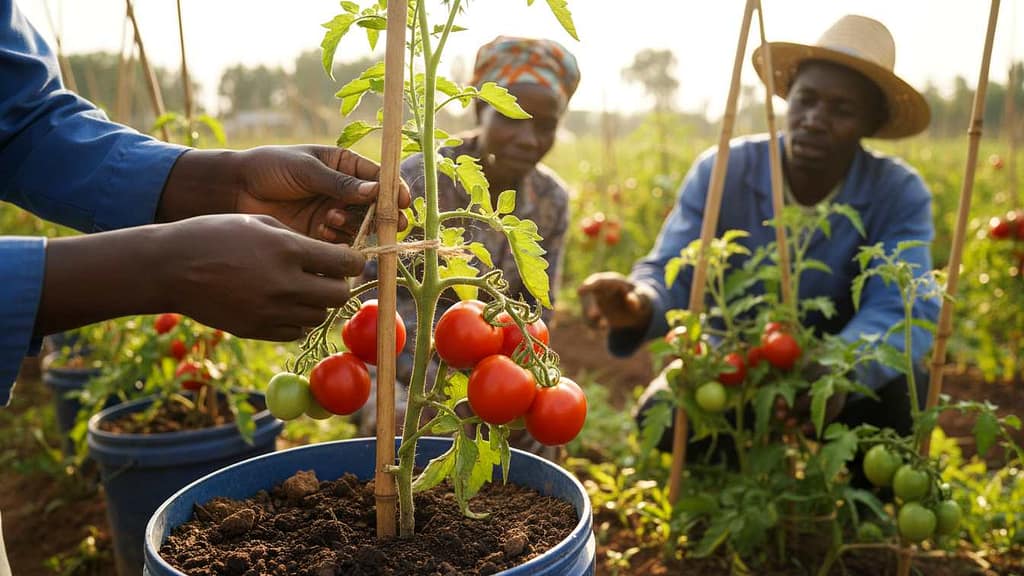
Direct Answer: Even determinate varieties need support when heavy with fruit. Use a single sturdy stick (1.5m tall) inserted into the bucket edge, or an overhead wire system if you are on a balcony. Use soft twine or strips of old fabric to tie the stem; never use wire or thin string that cuts into the plant.
Improper trellising leads to stem breakage and fruit touching the soil, which causes rotting. For bucket systems, the “stake and weave” method is difficult. Instead, drive a bamboo stake into the soil before the roots spread to avoid damaging them.
As the plant grows, tie the main stem to the stake every 6 inches. This is crucial for heavy yielders like Star 9068. If the plant becomes top-heavy, consider adding a second stake or tying the main stake to a balcony railing for stability.
If you are growing on a balcony with a roof, vertical twine is efficient. Tie a string to the roof beam and anchor it loosely to the base of the tomato plant. As the plant grows, gently wrap the stem around the string, clockwise.
Pruning is a partner to trellising. Remove all “suckers” (side shoots) that grow between the main stem and the leaf branches. This directs all the plant’s energy into the main fruit-bearing stem, resulting in larger, higher-quality tomatoes.
Module D: Advanced Pruning and Canopy Management
To move from an amateur gardener to a commercial bucket farmer, you must master pruning. An unpruned tomato plant becomes a jungle of leaves with small fruits. In the limited soil volume of a bucket, you cannot afford to support useless vegetation.
Desuckering: This is the removal of side shoots. Check your plants twice a week. Pinch off these suckers with your fingers when they are small (less than 2 inches). If they get too big, use a sharp knife to avoid tearing the skin of the main stem.
Topping: When the plant reaches the top of your support stake or the desired height (usually 5-6 feet), cut off the growing tip. This stops upward growth and forces the plant to focus on filling out the existing fruits. This is crucial for determinate varieties in the late stages.
Defoliation: As the plant matures, the lower leaves will start to age and provide less energy. Remove the bottom leaves up to the first fruit cluster. This improves air circulation at the base, reducing the risk of fungal infections like Early Blight.
Read Also: How to Grow Bulb Onions in Crates: Step by Step Guide for Kenyan Farmers
Module E: Supply Chain & Value Addition
Growing the tomatoes is only half the job; selling them is where the money is. In 2026, reliance on middlemen (brokers) is decreasing for small-scale farmers due to digital connectivity. You must become your own marketer.
Marketing Strategies
1. The “Estate” Model:
If you are in an urban setting (e.g., Utawala, Ruiru, Syokimau), your neighbors are your best market. Create a WhatsApp broadcast list. Post a photo of your ripening tomatoes on Monday, take orders, and harvest on Friday for weekend delivery. Freshness is your selling point—supermarket tomatoes are often harvested green and gas-ripened.
2. Value Addition:
Tomatoes are highly perishable. During a glut (oversupply), prices crash. Instead of selling at a loss, convert your harvest.
Sun-Dried Tomatoes: Slice tomatoes, salt them, and dry them in a solar dryer or simple net-covered rack. Pack in jars with olive oil. This sells for KES 300+ per jar in gourmet stores in Karen or Westlands.
Tomato Puree: Blanch, peel, blend, and freeze. Sell as “Ready-to-Cook” packs for busy urban professionals.
Logistics and Packaging
Avoid transporting ripe tomatoes in sacks (gunia). The bottom 30% will be crushed. Use plastic crates or rigid cartons. For premium clients, use 500g or 1kg clear punnets.
A punnet that costs KES 10 adds KES 30 in perceived value to the customer. Branding matters; a simple sticker with your farm name (e.g., “Mama’s Shamba Fresh”) builds trust and repeat customers. Consumers in 2026 value traceability and safety.

Read Also: 10 Most Profitable Farming Ventures in Kenya for 2026
Conclusion: The 2026 Outlook
The agricultural landscape in Kenya is shifting towards precision and space efficiency. Bucket farming is no longer just a hobby; it is a viable commercial micro-enterprise. As land prices in counties like Kiambu and Machakos continue to skyrocket in 2026, vertical and container farming will become the norm for peri-urban food production.
The farmers who succeed in 2026 will be those who treat their 50 or 100 buckets as a factory—monitoring inputs, calculating costs, and securing markets before the harvest is ready. The barrier to entry is low, but the requirement for discipline is high. Climate change makes open-field farming unpredictable; bucket farming puts the control back in your hands.
“Call to Action: “Do not wait for a perfect greenhouse. Start this weekend. Buy 5 buckets, get a packet of Anna F1, and mix your soil. Your first harvest could be on the table in 3 months.
Farmers Also Ask: Troubleshooting FAQ
Why are my tomato flowers falling off without producing fruit?
This is called “flower drop.” It is usually caused by temperature fluctuations (too hot or too cold) or irregular watering. In Kenya, high heat in January/February often causes this. Ensure you water deeply during heatwaves and consider shading your plants during the hottest part of the day.
Can I use 10-liter buckets instead of 20-liter ones?
Technically yes, but it is not recommended for high yields. A 10-liter bucket restricts root growth, leading to smaller plants and fewer fruits. It also dries out much faster, requiring watering twice a day. Stick to 20-liter buckets for commercial viability.
How many tomatoes can one bucket produce in Kenya?
With good management (fertilizer and water), a single bucket growing a variety like Anna F1 can yield between 8kg to 15kg over a 4-6 month harvest period. Beginners usually average around 5-8kg per bucket in their first attempt.
Is M-Pesa the best way to handle sales?
Yes. Always use M-Pesa or a specific “Till Number” for your agribusiness to track income separate from personal funds. This digital record is vital if you ever want to apply for agribusiness loans from institutions like Equity Bank or KCB in the future.
How do I stop birds from pecking my ripe tomatoes?
Birds are thirsty. Place water bowls away from your crop to give them an alternative. If that fails, hang old CDs or reflective tape around the buckets. The flashing light scares them away. You can also use bird netting, though this adds to your cost.
What is the best organic pesticide for tomatoes?
Neem oil is the most effective organic solution in Kenya. It disrupts the life cycle of many pests. Mix 5ml of Neem oil with 1 liter of warm water and a few drops of dish soap (as a sticker). Spray in the evening to avoid burning the leaves.
Do I need government permits to sell tomatoes?
For small-scale bucket farming (selling to neighbors or local shops), you generally do not need a permit. However, if you plan to supply supermarkets or large hotels, you will need a business permit and possibly a health certificate for food handling from your County Government.
Can I reuse the soil for a second season?
You can, but you must revitalize it. The first crop will have depleted most nutrients. Dump the soil out, mix in fresh compost/manure and bone meal, and solarize it (leave it in the sun under black plastic for 2 weeks) to kill any pests before refilling the buckets.
Why are my tomato leaves turning yellow?
Yellowing (chlorosis) usually indicates a Nitrogen deficiency or over-watering. If the lower leaves are yellowing first, it’s likely a lack of Nitrogen—add CAN or manure tea. If the yellowing is patchy, check for spider mites under the leaves.
Are there government subsidies for bucket farming in 2026?
In 2026, several counties (like Nairobi and Kisumu) have “Urban Farming” initiatives that provide subsidized shade nets or training. Check with your local Ward Agricultural Officer (WAO) to see if you qualify for support groups or subsidized inputs.