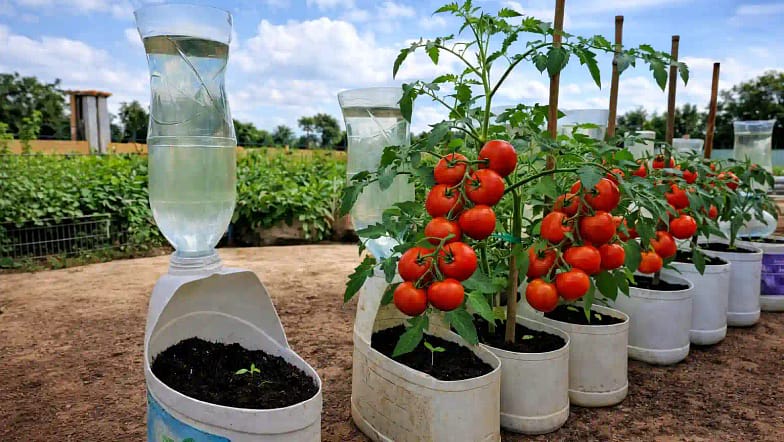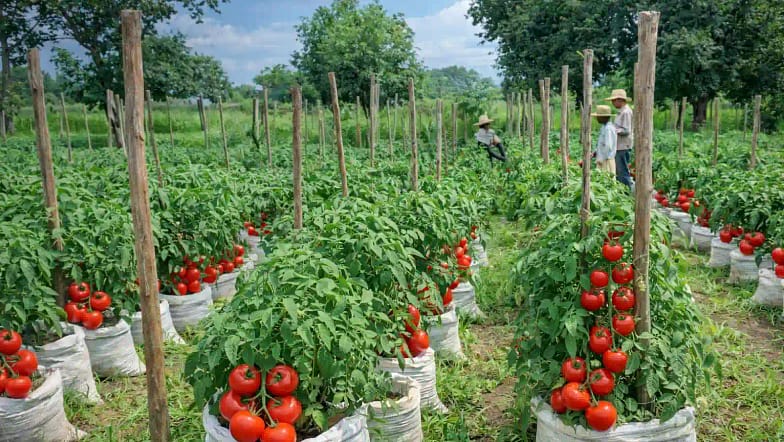


Tomato farming in Kenya can be very profitable if done correctly, but many beginners lose money because of poor planning and technical mistakes. Understanding the required capital, realistic profits and common errors will help you start strong and avoid unnecessary losses.
Capital needed for tomato farming
Your starting capital depends mainly on land size, production system and whether you use open field or greenhouse. For a small open-field plot (about 1/8–1/4 acre), you typically budget for land preparation, seeds or seedlings, manure and fertiliser, pesticides, labour and basic irrigation, which often totals tens of thousands of shillings for a season. A greenhouse setup costs much more at the beginning, but it allows higher yields and better quality, so many serious farmers treat it as a long-term investment once they understand the crop.
Profit potential from tomatoes
Tomatoes are in high demand in homes, hotels, schools and institutions across Kenya because they are a key ingredient in most dishes. When yields and timing are good, farmers can recover their capital and make a healthy profit in a single season, as some open-field and greenhouse case studies show strong margins per acre or per greenhouse under proper management. However, profits can drop sharply when market prices fall, when pests and diseases reduce yields, or when high input costs are not matched with good harvests and marketing plans.
Steps to start tomato farming
Successful tomato farming starts with choosing the right variety for your climate, market and production system. Establish a nursery on raised beds or trays using clean soil mixed with well-decomposed manure and sand, then water gently, provide shade and later harden seedlings before transplanting to the main field. After transplanting, use proper spacing, regular watering, mulching, staking or trellising, and integrated pest and disease management to keep plants healthy until harvesting and careful post-harvest handling.
Common mistakes tomato farmers make
Many Kenyan farmers choose the wrong variety, overcrowd plants and skip hardening of seedlings, which leads to weak plants, disease and low yields. Others apply too much nitrogen fertiliser, focus on leaves instead of fruits, irrigate irregularly or neglect pruning and staking, creating humid conditions that favour fungal diseases and pest attacks. A big business mistake is growing large areas without a clear market, good transport or storage, which often forces farmers to sell quickly at throwaway prices or suffer big post-harvest losses.
How to reduce risks and maximise profit
To reduce risk, start small, use certified seeds, test or improve your soil and follow a clear crop management calendar. Scout your crop frequently, combine cultural, biological and chemical controls as needed, and keep clean records of costs and yields so you know whether your tomato enterprise is truly profitable. Finally, plan your market early, link with buyers or groups and explore off-season or value addition options so you can sell at better prices instead of depending on