

- Hass avocado, commercial poultry, and high-yielding maize top the list of the most lucrative farming ventures in Kenya for 2026.
- Government subsidies have capped DAP fertilizer at KES 2,500 per 50kg bag via the Safaricom Digifarm voucher system.
- New KALRO varieties like Clone IG-70 potatoes and Smart Sorghum offer drought resistance and massive yields per acre.
Table of Contents
Agribusiness in Kenya has evolved into a highly lucrative sector driven by resilient seed varieties, government fertilizer subsidies, and digital procurement platforms. Starting a farming venture in 2026 requires strategic crop selection, precise financial modeling, and an understanding of regional climate advantages. This comprehensive guide explores the top money making agricultural ideas to help you launch a successful and profitable shamba.
What Are the 15 Most Profitable Agribusiness Ventures in Kenya Today?
The most profitable agribusiness ventures in Kenya for 2026 include Hass avocado farming, poultry rearing, dairy production, and Black Soldier Fly farming. High value crops like dragon fruit, soybeans, and improved potato varieties also offer exceptional returns due to rising domestic demand.

1. Hass Avocado Farming
Hass avocado remains the ultimate green gold for Kenyan farmers targeting the export market in 2026. A single mature tree can produce up to three thousand fruits annually, with farm gate prices averaging KES 150 per kilogram. You can source certified grafted seedlings from Kakuzi Plc or KALRO for KES 350 to KES 600 each.
Read Also: Hass Avocado Seedlings in Kenya 2026: Trusted Nurseries, Prices and Spacing Guide
2. Commercial Poultry Farming (Kienyeji and Kuroiler)
Improved Kienyeji and Kuroiler chickens are highly sought after in urban centers like Nairobi and Mombasa. These birds mature in five months and require lower feed costs compared to exotic broilers. A tray of improved Kienyeji eggs retails at KES 450, making this a fast turnaround cash flow business.
3. Black Soldier Fly (BSF) Farming
With livestock feed prices skyrocketing, Black Soldier Fly farming is a revolutionary agribusiness for 2026. BSF larvae provide a cheap, high protein alternative to soy and fishmeal for poultry and pig farmers. Setting up a BSF greenhouse requires minimal space and can cut your commercial feed costs by half.
Read Also: Azolla vs. BSF vs. Hydroponic Fodder: Which is the Cheapest Feed in Kenya? (2026 Edition)
4. Soybean Farming
Kenya imports billions of shillings worth of edible oils annually, creating a massive local deficit for soybeans. KALRO recently launched seven new high yielding soybean varieties tailored for both the long and short rains. Commercial feed millers provide a ready market, purchasing soybeans at premium prices directly from the farm gate.
5. High Yield Potato Farming
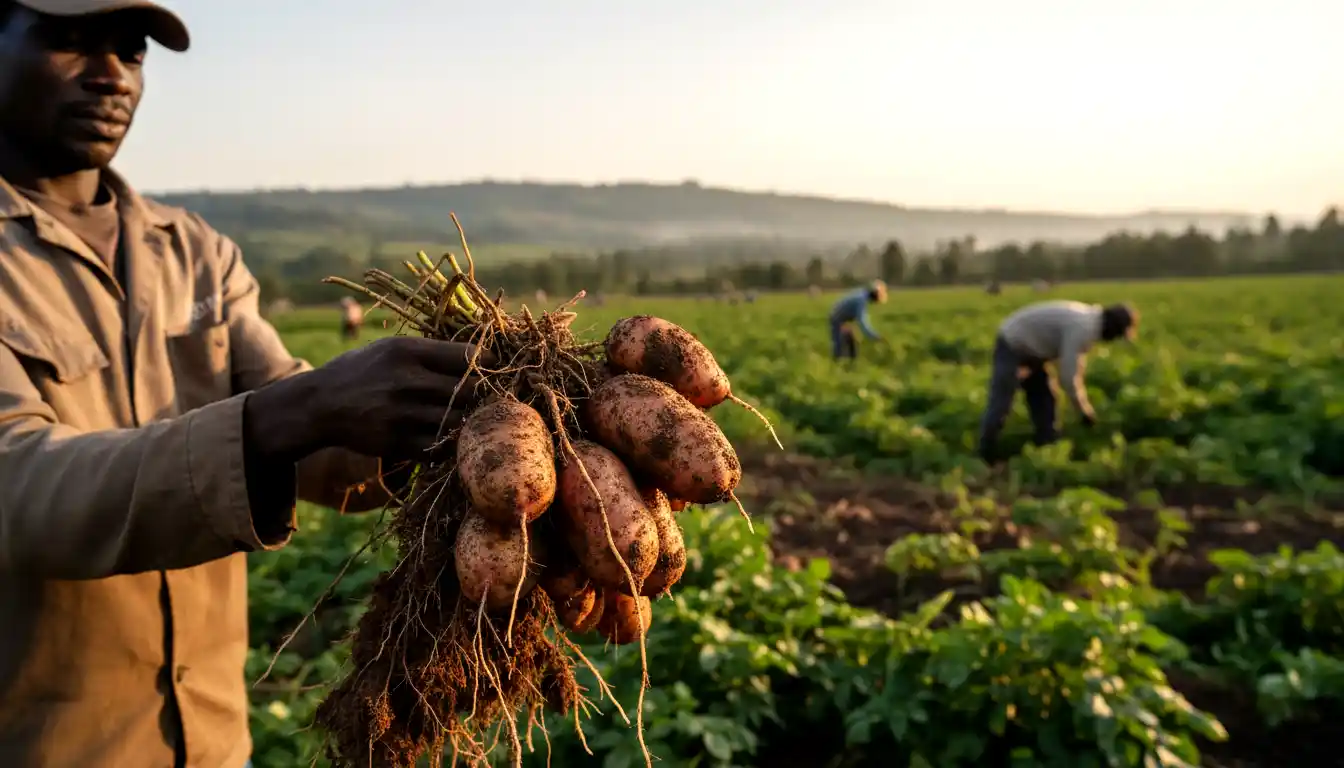
Irish potatoes are a staple food in Kenya, second only to maize in consumption volume. The introduction of the KALRO Clone IG-70 potato variety has revolutionized this sector by offering blight resistance and yields of up to 320 bags per acre. Supplying fast food chains and crisp manufacturers guarantees a steady, high volume income.
6. Smart Sorghum Cultivation
Sorghum farming has become highly lucrative due to contract farming opportunities with East African Breweries Limited. New KALRO varieties like Pato I and Smart Sorghum are bird resistant and mature in just three months. These drought tolerant crops thrive in arid regions, yielding up to 15 bags per acre with minimal rainfall.
7. Dairy Farming and Value Addition
Dairy farming offers consistent daily income, especially when combined with on farm value addition like yogurt or cheese making. High yielding breeds like Friesians or Ayrshires can produce over 25 liters of milk per day under zero grazing management. Investing in quality silage and hydroponic fodder ensures maximum milk production even during dry spells.
8. Dragon Fruit Farming
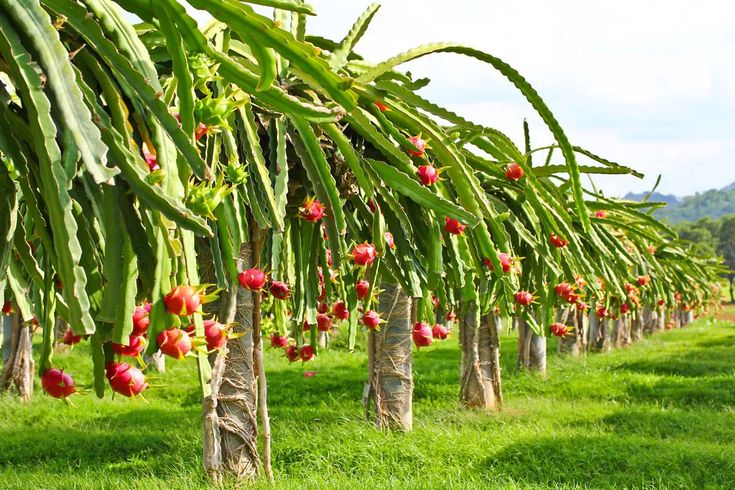
Dragon fruit is a high value exotic crop that has taken the Kenyan market by storm in 2026. While the initial cost of planting materials and concrete support posts is high, the fruits retail for over KES 800 per kilogram. This drought resistant cactus requires very little water, making it ideal for semi arid counties like Makueni.
9. Commercial Pig Farming
Pig rearing is an incredibly profitable venture due to the high feed to meat conversion ratio of breeds like Large White and Landrace. A well fed pig can reach a market weight of 90 kilograms in just six months. Companies like Farmers Choice offer contract farming, ensuring a reliable off take market for your mature pigs.
10. Onion Farming (F1 Hybrid Varieties)
Hybrid onion varieties such as Neptune F1 and Russet F1 dominate the market due to their long shelf life and high yields. A well managed acre can produce up to 20 tonnes of cured onions within four months. Harvesting during the off season when imports from Tanzania are low guarantees premium prices of up to KES 100 per kilogram.
11. Watermelon Farming
Watermelon farming is a fast maturing agribusiness that generates massive profits in just 90 days. Varieties like Sukari F1 are highly preferred in the market for their sweet taste and thick rinds that prevent transport damage. An acre can yield 30 tonnes, generating gross revenues exceeding KES 500,000 per season.
12. Tomato Farming in Greenhouses
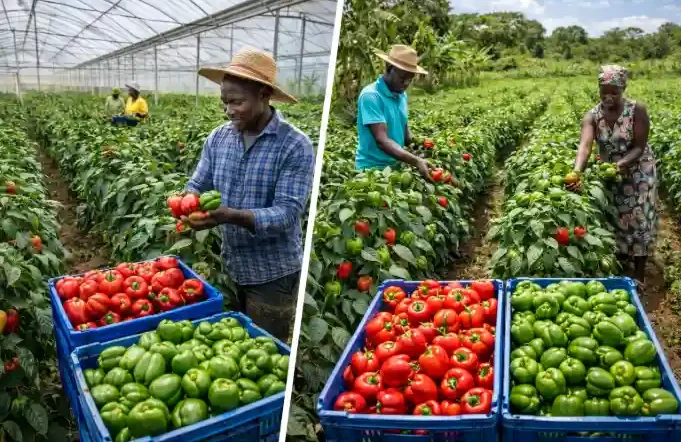
Greenhouse tomato farming protects crops from harsh weather and devastating pests like Tuta absoluta. Indeterminate varieties such as Anna F1 can be harvested continuously for eight months. This controlled environment guarantees high quality, blemish free tomatoes that fetch premium prices in upscale supermarkets.
13. Okra Farming for Export
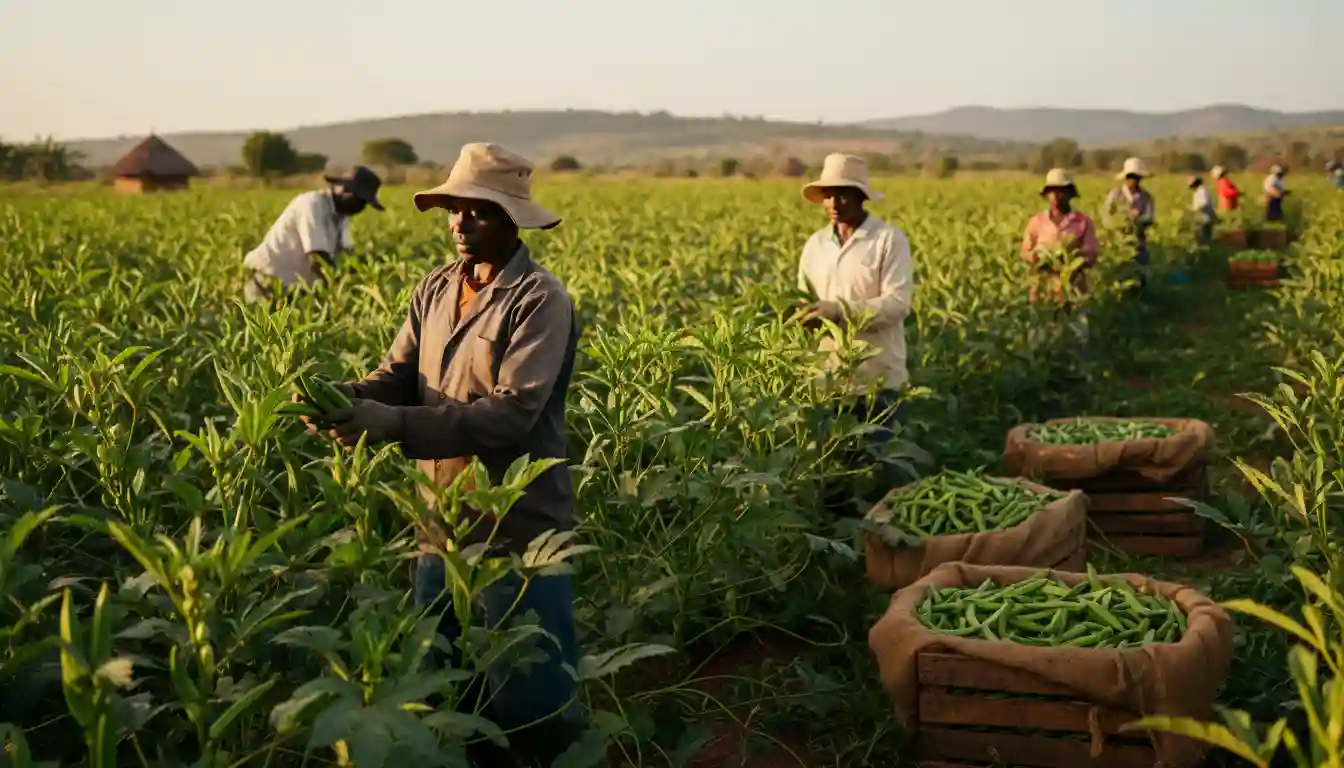
Okra is rapidly gaining popularity as a high value export crop destined for European and Middle Eastern markets. It matures in just 45 days and requires frequent harvesting to maintain pod quality. Farmers near international airports can leverage export contracts to secure dollar denominated payments.
14. Strawberry Farming
Strawberry farming requires minimal space, making it perfect for urban agriculture and vertical farming systems. Chandler and San Andreas are top performing varieties that produce sweet, large berries year round. Selling directly to local bakeries and juice blenders eliminates broker interference and maximizes profit margins.
15. Modern Maize Farming
Maize remains a highly profitable staple when farmed commercially using modern agronomy. In 2026, the National Cereals and Produce Board increased the buying price to KES 4,000 per 90kg bag. Using subsidized fertilizer and drought resistant seeds ensures an excellent return on investment for large scale farmers.
Which Are the Best Varieties and Breeds for Maximum Yield in 2026?
Selecting the right seed variety or animal breed is the most critical factor for agribusiness success in Kenya. The top performers for 2026 include Clone IG-70 potatoes, Sukari F1 watermelons, and Smart Sorghum. These specific genetic strains offer superior disease resistance, faster maturity periods, and significantly higher profit margins.
When launching an agribusiness, planting outdated seeds or rearing inferior breeds will severely limit your profitability. The Kenya Agricultural and Livestock Research Organisation has released several robust varieties tailored for the unpredictable 2026 climate. For instance, the new Clone IG-70 potato resists late blight and delivers unprecedented tuber sizes, while Smart Sorghum deters birds naturally by producing tannins.
Read Also: Dairy vs Poultry vs Vegetable Farming in Kenya: Which Is Best for Beginners?
Comparing these modern varieties side by side helps farmers make data driven investment decisions. The table below highlights the biological milestones, expected yields, and resilience traits of the top agribusiness crops for 2026. Reviewing this information helps you choose the best foundational inputs to guarantee maximum profitability.
| Crop or Livestock | Top 2026 Variety or Breed | Maturity Period | Expected Yield Per Acre | Key Resilience Trait |
|---|---|---|---|---|
| Potato | KALRO Clone IG-70 | 90 to 100 days | 300 to 320 bags (50kg) | Highly resistant to late blight and drought |
| Sorghum | Smart Sorghum or Pato I | 3 months | 15 bags (90kg) | Bird resistant via natural tannins |
| Watermelon | Sukari F1 | 80 to 90 days | 25 to 30 tonnes | Excellent transport durability |
| Maize (Highlands) | H6213 or SC Puma | 6 to 7 months | 35 to 40 bags (90kg) | Maize Lethal Necrosis Disease tolerance |
| Poultry | KALRO Improved Kienyeji | 4.5 to 5 months | 200 plus eggs per bird annually | High disease resistance and low feed intake |
Where to Source Certified Seeds and Farming Inputs in Kenya
Farmers can source certified seeds, seedlings, and foundational livestock breeds from KALRO centers, Kakuzi Plc, and the Kenya Seed Company. Digital platforms like Safaricom Digifarm and iProcure allow farmers to verify seed authenticity and purchase government subsidized inputs securely. Always look for the KEPHIS certification tag to avoid counterfeit products.
Leveraging Digital Procurement Platforms
In 2026, digital procurement platforms like iProcure and Safaricom Digifarm have become the safest methods to acquire genuine agricultural inputs in Kenya. By dialing USSD code 944, farmers can register for the government voucher system to access subsidized fertilizers and track the exact origin of their seeds. This digital traceability eliminates the risk of buying counterfeit seeds that could ruin your entire harvest.
Read Also: Fake Seeds in Kenya 2026: How to Spot Counterfeit Seed Before You Plant and Protect Your Harvest
Physical Depots and Research Institutions
For bulk purchases and specialized plant varieties, visiting established government institutions remains highly recommended. KALRO centers across the country are the primary source for drought resistant seeds, while Kakuzi Plc is the gold standard for procuring export quality grafted seedlings. Additionally, National Cereals and Produce Board depots are fully stocked with affordable fertilizers for registered farmers.
The Role of KEPHIS Verification
The Kenya Plant Health Inspectorate Service ensures that all commercial planting materials meet strict germination and disease free standards. Before purchasing any packaged seed, you must scratch the KEPHIS label and send the unique code via SMS to verify its authenticity. Buying uncertified seeds from roadside vendors often introduces soil borne diseases, so always demand a formal receipt and a KEPHIS tag.

What Is the Best Fertilizer Application Strategy for High-Value Crops?
The optimal fertilizer strategy for Kenyan crops involves applying Diammonium Phosphate during planting and Calcium Ammonium Nitrate for top dressing. In 2026, farmers can access government subsidized DAP for KES 2,500 per bag. Precise nutrient application during the vegetative and flowering stages dramatically increases overall yield and crop quality.
Soil nutrition is the backbone of any profitable shamba, and understanding the current fertilizer market is essential for budget planning. In 2026, the Kenyan government stabilized input costs by capping subsidized Diammonium Phosphate fertilizer at KES 2,500 per 50kg bag. Open market prices for Calcium Ammonium Nitrate sit at KES 2,875, while NPK blends average KES 3,275 per bag.
Applying the right formulation at the correct biological milestone ensures that your crops develop strong root systems and maximum fruit sets. The fertilizer guide below outlines the recommended nutrient types, current market prices, and optimal application timing for typical high value crops. This quick reference table acts as an expert cheat sheet to help you avoid wasteful over fertilization.
| Fertilizer Type | Current 2026 Price (KES) | Primary Nutrient Benefit | Optimal Application Timing |
|---|---|---|---|
| DAP (18:46:0) | 2,500 (Subsidized) | Promotes vigorous root development | Applied strictly at planting time |
| CAN (26 Percent N) | 2,875 | Boosts vegetative growth and leaf size | Top dressing 4 weeks after emergence |
| NPK (17:17:17) | 3,275 | Balances fruiting and structural strength | Applied during the flowering stage |
| YaraMila Winner | 4,200 (Open Market) | Provides essential trace elements | Basal application for vegetables |
Which Kenyan Counties Offer the Best Climate for Agribusiness?
Uasin Gishu dominates large scale maize and wheat production, while Muranga is the premier hub for export grade Hass avocados. Arid counties like Makueni excel in drought tolerant ventures like dragon fruit and smart sorghum. Matching your agribusiness idea to the correct regional climate guarantees better yields and lower irrigation costs.
The North Rift Region
Referred to as the breadbasket of Kenya, the North Rift region features highly fertile soils and reliable bimodal rainfall ideal for mechanized maize and wheat farming. In 2026, farmers here are capitalizing on the KES 4,000 per bag maize price offered by the government. The cool climate is also perfect for dairy farming, ensuring abundant pasture growth throughout the year.
Central Highlands Region
The Central Highlands boast volcanic soils and moderate temperatures, making them the ultimate zone for high value horticulture. Muranga County leads the nation in Hass avocado production, driven by a well established network of export aggregators. Meru County is highly lucrative for potato and onion farming, though smaller land sizes necessitate intensive techniques like greenhouse production for the best returns.
Arid and Semi Arid Lands
Historically viewed as challenging, counties like Makueni and Kilifi are now highly profitable agricultural frontiers. The introduction of KALRO’s drought resistant Smart Sorghum and high value dragon fruit has transformed dryland farming into a cash generating enterprise. Coastal counties are also perfect for commercial poultry, as the warmer temperatures naturally reduce chick mortality rates.
What is the Ideal 12-Month Planting Cycle for Kenyan Farmers?
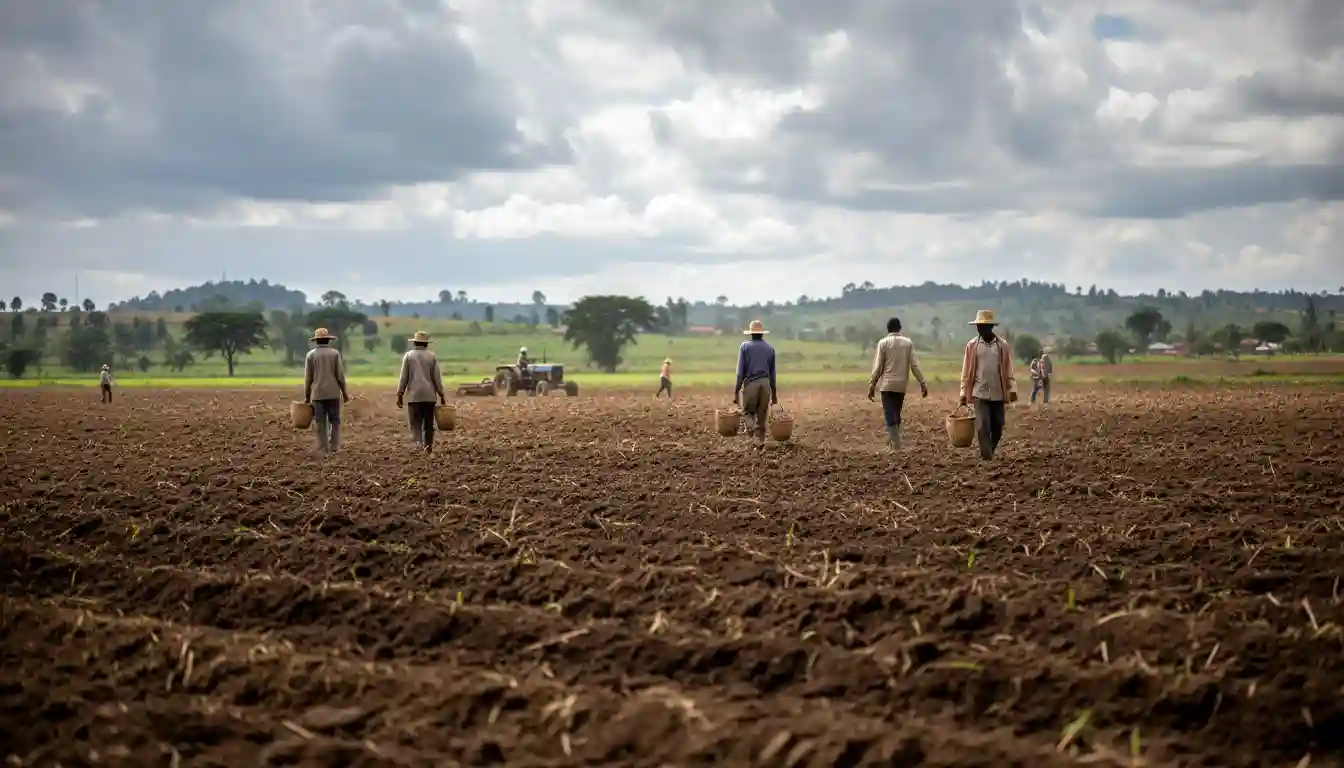
The optimal Kenyan farming calendar begins with land preparation in January and planting during the long rains in March. Top dressing occurs in May, followed by harvesting in August. The short rains season from October to December is best utilized for fast maturing horticultural crops like beans and watermelons.
January to February: Preparation Phase
The first two months of the year are dedicated to clearing the shamba, deep ploughing, and soil testing. This is the critical window to procure your certified seeds and secure your government subsidized fertilizer vouchers. Booking your tractor services early prevents delays when the rains begin.
March to May: Planting and Top Dressing
The main planting season kicks off in mid March as the long rains stabilize across most parts of Kenya. Fast and efficient planting ensures your crops maximize the soil moisture for rapid germination. By early May, farmers must conduct their first round of weeding and apply Calcium Ammonium Nitrate to boost crop canopy development.
June to August: Pest Control and Harvesting
As crops reach maturity, the focus shifts to rigorous pest and disease management. Scouting for fall armyworms in maize or early blight in tomatoes is essential during the cooler months of June and July. August marks the beginning of the primary harvest season for cereals, leading to an influx of produce into the national market.
Read Also: Top 10 Best Money-Making Agriculture Business Ideas in Kenya (2026)
September to December: Value Addition
September is best utilized for drying grains properly to avoid aflatoxin contamination before storage. When the short rains arrive in October, savvy farmers pivot to fast maturing crops like onions, spinach, or indigenous vegetables. December closes out the agricultural calendar with the marketing of off season produce, which traditionally fetches premium holiday prices.
How Much Profit Can You Make Per Acre in 2026?
A well managed acre of hybrid maize can generate a net profit of KES 65,000 in six months, while an acre of onions can yield over KES 300,000. Using subsidized inputs and targeting off season markets dramatically increases your return on investment. Estimated ranges vary by management and prevailing weather conditions.
Understanding the precise financial metrics of your chosen agribusiness is the only way to guarantee a sustainable income. High volume staple crops like maize require strict cost control, while horticultural crops demand higher initial capital but offer rapid, massive returns. In 2026, taking advantage of the KES 2,500 subsidized DAP fertilizer significantly lowers the break even point for beginner farmers. Remember that estimated ranges vary by management, meaning excellent agronomy dictates your final payout.
The financial model below breaks down the per acre costs and projected revenues for a commercial maize farming operation in Kenya. Reviewing these figures provides a realistic expectation of expenses and highlights the attractive profit margins available.
| Expense or Revenue Category | Details and Quantity | Estimated Cost or Income (KES) |
|---|---|---|
| Land Preparation | Ploughing and harrowing for one acre | 6,000 |
| Certified Seeds | 10kg of Hybrid Seed like H6213 | 3,000 |
| Fertilizer Inputs | 2 bags DAP and 2 bags CAN | 10,750 |
| Labor and Weed Control | Herbicides and manual weeding | 8,000 |
| Harvesting Costs | Cutting, shelling, and transport | 7,000 |
| Total Cost of Production | Total Expenses Per Acre | 34,750 |
| Gross Revenue | 25 Bags sold at KES 4,000 per bag | 100,000 |
| Projected Net Profit | Gross Revenue minus Total Cost | 65,250 |
How Do You Navigate the Supply Chain and Value Addition Process?
Farmers can maximize profits by bypassing brokers and selling directly to commercial millers, exporters, or through the Warehouse Receipt System. Adding value at the farm level, such as milling maize into flour or extracting oil from soybeans, significantly multiplies the final retail price of raw agricultural commodities.
Avoiding the Broker Trap
The biggest threat to an agribusiness profit margin in Kenya is the exploitative network of middlemen. In 2026, smart farmers are forming localized cooperatives to aggregate their produce and negotiate directly with major buyers. Using digital platforms like Mkulima Young to advertise your harvest directly to consumers ensures that you retain the full market value of your hard earned harvest.
Embracing the Warehouse Receipt System
Selling crops immediately after harvest usually results in poor returns due to the national market glut. The government backed Warehouse Receipt System allows farmers to store their grains securely in certified silos while waiting for prices to appreciate. In exchange, you receive a receipt that can be used as collateral to secure short term loans from local banks. This strategy provides immediate cash flow without forcing you to sell your produce at a loss.
Farm Level Value Addition
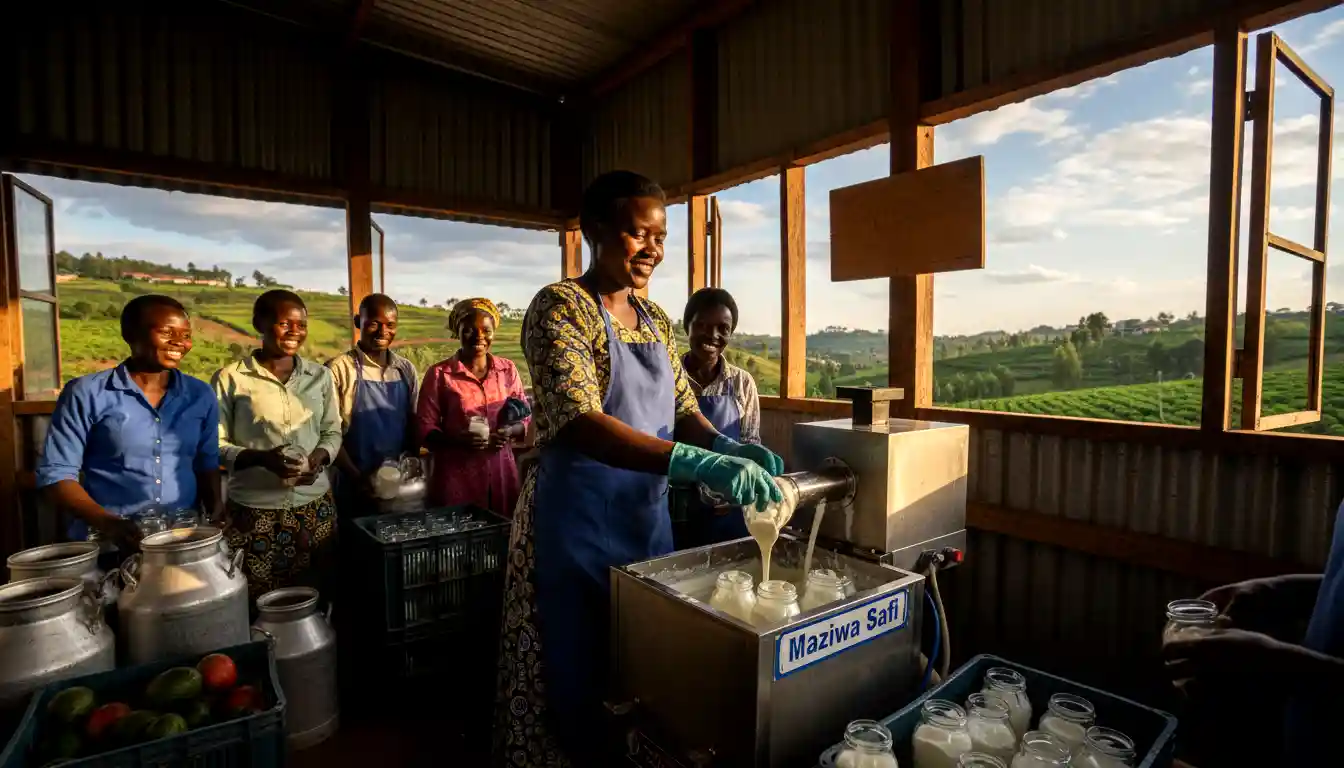
Transforming raw commodities into processed goods is the ultimate wealth building strategy in agriculture. Instead of selling raw milk at KES 40 per liter, fermenting it into flavored yogurt or processing raw potatoes into branded crisps opens up lucrative retail avenues. Value addition extends the shelf life of your products and protects your business from sudden commodity price crashes.
What Is the 2026 Outlook for Agribusiness in Kenya?
The 2026 outlook for Kenyan agribusiness is highly positive, driven by subsidized inputs, climate smart seed varieties, and expanding export markets. Farmers who adopt digital procurement, modern irrigation, and farm level value addition will see exponential revenue growth. Start small, verify your inputs, and scale aggressively.
As Kenya navigates the economic realities of 2026, the agricultural sector remains the most resilient and profitable industry for determined entrepreneurs. The government’s commitment to capping fertilizer prices and purchasing maize at KES 4,000 per bag provides a secure safety net for staple crop producers. Meanwhile, the insatiable global demand for Kenyan avocados and macadamia presents a massive opportunity for export oriented farmers.
To succeed in this modern landscape, you must treat your shamba as a rigorous corporate business. This means keeping accurate financial records, investing in soil testing, and utilizing KEPHIS certified inputs. Take action today, execute your strategy with precision, and transform your agricultural idea into a multi million shilling enterprise.
Farmers Also Ask (FAQ)
What is the most profitable crop to grow in Kenya in 2026?
Hass avocado and hybrid tomatoes are currently the most profitable. Avocados offer long term export dollars, while tomatoes provide rapid domestic cash flow.
How much capital do I need to start poultry farming?
You can start a small Kienyeji poultry venture with as little as KES 25,000. This covers a basic coop, day old chicks, and initial feed for the first few weeks.
Where can I get the subsidized KES 2,500 fertilizer?
You can access it by dialing USSD code 944 on Safaricom Digifarm to register. Once approved, you redeem your voucher at the nearest NCPB depot.
Is dragon fruit farming viable in Kenya?
Yes, it is highly lucrative and thrives in semi arid areas like Makueni. Despite high initial setup costs, fruits retail for up to KES 800 per kilogram.
How do I verify if my seeds are genuine?
cratch the hidden panel on the seed packet to reveal a code, then SMS it to the KEPHIS number provided. You will receive an instant verification message.
What is the current buying price of maize at NCPB?
As of early 2026, the National Cereals and Produce Board purchases a 90kg bag of Grade 1 and 2 maize for KES 4,000.
Which potato variety has the highest yield?
The new KALRO Clone IG-70 variety yields up to 320 bags per acre. It is highly resistant to late blight and tolerates drought conditions well.
Can I make money with Black Soldier Fly farming?
Absolutely. BSF farming cuts your animal feed costs by 50 percent and allows you to sell excess high protein larvae to other commercial farmers.
What is the maturity period for Sukari F1 watermelon?
Sukari F1 watermelons mature in just 80 to 90 days. They are highly preferred for their sweetness, large size, and excellent transport durability.
Do I need a license to export agricultural produce?
Yes, you need an export license from the Agriculture and Food Authority and phytosanitary certificates from KEPHIS to access international markets.