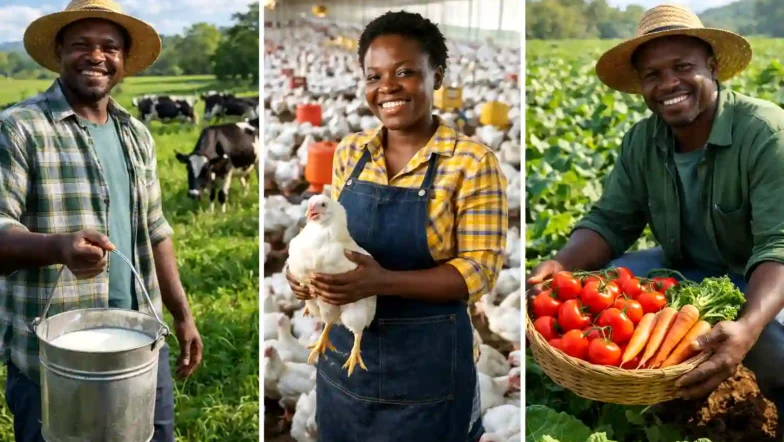
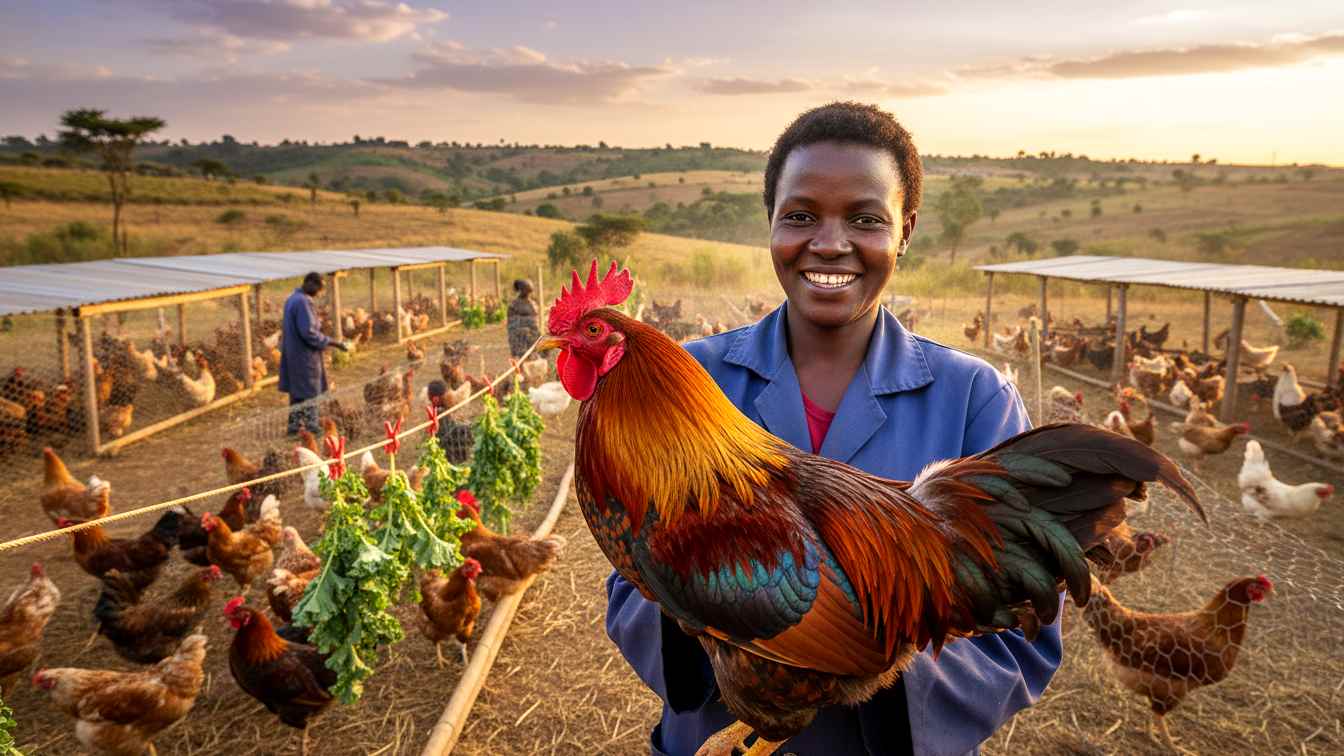

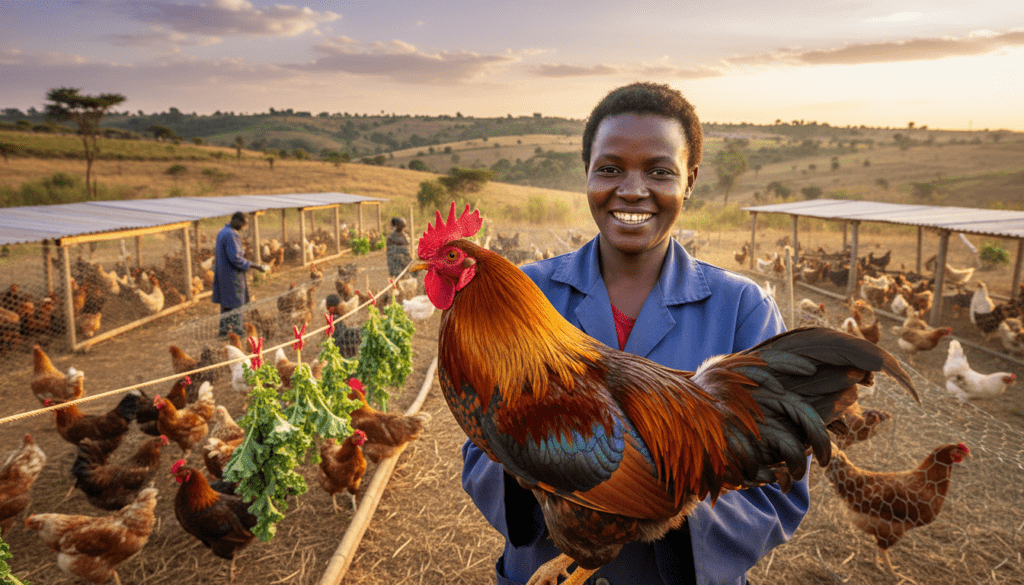
Poultry farming in Kenya has evolved from a simple backyard hobby into a multi-billion shilling commercial enterprise that supports thousands of livelihoods across the forty-seven counties. As we navigate the agricultural landscape of 2026, the demand for organic white meat and yellow-yolked eggs has skyrocketed, driven by a health-conscious middle class in Nairobi, Mombasa, and Kisumu who are willing to pay a premium for authentic Kienyeji products. The shift from keeping indigenous birds that take over a year to mature to rearing Improved Kienyeji breeds has revolutionized the sector, allowing farmers to harvest meat birds in just four to five months and secure higher egg production rates without losing the distinct taste that Kenyan consumers adore.

Entering this sector requires a mindset shift where the farmer treats poultry rearing as a strict business rather than a side hustle, requiring meticulous record-keeping of every shilling spent on feeds, transport, and vaccines. The Improved Kienyeji chicken is a hybrid marvel developed to resist local diseases like Newcastle while converting low-cost feeds into high-quality protein much faster than the traditional birds our grandparents kept. For a beginner farmer in 2026, the opportunity lies in bridging the gap between consistent supply and the overwhelming market demand, provided you adhere to strict biosecurity measures and nutritional standards that ensure your birds reach market weight on schedule.
Success in this venture is not accidental but a result of understanding the specific micro-climate of your region, whether you are in the hot zones of Kilifi or the cool highlands of Nyeri, and adapting your housing and feeding accordingly. We have seen many beginners fail because they copy-pasted farming models from the internet without considering local raw material availability or the specific disease challenges in their ward. This guide serves as your comprehensive manual, stripping away the jargon and focusing on practical, actionable steps that have been proven to generate profit for smallholder farmers across East Africa in the current economic climate.

The agricultural policies in Kenya have also shifted in 2026 to favor local production, with increased taxes on imported frozen poultry products, which has created a vacuum that local farmers must fill. This protectionist environment means that the market price for local chicken is stable, and the government is actively encouraging youth and women to enter the value chain through grants and subsidized training.
Read more
Most Profitable Farming Ideas in Kenya Right Now (2025 Updated List)
However, this opportunity comes with the responsibility of maintaining high standards of hygiene and animal welfare, as the modern consumer is not just buying a chicken but is buying the assurance of a chemical-free, ethically raised bird.
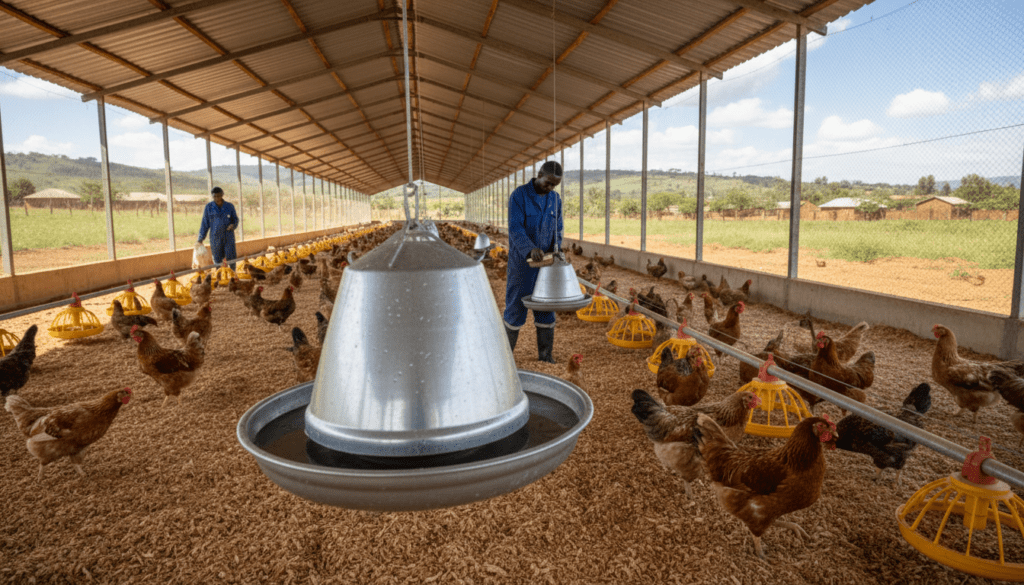
CHOOSING THE RIGHT IMPROVED KIENYEJI BREED
The first critical decision you will make is selecting the specific breed of Improved Kienyeji that aligns with your market goals, whether you are targeting meat production, egg production, or a dual-purpose utility. The KALRO Improved Kienyeji remains the most popular choice for many Kenyan farmers because it was specifically developed by the Kenya Agricultural and Livestock Research Organization to thrive on low-cost feeding regimes and scavenge effectively in semi-free range systems. These birds are incredibly hardy, highly resistant to common local diseases, and the hens are excellent mothers that can brood their own chicks if you are not using an incubator, making them ideal for low-capital startups.
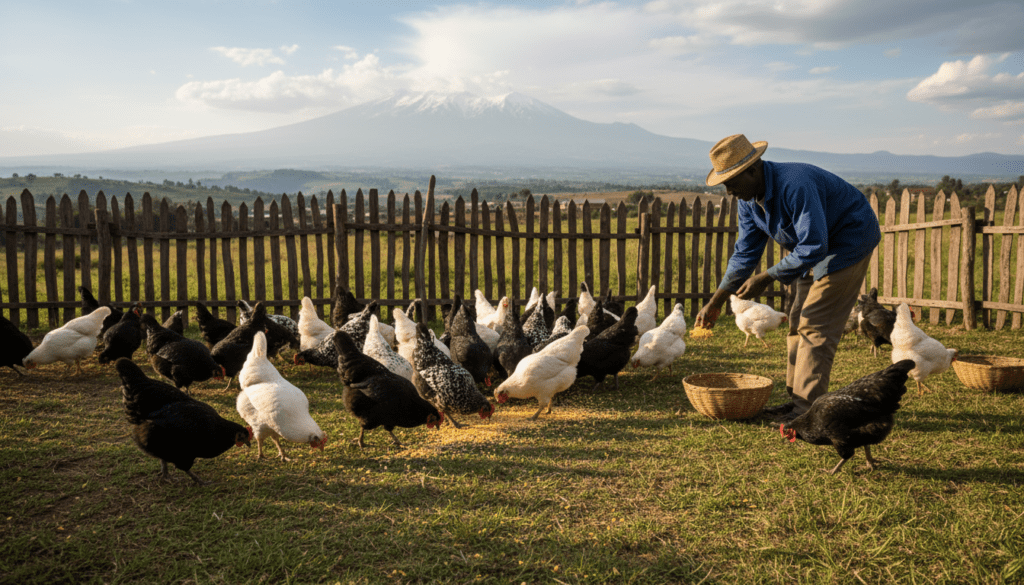
The KALRO bird is genetically designed to withstand the harsh conditions of rural Kenya, possessing a strong immune system that can fight off minor infections that would kill exotic breeds instantly. They have a leaner meat profile which is preferred by traditionalists who find broiler meat too soft or tasteless, and their eggs have the deep yellow yolks that fetch premium prices at breakfast tables. However, their growth rate is moderate compared to other hybrids, usually taking about five to six months to reach full maturity, which requires the farmer to have patience and a steady supply of affordable feed during the growing period.
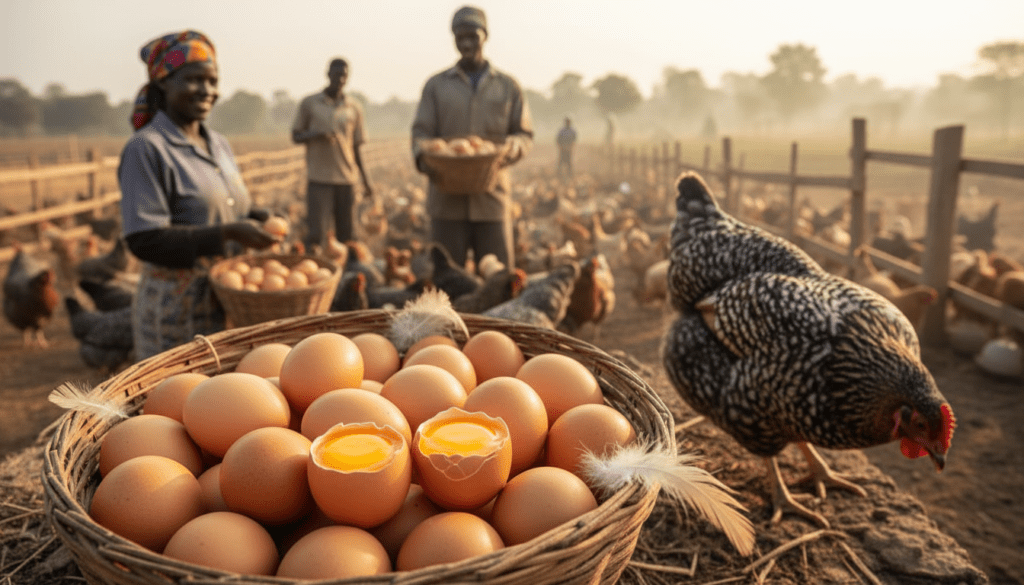
However, if your market demands a larger bird for meat purposes, the Kuroiler, which originates from India but has found a massive home in Kenya via Uganda, might be your best bet. Kuroilers are voracious eaters that grow significantly faster and larger than the KALRO variety, often attaining weights of 3 to 4 kilograms within five months if fed correctly on a balanced diet. They are also prolific layers, producing up to 200 eggs per year, but they rarely go broody, meaning they will not sit on their eggs to hatch them, forcing the farmer to invest in an artificial incubator or use surrogate hens for hatching.
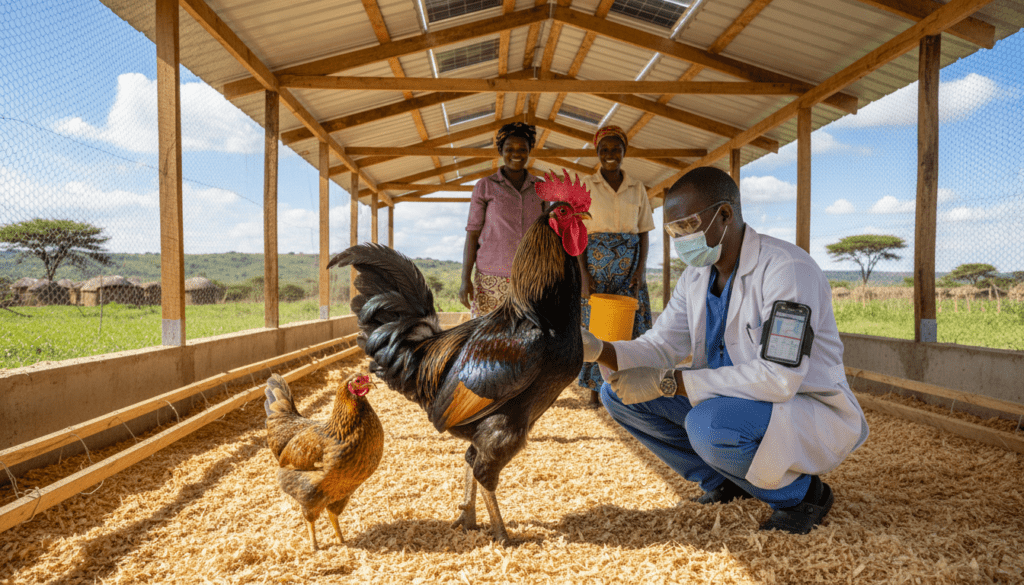
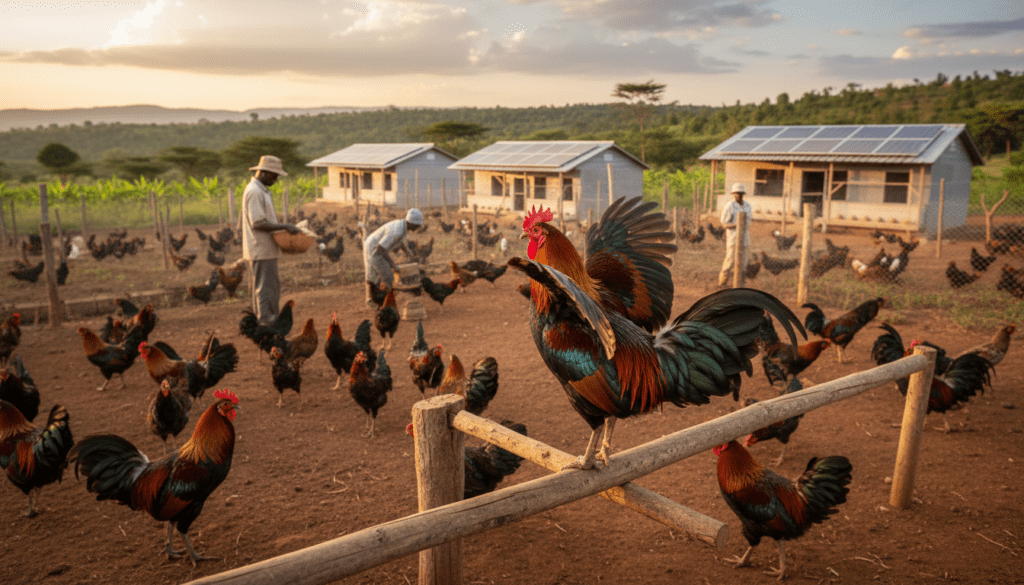
The Rainbow Rooster is another strong contender in the 2026 market, a multi-colored bird that is aesthetically pleasing and closely resembles the indigenous chicken, fetching high prices at local markets and restaurants. Like the Kuroiler, the Rainbow Rooster is a heavy feeder and grows rapidly, but it is somewhat less aggressive in scavenging than the KALRO bird, meaning your feed costs will be slightly higher and they require more confinement management. The visual appeal of the Rainbow Rooster is a major selling point during festive seasons, as buyers often choose live birds based on their plumage and size, associating the colorful feathers with health and vitality.
Read more
How to Grow Coriander at Home Using Old Tyres: Easy Step-by-Step Guide
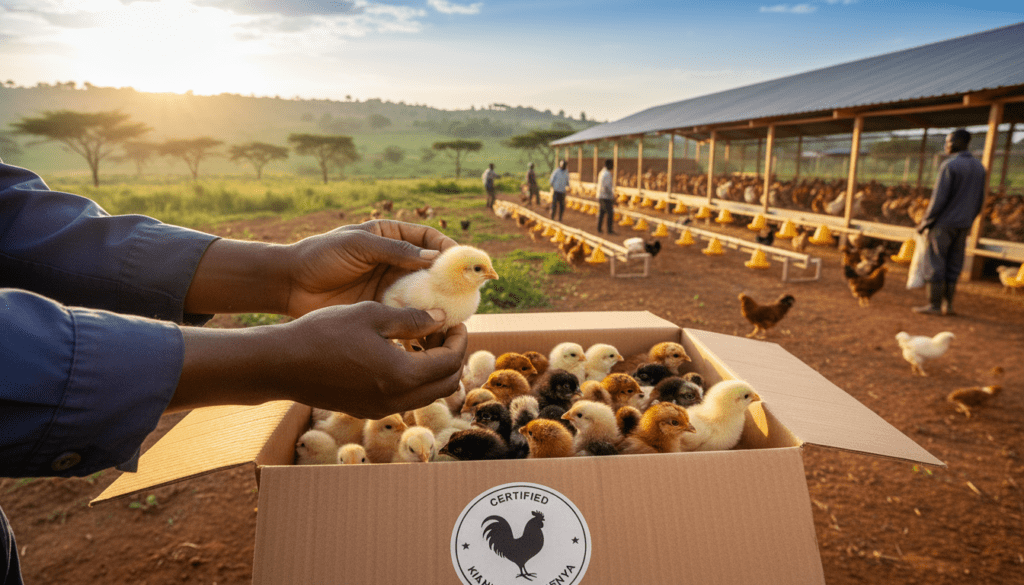
Selecting the breed is not just about the bird itself but also about the availability of genuine day-old chicks in your area. Many farmers fall victim to buying “fake” improved breeds from unscrupulous dealers who sell ordinary village chicken chicks as high-value hybrids. It is vital to source your stock from certified hatcheries or authorized agents who can provide a vaccination history and a guarantee of the breed’s genetics, ensuring that the bird you feed for five months will actually grow to the size promised.
HOUSING AND CONSTRUCTION STANDARDS
Constructing the right housing is the single biggest capital expenditure you will face, and getting it wrong can lead to respiratory diseases that will wipe out your flock before they even start laying. The poultry house must be oriented East-West along its long axis to prevent direct sunlight from hitting the birds, which causes heat stress and can kill chickens in hot areas like Machakos or Kitui. The structure should be rectangular, with a width not exceeding 25 feet to ensuring proper cross-ventilation, allowing ammonia fumes from the droppings to escape and fresh air to circulate without creating a cold draft that causes pneumonia.
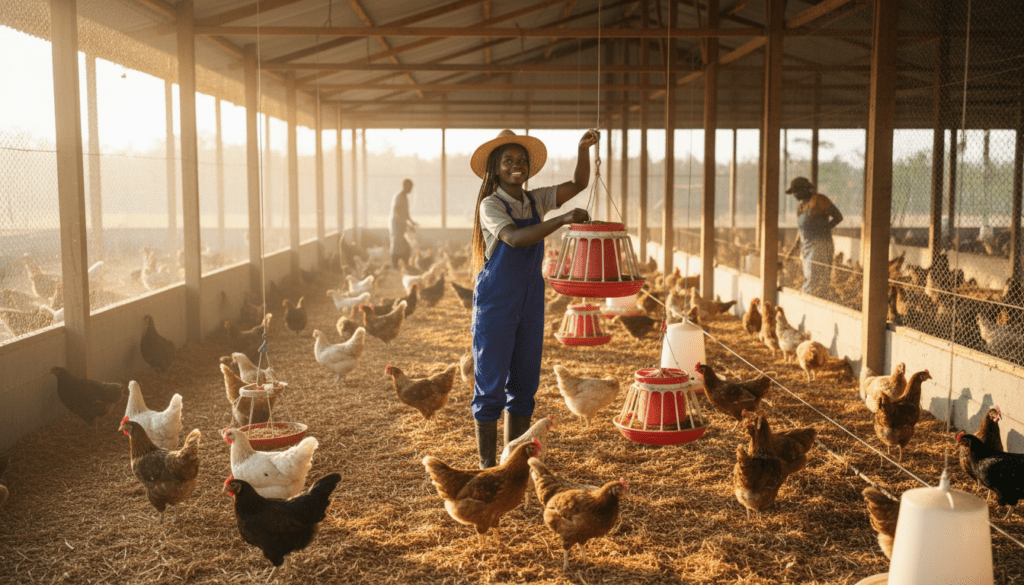
For the floor, you must avoid the temptation to leave it as bare earth, as this becomes a breeding ground for bacteria and parasites that are impossible to disinfect effectively. A concrete floor is the gold standard because it is easy to wash and disinfect between batches, but if funds are tight, you can use a compacted murram floor that is treated with pesticide before adding the litter. The Deep Litter system is mandatory for indoor rearing, where you place a 4-inch layer of wood shavings (not fine sawdust, which causes crop impaction) on the floor to absorb moisture from droppings and provide a warm, comfortable bed for the birds.
Do not overcrowd your birds, as this leads to stress, feather pecking, and cannibalism, which are disastrous habits that are very difficult to stop once they begin. For Improved Kienyeji birds, you should budget for 2 square feet per bird if they are kept strictly indoors, or 1 square foot per bird indoors if you have a large designated run or free-range area outside. Many farmers build houses that are too dark; remember that light stimulates egg production, so your house must have sufficient natural light during the day, supplemented by artificial lighting in the evening for layers.
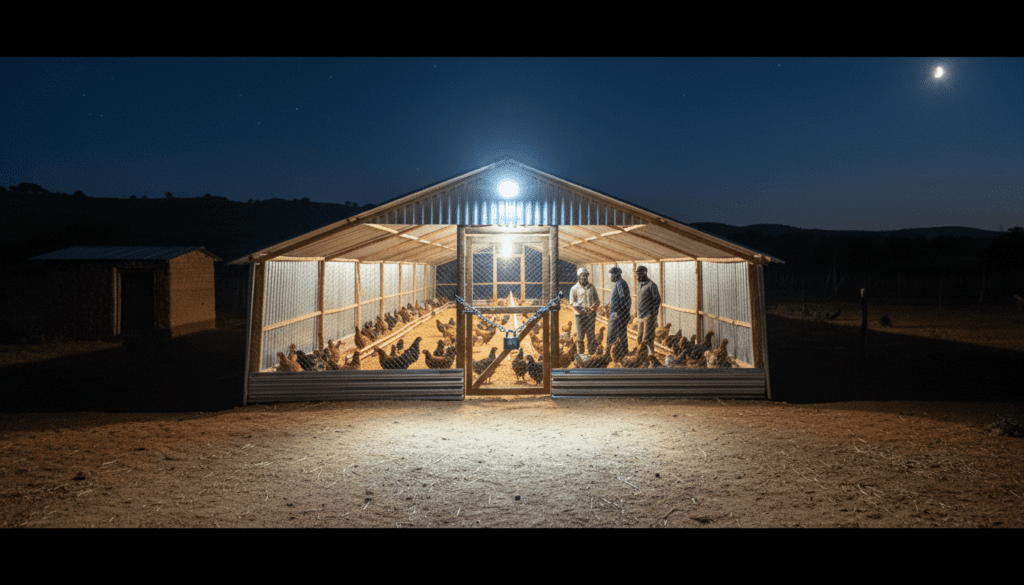
Security is another aspect of housing that is often overlooked until it is too late, especially in rural areas where theft and predation are common. Your poultry house should be burglar-proofed with strong mesh and lockable doors, and the surrounding run should be fenced with chain-link or high-gauge chicken wire to keep out mongoose, wild dogs, and snakes. Investing in a solar powered security light or a motion sensor alarm is a small cost compared to the loss of an entire flock of mature birds overnight.
BROODING MANAGEMENT THE FIRST FOUR WEEKS
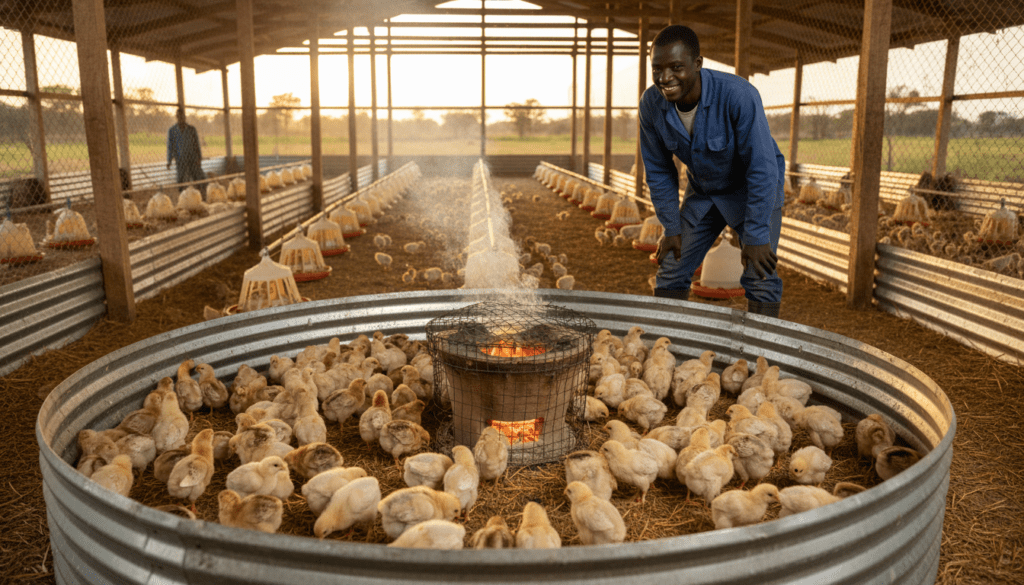
The first four weeks, known as the brooding stage, are the most critical days of your poultry project, where mortality is highest if the temperature is not strictly controlled. When you bring day-old chicks home, they cannot regulate their own body temperature and rely entirely on you to provide warmth, typically between 32 to 34 degrees Celsius in the first week. You must construct a brooder guard which is a circular barrier made of plywood or cardboard to keep the chicks close to the heat source (jiko or heat bulb) and prevent them from wandering into cold corners where they will pile up and suffocate.
Upon arrival, your chicks will be stressed from transport, so do not feed them immediately; instead, provide water mixed with glucose, sugar, or a commercially available chick formula to boost their energy. Ensure the water is lukewarm, as cold water can shock their small systems and cause diarrhea, and dip the beak of a few chicks into the drinker to teach them where to find hydration. By the third hour, introduce high-quality Chick Mash on flat trays or newspapers so they can easily find the feed without struggling to reach into tall feeders, encouraging them to eat early and absorb the yolk sac remaining in their abdomens.
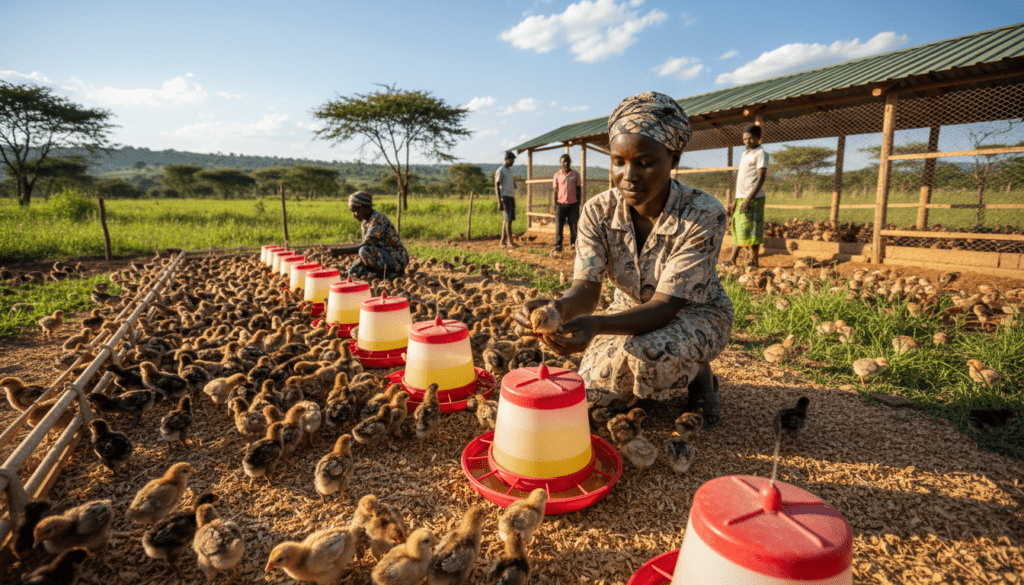
Temperature management requires constant observation rather than just relying on a thermometer; the chicks’ behavior is your best gauge. If the chicks are huddled together directly under the heat source and chirping loudly, they are cold; if they are pressed against the walls of the brooder panting with wings spread, they are too hot. You want to see them evenly distributed across the brooder floor, eating, drinking, and sleeping peacefully, which indicates the temperature is perfect. Never use a charcoal jiko in a sealed room without ventilation, as the carbon monoxide buildup will silently kill both your chicks and the caretaker.
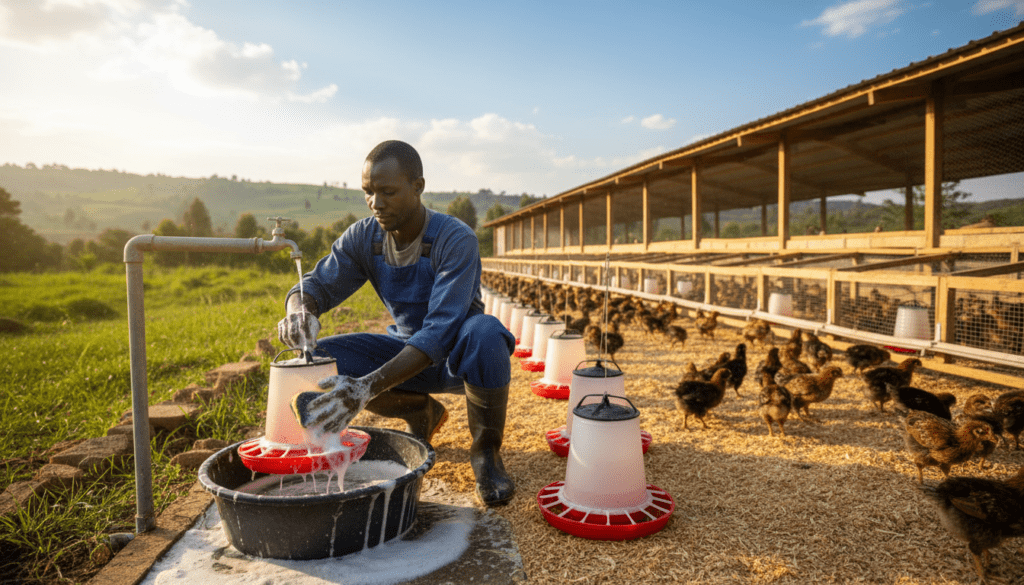
Hygiene during the brooding phase must be clinical, as the chicks have zero immunity to pathogens found in dirt or old manure. The newspapers or litter used in the brooder must be changed immediately if they become wet, as damp conditions encourage Coccidiosis, a parasitic disease that causes bloody diarrhea and high death rates. Wash the drinkers and feeders every morning with soap and water to prevent the buildup of slime and mold, which can cause digestive blockage and fungal infections in young birds.
FEEDING FOR MAXIMUM PRODUCTION
Feeding constitutes roughly 70 percent of your total production costs, so getting this right is the difference between profit and loss in the Kenyan market. For the first eight weeks, chicks must be fed on Chick Mash, a high-protein feed that supports rapid organ development and skeletal growth. From week nine to week eighteen (or until the first egg is seen), you switch to Growers Mash, which is lower in protein but high in fiber to help the bird develop a strong frame and reproductive system without becoming too fat.
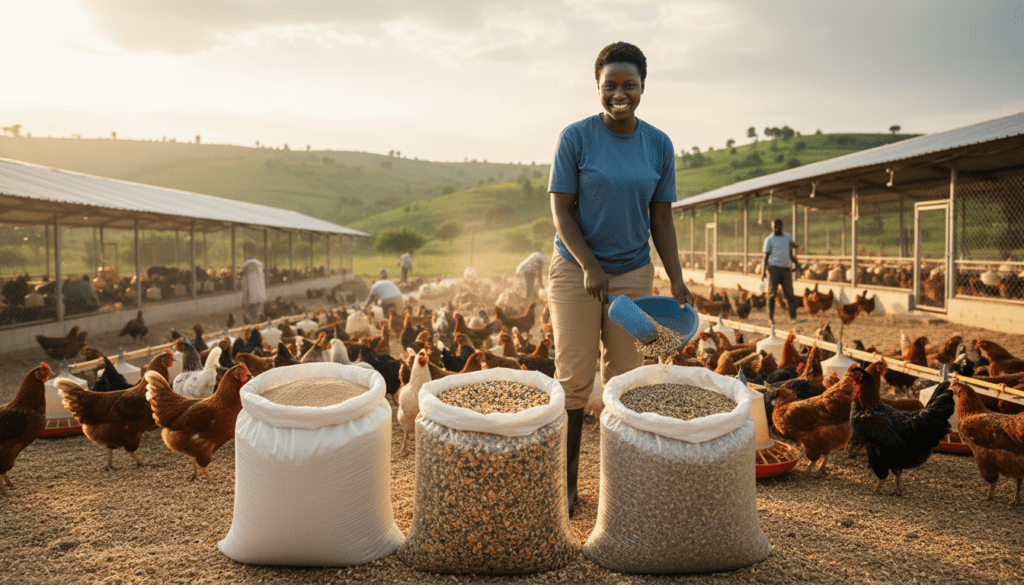
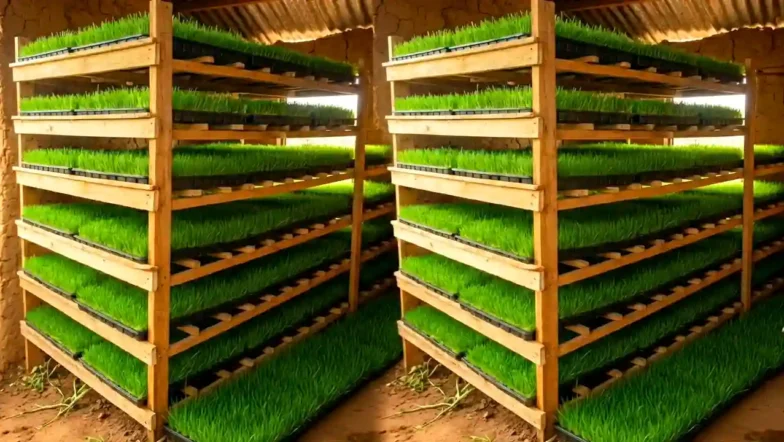
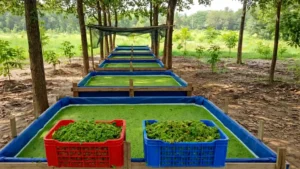
Once the birds start laying eggs, usually around week 18 to 20, you must transition them to Layers Mash immediately to provide the calcium required for strong eggshells and the nutrients needed for consistent laying. If you are rearing the birds for meat, you would switch to Finisher pellets to bulk them up before sale. In 2026, with the high cost of commercial feeds (often hitting KES 3,500+ for a 70kg bag), smart farmers are supplementing commercial feeds with locally available hydroponic fodder, sukuma wiki, and azolla to reduce costs by up to 30 percent while maintaining nutritional balance.
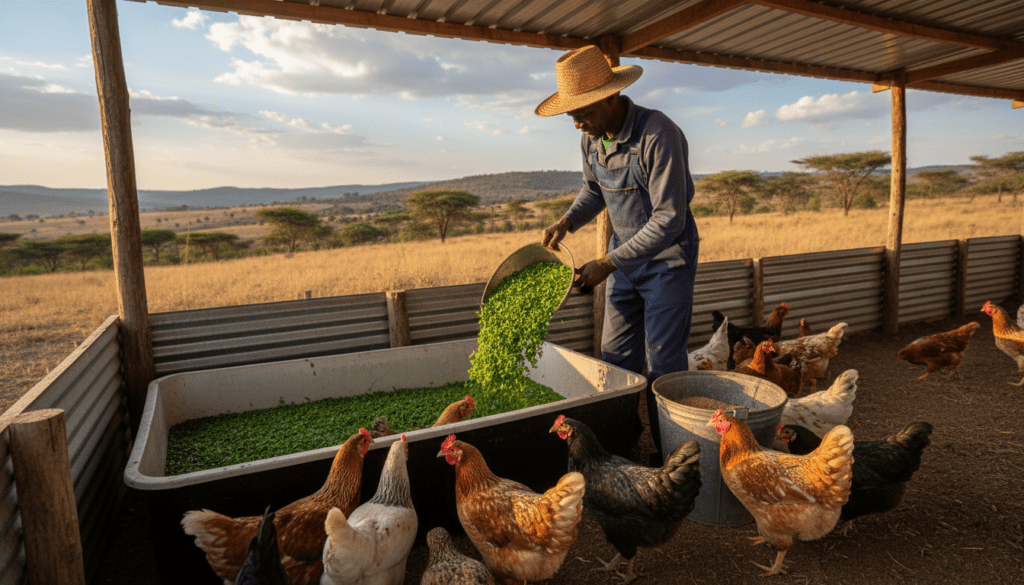
However, you must be careful not to compromise the protein balance; Improved Kienyeji birds are not garbage disposal units, and feeding them rotten food or too much maize without protein will stop egg production. Always ensure clean, fresh water is available 24/7, as a chicken that goes without water for just a few hours will stop laying eggs for several days. In the dry seasons, adding a multi-vitamin supplement to the water once a week helps the birds cope with heat stress and maintains their appetite.
Understanding the timing of feeding is also crucial; birds should be fed twice a day, once in the morning and once in the late afternoon. This routine allows the farmer to observe the flock’s appetite-if they leave food in the trough, they may be sick or you are overfeeding; if the troughs are polished clean within ten minutes, you are underfeeding. Precision feeding prevents wastage, which attracts rodents to the coop, bringing with them diseases and stress to the birds.
DISEASE CONTROL AND VACCINATION SCHEDULE
Diseases are the nightmare of every poultry farmer, but 90 percent of poultry diseases in Kenya can be prevented through a strict vaccination schedule and simple hygiene practices. The three major killers you must vaccinate against are Newcastle Disease, Gumboro or Infectious Bursal Disease, and Fowl Pox. Newcastle is particularly devastating in rural Kenya and can wipe out an entire flock in 48 hours, characterized by twisting necks, green diarrhea, and sudden death.
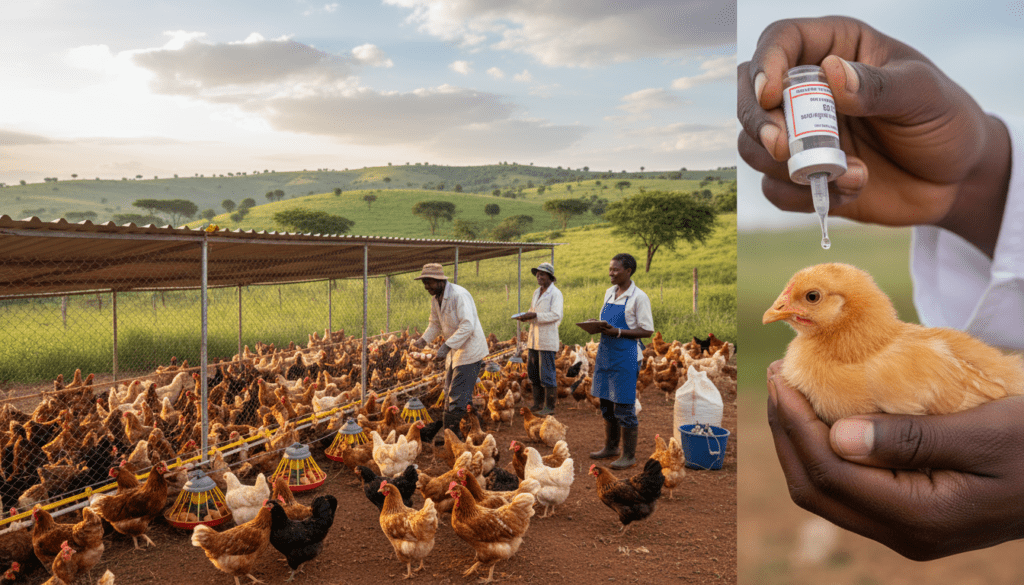
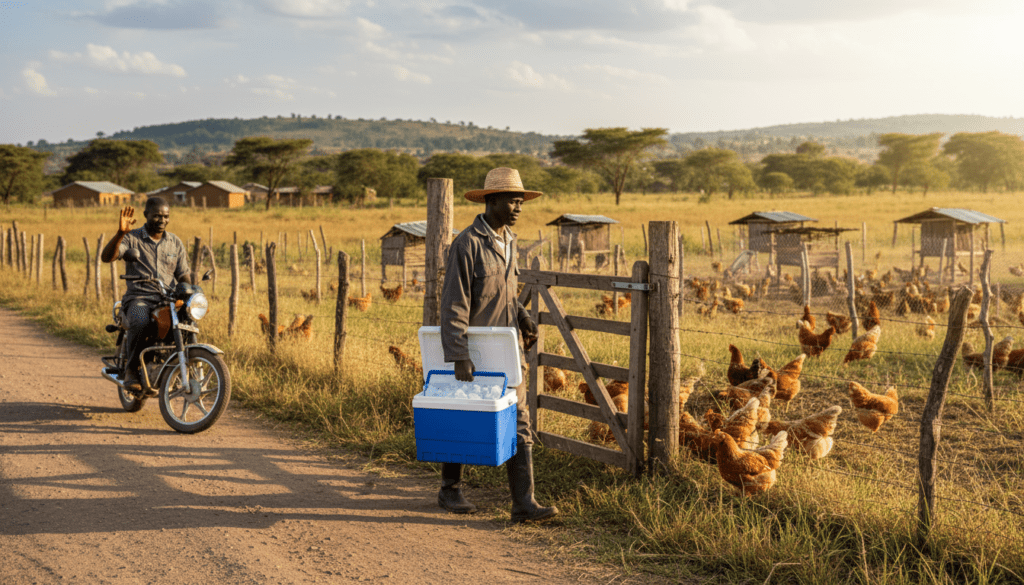
Your vaccination schedule should generally follow this pattern: Marek’s disease is usually done at the hatchery day 1, Newcastle and Infectious Bronchitis at day 7, Gumboro at day 10, a Gumboro booster at day 18, and a Newcastle booster Lasota at day 21. Fowl Pox vaccination is typically done as a wing web stab at week 6 or 7, and Fowl Typhoid acts as an injection at week 8. Always transport vaccines in a cool box with ice packs; if the vaccine gets warm during transport from the agrovet to your farm, it becomes useless water and your birds remain unprotected.
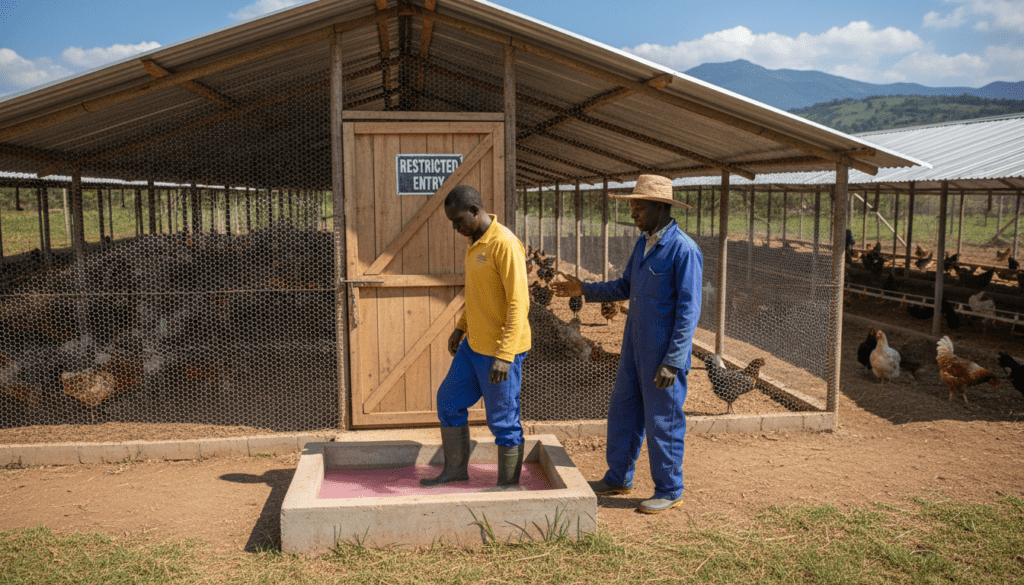
Biosecurity is your second line of defense; this means controlling movement into and out of your poultry unit to prevent the introduction of pathogens. You should have a footbath with disinfectant at the entrance of the coop that everyone must step into, and visitors should never be allowed inside the poultry house. Isolate any sick bird immediately in a separate quarantine cage far from the main flock, and if you buy new adult birds, keep them separated for at least two weeks before introducing them to your existing flock to ensure they aren’t carrying dormant diseases.
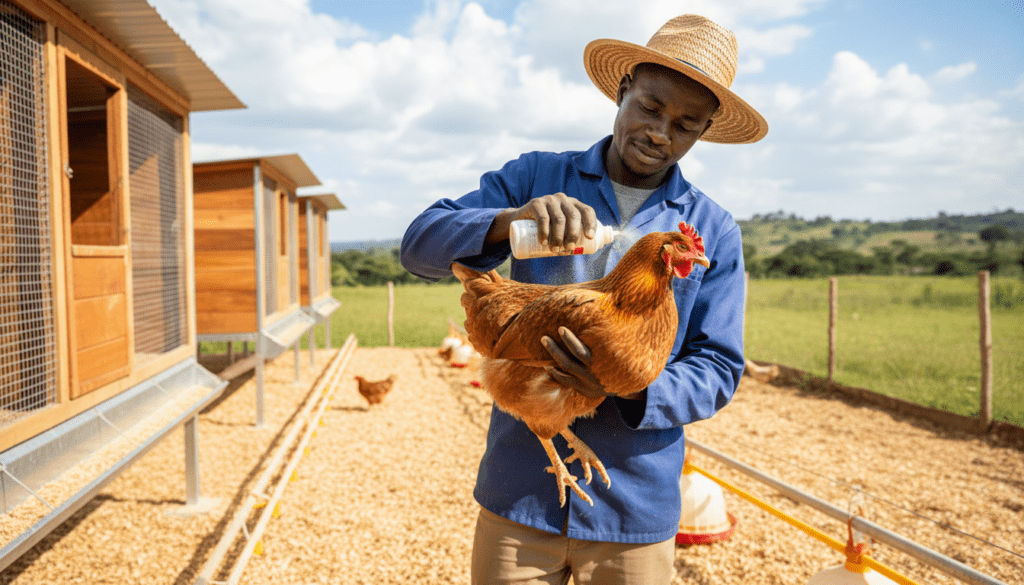
Parasite control is equally important, as external parasites like mites, lice, and fleas can cause anemia, reduced egg production, and extreme irritation to the birds. You should regularly dust the birds and the coop with approved poultry dusting powder, and ensure that the litter remains dry, as wet litter breeds worms. De-worming should be done every two to three months using broad-spectrum dewormers available at any local agrovet, but remember to observe the withdrawal period indicated on the bottle, during which you cannot eat the meat or eggs.
MARKETING AND ECONOMICS
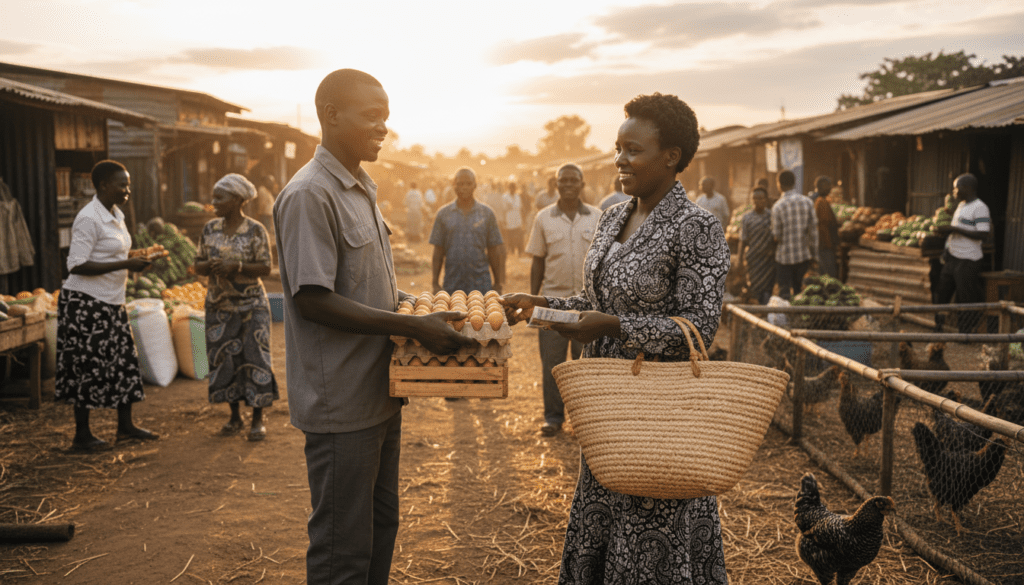
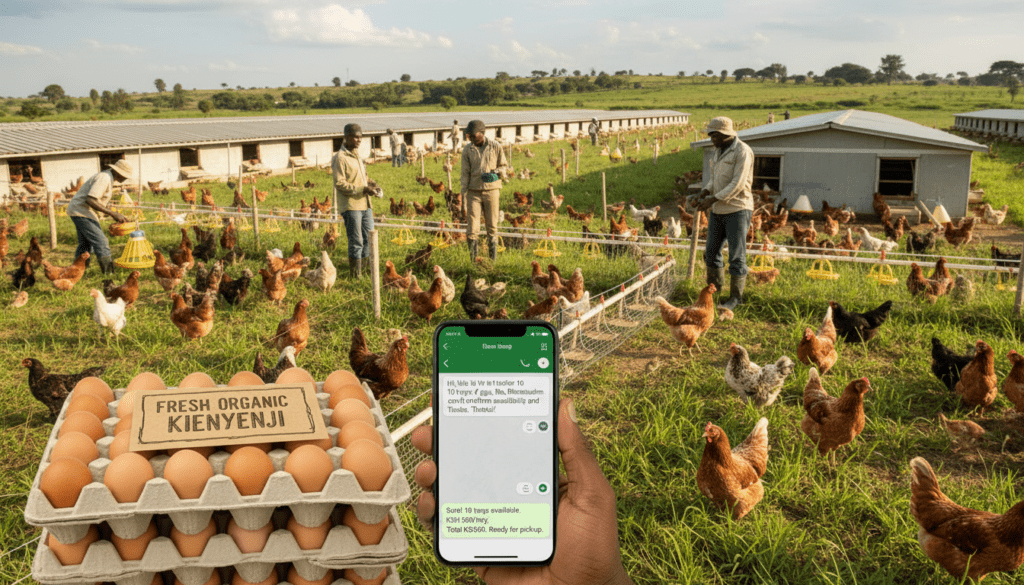
In 2026, the profitability of Improved Kienyeji farming relies heavily on your ability to cut out the middlemen and sell directly to consumers, hotels, or supermarkets. The market price for a fertilized Kienyeji egg can range from KES 20 to KES 30 depending on the season, while a mature bird for meat can fetch between KES 800 and KES 1,200. To maximize revenue, time your production so that your birds are ready for sale during peak seasons like Christmas, Easter, and April holidays when demand and prices are at their highest.
Do not underestimate the power of branding; simply cleaning your eggs, packing them in new trays, and adding a small sticker with your farm name and phone number can differentiate you from the generic products in the market. Social media platforms like WhatsApp groups, Facebook Marketplace, and local community apps are powerful tools for Kenyan farmers to secure orders before the birds are even fully slaughtered. Keep strict records of your expenses-every bag of feed, every dose of vaccine, and transport costs-so you can calculate your exact cost of production per bird and set a selling price that guarantees a profit margin.
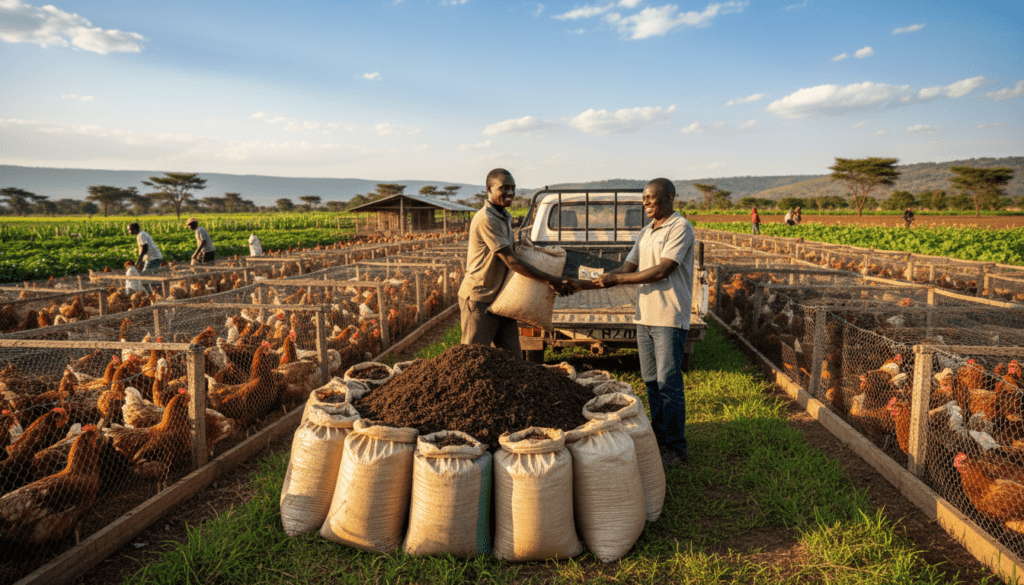
Another emerging revenue stream in 2026 is the sale of manure, which has become highly valuable due to the rising cost of chemical fertilizers. Poultry manure is rich in nitrogen and is in high demand by vegetable and maize farmers. By properly composting your deep litter waste, you can bag and sell it as organic fertilizer, turning a waste product into a side income that can cover your electricity or water bills, further improving the overall profitability of the farm.
SOURCING QUALITY DAY-OLD CHICKS THE SEED OF YOUR FLOCK
In poultry farming, the seed is the day-old chick, and the quality of this chick determines 80 percent of your future success. Buying from roadside sellers or unverified brokers on Facebook is a recipe for disaster, as you often receive rejects or mixed breeds that will never grow to the desired weight. In 2026, reputable hatcheries have established online portals and verified agents to make ordering safe and transparent for farmers across the country.
Recommended Sources for Improved Kienyeji Chicks in Kenya
Buying chicks from certified hatcheries is critical. Poor genetics = poor growth, low egg production, and losses. Below are trusted and verified sources Kenyan farmers rely on.
1. KALRO – Kenya Agricultural and Livestock Research Organization
KALRO is the official developer and custodian of the Improved Kienyeji Chicken in Kenya. This is the most authentic source if you want true KALRO genetics, ideal for free-range and semi-intensive systems.
You can book chicks through their Naivasha center or other regional centers using their official platforms.
👉 https://www.kalro.org
Best for: Authentic Improved Kienyeji genetics and research-backed breeding
2. Kenchic Limited (Kenbro Chickens)
Kenchic is Kenya’s largest poultry company. Their Kenbro breed is their version of improved kienyeji, bred for faster growth and better survival.
They offer a professional ordering system, reliable delivery, and agents across major towns including Thika, Nakuru, Eldoret, and Nairobi.
👉 https://www.kenchic.com
Best for: Consistent supply, large-scale farmers, structured support
3. Kuku Chick (Rainbow Rooster Supplier)
Kuku Chick is a leading supplier of Rainbow Roosters, popular for both meat and dual-purpose farming.
They are known for uniform, multicolored birds and have a wide agent network countrywide.
👉 https://www.kukuchick.com
Best for: Rainbow rooster farming and contract growers
4. M-Shamba & DigiFarm Platforms
These are digital agribusiness platforms that connect farmers with certified hatcheries and agro-vets. They are especially useful for farmers in remote areas.
- M-Shamba
👉 https://www.m-shamba.net - DigiFarm (Safaricom)
👉 https://www.digifarm.io
Best for: Youth farmers, women groups, farmers seeking input credit or bundled services
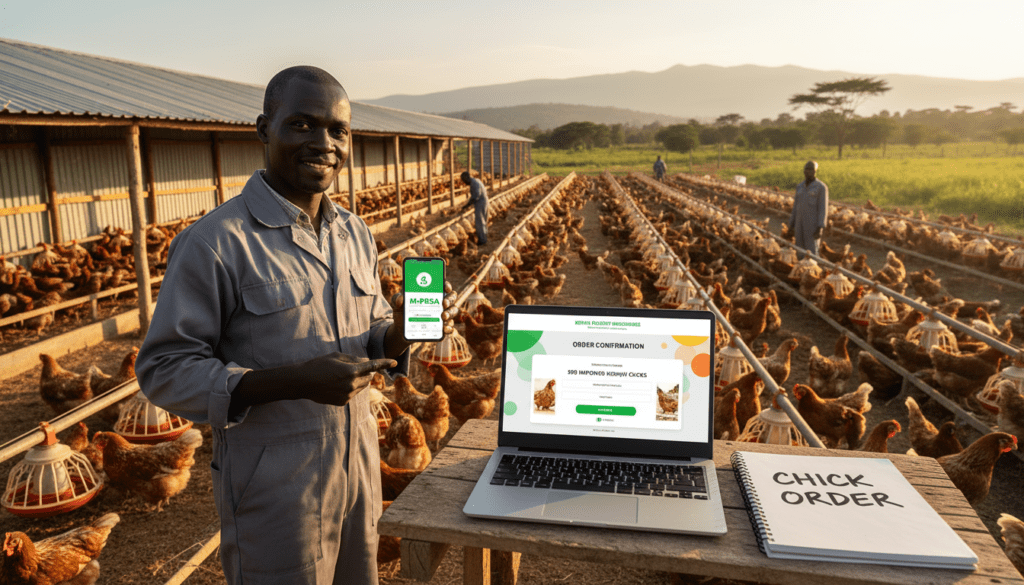
Important Safety Tips When Ordering Chicks Online
⚠️ Always pay using official company Paybill or Till numbers.
Never send money to a personal M-PESA number claiming to be an agent.
✔ Confirm agent contacts directly from the company website
✔ Ask for official receipts or booking confirmations
✔ Avoid deals that feel rushed or “too cheap”
Scammers are active. Verification protects your capital.
FREQUENTLY ASKED QUESTIONS FAQ
Q How much capital do I need to start with 100 Improved Kienyeji chickens?
A In 2026, you should budget approximately KES 40,000 to KES 60,000. This covers the construction of a simple structure using locally available materials, purchase of day-old chicks which cost approx KES 100 to 120 each, vaccines, and feeds for the first 4 to 5 months until they start laying or are sold for meat. This figure can be lower if you supplement feeds with free-range foraging.
Q Why are my chickens eating their own eggs?
A This is usually caused by a calcium deficiency or boredom. If the shells are weak, they break easily, and once a chicken tastes the egg, it becomes a habit. Ensure you are feeding quality Layers Mash, offer crushed oyster shells or dicalcium phosphate, and darken the laying boxes to reduce visibility of eggs. Putting a golf ball or stone in the nest can also discourage pecking.
Q Can I mix ducks and chickens in the same house?
A No, this is highly discouraged. Ducks love water and will make the bedding wet and muddy, which causes diseases like Coccidiosis in chickens. Ducks can also carry influenza viruses that are fatal to chickens without showing symptoms themselves. They should be housed separately with their own water source.
Q My chickens are losing feathers and stopped laying. What is wrong?
A This could be a natural process called molting, which happens annually as the bird rests and regenerates. However, it can also be caused by stress, mites or lice infestation, or lack of protein. Inspect the birds closely for external parasites and ensure your coop is not overheated or overcrowded. If it is molting, increase the protein in their diet to help feathers regrow.
Q Is it better to buy commercial feed or mix my own?
A For beginners with 1 to 500 birds, it is almost always better to buy commercial feeds from reputable millers. Home mixing requires precise knowledge of nutrition and expensive equipment to mill and mix evenly. If the balance is wrong, you lose growth and production, costing you more than you saved. Only mix your own if you have professional formulation advice and reliable raw materials.
Q How do I distinguish a cock from a hen in Improved Kienyeji?
A At day one, it is very difficult without professional training known as vent sexing. By 6 to 8 weeks, cockerels or males will start developing larger, redder combs and wattles, thicker legs, and will begin to crow. Hens will have smaller, paler combs and a more rounded body shape.
Q What is the best litter material to use?
A Soft wood shavings are the best. They are absorbent and relatively dust-free. Rice husks are a good second option if you are in a rice-growing area like Mwea. Avoid sawdust as it is too dusty and causes respiratory issues, and coffee husks as they can mold easily and harbor fungal spores.
Q How long does a Kienyeji hen lay eggs profitably?
A An Improved Kienyeji hen is most profitable for about 18 to 24 months or 1.5 to 2 years of laying. After this, egg production drops significantly, and the shell quality deteriorates. It is best to sell them as ex-layers for meat at this point and bring in a new batch to maintain farm cash flow.
CONCLUSION
Poultry farming in Kenya in 2026 offers a genuine pathway to financial independence for the disciplined farmer. The market for Improved Kienyeji is not saturated; rather, it is starving for consistent, high-quality producers who can deliver healthy birds and eggs year-round. By following the protocols of proper housing, strict biosecurity, and balanced nutrition outlined in this guide, you are not just raising chickens; you are building a scalable asset that can withstand economic fluctuations.
The journey from the brooder to the bank requires patience and resilience. There will be challenges like a sudden cold snap, a price hike in maize germ, or a difficult customer, but the farmer who treats their flock with care and their farm as a business will always find a market. Start small, learn the behavior of your birds, reinvest your profits, and watch your farm grow from a backyard structure to a thriving enterprise that feeds your family and your community.
Read more
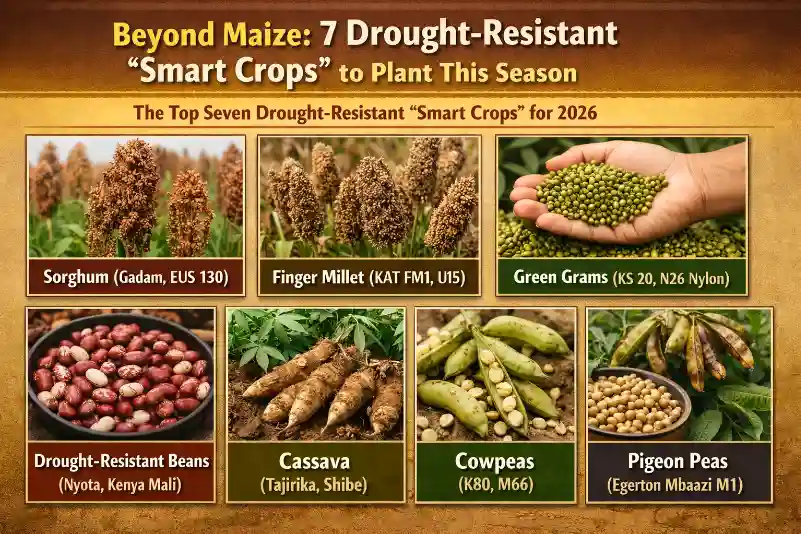
Beyond Maize: 7 Drought-Resistant “Smart Crops” to Plant This Season

Discover the top 7 drought-resistant smart crops for Kenyan farmers in 2026. Learn about seed varieties, fertilizer costs, and profit potential to beat the dry season.
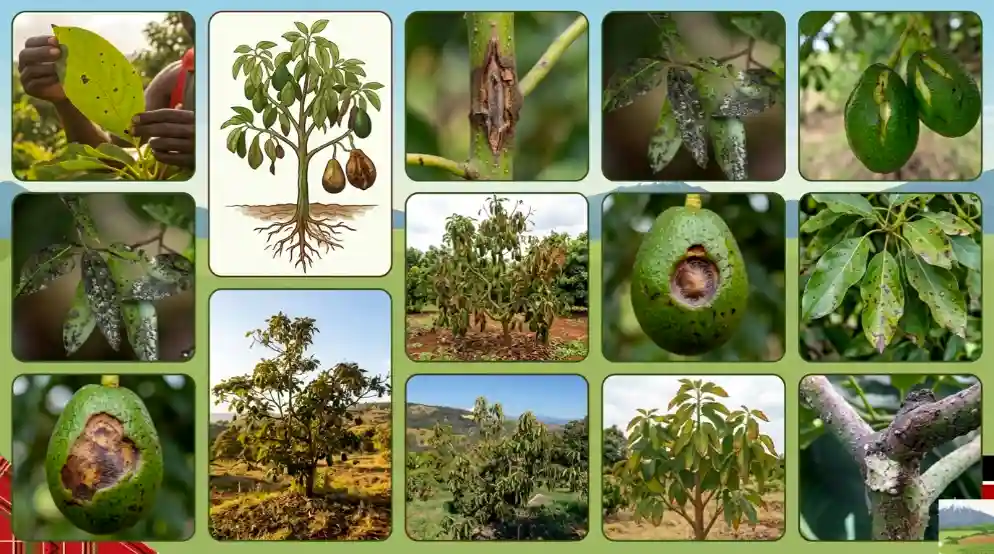
Top 10 Hass Avocado Diseases in Kenya: Causes, Symptoms & Treatment Guide (2026)
Discover the ultimate 2026 guide to fighting Hass avocado diseases in Kenya. Learn treatment costs, fungicide prices, and expert tips to secure healthy yields.
100 Smart Garden Tips 2026: The Ultimate Guide for Kenya Farmers
Save 80% on food costs with 100 smart garden tips for 2026. Learn how to use KES 2,500 subsidized fertilizers and vertical farming to earn KES 15,000 monthly from your Kenyan backyard.
Beyond Maize: 7 Drought-Resistant “Smart Crops” to Plant This Season
Discover the top 7 drought-resistant smart crops for Kenyan farmers in 2026. Learn about seed varieties, fertilizer costs, and profit potential to beat the dry season.
Top 10 Hass Avocado Diseases in Kenya: Causes, Symptoms & Treatment Guide (2026)
Discover the ultimate 2026 guide to fighting Hass avocado diseases in Kenya. Learn treatment costs, fungicide prices, and expert tips to secure healthy yields.
100 Smart Garden Tips 2026: The Ultimate Guide for Kenya Farmers
Save 80% on food costs with 100 smart garden tips for 2026. Learn how to use KES 2,500 subsidized fertilizers and vertical farming to earn KES 15,000 monthly from your Kenyan backyard.
Beyond Maize: 7 Drought-Resistant “Smart Crops” to Plant This Season
Discover the top 7 drought-resistant smart crops for Kenyan farmers in 2026. Learn about seed varieties, fertilizer costs, and profit potential to beat the dry season.
Top 10 Hass Avocado Diseases in Kenya: Causes, Symptoms & Treatment Guide (2026)
Discover the ultimate 2026 guide to fighting Hass avocado diseases in Kenya. Learn treatment costs, fungicide prices, and expert tips to secure healthy yields.
100 Smart Garden Tips 2026: The Ultimate Guide for Kenya Farmers
Save 80% on food costs with 100 smart garden tips for 2026. Learn how to use KES 2,500 subsidized fertilizers and vertical farming to earn KES 15,000 monthly from your Kenyan backyard.