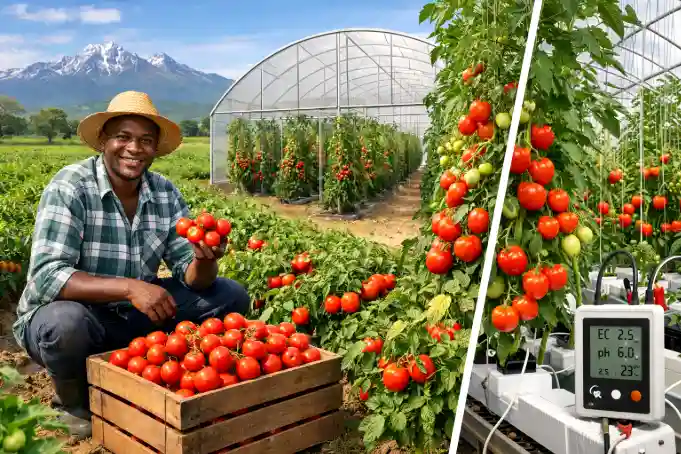

- High Profit Potential: Well-managed commercial tomato farming remains exceptionally profitable in 2026, with an acre of open-field tomatoes generating a net profit between KES 400,000 and KES 800,000 per season, while greenhouse systems can yield up to 10 times more profit per square meter.
- Strategic Market Timing: Profitability hinges on hitting high-price windows (like April and the dry season) when 64kg crate prices can surge to KES 8,000, contrasted with lows of KES 2,500 during peak supply months.
- Technology-Driven Success: Adoption of high-yielding F1 hybrids (like Anna F1 or Zara F1) and drip irrigation is essential to mitigate rising labor costs and combat climate-induced pest pressures like Tuta absoluta.
Table of Contents
Tomato farming remains the undisputed king of horticulture in Kenya due to consistent demand in urban centers like Nairobi and Mombasa. This guide provides a verified financial roadmap for 2026, breaking down input costs, high-yielding hybrid varieties, and market entry strategies to help beginner farmers maximize returns per acre. By adhering to modern agronomic practices and precise financial planning, farmers can navigate price volatility and secure substantial profit margins.
Is Commercial Tomato Farming Still Profitable in Kenya in 2026?
Tomato farming is exceptionally profitable in 2026 for farmers who manage input costs and time their harvest for lean seasons. An acre of well-managed open-field tomatoes can generate a net profit between KES 400,000 and KES 800,000 per season. Success depends entirely on water availability, selecting disease-resistant F1 hybrids, and bypassing brokers through direct market linkages.
The Role of Technology and Management
The profitability of tomato farming hinges on the adoption of technology and efficient farm management. In 2026, the cost of inputs such as fertilizer and fuel has stabilized, yet labor costs in rural areas continue to rise. Farmers must utilize drip irrigation to reduce labor and water wastage.
Market Timing Strategies
Market timing is the second critical factor for profitability. Prices for a 64kg crate can fluctuate from KES 2,500 in peak supply months to KES 8,000 during the dry season. Smart farmers schedule their planting to harvest when supply from rain-fed regions like Rift Valley is low.
Understanding the Market Demand
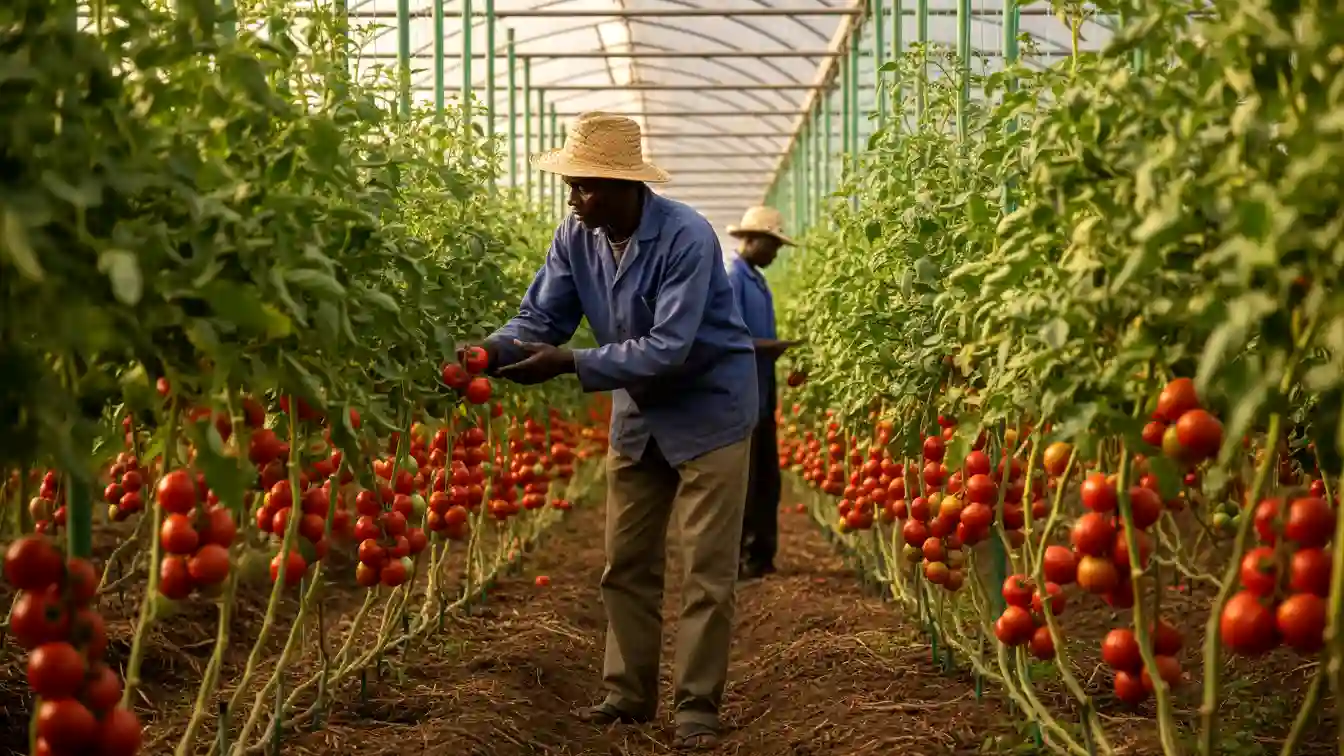
The demand for tomatoes in Kenya is inelastic, meaning households consume them regardless of price changes. The processing industry is also expanding, with companies seeking specific varieties for sauce and paste production. This dual demand from fresh markets and processors creates a safety net for producers who can meet quality standards.
Which Tomato Varieties Perform Best in Kenya for 2026?
The best performing varieties for 2026 are disease-resistant F1 hybrids that offer long shelf life and high tonnage. Top choices include Anna F1 for greenhouses due to its indeterminate growth and Zara F1 for open fields because of its resistance to Bacterial Wilt. Farmers should prioritize seeds certified by KEPHIS to ensure germination rates above 95% and genetic purity.
Read Also: Bulb Onion Farming in Kenya: Best F1 Varieties in 2026
Selecting the right variety is the most critical decision a farmer makes before touching the soil. In 2026, the focus has shifted entirely to hybrids. that can withstand the aggressive Tuta Absoluta pest and erratic weather patterns. Open-pollinated varieties are no longer commercially viable for serious agribusiness.
Top Open Field Varieties
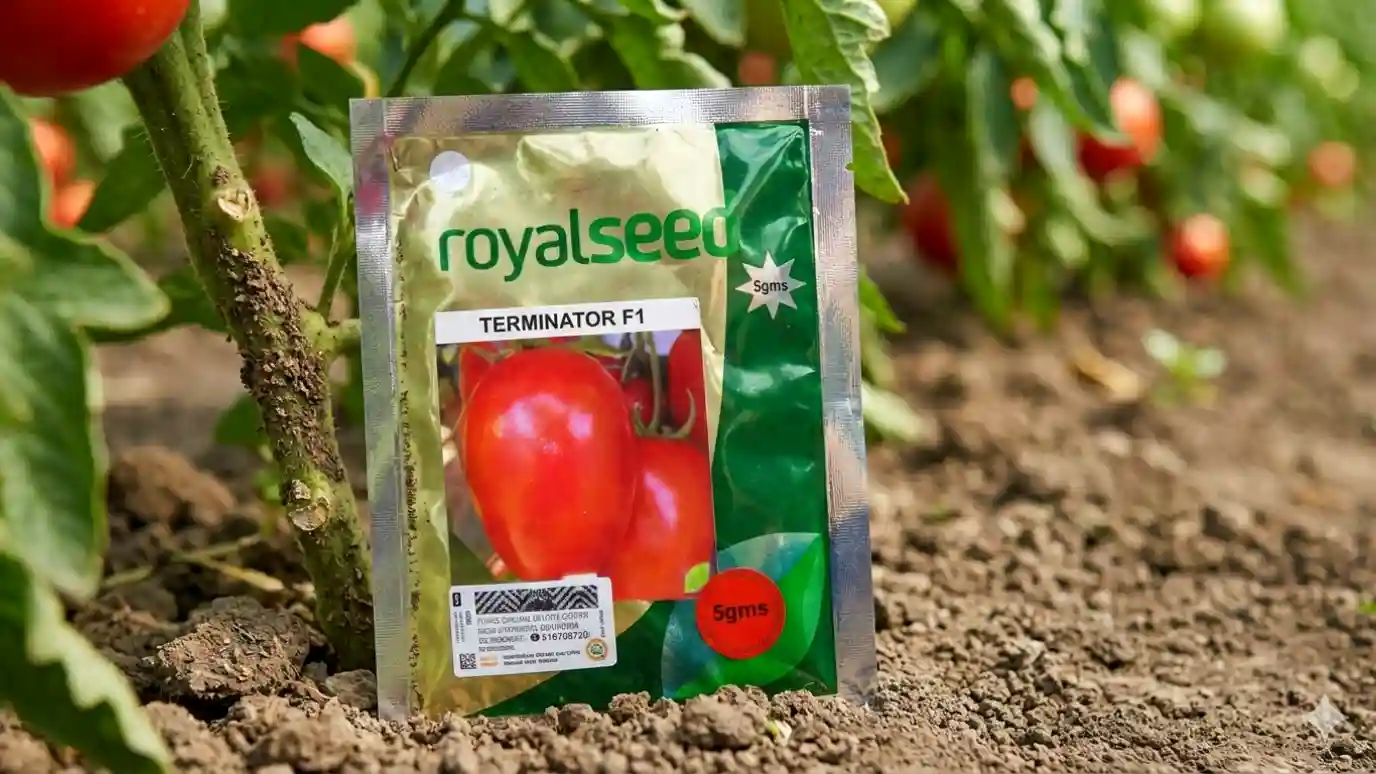
Terminator F1 is a market leader for open-field cultivation. It is famous for its vigorous growth and ability to produce heavy fruits that resist transport damage. Zara F1 is another powerhouse, specifically bred to resist Bacterial Wilt, which is the leading cause of crop failure in central Kenya.
Top Greenhouse Varieties
Anna F1 remains the gold standard for greenhouse farming in regions like Kajiado and Kiambu. It matures fast and produces oval-shaped fruits with a deep red color that consumers love. Tylka F1 is an excellent alternative for farmers facing heavy viral pressure, as it carries strong resistance to Tomato Yellow Leaf Curl Virus.
Expert Tip: Never recycle seeds from a hybrid harvest. Second-generation (F2) seeds lose their disease resistance and yield potential, leading to a 40% drop in production. Always buy fresh F1 seeds for every season.
Deep Dive To Best Tomato Varieties for Greenhouse Farming in Kenya 2026:
Choosing the right F1 hybrid can be the difference between a struggling crop and a record-breaking harvest. In a greenhouse environment, you are looking for specific traits: disease resistance, uniform fruit size, and a shelf life that survives the trip to the market.
Here are the top greenhouse F1 varieties currently leading the market, along with the unique “edge” each one brings to your farm.
1. Anna F1: The Speed Specialist
The Angle: Perfect for farmers who need a fast turnaround and fruits tough enough for long-distance export. Anna F1 is a favorite for commercial growers because it hits maturity early without sacrificing the firmness required for bumpy transit.
2. Kilele F1: The Heavyweight Protector
The Angle: A high-yielding powerhouse with a “bulletproof” defense against Bacterial Wilt and Fusarium. If you are worried about soil-borne diseases, Kilele F1 offers the peace of mind of strong resistance while consistently delivering a massive harvest.
3. Tylka F1: The Premium Supermarket Choice
The Angle: Uniform, large fruits that stay crack-free even in high heat. Tylka F1 is designed for the high-end retail market. Its resistance to heat stress and cracking ensures every fruit looks “picture perfect” on a supermarket shelf.
4. Randah F1: The High-Pressure Performer
The Angle: A vigorous plant that keeps setting fruit even when disease pressure is high. Randah F1 is known for its sheer stamina. It maintains a high fruit set in challenging conditions, making it a reliable insurance policy for your greenhouse.
5. Prostar F1: The Commercial Workhorse
The Angle: An intensive producer of deep red, round fruits built for high-density setups. For the professional grower running an intensive commercial operation, Prostar F1 maximizes every square inch of your greenhouse with heavy, vibrant yields.
6. Zara F1: The Highland Specialist
The Angle: Exceptional flavor and firmness tailored for cooler, high-altitude greenhouse climates. Zara F1 shines in the highlands. It handles cooler temperatures beautifully, producing medium-sized fruits that don’t compromise on taste or texture.
Quick Comparison: Top Greenhouse F1 Varieties
To help you decide which hybrid fits your specific climate and market goals, here is a breakdown of their core strengths and resistances.
| Variety | Best Suited For | Key Resistance / Tolerance | Fruit Type & Market |
| Anna F1 | Speed & Export | High firmness for transit | Medium-large, early maturing |
| Kilele F1 | Disease Hotspots | Bacterial Wilt, Fusarium | High-yielding, versatile |
| Tylka F1 | High-End Retail | Heat stress, Cracking | Large, uniform, premium look |
| Randah F1 | High Pressure | General disease vigor | Reliable set, long shelf life |
| Prostar F1 | Intensive Farming | High-density stress | Deep red, round, commercial |
| Zara F1 | Cool Highlands | Low-temperature performance | Medium, superior flavor |
Choosing Your Variety
- For the fastest ROI: Go with Anna F1 to get to market quickly.
- For difficult soils: Kilele F1 is the safest bet against common wilts.
- For premium buyers: Tylka F1 offers the aesthetics supermarkets demand.
Hydroponic Tomato Farming: The 2026 Profit Frontier
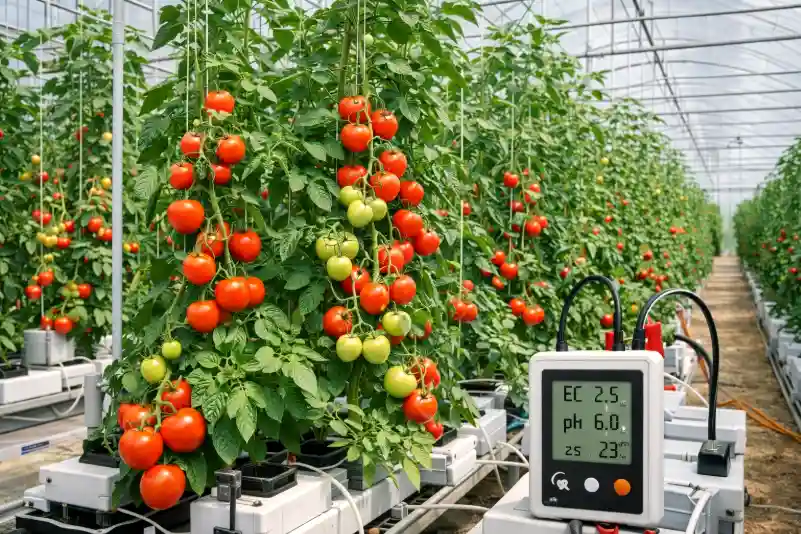
Hydroponic farming has transitioned from a niche hobby to a primary commercial strategy in Kenya for 2026. By growing tomatoes in nutrient-rich water solutions rather than traditional soil, farmers in regions like Kajiado and Kiambu are bypassing soil-borne diseases and doubling their yields per square meter.
Why Hydroponics is Dominating 2026
- Zero Soil-Borne Diseases: Since you aren’t using soil, devastating threats like Bacterial Wilt and Fusarium are virtually eliminated, saving thousands in chemical costs.
- Water Efficiency: Hydroponic systems use up to 90% less water than traditional irrigation, making it the perfect solution for arid regions or areas with high water costs.
- Growth Speed & Yield: Tomatoes grown hydroponically typically mature 20% to 25% faster than those in soil, allowing for more planting cycles per year.
Top Hydroponic Systems for Kenyan Farmers
- Dutch Bucket System: The gold standard for tomato farming. Large buckets filled with inert media (like volcanic rocks or coco peat) support heavy-yielding F1 hybrids while nutrients are delivered directly to the roots.
- NFT (Nutrient Film Technique): Primarily used for smaller tomato varieties or herbs, where a thin film of nutrient-rich water constantly flows over the roots.
- Vertical Hydroponics: Ideal for urban farmers near Nairobi or Mombasa, maximizing yield in tiny spaces by stacking growth layers.
Best F1 Hybrids for Hydroponic Success
Not every tomato thrives in a water-based system. In 2026, these three varieties are the top performers for hydroponics:
- Anna F1: Its naturally fast growth rate is supercharged by hydroponic nutrient delivery.
- Tylka F1: The controlled environment of a hydroponic greenhouse ensures these fruits reach their maximum “supermarket premium” size without cracking.
- Prostar F1: Designed for intensive commercial setups, it thrives under the high-frequency feeding schedules of Dutch Bucket systems.
2026 Hydroponic Investment Snapshot
| Item | Estimated Cost (Small Scale) | Why It Matters |
| System Setup | KES 150,000 – 250,000 | Initial cost is high but lasts for 5+ years. |
| Nutrient Solutions | KES 15,000 – 25,000 | Specialized “A & B” solutions ensure rapid growth. |
| Greenhouse Cover | KES 80,000 – 120,000 | Protects against pests and UV damage. |
Ready to go soilless?
Hydroponics requires a more technical approach to nutrient management than soil farming.
Where to Buy Tomato seeds in Kenya 2026
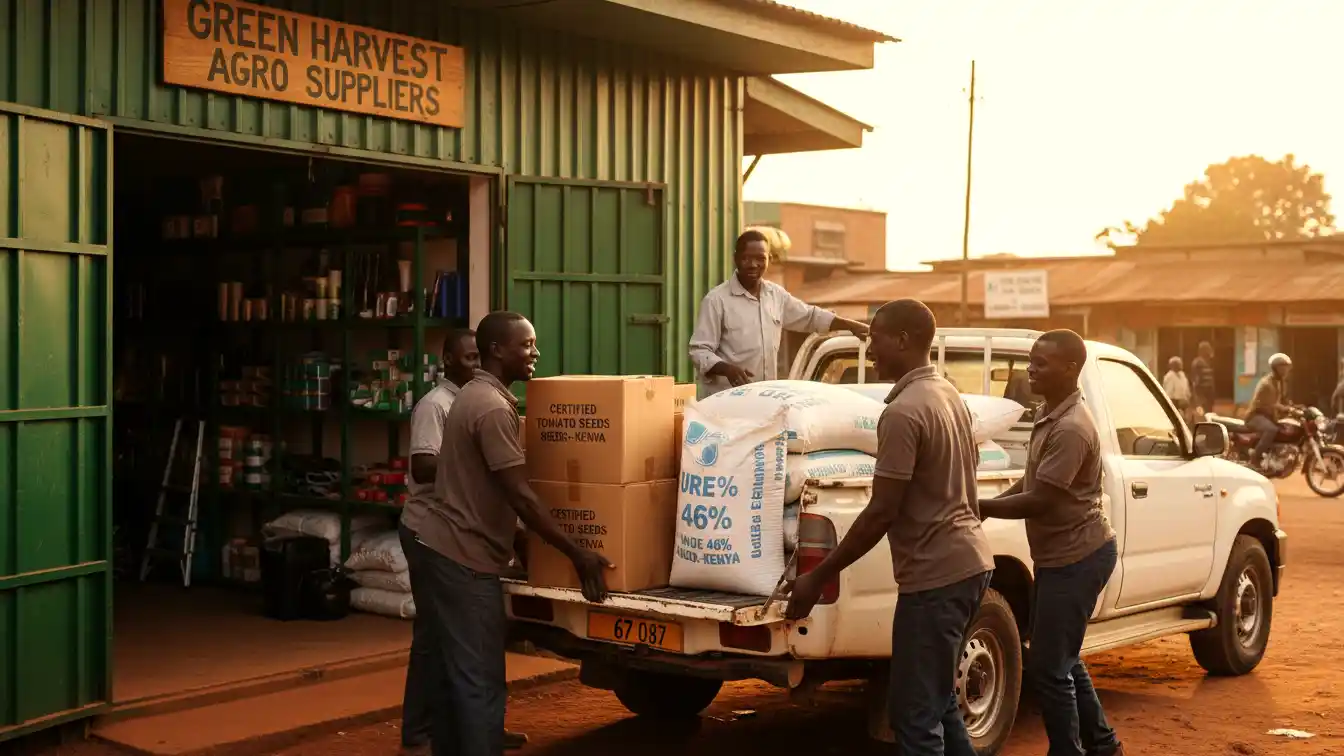
You should purchase tomato seeds and inputs strictly from licensed stockists or directly from seed companies to avoid counterfeits. Leading sources include Kenya Seed Company, Simlaw Seeds, and Royal Seed. For digital convenience, platforms like Safaricom Digifarm and iShamba provide verified inputs delivered to local depots, ensuring you receive genuine products. tracked by lot numbers.
To successfully implement the strategies in this guide, sourcing genuine inputs is the first defense against crop failure. Counterfeit seeds are rampant in the Kenyan market, often sold in re-sealed packaging at slightly lower prices. In 2026, smart farmers use digital verification tools provided by KEPHIS to authenticate seed packets via SMS before purchase.
Government and Official Institutions
Kenya Seed Company and Simlaw Seeds are the most trusted government-backed entities. They have depots in major towns like Nakuru, Eldoret, and Nairobi. Buying directly from their depots eliminates the risk of tampering that often occurs in the unregulated retail chain.
Trusted Commercial and Online Platforms
Royal Seed and Syngenta have established strong distribution networks through authorized agrovets. For online procurement, Safaricom Digifarm allows farmers to order inputs on credit and pay later. which helps with cash flow management. Mkulima Young is also a valuable platform for connecting with verified seedling propagators who sell ready-to-plant seedlings.
Buyer’s Caution Checklist
Before paying for seeds or chemicals, inspect the packaging for a valid KEPHIS label. Check the expiration date, as old seeds have poor germination rates. Ensure the packet is vacuum-sealed and shows no signs of sun damage or moisture exposure.
How Do Different Counties Compare for Tomato Farming?
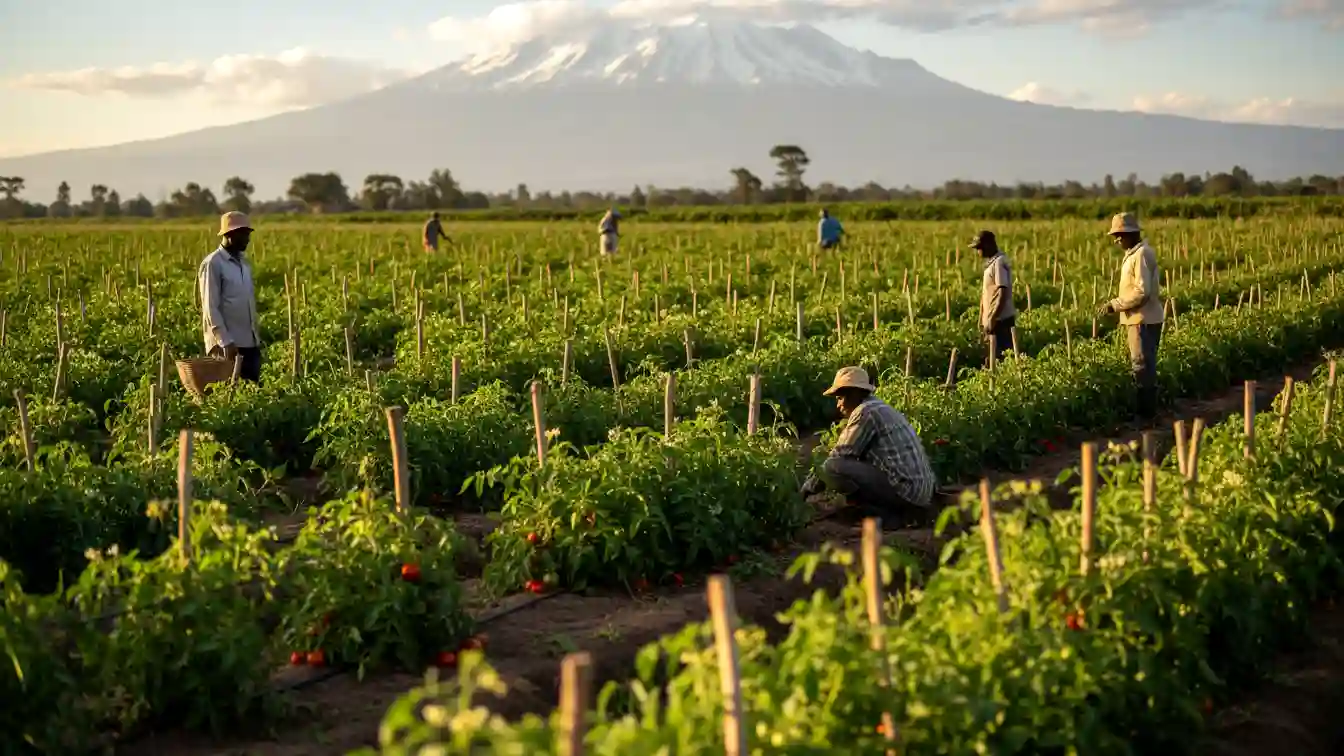
Regional success varies based on climate, soil type, and proximity to markets. Kirinyaga County leads in volume due to established irrigation canals, while Kajiado excels in greenhouse production supplying Nairobi. Emerging regions like Bungoma offer lower land lease costs but require higher logistics spending to reach major urban centers.
Geography dictates your input costs and potential profit margins. A farmer in Kirinyaga has access to affordable gravity-fed irrigation water, whereas a farmer in Machakos may spend significantly more on pumping water. Here is a comparative look at three distinct tomato-producing zones in 2026.
Kirinyaga County (The Mwea Belt)
Kirinyaga remains the largest producer of tomatoes in Kenya. The availability of water from the Mount Kenya ecosystem allows for continuous production. However, disease pressure here is extremely high due to monocropping, requiring a strict pesticide regimen to manage blight and Tuta Absoluta.
Kajiado County (Greenhouse Hub)
Kajiado is the heart of greenhouse farming due to its proximity to the Nairobi market. The hot temperatures are ideal for tomatoes, provided water is available. Farmers here face higher initial capital costs for greenhouse construction but enjoy lower ongoing costs for pest control compared to open-field farmers.
Read Also: Hass Avocado Seedlings in Kenya 2026: Trusted Nurseries, Prices and Spacing Guide
Uasin Gishu (The Emerging Giant)
Uasin Gishu and Trans Nzoia are gaining traction as tomato hubs. The land is generally more fertile and less exhausted than in Central Kenya. The main challenge is the distance to market, but with improved road networks in 2026, farmers are transporting produce to Kisumu and Eldoret with ease.
What Does a 12-Month Tomato Farming Calendar Look Like?
A successful calendar aligns harvest time with high-price market windows, typically April-June and November-December. The cycle involves 4 weeks in the nursery, followed by 2.5 to 3 months of vegetative growth and flowering. Harvesting continues for 4 to 8 weeks depending on the variety and management, allowing for two full crop cycles per year.
Timing is everything in agribusiness. Planting during the heavy rains often leads to high disease costs, while planting in the dry season requires reliable irrigation. The following calendar assumes a farmer aims to hit the high-price window in April 2026.
Phase 1: Nursery and Land Prep (January)
Start seeds in a nursery using distinct planting trays and sterile cocopeat. While seedlings germinate, plow the main field deeply and incorporate well-decomposed manure. Install drip irrigation lines and test the system for leaks or blockages.
Phase 2: Transplanting and Vegetative Growth (February – March)
Transplant seedlings after 21 to 28 days when they have four true leaves. Apply a phosphorus-rich fertilizer like DAP during transplanting to boost root development. Begin a preventative spray program for early and late blight immediately after transplanting.
Phase 3: Flowering and Fruiting (March – April)
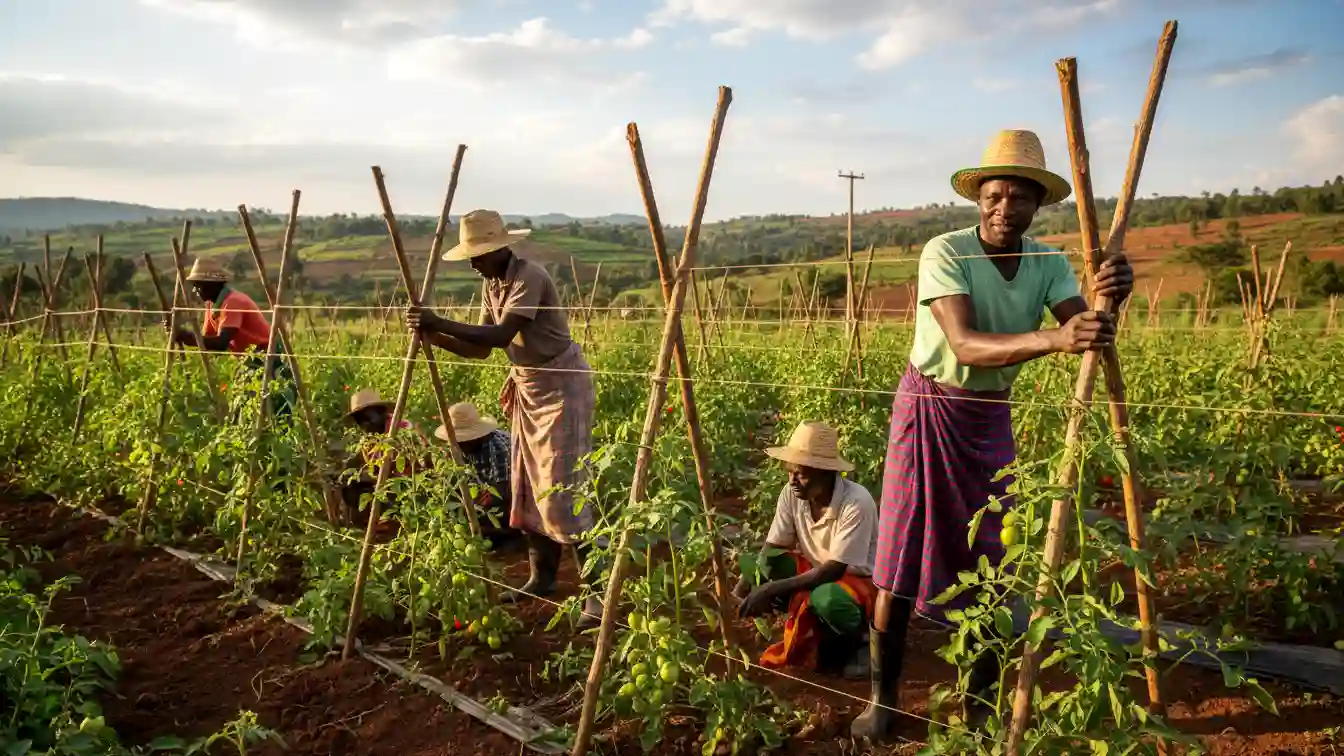
Top-dress with CAN fertilizer to support vegetative growth, then switch to an NPK formulation rich in Potassium during flowering. Install stakes or trellises to support the heavy fruit load. Scout daily for pests like Tuta Absoluta and Whiteflies.
Phase 4: Harvesting and Marketing (April – May)
Harvest tomatoes at the “breaker” stage (when color begins to turn) to ensure they reach the market in perfect condition. Grade the produce immediately at the farm gate. Transport to market early in the morning to avoid heat stress on the fruits.
Combating 2026 Diseases & Pests: Your Crop Protection Guide
In 2026, traditional pesticides are no longer enough. Pests have become more resistant, and weather-driven diseases are more aggressive. To protect your investment, you must adopt an Integrated Pest Management (IPM) approach.
1. Identifying & Dealing with Top Diseases
- Bacterial Wilt (The Silent Killer):
- Symptoms: Rapid wilting of the whole plant while leaves remain green.
- 2026 Treatment: There is no chemical cure. If you suspect it, perform the “Ooze Test”: Cut a stem and place it in a glass of water; a milky white trail confirms the disease.
- How to Deal: Immediately uproot and burn infected plants. Use biological controls like Bactonus (Bacillus velezensis) to suppress soil pathogens.
- Early and Late Blight:
- Symptoms: “Early Blight” shows target-like rings on old leaves. “Late Blight” causes dark, water-soaked patches that can destroy a whole crop in 3 days during cold, wet weather.
- How to Deal: Ensure 60cm spacing for airflow. Use fungicides like Absolute 375SC or Ridomil Gold.
- Blossom End Rot:
- Symptoms: A dry, leathery black sunken spot at the bottom of the tomato.
- How to Deal: This is a physiological disorder, not a disease. It’s caused by calcium deficiency and irregular watering. Fix it by maintaining consistent soil moisture and using Calcium Nitrate foliar sprays.
2. Managing the Toughest Pests
- Tuta Absoluta (The Tomato Leafminer):
- The 2026 Challenge: This moth is the biggest threat in Kenya today.
- How to Deal: Do not rely on one chemical. Use Pheromone Traps (Delta Traps) to catch males and rotate between biologicals like Bacillus thuringiensis (Bt) and modern chemicals like Altacor or Occasion Star.
- Whiteflies & Aphids:
- Symptoms: Tiny insects on leaf undersides; they spread the TYLCV virus (Leaf Curl).
- How to Deal: Use yellow sticky traps and systemic insecticides like Lexus 247 SC.
- Root-Knot Nematodes:
- Symptoms: Stunted growth and “galls” (knots) on the roots.
- How to Deal: Solarize your soil by covering it with clear plastic for 30 days before planting, or use organic nematicides.
What is the Cost of Production and Profit Margin per Acre?
The total cost to farm one acre of open-field tomatoes in 2026 ranges from KES 150,000 to KES 200,000. This includes land leasing, seeds, labor, and heavy chemical use. With a conservative yield of 15 tons and an average price of KES 40 per kg, revenue hits KES 600,000, leaving a net profit of approximately KES 400,000.
Read Also: Top 7 Best AI Apps for Kenyan Farmers in 2026: Fight Crop Diseases, Cut Costs and Boost Yields
Financial discipline separates hobbyists from commercial farmers. In 2026, the cost of specialized labor and crop protection chemicals constitutes the bulk of expenses. Below is a detailed breakdown of costs for a single acre under drip irrigation in a region like Kirinyaga or Meru.
Break-Even Analysis
To break even, a farmer needs to harvest approximately 5 tons at an average price of KES 40 per kg. Most hybrid varieties have the genetic potential to yield over 30 tons per acre. Therefore, yield maximization is the primary driver of profit, far more than cost-cutting.
| Expense Item | Estimated Cost (KES) | Notes |
|---|---|---|
| Land Lease (1 Season) | 15,000 | Varies by county |
| Land Preparation (Plough/Harrow) | 12,000 | Tractor services |
| Certified Seeds (Hybrid) | 18,000 | Example: Terminator F1 (50g) |
| Nursery Management | 8,000 | Trays, media, labor |
| Fertilizers (Basal & Top Dress) | 45,000 | DAP, CAN, NPK, Foliars |
| Crop Protection (Pesticides/Fungicides) | 50,000 | Heavy spray regime required |
| Labor (Casual & Management) | 40,000 | Weeding, pruning, spraying |
| Irrigation & Fuel/Power | 20,000 | Pumping costs |
| Harvesting & Packaging | 25,000 | Crates and labor |
| TOTAL ESTIMATED COST | 233,000 | Input Intensive |
Projected Revenue Table
| Scenario | Yield (Tons) | Price per Kg (KES) | Gross Revenue (KES) | Net Profit (KES) |
|---|---|---|---|---|
| Conservative | 12 | 30 | 360,000 | 127,000 |
| Moderate | 20 | 40 | 800,000 | 567,000 |
| Optimistic | 30 | 50 | 1,500,000 | 1,267,000 |
Note: Prices in 2026 fluctuate rapidly. The “Optimistic” scenario usually occurs when a farmer hits the market during a shortage, where a crate can sell for over KES 6,000.
How Does the Supply Chain and Value Addition Work?
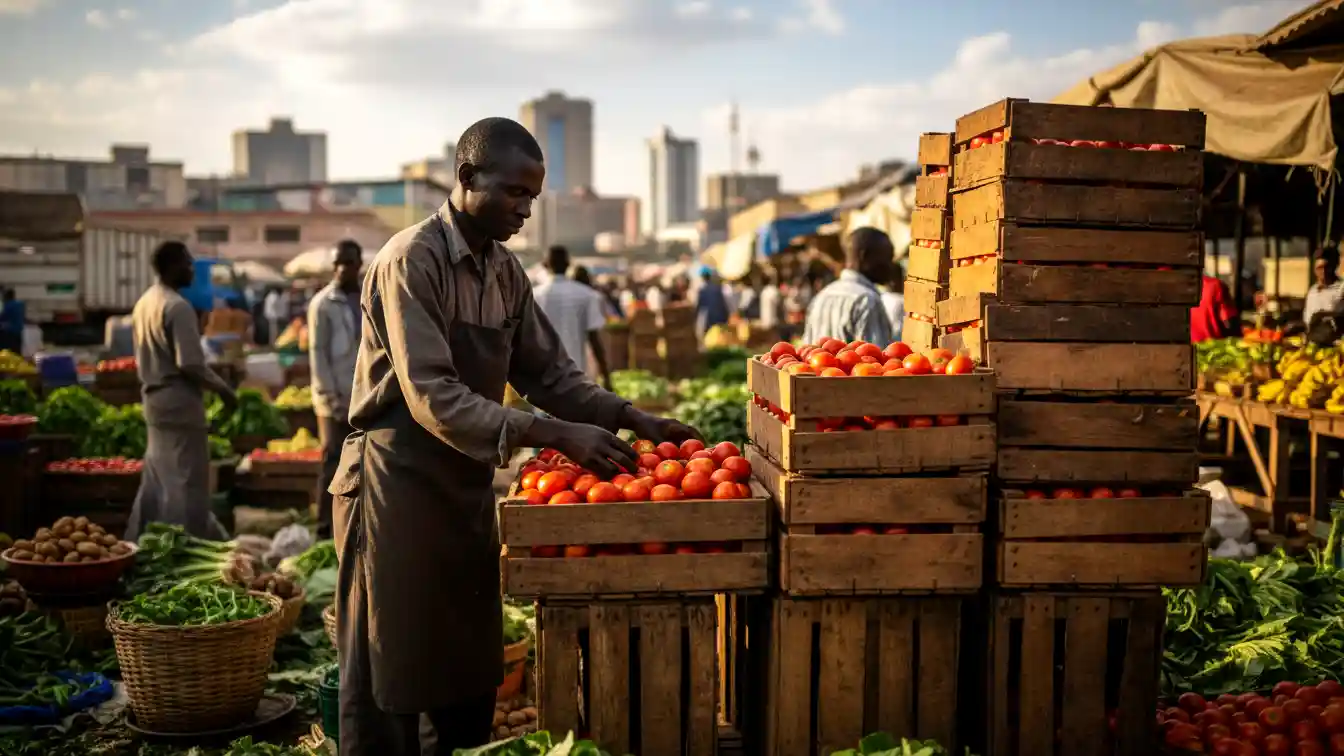
The tomato supply chain is dominated by brokers who purchase at the farm gate and transport to wholesale markets like Marikiti or Wakulima. Value addition opportunities in 2026 include solar-drying tomatoes, producing tomato paste for local retailers, or making blended chili-tomato sauces. These value-added products significantly extend shelf life and increase margins.
Navigating the supply chain is often harder than growing the crop. Brokers control much of the logistics, often taking a significant cut of the profit. Farmers who form cooperatives in 2026 are successfully bypassing brokers by pooling resources to hire transport and selling directly to retailers in major cities.
Dealing with Brokers vs. Direct Marketing
Brokers offer immediate cash but often dictate lower prices. Direct marketing requires the farmer to own or hire transport and have established contacts at markets like Wakulima Market in Nairobi or Kongowea in Mombasa. Social media platforms are increasingly used to sell crates directly to consumers or institutions like schools and hospitals.
Value Addition Strategies
Post-harvest losses in tomatoes can reach 40%. To mitigate this, farmers are adopting simple preservation techniques. Sun-drying tomatoes creates a product that sells at a premium during the off-season. Small-scale pulping machines allow farmers to package fresh tomato puree, which can be sold to local hotels and restaurants.
2026 Outlook and Conclusion
The outlook for tomato farming in Kenya for 2026 is robust, driven by urbanization and an increasing preference for quality produce. While input costs have risen, the potential for high returns remains unmatched for farmers who treat their “shamba” as a business. The divide between successful and struggling farmers will continue to widen based on water management and the use of certified F1 seeds.
Read Also: How to Get Instant Farm Input Mobile Loans in Kenya 2026: Digital Credit Apps and Bank Options
To succeed, you must move beyond traditional reliance on rain. Invest in water storage, use drip irrigation, and strictly adhere to a crop protection schedule. Join a local farming cooperative to gain bargaining power against brokers.
Call to Action: Do not start planting until you have secured a water source and identified your target market. Visit a successful farm in your county today to observe their practices firsthand before buying your first packet of seeds.
Farmers Also Ask (FAQ)
What is the best month to plant tomatoes in Kenya?
The most profitable months to plant are typically January to February or July to August. Planting during these windows allows you to harvest during the wet seasons or early dry seasons when market supply is generally lower, commanding higher prices per crate.
How many tomato plants can fit in one acre?
An acre can accommodate between 8,000 to 10,000 tomato plants depending on spacing. The recommended spacing is usually 60cm between plants and 60cm between rows, allowing adequate room for airflow and harvesting activities.
How long does it take for tomatoes to mature in Kenya?
Most hybrid tomato varieties mature in 75 to 90 days after transplanting. Harvesting can then continue for a period of 4 to 10 weeks, depending on how well the crop is managed and maintained against pests.
Can tomatoes grow in red soil?
Yes, tomatoes thrive in well-drained red volcanic soils, which are common in Central Kenya. The soil should have a pH between 6.0 and 7.5. It is crucial to mix red soil with plenty of organic manure to improve moisture retention and aeration.
What is the most dangerous disease for tomatoes in 2026?
Bacterial Wilt remains the most devastating disease because it has no chemical cure; infected plants must be uprooted. Early and Late Blight are also major threats but can be managed with fungicides. Tuta Absoluta is the primary pest threat.
How much is a 64kg crate of tomatoes in Kenya?
In 2026, the price of a 64kg crate varies wildly from KES 2,500 during a glut to over KES 8,000 during shortages. On average, farmers should budget for a selling price of around KES 4,000 to KES 5,000 per crate.
Is greenhouse tomato farming better than open field?
Greenhouse farming offers higher yields and a longer harvest period but requires a massive initial capital investment (approx. KES 350,000 for a standard tunnel). Open field is cheaper to start but carries higher risks regarding weather and pests.
How do I control Tuta Absoluta in tomatoes?
Tuta Absoluta is managed using a rotation of different chemical classes to prevent resistance. Pheromone traps are essential for monitoring. In 2026, many farmers also use biological controls and ensure strict field hygiene to destroy pupae in the soil.
Where can I get a loan for tomato farming in Kenya?
Loans are available through the Agricultural Finance Corporation (AFC), local SACCOs, and mobile platforms like Safaricom’s Digifarm. Commercial banks also offer agribusiness loans, but they often require a solid business plan and collateral.
Do I need a soil test before planting tomatoes?
Absolutely. A soil test costs about KES 1,500 to KES 2,500 at KALRO or private labs like CropNuts. It saves you money by telling you exactly which fertilizers are missing, preventing the waste of money on unnecessary inputs.