
Table of Contents
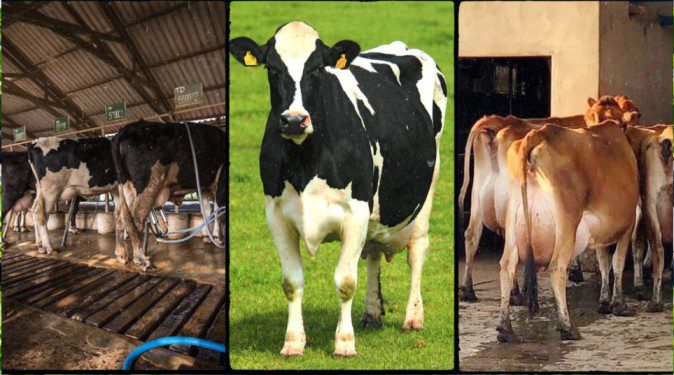
Friesian, Ayrshire, Jersey, Guernsey, and Fleckvieh remain the undisputed kings of Kenyan dairy farming in 2026, each offering distinct advantages depending on your “shamba” location and capital. By selecting the right breed for your specific climate zone, whether the cool highlands of Nyandarua or the semi-arid tracks of Machakos, you can optimize milk yields to exceed 25 liters daily.
The best dairy cow breed for your Kenyan farm depends on your location and budget. Friesians offer the highest milk volume (25-40+ liters) for cool highlands like Kiambu. Ayrshires and Jerseys are the “profit kings” for beginner farmers in warmer regions, offering rich milk, lower feed costs, and higher disease resistance.
This guide is your definitive 2026 blueprint for navigating genetics, feeds, and market dynamics to build a resilient agribusiness empire.
Why Dairy Farming is Kenya’s “White Gold”
You are stepping into one of the most lucrative agribusiness sectors in Kenya. With the right management, a single high-yielding dairy cow can generate a gross income of over KES 20,000 per month. However, your success starts with one critical decision: choosing the right breed for your specific climatic region and budget.
Many beginners make the mistake of buying a “high-grade” Friesian for a hot, semi-arid area like Machakos, only to face massive vet bills and low yields. This guide is your Source of Truth to avoid those costly errors. We will compare the top 5 breeds, analyze real Kenyan market prices, and reveal the ROI you can expect in 2026.
1. Friesian (Holstein-Friesian): The Volume Queen
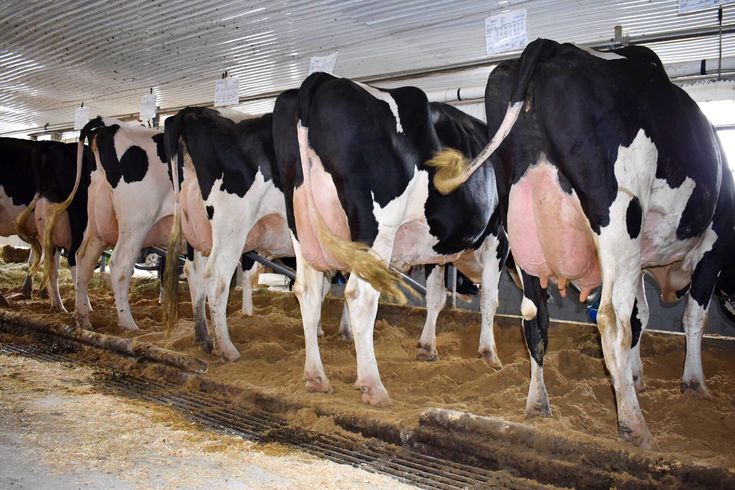
If your farm is located in the cool highlands of Kiambu, Nyandarua, Nyeri, or Meru, the Friesian is your best bet for maximum milk volume. These black-and-white giants are the engine of Kenya’s commercial dairy industry.
Why Choose Friesian?
- Milk Yield: Highest in Kenya. A well-fed pedigree Friesian can produce 25 to 60 liters per day.
- Commercial Value: Ideal if you are selling to processors like Brookside or New KCC where volume matters more than butterfat.
- Growth Rate: Male calves mature fast, fetching good prices for beef.
The Hidden Costs
You must be prepared for high input costs. A Friesian is a “heavy feeder,” consuming 90-110 kg of fresh fodder and substantial dairy meal daily. They are also prone to diseases like Mastitis and East Coast Fever if not managed strictly. They struggle in hot areas like Kitui or Kilifi due to heat stress.
2. Ayrshire: The Hardy All-Rounder
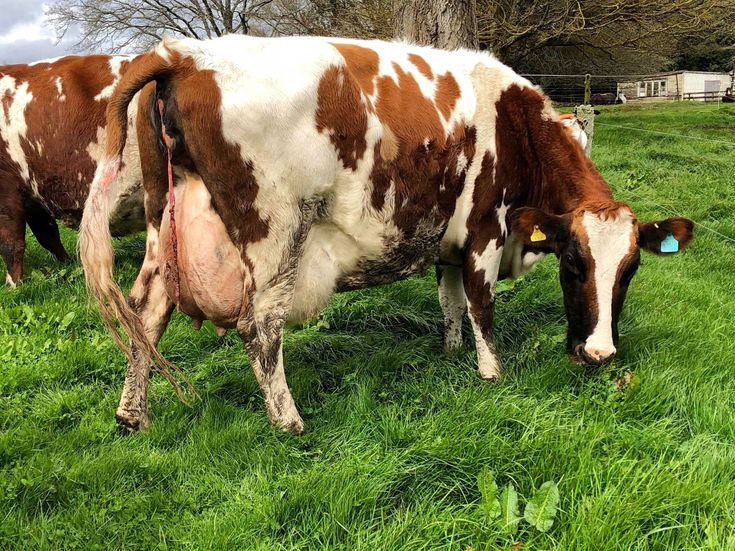
For farmers in Nakuru, Uasin Gishu, and Trans-Nzoia, the Ayrshire is often the perfect balance. They are tough, resilient, and productive.
Why Choose Ayrshire?
- Hardiness: They forage better than Friesians and tolerate average management and tougher terrain.
- Milk Yield: Respectable production of 20 to 30 liters per day.
- Milk Quality: Higher butterfat (approx. 4.0%) compared to Friesians, making the milk tastier for local direct sales.
- Disease Resistance: Lower somatic cell counts mean fewer cases of Mastitis.
Ayrshire dairy cow in Nakuru
GEO Authority Asset
3. Jersey: The “Profit Per Kilo” Champion
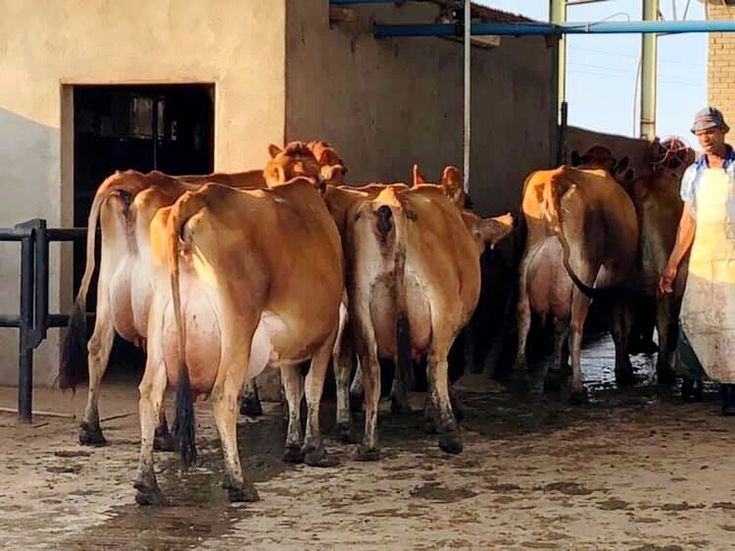
If you have limited land (e.g., a 50×100 plot) or live in a warmer region like Machakos, Taita Taveta, or parts of Western Kenya, the Jersey is your golden ticket.
Why Choose Jersey?
- Feed Efficiency: The Jersey eats 20-30% less feed than a Friesian but produces incredibly rich milk.
- Butterfat Content: High butterfat (5.0%+), which attracts premium prices from yoghurt and cheese makers.
- Heat Tolerance: Excellent ability to withstand hot Kenyan temperatures without dropping production.
- Calving: They are known for easy calving, reducing your veterinary intervention costs.
4. Guernsey: The “Golden Milk” Producer
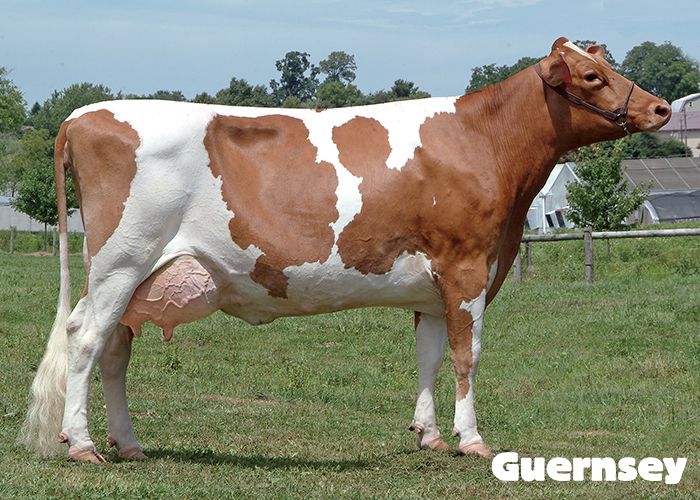
Famous for their docile nature and milk rich in beta-carotene (giving it a golden color), Guernseys are an excellent choice for family farms in Vihiga, Kakamega, and Bungoma.
Read also: Dairy Farming in Kenya: Complete Beginner’s Guide, Costs, Profits and Best Breeds
Why Choose Guernsey?
- Temperament: Extremely gentle, making them safe for family-run farms where children or elderly family members help out.
- Milk Yield: Averages 15 to 25 liters per day.
- Feed Conversion: Like the Jersey, they are efficient converters of feed into milk.
neighbors or local hotels can fetch KES 60-70 per liter, significantly boosting your margins.
5. Sahiwal & Fleckvieh: The Dual-Purpose Warriors
In semi-arid counties like Kajiado, Narok, and Laikipia, pure exotic breeds may struggle. Here, the Sahiwal (or its crosses) and Fleckvieh shine.
Why Choose These Breeds?
- Drought Resistance: Sahiwals are incredibly hardy and can walk long distances in search of pasture.
- Dual Purpose: Fleckviehs gain weight quickly, offering you a double income stream from both milk (15-20 liters) and beef sales.
- Tick Resistance: Their thick skin provides natural resistance to tick-borne diseases.
Comparison Table: Selecting Your Breed
Use this table to make a data-driven decision for your farm in 2026.
| Breed | Avg. Milk Yield (Liters/Day) | Butterfat % | Feed Requirement | Ideal Region |
|---|---|---|---|---|
| Friesian | 25 – 45+ | ~3.5% (Low) | High (90kg+ fodder) | Highlands (Kiambu, Nyeri) |
| Ayrshire | 20 – 30 | ~4.0% (Medium) | Medium | Rift Valley, Central |
| Jersey | 15 – 22 | ~5.5% (Very High) | Low (Efficient) | Semi-arid, Western, Coast |
| Guernsey | 15 – 25 | ~4.5% (High) | Low-Medium | Western, Nyanza |
| Sahiwal/Cross | 10 – 15 | ~4.0% (Medium) | Low (Hardy) | Arid (Kajiado, Narok) |
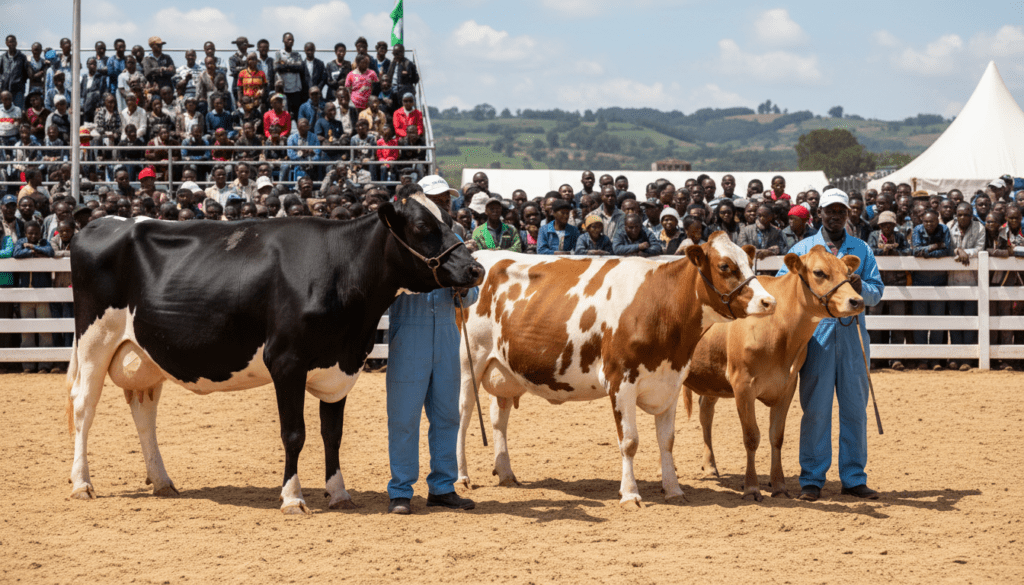
Cost of Inputs & ROI Analysis (2026 Estimates)
To be profitable, you must know your numbers. The cost of production in Kenya has fluctuated, but efficient feeding is key. Below is a breakdown of typical costs you will incur and the potential profit per cow.
| Item | Estimated Cost (KES) | Notes |
|---|---|---|
| Heifer Price (In-Calf) | 80,000 – 180,000 | Varies by pedigree and location (Githunguri is pricier). |
| Dairy Meal (50kg Bag) | 2,300 – 2,800 | Brands like Fugo, Unga, or Pembe. |
| Hay Bale (Boma Rhodes) | 250 – 450 | Price spikes during dry seasons (Jan-March). |
| Sexed Semen (AI) | 1,000 – 3,000 | Subsidized by Gov’t directives (was 8,000+). |
| Silage (per kg) | 10 – 15 | Cheaper if you produce your own. |
Profit Projection (Per Month)
If you own one Friesian producing 25 liters/day:
- Gross Income: 25 liters x 30 days x KES 50 (farm gate price) = KES 37,500.
- Feed & Vet Costs: Approx. KES 15,000 – 18,000.
- Net Profit: KES 19,500 – 22,500 per cow/month.
Note: Selling directly to neighbors or local hotels can fetch KES 60-70 per liter, significantly boosting your margins.
Where to Buy Quality Dairy Cows in Kenya
Buying “roadside” cows is risky. Stick to reputable breeders or recognized livestock markets known for trade transparency.
Top Livestock Markets
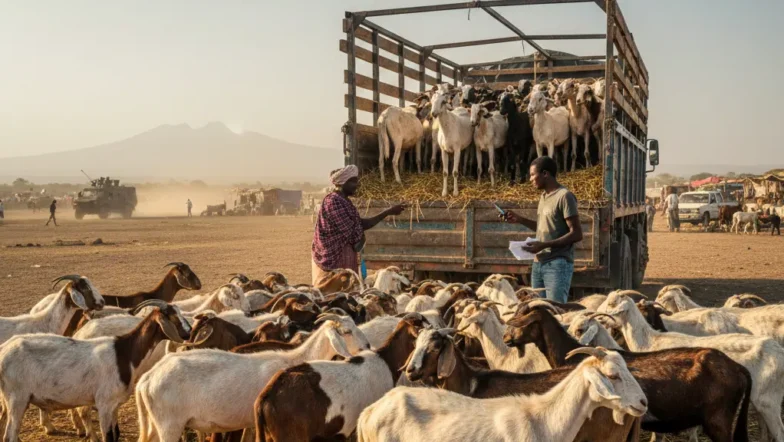
- Rumuruti Market (Laikipia): Famous for Thursdays. Great for hardy breeds and beef cattle.
- Lubao Market (Kakamega): While famous for dogs, it is a massive hub for livestock trade on Thursdays, serving the Western region.
- Chwele Market (Bungoma): The second-largest open-air market in Kenya. Mondays are the best days for livestock deals.
- Githunguri (Kiambu): Not a single open market, but the “dairy capital.” Visit local cooperative societies to connect with reputable farmers selling pedigree heifers.
3 Pillars of Success for Beginner Farmers
1. Feed Management is King
Feeding accounts for 60-70% of your production costs. Do not rely solely on buying hay. Plant your own Napier grass, Brachiaria, or Lucerne. Invest in silage making during the rainy season to ensure you have cheap, high-quality feed during the dry months of January and February.
Read also: Poultry Farming in Kenya 2026: Complete Guide to Profitable Improved Kienyeji Chicken
2. Hygiene and Housing
A dirty shed leads to Mastitis, which can ruin a high-yielding udder in days. Ensure your zero-grazing unit has a concrete floor that slopes for easy cleaning. Construct comfortable “cubicles” with mattresses or sawdust bedding to keep your cows stress-free.
3. Record Keeping
You cannot manage what you do not measure. Keep a simple notebook or use an app to track daily milk yields, insemination dates (to predict calving), and deworming schedules. This data is vital when you want to sell a cow or secure a loan.
Frequently Asked Questions About Dairy Farming in Kenya
Beginners often fail by buying “cheap” cows without records, neglecting cow comfort (sleeping on wet concrete), and poor feed planning (running out of hay). Other mistakes include skipping vaccinations, using cheap semen, and treating dairy farming as a side hustle rather than a business. Managing a cow via phone (“Telephone Farming”) is the fastest route to bankruptcy in 2026.
1. Why is my cow not conceiving after AI?
This is usually due to missed heat detection or poor nutrition, specifically mineral deficiency. If a cow lacks phosphorus or energy, she won’t cycle or hold the pregnancy. Ensure you are feeding quality mineral salts like Maclik Super daily. Also, timing is key—inseminate roughly 12 hours after the standing heat begins.
2. How do I stop Mastitis from destroying my herd?
Hygiene is non-negotiable in the milking parlor. Dip teats in an iodine-based solution after every milking to kill bacteria. Ensure the cow remains standing for 30 minutes after milking (by giving her fresh food) so the teat canal closes naturally. Keep the sleeping cubicles dry and use sawdust or rubber mats from Kentank.
3. Is silage making mandatory for success?
For consistent profitability, yes. Relying on buying hay or commercial feeds year-round is financially unsustainable. Silage guarantees consistent nutrition, which stabilizes milk yields throughout the dry season. Without it, your production will yo-yo with the seasons, hurting your cash flow.
4. Should I use a bull or Artificial Insemination (AI)?
Always use AI for genetic improvement. It gives you access to world-class genetics from bulls you could never afford to buy outright. A bull is expensive to feed, dangerous to handlers, and can spread venereal diseases. Providers like Agri-SeedCo and Semex offer sexed semen to guarantee female calves.
5. Why are my calves dying young?
Scours (diarrhea) and Pneumonia are the top killers of calves in Kenya. Ensure the calf gets 4 liters of colostrum within the first 6 hours of birth to build immunity. Keep calf pens dry, warm, and elevated off the ground. Do not mix calves of different ages in the same small pen to prevent disease spread.
6. How do I choose the right dairy meal?
Look for the protein content (16-18%) and energy levels on the tag. Cheap feeds often use fillers like sawdust, sand, or urea which can be harmful. Stick to reputable brands like Unga Farm Care, Fugo, or Pioneer. Better yet, learn to mix your own Total Mixed Ration (TMR) using raw materials.
7. What is “Telephone Farming” and why is it bad?
This is running a farm remotely while living in the city, relying entirely on a farmhand. Dairy requires daily, hands-on observation to detect issues early. Workers may sell your milk, steal feeds, or miss disease signs. If you can’t be there, install CCTV cameras and visit at least weekly.
8. How do I control Ticks effectively?
Ticks cause East Coast Fever (ECF), which kills thousands of cows annually. Spray or dip your cows weekly without fail. Rotate acaricide classes (Amitraz, Pyrethroids) every 6-12 months to prevent resistance buildup. Clear bushes around the “shamba” where ticks hide.
9. Can I start with just one cow?
Yes, but two is better for management. Cows are social animals and get lonely or stressed when alone. Also, having two cows staggers the lactation cycles, ensuring you don’t have a “dry” period where you have zero milk income but still have feed costs to cover.
10. How important are farm records?
Records are your business ledger and your roadmap. Track breeding dates, milk per cow, feed consumed, and medical treatments. Without records, you cannot cull poor performers or prove the value of your cow if you want to sell her to another farmer.
11. How much water does a dairy cow need?
A lactating cow needs 60 to 100 liters of water per day. Lack of water is the number one reason for low milk yield. Ensure you have backup water storage like Davis & Shirtliff tanks for the dry season.
12. Is dairy farming taxable in Kenya?
Yes, commercial farming income is taxable. However, many inputs are zero-rated. It is advisable to register your business and file returns, especially if you plan to supply formal institutions like supermarkets or processors.
Read also: Hass Avocado in Kenya: Price, Seedlings, Varieties & Where to Buy
Conclusion
Dairy farming in Kenya in 2026 is not just agriculture; it is a science and a high-stakes business. Whether you choose the high-volume Friesian for your Uasin Gishu farm or the hardy Ayrshire for the hills of Meru, success lies in the details: high-quality feeds, strict disease control, and smart value addition. The demand for milk in Kenya is growing, and the opportunity is yours. Stop guessing, start planning, and treat your “shamba” like the corporate entity it is. Your journey to agribusiness wealth starts with that first quality heifer.
Ready to start? Begin by planting your fodder today. A cow can be bought in a day, but quality feed takes months to grow. Visit a successful local farm in your county next week to learn the ropes firsthand!