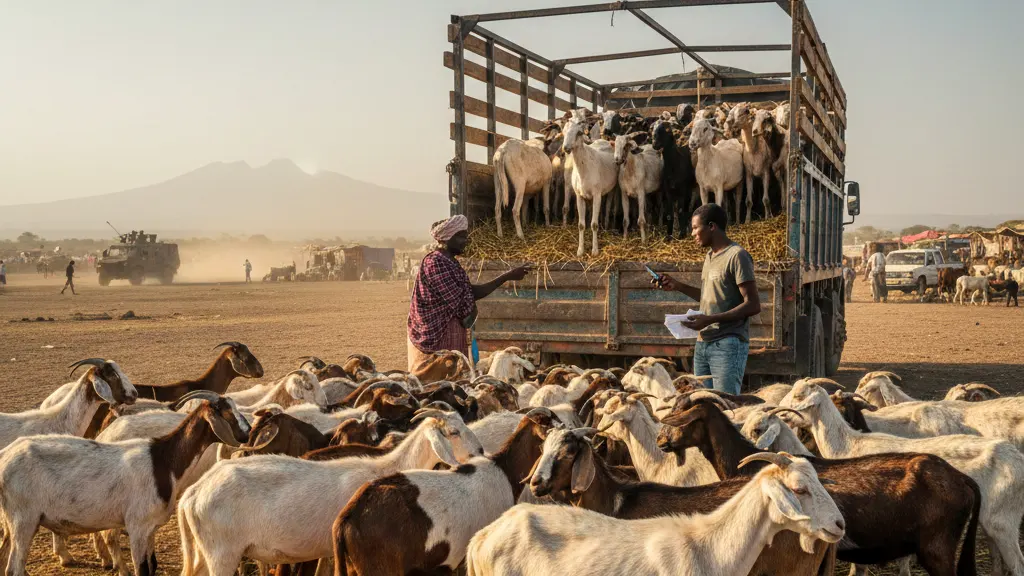

In the markets of North Eastern Kenya, specifically Mandera, Wajir, and Garissa, the 2026 drought has turned livestock into a distress asset. Viral reports show healthy looking goats selling for as little as 500 Kenyan Shillings. For a farmer in the lush hills of Central Kenya or the Rift Valley, this looks like the deal of a century.
But seasoned farmers call these animals suicide goats. Within seven days of arriving at their new, green homes, many of these animals drop dead. This is not bad luck; it is biology.
Below is the science behind the Green Death and the mandatory security and transport protocols you must follow to survive the journey and keep your investment alive.
The Biological Reality of the 500 KES Trap
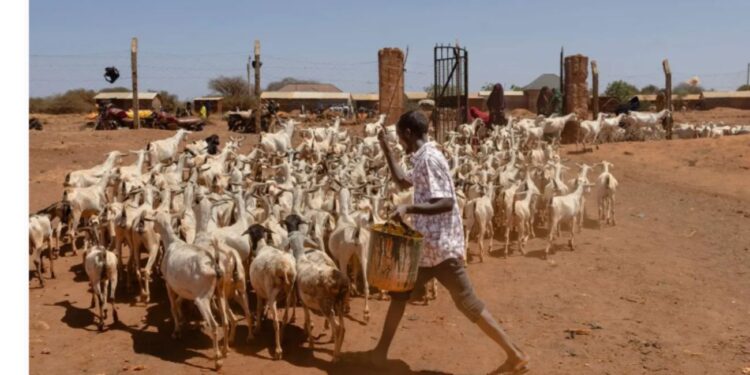
The primary cause of sudden death is Enterotoxemia, also known as Pulpy Kidney Disease. When a malnourished goat consumes lush green grass too quickly, the starch overload causes Clostridium perfringens bacteria in the gut to multiply explosively. These bacteria release a lethal toxin that shuts down the animal organs within hours.
These animals are survivors of drought. Their digestive systems are adapted to dry, fibrous survival diets containing woody acacia. When you bring this animal home and release it into a green, rained on pasture, you are effectively poisoning it. The result is a tragic progression where the goat stops eating, presses its head against a wall, bloats, and dies in convulsions.
Security Protocol: Surviving the North Eastern Journey
Sourcing goats from Mandera, Wajir, or Garissa in 2026 involves significant physical risk. Al Shabaab militants frequently target transport corridors and public gatherings.
1. Personal Safety and Avoiding Ambush
- Travel in Convoys: Never drive a private vehicle alone into Mandera or the border zones of Wajir. Join police led convoys which are standard for the 2026 security climate.
- Avoid the Borders: Stay within the main town markets. Do not be lured by brokers who promise cheaper goats in remote villages near the Somalia border; this is a common tactic for kidnapping or carjacking.
- No Cash on Hand: Carrying large sums of KES makes you a target for both militants and common criminals. Use M-Pesa or bank transfers, but only after the goats are loaded.
2. Avoiding Scams and Theft
- The Adrenaline Trick: Some brokers inject weak goats with adrenaline or painkillers just before you arrive. The goat looks energetic for an hour, but collapses once you leave. Watch the animal for at least 30 minutes before paying.
- Property Theft: Criminals often work with brokers to track buyers. Once you buy your stock, do not stay in town. Move to a secure, gated holding yard or start your journey immediately.
The Logistics: How to Transport Goats Safely
Transporting goats from the North to Central Kenya is a 10 to 20 hour journey. Poor transport kills more goats than the drought itself.
1. Legal Requirements
- Movement Permit: You must obtain a Local Animal Movement Permit from the County Veterinary Office. In 2026, it costs approximately 50 KES per 50 goats.
- No Objection Letter: If moving goats across county lines, you need a letter of no objection from the destination county vet to ensure you are not importing diseases like Foot and Mouth.
2. Vehicle Standards
- Ventilation: Use an open crate truck or a specialized livestock carrier. Never put goats in the trunk of a car or a sealed container. They will suffocate or die from heat stress.
- Flooring: Cover the truck floor with dry bedding like sawdust or straw. Slippery metal floors lead to broken legs and bruising.
- Density: Do not overcrowd. Goats must have enough room to stand and lie down without being trampled.
The 12-Month Rescue and Farming Calendar
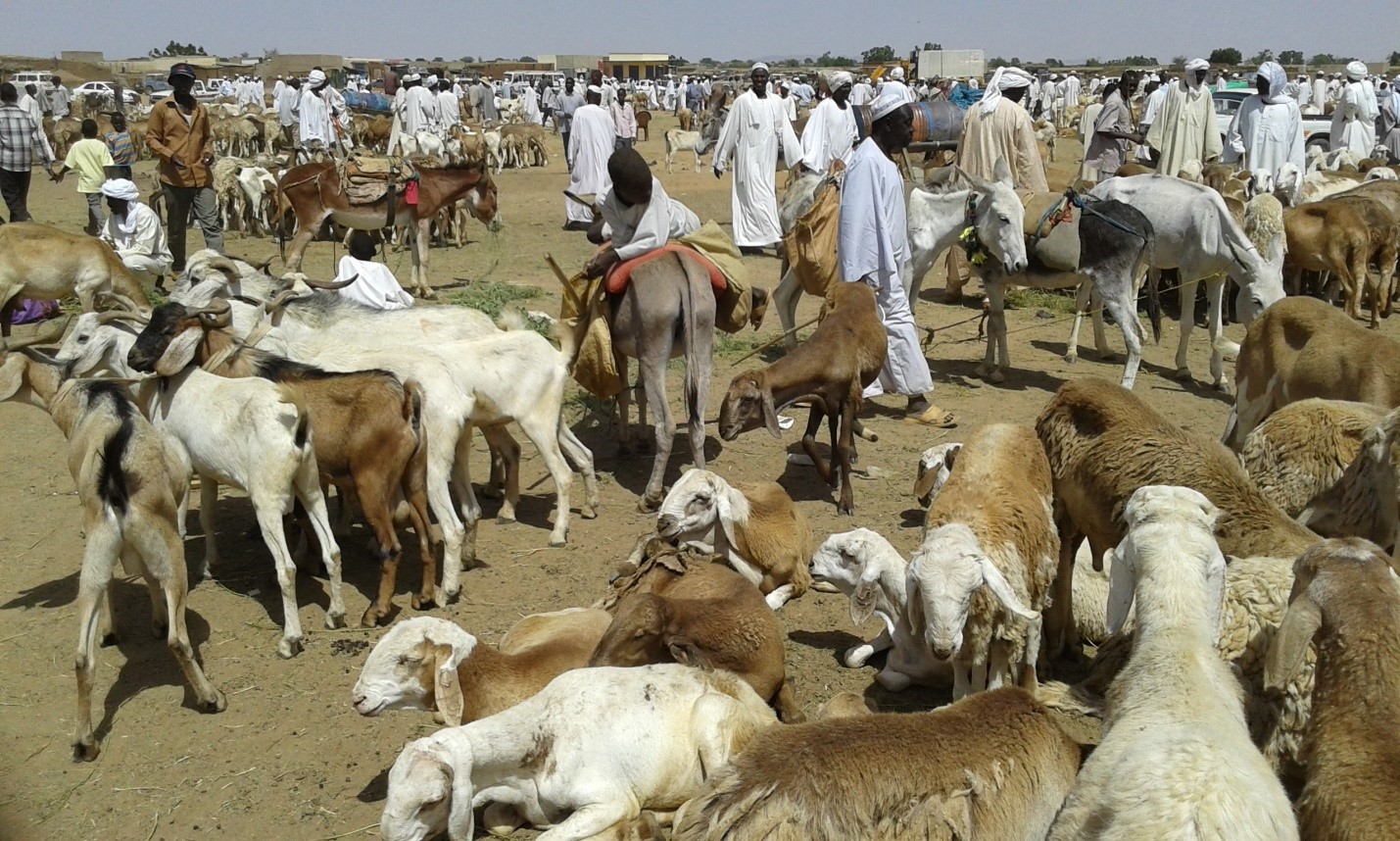
Month 1: The Quarantine Zone
- Week 1: Do not release the goat. Feed dry hay and water only. Administer a broad spectrum dewormer and spray for ticks.
- Week 2: Introduce green feed gradually, aiming for only 10% of the diet. Administer the first shot of Enterotoxemia vaccine (CTT).
- Week 3 to 4: Increase green feed to 50%. Boost the CTT vaccine with a second shot for full immunity.
Month 2 to 12: Production
- Once stabilized, focus on breeding. The most profitable 2026 trend is crossbreeding Small East African does with Galla bucks. This produces a hybrid that grows fast but retains the survival instincts needed for the Kenyan climate.
Financial Summary: Bargain vs. Quality
| Cost Item | The Bargain Goat (Market) | The Quality Goat (Certified) |
| Purchase Price | 2,000 KES | 8,000 KES |
| Transport & Security | 2,000 KES | 1,000 KES |
| Mortality Risk | 40% Loss Probability | 2% Accidental Only |
| Final Result | Frequent Financial Loss | Sustainable Profit |
Before you set off for North Eastern Kenya (Garissa, Wajir, or Mandera) in 2026, ensure you have this digital checklist saved. In this region, your phone is your most important tool for both legal compliance and physical survival.
1. Essential Digital & Physical Documents
You will face multiple police and military checkpoints (Operation Amani Boni and LAPSSET corridor patrols). Missing paperwork can lead to your truck being impounded or being mistaken for an illegal trader.
Read Also: Hydroponic Fodder in Kenya 2026: Slash Your Livestock Feed Costs by 50%
- Local Animal Movement Permit: Obtained from the County Veterinary Office at the source (Mandera/Garissa). Cost: 50 KES for the first 50 goats.
- No Objection Letter: A letter from your destination county (e.g., Meru or Nakuru) confirming they are ready to receive the animals.
- National ID & Driver’s License: Carry originals; photocopies are often rejected at security cordons.
- Vaccination Proof: If buying from a certified breeder, have digital copies of the CTT (Enterotoxemia) and CCPP stamps.
2. Emergency Security Contacts (2026)
Save these numbers in your phone under “ICE” (In Case of Emergency).
- National Police Emergency: 999 / 911 / 112
- DCI Hotline (Fichua kwa DCI): 0800 722 203 (To report suspicious activity or “traps”).
- North Eastern Regional Police Headquarters (Garissa): 0729 480 404
- EACC North Eastern (To report corrupt brokers/checkpoints): 0737 994 444
- Kenya Red Cross (Emergency Medical/Accidents): 1199
3. The 2026 “Safe-Travel” Checklist
- Timing: Only move between 06:00 AM and 04:00 PM. Avoid the roads after dusk when Al-Shabaab and bandit activity spikes.
- The “Broker Buffer”: Do not let brokers know which hotel you are staying in. Meet them in public market spaces only.
- Vehicle Prep: Ensure your truck has at least two spare tires. The roads in the North are unforgiving, and a breakdown in a “no-man’s-land” zone makes you an easy target.
- M-Pesa Float: Ensure your M-Pesa has enough for the purchase PLUS a 20% “contingency fund” for unexpected transport repairs or permit fees. Never carry more than 5,000 KES in physical cash.
4. Logistics & Welfare Summary
| Item | Requirement |
| Max Loading Density | 10 to 12 goats per standard 1-ton pickup (Probox/Small Lorry) |
| Rest Stops | Every 4 hours; provide water but NO GREEN FEED during transit |
| Bedding | Use dry wood shavings or straw to prevent hoof injuries |
Read Also: 10 Most Profitable Farming Ventures in Kenya for 2026
Conclusion: Strategy Over Survival
As we navigate the agribusiness landscape of 2026, the 500 KES Trap serves as a vital lesson in the difference between buying an animal and investing in a system. In an era of climate volatility and shifting security dynamics, the Kenyan farmer who succeeds is not the one who finds the cheapest deal, but the one who masters the transition from arid survival to highland productivity.
The journey from the North Eastern markets to the green pastures of the South is more than a logistics challenge; it is a test of professional discipline. By prioritizing biosecurity over bargains, convoy safety over shortcuts, and science-based feeding over luck, you transform a high-risk gamble into a high-yield enterprise.
In 2026, goat farming is no longer about having the largest herd—it is about having the most resilient one. Treat your new stock with the caution of a medical professional and the strategic mindset of a business leader. When you respect the biology of the animal and the reality of the terrain, the 500 shilling “distress asset” finally becomes the cornerstone of a profitable, sustainable Kenyan shamba.