
Table of Contents
Why 2026 is the Year of the Agropreneur
The Kenyan agricultural sector has undergone a massive transformation over the last five years. Gone are the days when farming was a retirement plan or a last resort. In 2026, you are entering an era of precision agriculture and high-value export markets. The farmers making millions today are not just working hard; they are working with data.
As a beginner, you face significant challenges: fluctuating weather patterns, expensive inputs like DAP and CAN fertilizer, and volatile market prices. However, the opportunities currently outweigh the risks if you choose the right venture. The demand for organic food in Nairobi and the opening of new export corridors to China and the Middle East for fresh produce have created a goldmine for those ready to professionalize their operations.
This guide is not theoretical. It is built on current market rates in Kenya Shillings (KES), recognized varieties from the Kenya Agricultural and Livestock Research Organization (KALRO), and proven agronomic practices. To succeed, you must treat your farm as a business. You need to calculate your cost of production per unit, understand your break-even point, and secure a market before you plant a single seed.
Below are the 10 most profitable farming ventures you can start this year, ranked by their potential for high Returns on Investment (ROI) and scalability.
1. Hass Avocado Farming: The Export Green Gold
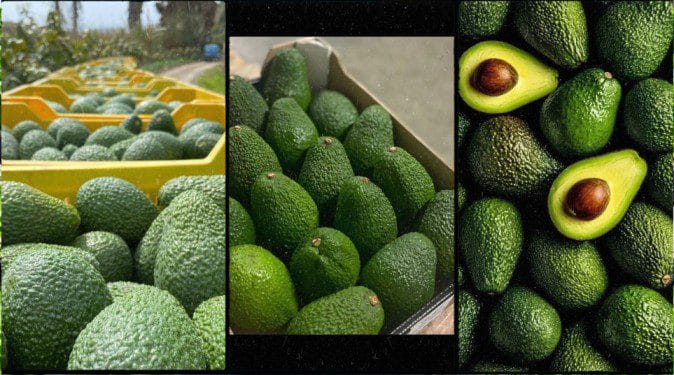
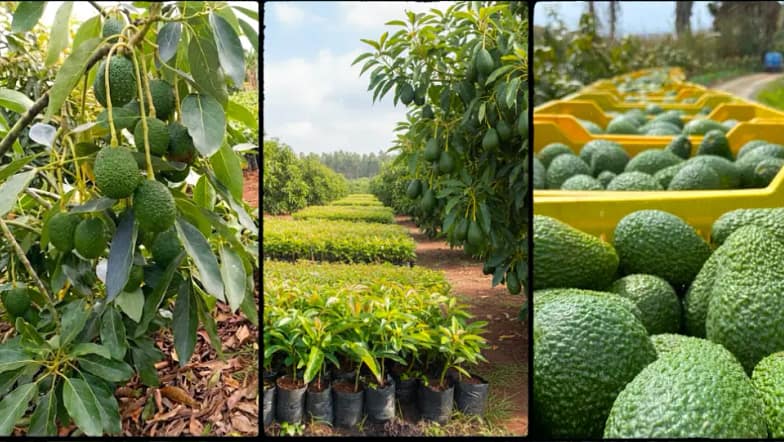
Despite the market maturing, Hass Avocado remains the undisputed king of high-value tree crops in Kenya. In 2026, the focus has shifted from merely planting trees to producing export-quality fruit that meets strict phytosanitary standards. China and Europe are hungry for Kenyan avocados, but they demand quality.
Why It Is Profitable
Once your trees reach maturity (year 3 to 4), the maintenance costs drop significantly while yields increase. A single mature tree can produce 500 to 1,000 fruits per year. With export prices averaging KES 10 to KES 20 per fruit depending on the season and size, the math is compelling.
Operational Costs and ROI
Initial Setup (Per Acre): You will need approximately 150 seedlings at a spacing of 5m by 5m. Certified seedlings from KALRO or certified nurseries cost about KES 350 each. Total establishment cost, including hole preparation, manure, and labor, is roughly KES 100,000.
Read also: HOW TO EXPORT HASS AVOCADOS FROM KENYA IN 2026: A STEP-BY-STEP GUIDE
Returns: By year 4, one acre can generate between KES 500,000 and KES 1,000,000 annually. The trees remain productive for over 20 years, making this a generational investment.
Key Success Factors
You must invest in irrigation. Relying on rain is a recipe for small, unmarketable fruit. You also need to adhere to strict pest management to avoid fruit flies and False Codling Moth, which are quarantine pests that can get your export license revoked.
2. Dragon Fruit Farming: The New High-Value Frontier
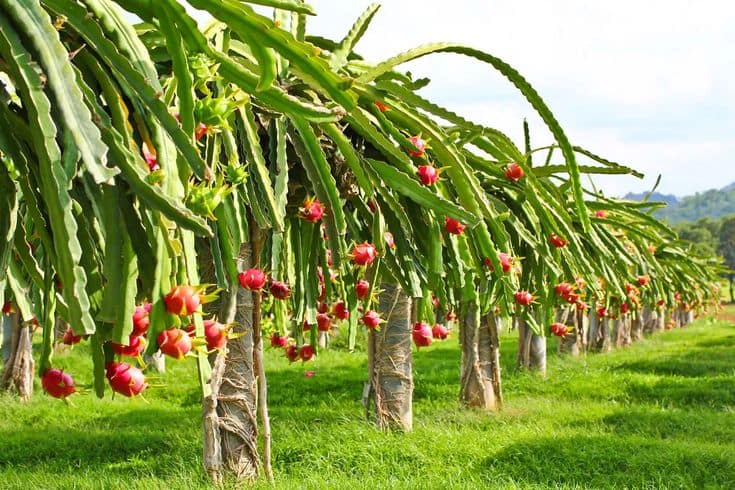
Dragon fruit is where Hass Avocado was ten years ago. It is currently the most expensive fruit per kilogram in the local market. Because it is a cactus, it is incredibly resilient to drought, making it perfect for semi-arid areas like Ukambani, Isinya, and parts of Naivasha.
Market Dynamics
In 2026, the local supply is still lower than demand. Supermarkets and high-end grocers in Nairobi sell Dragon Fruit for between KES 800 and KES 1,200 per kilogram. Even at a wholesale farm-gate price of KES 500 per kg, the margins are astronomical.
Varieties and Planting
You should focus on the sweet varieties: Red flesh (Costa Rican) and Yellow skin varieties. You will need concrete posts and old motorcycle tires for support, as the plant is a climber. An acre takes about 1,000 posts with 2 vines per post.
Financial Breakdown
Startup Cost: High. Posts, irrigation, and cuttings can cost up to KES 500,000 per acre.
Revenue: A mature acre can produce 10 tonnes. At a conservative KES 400 per kg, that is KES 4 million in gross revenue. It is labor-intensive during pollination and harvesting but offers the highest ROI per square meter.
3. Bulb Onion Farming: The Cash Flow King
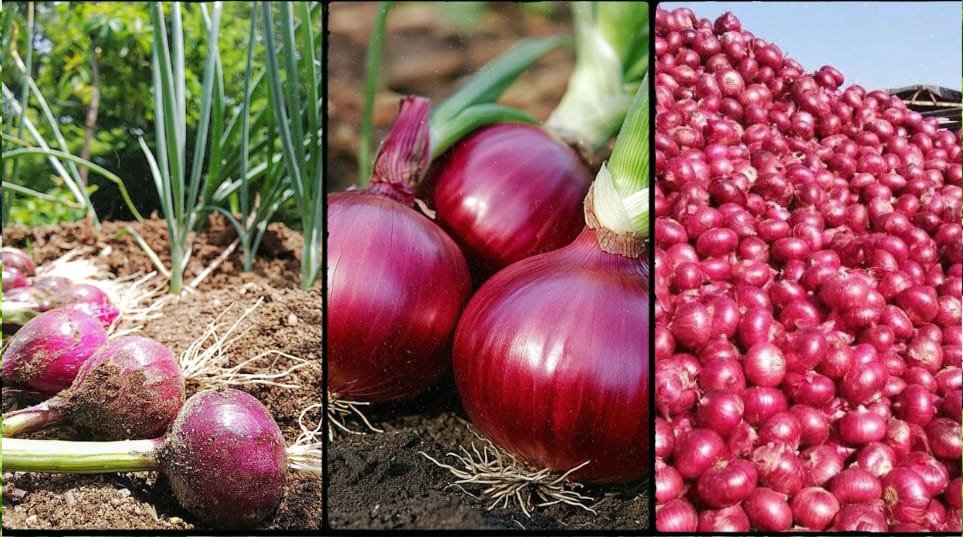
For beginner farmers who cannot wait three years for a tree crop to mature, bulb onions are the solution. The consumption of onions in Kenya is constant; every meal starts with an onion. However, timing is everything.
Read also: How to Grow Bulb Onions in Crates: Step by Step Guide for Kenyan Farmers
The Seasonality Secret
To make money with onions, you must harvest when the market is dry. Avoid harvesting in July/August when the Tanzanian onions flood the market. Plan your planting so that you harvest in January/February or May/June.
Preferred Varieties
Neptune F1, Red Creak F1, and Jambar F1 are the leaders. They have a deep red color and a long shelf life, which brokers love. These hybrid seeds are expensive but resistant to Downy Mildew and Pink Root diseases.
ROI Analysis
Cost of Production: KES 120,000 to KES 150,000 per acre (inputs, labor, irrigation).
Yield: A well-managed acre yields 15 to 20 tonnes.
Profit: At a market price of KES 50 per kg, 15 tonnes yields KES 750,000. Net profit can exceed KES 500,000 in just 4 months.
4. Watermelon Farming: High Risk, High Reward
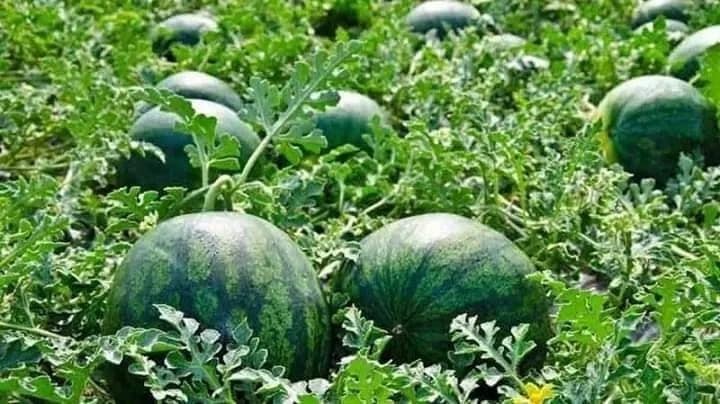
Watermelon is often called the “lottery” of farming. It matures in 75-90 days and can turn a pauper into a millionaire, or vice versa if the crop fails. In 2026, the demand remains huge, especially in urban centers during hot seasons.
Best Varieties for 2026
Stick to Sukari F1 and Zebra F1. These varieties are known for their sweetness and transport hardiness. Brokers will often refuse to buy varieties that crack easily during transport.
Ecological Requirements
Watermelons need heat. Areas like Mwea, Pekerra, and coastal regions are ideal. You must have a steady supply of water for irrigation, but you must stop watering two weeks before harvest to increase sugar content (Brix level).
Financials
Investment: KES 80,000 to KES 100,000 per acre.
Returns: Yields can hit 30-40 tonnes per acre. At KES 20 per kg farm-gate price, revenue is KES 600,000 to KES 800,000 per season.
5. Improved Kienyeji Chicken: The Accessible Entry Point
If you have limited land, poultry is your best bet. The market has shifted away from broilers due to high feed costs and low margins. The consumer preference in 2026 is heavily skewed towards “Kienyeji” (indigenous) meat and yellow-yolk eggs.
The “Improved” Advantage
KALRO Improved Kienyeji, Kuroiler, and Rainbow Rooster breeds grow faster than traditional indigenous chickens but maintain the disease resistance and meat quality consumers pay a premium for. They can scavenge for food, reducing your feed bill significantly.
Revenue Streams
You can earn from three sources: selling fertilized eggs for incubation, selling day-old chicks, or selling meat/eggs.
Meat: A bird matures in 4-5 months and sells for KES 800-1,000.
Eggs: A tray of Kienyeji eggs sells for KES 600-750, compared to KES 350 for exotic layers.
Cost Control
The biggest cost is feed. You must learn to formulate your own feed using local ingredients like maize germ, soya, and omena. Buying commercial feed exclusively will eat up your profits.
6. Passion Fruit Farming: Continuous Weekly Income
Passion fruit is unique because once harvest begins (around month 6-7), it continues weekly for up to 3 years. This provides excellent cash flow for paying bills and funding other farm operations.
Varieties
Purple Passion: Higher demand in fresh market and export. Requires cooler climates (Meru, Uasin Gishu, Nyeri).
Yellow Passion: More disease resistant, larger, used mostly for juice processing. Does well in warmer areas.
Management
You must trellis the vines properly. The biggest threat is Woodiness Virus and Fusarium Wilt. You should source grafted seedlings where the scion is purple passion and the rootstock is yellow passion to combine sweetness with disease resistance.
Profitability
One acre can host 600-800 plants. A well-tended vine produces 15-20kg per year. That is roughly 10-15 tonnes per acre. At KES 70 per kg, you are looking at over KES 700,000 annually with weekly payouts.
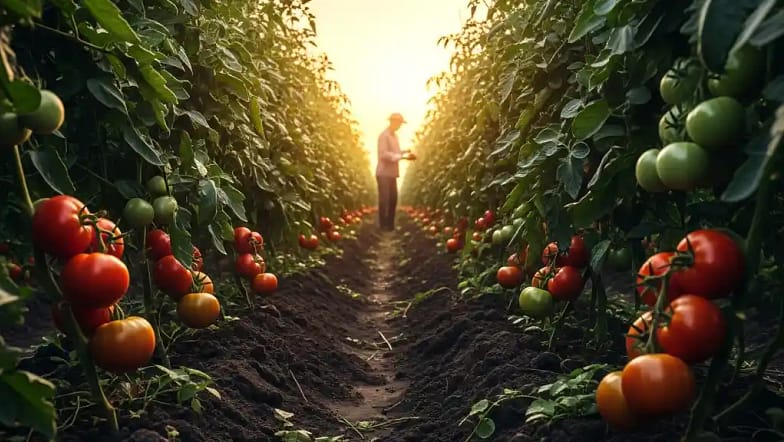
7. Greenhouse Tomato Farming: Precision for Profit
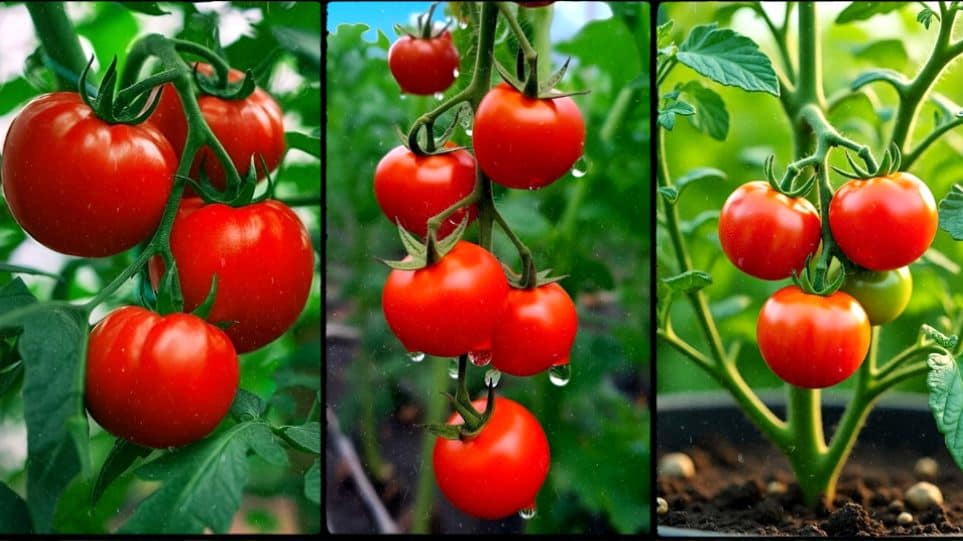
Open field tomato farming is risky due to blight and erratic rain. Greenhouse farming solves this but requires high initial capital. In 2026, the standard is the 8m by 30m greenhouse.
Why Greenhouse?
Read also: Best Greenhouse Farming Guide in Kenya: Profits, Costs, and Beginner Mistakes to Avoid in 2026
You control the environment. This means you can time your harvest to coincide with high market prices (April and December). You also extend the harvesting period to 6-8 months, compared to 1 month for open field.
Varieties
Indeterminate varieties like Anna F1 and Tylka F1 continue growing upwards and producing fruit as long as they are fed. They require trellising strings.
The Math
A standard greenhouse houses 1,000 plants. Each plant can yield 10-15kg over its life. That is 10 to 15 tonnes from a small space. At an average of KES 60/kg, revenue is KES 600,000 to KES 900,000 per season. However, construction costs are KES 300,000+, so ROI is realized from the second season onwards.
8. Dairy Goat Farming: Small Space, Premium Product
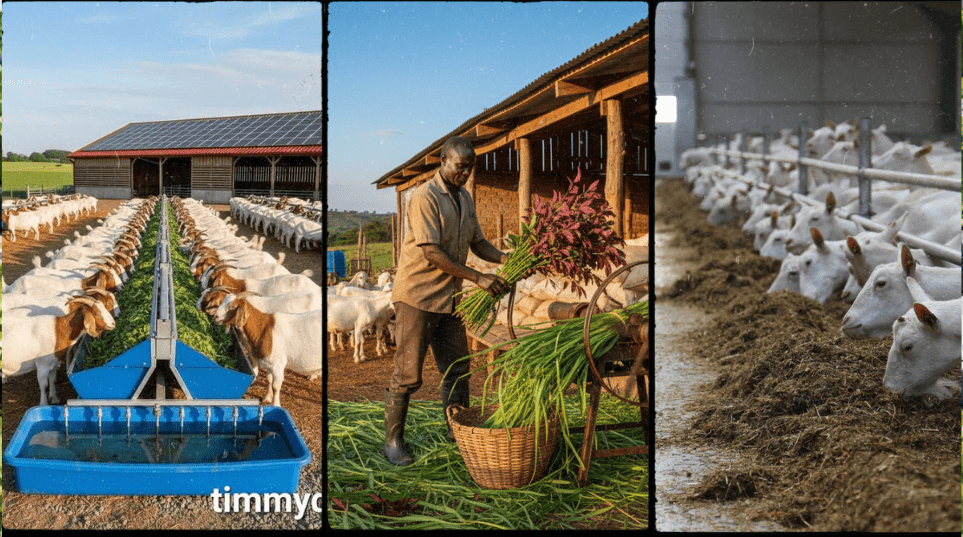
With land sizes shrinking, dairy cows are becoming difficult to manage for smallholders. Dairy goats are the perfect alternative. Goat milk is a niche superfood, prescribed for people with lactose intolerance and immune issues.
Breeds
Alpine and Toggenburg are the best milkers in Kenyan conditions. A good doe gives 2-4 liters of milk per day.
Read also: DAIRY GOAT FARMING IN KENYA: THE 2026 MASTER GUIDE TO PROFITABLE BREEDS, HOUSING, AND MILK PRODUCTION
Market Value
Goat milk retails for KES 200 per liter, compared to KES 40-50 for cow milk.
Feeding: Goats consume much less than cows and eat a wider variety of fodder, including shrubs.
Breeding: Goats twin often. Selling weaned kids (young goats) is a massive secondary income stream. A purebred kid sells for KES 10,000 to KES 15,000.
9. Mushroom Farming: The Urban Farming Champion
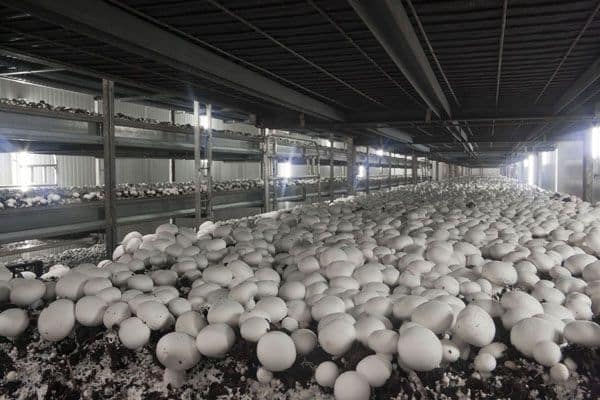
You do not need a single acre of land for this. You can grow mushrooms in a garage, a mud house, or a specialized structure. It is the ultimate vertical farming venture.
Types to Grow
Oyster Mushrooms: Easiest for beginners. They grow on wheat straw, bean trash, or sugarcane bagasse. Harvest starts in 4 weeks.
Button Mushrooms: High demand but require complex compost and casing soil. Technically demanding.
ROI
A 10ft by 10ft room can hold 400 bags. Each bag produces 2kg of mushrooms over its cycle. Total 800kg. Wholesale price is KES 400/kg. Revenue: KES 320,000. Costs are low (spawn and substrate), usually around KES 50,000.
10. Colored Capsicum Farming: The Salad Luxury
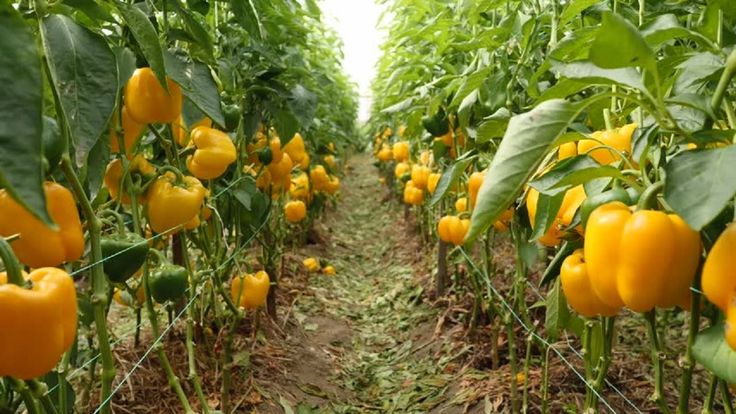
Walk into any supermarket and look at the price of Yellow and Red Capsicums. They are sold per piece or per weight at premium rates. Unlike green capsicums, the colored varieties are almost exclusively grown in greenhouses to protect them from pests and sunscald.
Demand
The hospitality industry (hotels, burger joints, pizza places) and the growing middle class drive demand. The price is stable, rarely dropping below KES 100 per kg.
Read also: Pixie Orange Farming in Kenya 2026: Complete Guide to Seedlings, Costs and Profit per Acre
Yields
Similar to tomatoes, indeterminate varieties yield for months. A well-managed greenhouse crop yields 5-8kg per plant. With 1,000 plants, that is 5-8 tonnes. At KES 120/kg average, the returns are solid.
Step-by-Step: How to Analyze ROI Before Planting
Most farmers fail because they plant first and calculate later. Follow this strict process to ensure profitability.
Phase 1: Market Research
Visit the wholesale markets (Marikiti, Wakulima) at 4:00 AM. Observe what is moving fast and what is rotting. Talk to the brokers. Ask them what will be in demand in 3 months.
Phase 2: Soil Testing
Never skip this. Take soil samples to KALRO or CropNuts. It costs roughly KES 2,500. It will save you thousands in wasted fertilizer. If your soil pH is acidic, your expensive DAP fertilizer will be locked up and unavailable to the plants.
Phase 3: Budgeting
Create a budget that includes a 20% contingency fund. Factor in labor, water pumping costs, and post-harvest transport. If the paper math doesn’t show at least a 40% profit margin, do not plant.
Comparative ROI Analysis Table (2026 Estimates)
The table below provides a quick comparison to help you choose the right venture for your capital and timeline.
| Venture | Time to First Harvest | Est. Startup Cost (1 Acre/Unit) | Est. Net Profit (Per Season/Year) | Risk Level |
|---|---|---|---|---|
| Hass Avocado | 3 Years | KES 100,000 | KES 500,000+ (Year 5) | Low |
| Bulb Onions | 3-4 Months | KES 150,000 | KES 400,000 | Medium |
| Watermelon | 3 Months | KES 100,000 | KES 600,000 | High |
| Dragon Fruit | 12-18 Months | KES 500,000 | KES 2,000,000+ | Medium |
| Mushrooms (Small scale) | 2 Months | KES 50,000 | KES 150,000+ | Medium |
| Dairy Goats (5 Does) | Immediate (if lactating) | KES 100,000 | KES 300,000 (Yearly) | Low |
People Also Ask (FAQ)
Which farming is most profitable in Kenya for beginners?
For absolute beginners, Bulb Onions or Improved Kienyeji Chicken are the safest bets. Onions have a clear market and are non-perishable for a few weeks, allowing you to find a buyer. Chickens require low capital and can be scaled up as you gain experience.
How much money do I need to start farming in Kenya?
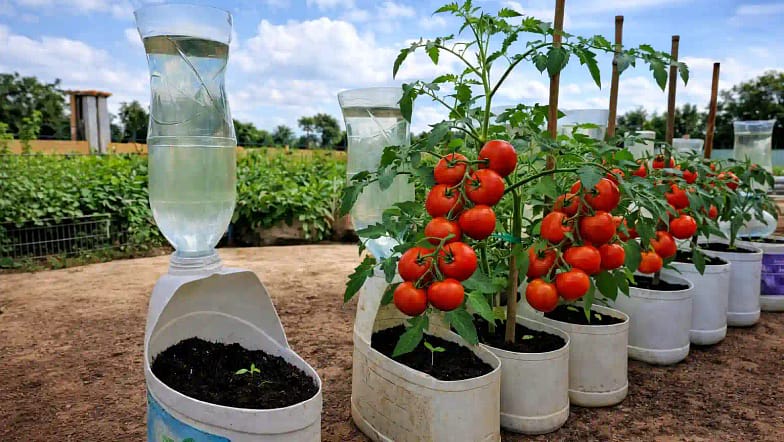
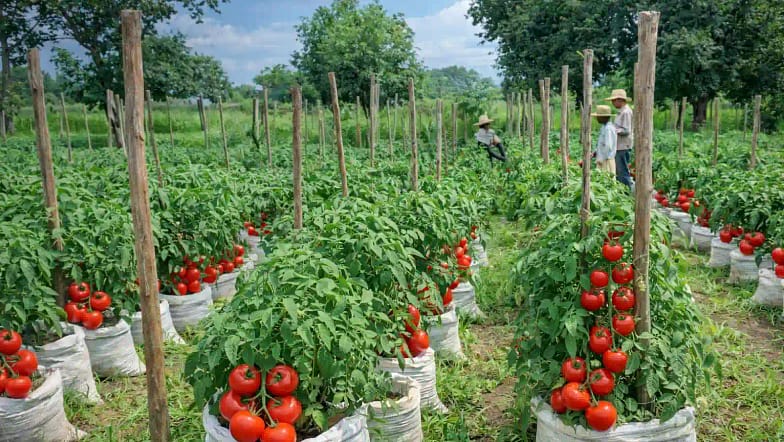
You can start with as little as KES 20,000 for a small sack-farming vegetable project or indigenous chicken setup. However, for a commercial one-acre venture like watermelons or onions, you need a minimum operating capital of KES 100,000 to KES 150,000 to cover inputs and labor.
What is the most expensive crop to grow in Kenya?
Greenhouse crops (Tomatoes/Capsicum) and Dragon Fruit have the highest startup costs. A standard greenhouse costs over KES 300,000 to construct properly, and Dragon Fruit requires expensive posts and irrigation infrastructure. However, they also offer the highest returns per square meter.
Is farming tax-free in Kenya?
Generally, raw agricultural produce sold by farmers is exempt from VAT. However, if you process your goods (e.g., making yoghurt from milk or packing juices), you may become liable for taxes. Always consult with a KRA-compliant accountant as regulations can change.
Where can I buy certified seeds in Kenya?
You should purchase seeds from
certified stockists like Kenya Seed Company, Simlaw Seeds, or Amiran Kenya. Avoid buying seeds from open-air markets as they may be fake or have low germination rates, leading to total crop failure.
Conclusion: Take Action Today
The 2026 farming season is full of promise, but it rewards only the prepared. You now have the data, the costs, and the varieties. Do not let “analysis paralysis” stop you. Start small if you must, but start with high standards.
Your Next Step: Choose one venture from this list that matches your climate and budget. Call a soil testing service tomorrow. Your journey to agricultural wealth begins with that single phone call. Plant with precision, harvest with pride.