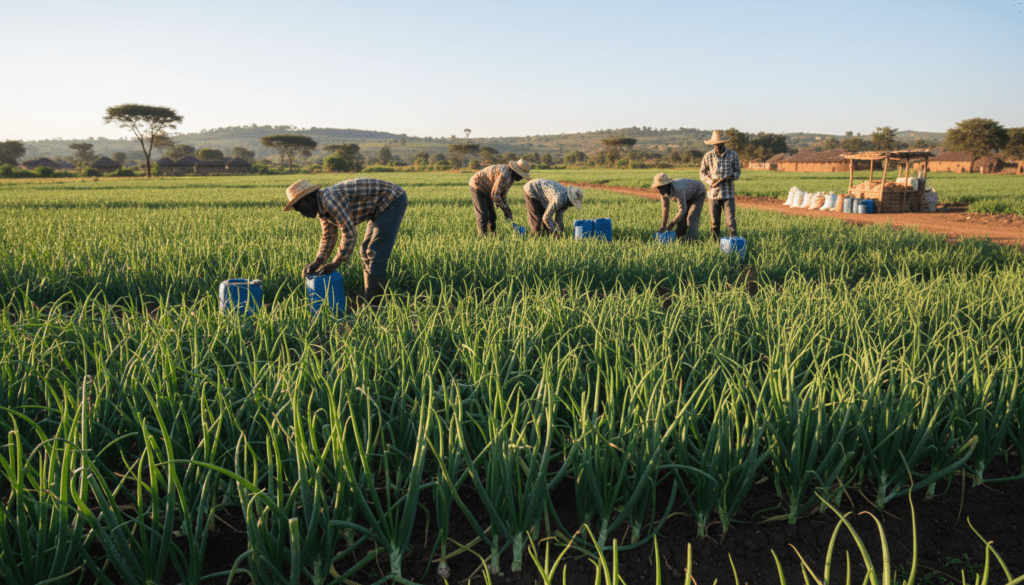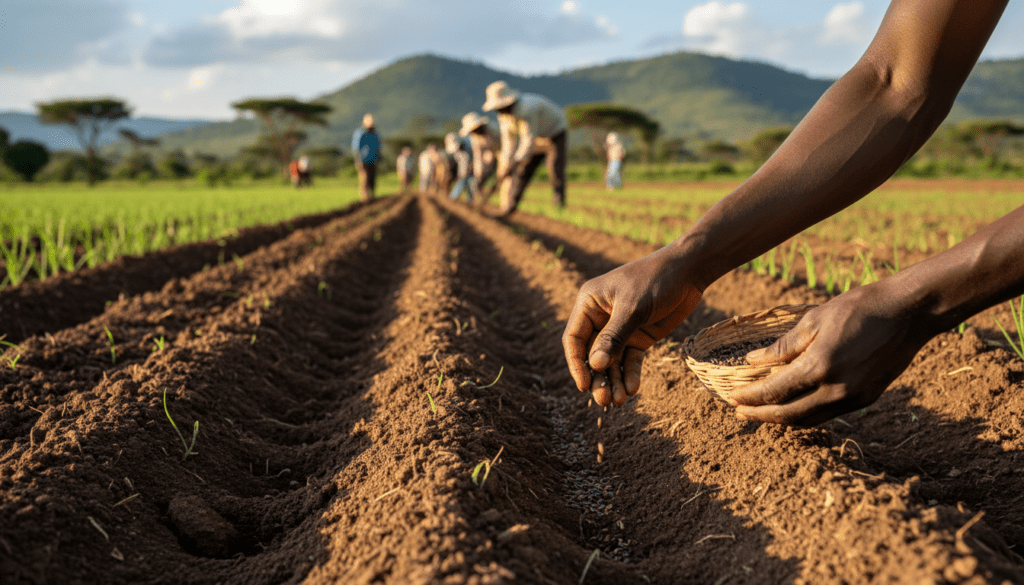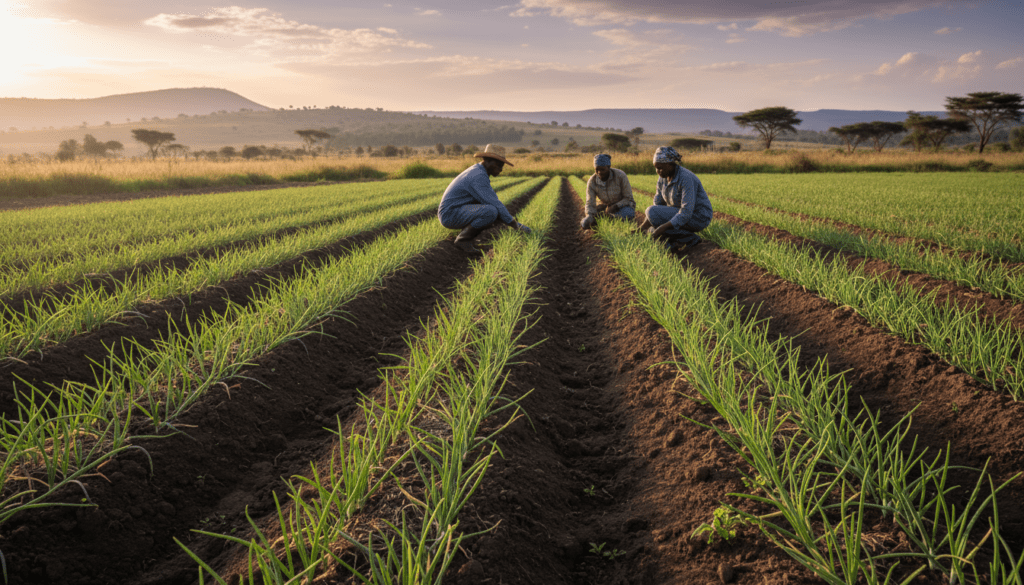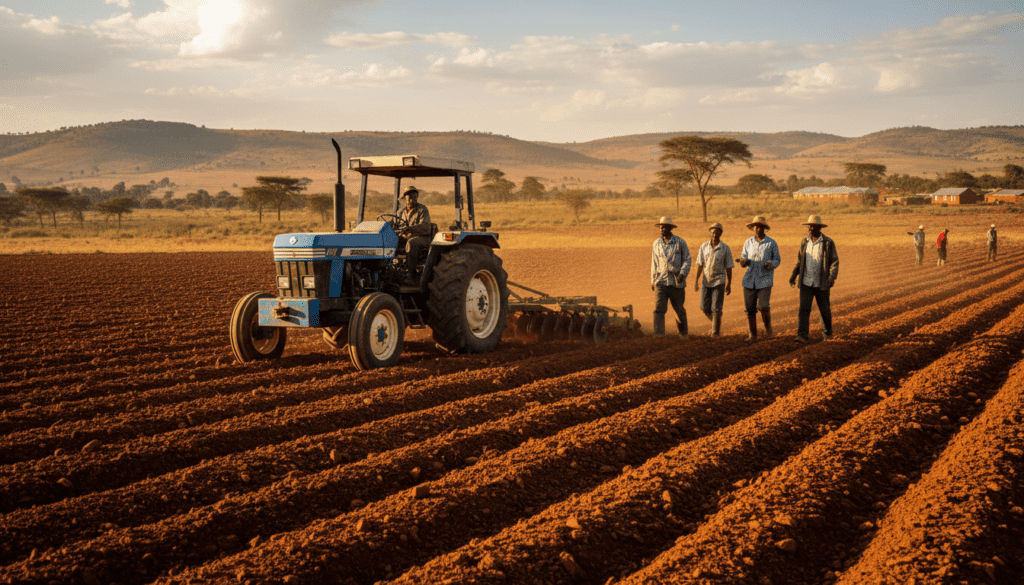
2026 farming guides and tips now live – read, learn, and grow more profit this season.
10 Most Profitable Farming Ventures in Kenya for 2026

10 Most Profitable Farming Ventures in Kenya for 2026

Why 2026 is the Year of the Agropreneur

The Kenyan agricultural sector has undergone a massive transformation over the last five years. Gone are the days when farming was a retirement plan or a last resort. In 2026, you are entering an era of precision agriculture and high-value export markets. The farmers making millions today are not just working hard; they are working with data.

As a beginner, you face significant challenges: fluctuating weather patterns, expensive inputs like DAP and CAN fertilizer, and volatile market prices. However, the opportunities currently outweigh the risks if you choose the right venture. The demand for organic food in Nairobi and the opening of new export corridors to China and the Middle East for fresh produce have created a goldmine for those ready to professionalize their operations.

This guide is not theoretical. It is built on current market rates in Kenya Shillings (KES), recognized varieties from the Kenya Agricultural and Livestock Research Organization (KALRO), and proven agronomic practices. To succeed, you must treat your farm as a business. You need to calculate your cost of production per unit, understand your break-even point, and secure a market before you plant a single seed.

Below are the 10 most profitable farming ventures you can start this year, ranked by their potential for high Returns on Investment (ROI) and scalability.

1. Hass Avocado Farming: The Export Green Gold
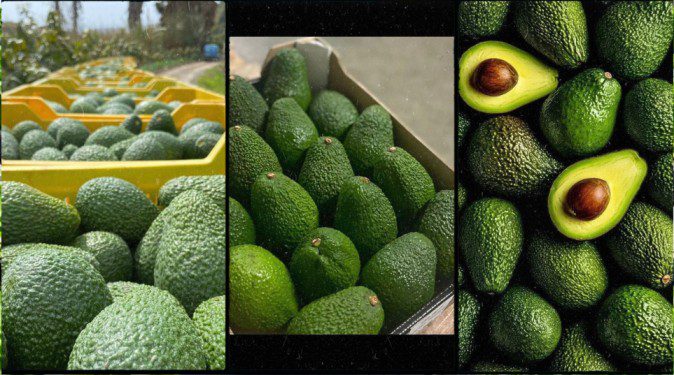
HOW TO EXPORT HASS AVOCADOS FROM KENYA IN 2026: A STEP-BY-STEP GUIDE

Despite the market maturing, Hass Avocado remains the undisputed king of high-value tree crops in Kenya. In 2026, the focus has shifted from merely planting trees to producing export-quality fruit that meets strict phytosanitary standards. China and Europe are hungry for Kenyan avocados, but they demand quality.

Why It Is Profitable

Once your trees reach maturity (year 3 to 4), the maintenance costs drop significantly while yields increase. A single mature tree can produce 500 to 1,000 fruits per year. With export prices averaging KES 10 to KES 20 per fruit depending on the season and size, the math is compelling.

Operational Costs and ROI

Initial Setup (Per Acre): You will need approximately 150 seedlings at a spacing of 5m by 5m. Certified seedlings from KALRO or certified nurseries cost about KES 350 each. Total establishment cost, including hole preparation, manure, and labor, is roughly KES 100,000.

Returns: By year 4, one acre can generate between KES 500,000 and KES 1,000,000 annually. The trees remain productive for over 20 years, making this a generational investment.

Key Success Factors

You must invest in irrigation. Relying on rain is a recipe for small, unmarketable fruit. You also need to adhere to strict pest management to avoid fruit flies and False Codling Moth, which are quarantine pests that can get your export license revoked.

2. Dragon Fruit Farming: The New High-Value Frontier
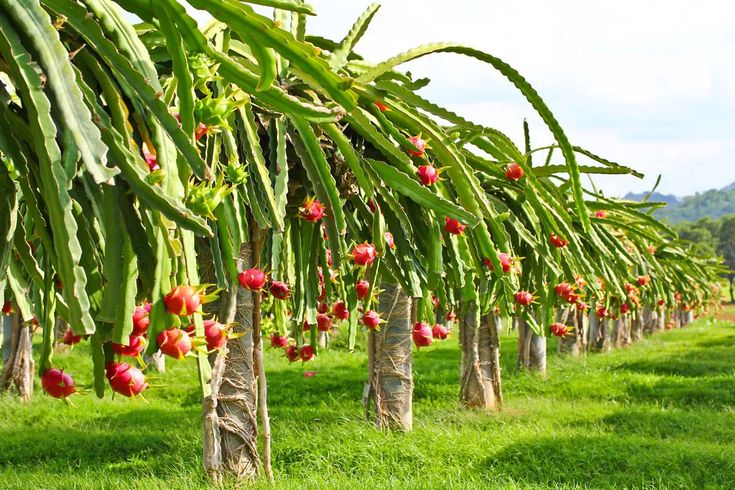
Dragon Fruit Farming

Dragon fruit is where Hass Avocado was ten years ago. It is currently the most expensive fruit per kilogram in the local market. Because it is a cactus, it is incredibly resilient to drought, making it perfect for semi-arid areas like Ukambani, Isinya, and parts of Naivasha.

Market Dynamics

In 2026, the local supply is still lower than demand. Supermarkets and high-end grocers in Nairobi sell Dragon Fruit for between KES 800 and KES 1,200 per kilogram. Even at a wholesale farm-gate price of KES 500 per kg, the margins are astronomical.

Varieties and Planting

You should focus on the sweet varieties: Red flesh (Costa Rican) and Yellow skin varieties. You will need concrete posts and old motorcycle tires for support, as the plant is a climber. An acre takes about 1,000 posts with 2 vines per post.

Financial Breakdown

Startup Cost: High. Posts, irrigation, and cuttings can cost up to KES 500,000 per acre.
Revenue: A mature acre can produce 10 tonnes. At a conservative KES 400 per kg, that is KES 4 million in gross revenue. It is labor-intensive during pollination and harvesting but offers the highest ROI per square meter.

3. Bulb Onion Farming: The Cash Flow King
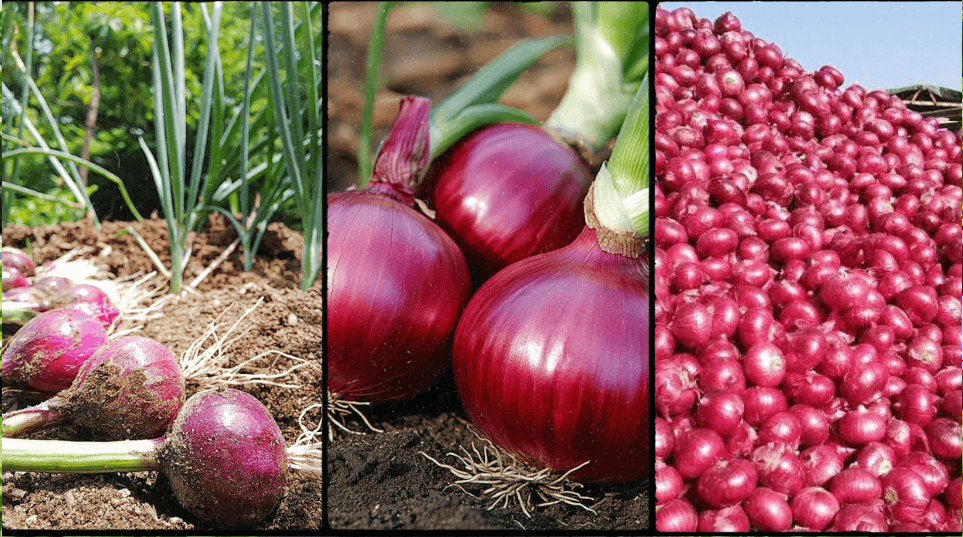
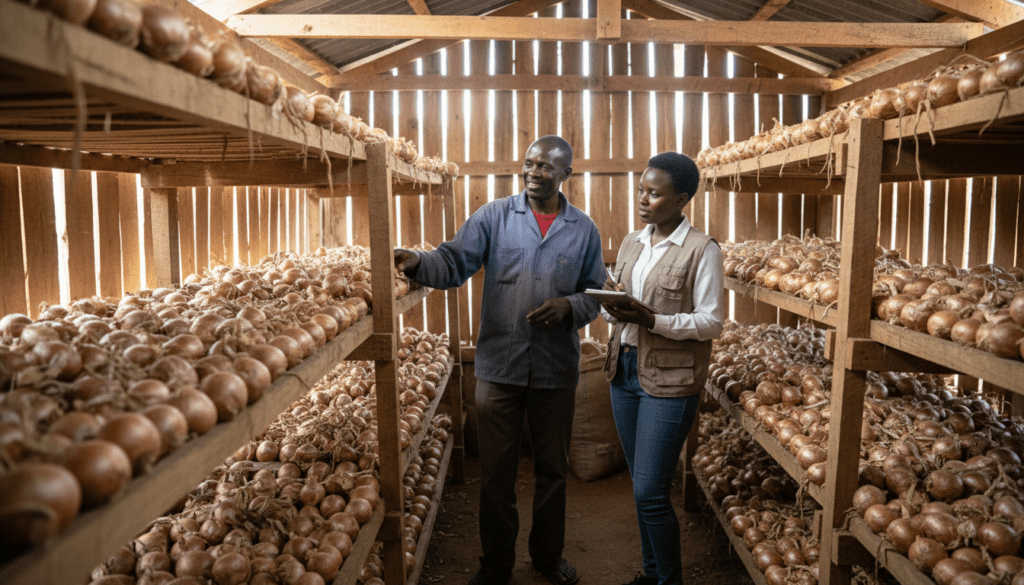
How to Start Bulb Onion Farming in Kenya

For beginner farmers who cannot wait three years for a tree crop to mature, bulb onions are the solution. The consumption of onions in Kenya is constant; every meal starts with an onion. However, timing is everything.

The Seasonality Secret

To make money with onions, you must harvest when the market is dry. Avoid harvesting in July/August when the Tanzanian onions flood the market. Plan your planting so that you harvest in January/February or May/June.

Preferred Varieties

Neptune F1Red Creak F1, and Jambar F1 are the leaders. They have a deep red color and a long shelf life, which brokers love. These hybrid seeds are expensive but resistant to Downy Mildew and Pink Root diseases.

ROI Analysis

Cost of Production: KES 120,000 to KES 150,000 per acre (inputs, labor, irrigation).
Yield: A well-managed acre yields 15 to 20 tonnes.
Profit: At a market price of KES 50 per kg, 15 tonnes yields KES 750,000. Net profit can exceed KES 500,000 in just 4 months.

4. Watermelon Farming: High Risk, High Reward
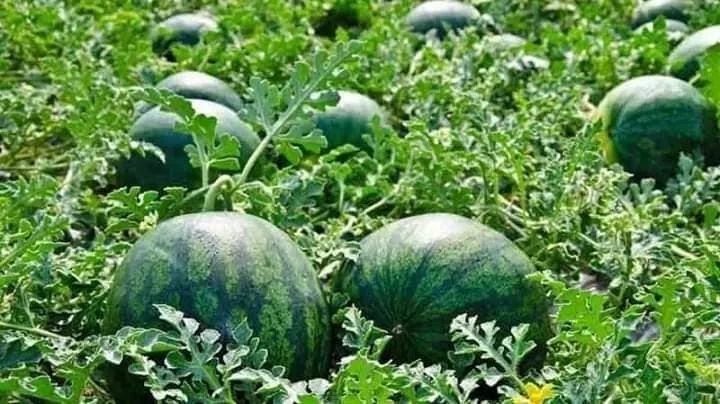
Watermelon Farming
Watermelon growing in a farm

Watermelon is often called the “lottery” of farming. It matures in 75-90 days and can turn a pauper into a millionaire, or vice versa if the crop fails. In 2026, the demand remains huge, especially in urban centers during hot seasons.

Best Varieties for 2026

Stick to Sukari F1 and Zebra F1. These varieties are known for their sweetness and transport hardiness. Brokers will often refuse to buy varieties that crack easily during transport.

Ecological Requirements

Watermelons need heat. Areas like Mwea, Pekerra, and coastal regions are ideal. You must have a steady supply of water for irrigation, but you must stop watering two weeks before harvest to increase sugar content (Brix level).

Financials

Investment: KES 80,000 to KES 100,000 per acre.
Returns: Yields can hit 30-40 tonnes per acre. At KES 20 per kg farm-gate price, revenue is KES 600,000 to KES 800,000 per season.

5. Improved Kienyeji Chicken: The Accessible Entry Point

If you have limited land, poultry is your best bet. The market has shifted away from broilers due to high feed costs and low margins. The consumer preference in 2026 is heavily skewed towards “Kienyeji” (indigenous) meat and yellow-yolk eggs.

The “Improved” Advantage

KALRO Improved Kienyeji, Kuroiler, and Rainbow Rooster breeds grow faster than traditional indigenous chickens but maintain the disease resistance and meat quality consumers pay a premium for. They can scavenge for food, reducing your feed bill significantly.

Revenue Streams

You can earn from three sources: selling fertilized eggs for incubation, selling day-old chicks, or selling meat/eggs.
Meat: A bird matures in 4-5 months and sells for KES 800-1,000.
Eggs: A tray of Kienyeji eggs sells for KES 600-750, compared to KES 350 for exotic layers.

Cost Control

The biggest cost is feed. You must learn to formulate your own feed using local ingredients like maize germ, soya, and omena. Buying commercial feed exclusively will eat up your profits.

6. Passion Fruit Farming: Continuous Weekly Income

Passion fruit is unique because once harvest begins (around month 6-7), it continues weekly for up to 3 years. This provides excellent cash flow for paying bills and funding other farm operations.

Varieties

Purple Passion: Higher demand in fresh market and export. Requires cooler climates (Meru, Uasin Gishu, Nyeri).
Yellow Passion: More disease resistant, larger, used mostly for juice processing. Does well in warmer areas.

Management

You must trellis the vines properly. The biggest threat is Woodiness Virus and Fusarium Wilt. You should source grafted seedlings where the scion is purple passion and the rootstock is yellow passion to combine sweetness with disease resistance.

Profitability

One acre can host 600-800 plants. A well-tended vine produces 15-20kg per year. That is roughly 10-15 tonnes per acre. At KES 70 per kg, you are looking at over KES 700,000 annually with weekly payouts.

7. Greenhouse Tomato Farming: Precision for Profit
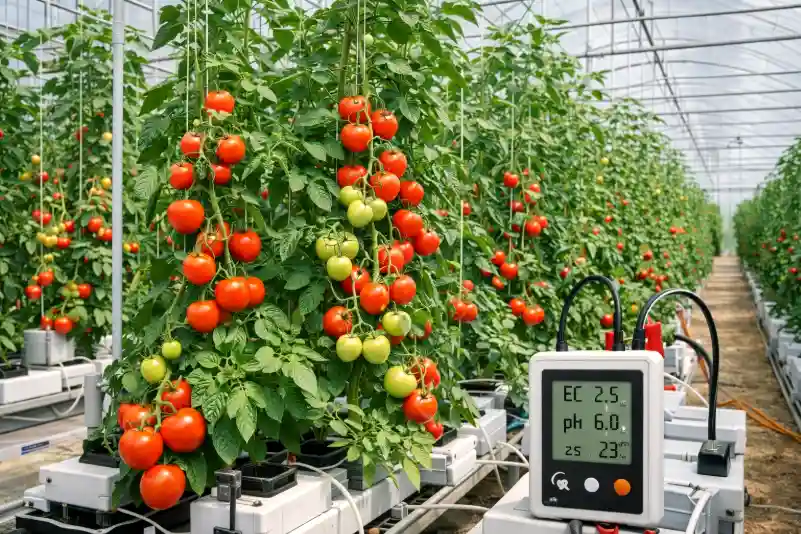
Precision tomato farming in a modern greenhouse using digital monitoring for nutrient and pH levels.

Open field tomato farming is risky due to blight and erratic rain. Greenhouse farming solves this but requires high initial capital. In 2026, the standard is the 8m by 30m greenhouse.

Why Greenhouse?

You control the environment. This means you can time your harvest to coincide with high market prices (April and December). You also extend the harvesting period to 6-8 months, compared to 1 month for open field.

Varieties

Indeterminate varieties like Anna F1 and Tylka F1 continue growing upwards and producing fruit as long as they are fed. They require trellising strings.

The Math

A standard greenhouse houses 1,000 plants. Each plant can yield 10-15kg over its life. That is 10 to 15 tonnes from a small space. At an average of KES 60/kg, revenue is KES 600,000 to KES 900,000 per season. However, construction costs are KES 300,000+, so ROI is realized from the second season onwards.

8. Dairy Goat Farming: Small Space, Premium Product
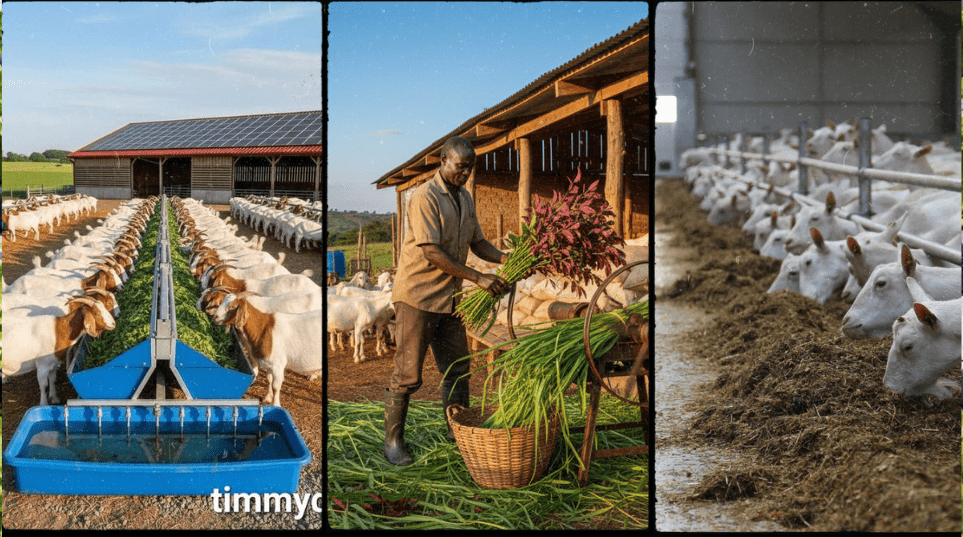
DAIRY GOAT FARMING IN KENYA: THE 2026 MASTER GUIDE TO PROFITABLE BREEDS, HOUSING, AND MILK PRODUCTION
Images of Dairy goats feeding

With land sizes shrinking, dairy cows are becoming difficult to manage for smallholders. Dairy goats are the perfect alternative. Goat milk is a niche superfood, prescribed for people with lactose intolerance and immune issues.

Breeds

Alpine and Toggenburg are the best milkers in Kenyan conditions. A good doe gives 2-4 liters of milk per day.

Market Value

Goat milk retails for KES 200 per liter, compared to KES 40-50 for cow milk.
Feeding: Goats consume much less than cows and eat a wider variety of fodder, including shrubs.
Breeding: Goats twin often. Selling weaned kids (young goats) is a massive secondary income stream. A purebred kid sells for KES 10,000 to KES 15,000.

9. Mushroom Farming: The Urban Farming Champion
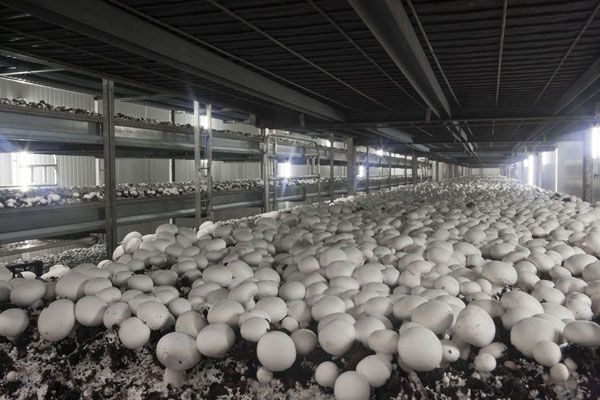
Mushroom Farming
Mushroom Farming

You do not need a single acre of land for this. You can grow mushrooms in a garage, a mud house, or a specialized structure. It is the ultimate vertical farming venture.

Types to Grow

Oyster Mushrooms: Easiest for beginners. They grow on wheat straw, bean trash, or sugarcane bagasse. Harvest starts in 4 weeks.
Button Mushrooms: High demand but require complex compost and casing soil. Technically demanding.

ROI

A 10ft by 10ft room can hold 400 bags. Each bag produces 2kg of mushrooms over its cycle. Total 800kg. Wholesale price is KES 400/kg. Revenue: KES 320,000. Costs are low (spawn and substrate), usually around KES 50,000.

10. Colored Capsicum Farming: The Salad Luxury
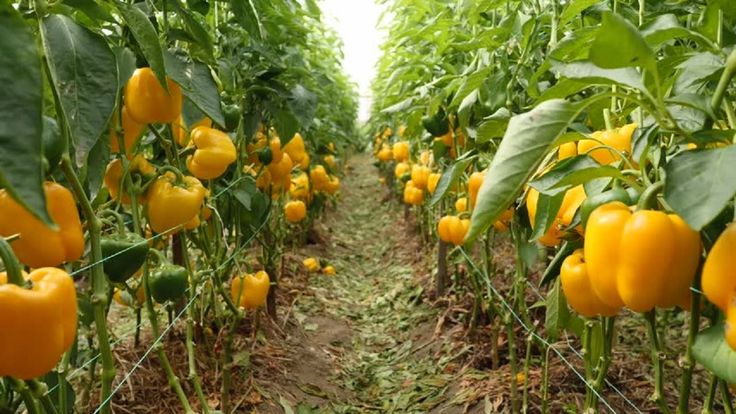
Colored Capsicum Farming

Walk into any supermarket and look at the price of Yellow and Red Capsicums. They are sold per piece or per weight at premium rates. Unlike green capsicums, the colored varieties are almost exclusively grown in greenhouses to protect them from pests and sunscald.

Demand

The hospitality industry (hotels, burger joints, pizza places) and the growing middle class drive demand. The price is stable, rarely dropping below KES 100 per kg.

Yields

Similar to tomatoes, indeterminate varieties yield for months. A well-managed greenhouse crop yields 5-8kg per plant. With 1,000 plants, that is 5-8 tonnes. At KES 120/kg average, the returns are solid.

Step-by-Step: How to Analyze ROI Before Planting

Most farmers fail because they plant first and calculate later. Follow this strict process to ensure profitability.

Phase 1: Market Research

Visit the wholesale markets (Marikiti, Wakulima) at 4:00 AM. Observe what is moving fast and what is rotting. Talk to the brokers. Ask them what will be in demand in 3 months.

Phase 2: Soil Testing

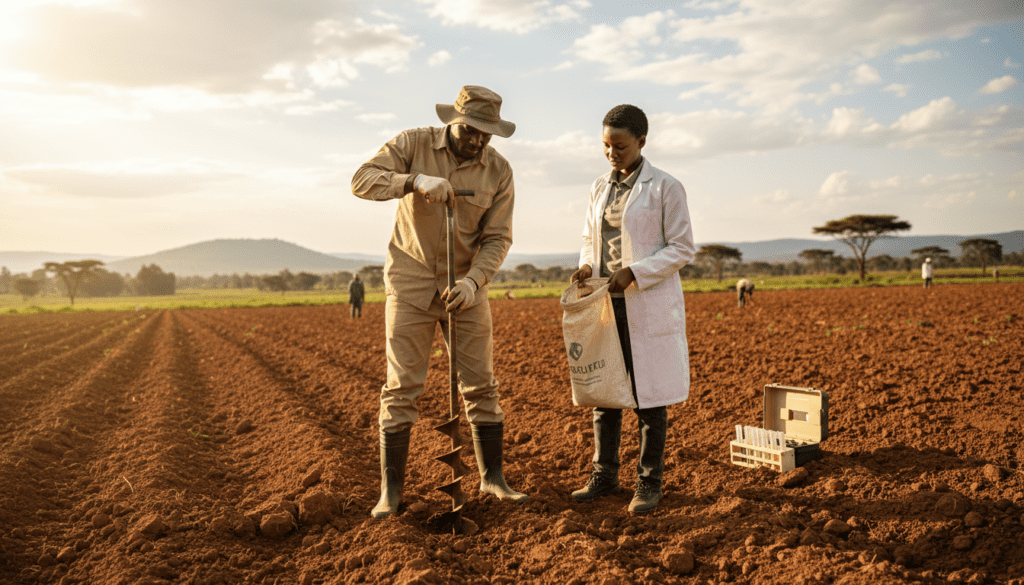
Never skip this. Take soil samples to KALRO or CropNuts. It costs roughly KES 2,500. It will save you thousands in wasted fertilizer. If your soil pH is acidic, your expensive DAP fertilizer will be locked up and unavailable to the plants.

Phase 3: Budgeting

Create a budget that includes a 20% contingency fund. Factor in labor, water pumping costs, and post-harvest transport. If the paper math doesn’t show at least a 40% profit margin, do not plant.

Comparative ROI Analysis Table (2026 Estimates)

The table below provides a quick comparison to help you choose the right venture for your capital and timeline.

VentureTime to First HarvestEst. Startup Cost (1 Acre/Unit)Est. Net Profit (Per Season/Year)Risk Level
Hass Avocado3 YearsKES 100,000KES 500,000+ (Year 5)Low
Bulb Onions3-4 MonthsKES 150,000KES 400,000Medium
Watermelon3 MonthsKES 100,000KES 600,000High
Dragon Fruit12-18 MonthsKES 500,000KES 2,000,000+Medium
Mushrooms (Small scale)2 MonthsKES 50,000KES 150,000+Medium
Dairy Goats (5 Does)Immediate (if lactating)KES 100,000KES 300,000 (Yearly)Low

Conclusion: Take Action Today

The 2026 farming season is full of promise, but it rewards only the prepared. You now have the data, the costs, and the varieties. Do not let “analysis paralysis” stop you. Start small if you must, but start with high standards.

Your Next Step: Choose one venture from this list that matches your climate and budget. Call a soil testing service tomorrow. Your journey to agricultural wealth begins with that single phone call. Plant with precision, harvest with pride.

People Also Ask (FAQ)

Which farming is most profitable in Kenya for beginners?

For absolute beginners, Bulb Onions or Improved Kienyeji Chicken are the safest bets. Onions have a clear market and are non-perishable for a few weeks, allowing you to find a buyer. Chickens require low capital and can be scaled up as you gain experience.

How much money do I need to start farming in Kenya?

You can start with as little as KES 20,000 for a small sack-farming vegetable project or indigenous chicken setup. However, for a commercial one-acre venture like watermelons or onions, you need a minimum operating capital of KES 100,000 to KES 150,000 to cover inputs and labor.

What is the most expensive crop to grow in Kenya?

Greenhouse crops (Tomatoes/Capsicum) and Dragon Fruit have the highest startup costs. A standard greenhouse costs over KES 300,000 to construct properly, and Dragon Fruit requires expensive posts and irrigation infrastructure. However, they also offer the highest returns per square meter.

Is farming tax-free in Kenya?

Generally, raw agricultural produce sold by farmers is exempt from VAT. However, if you process your goods (e.g., making yoghurt from milk or packing juices), you may become liable for taxes.

Where can I buy certified seeds in Kenya?

You shou purchase seeds from KALRO centers or certified stockists like Kenya Seed Company, Simlaw Seeds, or Amiran Kenya. Avoid buying seeds from open-air markets as they may be fake or have low germination rates, leading to total crop failure.
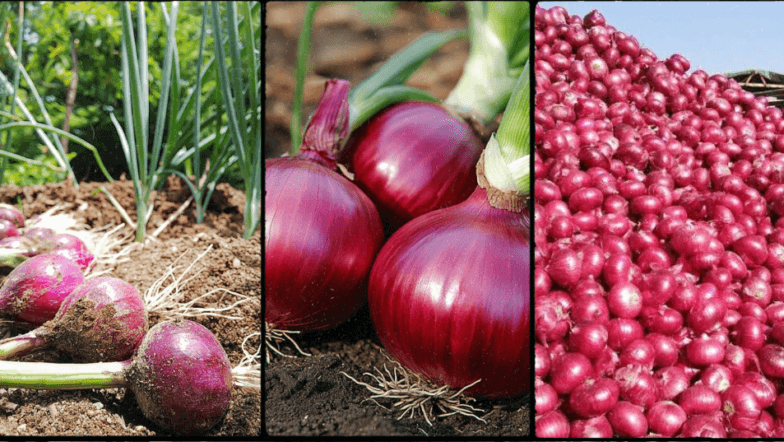
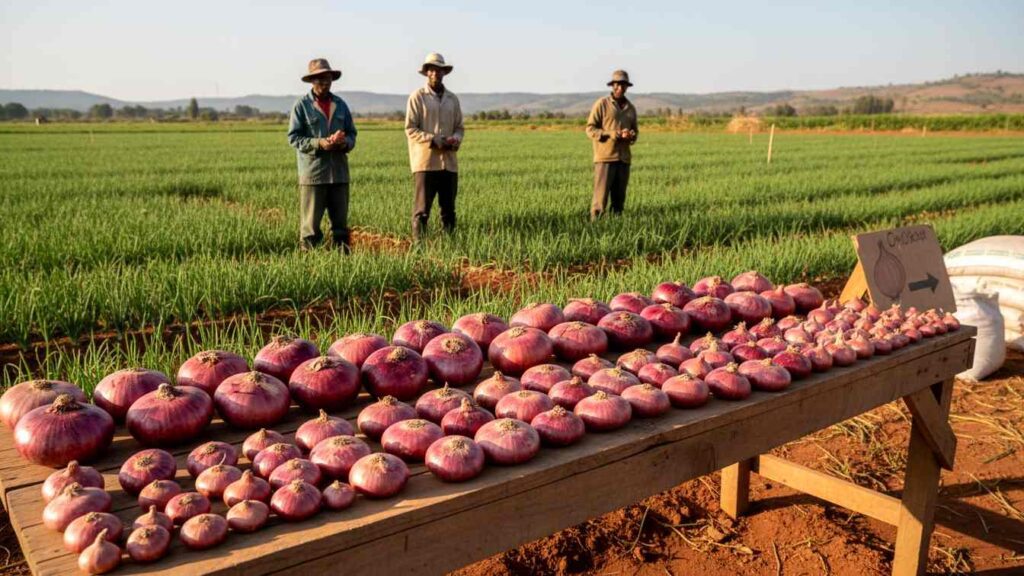
How to Start Bulb Onion Farming in Kenya: Complete 2026 Guide, Costs & Profit Per Acre

How to Start Bulb Onion Farming in Kenya: Complete 2026 Guide, Costs & Profit Per Acre

Bulb onion farming is one of the most lucrative agribusiness ventures in Kenya today. The demand for onions in major cities like Nairobi, Mombasa, and Kisumu remains consistently high throughout the year. Despite this demand, Kenya still imports a significant percentage of its onions from neighboring Tanzania to meet local consumption needs. This gap in supply presents a massive opportunity for local farmers to step in and make substantial profits.

Bulb Onion Farming in Kenya
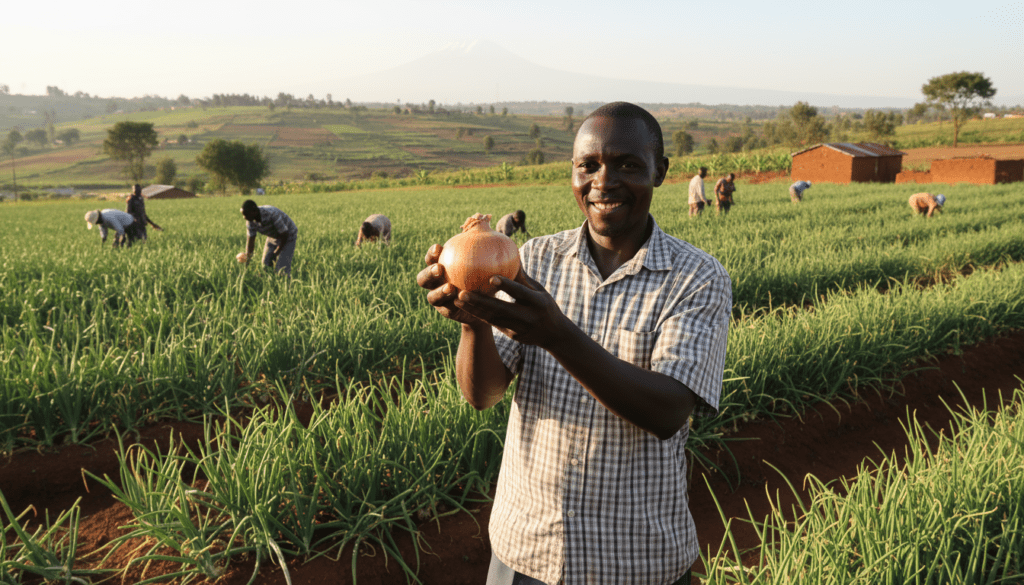
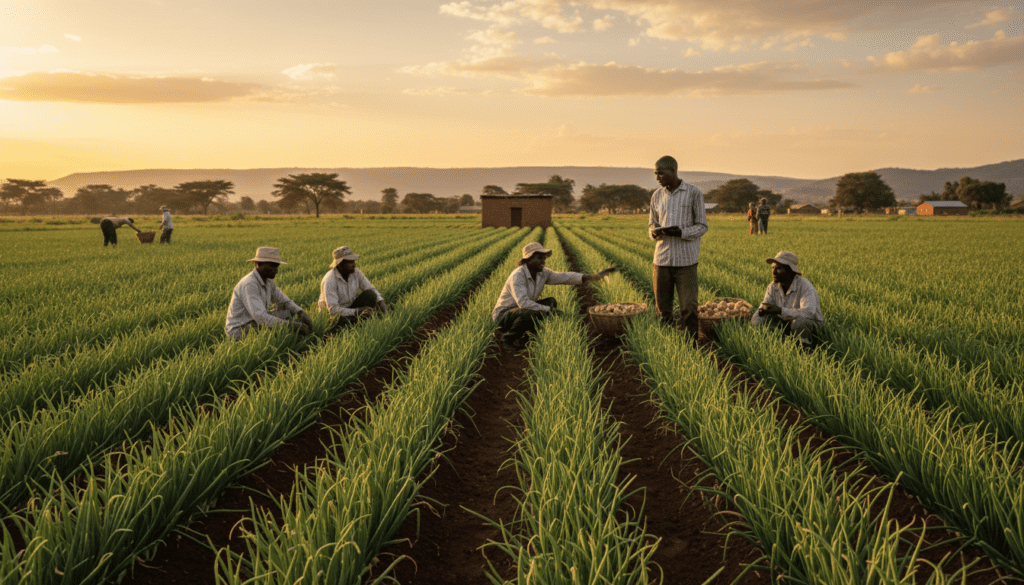
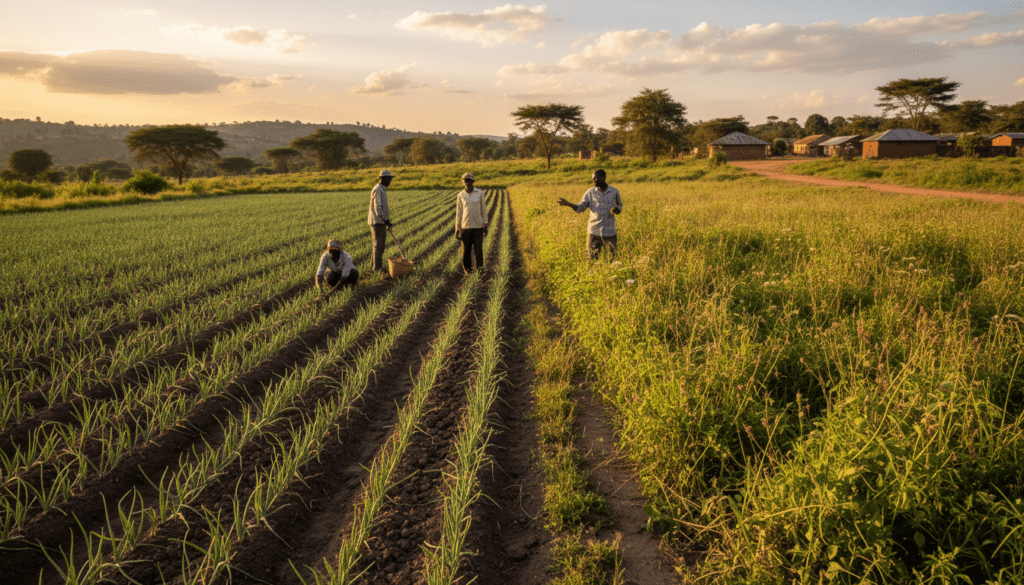
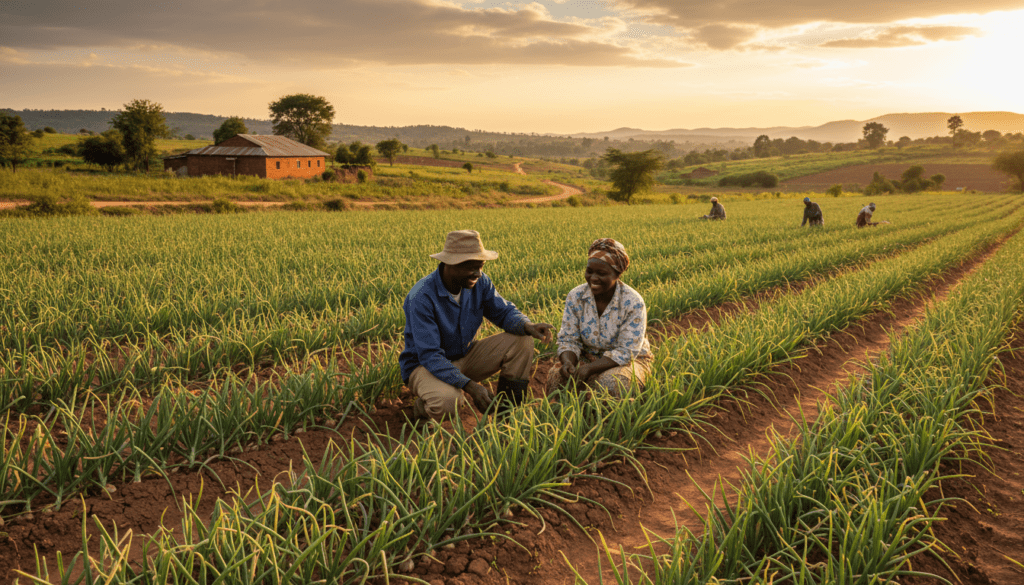
 Successful bulb onion farming field in Kenya with a farmer inspecting the crop.

The journey to successful onion farming requires more than just planting seeds in the ground. It demands a clear understanding of ecological requirements, proper variety selection, and strict adherence to crop management practices. Farmers who ignore the technical aspects often face lower yields or poor bulb quality that the market rejects. This guide provides a comprehensive roadmap for beginners looking to start commercial onion farming in 2026.

image 31
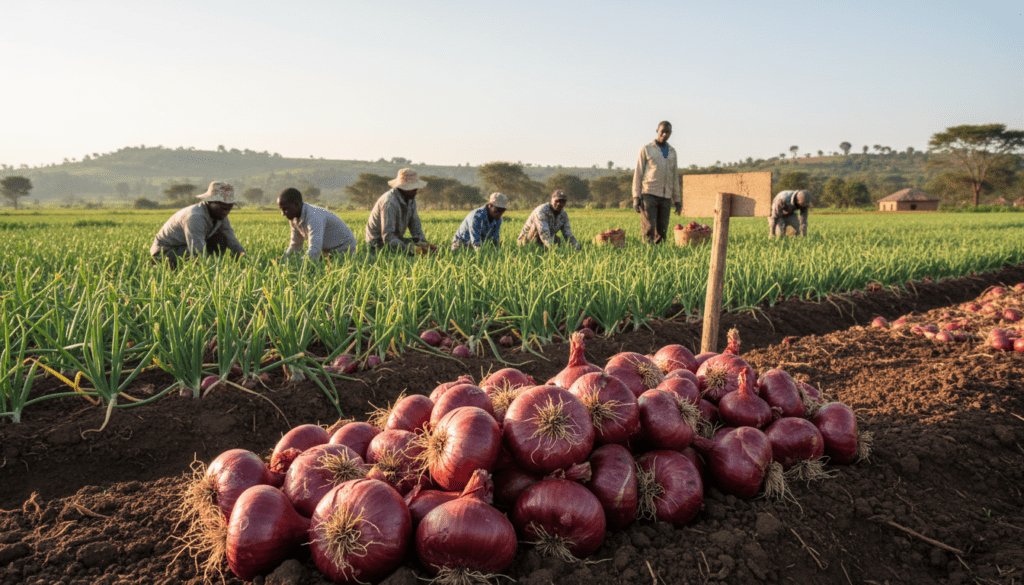
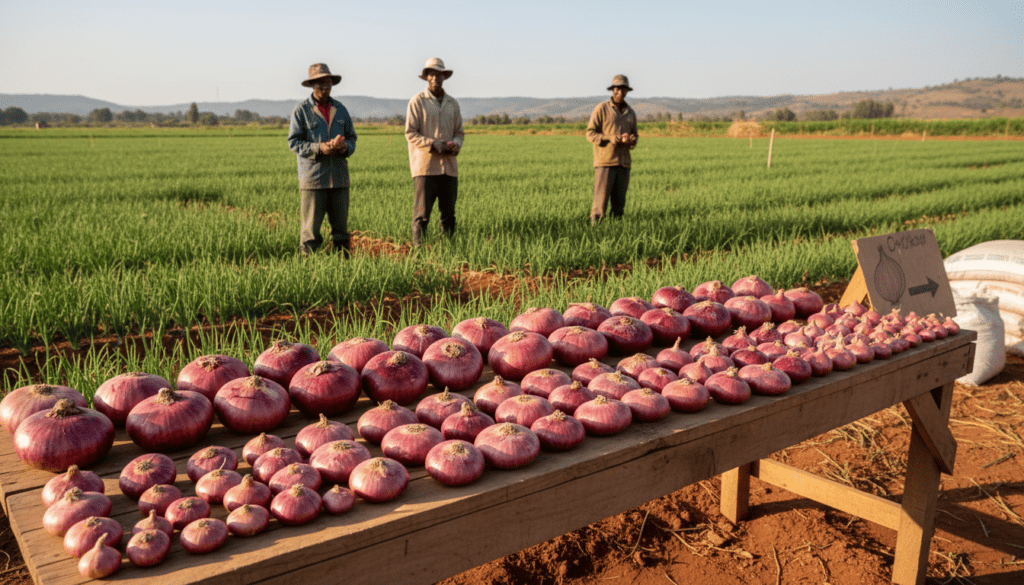
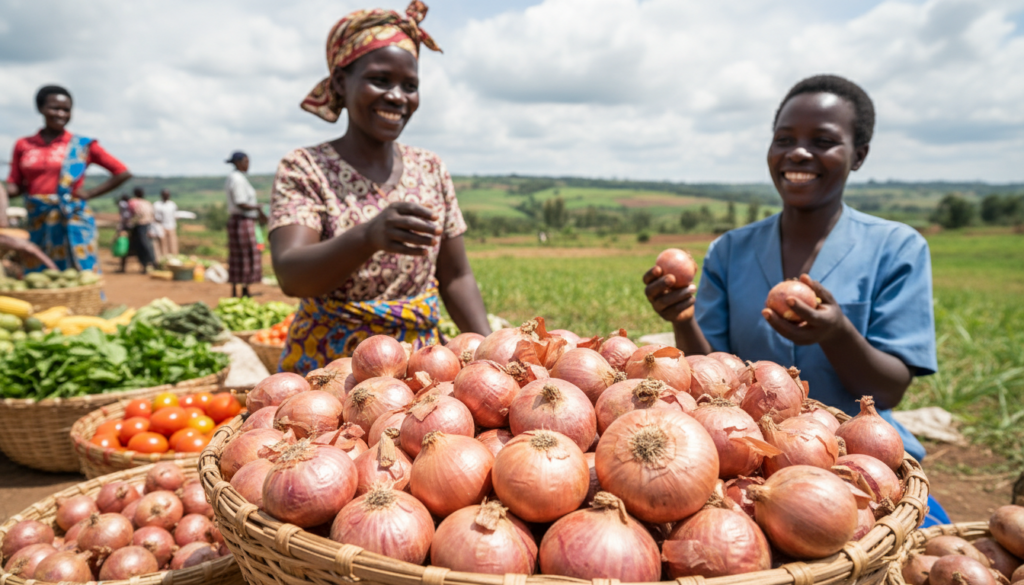
High-quality red bulb onions harvested from a Kenyan farm.

We will cover everything from soil preparation and nursery management to pest control and post-harvest curing. You will also find a detailed financial breakdown of the costs involved per acre and the expected profit margins. By following these expert steps, you can transform a single acre of land into a highly profitable business asset.

How to Start Bulb Onion Farming in Kenya: Complete 2026 Guide, Costs & Profit Per Acre
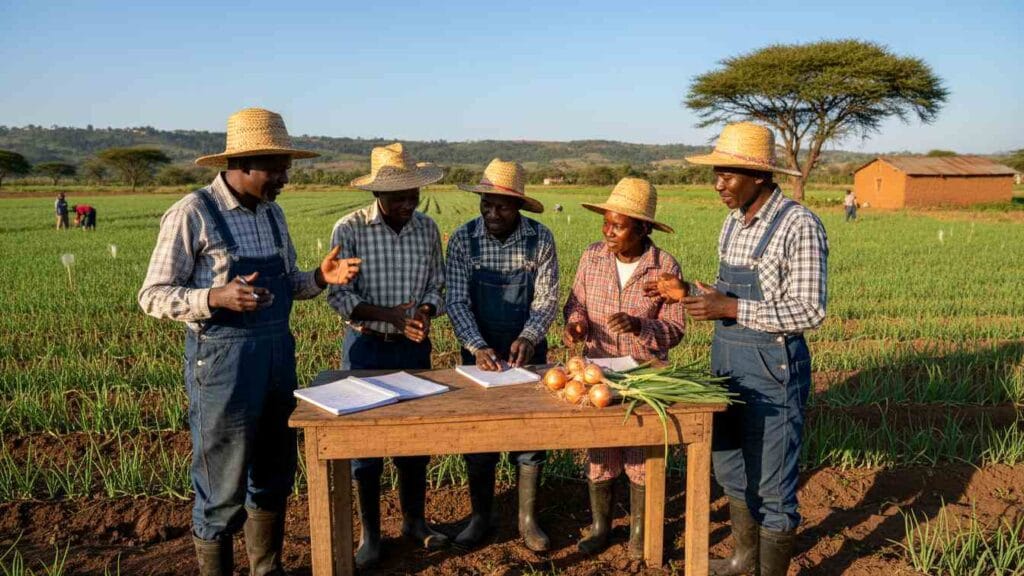
Kenyan farmers planning their onion production season.

Ecological Requirements for Onion Farming in Kenya

Onions are distinct from many other vegetable crops because they react heavily to day length and temperature. In Kenya, we mostly grow short-day varieties that are adapted to our 12-hour daylight cycle. Planting the wrong variety in the wrong climate will result in onions that produce plenty of leaves but fail to form bulbs.
How to Start Bulb Onion Farming in Kenya: Complete 2026 Guide, Costs & Profit Per Acre
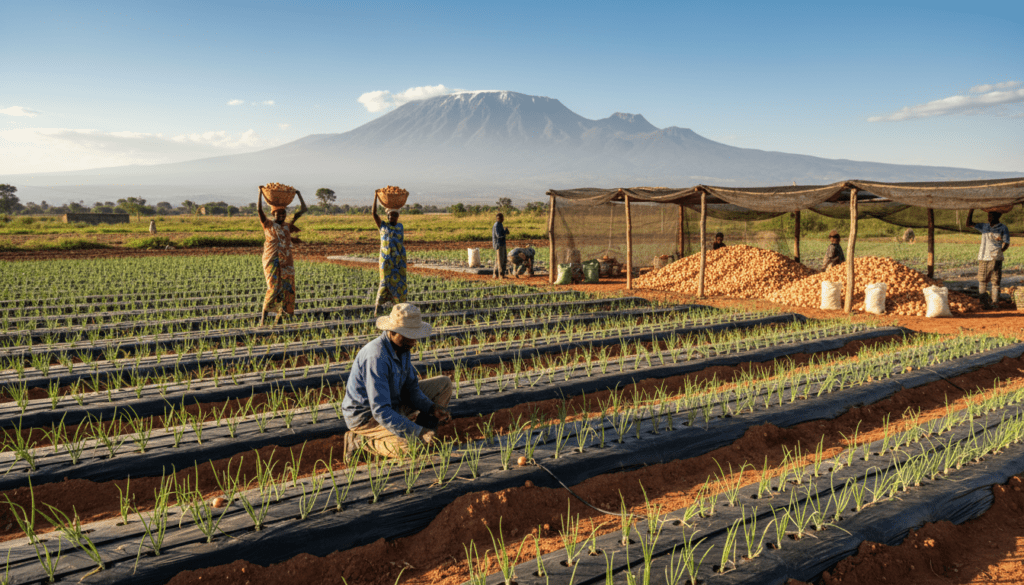
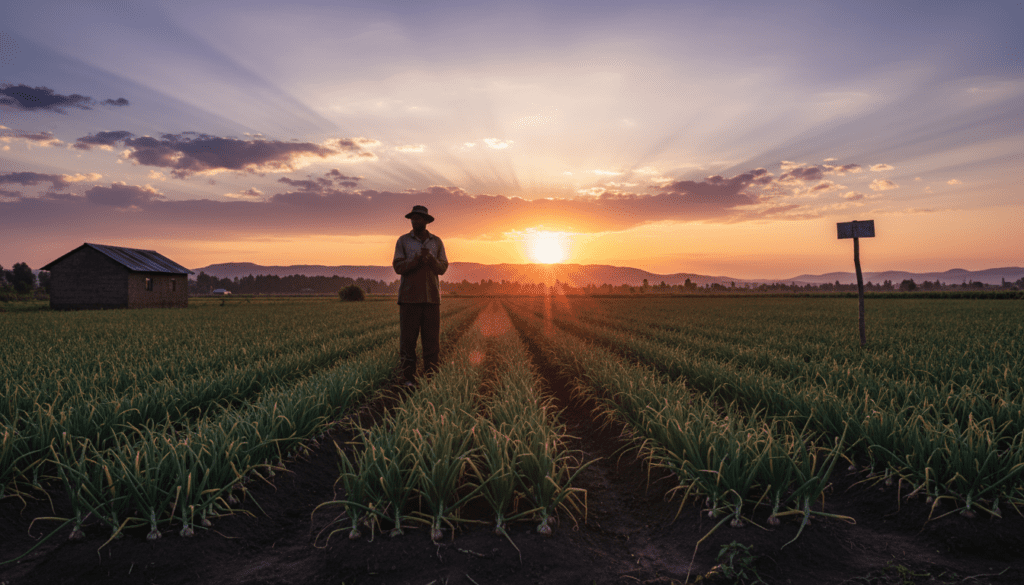
Ideal semi-arid landscape for onion farming in Kenya with irrigation systems.

Altitude and Temperature

Onions perform best in altitudes between 500m and 2,000m above sea level. This covers many agricultural zones in Kenya, including Oloitoktok, Naivasha, Rumuruti, and parts of Meru. The ideal temperature range for bulb formation is between 15 degrees Celsius and 30 degrees Celsius. Hot weather contributes to better curing and lower disease incidence, which is why dry areas with irrigation are preferred over cold, misty highland regions.

How to Start Bulb Onion Farming in Kenya: Complete 2026 Guide, Costs & Profit Per Acre
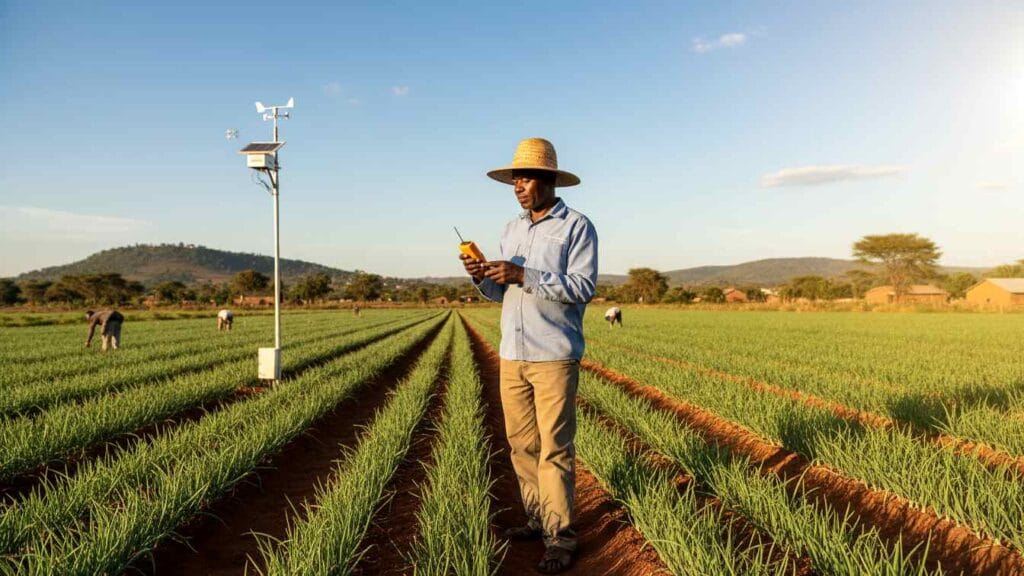
Farmer monitoring temperature conditions for optimal onion growth.

Soil Characteristics

The soil is the foundation of your onion crop. Onions have a shallow root system and require loose, friable soil to expand their bulbs without resistance. Heavy clay soils are discouraged because they restrict bulb expansion and can lead to waterlogging, which causes rot. Sandy loam soils are the gold standard for onion production.

How to Start Bulb Onion Farming in Kenya: Complete 2026 Guide, Costs & Profit Per Acre
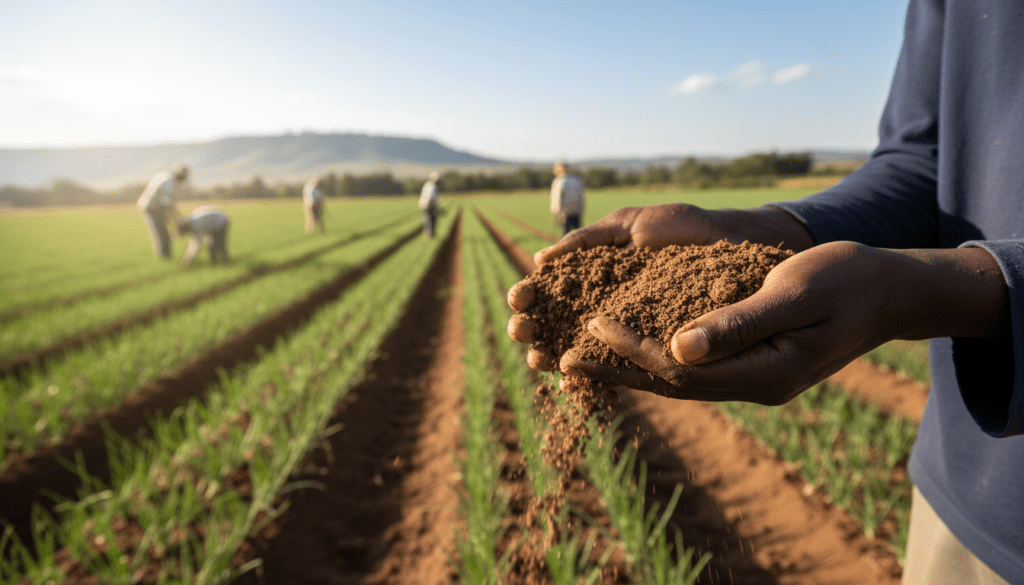
Ideal sandy loam soil texture for growing bulb onions.

Soil pH is another critical factor that is often overlooked. Onions prefer a pH range of 5.8 to 6.5. If your soil is too acidic (below pH 5.5), nutrients like phosphorous become unavailable to the plant, leading to stunted growth. It is highly recommended to take a soil sample to a KALRO center or a private lab for analysis before ploughing your land.

How to Start Bulb Onion Farming in Kenya: Complete 2026 Guide, Costs & Profit Per Acre
Soil testing process for onion farming in Kenya.

Best Onion Varieties for the Kenyan Market

The Kenyan market has a strong preference for Red Onions. While white and yellow onions exist, red onions account for over 90 percent of the market share due to their pungency and longer shelf life. When choosing a variety, you must decide between Open Pollinated Varieties (OPVs) and Hybrid (F1) varieties.

How to Start Bulb Onion Farming in Kenya: Complete 2026 Guide, Costs & Profit Per Acre
Comparison of different red onion seed varieties available in Kenya.

Jambar F1

Jambar F1 is currently one of the most popular varieties among commercial farmers. It is known for its high yield potential and large bulb size. It has a flat-globe shape and a deep red color that traders love. Jambar F1 matures in about 90 days after transplanting and has excellent storage qualities, allowing farmers to wait for better market prices.

How to Start Bulb Onion Farming in Kenya: Complete 2026 Guide, Costs & Profit Per Acre
High-yielding Jambar F1 onion variety.

Red Creole

Red Creole is a standard open-pollinated variety that has been farmed in Kenya for decades. It is pungent and has a very long shelf life. However, its yield is generally lower than F1 hybrids, and it takes slightly longer to mature. It is a good starting point for farmers with a limited budget for seeds, as the seed cost is significantly lower than hybrids.
How to Start Bulb Onion Farming in Kenya: Complete 2026 Guide, Costs & Profit Per Acre
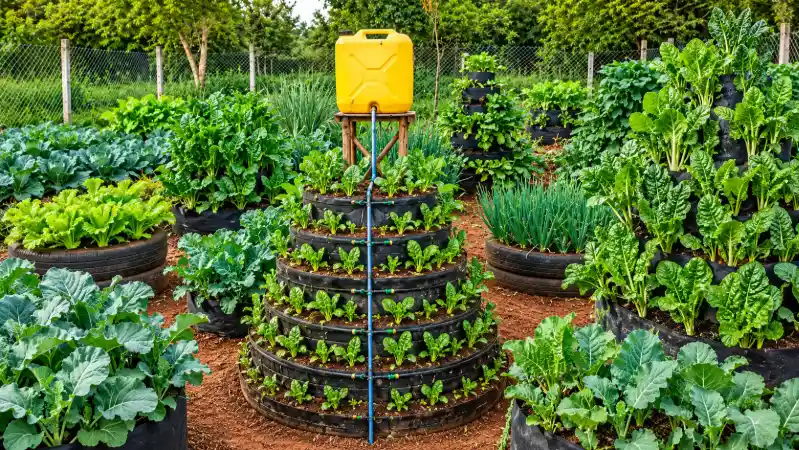
Red Creole onions displayed for sale.

Neptune F1

Neptune F1 is an early maturing hybrid that is gaining traction. It is uniform in shape and highly resistant to pink root disease. This variety is excellent for farmers targeting a specific market window where speed to market is essential. It produces consistent medium-to-large bulbs that pack well in net bags.
How to Start Bulb Onion Farming in Kenya: Complete 2026 Guide, Costs & Profit Per Acre
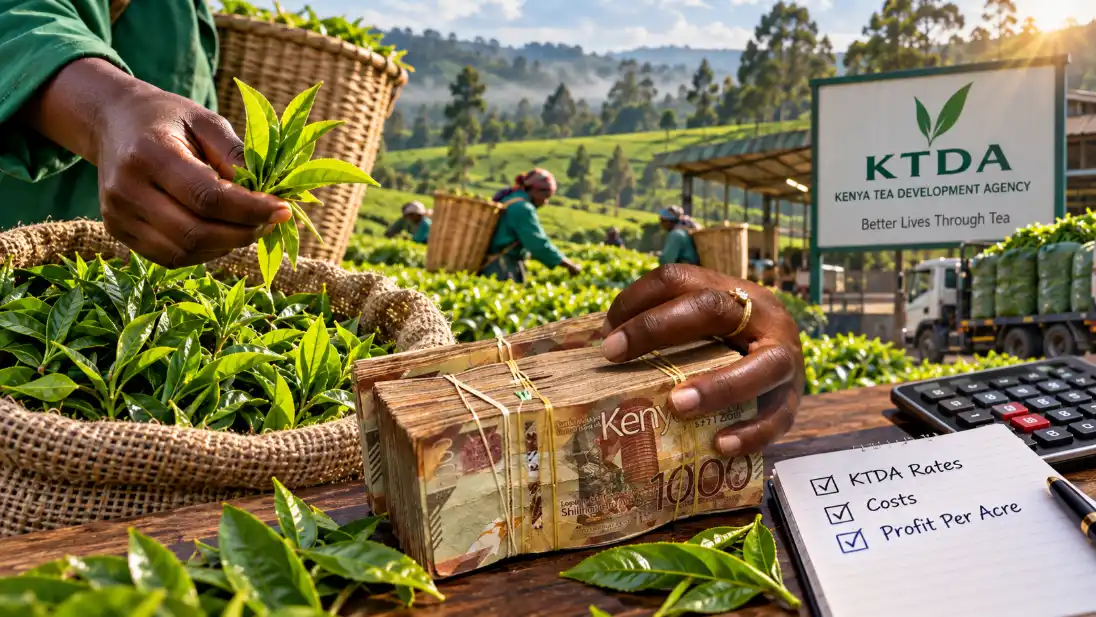
Uniform growth of Neptune F1 onion variety in a Kenyan field.

Red Pinoy F1

Red Pinoy is another heavy yielder with a strong deep red color. It is well adapted to East African conditions and shows good tolerance to downy mildew, which is a major challenge in cooler or wetter areas. The bulbs are globe-shaped and have a high market demand in Nairobi.

How to Start Bulb Onion Farming in Kenya: Complete 2026 Guide, Costs & Profit Per Acre
Packing Red Pinoy onions for the Nairobi market.

Nursery Management: The Foundation of Success

You should never plant onion seeds directly into the main field. They are too small and weak to compete with weeds or survive erratic watering. You must establish a nursery to raise healthy seedlings for the first 6 to 8 weeks. The success of your crop is 50 percent determined by the quality of your seedlings.

How to Start Bulb Onion Farming in Kenya: Complete 2026 Guide, Costs & Profit Per Acre
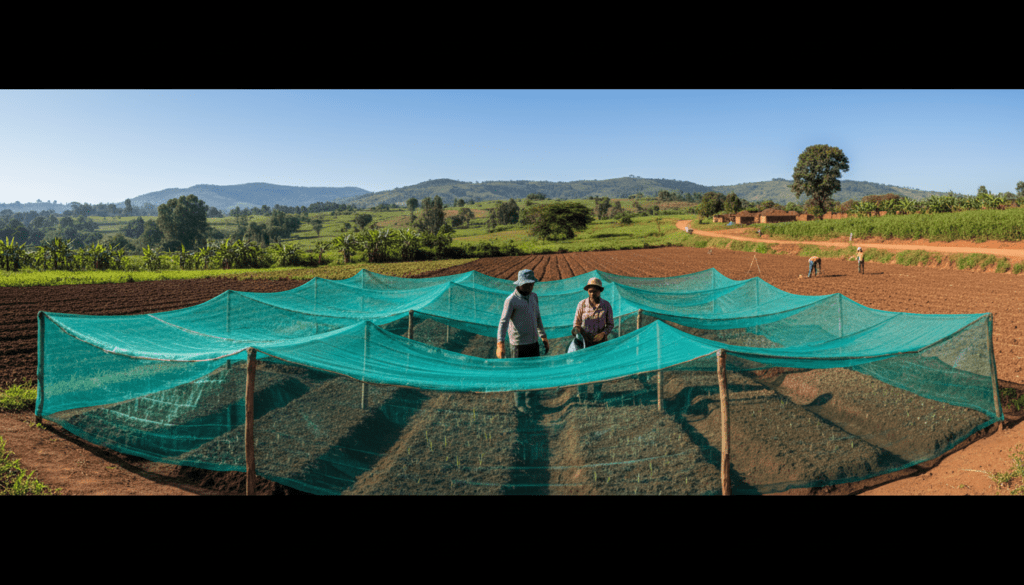
Professional onion nursery setup with shade nets.

Preparing the Nursery Bed

Select a site that has not grown onions or garlic for at least three years to avoid soil-borne diseases. Dig the soil deeply and break all clods until you have a fine tilth. Make raised beds that are 1 meter wide and of any convenient length. Raising the beds prevents waterlogging during heavy rains. Incorporate well-decomposed manure and a phosphate fertilizer like DAP into the topsoil.

How to Start Bulb Onion Farming in Kenya: Complete 2026 Guide, Costs & Profit Per Acre
 Preparing a fine soil tilth for onion seeds.

Sowing the Seeds

Create shallow drills (furrows) running across the bed, spaced 15cm apart. Sowing in rows makes weeding and management much easier than broadcasting seeds. Drop the seeds thinly along the drills and cover lightly with soil. Mulch the bed with dry grass to retain moisture and water immediately.

How to Start Bulb Onion Farming in Kenya: Complete 2026 Guide, Costs & Profit Per Acre
Sowing onion seeds in rows in a nursery bed.

Management and Hardening Off

Water the nursery twice daily until germination, which takes 7 to 10 days. Once the seedlings emerge, remove the dry grass mulch to prevent them from becoming spindly. As the transplanting date approaches (around week 6), reduce the watering frequency. This process, known as hardening off, toughens the seedlings and prepares them for the harsh conditions of the open field.

How to Start Bulb Onion Farming in Kenya: Complete 2026 Guide, Costs & Profit Per Acre
Healthy onion seedlings growing in a nursery.

Land Preparation and Transplanting

While your seedlings are growing in the nursery, you must prepare the main field. Onions require a very fine seedbed. Plough the land deep and harrow it using a tractor or hand tools to break all large lumps of soil. If the soil is clumpy, the bulbs will be deformed, reducing their market value.

How to Start Bulb Onion Farming in Kenya: Complete 2026 Guide, Costs & Profit Per Acre
Tractor preparing land for onion farming.

Drip Irrigation Installation

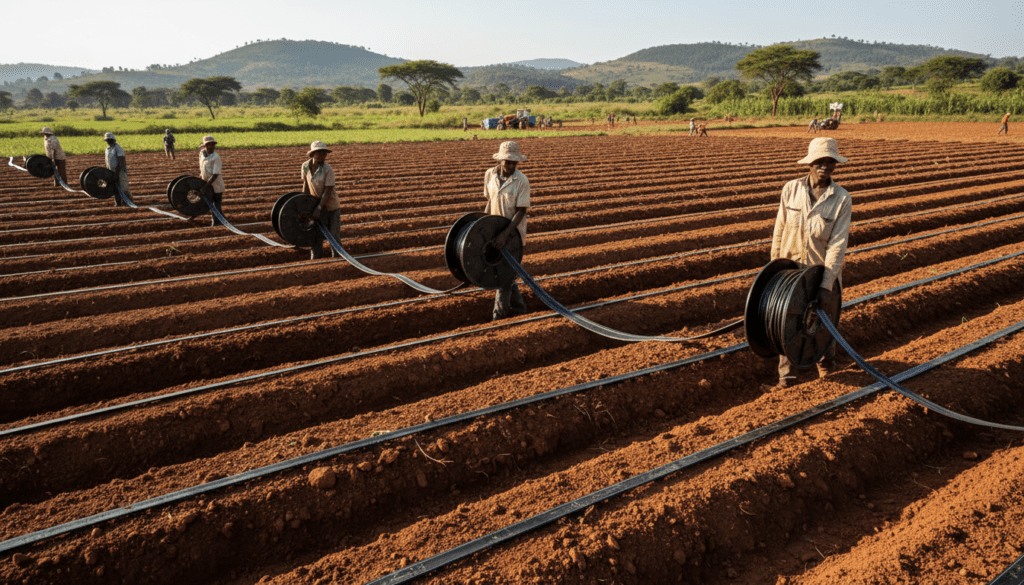
For commercial success, drip irrigation is highly recommended. It saves water, reduces fungal diseases by keeping the leaves dry, and allows for fertigation (applying fertilizer through water). Lay out your drip lines on raised beds. The standard bed width is 1 meter, with 3 drip lines per bed.

How to Start Bulb Onion Farming in Kenya: Complete 2026 Guide, Costs & Profit Per Acre
Installing drip irrigation for efficient onion farming.

Transplanting Procedure

Transplant when seedlings are pencil-thick, usually 6 to 8 weeks after sowing. Water the nursery heavily before pulling the seedlings to minimize root damage. It is a common practice to trim the roots slightly and cut off 20 percent of the green tops. This reduces transpiration shock and helps the seedling establish faster.

Spacing

Proper spacing is vital for bulb size. If you plant too closely, you will get small onions. If you plant too far apart, you waste land. The recommended spacing is 8cm to 10cm between plants and 20cm to 30cm between rows. This population density targets roughly 250,000 to 300,000 plants per acre.

How to Start Bulb Onion Farming in Kenya: Complete 2026 Guide, Costs & Profit Per Acre
Correct spacing for onion plants to ensure large bulb size.

Field Management and Fertilizer Program

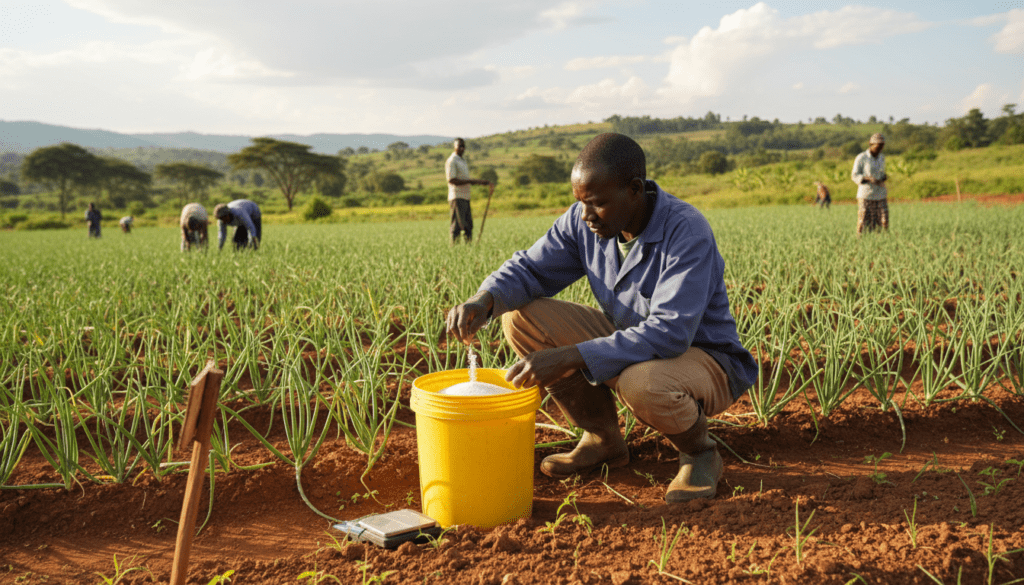
Feeding your crop correctly is the difference between a 5-ton harvest and a 20-ton harvest. Onions are heavy feeders. You must follow a strict nutrition program that provides Nitrogen, Phosphorous, and Potassium at the right stages.

How to Start Bulb Onion Farming in Kenya: Complete 2026 Guide, Costs & Profit Per Acre
Measuring fertilizer for accurate onion crop nutrition.

Basal Application

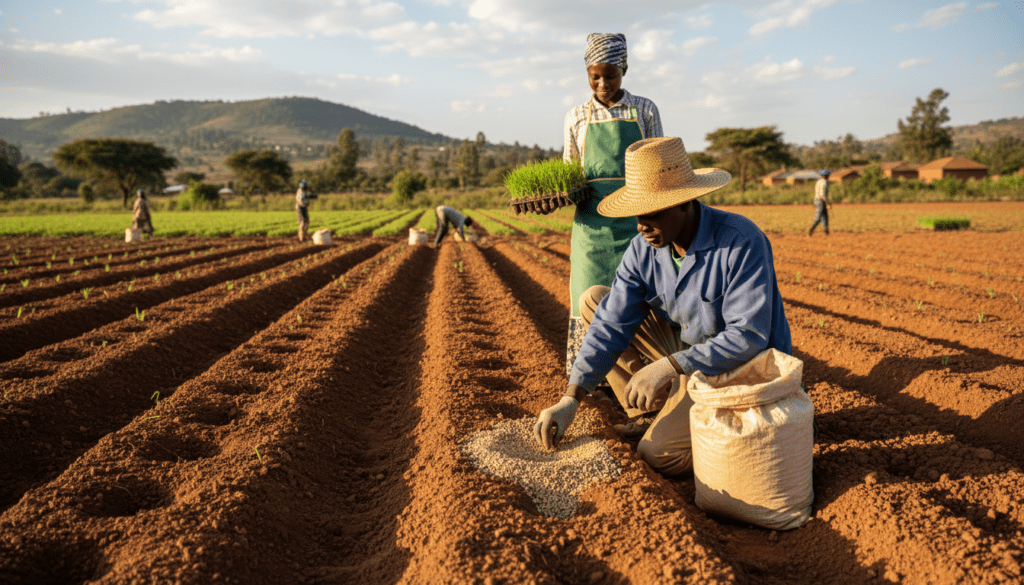
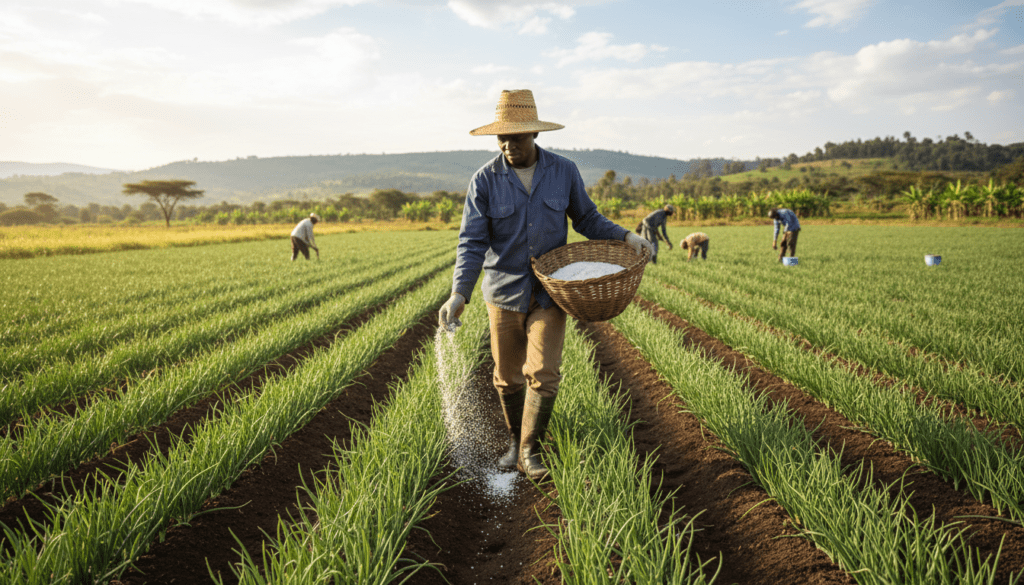
During transplanting, apply DAP (Diammonium Phosphate) or a balanced planting fertilizer. Phosphorous is essential for root development. Without a strong root system, the plant cannot support a large bulb later in the season.

How to Start Bulb Onion Farming in Kenya: Complete 2026 Guide, Costs & Profit Per Acre
Applying DAP fertilizer during onion transplanting.

Top Dressing

The first top dressing should be done 3 to 4 weeks after transplanting. Use CAN (Calcium Ammonium Nitrate) to boost vegetative growth. You need strong, healthy leaves because each leaf ring corresponds to a layer in the onion bulb.

How to Start Bulb Onion Farming in Kenya: Complete 2026 Guide, Costs & Profit Per Acre
Top dressing onion plants with nitrogen fertilizer.

The second top dressing is done at the onset of bulbing, usually 6 to 7 weeks after transplanting. Here, you should switch to an NPK fertilizer rich in Potassium, such as NPK 17:17:17 or a specialized onion booster. Potassium is the element responsible for transporting sugars from the leaves to the bulb, increasing its size and weight.

How to Start Bulb Onion Farming in Kenya: Complete 2026 Guide, Costs & Profit Per Acre
Healthy onion crop at the vegetative stage.

Weed Control

Onions are very poor competitors against weeds due to their upright, slender leaves which do not shade the ground. Weeds will steal nutrients and harbor pests like thrips. You can weed manually or use selective herbicides. Oxyfluorfen (often sold as Goal) is a common pre-emergent herbicide used to control broadleaf weeds in onion fields.

How to Start Bulb Onion Farming in Kenya: Complete 2026 Guide, Costs & Profit Per Acre
Weed-free onion field for maximum yield.

Pest and Disease Control

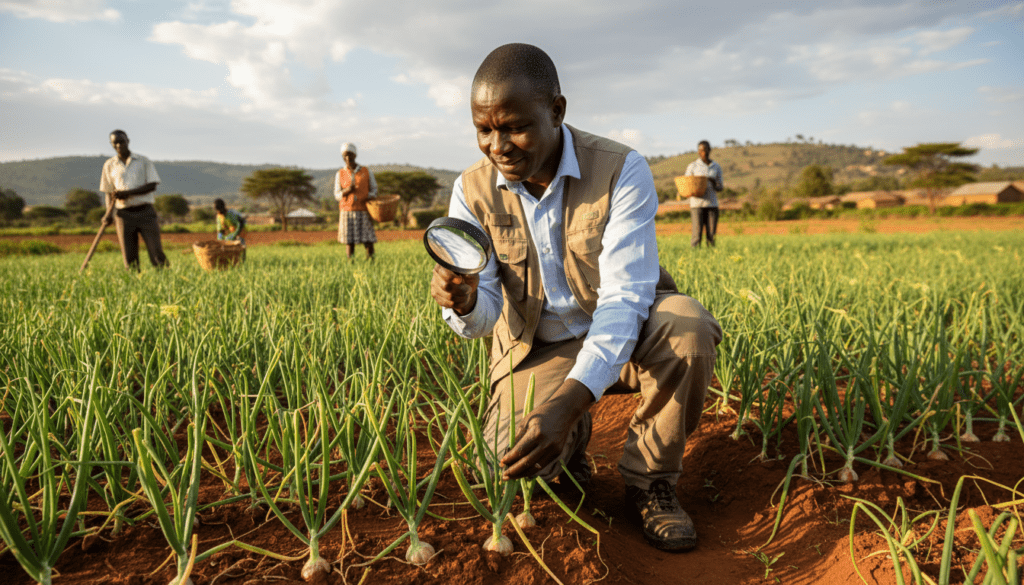
The biggest challenge in Kenyan onion farming is pest and disease management. Scouting your field daily is mandatory. If you wait until you see severe damage, it is often too late to save the crop.

image 44
Scouting for pests and diseases in an onion crop.

Thrips (The Number One Enemy)

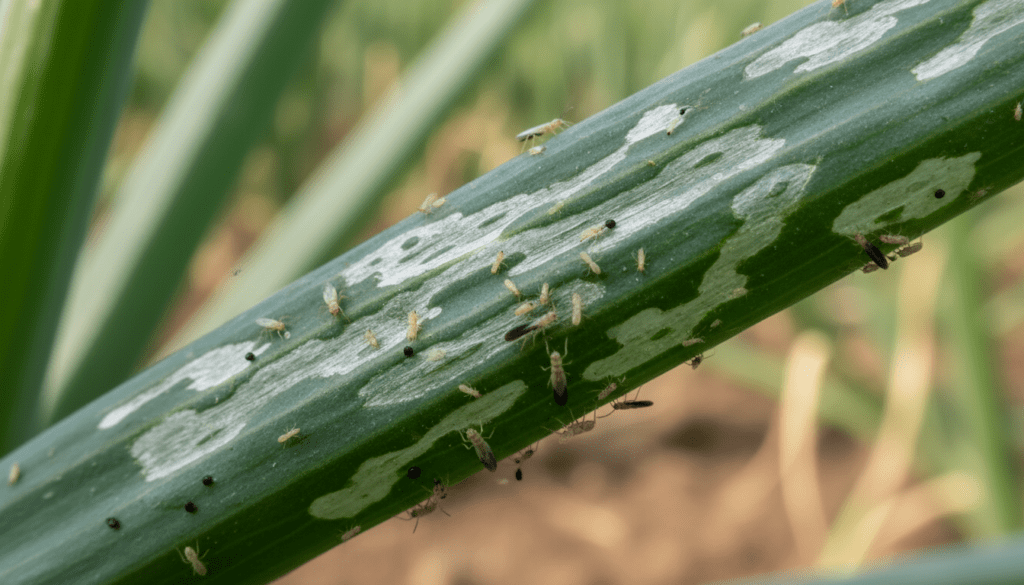
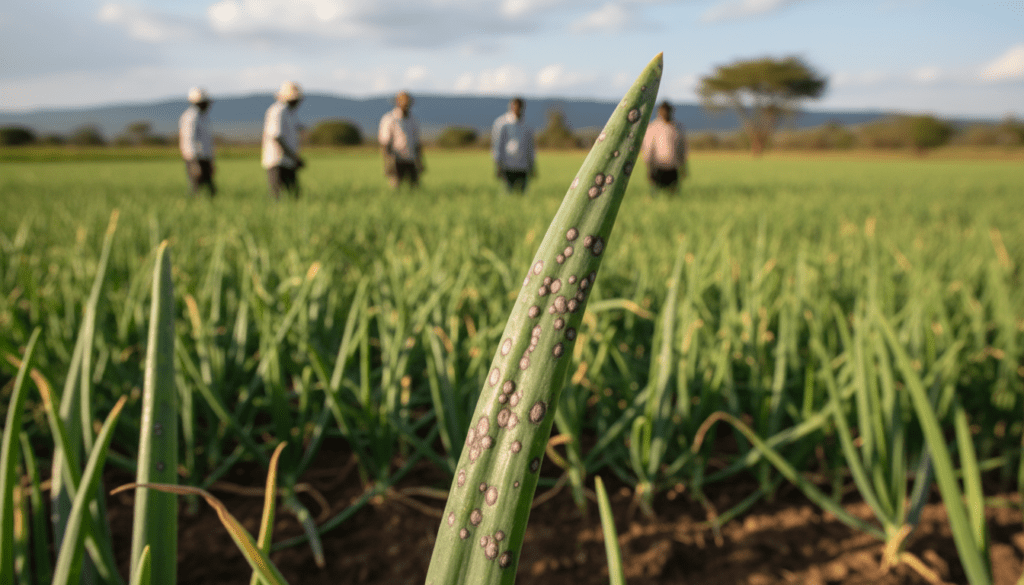
Thrips are tiny insects that hide deep in the leaf axils. They rasp the leaves and suck the sap, causing silvery patches. Severe infestation causes the leaves to dry up and reduces bulb size. To control thrips, use insecticides with active ingredients like Acetamiprid, Imidacloprid, or Spinetoram. Always alternate your chemicals to prevent resistance.

How to Start Bulb Onion Farming in Kenya: Complete 2026 Guide, Costs & Profit Per Acre
Thrip damage on onion leaves.

Downy Mildew

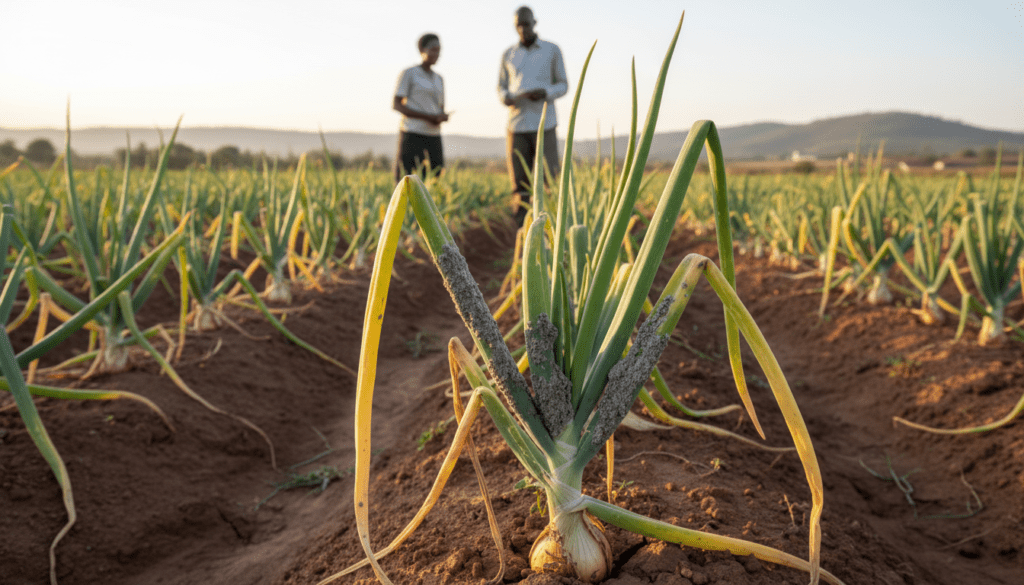
This is a fungal disease that thrives in cold, wet conditions. It appears as a violet-grey fuzzy growth on the leaves. It can destroy a crop in days. Preventive sprays with Mancozeb are good, but for curative action, use Metalaxyl-based fungicides.

How to Start Bulb Onion Farming in Kenya: Complete 2026 Guide, Costs & Profit Per Acre
Downy mildew symptoms on onion plants.

Purple Blotch

This fungus causes purple lesions with yellow halos on the leaves. It usually attacks older leaves first. Good field hygiene and crop rotation are the best preventative measures. Azoxystrobin-based fungicides are effective for control.

How to Start Bulb Onion Farming in Kenya: Complete 2026 Guide, Costs & Profit Per Acre
Purple blotch disease on onion foliage.

Harvesting and Curing

Harvesting is not just about pulling the crop; it is about timing. You should stop watering the onions 2 to 3 weeks before the expected harvest date. This helps the bulbs dry out and prevents rotting during storage.

How to Start Bulb Onion Farming in Kenya: Complete 2026 Guide, Costs & Profit Per Acre
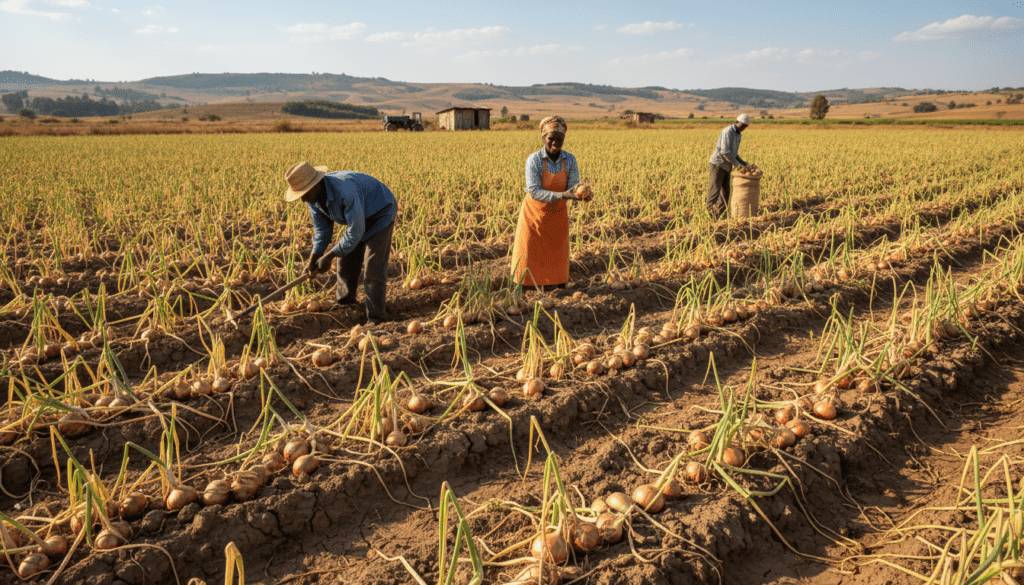
Onion field ready for harvest with fallen tops.

Signs of Maturity

The crop is ready for harvesting when 75 percent of the tops have fallen over (neck fall) and the leaves have started to yellow. Do not wait for all the leaves to dry completely, as the bulbs might start regrowing roots if there is moisture in the soil.

How to Start Bulb Onion Farming in Kenya: Complete 2026 Guide, Costs & Profit Per Acre
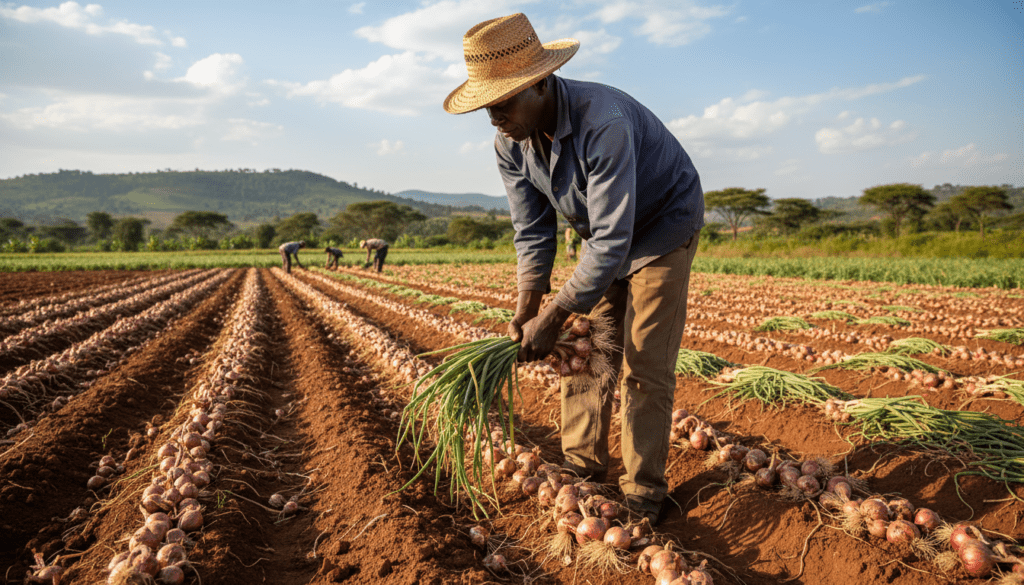
Harvesting mature onions in a Kenyan farm.

Curing (Drying)

Curing is the process of drying the outer skin and the neck of the onion to seal it against bacteria. You can cure onions in the field if the weather is hot and dry by arranging them in windrows, covering the bulbs with the leaves of the next row to prevent sunscald. Alternatively, move them to a well-ventilated shed. Proper curing takes 1 to 2 weeks and is crucial for long shelf life.

How to Start Bulb Onion Farming in Kenya: Complete 2026 Guide, Costs & Profit Per Acre
Curing onions in the field to improve shelf life.

Cost of Production Per Acre (2026 Estimates)

Farming is a business, and you must know your numbers. Below is a detailed cost breakdown for one acre of bulb onions in Kenya. Note that these are estimates and costs can vary based on location and labour availability.

ItemDescriptionCost (KES)
:—:—:—
Land PreparationPloughing, Harrowing, Bed making15,000
SeedsHigh quality F1 Hybrid seeds (e.g., 1kg)25,000
Nursery ManagementLabour, trays, media5,000
Drip Irrigation KitDepreciation cost (one season share)10,000
Transplanting LabourCasuals for planting6,000
FertilizersDAP, CAN, NPK, Foliar feeds25,000
Crop ProtectionFungicides, Insecticides, Herbicides20,000
Weeding LabourManual weeding (2-3 times)10,000
Watering/FuelPump fuel or water bill15,000
Harvesting/CuringLabour and bags15,000
MiscellaneousTransport, unexpected costs10,000
**TOTAL****156,000**
How to Start Bulb Onion Farming in Kenya: Complete 2026 Guide, Costs & Profit Per Acre
Financial planning for onion farming costs in Kenya.

Profitability Analysis

The profit potential for onions is what attracts many investors. Let us look at conservative and optimistic scenarios.

Yield Expectations

A well-managed acre of hybrid onions can yield between 15 to 20 tons (15,000kg to 20,000kg). Average management usually yields around 10 to 12 tons.

How to Start Bulb Onion Farming in Kenya: Complete 2026 Guide, Costs & Profit Per Acre
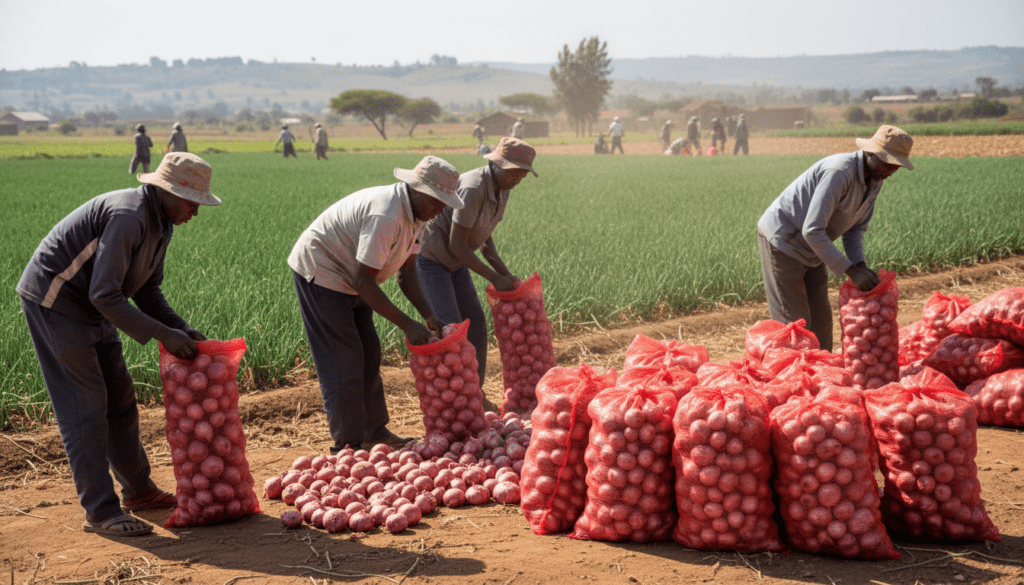
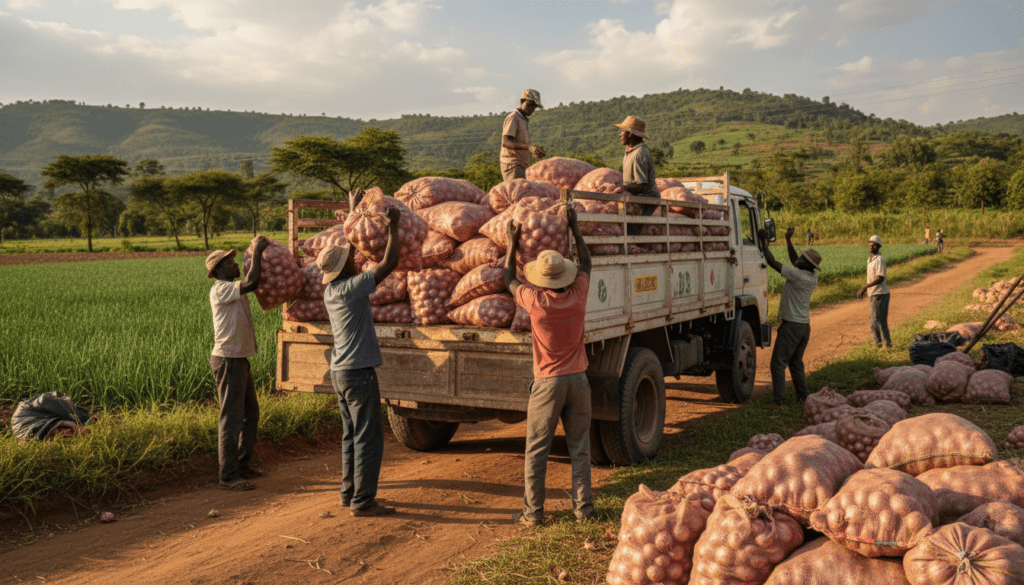
Loading harvested onions for transport to the market.

Market Prices

Market prices in Kenya fluctuate based on supply, usually ranging from KES 30 per kg (glut season) to KES 80+ per kg (scarcity). A safe average price for calculation is KES 45 per kg.

The Calculation

Target Yield: 16,000 kgAverage Farm Gate Price: KES 45 per kgGross Revenue: 16,000 x 45 = KES 720,000Total Cost of Production: KES 156,000Net Profit: 720,000 – 156,000 = KES 564,000

Even with a lower price of KES 35 and a lower yield of 12,000 kg, the revenue would be KES 420,000, leaving a net profit of over KES 260,000 in just 4 months. This represents a return on investment of over 100 percent.

image 33
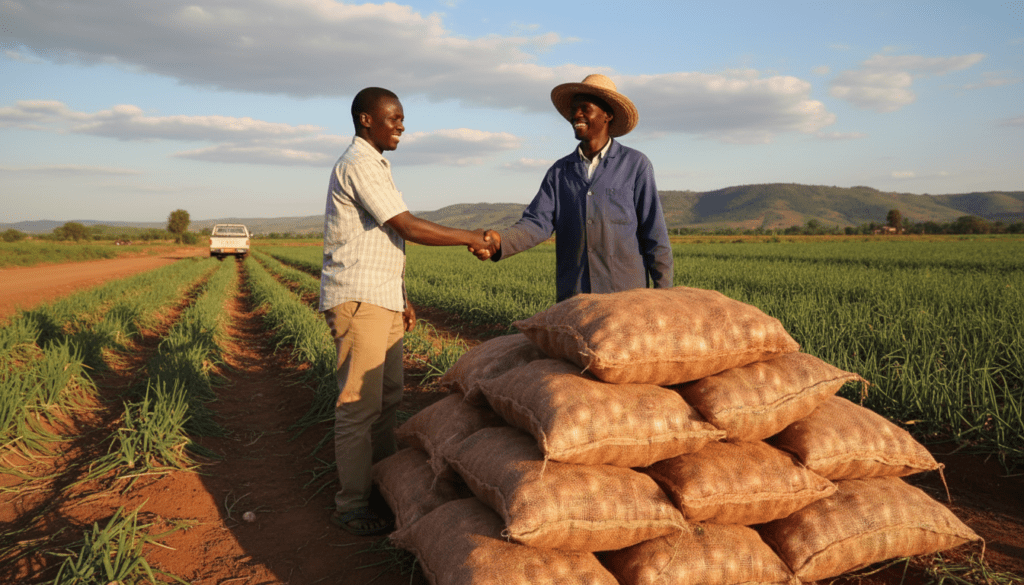
Successful onion sale transaction.

Market Challenges and Tips for Success

While the numbers look good, the market has pitfalls. The biggest challenge is the influx of onions from Tanzania, which often lowers prices in Kenyan markets. To beat this, you must time your planting.

How to Start Bulb Onion Farming in Kenya: Complete 2026 Guide, Costs & Profit Per Acre
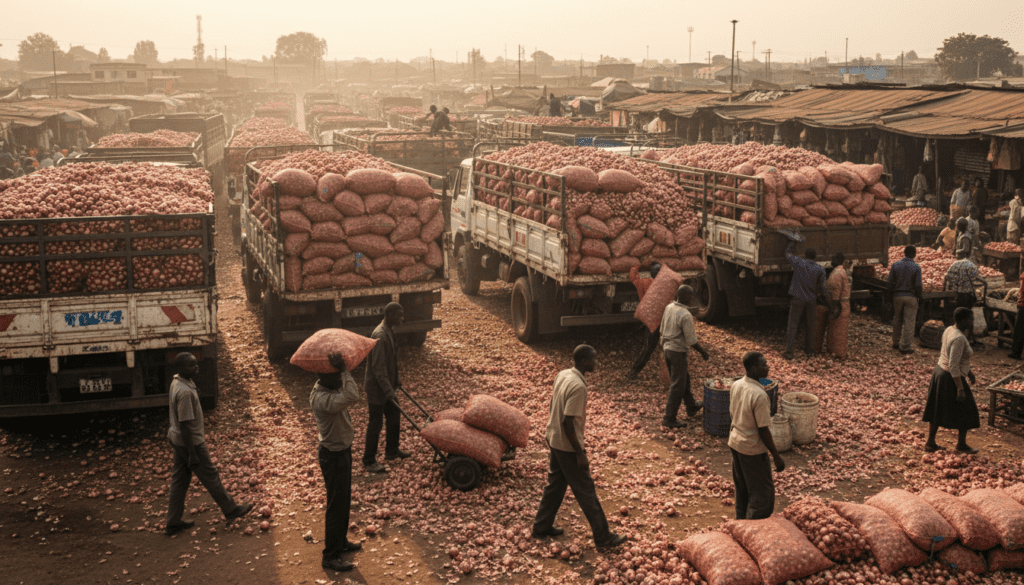
Onion trading at a busy Kenyan market.

Timing is Everything

The best prices are usually found from January to March and May to June. Work backwards from these months to determine your planting date. For example, to harvest in February, you need to transplant in November.

Dealing with Middlemen

Brokers are a reality in the Kenyan supply chain. To get better leverage, try to sell directly to institutions, schools, or supermarkets. Alternatively, form a group with neighboring farmers to aggregate your produce. A buyer is more likely to give a better price for a 10-ton truckload than for a few bags.

How to Start Bulb Onion Farming in Kenya: Complete 2026 Guide, Costs & Profit Per Acre
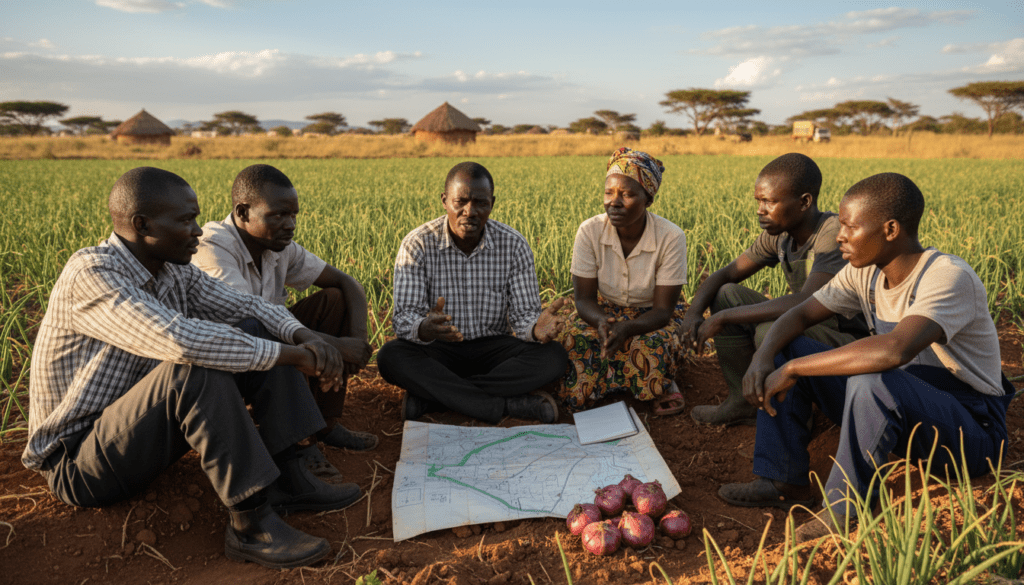
Farmers cooperating to sell onions in bulk.

Cure Properly

Farmers often rush to sell immediately after harvest because they need cash. If you cure your onions well, you can store them for 2 to 3 months in a well-ventilated store. This allows you to wait for the market glut to clear and prices to rise.

How to Start Bulb Onion Farming in Kenya: Complete 2026 Guide, Costs & Profit Per Acre
Proper storage facility for onions.

Conclusion: Start Your Onion Business Today

Onion farming in Kenya is a serious business that can pay off well if you do it the right way. It is not about guessing. It is about following a proven plan. Success comes from using good seeds, giving the plants the right food (fertilizer) and water, and watching for pests every single day so you can stop them before they cause big damage.

If you are a beginner, do not try to do too much at once. Start with a small piece of land so you can learn how the onions grow and how to handle the work. Once you see how the crop performs, you can slowly add more land.

Remember these three keys to making money:

  • Watch the Market: Check when onions are in short supply in your area and plan your planting so you can harvest during those times when prices are high.
  • Cut Waste: Keep your costs low by using drip irrigation to save water and by catching pests early so you do not waste money on expensive chemicals later.
  • Quality First: A well-dried onion (curing) lasts longer and fetches a higher price than one that is poorly handled. Take your time during the drying stage to seal the skin.

Onion farming is a journey. It takes hard work and patience, but the rewards are real. Start with what you have, stay consistent, and keep learning from every harvest. Your path to a successful farming business starts with the very first seed you plant today.

Frequently Asked Questions about Bulb Onion Farming in Kenya (2026)

1. Is bulb onion farming in Kenya profitable in 2026?
Yes. With good management, one acre of hybrid bulb onions can generate several hundred thousand shillings in profit in a 4–5 month cycle, even after paying for seeds, fertilizers, labour and irrigation.

2. How much capital do I need to start 1 acre of bulb onions?
For 2026, a realistic starting budget for one acre is about KES 150,000–170,000, depending on land preparation costs, seed type, labour rates and whether you already have a drip irrigation kit.

3. What is the best bulb onion variety for Kenyan markets?
Popular high‑yielding red bulb varieties include Jambar F1, Neptune F1 and Red Pinoy F1, while Red Creole is a cheaper open‑pollinated option for farmers with a smaller seed budget.

4. How long do bulb onions take to mature in Kenya?
Most hybrid bulb onions take about 3–4 months after transplanting to reach maturity, so from sowing in the nursery to final harvest you should plan for roughly 4–5 months.

5. What spacing should I use for bulb onions per acre?
A common commercial spacing is 8–10 cm between plants and 20–30 cm between rows, giving roughly 250,000–300,000 plants per acre for good bulb size and high yield.

6. Do I need drip irrigation for bulb onion farming?
You can grow onions under rain‑fed conditions, but drip irrigation is highly recommended because it saves water, reduces fungal diseases and allows you to apply fertilizers more efficiently.

7. Which areas in Kenya are best for bulb onion farming?
Warm, well‑drained areas between about 500 m and 2,000 m above sea level such as parts of Kajiado, Naivasha, Machakos, Laikipia, Meru and other semi‑arid zones with access to irrigation perform very well.

8. What are the most common onion pests and diseases?
Thrips are the number one insect pest, while major diseases include downy mildew and purple blotch, all of which require regular scouting and a planned spray program or integrated pest management.

9. When is the best time to plant onions for good prices?
Many farmers target planting so that they harvest in the drier months like January–March or May–June, when market supply is lower and prices per kilogram are usually higher.

10. Where can I sell my bulb onions in Kenya?
You can sell through major wholesale markets such as Wakulima (Marikiti) in Nairobi and Kongowea in Mombasa, local town markets, brokers, or directly to supermarkets, schools, hotels and institutions for better prices.

Conclusion

Bulb onion farming in Kenya is a serious business that rewards diligence and patience. It is not a get-rich-quick scheme, but a science that requires investment in good seeds, proper nutrition, and water management. By following the guidelines in this article, managing your costs, and keeping an eye on the market trends, you can successfully navigate the challenges and reap the sweet rewards of onion farming. Start small, learn the ropes, and scale up as you gain confidence.

How to Start Bulb Onion Farming in Kenya: Complete 2026 Guide, Costs & Profit Per Acre
Future of onion farming in Kenya.

Read More

0

Search for products

Back to Top
Toggle Dark Mode
Product has been added to your cart
Enable Notifications OK No thanks