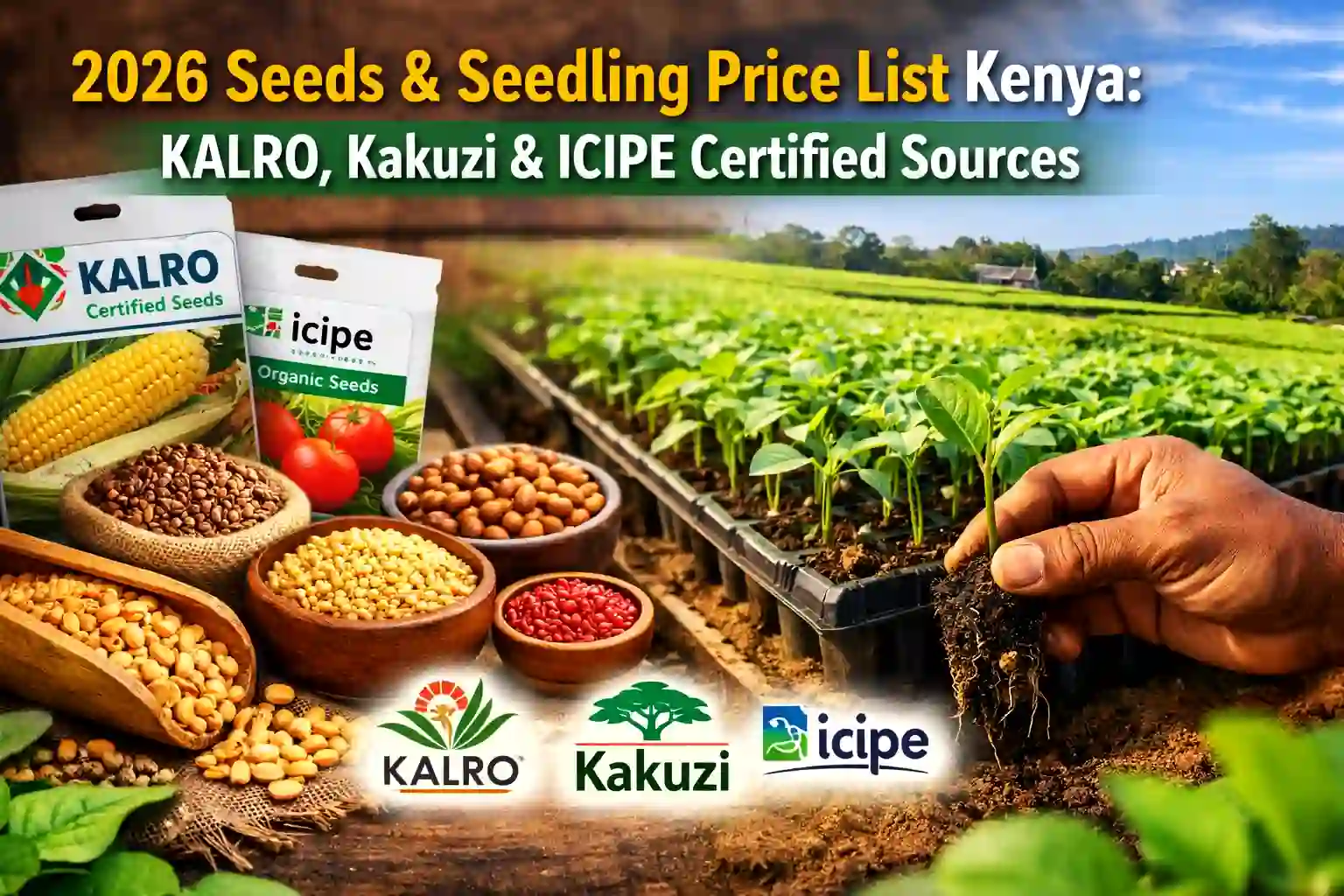

- Certified Maize & Legume Seeds (KALRO): 2026 projections place certified maize varieties like Katumani and highland hybrids between KES 550 and KES 750 per 2kg packet depending on distributor markups.
- Grafted Fruit Seedlings (Kakuzi/KALRO): Certified Hass Avocado and Macadamia seedlings range from KES 350 to KES 600 per seedling with price variations based on quantity and rootstock maturity.
- Fodder & Push-Pull Inputs (ICIPE): Desmodium seeds remain premium priced at approximately KES 3,500 – KES 4,500 per kg while Brachiaria splits are accessible at KES 15 – KES 25 per split.
Table of Contents
Farmers across Kenya are facing a pivotal shift in 2026 as input costs stabilize following the economic fluctuations of the previous two years. Securing certified planting materials from recognized institutions like KALRO (Kenya Agricultural and Livestock Research Organization), Kakuzi Plc, and ICIPE (International Centre of Insect Physiology and Ecology) is the single most effective strategy to guarantee high germination rates and disease resistance. This guide provides an authoritative price list and sourcing strategy for beginner farmers looking to maximize yields on their shamba while navigating the complexities of the current agricultural market.
What are the best performing crop varieties and seedlings for 2026?
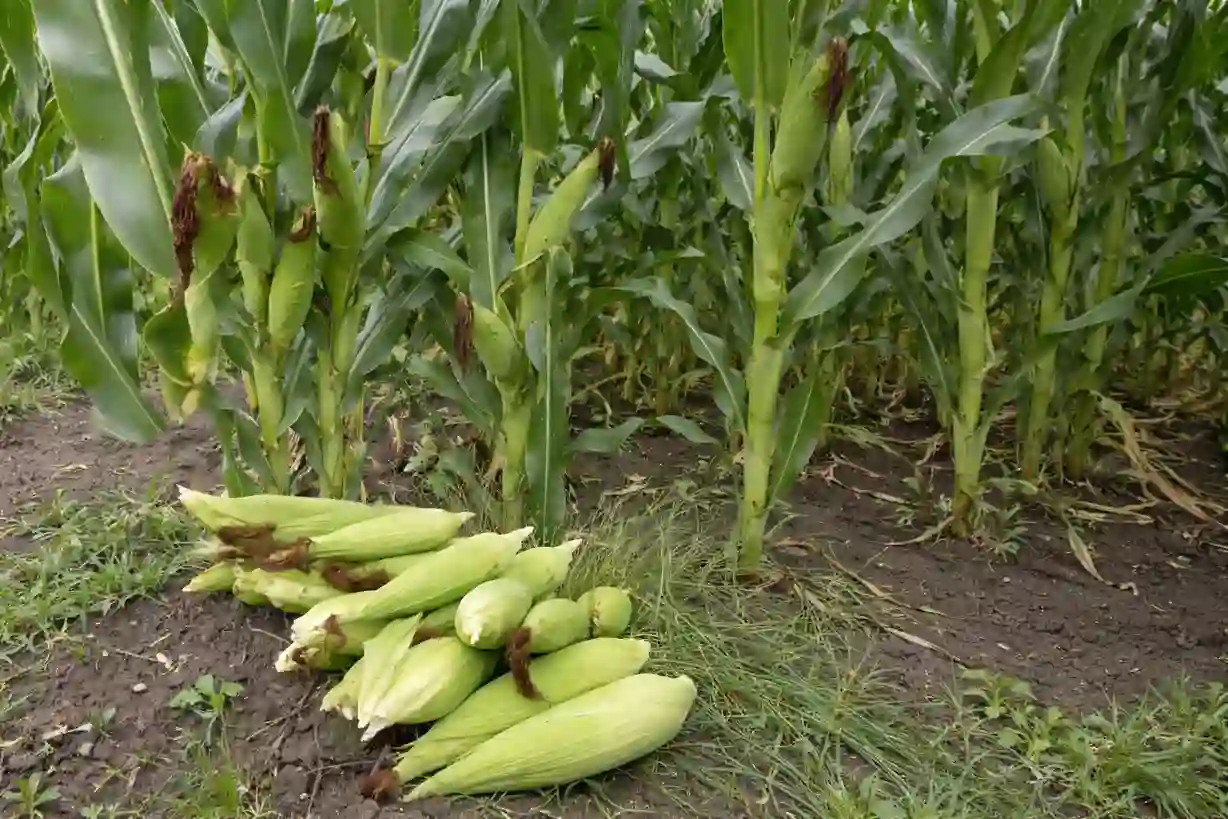
Top performers for 2026 include the drought-tolerant KALRO Katumani maize series for arid areas and the high-yielding SC Duma 43 for average rainfall zones. For horticulture, Kakuzi’s grafted Hass Avocado remains the export standard. ICIPE’s Desmodium and Brachiaria Mulato II are the superior choices for dairy farmers implementing push-pull technology to combat fall armyworm.
Maize and Cereal Varieties
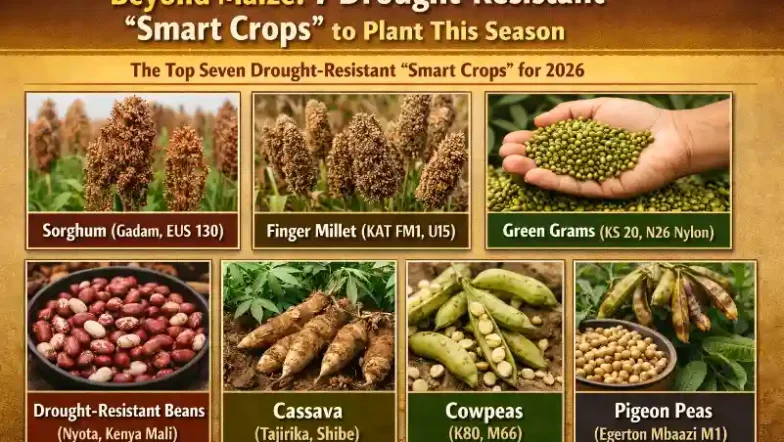
In 2026, the focus has shifted heavily towards climate-smart varieties that can withstand unpredictable rainfall patterns. KALRO Katumani (KDV series) remains the champion for semi-arid counties like Machakos and Makueni. These open-pollinated varieties mature in less than 3 months and offer a reliable harvest even when rains depress early.
READ ALSO: Fake Seeds in Kenya 2026: How to Spot Counterfeit Seed Before You Plant and Protect Your Harvest
For the highlands in Uasin Gishu and Trans Nzoia, H624 and H6213 hybrids are dominating the market due to their resistance to Maize Lethal Necrosis Disease (MLND).
Fruit Tree Seedlings
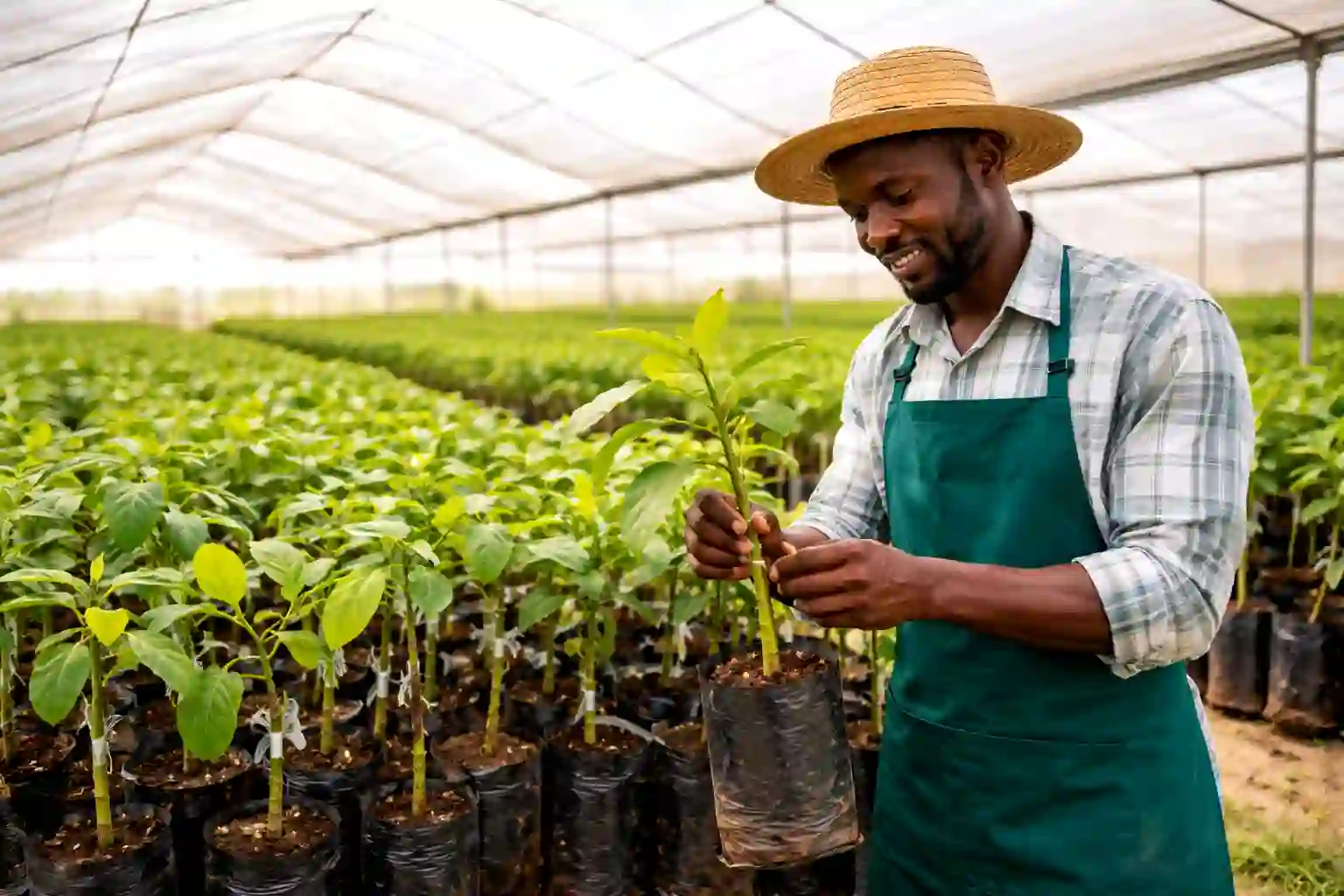
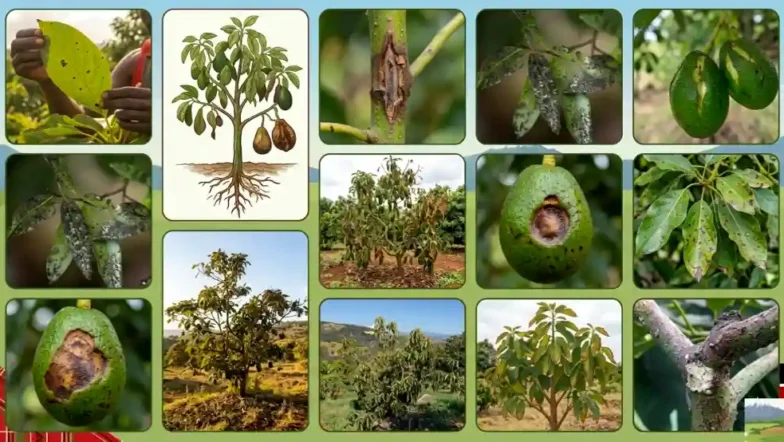
Kakuzi has solidified its reputation as the gold standard for commercial fruit propagation in Murang’a and beyond. Their Hass Avocado seedlings are grafted onto hardy local rootstocks that resist Phytophthora root rot. Farmers are also increasingly sourcing Macadamia (Murang’a 20 variety), which has shown resilience against pests and fetches premium prices in the export market.
READ ALSO: Why KUKZ is the Top Agribusiness Stock on the NSE IN 2026
Clean planting material is critical here because viral diseases in seedlings can destroy an orchard years after planting.
Fodder and Push-Pull Technology
ICIPE has revolutionized fodder management with their push-pull technology inputs. Desmodium intortum (Greenleaf) and Desmodium uncinatum (Silverleaf) are not just fodder crops but essential nitrogen fixers that suppress Striga weed. When paired with Brachiaria Mulato II or Napier grass, these inputs create a defense system against stem borers and fall armyworm.
The initial cost of Desmodium seed is high, but the perennial nature of the crop amortizes this expense over several years.
Comparative Analysis of Top Varieties for 2026
The following table breaks down the critical metrics for the most sought-after varieties available from these certified sources. Use this to match the crop to your specific agro-ecological zone.
| Variety / Seedling | Source | Maturity Period | Yield Potential | Disease Resistance | 2026 Est. Price (KES) |
|---|---|---|---|---|---|
| Maize H624 | KALRO / Kenya Seed | 5-6 Months | 35-40 Bags/Acre | High (Leaf Blight) | 650 – 750 (2kg) |
| Katumani Maize | KALRO | 2.5-3 Months | 10-15 Bags/Acre | Moderate (Drought) | 550 – 600 (2kg) |
| Hass Avocado | Kakuzi | 2.5-3 Years | 300-500 Fruits/Tree | High (Root Rot) | 400 – 500 (Seedling) |
| Macadamia (M20) | Kakuzi / KALRO | 3-4 Years | 60-80 kg/Tree | High (Pests) | 500 – 650 (Seedling) |
| Desmodium Seed | ICIPE / Simlaw | 4 Months | 10-15 Tonnes/Ha | N/A (Repels Pests) | 3,500 – 4,500 (1kg) |
| Brachiaria Splits | KALRO / ICIPE | 3 Months | 20-25 Tonnes/Ha | High (Drought) | 15 – 25 (Per Split) |
Where to Buy Certified materials in Kenya
Certified materials must be purchased directly from institutional depots or authorized digital platforms to avoid counterfeits. Primary physical locations include KALRO centers in Muguga, Katumani, and Kitale, the Kakuzi nursery in Makuyu, and ICIPE offices in Duduville (Nairobi) or Mbita. Digital orders can be placed via the KALRO app, specific M-Pesa paybills, or authorized agent listings on platforms like Digifarm.
Direct Procurement from KALRO Centers
KALRO operates a network of specialized institutes across the country. For maize and cereals, farmers should visit KALRO Kitale or KALRO Njoro. For horticulture and fruit seedlings, KALRO Thika and KALRO Kandara are the designated hubs.
READ ALSO: Maize Farming in Kenya: High Yield Production Guide, Best Practices and Profit Tips 2026
In 2026, most centers accept payments exclusively via M-Pesa or direct bank deposit to reduce cash handling risks. It is advisable to call the specific center 48 hours in advance to confirm stock availability, as high-demand varieties like the Magic Bean or Katumani maize often sell out during the onset of the long rains.
Sourcing from Kakuzi Plc
Kakuzi manages a highly controlled nursery environment in Makuyu, Murang’a County. They do not typically distribute through third-party agro-vets to maintain quality control. Farmers need to book their orders months in advance, especially for large commercial projects.
The process involves visiting their website or sales office, paying a deposit (usually 50%), and arranging for own transport upon collection. Their seedlings come with a phytosanitary certificate, which is a crucial document for farmers planning to export produce in the future.
ICIPE and Digital Platforms
For Desmodium and push-pull technology inputs, ICIPE works closely with community seed producers and private companies like Seed Co. While you can buy directly from ICIPE’s Duduville campus in Nairobi, they have also partnered with platforms like Safaricom’s Digifarm and Mkulima Young to reach remote farmers. When buying from digital platforms like Jiji Kenya, extreme caution is necessary.
Always verify that the seller is an authorized agent by asking for their certification number before sending any money via mobile money.
The Role of Kenya Seed Company and ADC
While this guide focuses on KALRO, Kakuzi, and ICIPE, the Agricultural Development Corporation (ADC) and Kenya Seed Company act as vital multipliers. They often multiply KALRO-developed varieties for mass distribution. You can find these certified seeds in major agro-vets in towns like Eldoret, Nakuru, and Karatina.
Look for the KEPHIS certification sticker on every bag. If the sticker is broken or missing, do not purchase the bag.
How do prices and varieties vary by Kenyan region?
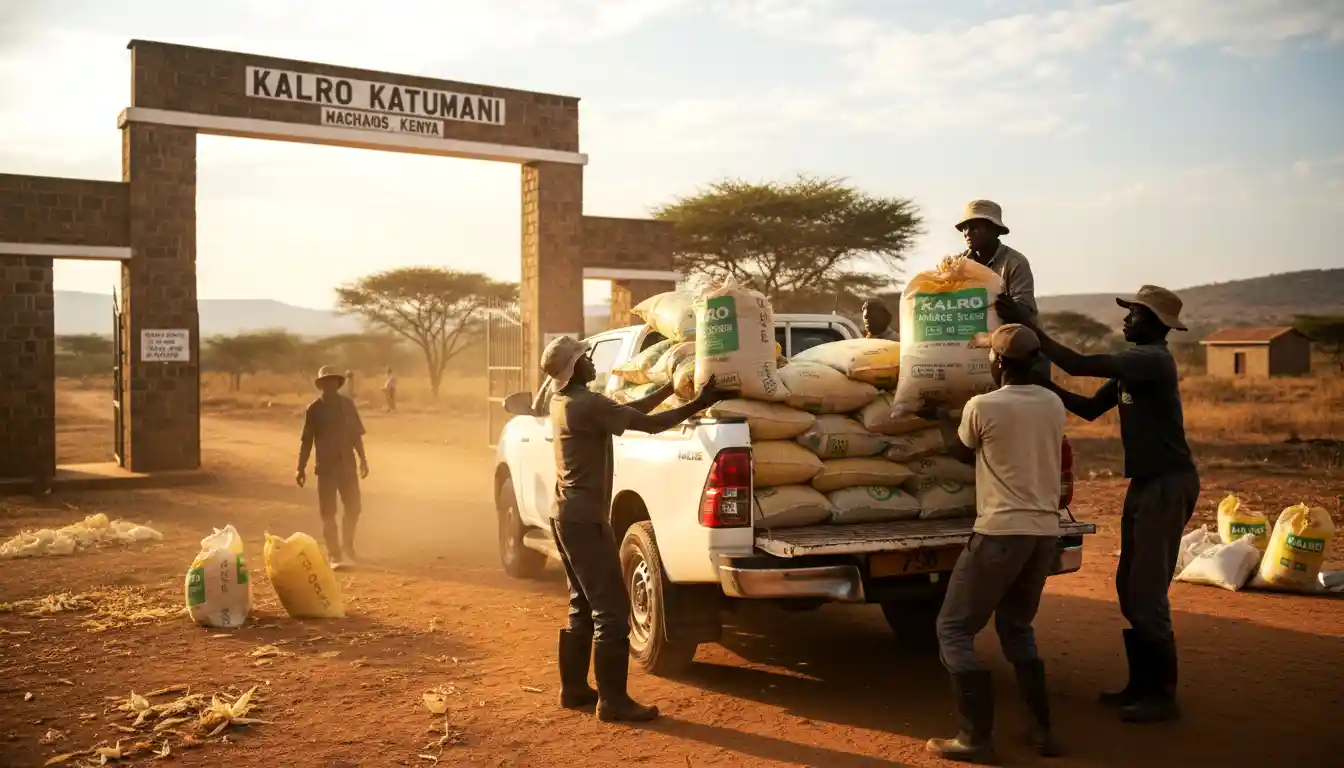
Regional pricing is influenced by transport costs and local demand dynamics. Highland regions like Meru see lower prices for coffee and tea seedlings due to proximity to nurseries, while coastal areas like Kilifi pay a premium for drought-tolerant maize due to logistics. Uasin Gishu remains the cheapest hub for cereal seeds due to the presence of major seed processors.
Meru and Central Kenya Highlands
In Meru, Nyeri, and Kiambu, the agricultural economy is driven by high-value horticulture and cash crops. Farmers here prioritize Kakuzi’s Hass Avocados and Macadamia seedlings. The infrastructure is relatively good, meaning transport costs from Makuyu or Thika are manageable.
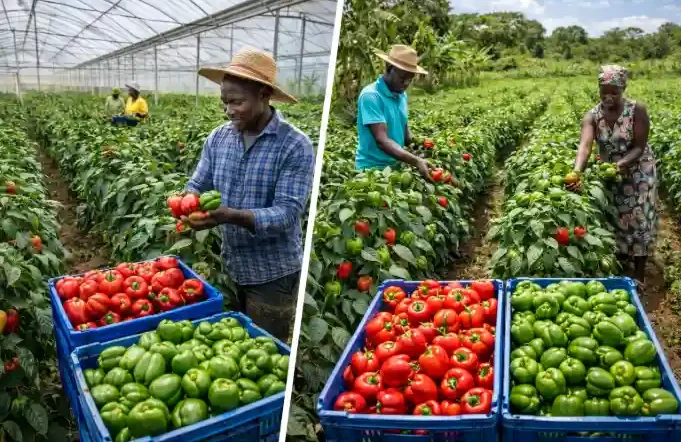
However, land sizes are smaller, leading to intensive farming systems. The demand for F1 vegetable seeds (like tomatoes and cabbages) is extremely high, driving prices for 50g sachets of varieties like “Anna F1” to between KES 1,500 and KES 2,000.
Uasin Gishu and The North Rift
Known as Kenya’s breadbasket, Uasin Gishu focuses heavily on broad-acre crops. KALRO maize varieties and wheat seeds are moved in bulk. Due to the economies of scale and the presence of Kenya Seed Company in Kitale, farmers here often access seeds at the recommended retail price (RRP) without significant markups.
READ ALSO: Top 10 Best Money-Making Agriculture Business Ideas in Kenya (2026)
The primary challenge in 2026 is the cost of fertilizer rather than the seed itself. Farmers here also heavily utilize Rhodes grass for hay, sourcing seeds from ADC farms nearby.
Kilifi and Coastal Lowlands
Farming in Kilifi and Kwale presents unique challenges regarding salinity and heat. The demand here is for cassava cuttings (KALRO varieties resistant to brown streak virus) and drought-tolerant maize (PH4). Transporting seedlings from upcountry nurseries adds a significant cost, often increasing the price of a fruit seedling by KES 50 to KES 100 per unit.
Consequently, there is a growing trend of sourcing from local KALRO Mtwapa, which specializes in coastal crops like coconuts and cashewnuts.
What is the optimal farming calendar for these crops in 2026?
The 2026 farming calendar revolves around the bimodal rainfall pattern. Long rains preparation begins in January-February for March planting, while short rains preparation starts in August for October planting. Seed procurement should happen at least 6 weeks before the rains to avoid stock-outs and panic buying price surges.
January to March: Long Rains Preparation
This is the busiest quarter for seed merchants. By mid-January, farmers should have completed soil testing and placed orders for maize and legume seeds. February is critical for land preparation, specifically ploughing and harrowing.
Planting for the long rains typically commences in roughly mid-March as soon as the soil moisture is adequate. For fruit farmers, this is the time to dig planting holes and mix manure, waiting for the rains to plant the seedlings.
April to June: Maintenance and Top Dressing
Once crops have germinated, the focus shifts to weed control and top dressing. For those using ICIPE’s push-pull technology, this is the period to ensure Desmodium is establishing well between maize rows. May often brings heavy rains, so drainage management is key.
Farmers should also scout for fall armyworm and apply biological control agents if necessary. Second weeding is usually done in June.
July to September: Harvest and Short Rains Prep
Harvesting of early maturing maize varieties in lower altitudes begins in July. In the highlands, wheat harvesting kicks off. This is also the window to order seeds for the short rains.
August is the best time to purchase fruit seedlings from Kakuzi or KALRO for the upcoming short rains planting. Nurseries often have better stock availability during this off-peak window compared to March.
October to December: Short Rains and Irrigation
The short rains season (vuli) is shorter and less reliable, making it ideal for beans, vegetables, and drought-resistant crops. Planting happens in October. For avocado farmers, irrigation might be necessary if the rains cease early in December.
This quarter is also excellent for planning the next year’s budget and reviewing the performance of the chosen seed varieties.
How much does it cost to establish one acre using certified seeds?
Establishing one acre of commercial maize in 2026 costs between KES 25,000 and KES 35,000, while a high-density Hass Avocado orchard can cost upwards of KES 60,000 initially due to seedling costs. These figures include land prep, certified seeds/seedlings, and basal fertilizer but exclude land leasing and labor for ongoing management.
Break-Even Analysis for Maize Farming
For a maize farmer in Trans Nzoia using certified H624 seeds, the target yield is 35 bags (90kg) per acre. If the market price averages KES 3,500 per bag, gross revenue is KES 122,500. With total production costs (seeds, fertilizer, labor, harvest) hovering around KES 50,000, the net profit is roughly KES 72,500 per acre.
Using uncertified seeds often drops yields to 10-15 bags, barely covering production costs. The investment in KES 1,500 worth of certified seed is the leverage point for profitability.
Financials for Hass Avocado (Long-Term Investment)
Avocado farming is capital intensive upfront. Planting roughly 150 trees per acre at KES 450 per certified seedling costs KES 67,500 for seedlings alone. Add hole preparation and manure, and the Year 1 cost exceeds KES 100,000.
However, by Year 4, a well-managed tree produces 300 fruits. At export grade prices (approx KES 10-15 per fruit farm gate), revenue can exceed KES 400,000 per acre annually. The break-even point is typically reached in Year 4 or 5.
2026 Estimated Cost Table (Per Acre)
The table below outlines the initial establishment costs for three common enterprise models using certified inputs.
| Cost Item | Maize (Commercial) | Beans (Pure Stand) | Hass Avocado |
|---|---|---|---|
| Land Prep (Plough/Harrow) | KES 6,000 | KES 6,000 | KES 8,000 (Holes) |
| Certified Seeds/Seedlings | KES 1,500 (10kg) | KES 4,000 (20kg) | KES 67,500 (150 trees) |
| Basal Fertilizer (DAP/Manure) | KES 5,500 | KES 5,500 | KES 10,000 |
| Labor (Planting) | KES 3,000 | KES 4,000 | KES 5,000 |
| Herbicides/Pesticides | KES 4,000 | KES 3,000 | KES 5,000 |
| Total Establishment Cost | ~KES 20,000 | ~KES 22,500 | ~KES 95,500 |
Note: These estimates vary by management style and location. Always maintain a contingency fund of 10-15% for unforeseen weather events or pest outbreaks.
How does the supply chain and value addition work?
The supply chain moves from certified multipliers (ADC/Kakuzi) to authorized stockists and finally to farmers. Value addition opportunities include processing avocados into oil (reject grade), milling maize into flour, or packaging beans for retail. Skipping middlemen by forming cooperatives allows farmers to bulk-buy inputs and bulk-sell produce, increasing margins by 15-20%.
From Nursery to Shamba
The journey begins at the “mother block”: highly protected zones where KALRO and Kakuzi maintain pathogen-free genetic material. From here, scions are grafted onto rootstocks or seeds are bulked. These are then distributed to regional depots.
The weak link is often the “last mile” delivery to the farm. Poor handling during transport (overheating in matatus or rough handling) can damage seedlings, increasing mortality rates. Farmers are advised to supervise transport personally or use specialized logistics providers.
Value Addition at Farm Level
For maize farmers, selling green maize fetches quick cash, but drying and storing until prices peak (usually May-June) yields better returns. However, this requires investing in proper storage (hermetic bags) to prevent weevil damage.
Avocado farmers can aggregate “reject” fruits (those with skin blemishes but good flesh) for oil extraction. A liter of cold-pressed avocado oil retails for over KES 1,000, turning waste into a premium product.
The Role of Cooperatives
Small-scale farmers often lack bargaining power. By joining a cooperative, farmers can place bulk orders for seeds from KALRO or Kakuzi, often negotiating a discount or free transport. Cooperatives also provide a buffer against market volatility.
In 2026, digital cooperatives on platforms like Digifarm are aggregating demand to unlock wholesale prices for inputs that were previously available only to large estates.
2026 Outlook and Conclusion
The agricultural landscape in Kenya for 2026 is defined by resilience and precision. The days of broadcasting uncertified seeds and hoping for the best are fading. The data is clear: the initial premium paid for certified seeds from KALRO, Kakuzi, or ICIPE acts as an insurance policy against crop failure.
READ ALSO: Top 10 Best Agrovets in Kenya (2026 Guide): Where to Buy Genuine Inputs in Nairobi, Eldoret & Nakuru
With climate change bringing erratic weather, the genetics inside the seed – drought tolerance, disease resistance, and early maturity – are the farmer’s first line of defense.
Farmers must pivot from being passive growers to active agribusiness managers. This means budgeting for certified inputs, booking seedlings months in advance, and treating farming as a commercial entity. The price of inputs may seem high, but the cost of a failed season due to poor germination or disease is far higher.
Secure your 2026 planting materials early, verify their authenticity, and manage your shamba with data-driven decisions.
Farmers Also Ask (FAQ)
What is the difference between H614 and H624 maize varieties?
H614 is a classic highland variety known for very high yields but takes longer to mature (6-7 months). H624 is a newer hybrid that matures slightly faster (5-6 months) and offers superior resistance to Maize Lethal Necrosis Disease (MLND), making it a safer bet in disease-prone zones.
Can I buy Kakuzi avocado seedlings online?
Kakuzi does not have a direct “add to cart” e-commerce store for seedlings. You must contact their sales office via email or phone to place a booking order. Payment is done via bank transfer or M-Pesa, and collection is physical at their Makuyu nursery.
How do I verify if KALRO seeds are genuine?
Genuine KALRO seeds come in branded packets with a KEPHIS certification label. Scratch the panel on the KEPHIS label and SMS the code to 1393. You will receive a verification message confirming the seed’s authenticity and batch details.
Is Desmodium expensive to maintain?
Establishment is expensive due to seed cost, but maintenance is low. Desmodium is a perennial legume; once established, it grows for years without needing replanting. It also reduces weeding costs by suppressing weeds and eliminates the need for nitrogen fertilizer.
Why are grafted seedlings better than local ones?
Grafted seedlings combine the best traits of two plants: a rootstock selected for disease resistance and vigorous growth, and a scion selected for high fruit quality. Local seedlings often take years longer to fruit and may not reproduce the parent tree’s fruit quality.
Where can I find drought-resistant bean varieties?
KALRO Katumani offers excellent drought-resistant bean varieties like the “Katumani Bean” (KAT B1 and KAT B9). These can be sourced from the KALRO Katumani center in Machakos or authorized dryland seed agents.
Does ICIPE sell Brachiaria seeds or splits?
ICIPE primarily promotes the technology and often links farmers to certified seed multipliers for splits. However, they do facilitate access to seeds. Brachiaria is easier to propagate via root splits, which are cheaper and establish faster than seeds.
What is the best month to plant avocados in Kenya?
The best time is at the onset of the long rains (March-April) or short rains (October-November). This ensures the young seedling gets ample natural moisture to establish its root system before the dry season sets in.
Can I plant maize and beans together?
Yes, intercropping is common. However, for maximum yield, modern agronomy recommends strip cropping (planting 2-4 rows of maize, then 2-4 rows of beans) rather than mixing them in the same hole. This reduces competition for light and nutrients.
How many avocado trees fit in one acre?
Standard spacing (7m x 7m) accommodates roughly 80 trees. High-density planting (using smaller canopies or pruning) can fit 150+ trees, but this requires higher management levels to prevent overcrowding and fungal diseases.