
- High Profit Potential: Mature orchards in optimal zones can generate between KES 800,000 and KES 1.2 million per acre annually starting from the fourth year of production.
- Climate Adaptability: The Wambugu Apple and low-chilling varieties like Anna allow farming in warmer regions beyond traditional highlands like Nyeri and Limuru.
- Market Demand: Kenya still imports over 4,000 tonnes of apples annually, creating a massive local gap for fresh, crispy organic apples priced between KES 30 and KES 50 per fruit farm-gate.
Table of Contents
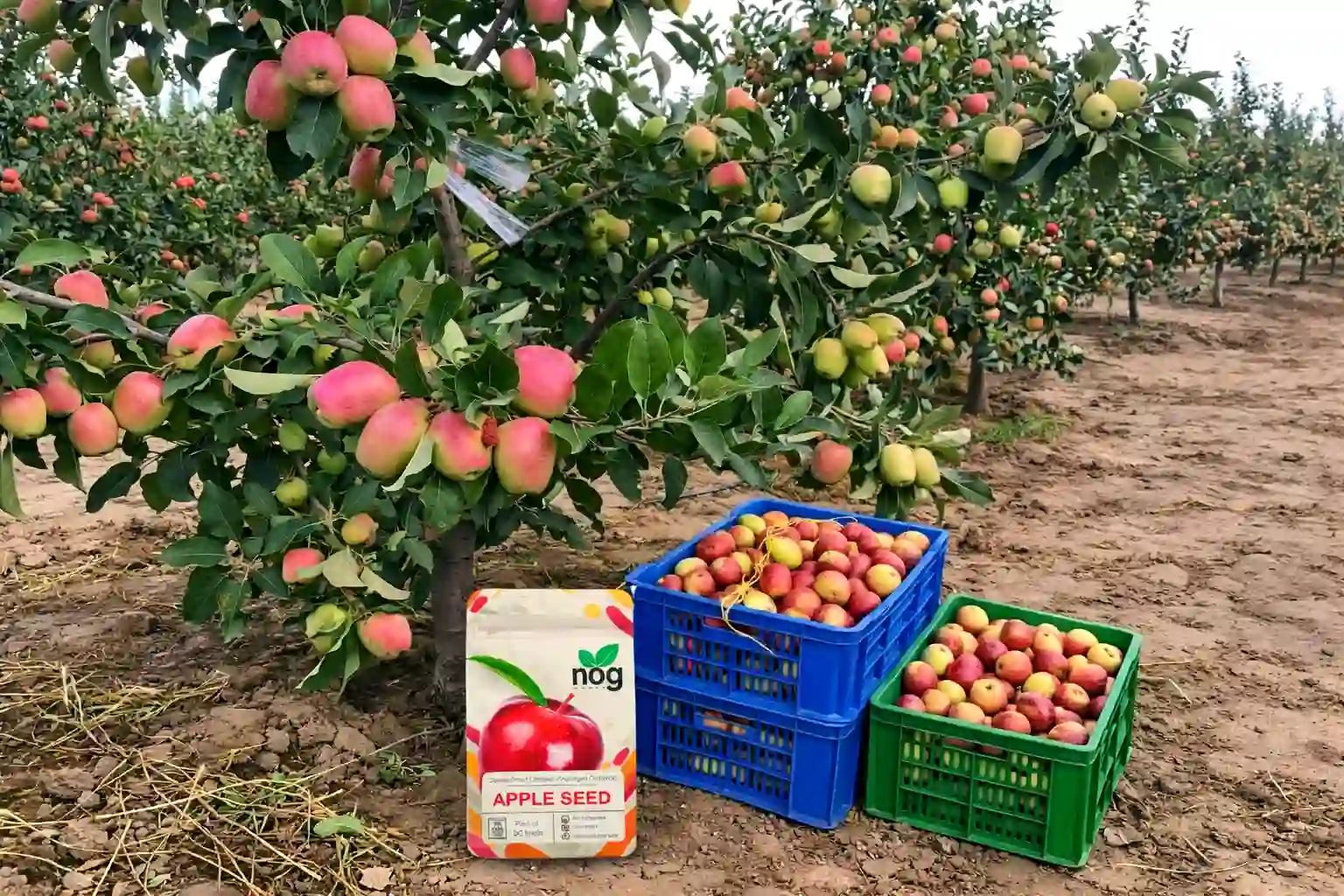
Apple farming in Kenya has transformed from a hobbyist activity in the cold highlands to a serious commercial agribusiness powerhouse in 2026. With the introduction of low-chill varieties and improved grafting techniques, farmers across semi-arid regions are now challenging the dominance of imported fruits from South Africa. This guide serves as your definitive operational manual for establishing a high-density apple orchard that is profitable, sustainable, and scalable.
What Are the Best Apple Varieties for Kenyan Climate in 2026?
The most profitable varieties for 2026 are the Wambugu Apple for versatility, Anna for early maturity, and Dorsett Golden as a pollinator. These varieties require fewer chilling hours than traditional types, making them suitable for the diverse Kenyan climate.
Selecting the right genetics is the single most critical decision a farmer will make. In 2026, the market favors varieties that are crisp, sweet, and have a long shelf life. Farmers must choose varieties that match their specific elevation and temperature ranges.
The Wambugu Apple
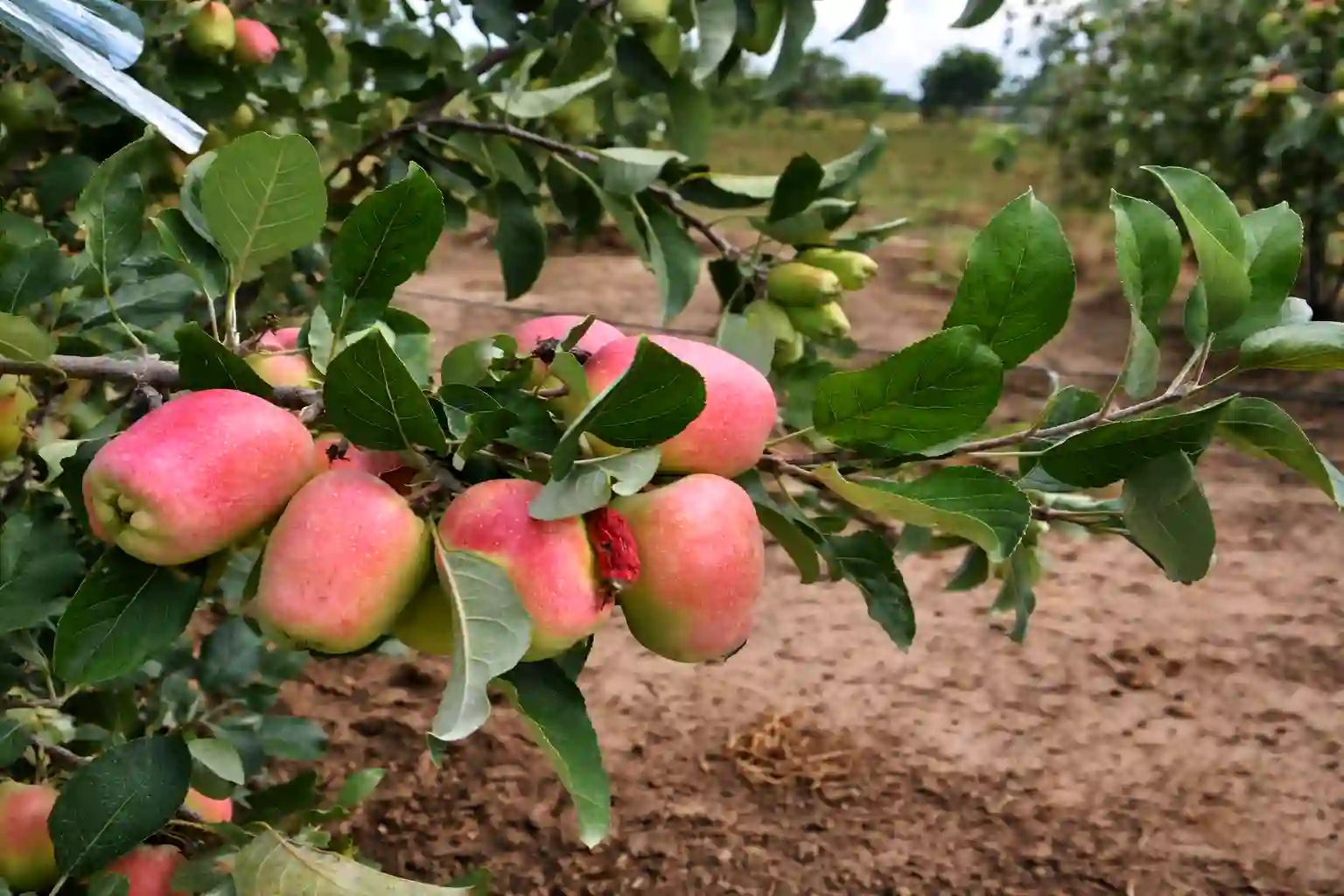
This variety remains the market leader for new entrants in 2026 due to its hardy nature. Originating from Laikipia, the Wambugu Apple is self-limiting in vegetative growth but prolific in fruiting. It can yield up to three seasons in a good year with proper irrigation management.
Anna and Dorsett Golden
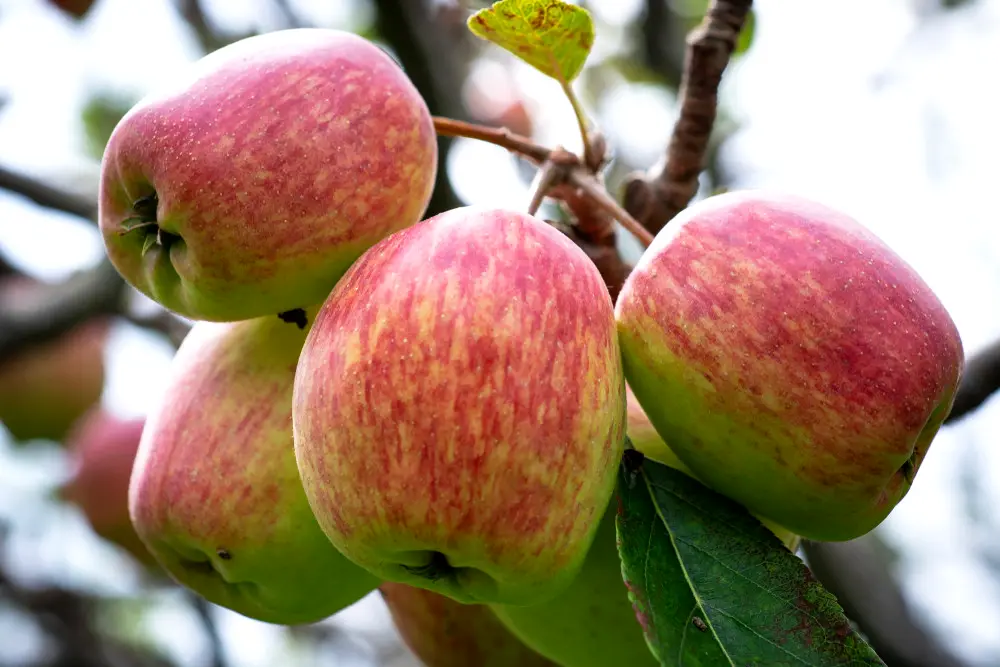
Anna is a low-chill variety that originated in Israel and thrives in Kenyan highlands. It produces a red-blushed fruit that is sweet and juicy but has a shorter shelf life compared to Wambugu. It is almost always intercropped with Dorsett Golden, a yellow apple that serves as a necessary cross-pollinator to ensure high fruit set.
Commercial Variety Comparison
The following table outlines the performance metrics for the top three varieties in Kenya for the 2026 farming season.
| Variety | Chilling Hours | First Harvest (Grafted) | Yield Per Tree (Mature) | Market Preference |
|---|---|---|---|---|
| Wambugu Apple | Low (Adaptable) | 9 – 11 Months | 300 – 500 Fruits | High (Local Markets) |
| Anna | 200 – 300 Hours | 18 – 24 Months | 100 – 200 Fruits | Medium (Processing/Fresh) |
| Dorsett Golden | 250 – 300 Hours | 18 – 24 Months | 100 – 150 Fruits | Medium (Pollinator) |
| Granny Smith | 400+ Hours | 3 Years | 150 – 250 Fruits | High (Niche/Baking) |
Farmers in very high altitudes like Kinangop or Timau can still grow traditional varieties like Granny Smith. However, for 90% of commercial projects in 2026, the low-chill varieties offer a faster return on investment. Choose your variety carefully to match your local climate conditions.
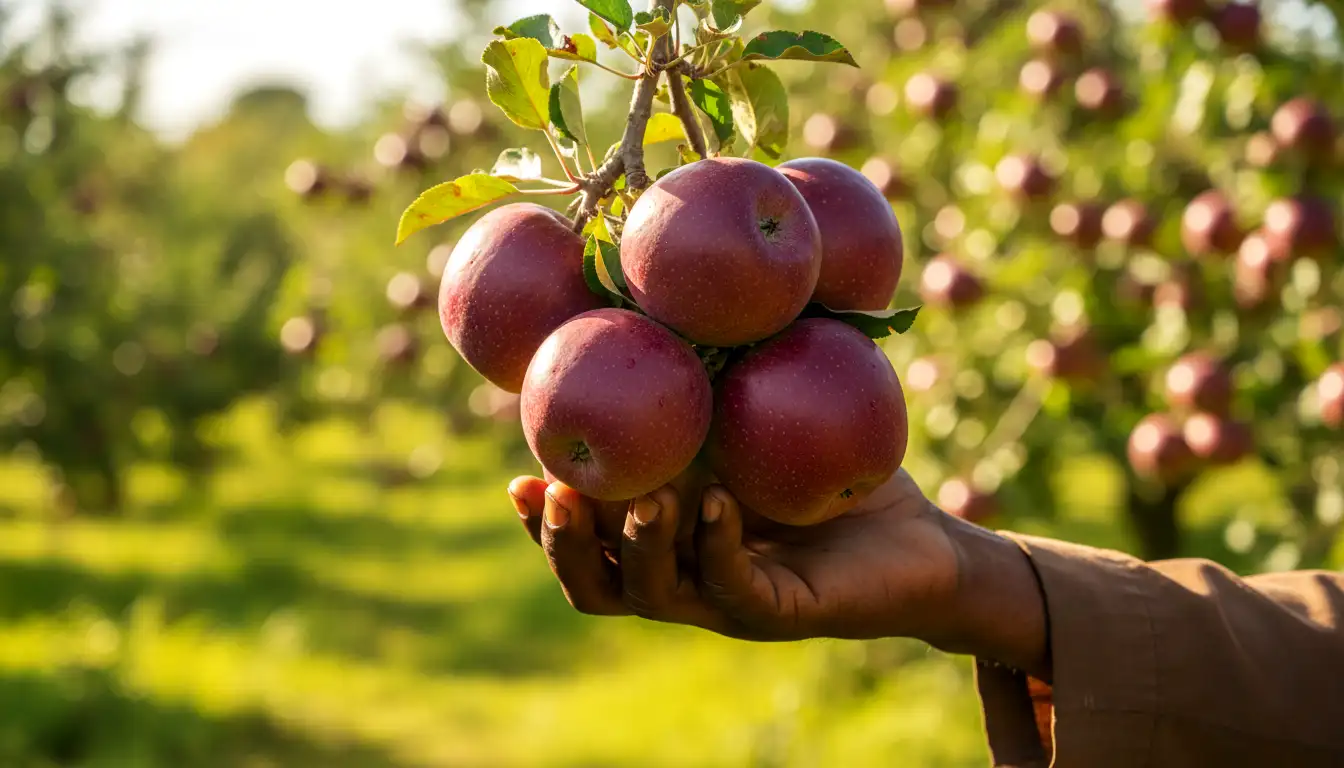
Where to Buy Apple Certified Seedlings in Kenya 2026
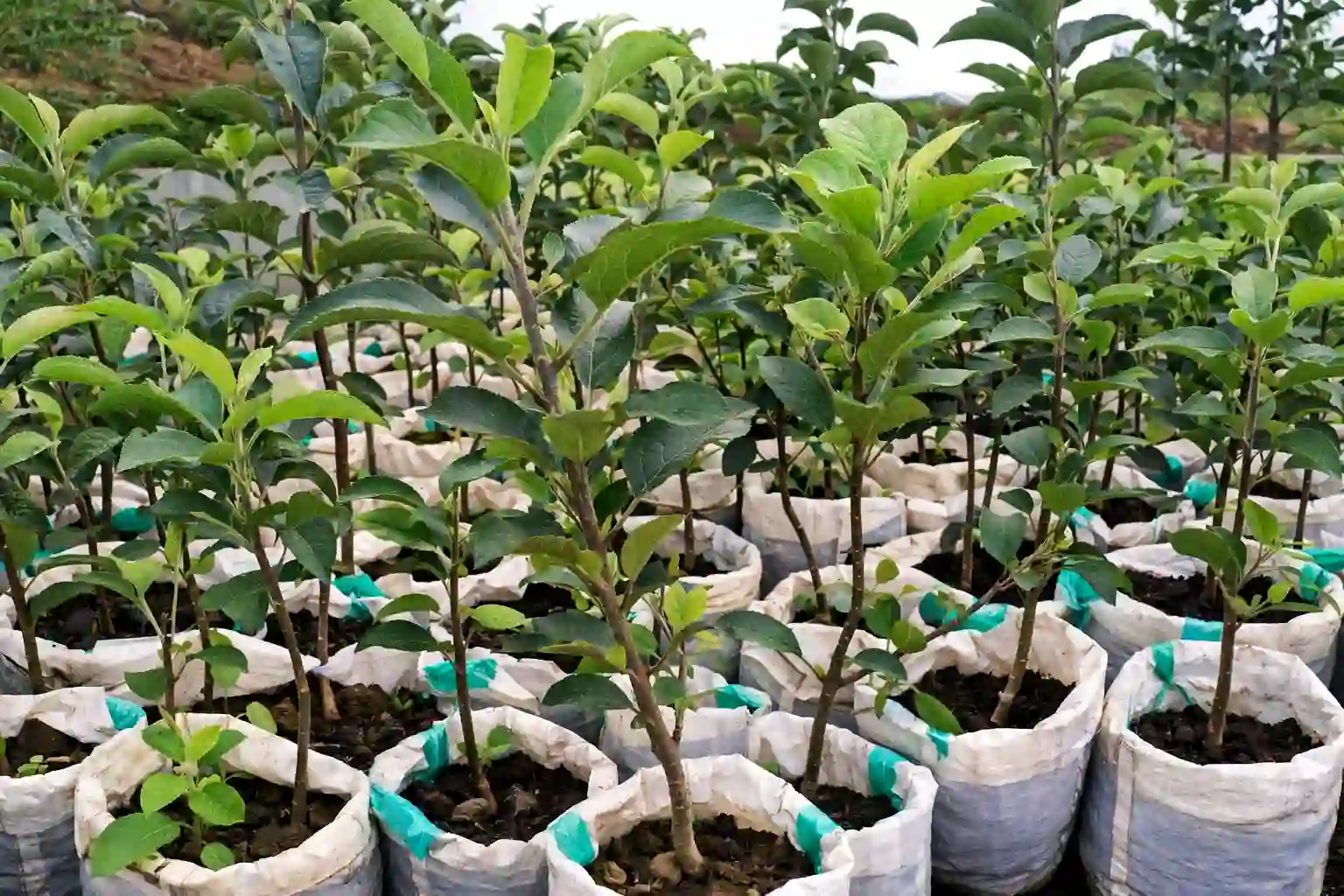
Purchase certified seedlings from KALRO, Wambugu Apple Farm (Laikipia), or reputable nurseries like Oxfarm Organic. Avoid roadside sellers to prevent introducing root rot or viral diseases to your virgin soil.
READ ALSO: Watermelon Farming in Kenya 2026: Step by Step Guide from Planting to Harvest
Sourcing clean planting material is the foundation of orchard health. In 2026, digital platforms have simplified this process, but physical verification remains best practice. “Cheap is expensive” is a literal truth in apple farming, as saving KES 100 on a seedling can cost you three years of production.
Certified Nurseries and Institutions
KALRO (Kenya Agricultural and Livestock Research Organization) centers in Tigoni and Thika provide government-certified clean scions. The Wambugu Apple Farm in Laikipia is the primary source for the Wambugu variety. Ensure any private nursery you use has a valid license from KEPHIS (Kenya Plant Health Inspectorate Service).
Digital Procurement Platforms
Modern farmers in 2026 utilize platforms like Safaricom Digifarm and iShamba to locate verified sellers. While marketplaces like Jiji Kenya list thousands of sellers, high caution is advised. Always request a site visit to the mother block before paying a deposit via M-Pesa.
Which Regions in Kenya Are Best Suited for Commercial Apple Farming?
The best regions are Laikipia, Nyeri, Meru, and Trans Nzoia. Areas with cool nights and warm days are ideal. With the Wambugu variety, parts of Machakos and Kajiado are now viable if sufficient irrigation water is available.
The geography of apple farming has expanded significantly by 2026. While altitude was previously the only factor, humidity management and soil pH are now understood to be equally important. Soil pH should ideally be between 5.5 and 6.5.
Highlands: Nyeri and Meru
These are the traditional apple belts where temperature conditions are historically optimal. Nyeri offers the perfect chilling hours for Anna and Dorsett varieties. The challenge here is often land fragmentation and old soil that may harbor fungal diseases.
Semi-Arid Expansion: Laikipia and Uasin Gishu
Laikipia has emerged as the new capital of apple farming in Kenya. The warm days stimulate sugar accumulation in the fruit, while the cool nights allow the tree to rest. The lower humidity in these zones significantly reduces the cost of fighting fungal diseases like apple scab.
Coastal and Lowlands
While experimental farms exist in Kilifi, commercial viability is low due to the lack of chilling hours. Farmers in these regions should focus on tropical fruits like mangoes or citrus rather than forcing apples.
How Should a Farmer Structure the 12-Month Apple Farming Calendar?
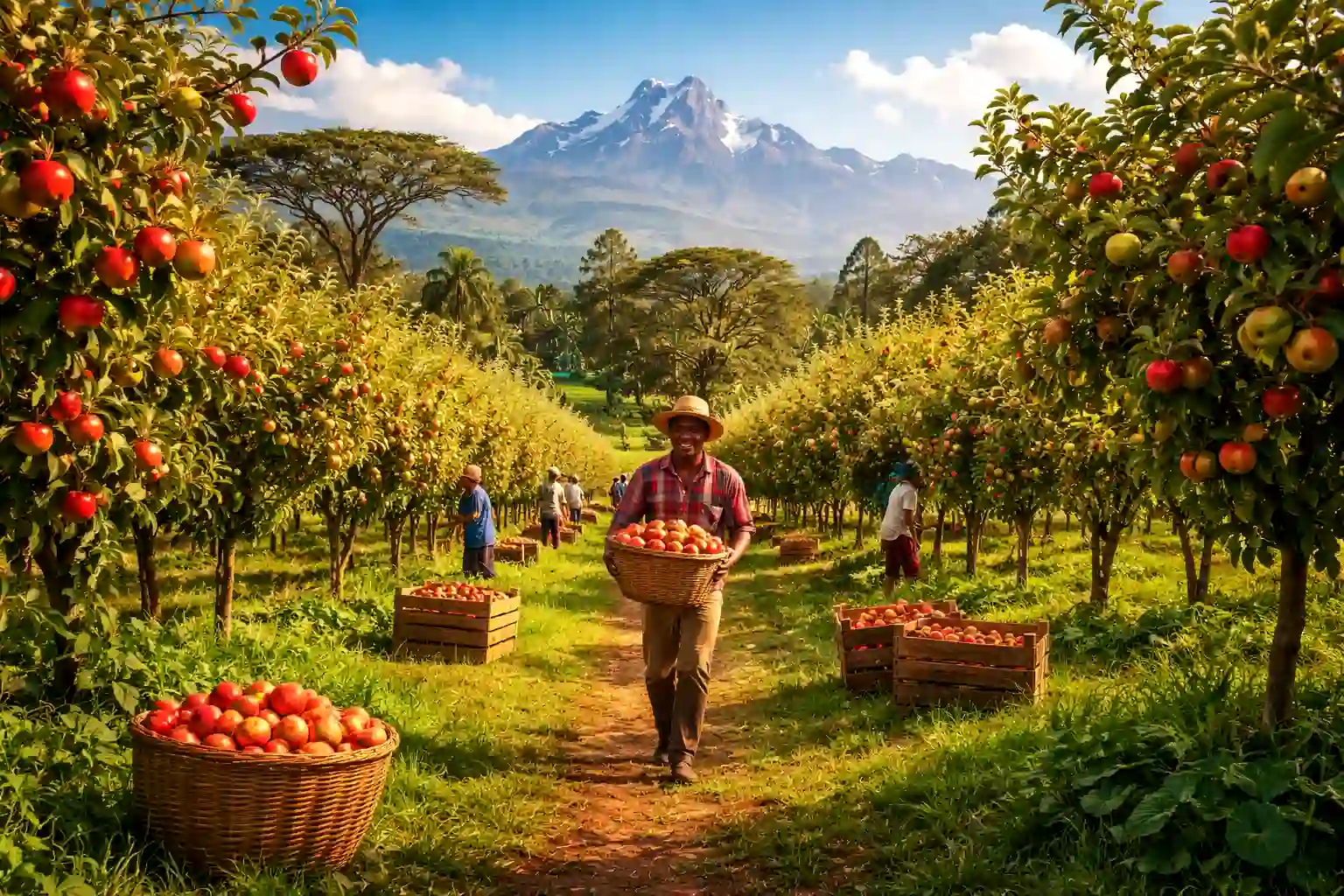
The calendar revolves around two potential harvesting seasons. Key activities include dormancy breaking in July, flowering in September, and main harvesting in December/January. Pruning and water stress management are vital triggers for the cycle.
READ ALSO: Hass Avocado Seedlings in Kenya 2026: Trusted Nurseries, Prices and Spacing Guide
In the tropics, apple trees do not go dormant naturally. Farmers must induce dormancy to ensure uniform flowering. Without this intervention, the tree produces leaves and fruits sporadically throughout the year, making management impossible.
Dormancy and Pruning (July – August)
This is the most critical phase for the orchard. Farmers must strip leaves (defoliation) to simulate winter conditions. In 2026, many farmers use organic dormancy breaking agents or manual defoliation to trigger the bud break.
Flowering and Fruit Set (September – October)
Once the rains or irrigation kick in after the dry spell, flowering begins. Beekeeping is essential here, as introducing hives into the orchard increases pollination rates by over 30%. Avoid spraying strong insecticides during this window to protect the bees.
Fruit Thinning and Management (November – December)
To get large, market-grade apples, farmers must thin the fruit. If a cluster has five small apples, remove three. This directs the tree’s energy into the remaining two, ensuring they reach the desired size of 200g+ per fruit.
What Is the Cost of Production and Projected Profit Per Acre?
Establishing one acre costs between KES 350,000 and KES 500,000 depending on seedling density and irrigation. Annual maintenance is ~KES 100,000. Annual revenue can exceed KES 1.2 Million at full maturity (Year 4+).
Apple farming is capital intensive but offers high returns compared to maize or beans. The largest upfront cost is seedlings. High-density planting (spacing 3m x 3m) allows for approximately 450 to 500 trees per acre, maximizing yield per square meter.
Start-Up Financial Breakdown (1 Acre)
The following costs are estimates for 2026 based on current market rates for labor and inputs. Estimated ranges vary by management and location.
| Item | Unit Cost (KES) | Quantity | Total Cost (KES) |
|---|---|---|---|
| Certified Seedlings | 600 | 450 | 270,000 |
| Land Preparation (Ploughing/Holes) | – | 1 Acre | 40,000 |
| Manure & Basal Fertilizer | – | 10 Tons | 30,000 |
| Drip Irrigation System | – | 1 Unit | 65,000 |
| Labor & Management (Yr 1) | – | – | 50,000 |
| TOTAL INVESTMENT | 455,000 |
Note: Land purchase or lease costs are excluded. Prices are estimated ranges.
Profitability Timeline
Year 1: Negative cash flow. Focus is on vegetative growth.
Year 2: First harvest (approx 20-30 fruits/tree). Revenue: ~KES 270,000. Breaks even on operational costs.
Year 3: Commercial harvest (approx 100 fruits/tree). Revenue: ~KES 1,350,000. Full ROI achieved.
Year 4+: Mature harvest. Maintenance costs stabilize while yields peak.
How Does the Supply Chain and Value Addition Work for Kenyan Apples?
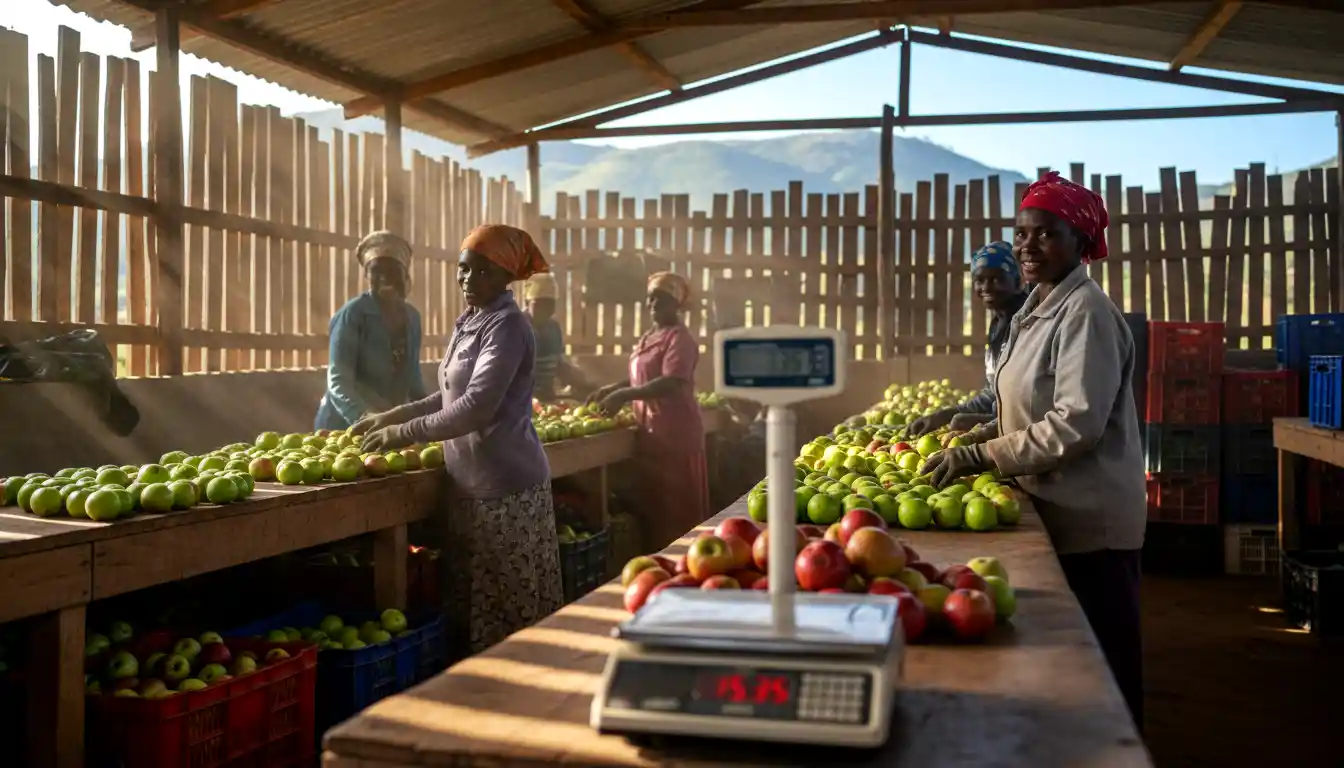
The supply chain is short: Farm to Broker to City Market, or Farm to Retailer. Value addition includes apple cider vinegar, dried apple chips, and juices. Local sourcing by supermarkets like Naivas and Carrefour has increased in 2026.
The Kenyan apple market is unsaturated. Most local apples are sold in open-air markets like Marikiti in Nairobi or Kongowea in Mombasa. However, the premium money lies in direct supply contracts or value addition.
READ ALSO: Mango Farming in Kenya: Spacing, Seedlings, Yields and Profit per Acre in 2026
Direct to Consumer and Retail
Farmers are increasingly using social media to sell directly to consumers in Nairobi. Selling a kilogram of apples (approx 6-8 fruits) for KES 250 – 300 directly to the consumer bypasses brokers. Middlemen might only offer KES 100 – 150 per kg at the farm gate.
Value Addition Opportunities
Grade 2 and Grade 3 apples (those with blemishes or small size) should not be wasted. In 2026, the demand for Apple Cider Vinegar (ACV) is immense due to health trends. Producing ACV is a low-tech fermentation process that can triple the value of reject fruit.
What Common Challenges and Diseases Threaten Apple Orchards?
Major threats include Apple Scab, Powdery Mildew, Woolly Aphids, and fruit-eating birds. Hailstones can also cause physical damage. Integrated Pest Management (IPM) is essential to minimize chemical residue.
Farming is never without risk. Apple Scab is a fungal disease that creates black lesions on the fruit, rendering it unsellable. It thrives in wet, humid conditions and requires regular pruning to increase airflow as a preventative measure.
Bird Damage Control
As apples ripen, they attract birds. In 2026, commercial orchards invest in anti-bird netting. While expensive initially, the nets protect the crop from both birds and hailstones, saving up to 40% of the harvest.
Root Rot
This is often caused by over-watering or poor drainage. Ensure your soil is well-drained. Creating raised beds for the trees can help alleviate this issue in areas with heavy clay soil.
2026 Outlook: Is Apple Farming Sustainable?
The outlook for apple farming in Kenya remains incredibly positive. As the middle class grows, the demand for healthy, locally sourced fruit increases. The shift toward the Wambugu variety has democratized apple farming, moving it out of the exclusive domain of the high-altitude elite.
READ ALSO: Banana Farming in Kenya: Best Varieties, Planting Guide and Profit Potential for Small Farmers
However, success depends on professional management. This is not a “plant and forget” crop like eucalyptus. It requires consistent feeding, pruning, and protection to yield results. For those willing to put in the work, an apple orchard acts as a biological pension plan, producing income for decades.
Farmers Also Ask (FAQ)
How profitable is apple farming in Kenya?
A mature acre can earn KES 800K to 1.2M annually from Year 4 with good management.
How long does an apple tree take to mature?
Grafted trees fruit in 9 to 24 months. Full production starts in Year 3 to 4.
Where can apples grow in Kenya?
Best in Laikipia, Nyeri, Meru and high altitude zones with cool nights.
What is the most profitable fruit farming in Kenya?
Apples, avocados and passion fruits rank among the most profitable per acre.
How many apple trees can I plant in one acre?
Using high-density spacing of 3m x 3m, you can plant approximately 450 trees. Traditional spacing of 6m x 6m allows for only about 110 trees, which is less profitable in 2026.
Can apples grow in hot areas like Mombasa or Kisumu?
Generally, no. Apples need cool nights to develop sugar and color. While Wambugu apples are adaptable, coastal heat and humidity are too intense and usually result in poor fruit set and high disease pressure.
How long does a grafted apple tree take to bear fruit?
Grafted trees, particularly Wambugu and Anna varieties, can start fruiting as early as 9 to 11 months after planting. However, commercial quantities are typically realized from the third year.
What is the best fertilizer for apple trees?
Young trees need high Nitrogen (CAN) for growth. Fruiting trees require high Phosphorus and Potassium (NPK 17:17:17 or Murate of Potash) to support fruit development. Farmyard manure is crucial for soil structure.
Do I need male and female trees?
Apples are hermaphrodites (have both parts) but are not self-pollinating. You need cross-pollination. This is why you plant different varieties together, like Anna with Dorsett Golden, to ensure bees transfer pollen between them.
How much water does a mature apple tree need?
A mature tree requires about 20 to 40 liters of water per week during the dry season. Drip irrigation is the most efficient method to deliver this directly to the root zone without wetting the leaves.
Why are my apples falling off before they are ripe?
Premature fruit drop is caused by water stress (too little or too much), nutrient deficiency (especially Zinc or Boron), or heavy pest infestation. Thinning the fruit load early can prevent the tree from aborting fruit later.
Is apple farming profitable on a small piece of land?
Yes. Even on a quarter acre (100x100ft), you can plant over 100 trees. With good management, this can generate a net income of over KES 200,000 annually, which is significant for a side hustle.
How do I control woolly aphids?
Woolly aphids appear as white cotton-like masses. Use systemic insecticides like Imidacloprid for severe cases, or organic Neem oil. Resistant rootstocks (Merton 793) are the best long-term prevention.
Where can I sell my apples in bulk?
Bulk buyers include juice processors like Kevian Kenya, supermarket chains (Naivas, Quickmart), and wholesale markets in Nairobi (Marikiti). Joining a cooperative can help aggregate volume for better bargaining power.