
Table of Contents
Why is Banana Farming a Profitable Venture in Kenya?
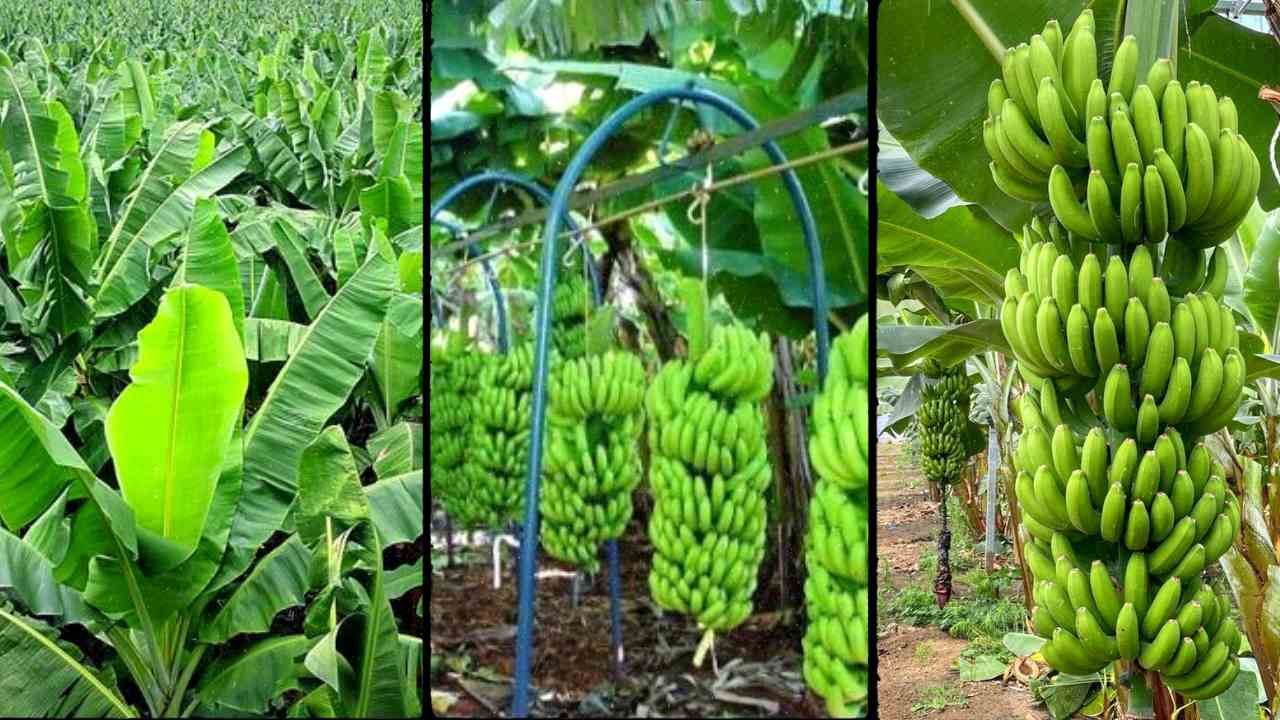
Banana farming in Kenya offers high returns due to year-round demand in major urban centers like Nairobi and Mombasa. With proper management, one acre can generate a net profit of over KES 400,000 annually starting from the second year. It serves as both a food security crop and a major income earner for smallholders.
Introduction to the Green Gold of Kenya
Banana farming has evolved from a backyard subsistence activity to a major commercial enterprise in Kenya. As we approach the 2026 farming season, the sector is projected to grow significantly due to the adoption of Tissue Culture (TC) technology and improved agronomic practices.
Farmers in regions like Meru, Kisii, Kirinyaga, Muranga, and Taita Taveta have long relied on this crop. However, new areas in Ukambani and parts of the Rift Valley are opening up due to irrigation. The banana plant is resilient, provides continuous cash flow, and contributes significantly to household food security.
The market dynamics are shifting. Kenyan consumers are demanding higher quality, blemish-free fruit. This guide provides a comprehensive roadmap for beginner farmers to navigate these changes and secure high profits.
Read also: HOW TO EXPORT HASS AVOCADOS FROM KENYA IN 2026: A STEP-BY-STEP GUIDE
What Are the Best Banana Varieties for Kenya in 2026?
The best varieties depend on your market goal. For ripening or dessert use, the Grand Nain, Williams, and Giant Cavendish are superior due to high yields. For cooking or matoke, Ngombe and Nusu Ngombe are preferred. Tissue Culture seedlings are highly recommended over traditional suckers to ensure disease-free planting material.
Understanding Banana Varieties
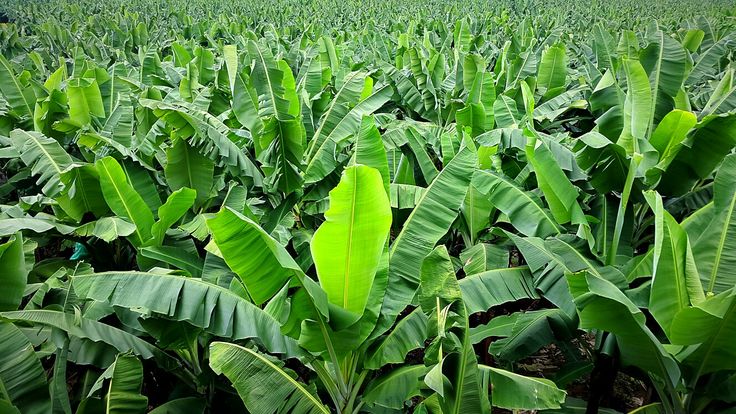
Choosing the right variety is the single most important decision a farmer makes. In Kenya, varieties are generally categorized into ripening types and cooking types.
Top Ripening Varieties
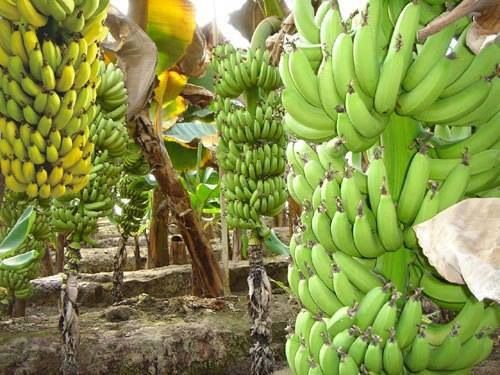
This is a high-yielding variety that is relatively short, making it resistant to wind damage. It produces large bunches weighing between 60kg and 100kg under good management. It is popular in supermarkets and export markets.
A robust variety that grows taller than Grand Nain. It is well-adapted to various ecological zones in Kenya. The fruit is sweet and has a long shelf life, making it excellent for transport to distant markets like Nairobi.
This is the traditional market favorite. It produces very heavy bunches but requires propping to prevent toppling. It thrives in areas with consistent rainfall and fertile soils.
This variety is smaller and sweeter. It fetches a premium price in local markets but yields are generally lower than the Cavendish types.
Top Cooking Varieties
Ngombe:
This is the most popular cooking banana in Kenya. It produces massive bunches and is highly resistant to drought compared to other varieties. It is a staple in Western and Nyanza regions.
Nusu Ngombe:
Similar to Ngombe but slightly smaller. It matures faster and is preferred by farmers who want a quicker turnover.
Fhia 17:
This is a dual-purpose hybrid developed to resist pests and diseases. It can be cooked when green or eaten ripe. It is gaining popularity due to its resistance to Black Sigatoka disease.
Always source your seedlings from certified nurseries or JKUAT approved labs to avoid introducing diseases like Fusarium Wilt into your farm.
What Are the Ecological Requirements for Bananas?
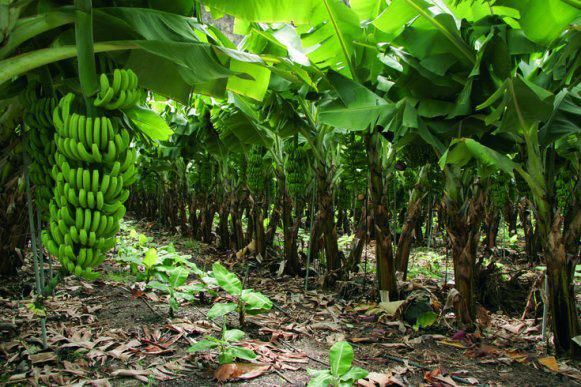
Bananas thrive in warm climates with temperatures between 20 degrees Celsius and 30 degrees Celsius. They require deep, well-drained loam soil with a pH of 5.5 to 6.5. Rainfall should be well-distributed, ranging from 1,000mm to 2,500mm annually. Irrigation is mandatory for commercial farming in semi-arid areas.
Climate and Soil Conditions
Bananas are tropical plants that require specific conditions to reach their full potential. Understanding your local climate is the first step toward a successful harvest.
Altitude plays a key role. Bananas perform best from sea level up to 1,800 meters above sea level. Above this altitude, the growth cycle extends, meaning it takes longer for the crop to mature. For example, a banana in Kisii takes longer to mature than one in Kilifi, but the highland crop often has better sugar content.
Soil depth is critical. Banana roots are relatively shallow but require loose structure to anchor the heavy plant. Avoid areas with waterlogging. If your soil retains too much water, the roots will rot. Farmers in heavy clay areas must amend their soil with organic manure and sand before planting.
Wind is a major enemy of banana farming. Strong winds can shred leaves, reducing photosynthesis, or topple the entire plant. If your land is in a windy area, plant windbreakers like Grevillea robusta on the perimeter before establishing the orchard.
How Do You Prepare Land and Plant Bananas?
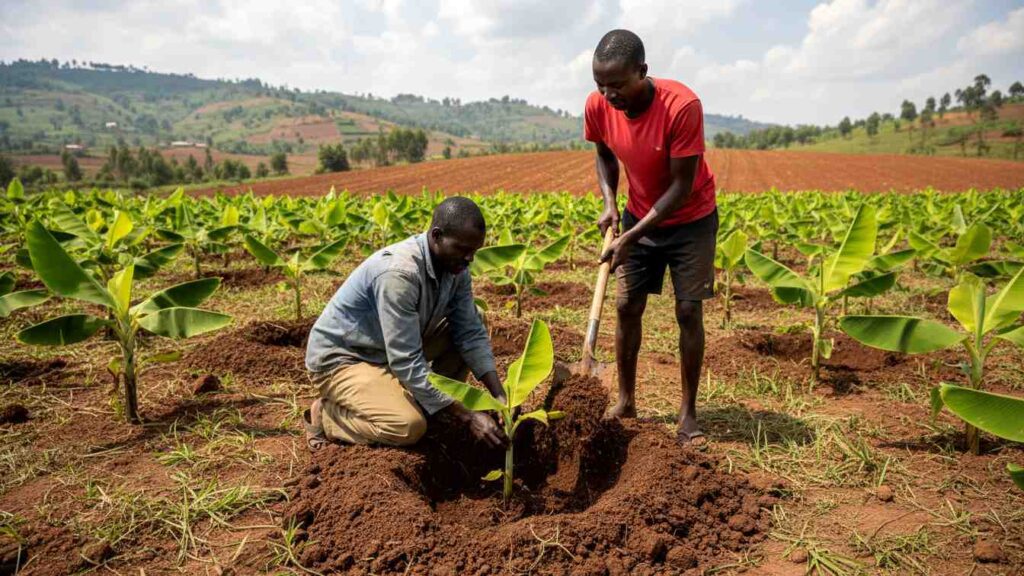
Plough the land deeply and harrow to a fine tilth. Dig holes measuring 60cm by 60cm by 60cm. Space the holes 3 meters by 3 meters. Mix the topsoil with 20kg of well-decomposed manure and 200g of DAP fertilizer. Plant the seedling deep enough to cover the root ball but do not bury it completely.
The Planting Process
Proper land preparation sets the foundation for the next 10 years of production. A banana stool can remain productive for a decade, so cutting corners at this stage is a costly mistake.
Step-by-Step Planting Guide
Clear the vegetation and remove all stumps. Plowing should be done during the dry season to expose soil pests to the sun.
Mark out the field. The recommended spacing is 3m x 3m (9 feet x 9 feet). This population allows for about 450 stools per acre. In dry areas under irrigation, you can reduce spacing to 3m x 2m to create a microclimate, but this requires higher fertilizer input.
Dig the holes. Separate the topsoil (first 15cm) from the subsoil. The holes should be large (60x60x60cm) to allow root expansion.
Prepare the planting mix. Mix the topsoil with 2 debes (approximately 40kg) of well-rotted farmyard manure. Add 200g of DAP or TSP fertilizer to aid root development. Also, add a nematicide if the area has a history of nematodes.
Read also: Best Greenhouse Farming Guide in Kenya: Profits, Costs, and Beginner Mistakes to Avoid in 2026
Plant the seedling. If using Tissue Culture, remove the plastic bag carefully without disturbing the roots. Place the plant in the center of the hole. Fill with the soil-manure mix.
Water immediately. Use at least 20 liters of water per hole to settle the soil and eliminate air pockets.
Plant at the onset of the long rains if you rely on rain-fed agriculture. This gives the plant 3 to 4 months of moisture to establish a strong root system.
How Should You Manage Your Banana Orchard?
Essential management practices include weeding, mulching, watering, and desuckering. Maintain a ratio of 3 plants per stool: the mother, the daughter, and the granddaughter. Apply CAN fertilizer during the rainy season and add manure annually. Propping is necessary to support heavy bunches.
Cultural Practices for High Yields
Management is where the profit is made. A neglected farm will produce small bunches that fetch low prices.
Desuckering and Pruning
You must control the population of stems per stool. If you leave too many suckers, they compete for light and nutrients, resulting in small bunches. Keep the 3-Generation rule: one Mother, one Daughter, and one Granddaughter.
Remove all other suckers using a sharp knife. Cut them at ground level and gouge out the growing point to prevent regrowth.
Mulching
Mulching is non-negotiable in banana farming. Use dry grass, maize stalks, or banana leaves. Place the mulch 30cm away from the main stem. This ring prevents weevils from hiding near the base of the plant and allows new suckers to emerge without obstruction. Mulching retains soil moisture and suppresses weeds.
Fertilization
Bananas are heavy feeders. They extract massive amounts of Potassium from the soil. Start with DAP during planting. Top dress with CAN or Urea during the rainy season split into two applications. Apply Muriate of Potash or NPK 17:17:17 when the plant starts flowering to boost bunch weight. Add at least 2 debes of manure per stool every year before the rains.
Propping
Commercial varieties like Williams and Cavendish produce heavy bunches that can snap the stem. Use bamboo or eucalyptus poles to prop the bearing stems. Tie the prop securely to the plant using sisal twine or a banana fiber rope.
What Are the Major Pests and Diseases?
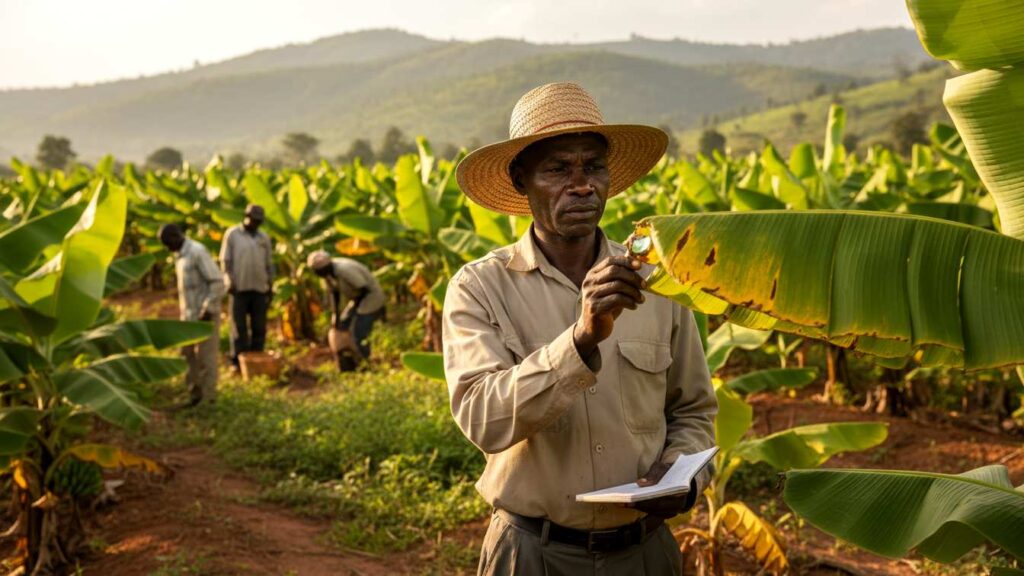
The most destructive disease is Panama Wilt (Fusarium), which has no chemical cure; prevention via TC seedlings is key. Black Sigatoka attacks leaves, reducing yield. Major pests include the Banana Weevil, which bores into the corm, and Nematodes, which destroy roots. Field sanitation and certified inputs are the best controls.
Pest and Disease Management
A healthy farm starts with prevention. Once a disease like Panama Wilt enters your farm, it is nearly impossible to eradicate.
Common Diseases
Panama Disease (Fusarium Wilt): This is a soil-borne fungal disease. The leaves turn yellow and collapse, hanging like a skirt around the stem. There is no chemical cure. Use resistant varieties like Fhia 17 or Giant Cavendish. Quarantine infected stools and destroy them.
Black Sigatoka: A fungal disease that causes black streaks on the leaves. It reduces the photosynthetic area, leading to small bunches and premature ripening. Remove affected leaves. Use fungicides if the infection is severe. Ensure good spacing to allow air circulation.
Bacterial Wilt (Xanthomonas): The male bud dries up and fruits ripen unevenly and rot. Debud using a forked stick immediately after the bunch forms to prevent transmission by bees. Disinfect tools with bleach.
Common Pests
Banana Weevil: The adult is a black beetle. The larvae bore tunnels into the corm, weakening the plant. The plant snaps easily during wind. Trap weevils using split banana stems. Keep mulch away from the stool base. Use approved pesticides like Carbofuran.
Nematodes: Microscopic worms that attack roots. The plant looks stunted and topples over. Use clean planting material (TC). Rotate crops if possible. Apply nematicides at planting.
Read also: Maize Farming in Kenya: High Yield Production Guide, Best Practices and Profit Tips 2026
What Is the Cost of Production and Profit Potential?
Establishing one acre costs between KES 80,000 and KES 120,000, covering land prep, 450 TC seedlings, manure, and labor. From year two, maintenance costs drop to KES 40,000. With 450 stools producing 1.5 bunches annually at KES 500 to KES 800 per bunch, gross revenue can exceed KES 450,000 per acre.
Financial Breakdown
Farming is a business. Here is a realistic budget for a one-acre banana enterprise in Kenya using Tissue Culture technology.
Initial Capital (Year 1)
Land Preparation costs about KES 15,000 for ploughing and furrows. Hole digging labor costs approximately KES 10,000. 450 TC seedlings at KES 120 each will cost KES 54,000. Budget KES 20,000 for 4 tonnes of manure and KES 10,000 for fertilizer. Labor for weeding and watering will cost around KES 20,000. The total Year 1 investment is approximately KES 129,000.
Revenue Projections (Year 2 onwards)
Bananas take 12 to 15 months to produce the first harvest. A well-managed acre has 450 stools. Each stool produces roughly 1.5 bunches per year. This results in about 675 bunches per year.
With an average farm gate price of KES 600 per bunch, gross revenue hits KES 405,000. Recurrent expenditure for fertilizer, manure, and labor drops to about KES 50,000 per year. The net profit is approximately KES 355,000 per acre annually.
To maximize profit, time your harvest for the dry season when prices peak. This requires irrigation planning. Also, consider value addition like banana flour or crisps to reduce post-harvest losses.
Read also: Strawberry Farming in Kenya: Step‑by‑Step Guide, Costs, Best Seed Varieties and Profits in 2026
Where Is the Market for Bananas in Kenya?
The biggest markets are wholesale hubs like Wakulima Market in Nairobi, Kongowea in Mombasa, and Kibuye in Kisumu. Supermarkets like Naivas and Carrefour require contract farming with consistent quality. Local institutions like schools and hospitals are excellent for consistent bulk orders of cooking bananas.
Harvesting and Post-Harvest Handling
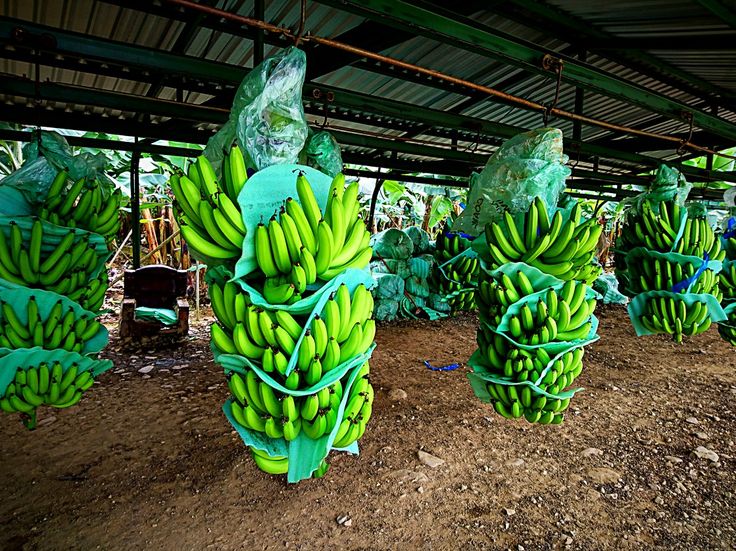
Harvesting is done when the fingers are plump and the ridges have disappeared. Do not wait for them to ripen on the tree if you are transporting them, as they will bruise.
Read also:Pixie Orange Farming in Kenya 2026: Complete Guide to Seedlings, Costs and Profit per Acre
Cut the bunch with a curved knife, leaving about 30cm of the stalk to handle it. Carry bunches on padded trays or cushions to prevent bruising. Store in a cool, shaded area. For ripening, use safe methods like temperature control or avocado and passion fruit mixing. Avoid calcium carbide as it is illegal and hazardous to health.
Key Success Factors Recap
Start with clean Tissue Culture seedlings. Dig large holes and use plenty of manure. Manage suckers strictly using the Mother Daughter Granddaughter rule. Water consistently during dry spells. Handle the fruit carefully during harvest to maintain market value.
Where to Sell Your Banana Harvest
Kenyan farmers have several lucrative options for selling their produce. Large wholesale markets like Wakulima in Nairobi, Kongowea in Mombasa, and Kibuye in Kisumu are the best places to move high volumes of fruit quickly. These markets are essential for both ripening varieties and cooking bananas.
Supermarket chains such as Naivas and Carrefour offer premium prices but require consistent quality and a reliable supply schedule. Farmers can enter into contract farming agreements with these retailers to ensure a stable market. Local schools, hospitals, and hotels also provide a steady demand for bulk orders of matoke and dessert bananas.
Selling directly to retailers in residential estates or at roadside stalls can increase your profit margins by cutting out middlemen. For those looking to maximize their earnings, value addition is a great path. Processing bananas into flour, crisps, or jam allows you to reach specialized customers and reduces losses from overripe fruit.
Conclusion
Banana farming in Kenya is a highly profitable venture that offers long term financial security for dedicated farmers. By transitioning to tissue culture technology and following modern agronomic practices, you can achieve yields that far exceed traditional methods. The key to success lies in choosing the right variety for your climate and maintaining a disciplined management routine.
As we look toward the remainder of the 2026 season, the demand for high quality, locally grown bananas continues to rise. This guide provides the essential steps to navigate the industry and build a thriving commercial enterprise. With careful planning and consistent care, your banana farm will become a reliable source of income for your family and community.
Frequently Asked Questions
How long does a tissue culture banana take to mature?
Tissue culture bananas typically mature faster than sucker-planted bananas. They usually start flowering at 9 to 10 months and are ready for harvest by 12 to 14 months, depending on the altitude and temperature.
What is the difference between Tissue Culture and Suckers?
Tissue Culture (TC) plants are produced in a lab and are 100% disease-free, uniform in growth, and high-yielding. Suckers are uprooted from existing farms and carry a high risk of transmitting diseases like Fusarium Wilt and weevils to the new farm.
Can I intercrop bananas with other crops?
Yes, during the early stages (first 6 months), you can intercrop with beans, cowpeas, or vegetables. Avoid deep-rooted crops like maize or sweet potatoes as they compete for nutrients. Once the canopy closes, intercropping becomes difficult due to shade.
How many banana plants fit in one acre?
With the standard spacing of 3 meters by 3 meters (9ft x 9ft), an acre accommodates approximately 450 stools. If using a high-density spacing of 2.5 meters by 2.5 meters, you can fit roughly 640 plants, but this requires intensive fertilization.
Why are my banana fingers small?
Small fingers are usually caused by three factors: lack of water during the bunch formation stage, poor fertilization (lack of Potassium), or leaving too many suckers on the stool (overcrowding).