

- Emerging Superfoods: Specialty crops like Lupini and Edamame are seeing over 900% growth in demand due to health trends and high-end restaurant needs.
- Export & Industrial Options: French beans remain the top export earner, while Soya beans offer strong B2B opportunities for animal feed manufacturers.
- Local Market Staples: Yellow beans and Rosecoco (Nyayo) continue to dominate local consumption, with Yellow beans currently fetching the highest retail prices.
Table of Contents
Bean farming in Kenya is undergoing a massive transformation in 2026. The market has shifted from traditional subsistence crops to high-value specialty varieties driven by health-conscious consumers and strict export demands. Farmers who adapt to these new trends are seeing revenue potential far beyond the capabilities of standard maize intercropping.
Success this year requires more than just planting seeds in the ground and waiting for rain. It demands a strategic choice between high-volume staples like Wairimu or high-margin specialty crops like Edamame. This guide breaks down the agronomy, financial projections, and market access strategies you need to succeed.
We will explore the specific varieties that are outperforming the market right now. From the drought-resistant Chickpea to the export-ready French bean, we cover it all. Let us look at how you can turn your land into a profitable bean agribusiness.
Why 2026 is the Year of the “Specialty Bean”
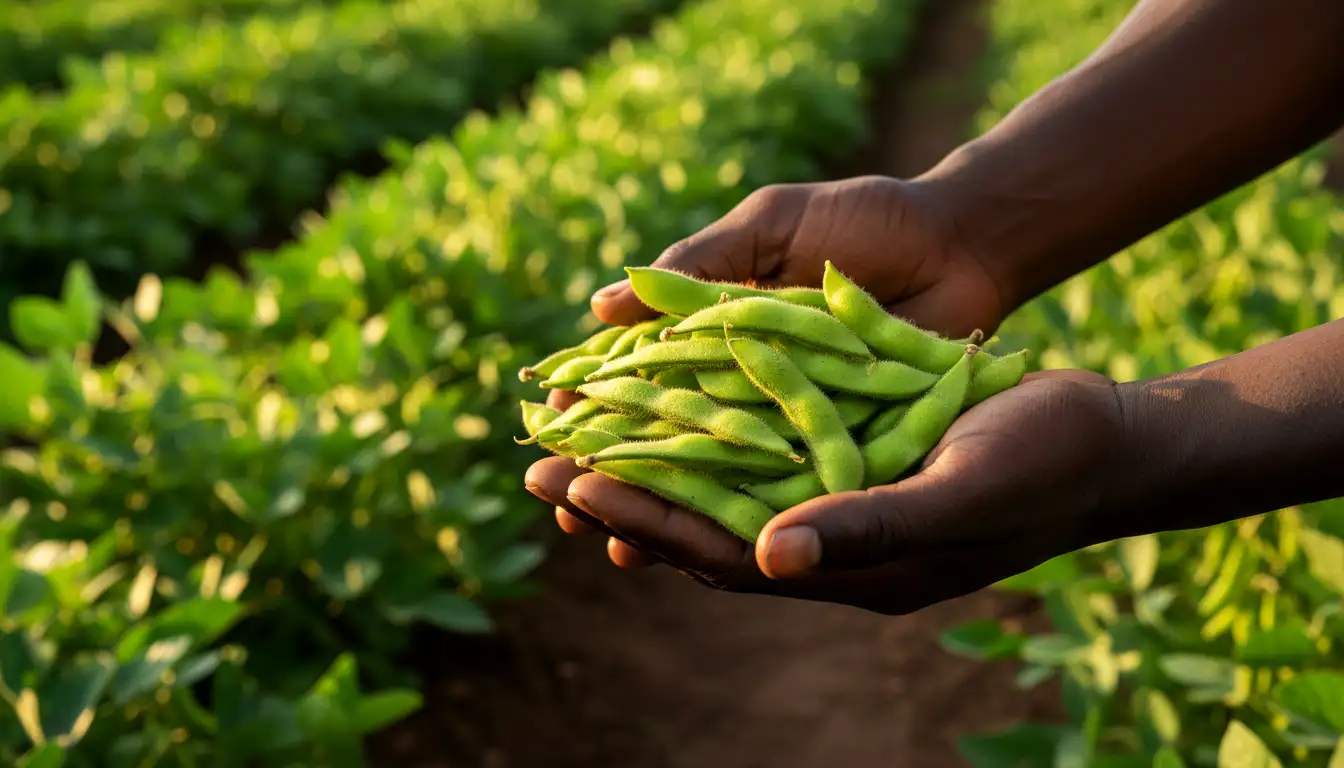
The “Breakout” stars for 2026 are Lupini and Edamame beans, showing a massive 900% growth in search interest and market demand. These varieties target the expanding health and wellness sector. Edamame serves high-end hospitality, while Lupini is positioned as a keto-friendly superfood.
Edamame Beans: The High-End Market Darling
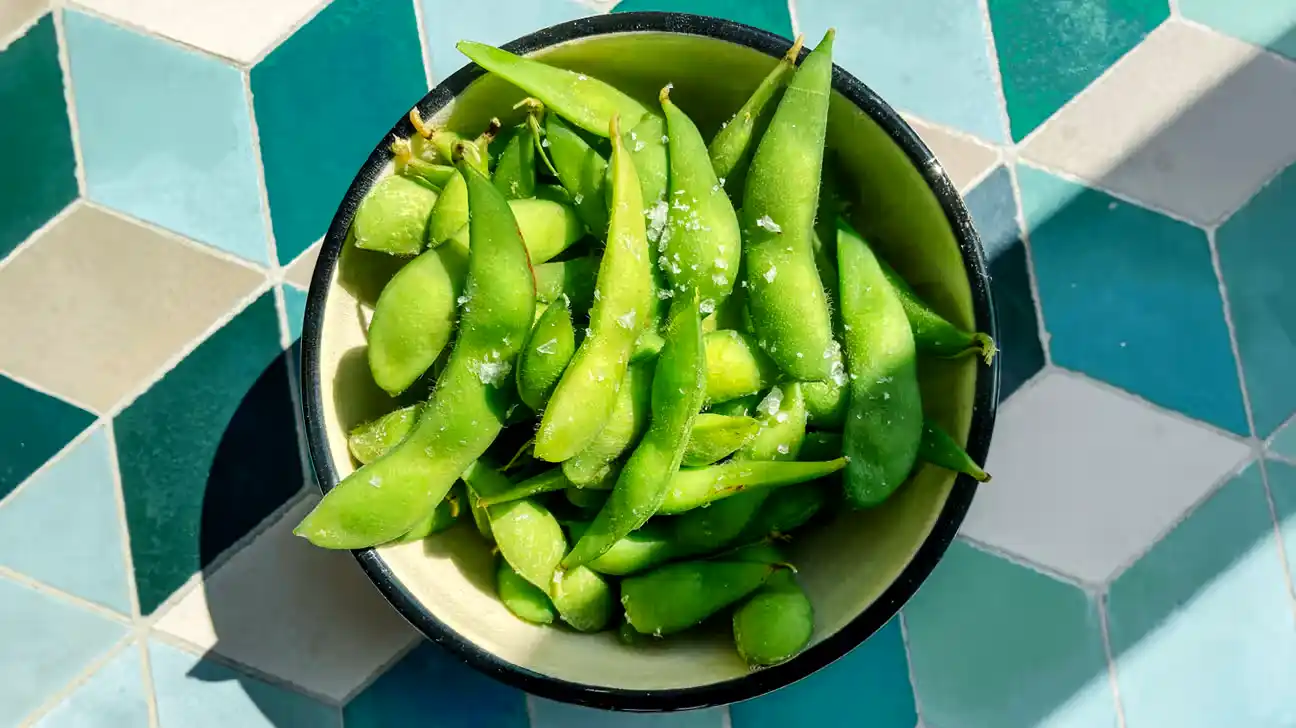
Edamame beans are young soybeans harvested before they ripen. In 2026, the demand for fresh Edamame in Nairobi’s Asian restaurants and high-end salad bars has skyrocketed. Farmers near urban centers can tap into this niche for premium returns.
READ ALSO: Maize Farming in Kenya: High Yield Production Guide, Best Practices and Profit Tips 2026
Growing Edamame requires precise timing and irrigation, as the pods must be harvested while still green and tender. The crop matures quickly, allowing for multiple cycles in a single year. Prices per kilogram for fresh Edamame are significantly higher than dry beans, often triple the standard rate.
Lupini Beans: The Keto Superfood
Lupini beans are rapidly gaining traction as a “new superfood” among health enthusiasts. They are incredibly high in protein and uniquely low in carbohydrates, making them perfect for the keto diet trend. This specific nutritional profile has created a surge in demand from wellness brands and health food stores.
These beans are robust and can thrive in soils that might be too poor for other crops. However, they require processing to remove bitterness before consumption, which is often handled by the buyer. Farmers focusing on this niche are finding eager buyers in the specialized health food sector.
The Export King: French Beans
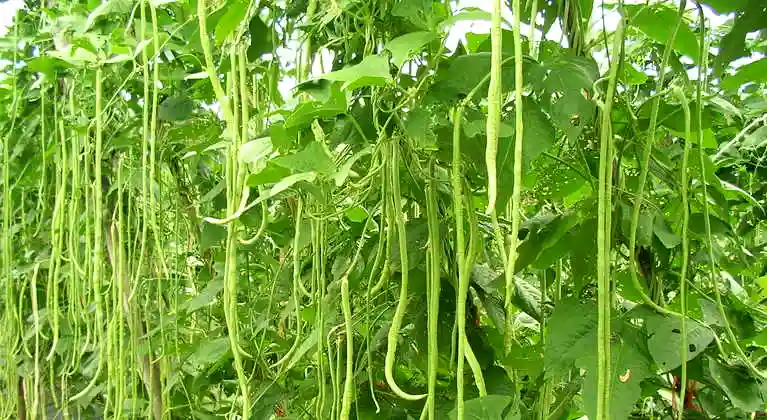
French beans remain the most consistent money-maker for export-oriented farmers, with demand remaining high in the EU and Middle East. Varieties like Teresa and Amy are top performers. Adherence to GlobalGAP standards and strict chemical residue limits is essential for market access in 2026.
Top Export Varieties: Teresa and Amy
When it comes to export, variety selection is non-negotiable. Teresa and Amy are the dominant varieties due to their straight pods and long shelf life. These varieties are bred to withstand handling and transport, ensuring they arrive in Europe in pristine condition.
Teresa is particularly favored for its high resistance to rust, a common challenge in wet conditions. Amy produces uniform pods that fit perfectly into pre-pack guidelines for supermarkets. Choosing the right seed ensures your harvest meets the strict aesthetic standards of export buyers.
Navigating EU and Middle East Standards in 2026
The export market is lucrative but unforgiving regarding quality standards. In 2026, the European Union has tightened regulations on Maximum Residue Levels (MRLs) for pesticides. Farmers must strictly follow safe pre-harvest intervals (PHI) to avoid rejection at the airport.
The Middle East market is growing rapidly and is slightly less stringent than the EU, offering a good entry point for new exporters. However, consistency in supply is key. Working with a contracted exporter who guides your spray program is the safest way to guarantee your crop is sold.
The Nutritional Powerhouses: Chickpeas and Soya
Chickpeas and Soya beans offer distinct advantages for different regions and markets. Chickpeas are drought-resistant and ideal for Eastern Kenya, while Soya beans serve the massive industrial animal feed market. Both crops have lower competition levels compared to standard beans, offering stable long-term contracts.
Chickpeas (Garbanzo): Gold for Dryland Farmers
Chickpeas are an underutilized crop in Kenya that offer immense potential for dryland areas. They are highly drought-resistant, making them perfect for farmers in Eastern or Northern Kenya where maize often fails. The “Kabuli” variety, which is large and cream-colored, is preferred for the local and export human consumption market.
The input costs for chickpeas are relatively low as they require fewer sprays than French beans. They also fetch good prices in local markets, especially among the Indian community in Kenya. Diversifying into chickpeas can provide a safety net against climate variability.
Soya Beans: The Industrial B2B Opportunity
While Soya bean farming is not as “trendy” as Edamame, it is the backbone of the animal feed industry. The demand for Soya is driven by poultry and dairy feed manufacturers who constantly seek local alternatives to expensive imports. This creates a massive B2B (Business to Business) opportunity.
Farmers can secure contracts with feed millers before even planting. The key to Soya is volume; it makes the most sense for farmers with larger tracts of land. Properly inoculated Soya seeds also fix nitrogen in the soil, improving fertility for the next season’s crop.
Staple Varieties for Local Markets
While export crops offer high prices, the local market for staple beans provides steady, high-volume demand. Every Kenyan household consumes beans, making this the “bread and butter” of the sector. Kidney beans and Yellow beans are the heavyweights in this category.
Kidney Beans (Nyayo & Wairimu)
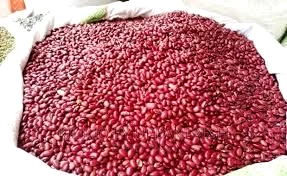
The red kidney beans, locally known as Nyayo or Wairimu, are the most traded beans in the country. They are high-yielding and have a predictable market flow. Focus on maximizing “Yield per Acre” to ensure profitability with these lower-margin varieties.
READ ALSO: Kenya Long Rains 2026: The Ultimate March Planting Guide (Weather, Seeds, and Fertilizer Prices)
Wairimu is preferred for its rich red color and soft texture when cooked. It is a standard menu item in schools and hotels. Farmers should target the planting season to time their harvest when market supply is low, typically two months after the main harvest peaks.
The Rise of Yellow Beans
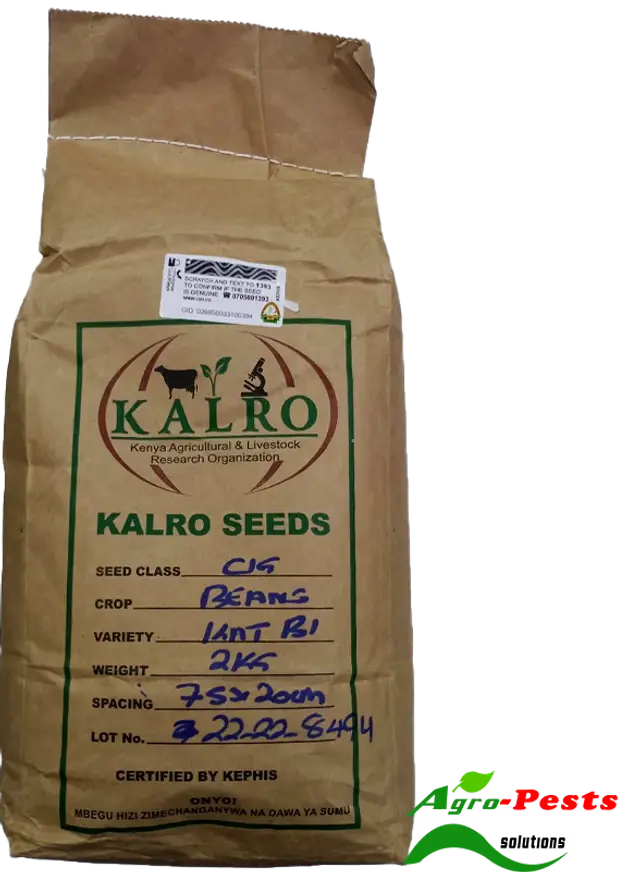
Yellow beans have surged in popularity and now command the highest prices in local retail markets. Consumers love them because they are less gas-forming and have a naturally sweet taste. Although they yield slightly less than Rosecoco, the price premium makes them highly profitable.
They are known as “Kat B1” or “Sweet Yellow” in seed catalogs. They cook faster than red beans, saving fuel for urban consumers. This convenience factor ensures they always sell out first at the market.
🚀 2026 Bonus Addition: The “Waithera” Breakout
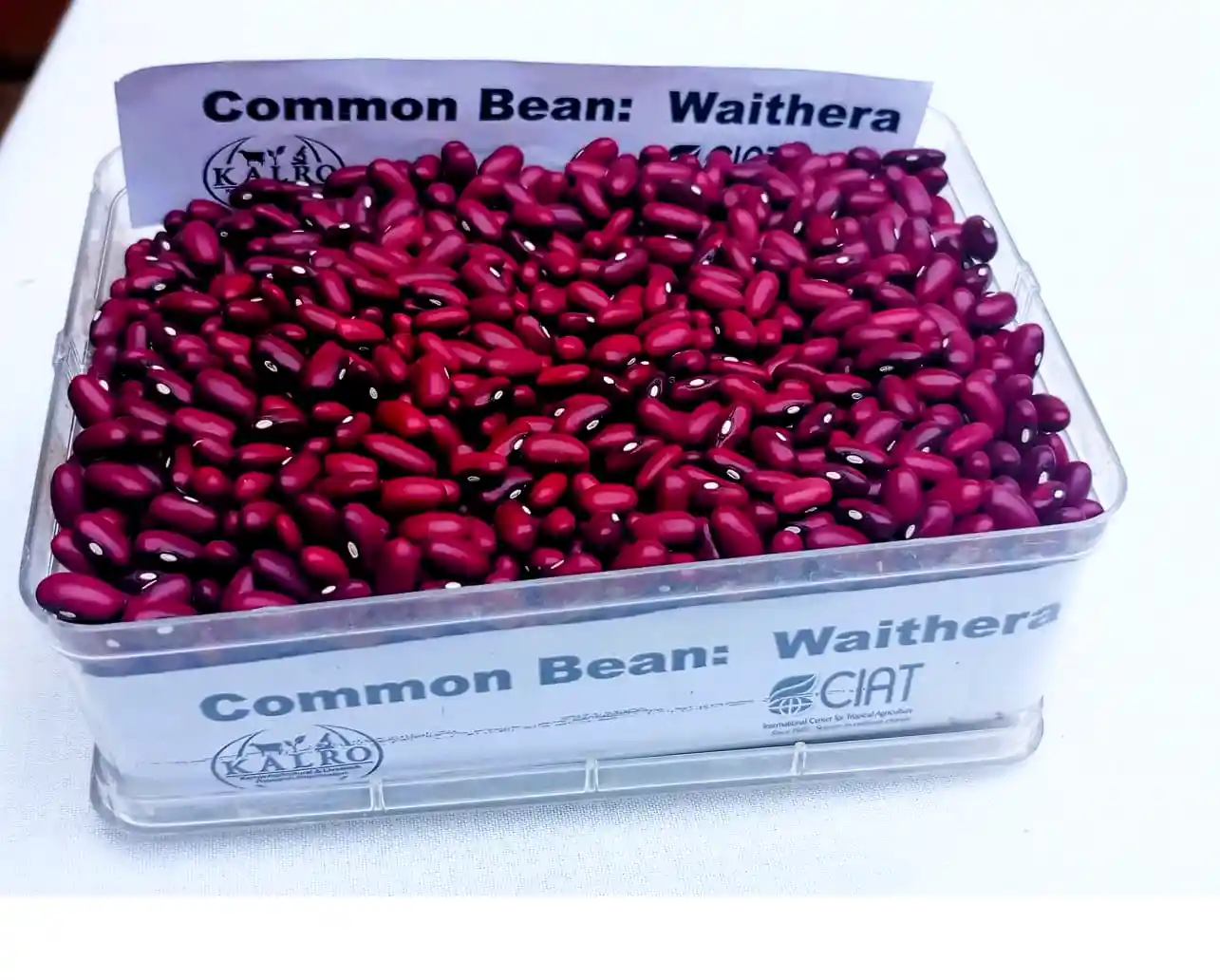
If you aren’t planting the Waithera Bean this season, you are leaving money on the table. Recently popularized by KALRO, this variety is specifically engineered to solve the three biggest complaints Kenyan consumers have about beans: gas, cooking time, and price.
💨 The “Gas-Free” Revolution
Waithera is a Red Kidney type (similar to the beloved Wairimu) but with a scientific twist. It has been bred to be significantly less gas-forming (non-flatulent).
- Why it sells: This makes it the #1 choice for schools, hospitals, and health-conscious urban families who usually avoid beans due to digestive discomfort.
- Market Tip: Label your harvest as “Easy-Digest” or “Gas-Free” to command a 20% price premium at the market.
📈 Unbeatable Yield Potential
The ROI on Waithera is frankly staggering. In 2025-2026 pilot programs, farmers reported:
A harvest of up to 100kg from just 1.75kg of seed.
This high-multiplication rate means you can start with a small investment in certified seeds and expand your acreage rapidly within a single year. It is a “poverty-buster” variety that thrives even with minimal fertilizer.
⏱️ Energy-Efficient Cooking
With the 2026 rise in fuel and charcoal costs, cooking time is now a financial decision for most households.
- The Speed Factor: Waithera cooks up to 30% faster than traditional Rosecoco or Nyayo beans.
- The Appeal: For the urban consumer in Nairobi or Mombasa, choosing Waithera means saving money on every meal. It stays soft even after cooling, making it perfect for Githeri and stews.
2026 Market Price and Yield Comparison
| Variety | Market Focus | Avg Yield (90kg Bags) | Price Potential |
|---|---|---|---|
| French Beans | Export (EU/ME) | 4 – 6 Tons | High (Foreign Currency) |
| Yellow Beans | Local Premium | 10 – 14 Bags | Very High (Retail) |
| Rosecoco (Nyayo) | Local Staple | 15 – 20 Bags | Medium (Volume Driven) |
| Chickpeas | Dryland/Niche | 8 – 12 Bags | Medium-High |
| Soya Beans | Industrial/Feed | 12 – 15 Bags | Stable (Contract) |
Where to purchase Bean seeds in Kenya 2026
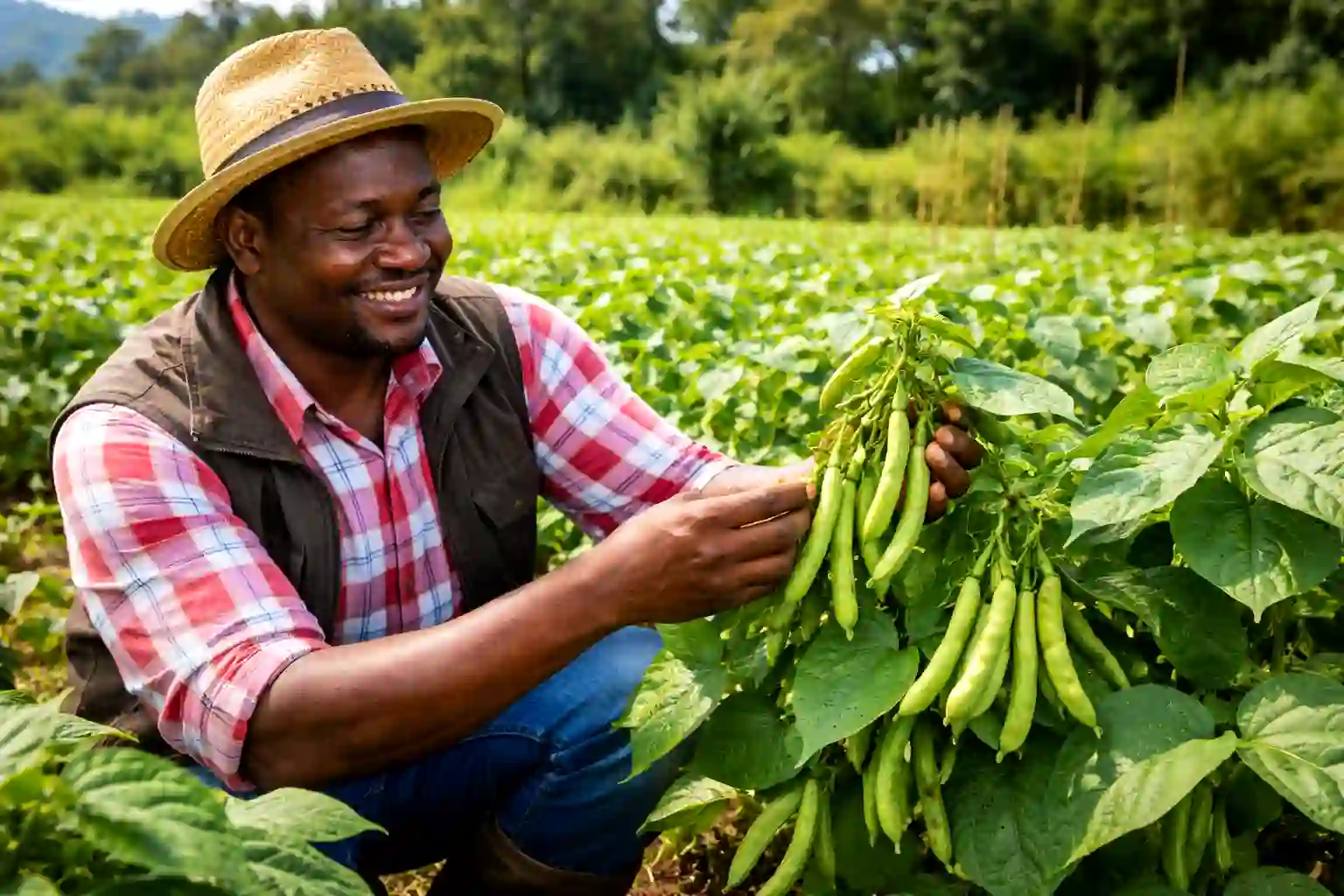
To ensure disease-free production, purchase seeds from certified institutions like Kenya Seed Company or KALRO. Avoid using “market grain” for planting as it leads to poor germination and disease spread. Digital platforms like Digifarm and iShamba also offer verified inputs delivered to your nearest depot.
Certified Seed Stockists
The foundation of a good harvest is certified seed. Kenya Seed Company has depots across the country, including major hubs in Kitale, Nakuru, and Nairobi. Their “Simlaw Seeds” brand is widely trusted for horticultural varieties like French beans.
KALRO (Kenya Agricultural and Livestock Research Organization) is the best source for specialized drought-tolerant seeds like the Katumani varieties (Kat B1). Visiting a KALRO center often provides the added benefit of speaking directly with an agronomist. They can advise on the exact seed batch that suits your soil type.
Digital Platforms for Inputs
Modern farmers are increasingly using technology to source inputs. Safaricom’s Digifarm allows you to order seeds and fertilizer via mobile phone and collect them at a local “iProcure” store. This system guarantees that the products are genuine and not counterfeit.
Other apps like iShamba provide a directory of agro-vets that stock genuine products. Using these digital tools helps you avoid the risk of buying fake seeds, which is a common problem in the open market. Always look for the KEPHIS tag on any seed packet you buy.
Ecological Requirements and Soil Health
Beans are generally adaptable, but specific conditions will maximize your output. Understanding your local climate and soil composition is the first step toward a bumper harvest.
Ideal Climatic Conditions
Beans thrive in temperatures between 15°C and 27°C. Extremes outside this range can cause flower abortion, drastically reducing yields. They require moderate rainfall spread out over the growing season, typically between 300mm and 500mm.
READ ALSO: Top 10 Best Agrovets in Kenya (2026 Guide): Where to Buy Genuine Inputs in Nairobi, Eldoret & Nakuru
Excessive rain during flowering can knock off flowers and encourage fungal diseases. Conversely, drought during the pod-filling stage leads to shriveled, low-weight beans. Timing your planting so that the harvest coincides with the dry season is crucial for grain quality.
Soil Preparation and Testing
Soil testing is the most ignored yet most profitable activity a farmer can do. Beans prefer a soil pH of 6.0 to 7.5; acidic soils will lock up nutrients and stunt growth. If your soil is acidic, applying agricultural lime a month before planting can double your yields.
Land preparation should be done early to allow organic matter to decompose. Ploughing and harrowing to a fine tilth ensures good seed-to-soil contact. Avoid waterlogged areas as beans are highly susceptible to root rot in wet soils.
Step-by-Step Farming Guide for Maximum Yield
Maximize yields by planting in rows rather than broadcasting, using DAP or NPK fertilizer at planting, and keeping the field weed-free for the first 6 weeks. Regular scouting for pests like aphids and diseases like anthracnose allows for timely intervention.
Land Preparation and Planting
Start with a clean, weed-free seedbed. For dry beans, space rows 45cm apart and plants 10-15cm apart within the row. This spacing allows for adequate aeration, reducing the risk of fungal infections.
Apply diammonium phosphate (DAP) or a specialized legume fertilizer at planting. Mix the fertilizer well with the soil before placing the seed to avoid scorching. Planting depth should be roughly 2-3cm; planting too deep can delay emergence and weaken the seedling.
Weed and Pest Management
Weeds are the biggest thief of yield. The critical weed-free period for beans is the first 4 to 6 weeks after germination. Shallow weeding is recommended to avoid damaging the shallow root system of the bean plants.
Common pests include the Bean Fly, which attacks seedlings, and Aphids, which suck sap and transmit viruses. Monitor your crop daily. If you see signs of infestation, use recommended insecticides, but always adhere to safety intervals, especially for export crops.
Which Kenyan Regions Are Best for Commercial Bean Farming?
The most productive regions for bean farming include Trans Nzoia, Nakuru, and Uasin Gishu for large-scale production. Meru and Nyeri are excellent for intensive, high-yield farming. Machakos, Makueni, and Kitui are ideal for drought-tolerant varieties like Nyota and KAT B1.
Bean farming success relies heavily on matching the variety to the ecological zone. Kenya’s diverse climate allows for production across various counties. However, yield expectations vary by region and soil type.
The Grain Basket (Trans Nzoia, Uasin Gishu, Nakuru)
This region produces the bulk of Kenya’s beans, often intercropped with maize. The soils are acidic to neutral and receive high rainfall. Farmers here prioritize high-yielding varieties like Rosecoco and Chelalang.
The challenge here is managing fungal diseases due to high humidity. Proper spacing is essential to reduce moisture buildup between plants. Regular scouting helps detect rust early.
Central Highlands (Meru, Nyeri, Kirinyaga)
Land sizes here are smaller, leading to intensive farming. Climbing beans are gaining popularity here because they utilize vertical space. They can yield up to three times more than bush beans.
The markets in Nairobi are easily accessible from these counties. This proximity significantly reduces transport costs. Farmers can deliver fresh produce rapidly.
Eastern Drylands (Machakos, Makueni, Kitui)
These areas have shorter rain seasons. Farmers who plant long-duration varieties often fail. Success here depends on strictly using KAT B1, KAT B9, or Nyota varieties.
Timing planting with the onset of rains is critical for survival in these zones. Mulching is often used to retain soil moisture. This method protects the crop during dry spells.
Financial Breakdown and Profitability
Farming one acre of beans costs approximately KES 25,000 to KES 30,000. With optimal management yielding 15-20 bags, revenue can exceed KES 120,000. This results in a potential net profit of over KES 90,000 per season, assuming favorable market prices.
Cost of Production (1 Acre)
The following costs are estimates for 2026 and may vary by region:
- Land Prep (Ploughing/Harrowing): KES 5,000
- Certified Seeds (20-25kg): KES 6,000
- Fertilizer (DAP & Foliars): KES 6,500
- Labor (Planting/Weeding/Harvest): KES 8,000
- Pest Control: KES 3,000
- Total Estimated Cost: KES 28,500
📊 2026 Market Pulse (February Update)
As of late February 2026, market data from KAMIS and KAOP shows that bean prices in Nairobi are peaking at KES 175 – KES 198 per kg retail.
- Strategic Timing: This indicates a supply shortage just before the long rains.
- Pro-Tip: Farmers who utilize irrigation to harvest in early February (the “hungry gap”) are currently seeing double the profits compared to those who harvest during the main June/July peak.
Revenue Scenarios
Scenario A (Average Management): A yield of 8 bags selling at KES 8,000 per bag gives a revenue of KES 64,000. Net profit is roughly KES 35,500.
READ ALSO: How to Get Instant Farm Input Mobile Loans in Kenya 2026: Digital Credit Apps and Bank Options
Scenario B (High Management): A yield of 18 bags selling at KES 9,000 per bag (timing the market) gives a revenue of KES 162,000. Net profit jumps to KES 133,500.
The difference lies in using certified seeds, proper fertilization, and pest control. The data clearly shows that cutting corners on inputs drastically reduces potential profit.
Final Verdict: Which Bean Should You Choose?
In 2026, the “best” bean depends entirely on your risk appetite:
- For the Conservative Farmer: Stick with Yellow Beans (Kat B1). They are the most reliable local earners with a guaranteed market.
- For the Tech-Forward Exporter: Go with French Beans (Teresa/Amy). High risk, high reward, and best for those with irrigation and a contracted buyer.
- For the Future-Thinker: Trial a small plot of Edamame or Lupini. As Nairobi’s “wellness” market grows, early adopters will define the prices.
Your land is an asset don’t waste it on low-quality seed. Start your 2026 season with a plan, and the profits will follow.
Farmers Also Ask (FAQ)
What is the average yield of beans per acre in Kenya in 2026?
The average yield varies by management but typically ranges from 8 to 10 bags (90kg) per acre for standard farming. With certified seeds and professional agronomy, yields can reach 18 to 22 bags per acre.
Which bean variety is currently the most profitable for Kenyan farmers?
Yellow beans (Kat B1) are currently the most profitable for local markets due to their high retail price. For export markets, French beans offer the highest revenue but come with higher risks and strict quality requirements.
When is the best time to plant beans for the 2026 long rains season?
Planting should coincide with the onset of rains, typically in mid-March. Dry planting in late February is an effective strategy in areas with erratic rainfall to ensure seeds germinate immediately when moisture is available.
How much capital is required to start a one-acre bean farm in Kenya?
You will need between KES 25,000 and KES 30,000 to cover all input and labor costs for one acre. This figure excludes the cost of leasing land, which varies depending on the location.
How long do different bean varieties (like French beans vs. Rosecoco) take to mature?
French beans are fast-maturing and are usually ready for harvest in 45 to 60 days. Dry bean varieties like Rosecoco and Wairimu generally require 80 to 95 days to reach full maturity.
What are the best KALRO-certified bean seeds for high-altitude vs. low-altitude areas?
For high-altitude areas, Angaza and Ciankui are excellent choices due to their cold tolerance and disease resistance. For low-altitude, semi-arid regions, the Katumani series (Kat B1, B9) is recommended for drought resistance.
Is yellow bean farming more profitable than traditional Rosecoco or Wairimu beans?
Yes, yellow beans generally fetch a higher price per kilogram, often 20-30% more than Rosecoco. Although their yield might be slightly lower in some zones, the price premium usually results in higher overall profitability.
What are the specific soil and climatic requirements for successful bean farming in Kenya?
Beans require well-drained loam soils with a pH of 6.0 to 7.5 and cannot tolerate waterlogging. They need moderate rainfall of 300mm to 500mm and temperatures between 15°C and 27°C for optimal growth.
How can I effectively manage common bean pests like aphids and bean flies in 2026?
Management starts with seed dressing to protect seedlings from bean fly. Regular scouting and the application of approved insecticides like imidacloprid or alpha-cypermethrin control outbreaks. Crop rotation is also essential to break pest lifecycles.
Where can farmers find the best market prices for bulk bean sales in Nairobi and Eldoret?
The best prices in Nairobi are found at Nyamakima and Marikiti wholesale markets. In Eldoret, the main municipal market and local boarding schools are key buyers. Forming marketing groups can also help negotiate better prices with large processors.