
Dairy vs Poultry vs Vegetable Farming in Kenya: Which Is Best for Beginners?
- Vegetable Farming offers the fastest return on investment with KALRO tomato and kale varieties reaching harvest maturity in under 90 days.
- Dairy Farming provides stable daily income despite requiring high initial capital and intensive feed management due to 2026 animal feed price spikes.
- Poultry Farming demands smaller land sizes but requires careful financial planning since a 70kg bag of layer mash costs approximately KES 3,500.
Table of Contents
Choosing the right agricultural venture is the first major hurdle for new farmers looking to turn a profit on their shamba. The agribusiness landscape in 2026 demands smart decision-making based on fluctuating input costs, climate unpredictability, and evolving market dynamics. This guide breaks down the financial and operational realities of each sector to help beginners make data-driven choices.
What Are the Most Profitable Varieties and Breeds for Beginners in 2026?
The most profitable choices for beginners include Ayrshire cows for dairy resilience, KALRO Improved Kienyeji for low-cost poultry production, and Buena Vista F1 tomatoes for disease-resistant vegetable farming. Selecting certified genetics directly reduces mortality rates and boosts overall yield stability in unpredictable weather.
Top Dairy Breeds for Beginners
Beginners often rush to buy Friesian cows due to their massive milk volume potential. However, Friesians are heavy feeders and highly susceptible to heat stress and tick-borne diseases.
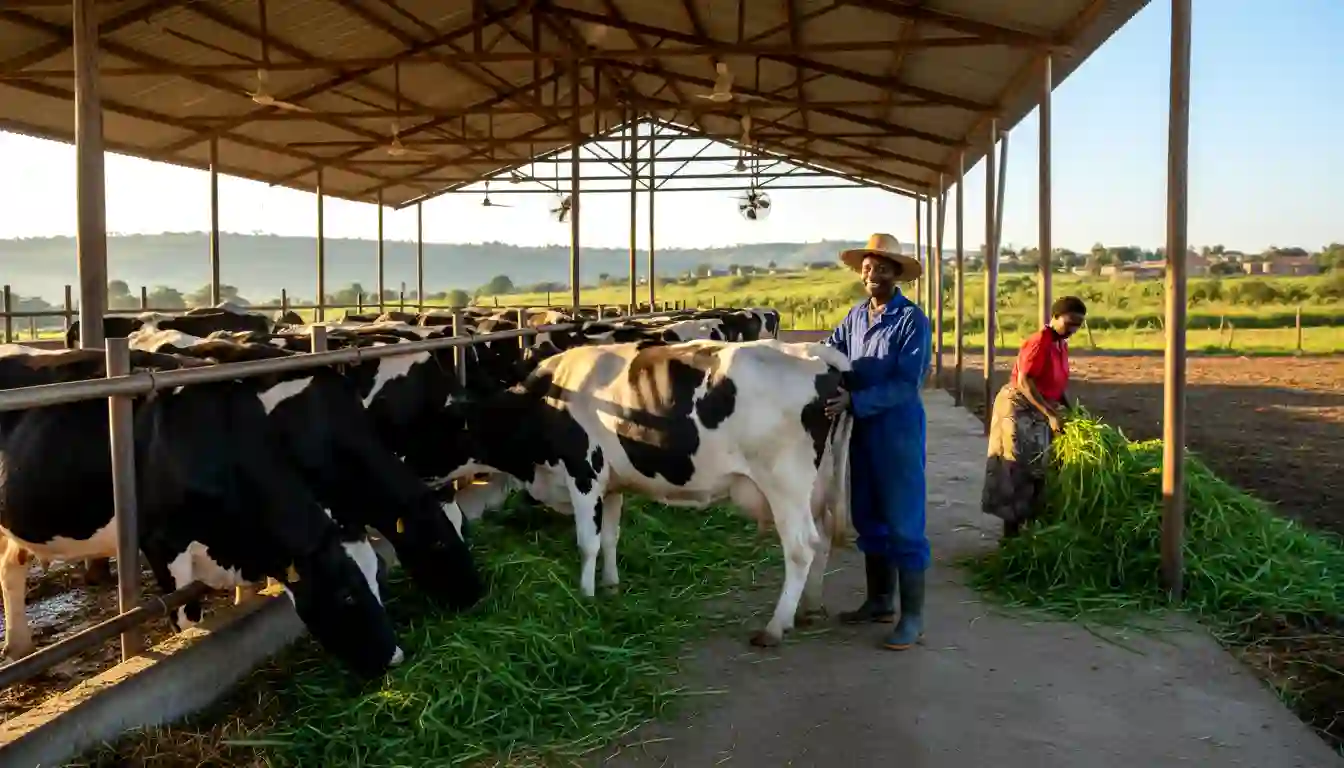
The Ayrshire breed is widely recommended for novice farmers in 2026 because it balances excellent milk production with superior foraging capabilities.
Resilient Poultry Breeds
The poultry sector has faced immense pressure in early 2026 due to a 45 percent surge in commercial feed costs.
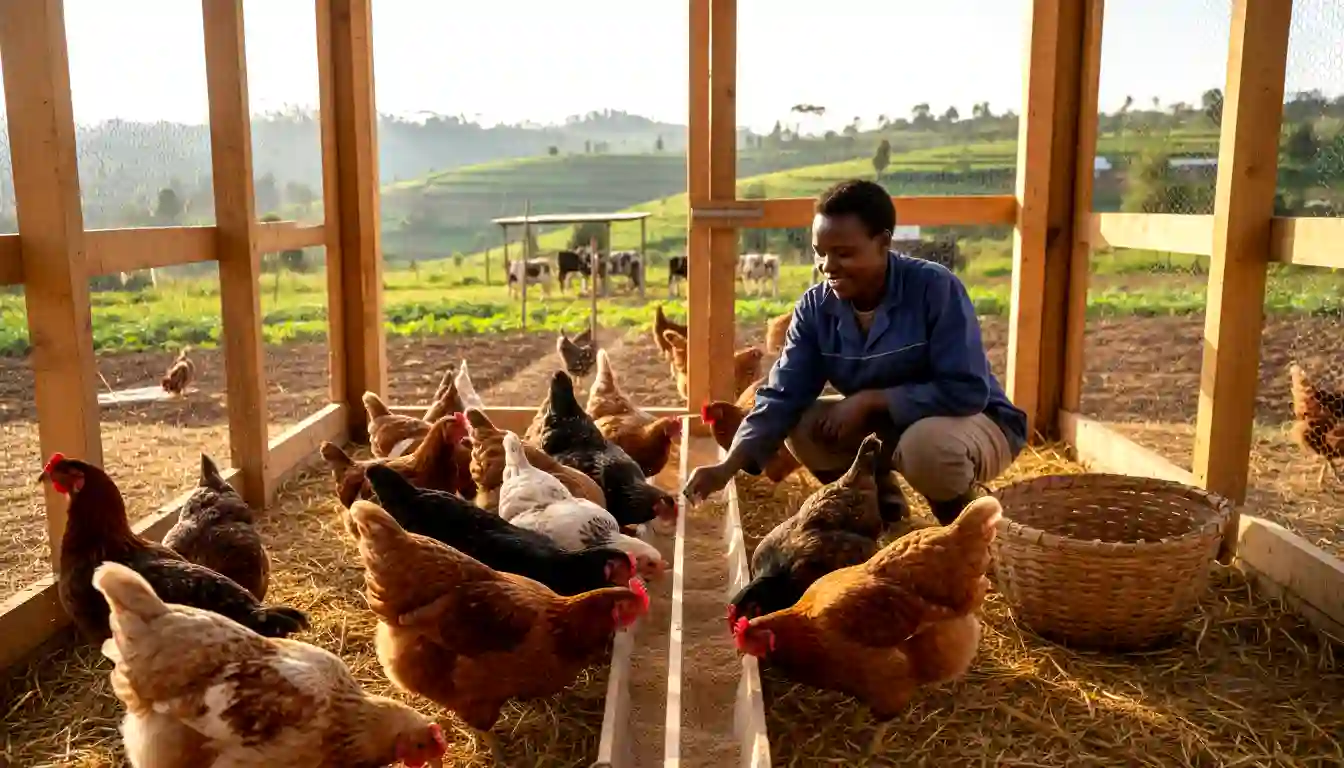
For beginners, rearing KALRO Improved Kienyeji chickens offers a strategic advantage over highly sensitive commercial layers or broilers. These hybrid birds scavenge effectively, require less expensive commercial mash, and boast high resistance to common indigenous diseases.
Read Also: Top 5 Profitable Dairy Cow Breeds for Successful Farming in Kenya (2026 Guide)
High-Yield Vegetable Seeds
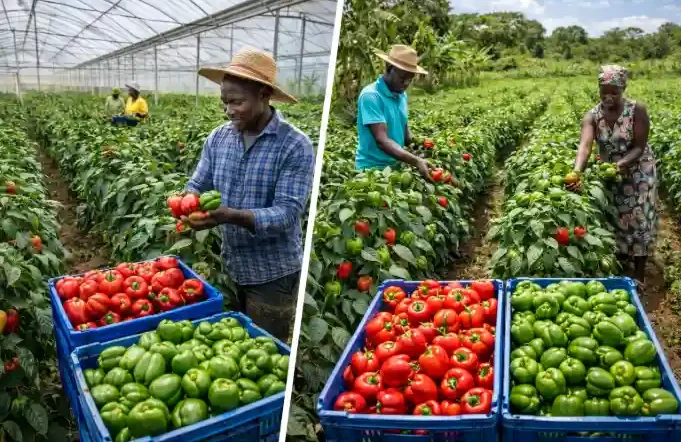
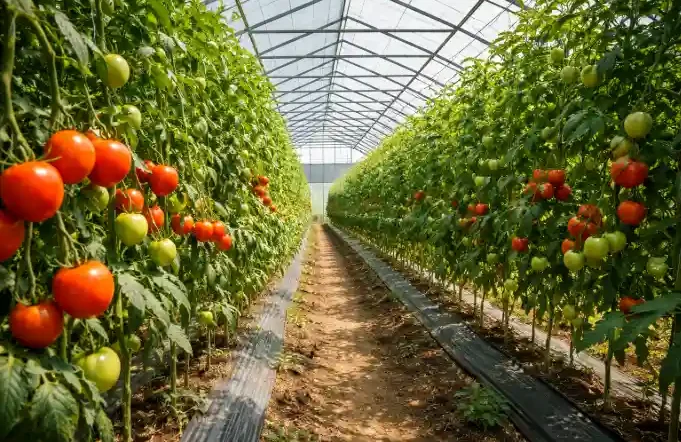
Vegetable farming requires fast-maturing, disease-resistant seeds to guarantee profitability. In 2025 and 2026, KALRO introduced highly optimized lines of traditional leafy vegetables, including the CABI 1 and CABI 2 kale varieties. For tomatoes, the newly released Buena Vista F1 variety provides excellent resistance to the devastating Tomato Spotted Wilt Virus.
| Venture Type | Top Choice for 2026 | Maturity / Cycle | Yield Potential | Disease Resistance |
|---|---|---|---|---|
| Dairy | Ayrshire Cow | First calving at 24 to 28 months | 15 to 25 liters per day | High resistance to heat and ticks |
| Poultry | Improved Kienyeji | Egg laying starts at 5 months | 200 to 250 eggs annually per bird | Excellent local adaptation |
| Vegetables | Buena Vista F1 Tomato | 75 days after transplanting | 15 to 20 tons per acre | Resistant to Spotted Wilt Virus |
Note: All estimated ranges vary by management, feeding regimes, and local climate conditions.
Where to Buy Certified Dairy, Poultry, Vegetable in Kenya
Beginners should source certified seeds from KALRO or Kenya Seed Company, while high-quality poultry chicks are best procured from Kenchic or authorized KALRO centers. Dairy genetics are safely acquired through the Agricultural Development Corporation or reputable breeders vetted by the Kenya Dairy Board.
Procuring Quality Seeds and Seedlings
Finding genuine seeds is critical to avoiding crop failure caused by counterfeit products flooding the local market. For vegetables, farmers can visit Kenya Seed Company outlets or certified stockists in major towns like Nairobi, Eldoret, and Mombasa. Digital platforms like Safaricom Digifarm have also made it easier to verify seed authenticity via SMS tracking codes.
Sourcing Livestock and Poultry
Purchasing livestock from unregulated roadside markets exposes beginners to devastating diseases and poor genetics. Day-old chicks should always be sourced from established hatcheries like Kenchic or directly from KALRO Naivasha for the true Improved Kienyeji breeds. For dairy cows, beginners should consult agricultural extension officers or source in-calf heifers from the Agricultural Development Corporation farms.
How Should You Manage Fertilizer and Soil Nutrition for High Yields?
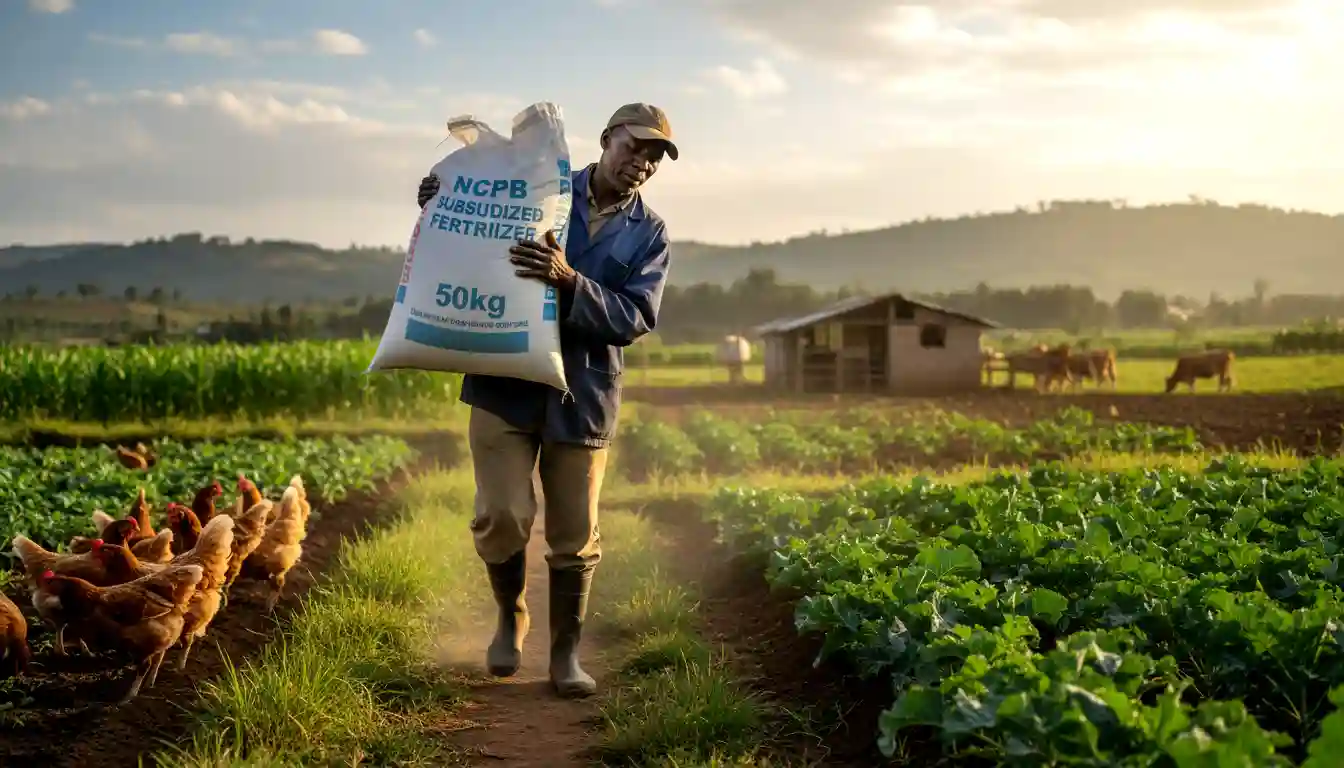
Integrating subsidized NPK from the government with organic farm manure slashes input costs while improving soil structure. Beginners must conduct soil testing to determine specific nutrient deficiencies to encourage strong root development in vegetables and pasture.
Navigating Inorganic Fertilizer Prices
Fertilizer costs have a direct impact on the profitability of vegetable farming and the cultivation of dairy fodder. In 2026, the Kenyan government distributes subsidized NPK fertilizer through the National Cereals and Produce Board for approximately KES 2,500 per 50kg bag. Beginners must balance their budgets by using subsidized NPK for top-dressing while reserving DAP for planting phases.
Maximizing Organic Farm Manure
Mixed farming offers a powerful closed-loop nutrition system that significantly reduces reliance on expensive synthetic chemicals. Poultry manure is exceptionally rich in nitrogen and calcium, making it the perfect organic booster for leafy greens like kales and cabbages. Proper composting of this manure is essential to avoid burning young seedlings with excess ammonia.
| Nutrient Source | Average 2026 Price (KES) | Best Application Stage | Target Crop / Pasture |
|---|---|---|---|
| Commercial DAP | 3,500 to 4,500 per 50kg | Planting (Basal application) | Tomatoes, Onions, Maize |
| Subsidized NPK | 2,500 per 50kg (via NCPB) | Vegetative growth stage | Fodder grass, Cabbages |
| Poultry Manure | 100 to 200 per 90kg bag | Pre-planting soil conditioning | Leafy vegetables, Fruit trees |
Which Kenyan Counties Offer the Best Climate?
Uasin Gishu excels in large-scale dairy production due to abundant fodder, while Kiambu offers the ultimate proximity to urban markets for quick-perishing vegetables. Kilifi provides excellent opportunities for drought-resilient poultry and indigenous vegetable farming under controlled irrigation.
Uasin Gishu and the Rift Valley
Referred to as the breadbasket of Kenya, Uasin Gishu and neighboring Trans Nzoia counties provide the ultimate environment for dairy farming. The cool climate minimizes heat stress on exotic breeds, and the vast tracts of land allow for cheap cultivation of maize for silage. Beginners here should prioritize dairy or long-shelf-life crops like onions and potatoes to mitigate transport costs.
Read Also: 10 Most Profitable Farming Ventures in Kenya for 2026
Kiambu and Central Kenya
Land sizes in Kiambu and Murang’a are notoriously small, forcing farmers into intensive zero-grazing and greenhouse farming. This region is the absolute best for beginner poultry and vegetable farmers due to its immediate proximity to Nairobi. Transport logistics are minimal, allowing farmers to deliver fresh eggs, milk, and tomatoes to city consumers within hours.
Kilifi and the Coastal Lowlands
The coastal climate is challenging for purebred exotic dairy cows due to extreme humidity and heavy tick infestations. However, Kilifi is an emerging hotspot for poultry farming and drought-tolerant vegetable cultivation. With the integration of shade nets and smart irrigation, coastal farmers can produce high-value vegetables to supply the expansive hotel industry.
What is the Ideal 12-Month Farming Calendar?
The farming year kicks off with field preparation in January, followed by planting during the March long rains. Fodder preservation and vegetable harvesting dominate the dry months of July and August, while the October short rains trigger the second planting cycle.
Quarter 1: January to March
The first quarter is historically dry across most of Kenya, making it the perfect time for land preparation. Vegetable farmers should secure their certified seeds and repair drip irrigation lines in anticipation of the rains. When the long rains begin in mid-March, dairy farmers must actively plant Napier grass, Brachiaria, and maize intended for silage.
Quarter 2 and 3: April to September
April to June brings heavy rainfall, which accelerates weed growth and fungal diseases in vegetable crops like tomatoes. Beginners must maintain strict spraying schedules and ensure proper drainage on the shamba to prevent root rot. This dry period is also the critical window for dairy farmers to harvest their mature fodder and compress it into silage to survive the coming dry spells.
Quarter 4: October to December
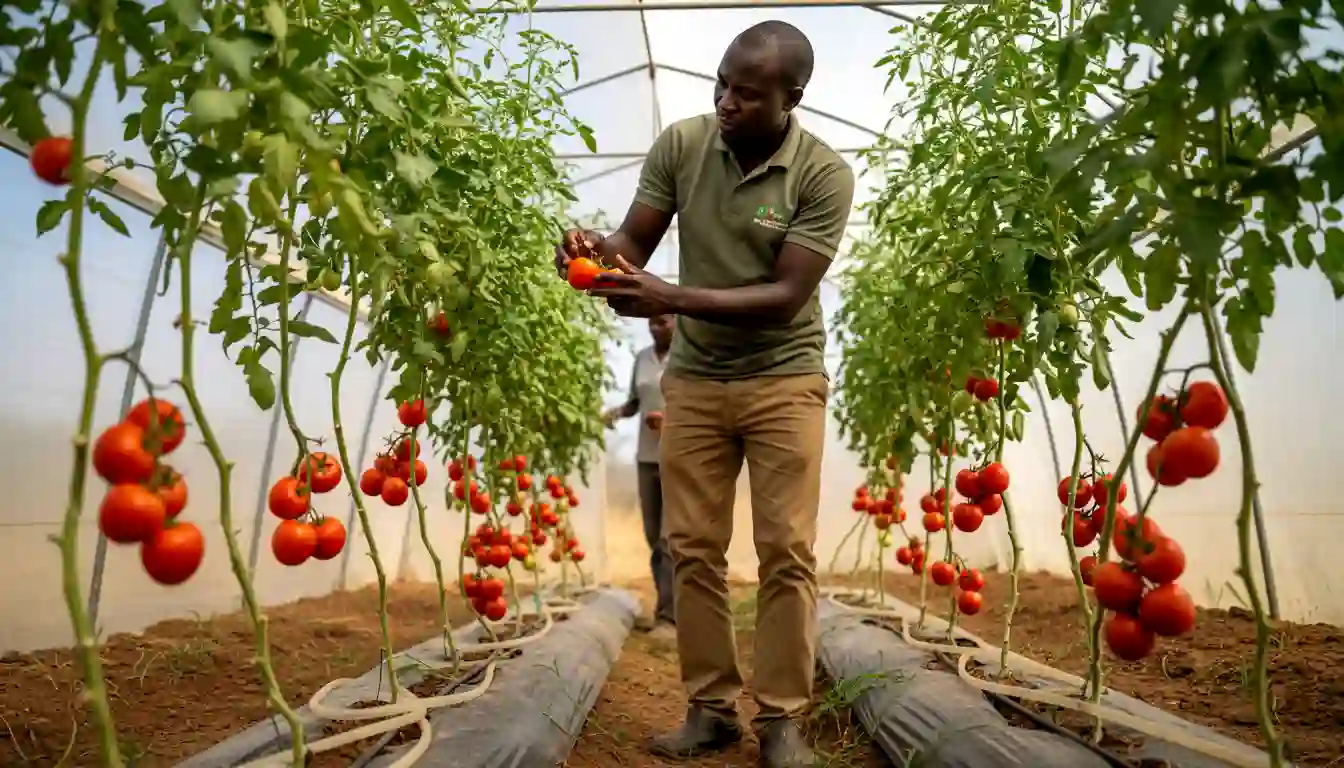
The short rains in October provide a second opportunity for vegetable farmers to plant quick-maturing crops like kales and spinach. December is the most lucrative month for poultry farmers, as the demand for chicken meat and eggs skyrockets during the festive season. A strict adherence to this calendar ensures cash flow remains steady regardless of the farming venture.
What Are the Deep Financials?
Dairy farming requires over KES 150,000 to start but yields steady daily returns. Vegetable farming needs moderate capital of KES 50,000 per acre but offers massive profit margins within three months. Poultry requires KES 80,000 for a decent flock but faces high feed expenses.
Read Also: DAIRY GOAT FARMING IN KENYA: THE 2026 MASTER GUIDE TO PROFITABLE BREEDS, HOUSING, AND MILK PRODUCTION
Analyzing Break-Even Points and Profit Margins
Financial modeling is the backbone of any successful agribusiness. For dairy farming, a quality in-calf Ayrshire heifer costs approximately KES 120,000 to KES 180,000. Assuming a daily production of 20 liters sold at the New KCC rate of KES 50 per liter, a single cow generates steady monthly income.
Vegetable farming boasts the fastest return on capital but carries the highest risk of total loss due to pests or market gluts. Planting an acre of tomatoes costs around KES 150,000 to KES 200,000, covering certified seeds, fertilizer, labor, and agrochemicals. A well-managed acre yields 15 tons, translating to KES 600,000 in gross revenue if sold at KES 40 per kilogram.
Poultry profitability has been heavily squeezed in 2026 by the soaring costs of raw feed materials like maize germ and soybean meal. A flock of 100 Improved Kienyeji layers producing 80 eggs daily generates KES 960 per day if eggs are sold at KES 12 each. Profitability here strictly depends on mixing homemade feeds using alternative proteins like Black Soldier Fly larvae.
| Venture (Beginner Scale) | Est. Initial Capital (KES) | Monthly Revenue (KES) | Monthly Expenses (KES) | Net Profit Range (KES) |
|---|---|---|---|---|
| Dairy (2 Cows) | 350,000 (inc. housing) | 60,000 | 30,000 | 25,000 to 35,000 |
| Poultry (100 Layers) | 80,000 (inc. birds) | 28,800 | 18,000 | 8,000 to 12,000 |
| Vegetables (1 Acre Tomatoes) | 200,000 (per season) | 150,000 | 50,000 | 80,000 to 120,000 |
Note: All estimated ranges vary by management, market access, and regional input pricing.
How Does Value Addition Work?
Value addition dramatically boosts profits across all sectors. Fermenting milk into mala or yogurt doubles its retail price, while grading and custom-packaging vegetables secure premium supermarket deals. Poultry farmers can boost margins by processing and freezing chicken meat for direct consumer sales.
Processing Dairy Products for Premium Markets
Selling raw milk at the farm gate to brokers often limits a farmer to prices between KES 40 and KES 50 per liter. By investing in a simple pasteurizer, beginners can process their milk into high-value products like yogurt, mala, and cheese. Value addition not only increases profit margins but also extends the shelf life of the product.
Improving the Vegetable Supply Chain
Vegetable farmers lose up to 30 percent of their harvest to poor post-harvest handling and lack of cold storage. Beginners can maximize profits by thoroughly washing, grading, and packaging their produce into standard weights before heading to the market. Supplying directly to restaurants, schools, and supermarkets eliminates exploitative middlemen.
2026 Outlook: Which Venture Will Dominate the Future of Agribusiness?
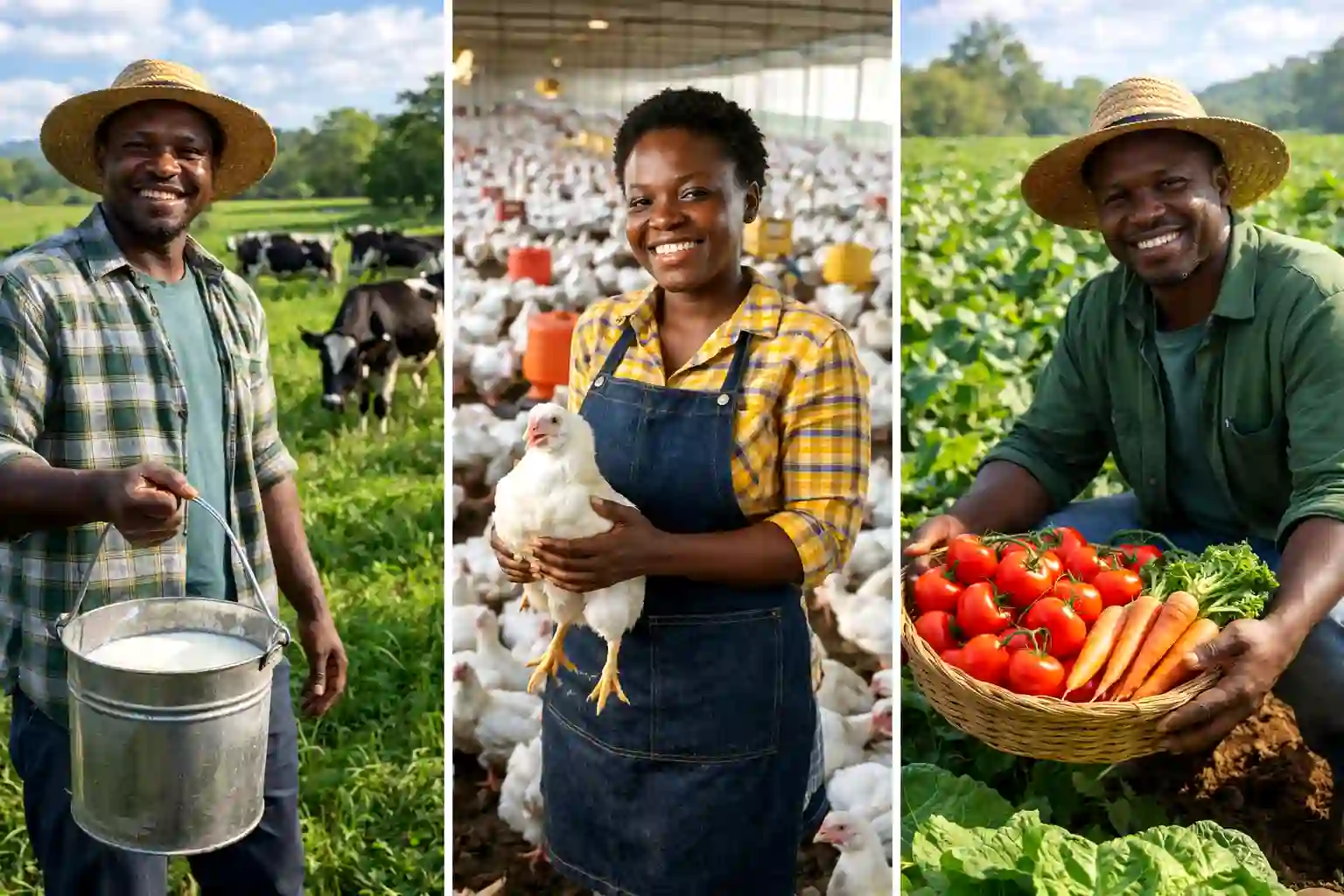
Vegetable farming remains the undisputed best starting point for beginners in 2026 due to its low barrier to entry and rapid cash turnaround. However, scaling into a mixed farming model that integrates all three sectors provides the ultimate financial security against market shocks.
As Kenya progresses through 2026, the agricultural landscape is increasingly shaped by climate variability and high input costs. Dairy farming will continue to reward patient investors who secure their own fodder production, while poultry farming requires innovative feed solutions to remain viable. For absolute beginners lacking massive capital, horticulture offers the most practical entry point into the agribusiness economy.
Read Also: Tomato Farming in Kenya 2026: Cost per Acre and Profit Analysis
Start small, master the technical demands of a single crop, and rigorously track your financial inputs via platforms like M-Pesa. Ultimately, the most successful farmers transition into mixed operations, using poultry manure to grow vegetables and crop residues to feed dairy cows. All estimated ranges vary by management, so continuous learning and adaptation are essential for long-term growth.
FAQ: Troubleshooting Beginner Farming Challenges
Which farming is most profitable in Kenya?
Vegetable farming, specifically tomatoes and onions, offers the highest and fastest profit margins per acre, provided you manage pests and secure a direct urban market.
Why are poultry feed prices so high in 2026?
A severe shortage of raw materials like maize germ and imported soybean meal has driven commercial feed prices up by 45 percent, impacting local profitability.
What is the best tomato variety to plant in 2026?
The Buena Vista F1 is highly recommended due to its excellent yield and strong resistance to the devastating Tomato Spotted Wilt Virus.
Is poultry farming better than dairy for a beginner?
Poultry requires much less land and capital than dairy, making it accessible. However, high disease risks and feed costs require strict daily management to profit.
Where can I buy genuine subsidized fertilizer?
Registered farmers can purchase subsidized NPK fertilizer directly from NCPB depots after receiving confirmation via the government e-voucher system.
How long does KALRO Kinale kale take to mature?
The improved Kinale CABI 1 and CABI 2 kale lines mature in just 90 days after transplanting, allowing farmers to achieve multiple harvests within a single season.
Can I make my own poultry feed to save money?
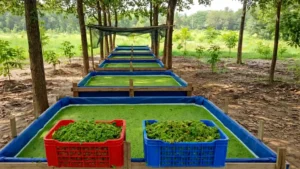
Yes, many farmers are now formulating homemade feeds using locally available materials like Black Soldier Fly larvae and azolla to cut commercial mash costs by 50 percent.
What is the buying price of milk in 2026?
The New KCC currently buys raw milk from farmers at KES 50 per liter. Private processors may offer slightly different rates depending on local supply volumes.
Does dairy manure make good fertilizer for tomatoes?
Yes, well-composted dairy manure is excellent for tomatoes. It improves soil structure, increases water retention, and provides a slow release of essential nutrients.