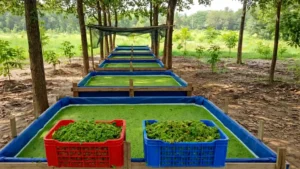


- Neptune F1 and Russet F1 remain the undisputed market leaders in 2026 due to their 5-month shelf life and resistance to Pink Root disease.
- Modern hybrid onions in Kenya now yield between 20 to 25 tonnes per acre under drip irrigation compared to 10 tonnes for open-pollinated varieties.
- The average maturity period for these top hybrids has dropped to 90 days after transplanting allowing for three crop cycles annually in counties like Kajiado and Meru.
Table of Contents
Selecting the right seed is the single most critical decision a Kenyan farmer makes before touching the soil. In 2026 the onion market has shifted entirely toward high-yielding hybrid (F1) varieties that offer disease resistance and extended shelf life to bypass market gluts. Farmers are prioritizing skin retention, pungency, and the ability to travel long distances from farm gate to markets like Wakulima without damage.
What Are the Best Hybrid Onion Varieties for 2026?
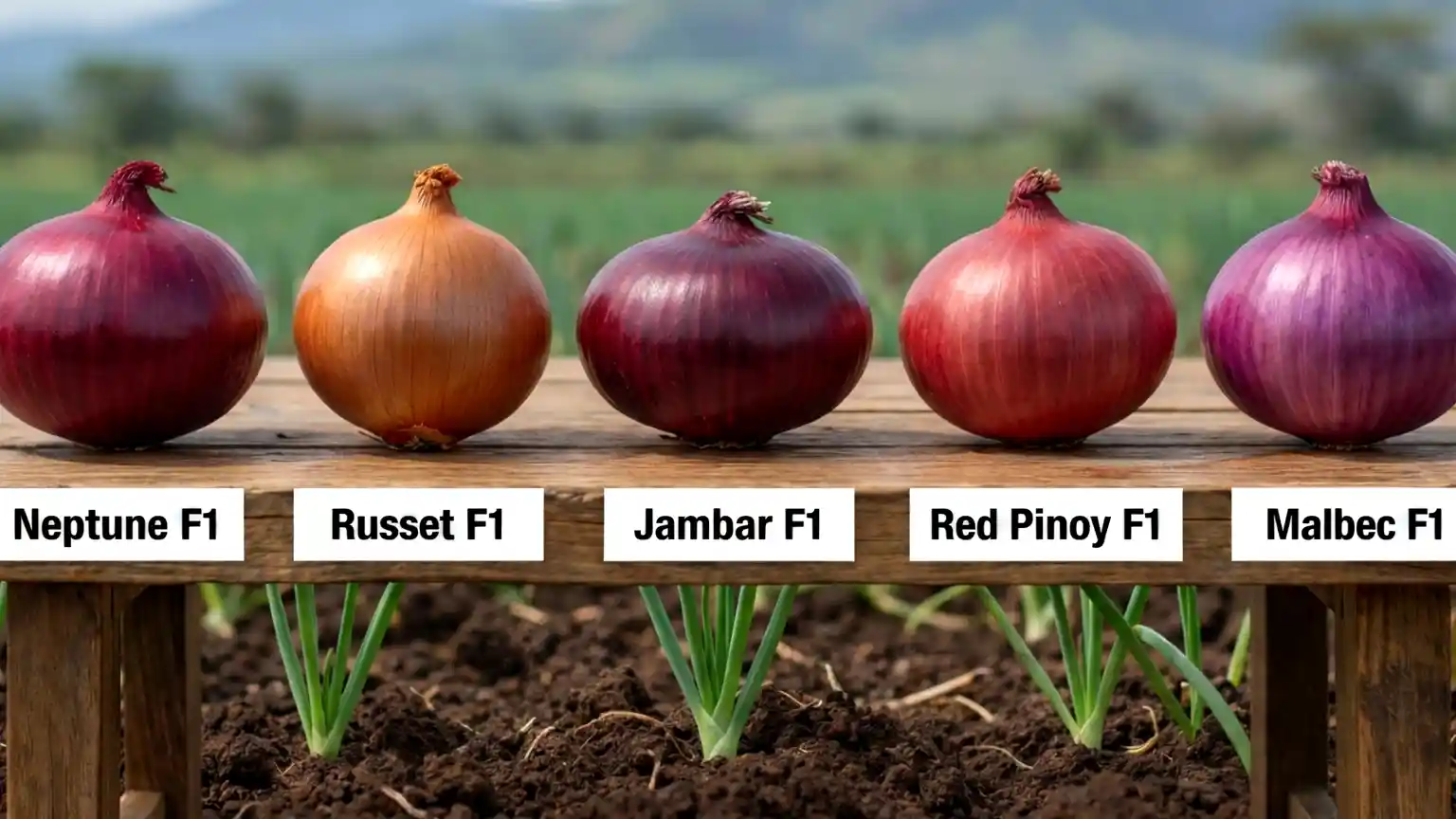
The five superior hybrids dominating the 2026 landscape are Neptune F1, Russet F1, Jambar F1, Red Pinoy F1, and Malbec F1. These varieties are preferred for their potential to yield over 20 tonnes per acre and their exceptional curing abilities which allow farmers to store produce for up to six months while waiting for better prices.
1. Neptune F1 (The Yield King)
Neptune F1 continues to hold the crown as the most reliable red onion variety in Kenya due to its deep red color and uniform round shape. This variety is particularly robust against Downy Mildew and Purple Blotch which are common challenges during the long rains. Farmers in Oloitoktok report yields consistently hitting 25 tonnes per acre while its thick skin ensures minimal loss during transport.
2. Russet F1 (The Storage Specialist)
If your strategy involves storing onions to wait for high season prices in May or June then Russet F1 is your best option. This variety has revolutionized the market with its ability to remain dormant and firm for up to 6 months in a well-ventilated structure. Agronomists recommend Russet for regions like Timau where harvest often coincides with slight rains as it cures rapidly.
3. Jambar F1 (The Early Maturer)
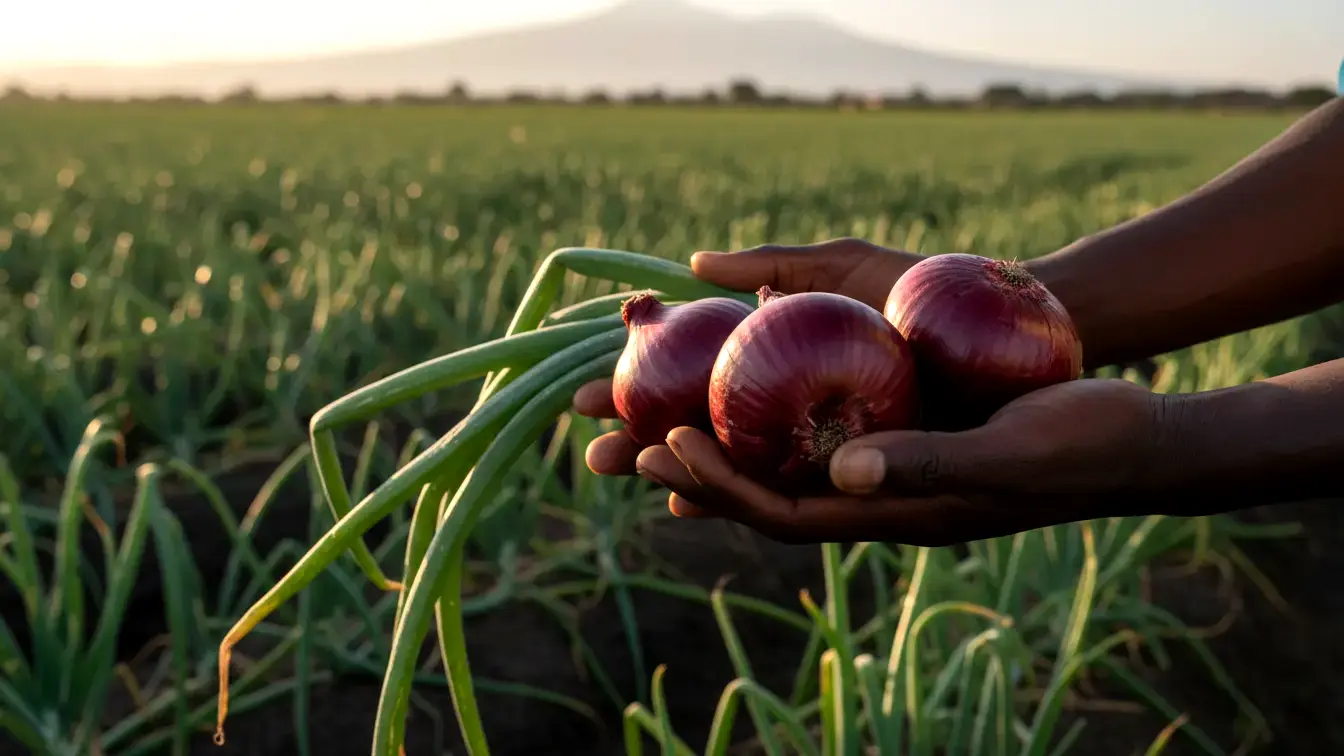
Jambar F1 is the go-to variety for farmers chasing a quick turnover as it matures in approximately 85 to 90 days after transplanting. This earliness allows farmers in Rumuruti to catch the early market window before the main supply from Tanzania floods the border. The bulbs are slightly flatter than Neptune but possess a very attractive dark red shiny skin.
4. Red Pinoy F1 (The All-Weather Standard)
While newer seeds have entered the market Red Pinoy F1 maintains a strong foothold due to its exceptional adaptability in both hot lowlands and cool highlands. It performs well in Garissa and Nyeri alike because it is less sensitive to day-length variations than other hybrids. Beginners often start with Red Pinoy because it is forgiving of minor agronomic errors regarding water stress.
Read Also: Bulb Onion Farming in Kenya: Best F1 Varieties in 2026
5. Malbec F1 (The Premium Choice)
Malbec F1 has gained massive traction in 2026 for the high-end supermarket and grocery trade by producing very uniform single-centered bulbs. The internal rings are a distinct violet-red which makes it popular with hotels and salad bars. It requires a strict spray program but rewards the farmer with the highest price per kilogram at the farm gate.
🛑 The Storage Reality Check: Neptune vs. Russet
While many guides claim all hybrids store well, the 2026 market shows a clear distinction. Neptune F1 is king for immediate high-tonnage sales, but its skin retention typically supports a 2 to 3-month shelf life.
If your goal is to hold stock until the “price peak” in July, Russet F1 is your specialist. Its tighter neck and thicker outer scales allow it to remain dormant for up to 6 months without significant weight loss or sprouting. In 2026, the price difference between harvesting in a glut (KES 40/kg) vs. selling stored Russet onions in the off-season (KES 85/kg) can effectively double your net profit.
Where to Buy Hybrid Onion Varieties (F1) in Kenya 2026
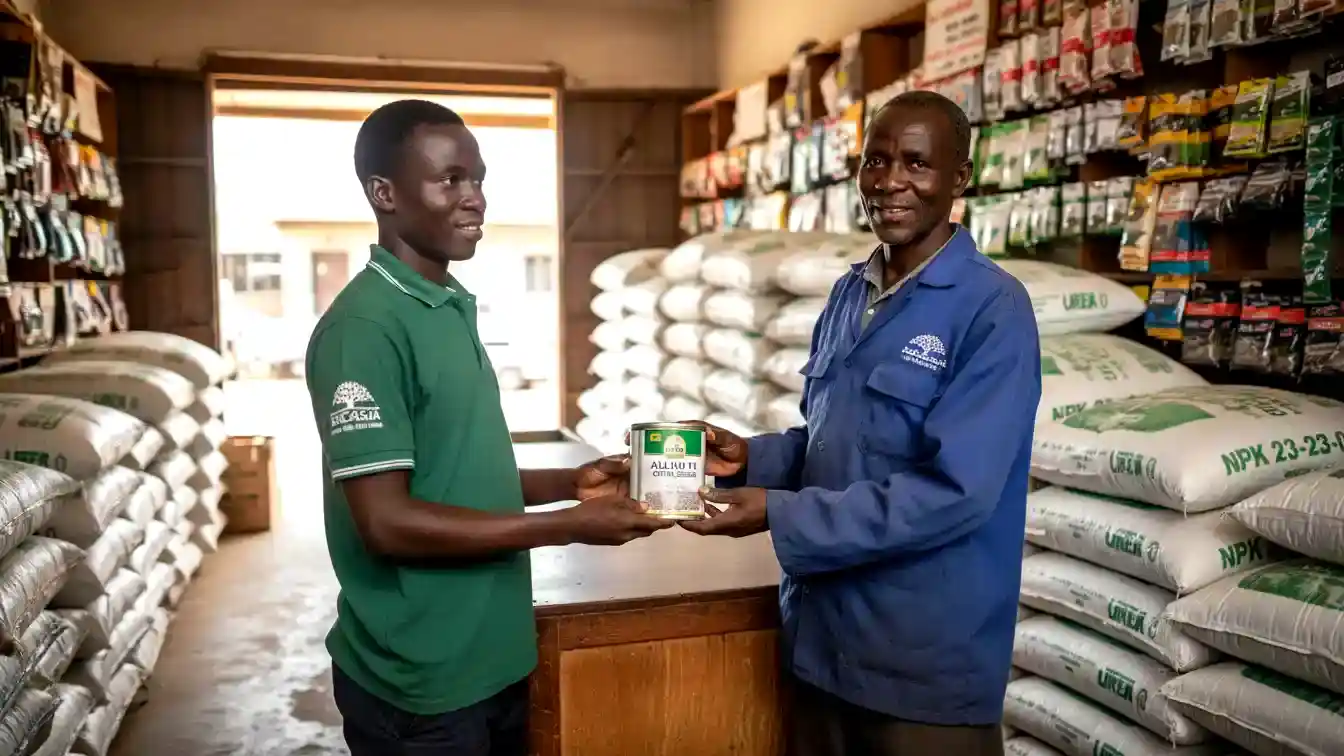
Farmers should purchase certified seeds exclusively from authorized distributors like Kenya Seed Company, Simlaw Seeds, or major suppliers such as Elgon Kenya and Amiran. In 2026 digital platforms like Safaricom’s Digifarm and iProcure provide verified inputs to prevent the purchase of fake seeds which is a prevalent risk in local agrovets.
Sourcing authentic genetics is the first line of defense against crop failure. The counterfeit seed market in Kenya is sophisticated so buying from open bucket vendors in local markets is a guaranteed way to lose capital. In 2026 the supply chain has digitized significantly to protect farmers from these risks.
Authorized Physical Distributors
For Neptune F1 and Russet F1 your primary physical contact points are Simlaw Seeds branches in Nairobi and regional depots in Eldoret and Nakuru. Royal Seed stocks are widely available at Kenya Shoppers and certified agrovets nationwide. Large-scale farmers often buy directly from Elgon Kenya headquarters off Mombasa Road to secure bulk discounts and technical advice.
Digital Sourcing Platforms
Modern farmers are increasingly using apps to source inputs like iProcure which tracks seed batches from the manufacturer to the shelf. Mkulima Young and Jiji Kenya verify sellers but due diligence is still required on these open marketplaces. The safest digital bet is the Digifarm platform where credits can be used to purchase inputs directly from approved partners like Syngenta.
Which Kenyan Counties Offer the Best Conditions?
Kajiado, Nyeri, and Meru are the top three onion-producing counties in 2026. Kajiado dominates volume due to vast flat lands and irrigation capacity while Meru utilizes rich volcanic soils for high-quality bulbs. Nyeri focuses on timing its harvest to hit market gaps when other regions are out of season.
Read Also: Best Onion Varieties for the 2026 Short Rains: Red Coach vs. Neptune
Kajiado County (Oloitoktok Belt)
Kajiado remains the onion powerhouse of Kenya thanks to its hot climate and water availability from Mt. Kilimanjaro runoff. Farmers here utilize furrow and drip irrigation extensively to achieve yields that often exceed 25 tonnes per acre. The primary challenge in Kajiado is managing the high prevalence of thrips due to continuous cropping cycles.
🛡️ Managing the “Oloitoktok Thrips” Pressure
In 2026, Thrips remain the single biggest threat to onion yields in Kajiado. These tiny pests cause “silvery” leaves that eventually wither, reducing bulb size by up to 60%.
- The 2026 IPM Approach: Successful farmers are moving away from daily spraying. Instead, they use Blue Sticky Traps to monitor populations and Neem-based biopesticides during the early growth stages.
- Chemical Rotation: When pressure is high, rotate active ingredients like Spinosad and Lambda-cyhalothrin. Pro-Tip: Always add a sticker/spreader (surfactant) to your pump; onion leaves are waxy, and without a sticker, your expensive chemicals will simply slide off onto the soil.
Nyeri County (Kieni West/East)
Farming in Kieni is rain-fed dependent but effectively supplemented by water pans during dry spells. The cooler temperatures mean the crop takes slightly longer to mature but allows for natural field curing during dry windows. The soil in Kieni often requires heavy liming as it tends to be acidic which can lock up phosphorus.
Meru County (Timau/Isiolo Border)
Meru is rapidly expanding its onion acreage by utilizing well-drained volcanic soil which reduces the risk of fungal rots. Farmers in Timau are adopting high-density planting techniques to maximize output per square meter. This region is becoming a major supplier for the Nairobi market when Kajiado stocks deplete in July and August.
What Is the Ideal 12-Month Farming Calendar?
The most profitable window involves sowing nurseries in October to transplant in December and harvest in March during peak prices. Alternatively sowing in February for a May harvest avoids the Tanzanian import influx. Farmers must avoid harvesting during the heavy April rains to prevent post-harvest rotting.
The High-Profit Season (Short Rains)
The October to January period represents the golden window where nurseries are sown in mid-October for December transplanting. Crops grow during the hot months of January and February to be harvested in late March when market supply is low. Prices in this specific window often hit 80 to 100 KES per kg due to scarcity.
The Off-Peak Season (Long Rains)
Planting during the heavy rains of April is risky due to fungal diseases like Downy Mildew but offers a harvest window in July. The main challenge is curing the onions as the weather may still be cold and damp during the harvest. Artificial curing or covered structures are mandatory for success in this specific cycle.
How Profitable is Hybrid Onion Farming in 2026?
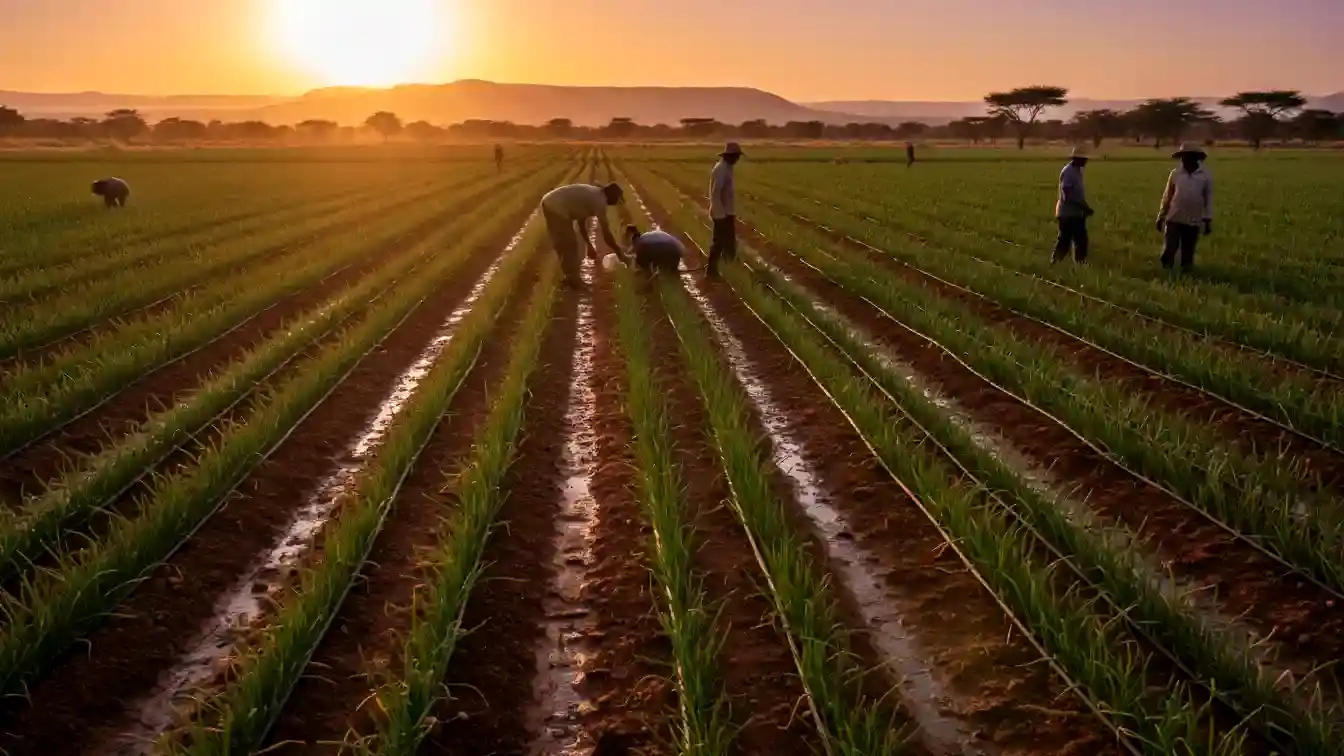
The break-even cost for one acre of hybrid onions is approximately 160,000 KES. With a conservative yield of 18 tonnes and an average farm-gate price of 45 KES per kg revenue stands at 810,000 KES. This results in a net profit of over 600,000 KES per acre making it one of the most lucrative open-field crops.
Farming onions requires significant upfront capital as the cost of F1 seeds alone ranges between 35,000 and 45,000 KES. Farmers must also budget heavily for pest control particularly for Thrips and cutworms to protect their investment. Below is a detailed financial breakdown for one acre in 2026 to help you plan.
Financial Breakdown (Per Acre in KES)
| Expense Item | Cost (KES) | Notes |
|---|---|---|
| Land Lease | 15,000 | Average seasonal lease in Kajiado/Narok. |
| Hybrid Seeds (1kg) | 40,000 | e.g., Neptune F1 or Russet F1. |
| Land Preparation | 20,000 | Ploughing, harrowing, bed making. |
| Drip Irrigation Setup | 25,000 | Amortized cost (wear and tear). |
| Fertilizers (Basal & Top) | 35,000 | DAP, CAN, NPK 17:17:17, Foliars. |
| Crop Protection | 30,000 | Fungicides and Insecticides. |
| Labor (Weeding/Harvest) | 25,000 | Casual labor throughout the season. |
| TOTAL INPUT COST | 190,000 | Total Cost of Production |
| Revenue (Conservative) | 810,000 | 18,000kg x 45 KES/kg. |
| NET PROFIT | 620,000 | Per Acre / Season |
📉 Why “KES 40 per KG” is Your Magic Number
While you might see retail prices hitting KES 120/kg in Nairobi supermarkets, the 2026 farm-gate average fluctuates between KES 45 and KES 65.
To stay profitable, always calculate your “break-even” at KES 30/kg. This protects you against the “Tanzania Factor”—when a surge of imports from across the Namanga border temporarily floods the Wakulima and Kongowea markets. In 2026, market intelligence apps like M-Farm or joining local farmer WhatsApp groups in Meru and Kajiado is essential to timing your harvest for maximum “shilling-per-kilo” impact.
These figures assume a well-managed farm where strict adherence to agronomic protocols is followed. Poor water management or pest control can reduce yields to below 10 tonnes which would effectively wipe out the profit margin. It is safer to calculate with a conservative farm-gate price of 40 KES to ensure viability during market gluts.
Read Also: How to Start Bulb Onion Farming in Kenya: Complete 2026 Guide, Costs & Profit Per Acre
How Does the Supply Chain and Value Addition Work?
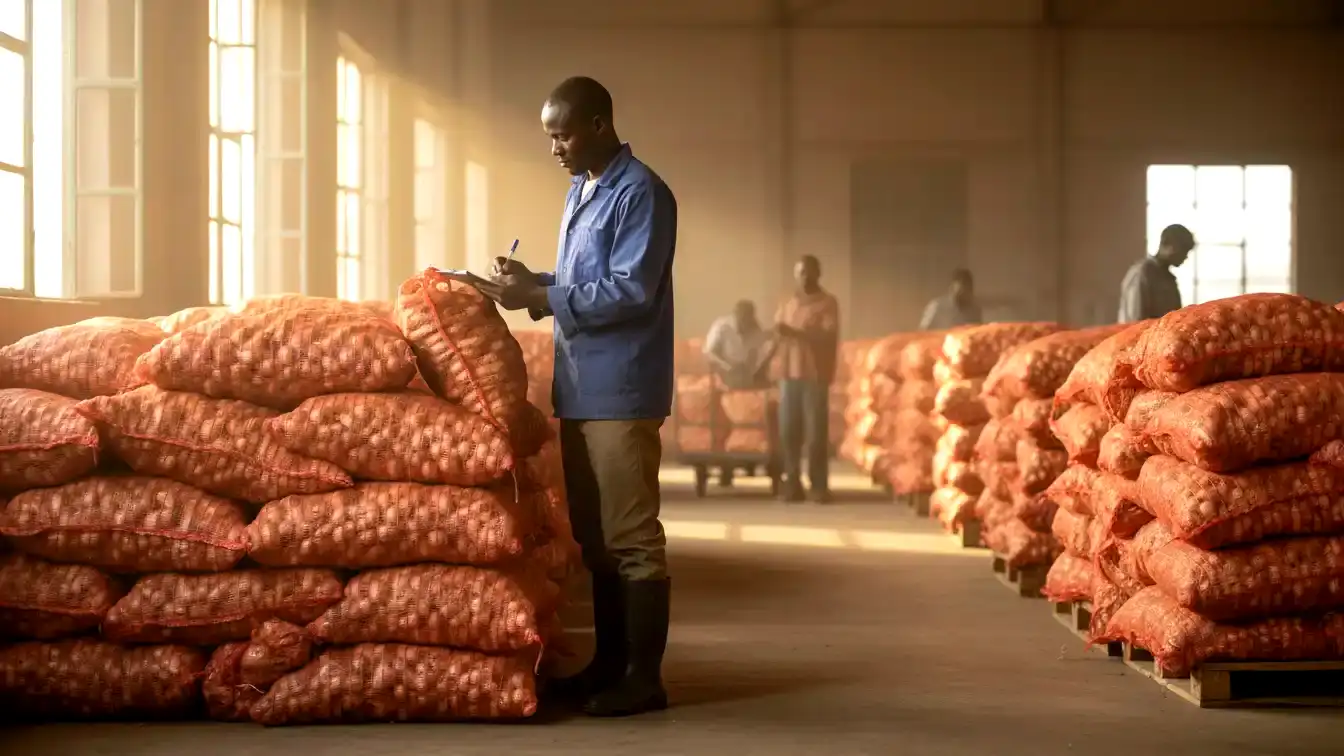
The supply chain is dominated by brokers who purchase at farm gate for urban wholesale markets. Value addition in 2026 focuses on professional curing and grading. Farmers who cure onions for 3 weeks and pack them in 15kg or 20kg nets earn 20% more than those selling uncured loose bulbs immediately after harvest.
Navigating the Broker Market
Most Kenyan onions end up at Wakulima Market (Marikiti) in Nairobi or Kongowea in Mombasa where brokers dictate prices based on bulb size. To bypass brokers farmers are increasingly forming cooperatives to sell directly to institutions or using digital links to supermarkets. However these premium buyers require a level of consistency that individual small-scale farmers often struggle to provide.
Value Addition: Curing and Netting
The biggest money is lost in post-harvest handling when farmers fail to cure their crop properly. Curing involves drying the neck of the onion until it is tight and the outer skin is papery to prevent rot and shrinkage. In 2026 buyers prefer onions packed in red mesh nets because they allow the onions to breathe and command a premium price.
2026 Outlook and Conclusion
The future of onion farming in Kenya is high-tech and climate-resilient. Farmers adopting solar irrigation and hybrid seeds will thrive while rain-fed farming becomes increasingly risky. The market is shifting towards medium-sized cured bulbs with traceability becoming a standard requirement for premium buyers.
As we move through 2026 the days of scattering seeds and hoping for rain are officially over. Commercial success with Top 5 Hybrid Onion Varieties requires a business mindset and strict adherence to modern farming protocols. The competition from Tanzanian imports remains fierce but Kenyan farmers are closing the gap by improving quality and storage capabilities.
Read Also: 10 Most Profitable Farming Ventures in Kenya for 2026
Call to Action: Do not start with 5 acres if you are a beginner in this value chain. Start with one acre or half an acre to master the art of curing and establish a buyer relationship. Visit a successful farm in Oloitoktok or Timau to see these practices in action before investing.
Farmers Also Ask (FAQ)
What is the best spacing for hybrid onions?
The recommended spacing is 30cm between rows and 8cm to 10cm between plants. This density allows for a population of roughly 200,000 to 250,000 plants per acre. High-density planting increases tonnage but requires strict fertilizer management to ensure bulbs reach marketable size.
How do I control Thrips in my onion field?
Thrips control requires a rotation of active ingredients including Acetamiprid, Imidacloprid, and Spinetoram. It is crucial to spray early in the morning or late evening when Thrips are active on the leaf surface. Adding a sticker or spreader to the spray mix ensures the chemical sticks to the waxy onion leaves.
Can I use manure for onion farming?
Yes, well-decomposed manure is excellent for soil structure and moisture retention. However, never use fresh manure as it can burn the delicate roots and introduce pests like cutworms. Apply 5 to 10 tonnes of cured manure per acre during land preparation at least two weeks before transplanting.
Why are my onions producing thick necks?
Thick necks are often caused by excessive nitrogen application late in the season or irregular watering patterns. To prevent this stop applying nitrogen-rich fertilizers like CAN at least 4 weeks before harvest. Ensure the bulbs are fully mature before bending the tops to induce curing.
How long does onion seed take to germinate in the nursery?
High-quality F1 seeds typically germinate within 7 to 10 days under optimal conditions. The nursery bed must be kept moist but not waterlogged to prevent seed rot. Covering the bed with mulching grass until germination helps retain moisture and warmth which speeds up the process.
What causes onion bulbs to split?
Bulb splitting is usually a result of inconsistent watering where dry periods are followed by heavy irrigation. If the soil dries out completely and is then flooded with water the sudden rapid growth causes the bulb to split. Maintaining consistent soil moisture through drip irrigation effectively prevents this issue.
Is drip irrigation mandatory for onions?
While not mandatory drip irrigation is highly recommended for commercial success in modern onion farming. It prevents fungal diseases by keeping the leaves dry and saves water compared to other methods. Overhead sprinklers can wash off fungicide sprays and encourage Downy Mildew due to high humidity in the canopy.
When is the right time to harvest onions?
Harvest when 75% of the tops have fallen over and started to dry out naturally. Harvesting too early results in bulbs that rot quickly during storage. Stop watering the field 10 to 14 days before the planned harvest date to allow the bulbs to cure in the soil.
How many seeds do I need for one acre?
You need approximately 1kg of hybrid onion seeds for one acre of land. This quantity accounts for germination losses and allows for rigorous selection of strong seedlings during transplanting. Never scrimp on seed quantity as a low plant population directly reduces your final profit margin.
What is the difference between F1 and OPV onions?
F1 Hybrid seeds are bred for specific traits like disease resistance, high yield, and uniformity but cannot be replanted. OPV Open Pollinated Varieties like Red Creole are cheaper and their seeds can be replanted but they yield significantly less. F1 hybrids generally offer better financial returns despite the higher initial seed cost.