

- Profit Potential: A well-managed acre in 2026 yields a net profit of KES 400,000 to KES 700,000 in just 3-4 months.
- Best Varieties: Nantes (fresh market) and Super Kuroda (heat tolerant) are the top certified seeds for 2026.
- Key Requirement: Success depends on deep soil tillage and strict adherence to the KS 1758 Standard for market acceptance.
Table of Contents
Carrot farming in Kenya has evolved from a subsistence crop into a high-value commercial venture. Rising urban demand and export opportunities to Uganda and Tanzania are driving this growth. For the 2026 season, success relies on precise variety selection and timing your harvest to avoid market gluts.
Which Carrot Varieties Offer the Best Returns in 2026?
The Nantes variety is the market leader due to its cylindrical shape and sweet taste. For warmer regions or heavy soils, Super Kuroda and Chantenay are superior choices due to their heat tolerance and resistance to breakage.
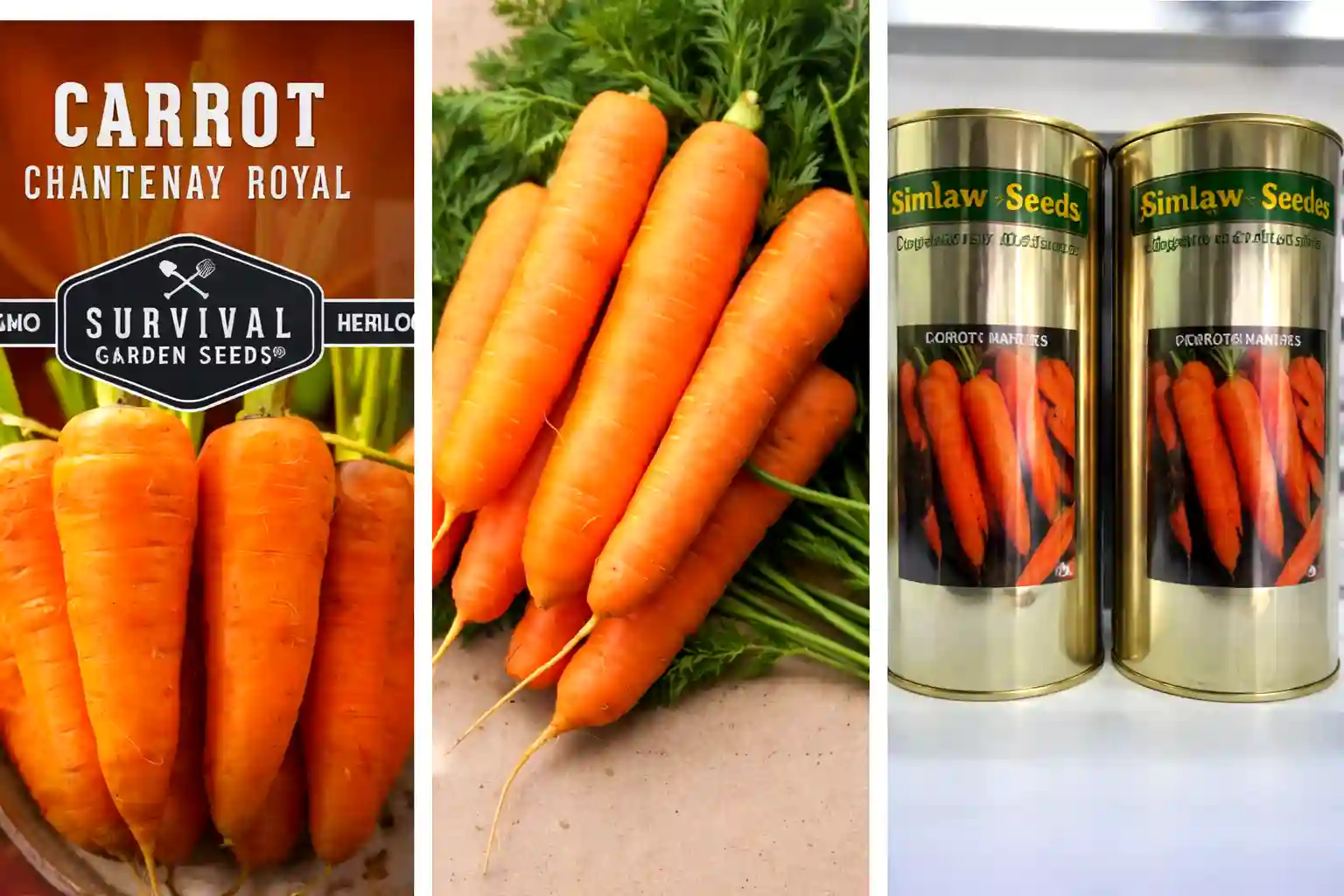
Choosing the right seed is the most critical decision for a farmer. The market now demands “clean” cylindrical carrots with deep orange cores and no green shoulders. Traditional varieties are fading as hybrids offer better disease resistance and uniformity.
Top 3 Varieties for 2026:
- Nantes: This is the standard for Kenyan retail and supermarkets. It features a cylindrical shape with a blunt tip and a small core. It matures in 90 to 110 days and thrives in cool highlands like Nyandarua.
- Super Kuroda: This robust variety tolerates heat well. It is ideal for slightly warmer areas or semi-arid zones like Narok. Its conical shape and tough skin make it perfect for long-distance transport.
- Chantenay: This variety is short and thick with broad shoulders. It is the “tough guy” of carrots and thrives in heavy clay or shallow soils. Processors prefer it for canning and dicing.
Variety Comparison Matrix 2026
| Variety | Maturity Period | Yield Potential (Tons/Acre) | Best Feature | Recommended Region |
|---|---|---|---|---|
| Nantes | 90 – 100 Days | 15 – 18 Tons | Premium Price | Nyandarua, Meru, Nakuru |
| Super Kuroda | 100 – 110 Days | 18 – 22 Tons | Heat Tolerance | Narok, Naivasha, Rumuruti |
| Chantenay | 110+ Days | 20 – 25 Tons | Breakage Resistance |

Where to Buy Inputs for Carrot Farming in Kenya 2026
Purchase certified seeds only from authorized distributors like Kenya Seed Company (Simlaw), Royal Seed, or Continental Seeds. Avoid buying loose seeds from open-air markets as they often have germination rates below 50%.
Read Also: Fake Seeds in Kenya 2026: How to Spot Counterfeit Seed Before You Plant and Protect Your Harvest
The “fake seed” menace continues to be a risk for Kenyan farmers. To ensure you buy genuine Nantes or Kuroda seeds, procure directly from established stockists. Digital platforms are also becoming a reliable option for 2026.
Top Certified Sources (2026)
- Simlaw Seeds (Kenya Seed Co): The most accessible source for “Nantes Improved”. It is available in agrovets nationwide.
Price Check (2026): Approx. KES 150 for 25g pack; KES 4,500 for 1kg tin. - Royal Seed (Kenya Highland Seed): Known for high-germination hybrids. Their “Nantes” and “Super Kuroda” tins come with verification stickers.
Price Check (2026): Approx. KES 1,150 for 250g. - Safaricom DigiFarm / iProcure: These platforms allow you to order inputs via phone. They track the product from manufacturer to village to ensure authenticity.
What Are the Best Fertilizers for Carrots in 2026?
Carrots are “potassium hungry” crops. While DAP is standard for planting (approx. 50-75kg/acre), the secret to high yields is a top-dressing of NPK 17:17:17 or YaraMila Winner at week 6.
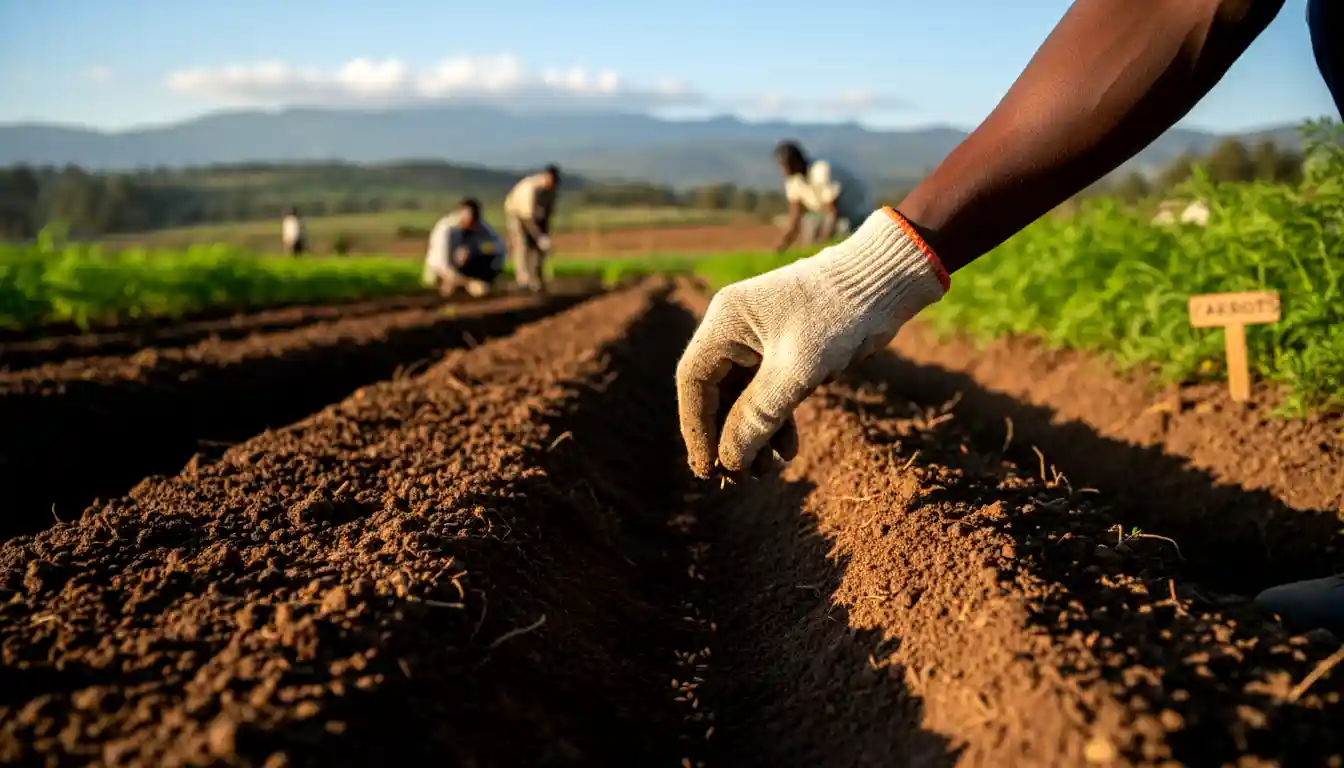
Soil nutrition is often where profit is lost. Carrots grown with excess Nitrogen produce lush green leaves but tiny, hairy roots. Lack of Potassium results in thin, pale carrots that the market rejects.
2026 Fertilizer Program (Per Acre)
| Growth Stage | Recommended Fertilizer | Quantity (Per Acre) | Est. Cost (2026 KES) |
|---|---|---|---|
| Planting (Basal) | DAP or NPK 23:23:0 | 50 – 75 kg | KES 6,000 – 6,800 |
| Top Dressing (Week 4) | CAN (Calcium Ammonium Nitrate) | 50 kg | KES 3,200 – 3,500 |
| Bulking (Week 7-8) | NPK 17:17:17 or Murate of Potash | 50 kg | KES 4,500 – 5,000 |
Note: Prices reflect average 2026 market rates without subsidy. Government subsidized fertilizer may be available at NCPB depots for approx. KES 2,500.
Which Kenyan Counties Offer the Best Climate for Carrots?
Nyandarua is the “Carrot Capital” due to its high altitude and cool climate. Nakuru (Mau Narok/Njoro) follows closely with vast land for commercial leasing. Meru is excellent for the Mt. Kenya market but requires strict timing.
Read Also: Spinach Farming in Kenya 2026: Best Varieties,, Costs, Yields and Profit per Acre
Carrots are a cool-weather crop that struggles in heat. High temperatures cause short, pale roots with poor flavor. Understanding regional suitability is key to avoiding crop failure.
Regional Showdown: Nyandarua vs. Nakuru vs. Kilifi
| Factor | Nyandarua (The Champion) | Nakuru (Commercial Hub) | Kilifi (The Challenger) |
|---|---|---|---|
| Climate Suitability | Excellent (Cool, 15-20°C) | Very Good (Highland zones) | Poor (Too hot) |
| Soil Type | Deep, friable loam | Volcanic loam | Sandy (Low nutrient) |
| Land Lease Cost | KES 15,000 – 20,000 / Acre | KES 15,000 – 25,000 / Acre | KES 5,000 – 10,000 / Acre |
| Target Market | Nairobi Wholesale (Marikiti) | Export (Uganda) & Processing | Coastal Markets (Tourism) |
Expert Verdict: Beginners should start in Nyandarua or Mau Narok. The climate there is forgiving. Farming in low-altitude areas requires expensive irrigation and heat-tolerant varieties like Super Kuroda.
What is the Ideal 12-Month Planting Cycle?
The most profitable window is to plant in July-August for an October-November harvest. Alternatively, plant in February for a May harvest. Avoid harvesting during the peak Long Rains in April to prevent rotting.
Timing is everything in carrot farming. Harvesting when the market is flooded in January or February can cut your price per bag in half. Hitting the market when supply is low maximizes your profit margin.
The 2026 Farming Calendar
- March – April (Long Rains): Planting Phase. High rainfall reduces irrigation costs but increases weeding labor.
- May – June: Harvest Phase 1. Prices are often moderate. Watch out for fungal diseases due to dampness.
- July – August: The “Gold Mine” Window. Plant now using irrigation. You will harvest in Oct/Nov when rain-fed crops are scarce.
- October – December (Short Rains): Harvest Phase 2. Excellent prices. Demand peaks in December for the festive season.
What Are the Real Costs and Profits Per Acre in 2026?
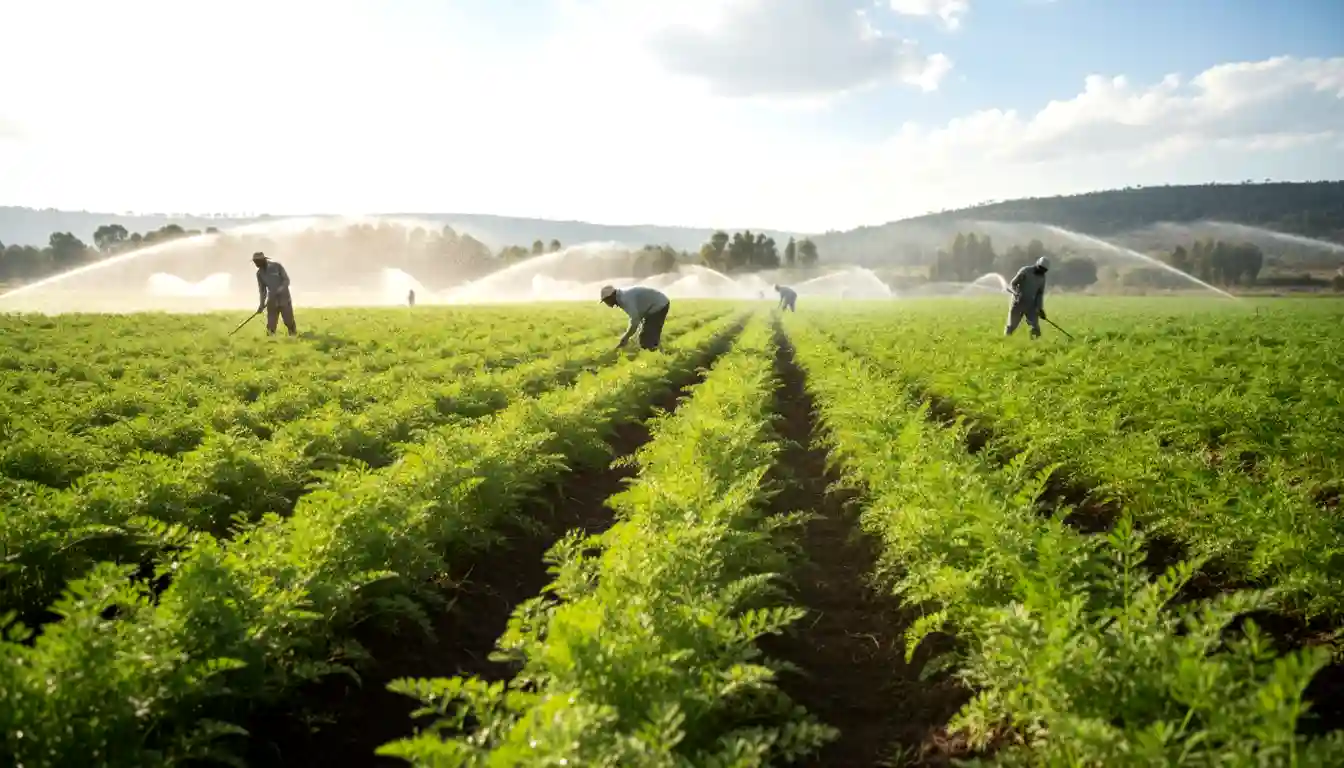
It costs approximately KES 60,000 to KES 80,000 to cultivate one acre of carrots. With a conservative yield of 15 tons sold at KES 3,500 per bag, revenue hits KES 385,000. This leaves a net profit of over KES 300,000.
Let’s be transparent: “Zero to Millions” is hype. Real farming requires a budget and strict cost control. Below is a realistic breakdown for a rented acre in Nyandarua using standard inputs in 2026.
2026 Financial Breakdown (1 Acre)
| Item / Activity | Details | Cost (KES) |
|---|---|---|
| Land Lease | 1 Year Lease | 15,000 |
| Land Preparation | Ploughing & Harrowing | 8,000 |
| Certified Seeds | 1kg Nantes | 4,500 |
| Fertilizer (Planting) | 75kg DAP (Market Price) | 6,800 |
| Fertilizer (Top Dress) | 50kg CAN + 50kg NPK | 8,000 |
| Labor (Weeding) | 2 Rounds | 10,000 |
| Pest & Disease Control | Fungicides/Pesticides | 6,000 |
| Harvesting Labor | Lifting & Packing | 8,000 |
| Transport | To Farm Gate | 3,000 |
| Miscellaneous | Bags, Twine | 5,000 |
| TOTAL ESTIMATED COST | Investment per Acre | KES 74,300 |
Profitability Scenarios (Per Acre)
| Scenario | Yield (90kg Bags) | Price Per Bag (KES) | Gross Revenue | Net Profit |
|---|---|---|---|---|
| Conservative | 100 Bags | 2,500 (Low Season) | 250,000 | 175,700 |
| Realistic | 120 Bags | 3,500 (Avg Season) | 420,000 | 345,700 |
| Optimistic | 150 Bags | 4,500 (High Season) | 675,000 | 600,700 |
Disclaimer: Yields depend on management. “Extended bags” (Lumbesa) often weigh 110kg, which brokers use to squeeze farmers. Always try to negotiate per kg.
How Does the Supply Chain & Market Work?
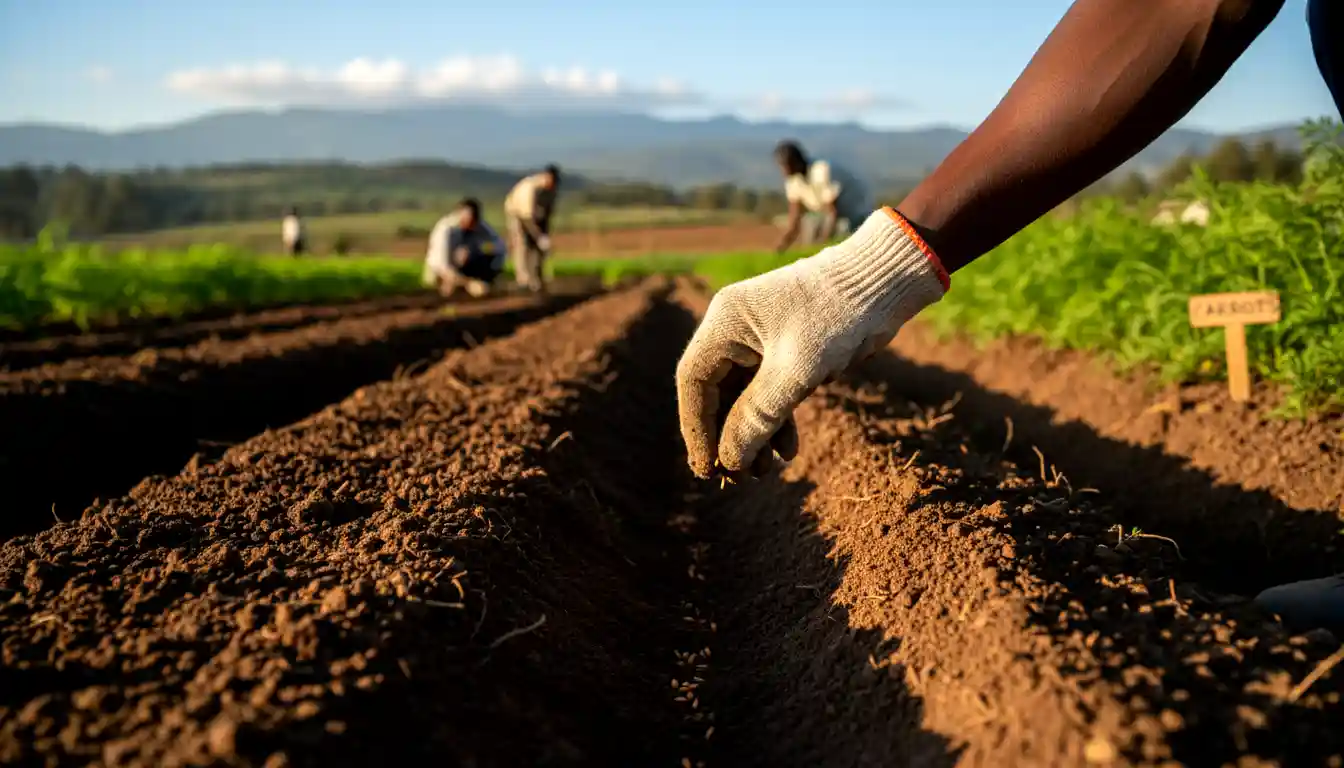
The supply chain is dominated by brokers. To maximize profit, bypass them by forming groups to sell directly to Nairobi’s Wakulima Market. Compliance with KS 1758 opens doors to exporters and premium retailers.
Read Also: Okra Farming in Kenya 2026: Step by Step Guide, Costs, Yields and Profits
The journey from “Shamba to Fork” is where the money is made or lost. In 2026, the market is bifurcating into two distinct channels. You must choose your path early.
- The Informal Channel:
- Route: Farm to Broker to Wholesale Market to Mama Mboga.
- Pros: Immediate cash and acceptance of all produce grades.
- Cons: Brokers dictate prices and demand overfilled bags (Lumbesa).
- The Formal/Export Channel:
- Route: Farm to Aggregator/Exporter to Supermarket.
- Pros: Higher stable prices and sales by Kg.
- Cons: Strict quality standards (KS 1758) and delayed payment.
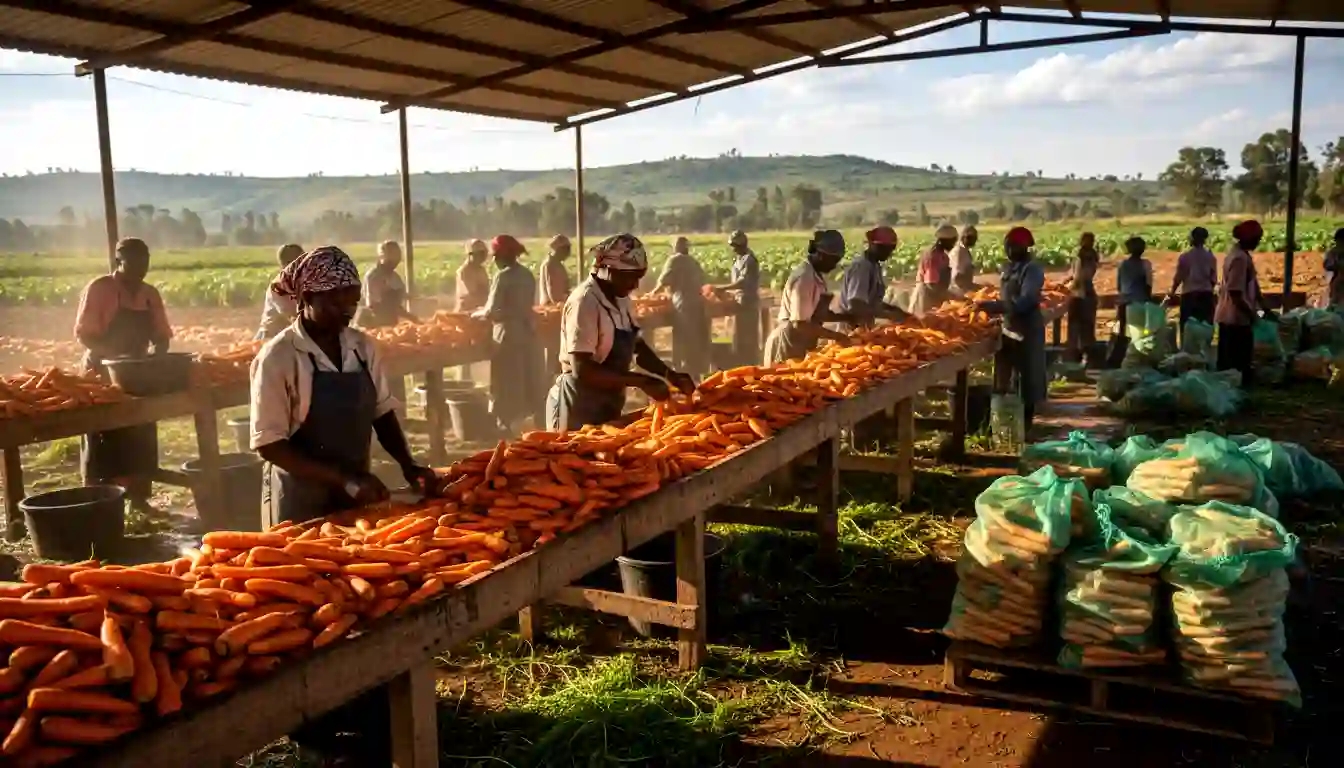
Value Addition Tip: Washing and grading carrots at the farm level can increase the price by 15%. Clean carrots sell faster in urban centers than muddy ones.
2026 Outlook and Conclusion
Carrot farming in Kenya in 2026 remains a robust opportunity for farmers who treat it as a business. The fundamentals of cool climate and correct variety are non-negotiable. However, the real edge comes from data-driven timing.
- Strategic Planting: Plant in July or August to hit the high-price window.
- Cost Management: Use soil tests to avoid wasting expensive fertilizer.
- Market Compliance: Adopt KS 1758 standards to future-proof your farm.
Read Also: Top 5 Hybrid Onion Varieties (F1) Dominating the Kenyan Market in 2026
Call to Action: Don’t just plant blindly. Visit your local market to check current prices and bag sizes first. Then, invest in a soil test before you buy your first bag of fertilizer.
Farmers Also Ask (FAQ)
How many months do carrots take to mature in Kenya?
Most commercial varieties like Nantes and Super Kuroda take 3 to 4 months (90-120 days) to reach full maturity, depending on the altitude and temperature.
How many kgs of carrot seeds per acre?
You need approximately 1.5kg to 2kg of seeds per acre if broadcasting. If using a precision planter or drilling in lines, 1kg is sufficient.
What is the yield of carrots per acre in Kenya?
A well-managed acre produces 15 to 25 tons. In market terms, this is roughly 100 to 150 extended bags (weighing ~110kg each).
Which is the best month to plant carrots in Kenya?
July and August are ideal for harvesting in October-November when prices are high. March planting benefits from Long Rains but often meets lower prices.
Is carrot farming profitable in Kenya?
Yes. With a production cost of ~KES 75k and revenue of ~KES 350k+, net profit can exceed KES 250,000 per acre in a single season.
What is the wholesale price of carrots in Kenya 2026?
Wholesale prices range from KES 30 to 50 per kg. A 90kg+ bag typically sells between KES 2,500 and KES 4,500 depending on supply.
Can carrots grow in hot areas like Mombasa?
It is difficult. Carrots need cool temperatures. In hot areas, use heat-tolerant varieties like Super Kuroda and irrigate heavily, but yields will be lower.
What is the best fertilizer for carrots?
Use DAP or NPK 23:23:0 at planting for roots. Top dress with NPK 17:17:17 or a Potassium-rich fertilizer at week 6 to sweeten roots.
How do I stop my carrots from forking?
Avoid using fresh manure, as it causes roots to split. Ensure soil is deep and loose (tilled to 30cm) so roots don’t hit hard pans or stones.
Where can I sell my carrots in Kenya?
Main wholesale markets include Marikiti (Nairobi), Kongowea (Mombasa), and Eldoret Main Market. Export opportunities exist in Uganda.