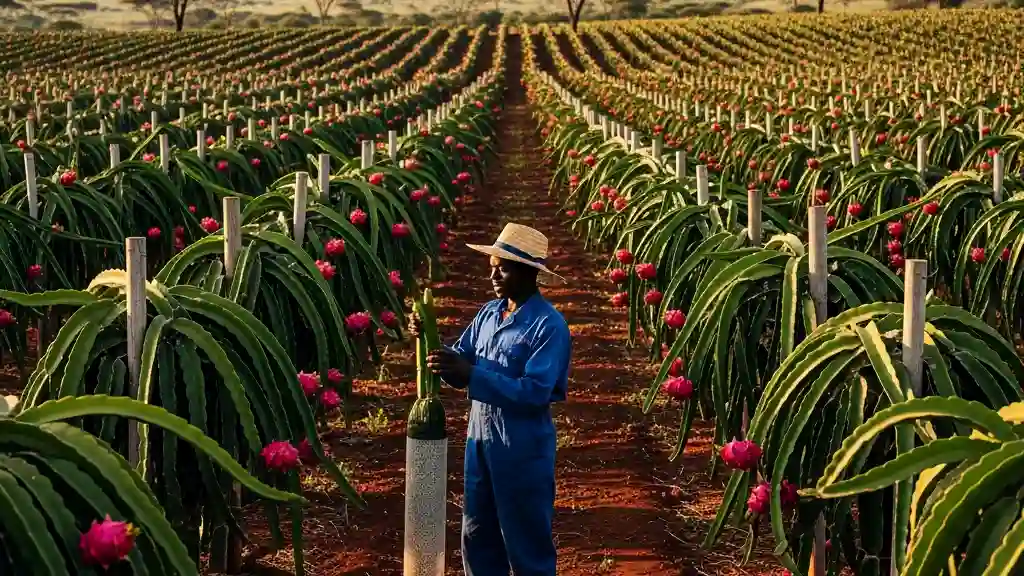

The agricultural sector in Kenya is witnessing a massive shift in 2026. moving away from volatile staples like maize and coffee toward high-value exotic crops. Dragon fruit, often called the “Pink Gold,” has emerged as the definitive millionaire’s crop for savvy farmers. With a single mature acre capable of producing 10 to 15 tons annually, the financial incentives are impossible to ignore.
Market data for 2026 indicates that this cactus fruit retails between KES 800 and KES 1,200 per kilogram in affluent Nairobi markets. This pricing structure allows for potential gross revenues exceeding KES 8 Million per year from a well-managed orchard. Farmers in semi-arid counties like Makueni, Machakos, Kajiado, and Naivasha are capitalizing on this, turning these regions into the new “Dragon Fruit Belt.”
Table of Contents
Why is Dragon Fruit Farming the Best Agribusiness in 2026?
Dragon fruit farming offers exceptional returns due to high local demand that exceeds supply by 40% and premium pricing of over KES 800 per kg. It is highly drought-resistant, making it perfect for Kenya’s changing climate and semi-arid lands. Once established, the vines have a productive lifespan of 25 to 40 years, providing generational wealth.
The Economic Resilience Factor
Unlike seasonal vegetables that flood the market simultaneously, Dragon fruit offers a staggered harvest season that keeps cash flow consistent. The crop is a cactus, meaning it requires a fraction of the water needed for avocados or macadamia nuts. This low water footprint significantly reduces operational costs in arid zones like Ukambani and the Coast.
Unmatched Health Demand
The Kenyan middle class is driving a surge in demand for superfoods rich in antioxidants and Vitamin C. High-end retailers such as Zucchini Greengrocers and Chandarana Foodplus consistently run out of stock. This domestic hunger for the fruit provides a safety net against international market fluctuations.
Which Dragon Fruit Varieties are Most Profitable in Kenya?
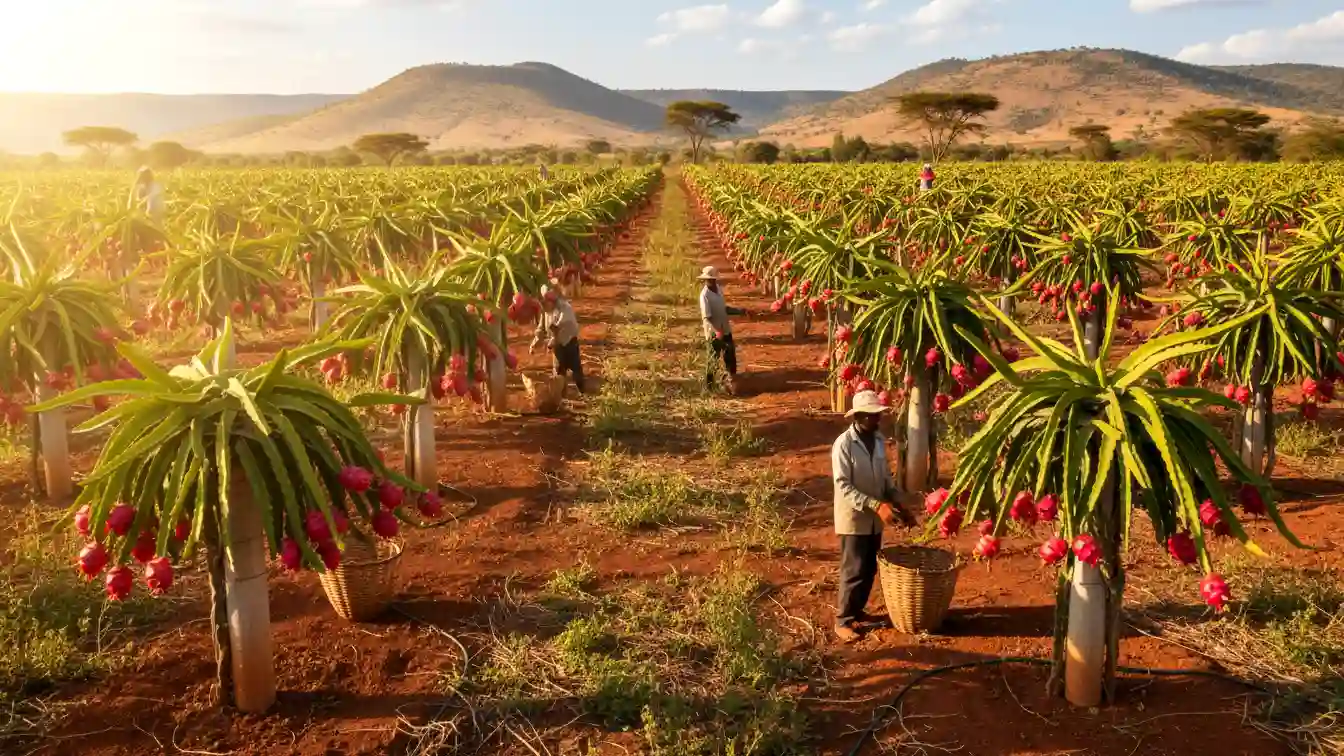
The most profitable varieties for 2026 are the Yellow Dragon Fruit for premium pricing, and self-pollinating hybrids like Moroccan Red and American Beauty for yield reliability. Beginners should strictly avoid self-incompatible varieties to eliminate the labor costs of manual night pollination.
Yellow Dragon Fruit (Selenicereus megalanthus)
This variety is currently known as the “Premium King” of the market in 2026. It is distinct for its yellow skin and thorns which must be brushed off before sale. It boasts the highest Brix level (sweetness) of 18+, commanding the highest retail price per kilogram.
Moroccan Red & American Beauty
These two hybrids have become the favorites for commercial farming in Kenya this year. They are self-pollinating, which means they do not require hand pollination at night to set fruit. This characteristic drastically reduces labor expenses and guarantees a consistent fruit set per season.
The Risk of Self-Incompatible Varieties
Many pioneer farmers made the mistake of planting older varieties that require cross-pollination. This necessitates hiring workers to manually transfer pollen between flowers at night when the blooms open. New entrants in 2026 must choose modern genetics to avoid this unnecessary operational bottleneck.
Where to Buy Dragon Fruit planting materials in Kenya 2026.
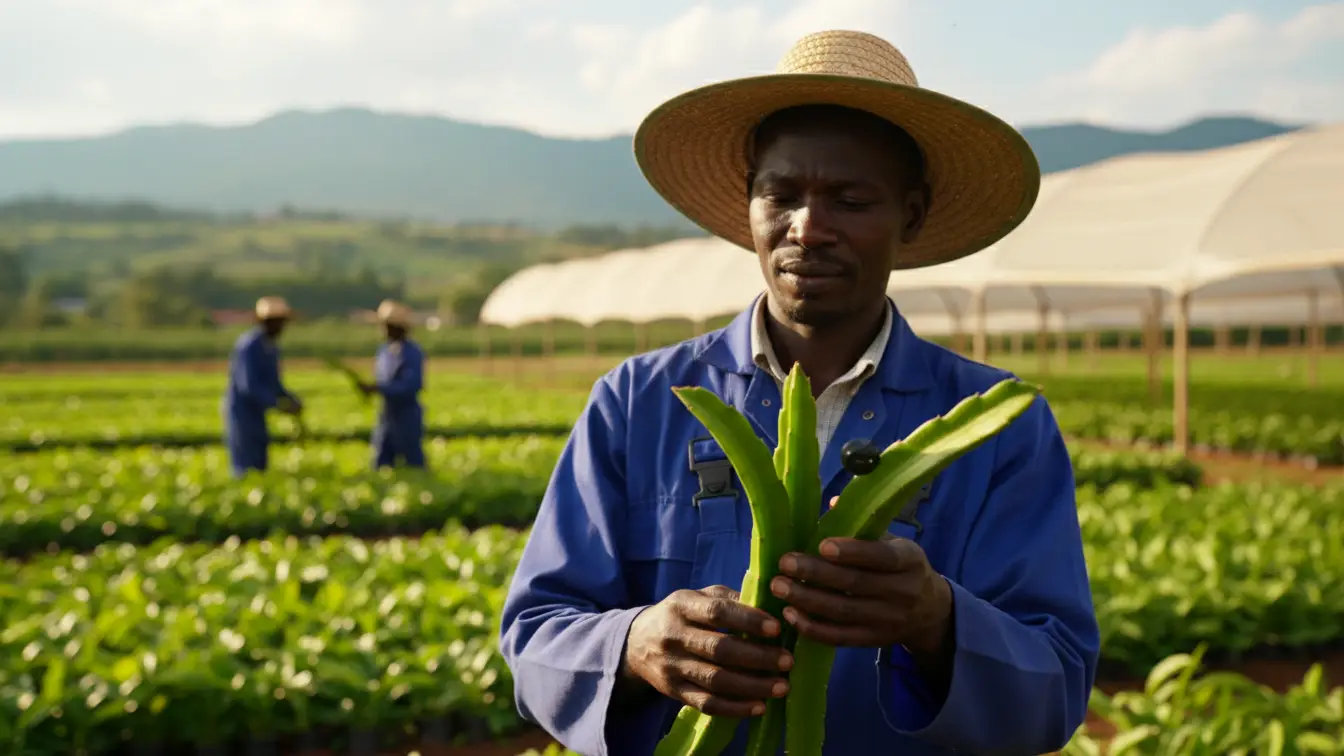
Farmers must purchase planting materials from KEPHIS certified nurseries to avoid the devastating Mosaic Virus. Trusted commercial sources in 2026 include Richfarm Kenya and Oxfarm Organic. Always verify that cuttings are cured and free from orange rust spots before payment.
Certified Nurseries and Propagators
Sourcing clean genetic material is the single most critical step in establishing your orchard. Richfarm Kenya and Oxfarm Organic have established themselves as reputable suppliers of the Moroccan Red and Yellow varieties. They typically sell mature cuttings ranging from KES 300 to KES 500 depending on the variety and length.
Government Research Institutions
The Kenya Agricultural and Livestock Research Organization (KALRO) remains a primary source for disease-free starter material. Their centers in Thika and Mtwapa provide certified vines that have been screened for pests. Buying from government bodies ensures you are getting the correct variety true to type.
READ ALSO: 10 Most Profitable Farming Ventures in Kenya for 2026
Verification Protocols
Before purchasing, inspect the mother plants for signs of stem rot or fungal infections. Ask the nursery for their Horticultural Crops Directorate (HCD) registration to ensure legitimacy. Avoid roadside sellers who cannot verify the parentage of their vines.
What is the 2026 Cost of Establishment and Financial Roadmap?
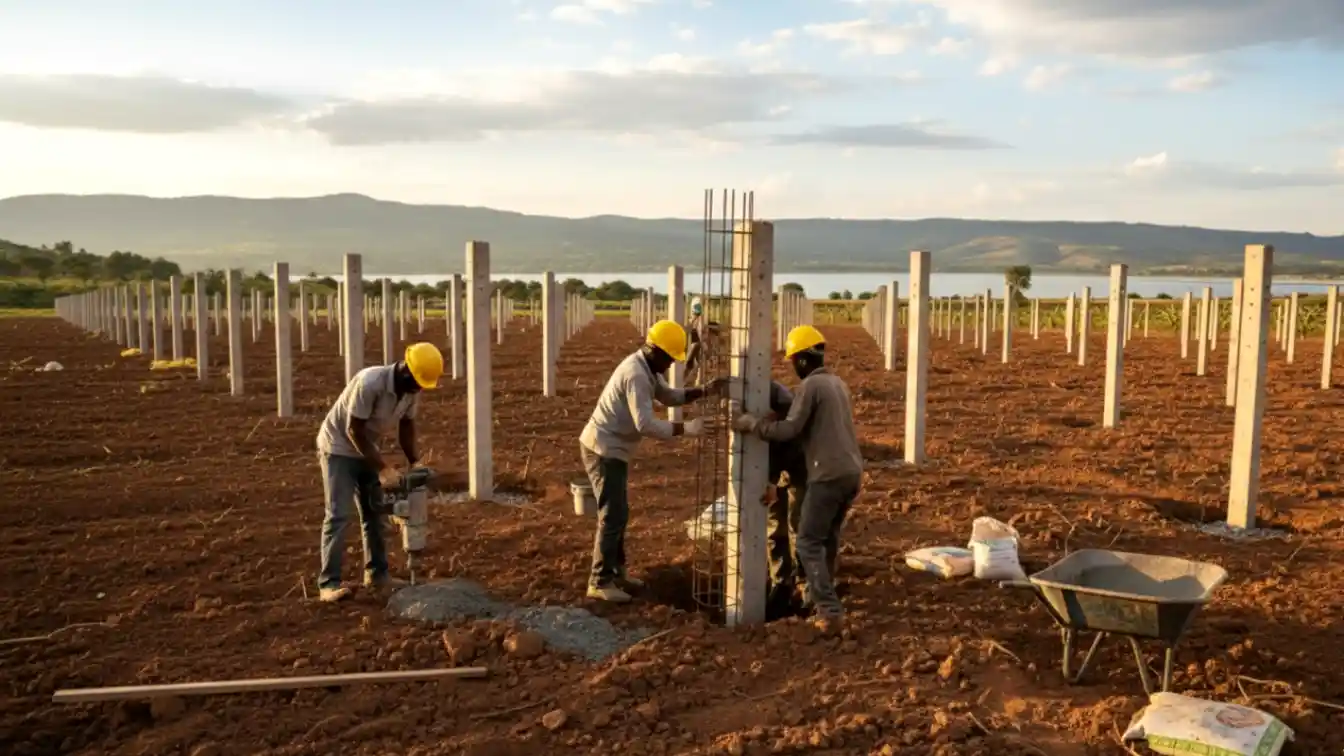
Establishing one acre of Dragon fruit in 2026 costs between KES 500,000 and KES 800,000 depending on the trellis material. The “Gold Standard” is reinforced concrete pillars which cost approximately KES 1,200 each but last for 30+ years. Break-even is typically achieved in the third year when yields stabilize.
The “Concrete Standard” Trellis System
In 2026, the industry standard has shifted entirely to reinforced concrete pillars over wooden posts. Wooden posts are prone to termite attacks and rotting within three years, leading to catastrophic orchard collapse. A standard concrete pillar should be 6 to 7 feet long and buried 2 feet deep for maximum stability.
Detailed Cost Breakdown (Per Acre)
| Expense Item | Unit Cost (KES) | Total Cost (KES) | 2026 Notes |
|---|---|---|---|
| Concrete Pillars (500 units) | 1,200 | 600,000 | Essential for 30-year lifespan |
| Certified Cuttings (2,000 units) | 300 | 600,000 | 4 vines per pillar |
| Drip Irrigation Kit | 150,000 | 150,000 | Double emitter lines recommended |
| Manure & Fertilizers | 80,000 | 80,000 | High organic matter required |
| Labor & Installation | 100,000 | 100,000 | Hole digging and mounting |
| Total Investment | ~1,530,000 | High entry, massive return |
Return on Investment (ROI)
While the startup capital is significant, the operational costs drop drastically after year one. By year three, a single acre can generate KES 3 Million to KES 4 Million in net profit. This places Dragon fruit far above real estate rental yields in most Kenyan counties.
Note for 2026 Farmers: While retail prices in Nairobi are currently KES 800+, the farm-gate price (what a broker pays you at the farm) is stabilizing between KES 400 and KES 600. As more acreage comes online in 2027/2028, we expect prices to normalize. Smart farmers are currently focusing on Grade A size (400g+) to maintain premium margins.
What are the Critical Agronomy Practices for Success?
Success relies on sandy-loam soil with a pH of 6.0 to 7.0 and excellent drainage to prevent root rot. The 2026 standard spacing is 2 meters between plants and 3 meters between rows to allow tractor access. Feeding programs must prioritize organic manure and High-K fertilizers during fruiting.
READ ALSO: Hass Avocado Price in Kenya 2026: Seedlings & Market Guide
Soil Preparation and pH Management
Dragon fruit roots are highly sensitive to waterlogging and require well-draining soil. Farmers in clay-heavy zones must amend their soil with river sand and fully decomposed manure. A soil test from CropNuts or KALRO is mandatory to ensure the pH is balanced between 6.0 and 7.0.
Spacing and Canopy Management
The recommended spacing of 2m x 3m is crucial for mechanization and workflow efficiency. This layout allows small tractors or wheelbarrows to pass through for manure application and harvesting. Proper spacing also ensures adequate airflow, which is the primary defense against fungal diseases.
Nutrient Management Program
The plant is a heavy feeder during its vegetative and fruiting stages. Apply well-rotted goat or cow manure at the base of the pillar every three months. During the flowering season, switch to Potassium-rich fertilizers (High-K) to boost fruit size and sweetness levels.
Maximized Cash Flow: Dragon fruit takes 12–18 months to provide your first real income. In 2026, successful farmers are intercropping with short-cycle legumes (beans/peas) or onions between the 3-meter rows. This suppresses weeds and provides “pocket money” while the cactus vines climb the pillars.
How to Manage Pests and Diseases in the 2026 Climate?
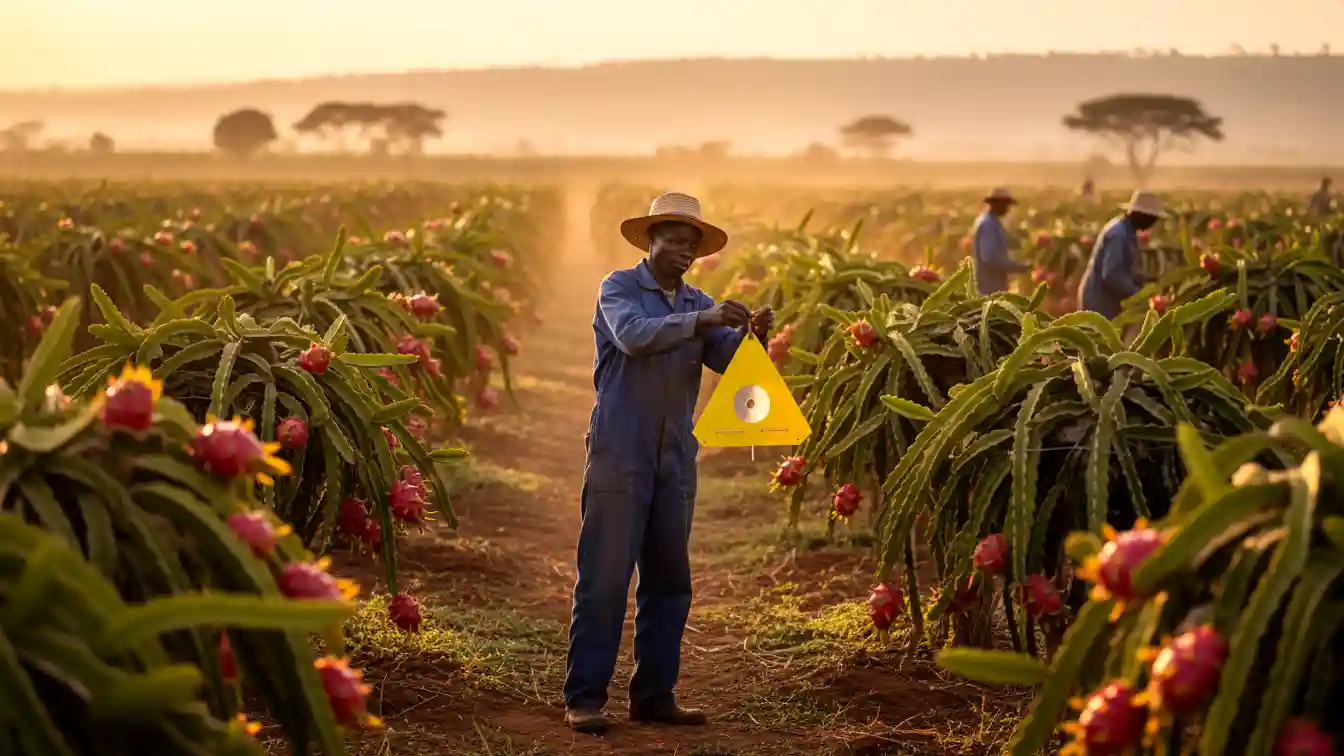
The biggest threats in 2026 are Stem Rot and Anthracnose caused by unpredictable El Niño rains. Fruit Flies are the primary pest and should be managed using Pheromone Traps rather than pesticides. Maintaining an “Organic” profile is essential for accessing premium export markets.
Combating Fungal Diseases
Recent heavy rainfall patterns have made Anthracnose and soft rot major concerns for farmers. These manifest as orange spots or mushy stems that can kill a vine quickly. The best prevention is maintaining an open canopy through pruning to ensure sunlight penetrates all branches.
The Fruit Fly Menace
Fruit flies puncture ripening fruit, rendering it unsellable for the fresh market. Chemical spraying is discouraged as it kills pollinators and leads to residue rejections in export markets. The industry standard solution is the use of pheromone traps and bagging fruits immediately after fruit set.
Sunburn Management
In extremely hot zones like Garissa or Turkana, the intense midday sun can burn the fleshy stems. Farmers in these regions are adopting shade nets with 30% filtration. This protects the chlorophyll in the stems while still allowing sufficient light for photosynthesis.
How to Navigate the Supply Chain and Export Market
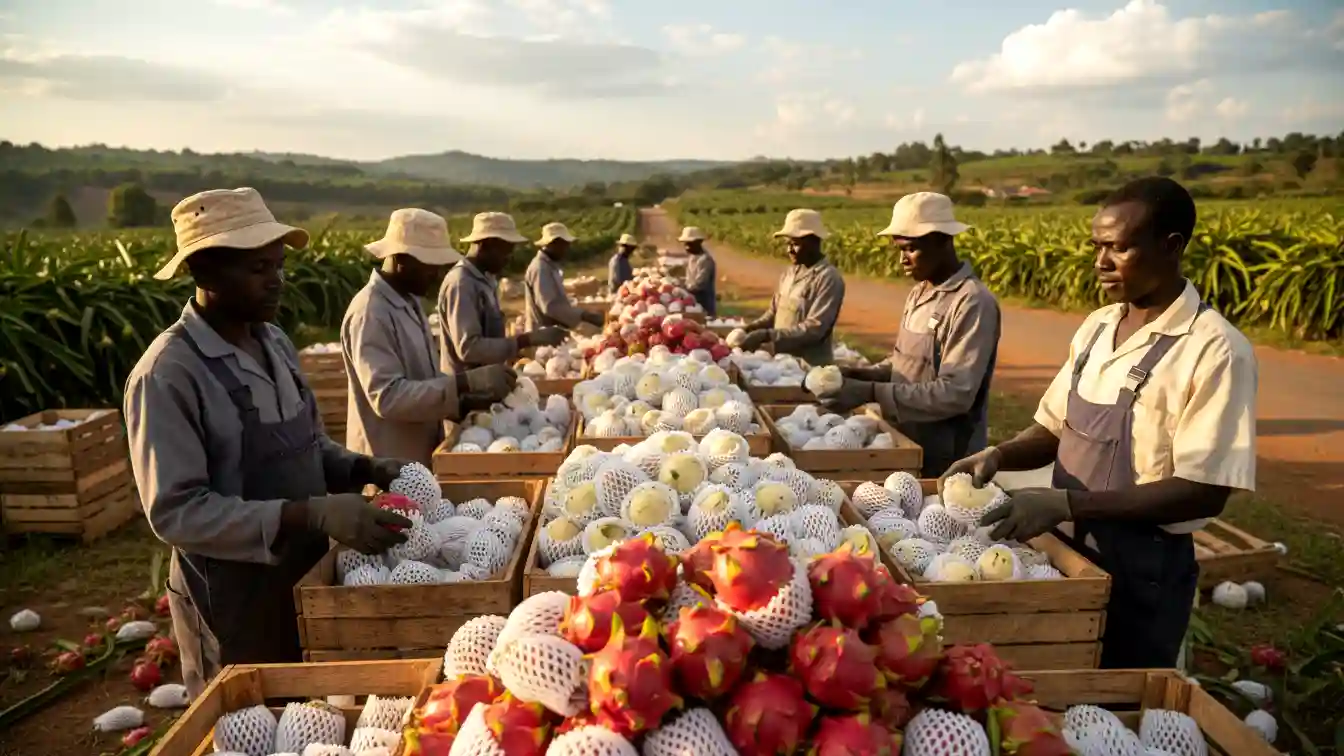
Farmers can sell directly to premium retailers like Carrefour and Zucchini in Nairobi or target the export market in the UAE and Qatar. Value addition is a growing trend, with Grade B fruits being processed into Pitaya juice, wine, and dried snacks to minimize waste.
Domestic Retail Partnerships
High-end grocery chains are constantly seeking consistent suppliers of quality fruit. Relationships with buyers at Naivas, Chandarana, and Zucchini are built on reliability and fruit appearance. Packaging plays a vital role here, with individual foam nets required to prevent bruising during transit.
The Export Opportunity
The global demand for exotic fruits is opening doors for Kenyan produce in the Middle East and Europe. Countries like Qatar and the UAE are key importers due to their proximity and high purchasing power. To tap into this, farmers must adhere to Global GAP standards and maintain strict traceability logs.
READ ALSO: Strawberry Farming in Kenya: Step‑by‑Step Guide, Costs, Best Seed Varieties and Profits in 2026
Value Addition Innovations
Not every fruit will meet the aesthetic standards of the fresh market. In 2026, smart farmers are investing in solar dryers to produce dried dragon fruit chips. This product has a long shelf life and sells at a premium as a healthy snack, ensuring zero wastage on the farm.
Thinking of Export? To sell to the UAE or Europe in 2026, you must have:
- Global GAP Certification: Focuses on food safety and traceability.
- KEPHIS Phytosanitary Certificate: To prove your fruit is free from the False Codling Moth (FCM).
- HCD Export License: Required for all commercial fruit exporters.
The 2026 Verdict: Is the “Pink Gold” Rush Worth It?
As we navigate the agricultural landscape of 2026, one thing is clear: Dragon fruit is no longer just an “exotic experiment” in Kenya, it is a cornerstone of high-value agribusiness. While traditional staples like maize face climate and price volatility, the Pitaya offers a rare combination of drought resilience, generational longevity, and high-profit margins.
However, the “Millions” promised in this roadmap are not guaranteed by luck. They are the result of treating your shamba like a high-tech startup. Success in 2026 depends on three non-negotiables:
- Precision Genetics: Investing in self-pollinating hybrids like Moroccan Red or the premium Yellow variety.
- Infrastructure Integrity: Choosing concrete pillars over cheaper, short-term wooden alternatives.
- Market Intelligence: Understanding that your profit is made at the farm gate by hitting the high-demand windows of the Nairobi and export markets.
READ ALSO: How to Get Instant Farm Input Mobile Loans in Kenya 2026: Digital Credit Apps and Bank Options
“The best time to plant a Dragon Fruit vine was three years ago; the second best time is today.”
The divide between struggling farmers and agribusiness millionaires in 2026 is defined by action and adaptation. With the export doors to the Middle East swinging wide and the Kenyan middle class hungry for superfoods, the window of opportunity is at its peak. Start small if you must, but start with the 2026 standards of excellence. Your path to “Pink Gold” begins with a single, certified cutting and a vision for the next 40 years.
Farmers Also Ask (FAQ)
1. How long does it take for Dragon Fruit to bear fruit in Kenya?
Plants grown from mature cuttings typically start fruiting within 12 to 15 months after planting. Significant commercial harvests usually begin in the second year. Full maturity and peak production are reached by the third or fourth year.
2. What is the expected profit per acre for Dragon Fruit?
A mature acre can produce between 10 to 15 tons of fruit annually. With an average farm-gate price of KES 500 to KES 800, gross revenue can range from KES 5 Million to KES 12 Million. Net profit depends on management efficiency.
3. Can Dragon Fruit grow in cold areas like Limuru?
Dragon fruit is sensitive to frost and thrives in temperatures between 20°C and 30°C. In cold highland areas like Limuru, growth is significantly slower and frost can kill the vines. Greenhouses are required for successful farming in these zones.
4. How much water does a Dragon Fruit plant need?
While drought-tolerant, commercial vines need consistent moisture to produce large fruits. Drip irrigation is recommended to provide about 2 to 4 liters of water per pillar twice a week. Overwatering must be avoided to prevent root rot.
5. Where can I sell my Dragon Fruit harvest?
Sales channels include local open markets like City Park, premium supermarkets, and direct deliveries to juice bars. Social media platforms like Facebook and Instagram are also effective for direct-to-consumer sales. Export agents handle bulk shipments abroad.
6. What is the best fertilizer for sweetness?
To increase the Brix level (sweetness), farmers should apply fertilizers high in Potassium (K) and trace elements like Boron during the flowering stage. Organic options include wood ash and specialized fruit-booster organic foliar feeds. Avoid excess Nitrogen during fruiting.
7. Do I need to prune my Dragon Fruit vines?
Yes, pruning is essential to shape the canopy and encourage fruiting. The main stem should be tipped once it reaches the top of the trellis to force lateral branching. Regular removal of diseased or overcrowded branches improves airflow and yields.
8. Is Dragon Fruit farming labor intensive?
The initial setup is labor-intensive due to planting and trellis construction. However, once established, labor requirements are lower compared to crops like tea or coffee. The main recurring labor tasks are pruning, harvesting, and weed control.