
- Top 2026 Alternatives: Sorghum, green grams, and drought-resistant beans like Kenya Mali offer faster maturity and stronger reliability than traditional maize in erratic rainfall zones.
- Cost Savings: Accessing government subsidized fertilizer through the KIAMIS platform significantly reduces input costs compared to high commercial retail prices.
- Market Potential: Brewing companies and export markets are actively contracting farmers for smart crops, creating secure off-take agreements.
Table of Contents
The era of relying entirely on maize is fading as unpredictable weather patterns sweep across Kenya. Shifting to drought-resistant smart crops is no longer just a backup plan. It is the most practical way to secure your farming income in 2026. This guide breaks down the most profitable, fast maturing crops in semi arid areas that require less water and offer stable profit margins. From what many farmers experience, choosing the right seed genetics changes everything.
The Top Seven Drought-Resistant Crops for Kenyan Farmers
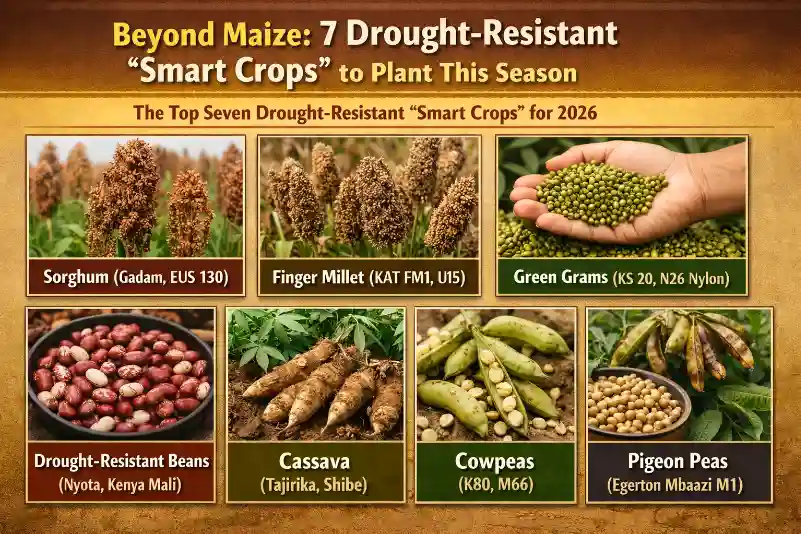
Sorghum, finger millet, green grams, drought-resistant beans, cassava, cowpeas, and pigeon peas are the best smart crops for 2026. These varieties mature quickly, require minimal rainfall, and have high market demand from both local consumers and industrial processors.
In areas like Nakuru, Kisumu, or Kajiado, shifting away from maize requires specific interventions. The Kenya Agricultural and Livestock Research Organization (KALRO) has released improved varieties perfectly suited for lower and erratic rainfall.
Matching the specific seed to your ecological zone is the actual secret to a bumper harvest. The following table compares the top seven smart crops based on yield potential, maturity periods, and disease resistance for the 2026 season.
| Crop Type | Best 2026 Varieties | Maturity Period | Average Yield per Acre | Disease Resistance |
|---|---|---|---|---|
| Sorghum | Gadam, EUS 130 | 3 to 4 months | 15 to 20 bags (90kg) | High (Smut, Rust) |
| Green Grams | KS 20, N26 (Nylon) | 2 to 2.5 months | 4 to 6 bags (90kg) | High (Yellow Mosaic) |
| Beans | Kenya Mali, Nyota | 2 to 2.5 months | 6 to 8 bags (90kg) | Moderate (Root Rot) |
| Cassava | Tajirika, Shibe | 8 to 12 months | 8 to 12 tonnes | High (CBSD) |
| Finger Millet | KAT FM1, U15 | 3 to 4 months | 8 to 10 bags (90kg) | High (Blast disease) |
| Cowpeas | K80, M66 | 2.5 to 3 months | 5 to 7 bags (90kg) | Moderate (Aphids) |
| Pigeon Peas | Egerton Mbaazi M1 | 4 to 5 months | 6 to 9 bags (90kg) | High (Fusarium Wilt) |
Sorghum and Finger Millet
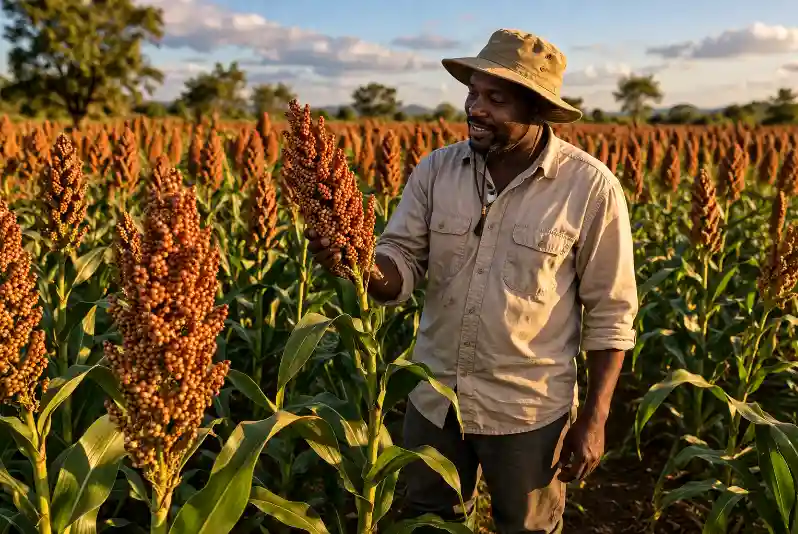
Brewing companies like East African Breweries currently offer lucrative contracts for Gadam sorghum. These hardy grains withstand intense heat and still produce respectable yields. Most beginners in Kenya struggle with bird attacks, making reflective tapes or bird nets a mandatory investment.
Green Grams and Cowpeas
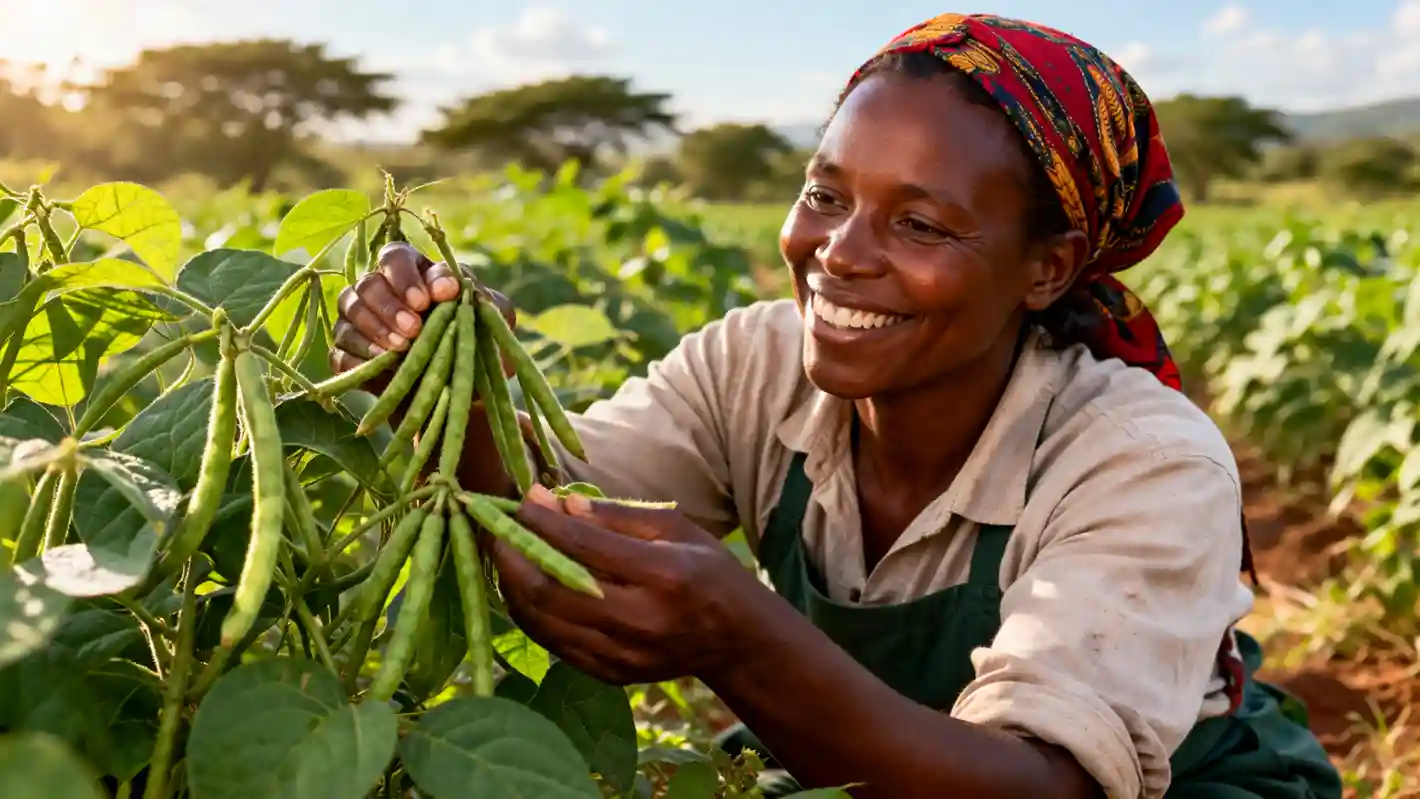
Green grams are the ultimate cash crop for short rain seasons. They require very little water and consistently fetch premium prices in urban centers like Nairobi and Mombasa. Cowpeas provide a dual benefit because you can harvest the nutritious leaves as vegetables while waiting for the pods to dry.
Cassava and Pigeon Peas
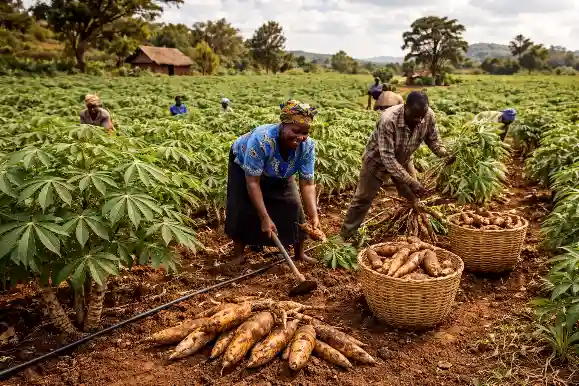
These two crops serve as your ultimate long term food security strategy. Cassava acts as an underground storage system that survives severe droughts without rotting. Pigeon peas possess deep taproots that break up hardpan soils, naturally fixing nitrogen and improving your shamba for the next planting cycle.
Sourcing and Procurement for Certified Smart Crop Seeds
Purchase certified drought-resistant seeds from KALRO centers, Kenya Seed Company branches, or approved digital platforms like Safaricom Digifarm. Avoid buying uncertified grains from local open markets to prevent poor germination and disease transfer.
Finding authentic seeds is the biggest hurdle for planting alternatives to maize farming. Local hardware stores and unregistered agrovets frequently stock counterfeit seeds that fail to germinate. Sourcing inputs from certified institutions guarantees genetic purity and high drought tolerance. Many beginners wonder exactly where to buy Drought-Resistant “Smart Crops” to Plant without getting scammed.
In 2026, modern farmers use digital platforms like iProcure to track seed authenticity. You can also visit local KALRO research stations in Katumani or Alupe to buy specific varieties safely. A standard packet of KALRO certified seeds 2026 for sorghum costs between KES 450 and KES 750. This pricing makes high quality genetics incredibly affordable for smallholder farmers. Always demand a receipt and verify the certification tag on the seed packet before leaving the counter.
Soil Nutrition and Fertilizer Strategies for Smart Crops
Drought-resistant crops require targeted phosphorus for root development and balanced potassium for drought resilience. Using a basal application of NPK 23:23:0 alongside organic compost maximizes yields while keeping overhead costs incredibly low.Smart crops generally survive in poor soils, but commercial success requires targeted nutrition.
Read Also: Maize Farming in Kenya: High Yield Production Guide, Best Practices and Profit Tips 2026
Applying the right fertilizer during planting can drastically increase the harvest weight of grains and tubers. Relying purely on expensive commercial inputs easily eats into your profit margins. The table below contrasts commercial fertilizer applications with cost-saving organic alternatives for achieving maximum yields.
| Nutrition Stage | Commercial Option (2026 Price) | Cost-Saving Alternative | Application Purpose |
|---|---|---|---|
| Planting (Basal) | Subsidized DAP at KES 2,500 | Cow manure mixed with wood ash | Boosts early root establishment. |
| Vegetative Growth | Subsidized CAN at KES 2,875 | Compost tea or rabbit urine spray | Encourages leafy canopy closure. |
| Flowering/Fruiting | NPK 17:17:17 at KES 3,275 | Kitchen waste compost | Increases grain and tuber weight. |
Balancing Costs and Yield Potential
The Kenyan government e-voucher system caps DAP fertilizer at KES 2,500 per 50kg bag at NCPB depots. You must register digitally via the KIAMIS platform to bypass the steep commercial retail prices. For an eighth of an acre plot, well-composted manure is often enough to support cowpeas without buying synthetic chemicals.
Yields can reach up to 20 bags per acre for sorghum, but estimated ranges vary by management and soil health. Top dressing with subsidized fertilizer prices Kenya 2026 guidelines ensures you do not overcapitalize. Always conduct a basic soil test through your county agricultural department before applying heavy synthetic blends.
Top Kenyan Counties for Profitable Drought-Resistant Farming
Lower Eastern counties like Makueni and Kitui are prime for green grams and pigeon peas. The North Rift supports large-scale sorghum, while coastal regions like Kilifi excel in cassava production due to sandy, well-draining soils.Different smart crops naturally thrive in specific ecological zones across Kenya. Trying to force a crop into the wrong climate is a guaranteed way to lose your investment. A comparative regional approach helps you decide exactly what to plant based on your location.
Makueni Versus Uasin Gishu
Makueni County is the undisputed champion for learning how to grow green grams for profit. The hot, semi-arid climate accelerates pod maturity, allowing farmers to harvest before the short rains completely disappear. Uasin Gishu is now heavily adopting contract sorghum farming EABL agreements to diversify income away from maize.
Coastal Regions and Sandy Soils
Down at the coast, Kilifi County provides the perfect environment for cassava and drought-tolerant sweet potatoes. The loose, sandy soils prevent tuber rot, which is a massive problem in the heavy clay soils of Central Kenya. Pick the specific crop that naturally wants to grow in your home county.
Read Also: Top 10 Best Agrovets in Kenya (2026 Guide): Where to Buy Genuine Inputs in Nairobi, Eldoret & Nakuru
A Twelve-Month Planting Cycle for Arid and Semi-Arid Lands
Plant short-season crops like green grams in March and October to catch the long and short rains. Long-season crops like cassava should be planted in April, allowing them to establish deep roots before the dry season hits in July.Timing is absolutely everything when farming in areas with unpredictable rainfall. Planting just two weeks late can result in a devastating crop failure. A strict twelve-month calendar keeps you comfortably ahead of the shifting weather patterns.
March to May Planting Window
Prepare your land thoroughly in February so you can dry-plant sorghum and green grams by early March. Dry planting ensures the seeds germinate with the very first drop of heavy rain. Weeding must be completed by mid-April to prevent wild grasses from stealing precious soil moisture from your crops.
June to August Dry Spell
Harvest your fast-maturing legumes like cowpeas and drought resistant beans farming in Kenya varieties by late June. July and August are harsh, dry months where only established crops like cassava will remain green. Use this quiet time to clear harvested fields and repair water-harvesting structures like Zai pits.
September to December Short Rains
The short rains in October provide a valuable second planting window for ultra-fast crops. Harvest these specific crops by late December before the January heat sets in. This dual-season approach ensures you have cash flowing into your bank account twice a year.
Financial Breakdown: Costs and Profit Potential per Acre
Growing one acre of green grams requires an initial investment of KES 15,000 to KES 25,000. With a harvest of 5 bags sold at KES 9,000 each, a farmer can generate KES 45,000, yielding a net profit of roughly KES 20,000 within three months.
Every modern farming guide must address the raw financial numbers. Commercial farmers spend heavily on tractors and synthetic inputs, while smart smallholder farmers focus intensely on keeping overheads low. Knowing your costs is the only way to build a sustainable agribusiness.
The following financial table contrasts a commercial setup versus a cost-saving manual approach for growing one acre of green grams in 2026.
| Expense Category | Commercial Approach (KES) | Cost-Saving DIY Approach (KES) |
|---|---|---|
| Land Preparation | 5,000 (Tractor plowing) | 2,000 (Ox-plow or manual) |
| Seed Procurement | 2,000 (Certified KS 20) | 2,000 (Certified seeds) |
| Fertilizer Application | 5,000 (Subsidized DAP) | 1,000 (Manure application) |
| Weeding and Labor | 6,000 (Hired casuals) | 0 (Family labor) |
| Pest Control | 3,000 (Synthetic pesticides) | 1,000 (Neem extracts) |
| Total Estimated Cost | 21,000 | 6,000 |
| Projected Revenue | 45,000 (5 bags at KES 9,000) | 36,000 (4 bags at KES 9,000) |
| Estimated Net Profit | 24,000 | 30,000 |
Analyzing the Return on Investment
The commercial approach yields slightly more bags, but the manual method actually provides a higher net profit margin. If you scale this to a five-acre block, the commercial approach becomes necessary because family labor cannot handle the heavy workload. Always calculate your exact break-even point before buying expensive chemical inputs.
Supply Chain Processing and Value Addition for Smart Crops
Farmers multiply their profits by processing raw crops into value-added goods. Milling sorghum into porridge flour, packaging graded green grams, or processing cassava into high-quality baking flour bypasses exploitative middlemen and accesses premium retail markets.
Selling raw grains straight from the shamba is a classic and costly beginner mistake. Brokers wait at the farm gate with heavily manipulated weighing scales to buy your hard work for pennies. Taking control of your supply chain is how you build genuine generational wealth.
Sorting, Grading, and Packaging
Simply cleaning and sorting your green grams increases their retail market value by thirty percent. Urban consumers willingly pay KES 150 per kilo for clean, stone-free lentils in a branded polythene bag. Manual sorting and basic heat sealers work perfectly for a simple backyard processing setup.
Milling and Industrial Contracts
Sorghum and finger millet hold incredible financial value when properly milled and packaged. Blending these raw grains into nutritious porridge flour targets health-conscious urban buyers in Nairobi. Alternatively, signing a direct off-take contract with milling companies guarantees a fixed price and shields you from market fluctuations.
Risks and Reality Check for Drought-Resistant Farming Ventures
The primary risks include severe bird attacks on sorghum, post-harvest weevil infestations in legumes, and sudden price crashes during glut seasons. Poor storage management can completely wipe out an entire harvest in a matter of weeks.
Farming is never a guaranteed success, and smart crops have their own unique set of brutal challenges. Some farmers are forced to sell at a massive loss when buyers disappear during a bumper harvest season. Ignoring these harsh realities will quickly drain your working capital.
Pest and Disease Reality Check
While these specific crops resist drought, they absolutely do not resist determined pests. Flocks of birds can easily decimate an entire acre of mature sorghum in a single afternoon. If you are planting beans, one small mistake in post-harvest drying will invite weevils that turn your premium grains into dust.
Market Gluts and Price Drops
Because green grams mature so rapidly, thousands of local farmers often harvest at the exact same time. This inevitably floods the local markets, causing prices to crash from KES 10,000 a bag down to KES 4,500. You must have secure, hermetic storage bags to safely hold your grains until market prices recover.
Real-World Case Study: Farming Success in Lower Eastern Kenya
A farmer in Machakos shifted from failing maize to green grams and pigeon peas. By utilizing Zai pits for water retention and sourcing certified seeds from KALRO, he stabilized his income, earning KES 80,000 per season from just two acres. Consider the practical journey of a smallholder farmer based in Machakos County.
Read Also: 15 Most Profitable Agribusiness Ideas in Kenya to Start in 2026
For five consecutive years, unpredictable rains caused his maize crops to stunt and wither long before tasseling. In late 2024, he attended a county extension training and decided to pivot entirely to green grams and pigeon peas. He dug specialized Zai pits to capture the minimal runoff water and planted right before the short rains. The green grams matured in seventy days, allowing him to harvest five solid bags per acre.
He stored the grains in hermetic bags and sold them a few months later when regional market prices peaked. This generated enough capital to install a basic drip irrigation line for his backyard kitchen garden. This transition from hope-based maize farming to calculated smart-crop farming completely changed his family’s financial trajectory.
Conclusion and Hard Truths: Is Shifting from Maize Worth It?
Yes, transitioning to drought-resistant crops lowers the risk of total crop failure and reduces expensive input dependencies. It opens up new revenue streams through industrial contracts and urban markets, making it a highly pragmatic choice for 2026.
The 2026 agricultural outlook in Kenya demands absolute flexibility and strategic planning. Clinging to water-heavy crops in dry regions is a romantic but financially ruinous strategy for modern farmers. Embracing Beyond Maize:
Drought-Resistant “Smart Crops” to Plant This Season offers a highly scalable alternative. Here are the hard truths about agricultural investments. This business is not passive, and daily management, monitoring for pests, and strict record-keeping are completely essential. You cannot just throw sorghum seeds into the dirt and expect a lucrative brewery contract to magically appear.
Key Takeaways:
- Who should invest: Farmers in semi-arid regions with limited water access who are willing to learn active post-harvest management.
- Who should avoid: Farmers expecting passive income without doing pest control, or those situated in very cold, waterlogged highland zones.
- Action Step: Start small with a quarter-acre test plot using KALRO certified seeds before expanding your total acreage.
Farmers Also Ask (FAQ) About Smart Crops
Which is the fastest maturing crop in Kenya?
Green grams and drought-resistant beans like Kenya Mali are the fastest. They mature in roughly 60 to 75 days depending on your specific ecological zone and local temperatures.
Where can I sell my sorghum in Kenya?
You can sell sorghum to local millers or animal feed manufacturers. Securing a contract with brewing companies like East African Breweries offers the best fixed prices.
How much does subsidized fertilizer cost?
Through the government KIAMIS platform, a 50kg bag of subsidized DAP costs KES 2,500 at NCPB depots. Synthetic NPK blends typically cost around KES 3,275.
Can cassava survive a severe drought?
Yes, cassava is highly drought-resistant. It drops its leaves to conserve moisture and stores essential energy and water in its large underground tubers during dry spells.
What is the biggest killer of green grams?
Excessive rainfall and waterlogged soils cause severe root rot. Additionally, post-harvest weevil infestations are the biggest destroyers of dried grains in poor storage.
How much seed do I need for one acre of sorghum?
You need approximately three to four kilograms of certified sorghum seed to comfortably plant one full acre. This ensures you maintain the correct agronomic spacing.
Is finger millet farming profitable in Kenya?
Yes, finger millet is highly profitable due to rising urban demand for healthy porridge flours. It often retails much higher per kilo than standard commercial maize flour.
Can I mix DAP and organic manure during planting?
Absolutely. Mixing well-rotted cow manure with a small amount of DAP improves soil structure while giving the germinating seeds an immediate and vital phosphorus boost.
What are the best drought-resistant beans?
KALRO heavily recommends varieties like Nyota, Kenya Mali, and Angaza. These are specifically bred to tolerate intense heat and mature rapidly before the seasonal rains stop.
Do I need a greenhouse for these smart crops?
No, all these smart crops are strictly open-field crops. Building an expensive greenhouse for low-margin grains or root tubers is not a financially viable business strategy.