
Successful dwarf papaya farming in Kenya for 2026 hinges on proactive Integrated Pest Management (IPM). Farmers must specifically target the invasive Papaya Mealybug and persistent Anthracnose fungal infections. By combining resistant hybrid varieties like Malkia F1. with the newly approved biological control agent Acerophagus papayae, producers can reduce crop losses by up to 40%.
Table of Contents
The agricultural landscape has shifted towards precision farming to maximize yields on smaller plots. Dwarf papaya varieties offer higher density planting options compared to traditional tall breeds. This allows smallholder farmers in regions like Meru and Kilifi to maximize revenue per square meter.
Managing pests requires a strict calendar and adherence to phytosanitary standards. Neglecting early warning signs of viral infections can devastate an entire orchard within weeks. This guide provides a comprehensive roadmap for securing premium market prices through superior crop care.
What Are the Best Dwarf Papaya Varieties for Disease Resistance in 2026?
For 2026, the top dwarf varieties are Malkia F1 and Red Royale F1. Malkia F1 is favored for its high tolerance to Papaya Ringspot Virus (PRSV) and excellent sweetness levels reaching 14% Brix. Red Royale offers robust resistance to Anthracnose and yields significantly larger fruits. making it ideal for the humid conditions of Coastal Kenya.
Selecting the right genetics is the first line of defense against pests and diseases. In Kenya, “dwarf” varieties are preferred because their lower stature allows for easier pest monitoring. Trees often start fruiting at 50-80cm, making spray application more efficient than with traditional tall local breeds.
Top Varieties Analyzed for 2026:
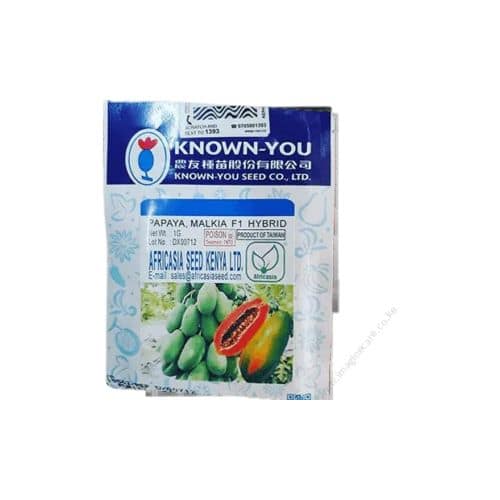
- Malkia F1 (The Market Leader): This hybrid has cemented its place in Kenya due to its dual-purpose resistance. It withstands the devastating Ringspot Virus better than the older “Red Lady” variety. Farmers in hot spots like Kisumu prefer Malkia because its hermaphroditic flowers ensure 100% fruit set.
- Red Royale F1: Known for its thick skin, this variety travels well on rough roads. The thick skin reduces post-harvest losses caused by fungal infections like Anthracnose during transport. It is highly vigorous and often recovers faster from Spider Mite attacks than other cultivars.
- Calina IPB9: A reliable standard dwarf variety developed by researchers. It is highly productive but requires stricter pest management schedules compared to the F1 hybrids. It remains a cost-effective entry point for farmers with limited capital for expensive hybrid seeds.
- Sinta F1: This variety is gaining traction in Machakos due to its semi-dwarf nature and rapid maturity. It produces fruits with a distinct yellow flesh that appeals to specific local markets. However, it requires consistent irrigation to maintain fruit size.
Modern breeding has focused on “tolerance” rather than total immunity. This means even if a Malkia F1 tree gets infected with PRSV,.it continues to produce marketable fruit for several months. Local varieties typically succumb to the virus and stop production almost immediately.
Read Also: How to Grow Dwarf Papaya Trees in Containers for Massive Harvests in Kenya 2026
Farmers must also consider the specific micro-climate of their region. Red Royale performs exceptionally well in the high humidity of the Coast. Conversely, Malkia F1 shows superior performance in the drier heat of Eastern Kenya.
Where to Buy Dwarf Papaya Care Inputs in Kenya
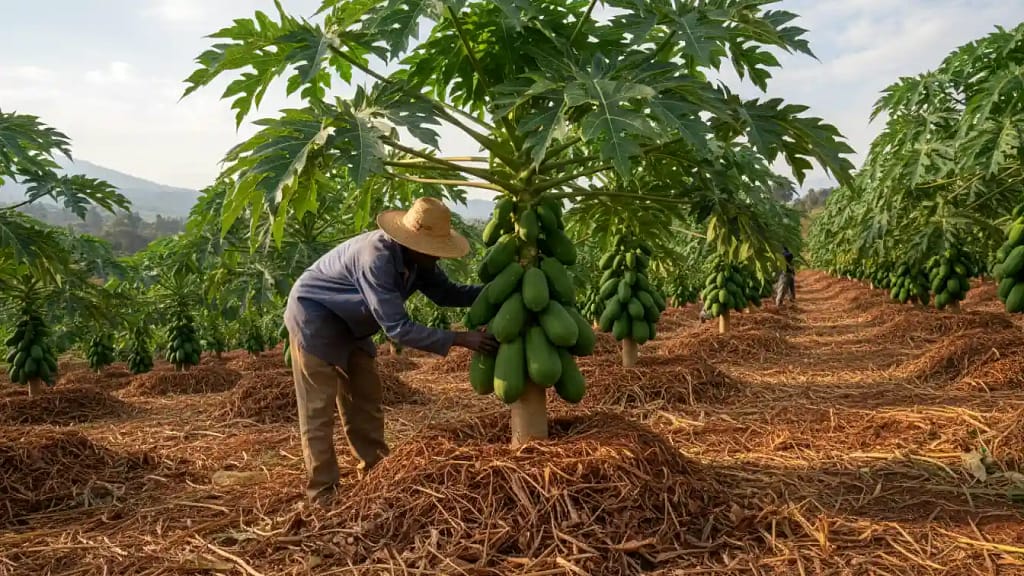
To implement effective care, you must purchase certified clean seedlings and registered agro-chemicals. KALRO Mkulima Shops and Kenya Seed Company are the safest sources for virus-free seedlings. For pest control inputs like Neem oil and the biological agent Acerophagus papayae, approved agro-vets such as Elgon Kenya and Twiga Chemicals are verified suppliers.
Sourcing clean planting material is the single most critical step in disease prevention. Buying seedlings from roadside nurseries often introduces soil-borne Nematodes and viral infections into your farm. In 2026, the trend has shifted toward “certified nurseries” that use soil-less potting media to guarantee sterility.
Verified Supplier List (2026):
- KALRO (Kenya Agricultural and Livestock Research Organization): Their Horticulture Research Institute in Thika sells certified seedlings. They are the primary source for clean IPB9 and hybrid seedlings that have been hardened for local conditions. Checks can be made via the KALRO Mkulima Shop app.
- Royal Seedlings (Murang’a): A private nursery with a strong reputation for high-germination F1 hybrids. They provide agronomic support alongside seedling sales to ensure farmers start correctly.
- Kenya Seed Company: Known for distributing verified seeds through their countrywide stockist network. They are essential for farmers looking to raise their own seedlings from certified packets.
- Agro-Chemical Inputs: For the control of mealybugs and mites, purchase Neemroc or Duduthrin. Authorized dealers include Agro Science or major supermarkets with agri-sections like Naivas.
Buyer’s Caution Checklist:
Never buy papaya seedlings that show yellowing leaves or stunted growth at the nursery stage. These are classic signs of early viral infection or root rot. Always demand a phytosanitary certificate if buying in bulk to ensure compliance with KEPHIS regulations.
When purchasing chemicals, verify the expiry dates and seal integrity. Counterfeit agro-chemicals are a risk in the open market. Stick to reputable agro-vets in major towns to avoid ineffective products that compromise your IPM strategy.
Which Kenyan Counties are Best Suited for Dwarf Papaya Farming?
Meru, Kilifi, and Kisumu are the top performing counties for dwarf papaya. Meru offers ideal volcanic soils and moderate rainfall. Kilifi provides the hot, coastal temperatures that dwarf varieties love, though irrigation is mandatory. Kisumu and Migori have high potential but require strict management of fungal diseases due to high humidity.
Read Also: Common Mistakes in Avocado Farming in Kenya and How to Avoid Them
Dwarf papaya thrives in warm to hot climates with temperatures between 21°C and 32°C. The crop cannot tolerate frost, which rules out very high altitude areas. The choice of location significantly impacts the pest pressure you will face throughout the season.
1. Meru County (Eastern Region)
Meru is currently the “Papaya Bowl” of Kenya due to its favorable conditions. The volcanic soil drains well, preventing the Phytophthora root rot that plagues heavy clay regions. Farmers here face fewer fungal outbreaks but must monitor for Spider Mites during the dry seasons from January to March.
2. Kilifi County (Coastal Region)
The Coast is excellent for rapid growth, with trees maturing 1-2 months faster than in the highlands. However, Kilifi is a hotspot for the invasive Papaya Mealybug. Farmers in this region must adopt the biological control agent Acerophagus papayae introduced by CABI and KALRO to maintain yields.
3. Kisumu/Migori (Lake Region)
The Lake Basin offers fertile soils and good heat units essential for sugar development. The challenge here is Anthracnose, which thrives in wet, humid conditions near the lake. Farmers in Nyanza must invest more in copper-based fungicides and proper spacing to reduce canopy humidity.
4. Makueni & Machakos (Semi-Arid)
These regions produce some of the sweetest papayas due to high solar radiation. Water is the limiting factor here. Success depends entirely on the availability of boreholes and efficient drip irrigation systems to combat the arid conditions.
Soil Preparation and Planting Protocols
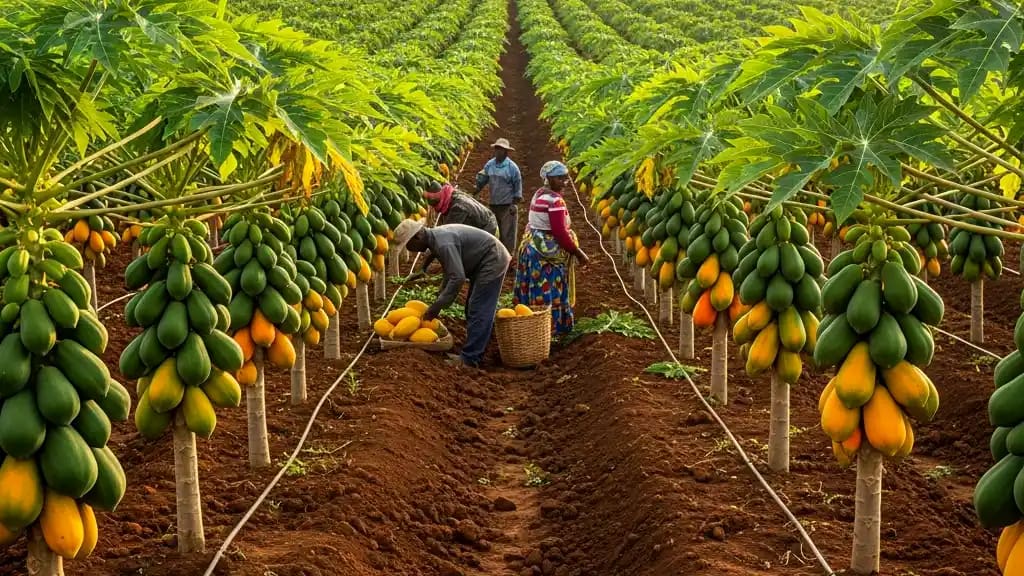
Proper soil preparation is the foundation of a healthy orchard. Papaya roots are incredibly sensitive to waterlogging and compaction. Farmers must conduct a soil test to ensure the pH is between 6.0 and 6.5 for optimal nutrient uptake.
Step-by-Step Planting Guide:
1. Land Tilling: Plough the land to a depth of at least 1.5 feet. This breaks the hardpan and facilitates deep root penetration. Remove all large stones and perennial weeds like Couch Grass that compete for nutrients.
2. Hole Digging: Dig holes measuring 60cm x 60cm x 60cm. Separate the topsoil from the subsoil. Mix the topsoil with 20kg of well-decomposed manure and 200g of DAP fertilizer per hole.
3. Spacing: For dwarf varieties, maintain a spacing of 2m x 2m. This allows for approximately 1,000 trees per acre. In humid areas, increase this to 2.5m x 2.5m to improve airflow and reduce fungal risks.
4. Transplanting: Transplant seedlings during the late afternoon to reduce transplant shock. Ensure the root ball is level with the soil surface; planting too deep causes collar rot. Water immediately after planting to settle the soil around the roots.
Detailed Pest Management Strategies (IPM)
1. Papaya Mealybug (Paracoccus marginatus): This is the most destructive pest in Kenya today. The pest sucks sap from leaves and fruit, excreting honeydew that leads to sooty mold. Chemical control is often ineffective because the waxy coating on the pest repels sprays.
Control: Release the parasitic wasp Acerophagus papayae if available in your county. Use Azadirachtin (Neem) sprays weekly to disrupt their feeding. Avoid broad-spectrum pesticides that kill beneficial predators like Ladybird beetles.
2. Spider Mites (Tetranychus spp.): Mites thrive in hot, dusty conditions. They cause leaves to turn yellow and develop a web-like covering. Severe infestation leads to defoliation and sun-scald on fruits.
Control: Maintain high humidity in the canopy during dry spells by overhead misting if possible. Apply sulfur-based miticides or Abamectin. ensure you spray the undersides of leaves where mites hide.
3. Fruit Flies (Bactrocera invadens): These pests puncture ripening fruit to lay eggs, causing the fruit to rot from the inside. They are a major quarantine pest for export markets.
Control: Set up pheromone traps using Methyl Eugenol to capture males. Harvest fruits at the “color break” stage before they become soft enough for flies to penetrate. Collect and bury all fallen, rotting fruits to break the breeding cycle.
Disease Control and Prevention
1. Anthracnose (Colletotrichum gloeosporioides): This fungal disease appears as sunken, water-soaked spots on the fruit. It often remains dormant until the fruit ripens. It is most prevalent during the long rains in April and May.
Prevention: Implement a preventative spray schedule using Mancozeb or Copper Oxychloride. Ensure adequate spacing between trees to facilitate quick drying of leaves. Post-harvest, dip fruits in hot water (48°C) for 20 minutes to kill latent spores.
2. Papaya Ringspot Virus (PRSV): PRSV causes yellow mottling on leaves and oily streaks on stems. The fruit develops distinctive ring-shaped spots and becomes bitter. There is no chemical cure for this virus.
Prevention: The only solution is exclusion and roguing. Plant resistant varieties like Malkia F1. Control the aphid vectors that spread the virus using sticky traps and insecticidal soaps.
3. Root Rot (Phytophthora palmivora): This pathogen attacks the roots in waterlogged soils, causing the tree to wilt and die suddenly. The stem may show water-soaked lesions near the soil line.
Prevention: Plant on raised beds to improve drainage. Apply Trichoderma biological fungicide during planting. Avoid injuring the trunk during weeding, as wounds provide entry points for the fungus.
What is the Recommended 12-Month Care Calendar?
The calendar follows Kenya’s bimodal rain patterns. Jan-Mar (Dry): Heavy irrigation and monitoring for mites/mealybugs. Apr-May (Long Rains): Apply fungicides to prevent Anthracnose and stop irrigation. Jun-Aug (Cool/Dry): Reduce water to prevent root rot and apply potassium. Oct-Dec (Short Rains): Top-dress with CAN/NPK and scout for whiteflies.
This schedule assumes a split-rain pattern typical of Central and Eastern Kenya. Farmers in the Rift Valley should adjust for their single-season rainfall.
Month-by-Month Action Plan:
- January: High Pest Alert. Mites and Mealybugs explode in dry heat. Spray sulfur-based miticides and ensure drip lines are fully functional.
- February: Continue rigorous irrigation. Mulch heavily (6 inches) with maize stalks or dry grass to retain soil moisture. Scout leaves for “sooty mold,” indicating pest activity.
- March: Prepare drainage channels before the rains. Apply well-decomposed manure (20kg/tree) mixed with Trichoderma to fight root rot fungi.
- April: Disease Control Focus. Spray protectant fungicides like Mancozeb bi-weekly. Ensure no water stands around the trunk for more than 24 hours.
- May: Weed management is crucial as weeds host pests. Slash weeds instead of digging to avoid damaging the shallow feeder roots of the papaya.
- June: Growth slows due to cooler temperatures. Reduce nitrogen application. Focus on Potassium (Murate of Potash) to boost fruit quality and skin thickness.
- July: Monitor for cold stress. In very high altitudes, trees may drop flowers. Maintain basal mulch to keep soil temperatures stable.
- August: Prune old, yellowing bottom leaves. Burn them immediately to destroy mite eggs and fungal spores. This improves air circulation.
- September: Check irrigation systems for clogging. Apply Calcium Nitrate to prevent blossom end rot in developing fruits.
- October: Second window for planting new seedlings. Apply NPK 17:17:17 to support the flowering flush driven by the short rains.
- November: Monitor for Anthracnose again. Harvest mature fruits at the “color break” stage (25% yellow) to extend shelf life.
- December: Market demand peaks for the holidays. Harvest frequently. Clear fallen rotting fruits daily to prevent Fruit Fly breeding.
Irrigation and Water Management
Papaya requires a consistent supply of water to produce high yields. Inconsistent moisture levels lead to “flower abortion” and fruit drop. A mature dwarf papaya tree requires between 15 to 20 liters of water per day during the dry season.
Drip Irrigation is Mandatory: Flood irrigation is discouraged as it promotes root rot and spreads soil-borne diseases. Drip irrigation delivers water directly to the root zone, keeping the trunk dry. Use two lateral lines per row with emitters spaced 30cm apart to ensure uniform wetting.
Water Quality: Test irrigation water for salinity. Papaya is moderately sensitive to salt. High salinity causes leaf burn and stunted growth. If using borehole water, conduct a water analysis before installing your system.
How Much Does it Cost to Maintain Dwarf Papaya Per Acre?
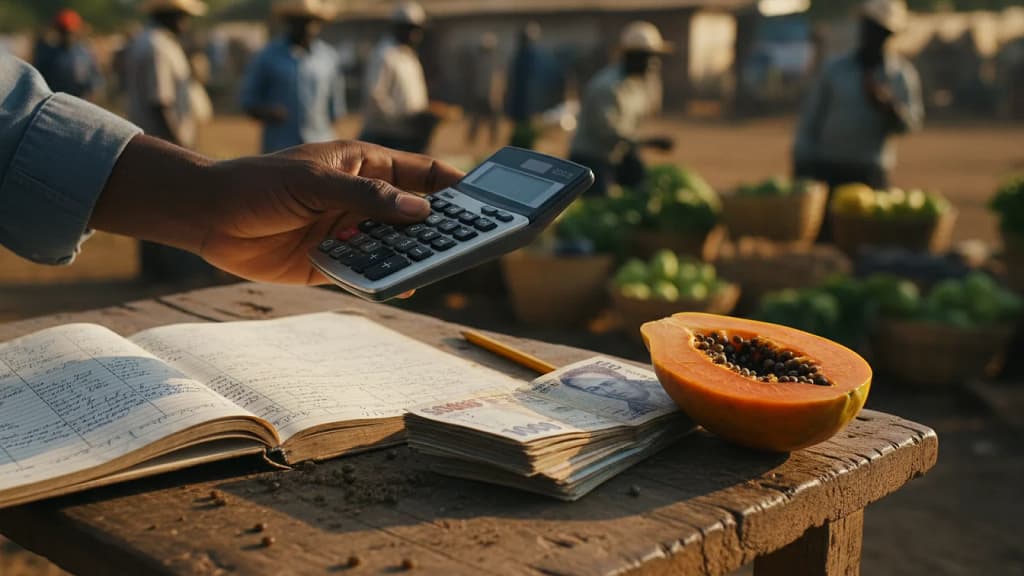
Maintaining one acre of hybrid dwarf papaya costs approximately KES 230,000 – 280,000 in the first year. This includes land prep, expensive hybrid seeds, drip irrigation installation, and fertilizers. Operational costs drop to KES 100,000 in Year 2. With yields of 30-40 tons, revenue can exceed KES 1.2 Million annually.
Papaya farming is capital intensive upfront but offers excellent cash flow once harvesting begins. The break-even point is typically reached by the 9th or 10th month. The table below breaks down the costs for a high-management commercial acre in 2026.
Financial Breakdown (1 Acre, 2026 Estimates)
| Cost Item | Details | Estimated Cost (KES) |
|---|---|---|
| Land Preparation | Ploughing, harrowing, bed making | 15,000 |
| Seedlings (Hybrid) | 1,000 plants @ KES 120 (Malkia F1) | 120,000 |
| Manure & Fertilizers | 10 tons manure + DAP/CAN/NPK | 50,000 |
| Drip Irrigation Kit | Supply & Installation (Double emitter lines) | 90,000 |
| Pest & Disease Control | Fungicides, Miticides, Traps (Year 1) | 35,000 |
| Labor | Casuals for weeding, pruning, watering | 40,000 |
| Total Year 1 Investment | CAPEX + OPEX | ~KES 350,000 |
Profitability Analysis
Revenue Scenarios:
- Conservative: 30 tons yield @ KES 30/kg = KES 900,000.
- Optimistic: 40 tons yield @ KES 50/kg = KES 2,000,000.
Read Also: 10 Most Profitable Farming Ventures in Kenya for 2026
Break-Even Point: Most farmers break even after selling their 10th ton of fruit. This is typically achieved by the 3rd month of harvesting. The high cost of hybrid seedlings is justified by the 40% higher yield compared to local seeds.
Harvesting and Post-Harvest Handling
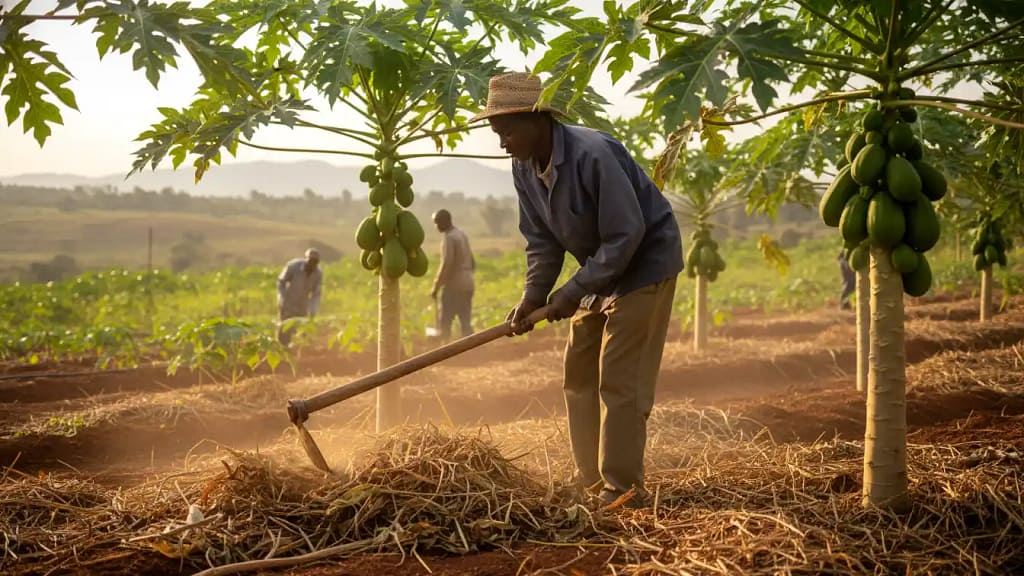
Maturity Indices: Harvest papaya when the skin shows a “color break”—essentially when 25% of the skin has turned yellow. Harvesting too early results in fruit that never sweetens. Harvesting too late leads to bruising during transport and shorter shelf life.
Harvesting Technique: Twist the fruit gently until it snaps off the stalk. Do not pull hard, as this can damage the tree. Wear gloves to protect your hands from the milky latex, which can irritate the skin.
Latex Burn Prevention: Freshly harvested papayas exude latex that stains and burns the skin of other fruits. Place harvested fruits with the stem end facing down on a padded surface for 20 minutes to allow the latex to drain. This simple step significantly improves the visual appeal of the fruit.
How Can Farmers Add Value to Their Papaya Harvest?
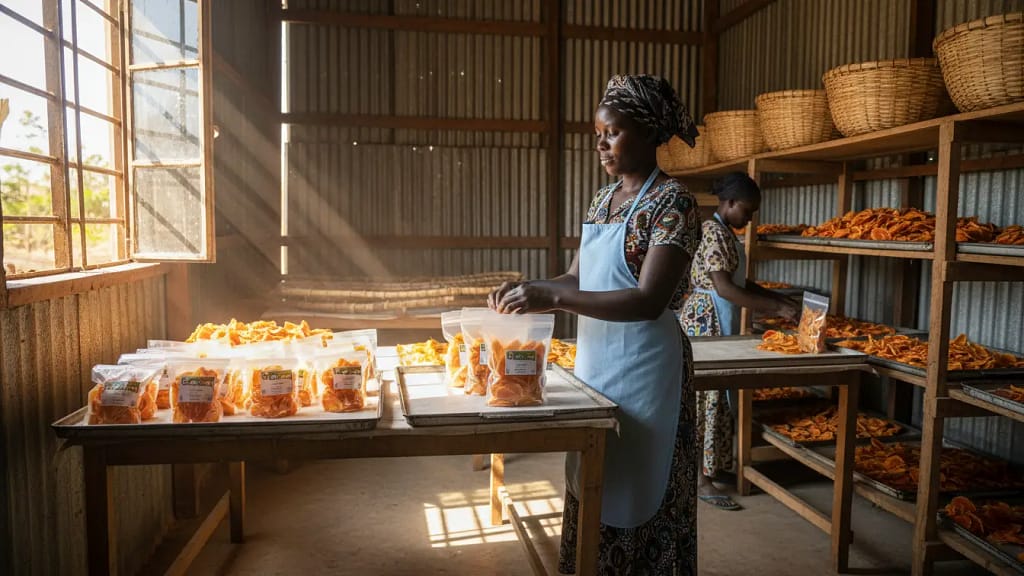
Value addition mitigates post-harvest losses, which can reach 30%. Farmers can process surplus fruits into dried papaya chips, papaya jam, or extract papain enzyme. Selling to local juice bars or supermarkets requires consistency. Simple grading immediately increases average earnings per kilo.
The supply chain for papaya in Kenya is short but brutal. The fruit is highly perishable. Once it ripens, you have 48-72 hours to sell it before it spoils.
Supply Chain Dynamics:
- Farm Gate: Brokers often exploit the perishability, offering low prices around KES 20-30/kg. Farmers usually sell here to avoid transport costs.
- Wholesale Markets: Prices in markets like Marikiti rise to KES 50-70/kg. This requires farmers to handle transport logistics.
- Supermarkets: Chains like Naivas and Carrefour require specific maturity and blemish-free skin. Contracts pay best (KES 80+/kg) but have strict rejection rates.
Value Addition Opportunities:
Solar Drying: Dried papaya chunks are gaining popularity as a healthy snack. A simple solar dryer costs KES 15,000 to build and extends shelf life from days to months. This allows farmers to sell during off-peak seasons when prices are higher.
Papain Extraction: Tapping the green skin for white latex (papain) is a specialized niche. It is used in meat tenderizers and cosmetics. While lucrative, it requires specific varieties and processing connections.
2026 Outlook: The Future of Papaya Farming
As we move through 2026, the outlook for dwarf papaya farming in Kenya is robust. The market is driven by a growing health-conscious middle class. The stabilization of pest threats through biological control has also improved confidence in the sector.
Read Also: Top 7 Best AI Apps for Kenyan Farmers in 2026: Fight Crop Diseases, Cut Costs and Boost Yields
The release of the parasitoid wasp to control the mealybug has been a game-changer. It has significantly lowered the chemical pesticide burden for farmers in Coast and Eastern regions. This shift towards biological control opens up potential export markets that demand low residue levels.
However, the climate challenge remains. Unpredictable rains necessitate that every commercial farmer invests in water storage. “Rain-fed” papaya farming is no longer a viable commercial strategy in 2026. Farmers who combine Malkia F1 genetics. drip irrigation, and rigorous IPM will see papaya as one of the most profitable fruit ventures.
Farmers Also Ask (FAQ)
1. How do I stop white cotton-like pests on my papaya?
This is the Papaya Mealybug. Do not spray harsh chemicals immediately as they kill beneficial insects. Use high-pressure water sprays to dislodge them, or apply Neem oil mixed with soft soap. If the infestation is severe, contact your local agricultural officer regarding the biological control wasp Acerophagus papayae.
2. Why are my papaya leaves turning yellow and curling?
This is a classic symptom of the Papaya Ringspot Virus (PRSV) or heavy Spider Mite infestation. Check the undersides of leaves for tiny red pests. If no mites are visible, it is likely the virus. You must remove and burn the infected tree immediately to save the rest of the orchard.
3. Can I grow papaya in cold areas like Limuru?
No, papaya performs poorly in cold, high-altitude areas above 1,800m. The fruit will not sweeten, and the tree will suffer from fungal diseases and slow growth. Stick to warm zones like Murang’a, Meru, Ukambani, and the Coast.
4. What is the best spacing for dwarf papaya?
For dwarf varieties like Malkia F1, a spacing of 2m x 2m (approx. 1,000 trees per acre) is ideal. If you are in a very humid area like Kisumu, increase spacing to 2.5m x 2.5m. This allows better airflow and reduces disease pressure.
5. How many kilos does one dwarf papaya tree produce?
A well-managed dwarf tree produces between 30 to 50 fruits annually. With an average weight of 1.5kg per fruit, this translates to roughly 45–75kg per tree per year. Yields depend heavily on water and nutrient management.
6. Why are my papaya fruits rotting before they ripen?
This is usually caused by Anthracnose or Fruit Flies. Anthracnose creates sunken, water-soaked spots. Fruit flies puncture the skin to lay eggs, causing rot. Use fruit fly traps and preventative copper-based fungicide sprays during the wet season.
7. Is drip irrigation necessary for papaya?
Yes. Papaya has a shallow root system and is very sensitive to water stress. Inconsistent watering causes flower abortion and bitter fruit. Drip irrigation ensures consistent moisture without waterlogging the trunk, which causes collar rot.
8. Can I intercrop dwarf papaya?
Yes, but only during the first 4-5 months when the trees are small. Good intercrops include non-climbing legumes like beans or cowpeas. Avoid crops that share pests, such as tomatoes, peppers, or cucurbits, as they attract viruses and flies.
9. How long does a dwarf papaya tree last?
While papaya trees can live for many years, the economic lifespan of a commercial dwarf tree is 2.5 to 3 years. After this, the tree becomes too tall for easy harvesting, and yields decline. It is best to replant after the third year.
10. Where can I sell my papaya in Kenya?
Start with local open-air markets for Class B fruit. For Class A fruit, target hotels, juice processing companies, and supermarket chains like Naivas or Quickmart. You can also list your produce on digital platforms like Mkulima Young or Digifarm to connect with buyers.