
- KEPHIS 1393 Verification: The only 100% accurate method in 2026 is scratching the panel on the seed packet and sending the code to 1393.
- Authorized Stockist Certification: Genuine agro-vets must display a valid, current-year license from the Seed Trade Association of Kenya (STAK) visibly on their wall.
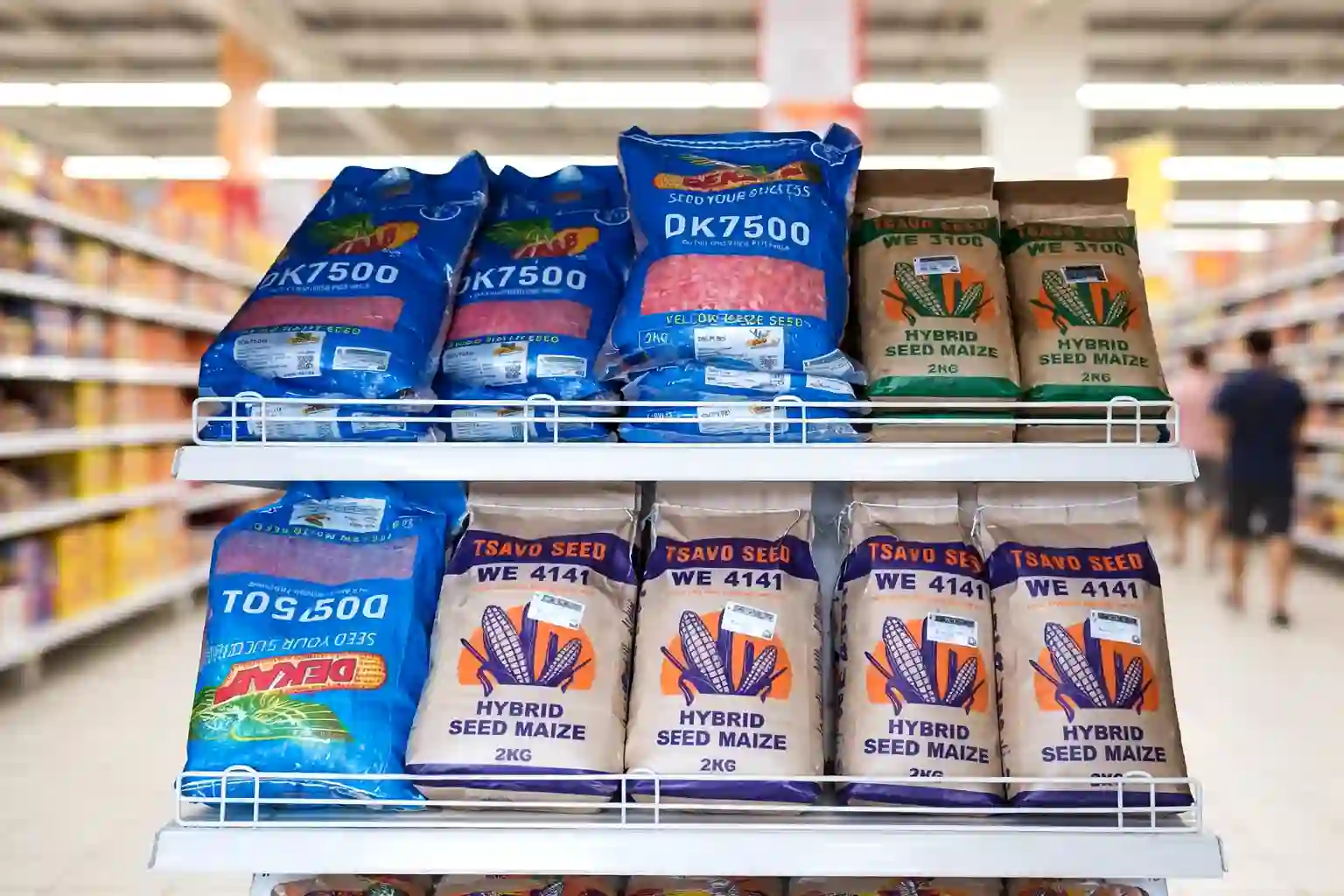
- Packet Texture & Seal: Authentic 2026 packets from Kenya Seed or Seed Co have glossy, machine-sealed finishes, while fakes often have dull colors or manual glue marks.
Table of Contents
The threat of counterfeit inputs remains the single biggest risk to food security and farmer profitability in Kenya this year. Fake seeds currently account for nearly 30% of the market in rural areas, leading to massive harvest failures for unsuspecting maize and vegetable farmers. This guide provides the definitive 2026 protocols to verify authenticity before you spend a single shilling on planting inputs.
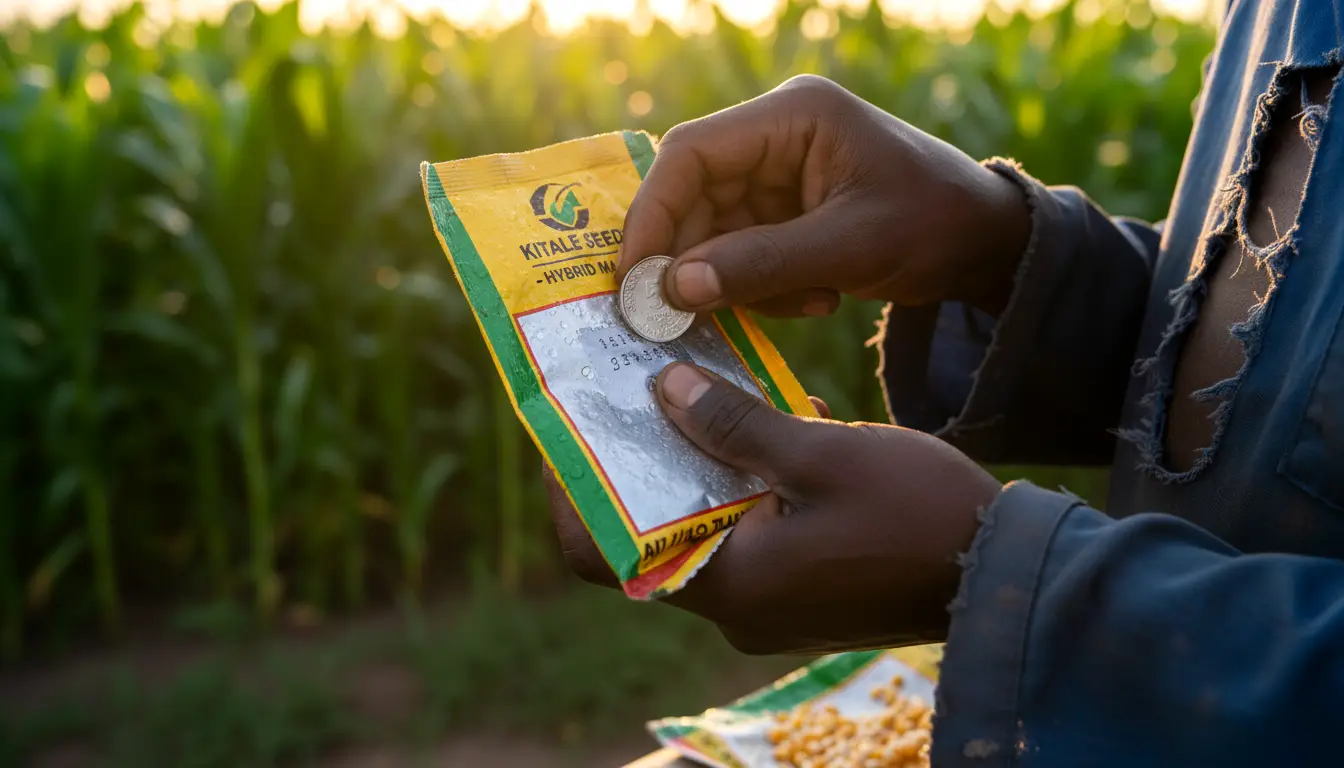
How Can Farmers Identify Fake Seeds Using the KEPHIS System?
You must locate the Kenya Plant Health Inspectorate Service (KEPHIS) label attached to the seed bag. Scratch the silver coating to reveal a unique code, then SMS this code to 1393 immediately to receive verification. If the system replies “Invalid Code” or gives no response, do not buy the bag.
Understanding the STAK Label System
The Seed Trade Association of Kenya (STAK) has updated its labeling technology for 2026 to combat sophisticated counterfeiting. Every certified bag of maize, beans, or vegetable seeds larger than 500g must carry a specialized tag. This tag is a tamper-proof seal that destroys the packaging if removed, so inspect it closely to ensure it has not been glued on from an old bag.
Visual Inspection of Seed Treatment
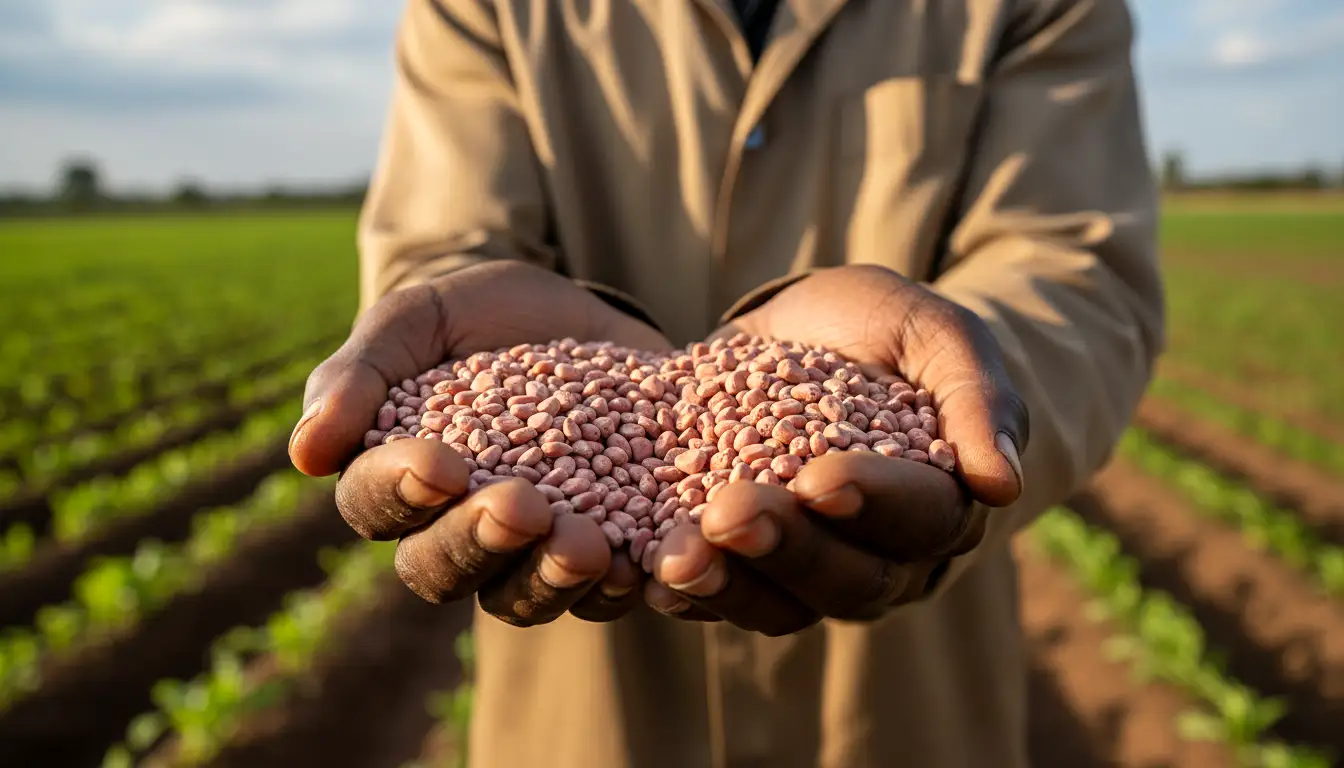
Genuine commercial seeds in Kenya are treated with fungicides and insecticides that give them a distinct, uniform color. Certified seeds usually have a bright, even dye of pink, green, or blue depending on the company. Counterfeit seeds often have uneven coloring, where the dye rubs off easily on your hands, or the seeds look like ordinary grain mixed with food coloring.
What Are the Most Counterfeited Seed Varieties in 2026?
The most targeted varieties for counterfeiting are high-demand hybrid maize seeds like SC Duma 43 and H614 due to their popularity and price point. Counterfeiters also target fast-moving vegetable seeds like F1 Collard Greens (Sukuma Wiki) and Hybrid Tomatoes. Farmers planting these specific crops must exercise triple verification protocols before purchase.
High-Risk Maize Varieties: SC Duma 43 & H614
The SC Duma 43 variety is favored in semi-arid areas for its speed, making it a prime target for fraudsters selling ordinary grain as hybrid seed. In the high-altitude regions, the H614 series remains the most copied seed due to its dominance in the market. In 2026, fakes of these varieties often fail to germinate or produce maize with zero cob formation.
Horticulture Risks: Tomatoes and Cabbage
Vegetable farmers in Kiambu and Kirinyaga are seeing a surge in fake F1 tomato seeds. These seeds are often packaged in tins that closely mimic international brands like Syngenta or Simlaw. The primary indicator of a fake tin is a missing laser-etched batch number on the bottom of the can or a label that peels off too easily.
Where to Buy Genuine planting Seeds in Kenya 2026
To ensure safety, purchase exclusively from government-backed institutions like KALRO, the Agricultural Development Corporation (ADC), or direct depots of Kenya Seed Company. Digital platforms like Safaricom’s Digifarm and authorized depots listed on the “Mkulima Young” app offer traceable supply chains. Avoid buying loose seeds from open-air markets or unlicensed “briefcase” brokers.
Authorized Digital Platforms
In 2026, digital procurement is the safest route for the modern farmer. Apps like Digifarm verify the vendor before allowing them to list products. Twiga Foods and iProcure have established closed-loop supply chains where the seed moves directly from the processor to the collection point, eliminating the middleman where adulteration usually happens.
Physical Government Depots
Visiting a Kenya Seed Company depot or a National Cereals and Produce Board (NCPB) silo is the safest physical option. These locations are strictly monitored and audited by the government. While independent agro-vets are convenient, you must demand to see their current year’s operating license from the Pest Control Products Board (PCPB) and STAK before transacting.
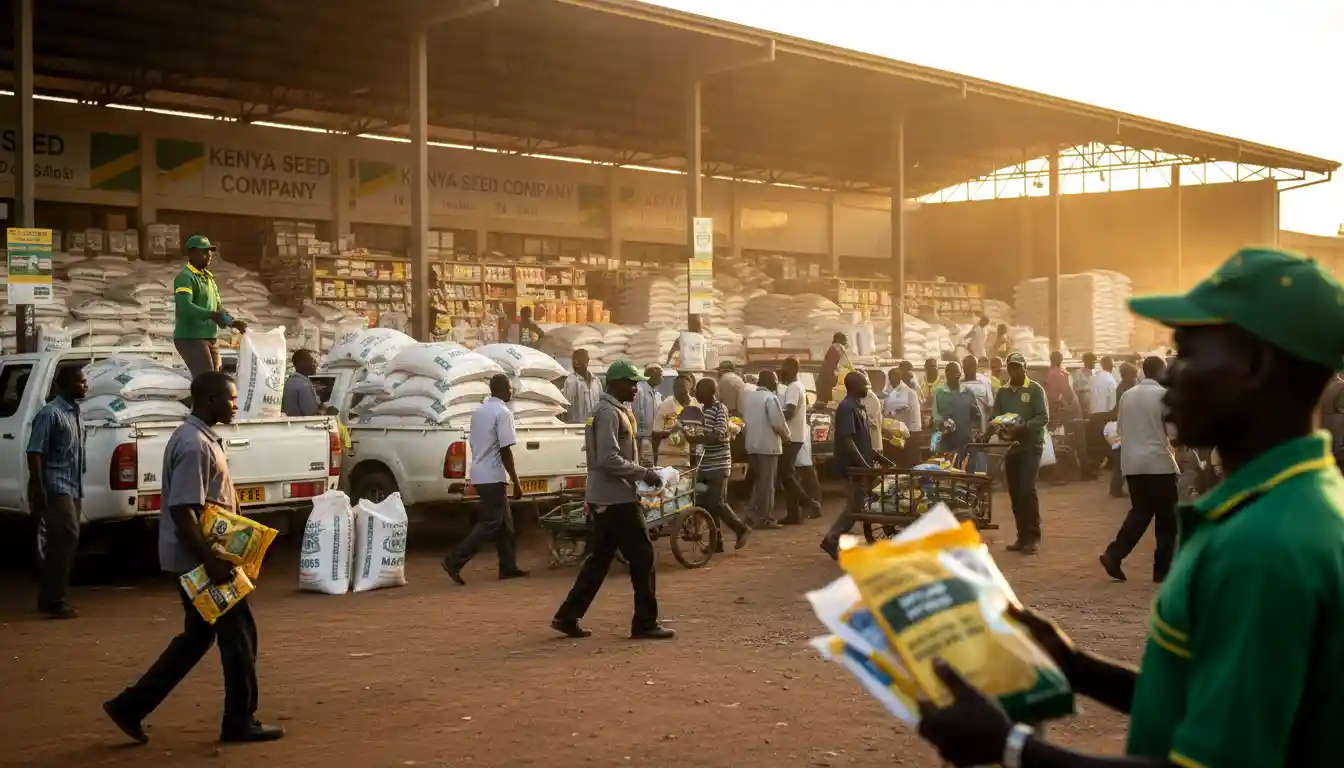
Which Regions Have the Highest Risk of Counterfeit Seeds?
The North Rift region, specifically Trans Nzoia and Uasin Gishu, carries the highest volume risk due to the sheer scale of maize farming. However, newer hotspots in 2026 include Meru and Kirinyaga, where high-value horticulture seeds are frequently faked. Border counties like Busia also face risks from uncertified cross-border seed dumping.
Trans Nzoia vs. Meru vs. Machakos
Trans Nzoia (The Grain Basket): The scale of fraud here is industrial, with counterfeiters reprinting bags for H6213 and H614 maize varieties. The risk is highest during the short rains when supply pressures are high, so farmers here must rely strictly on NCPB depots.
Meru (Horticulture Hub): The focus here is on potato and onion seeds. Fake “clean seed” potatoes are common, which are actually just market rejects carrying bacterial wilt. Verification here requires visiting certified multipliers rather than buying from roadside brokers.
Machakos (Dryland Farming): Farmers here seek drought-tolerant varieties like Katumani maize. Counterfeiters dye ordinary commercial maize pink and sell it as drought-resistant seed. The result is total crop failure when the rains cease early.
When Should I Buy Seeds to Avoid Last-Minute Fakes?
Purchase your planting materials at least 6 weeks before the onset of the long rains, typically in January or February. Counterfeit seeds flood the market during the “panic buying” week immediately after the first rains fall. Early procurement allows you time to conduct a home germination test before the season begins.
The 2026 Safety Calendar
- January (Procurement Month): Buy seeds now while stock levels of genuine seeds are high and agro-vets are not yet desperate to restock from dubious sources.
- February (Verification Month): Perform a “rag doll” germination test by wrapping 20 seeds in a damp cotton cloth and keeping them warm for 5 days. If less than 18 sprout, return the batch immediately.
- March (Planting Month): The risk of fakes is highest now, as unscrupulous traders release fake stock to meet the desperate demand of late buyers.
- April – June (Monitoring): Watch germination rates in the field, as uneven growth height is a clear sign of mixed varieties or fakes.
- July – August (Harvest Planning): If you spot fakes, report the vendor to KEPHIS immediately to prevent them from selling next season.
- September (Short Rains Prep): Begin booking seeds for the second season, as short-season varieties like beans are highly counterfeited now.
- October – December: Avoid buying “clearance” seeds because these are often expired lots with new dates stamped over the old ones.
What Is the Financial Cost of Planting Fake Seeds?
Planting fake maize seeds results in a financial loss of approximately KES 35,000 to KES 45,000 per acre, considering wasted fertilizer, labor, and chemical inputs. This does not include the opportunity cost of the lost harvest revenue. A farmer breaks even only by purchasing certified seed, which costs KES 200-300 more per packet but secures the yield.
The Cost of Ignorance Table (1 Acre Maize Model)
The following table illustrates the devastating economic impact of using counterfeit seeds compared to certified seeds in 2026.
| Expense / Revenue Item | Scenario A: Certified Seed (KES) | Scenario B: Fake Seed (KES) |
|---|---|---|
| Seed Cost (2kg x 4 packets) | 2,400 | 1,800 (Discounted Fake) |
| Land Preparation (Plough/Harrow) | 5,000 | 5,000 |
| Fertilizer (DAP & CAN – 2 bags) | 12,000 | 12,000 |
| Labor (Weeding, Planting) | 8,000 | 8,000 |
| Pesticides/Herbicides | 4,000 | 4,000 |
| Total Production Cost | 31,400 | 30,800 |
| Harvest Yield (90kg Bags) | 25 Bags | 3 Bags (Stunted/Failed) |
| Market Price (per 90kg Bag) | 3,500 | 3,500 |
| Total Revenue | 87,500 | 10,500 |
| Net Profit / Loss | +56,100 | -20,300 |
Analyzing the Loss
The data clearly shows that saving KES 600 on cheaper, unverified seeds leads to a direct cash loss of over KES 20,000. This loss is compounded because the farmer has wasted the entire season, rendering the fertilizer investment useless. The most expensive input in farming is not the seed itself, but the fertilizer and time invested.
How Do Fake Seeds Enter the Supply Chain?
Fake seeds enter the chain through “re-bagging” operations in backstreet warehouses. Criminals collect discarded genuine seed packets from trash heaps, smooth them out, and refill them with colored grain. They also infiltrate the market by offering Agro-vet owners steep discounts on stock that bypasses the official digital ordering systems.
The Re-Packaging Scam
The most common method of counterfeiting in Kenya involves recycling packaging, where scavengers collect intact bags that farmers failed to destroy. These bags are refilled with ordinary market maize that has been dyed with industrial oxide (Red Oxide) to mimic the fungicide treatment. This is why destroying your seed packet after planting is a critical responsibility for every farmer.
The “Briefcase” Distributor
During peak planting season, unlicensed distributors drive vans into rural market centers offering seeds at wholesale prices to retailers. These brokers claim to be from the seed company clearing old stock, and unsuspecting agro-vets buy this stock to increase their margins. When the seeds fail, the broker has already disappeared, leaving the retailer and the farmer with the loss.
2026 Outlook: Winning the War Against Fakes
As we navigate through 2026, the battle against counterfeit seeds is shifting toward digital verification. The government’s push to digitize the subsidy program is making it harder for fakes to thrive in the formal sector. However, the informal sector remains vulnerable.
The responsibility ultimately lies with you, the farmer. By adopting a zero-trust policy, verifying every single packet via SMS, buying early, and sticking to government-approved depots, you can immunize your shamba against fraud. Do not be tempted by slight discounts, as cheap is always expensive in agriculture.
Farmers Also Ask: Troubleshooting Fake Seeds
How do I report a shop selling fake seeds?
You should report the shop immediately to the nearest police station and the local Ministry of Agriculture ward officer. You can also report anonymously to KEPHIS via their hotline or the SMS service used for verification. Take photos of the packet and the receipt as evidence.
What should I do if the KEPHIS code is invalid?
Do not open the packet. If the SMS response says “Code Invalid” or “Code Already Used,” return the packet to the seller immediately and demand a refund or exchange. If they refuse, report them to authorities.
Can I get a refund if my seeds don’t germinate?
Refunds are difficult to enforce without proof. This is why you must keep the seed packet, the KEPHIS tag, and the purchase receipt until harvest is confirmed. If you have these three items and a failed germination test, you can file a formal complaint with the seed company for compensation.
Are imported seeds safer than local seeds?
Not necessarily. Imported seeds are also subject to counterfeiting once they enter the local supply chain. The verification process, including the SMS code and STAK label, applies to both local and imported certified seeds sold in Kenya.
How can I tell if a seed packet has been tampered with?
Check the bottom and top seals. Factory seals are heat-pressed and uniform. If you see glue residue, stapler marks, or if the bottom fold looks manually folded, it is likely a refill.
What is the correct color for SC Duma 43 seeds?
SC Duma 43 seeds usually have a distinct, uniform green or sometimes reddish treatment depending on the batch processing, but the key is uniformity. If you see some seeds are yellow (untreated) mixed with colored ones, or the color stains your hands excessively, it is fake.
Is it safe to buy seeds from Facebook or WhatsApp groups?
It is highly risky. Social media sellers often lack physical traceability. Only buy from social media pages of verified agro-vets or direct official company pages.
Can I replant seeds from my own harvest to avoid fakes?
You can replant open-pollinated varieties (OPVs) like traditional beans, but you cannot replant Hybrid Maize (like H614 or Duma 43). Replanting hybrids results in a 40-60% yield drop because the “hybrid vigor” is lost in the second generation. You are forced to buy fresh hybrid seeds every season.
What is the role of STAK in preventing fake seeds?
STAK (Seed Trade Association of Kenya) trains agro-dealers and issues the unique validation labels found on packets. They work with the police to raid warehouses producing fakes. Buying from a STAK-accredited member ensures you are in the legal, protected supply chain.
Does the government compensate farmers for fake seed losses?
Currently, there is no automatic government compensation fund for victims of fake seeds. Compensation usually comes from the seed company if they admit a batch error, or through civil court cases. Prevention is your only true insurance.