
Growing your own food is no longer just for those with big pieces of land in the village. In 2026, with the rising cost of groceries at the local market, many Kenyans are turning to “balcony farming” to save money.
Table of Contents
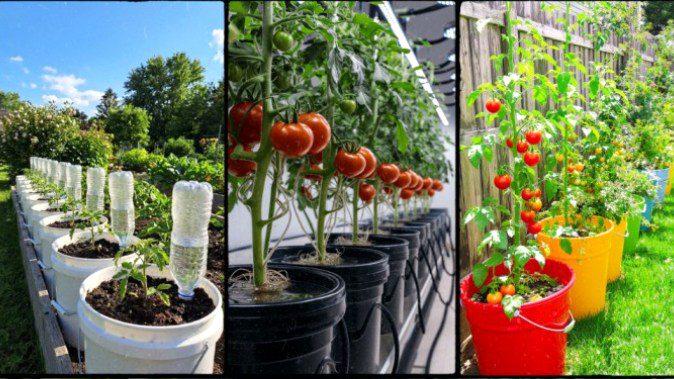
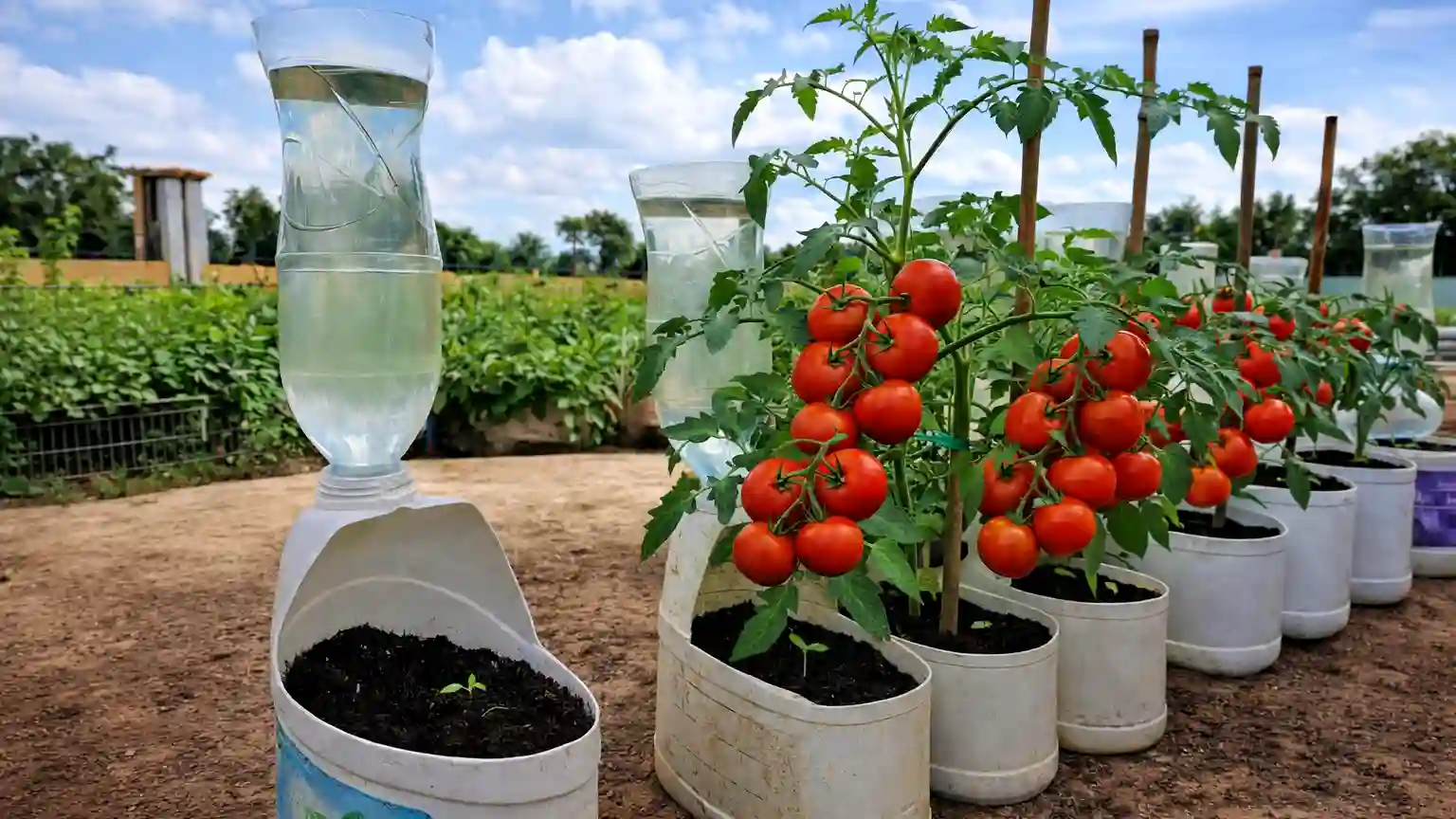
If you have a few old Maziwa or detergent jugs and some empty soda bottles, you have everything you need. to start a mini-tomato farm. This guide will show you how to use a simple “self-watering” bottle trick to grow juicy tomatoes right outside your kitchen door, even if you live in a busy city apartment.
Why Every Kenyan Household Should Try Container Gardening
Whether you are in a bedsitter in Roysambu or a townhouse in Syokimau, container gardening is the smartest way to farm today. Here is why plastic containers are your best friend:
- Low Cost: You can upcycle 5-liter or 10-liter plastic containers for free instead of buying expensive pots.
- Mobility: If your balcony only gets sun in the morning, you can easily move your “shamba” to follow the light.
- Water Saving: Water is precious. This system ensures every drop goes to the roots, not the ground.
- No Weeding: Forget the back-breaking work of weeding a traditional plot.
The Secret: Why Use a Self-Watering System?
In Kenya, our sun can be unforgiving. One day it’s hot, and the next it’s pouring. Tomatoes are “drama queens” when it comes to water. If the soil stays too dry and then suddenly gets soaked, the tomatoes will crack.
READ ALSO: How to Grow Tomatoes in Sacks: A Complete Step-by-Step Guide for 2026
A self-watering bottle system acts like a “drip kit.” It gives the plant a slow, steady drink, which prevents blossom end rot (those annoying black spots on the bottom of the fruit). and ensures a heavy harvest.
Tomatoes hate inconsistent watering.
In Kenya’s hot seasons, especially January to March and July to October, soil dries quickly. Inconsistent watering leads to:
- Blossom end rot
- Cracked fruits
- Small tomato size
- Low yields
A DIY self-watering system:
- Maintains steady moisture
- Reduces daily watering stress
- Saves up to 30 to 50 percent of water
- Improves fruit quality
- Boosts yields
For dry regions like Machakos, Kitui, Kajiado, and parts of Rift Valley, this method is extremely effective.
Best Tomato Varieties for Containers in 2026
The best tomato varieties for containers are determinate or semi-determinate types that remain compact. Anna F1, Tylka F1, and Cherry Tomato varieties are top choices for Kenyan container gardens. These breeds offer high disease resistance and adapt well to the confined root space of a bucket.
Determinate vs. Indeterminate Varieties
Determinate varieties are bush-type plants that stop growing at a certain height. They flower and fruit all at once, making them perfect for manageable container harvests. They rarely require pruning or complex trellising.
Indeterminate varieties are vining plants that grow indefinitely until stopped by frost or pruning. While they require tall stakes, they produce fruit over a longer season. For beginners, determinate types are often easier to manage in limited spaces.
Top Picks for Kenyan Climate
Anna F1 is a market favorite due to its deep red color and firm skin. It matures quickly and has excellent resistance to local pests. It thrives in the warm temperatures of Mombasa and Kisumu.

Tylka F1 is known for its extended shelf life and heavy production. It is a vigorous plant that requires good nutrition but rewards the farmer with massive yields. Cherry Tomatoes are also highly recommended for their sweetness and prolific nature.
Where to Purchase Best Tomatoes Varieties in Kenya
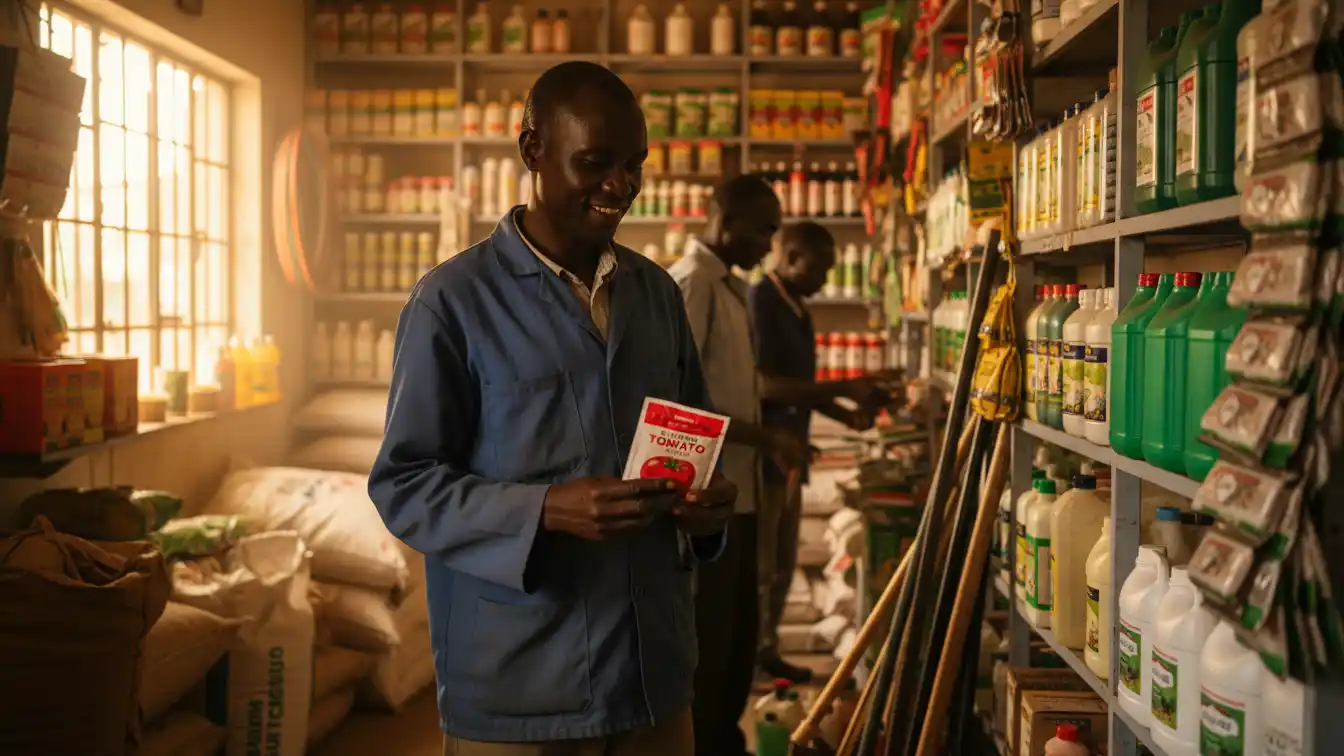
A Kenyan farmer shopping for gardening supplies at an agro-vet shop
You can purchase materials for this system at major agricultural suppliers and hardware stores across Kenya. Specialized container gardening kits are available at Amiran Kenya and online marketplaces like Jiji. Seeds and soil inputs can be sourced from Kenya Seed Company or local agro-vets.
Hardware and Container Suppliers
For the plastic containers, visit local hardware markets or plastic manufacturing outlets. Gikomba Market and industrial areas in Nairobi often sell food-grade buckets at competitive prices. Ensure the buckets have not stored toxic chemicals previously.
PVC pipes and pond liners for advanced setups are available at plumbing stores. If you prefer ready-made self-watering planters, check garden centers in affluent suburbs like Karen or Runda. These units are aesthetically pleasing but cost more than DIY versions.
Seed and Input Stockists
Kenya Seed Company remains the most reliable source for certified seeds. Avoid buying loose seeds from open markets as their germination rates are often poor. Simlaw Seeds is another reputable vendor with branches nationwide.
For fertilizers and potting mix components, local agro-vets stock DAP, CAN, and organic options. Cocopeat blocks can be ordered from hydroponic suppliers. Always verify the expiry dates on seed packets before purchase.
Materials You Need (Affordable and Locally Available)
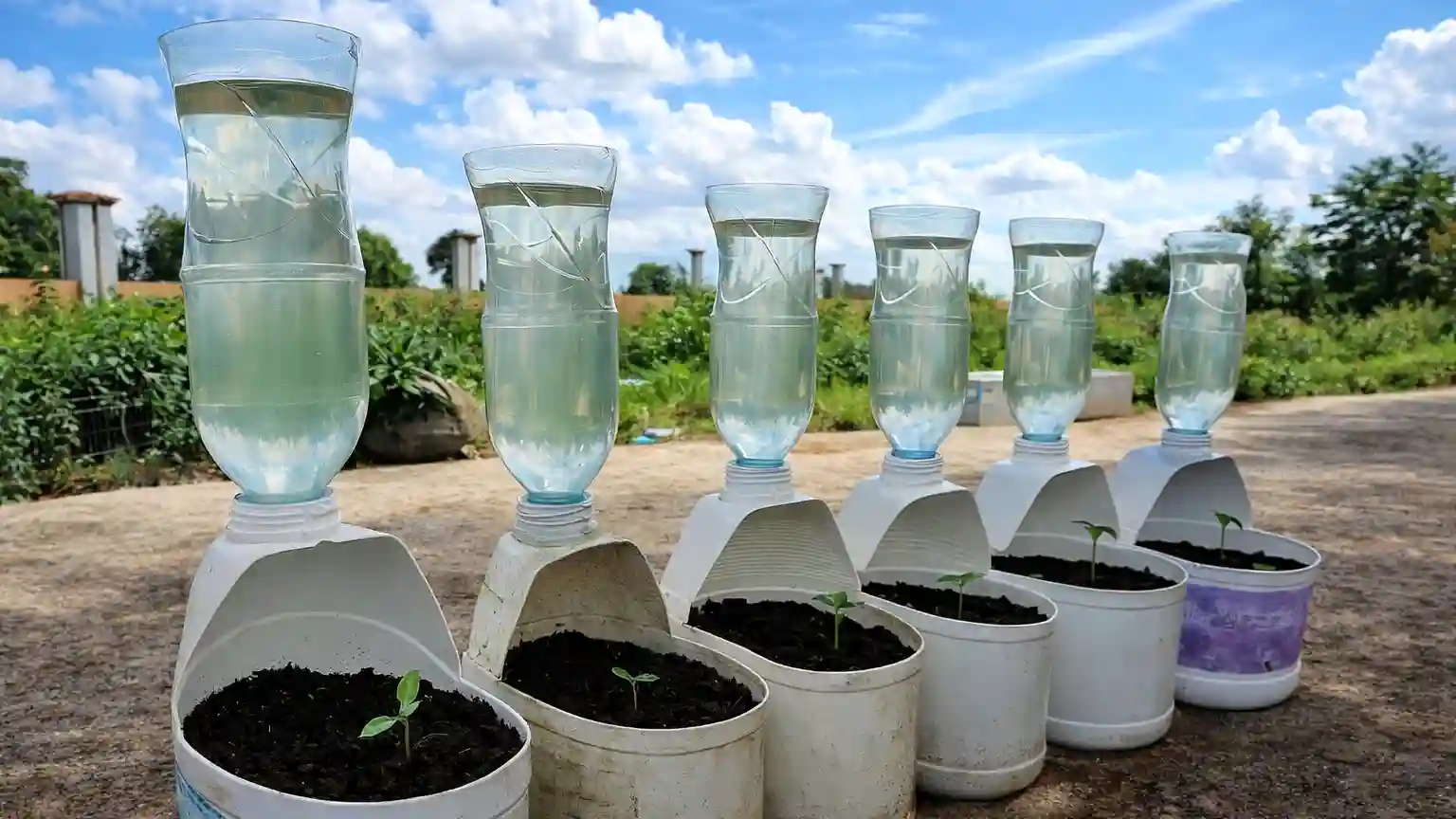
You can find most of these items in Kenyan markets or agrovet shops:
- 15 to 25 liter plastic bucket or container
- 1.5 to 2 liter plastic bottle
- Quality compost or potting soil
- Tomato seedlings from certified agrovets
- Small drill or heated nail
- Wooden stake or tomato cage
- Mulch such as dry grass
Estimated startup cost per container is very low compared to open-field farming.
Step 1: Choose the Right Container Size
Tomatoes need space for strong root development.
- Determinate varieties need at least 15 liters
- Indeterminate varieties need 20 to 25 liters
Ensure the container has drainage holes at the bottom.
No drainage means root rot.
READ ALSO: How to Grow Tomatoes in Buckets 2026: Best High Yield Varieties and Container Farming Tips for Kenyan Farmers
Step 2: Create a Simple Self-Watering Bottle System
This is the easiest method for beginners.
- Make 2 to 4 small holes near the bottle cap.
- Fill the bottle with water.
- Insert it upside down near the tomato roots.
Water slowly seeps into the soil as it dries.
You can also install a bottom reservoir system if you want a more advanced setup.
Step 3: Use the Best Soil Mix for Container Tomatoes in Kenya
Do not use heavy clay soil from the shamba.
Tomatoes need loose, nutrient-rich soil.
Recommended mix:
- 50 percent compost manure
- 30 percent topsoil
- 20 percent sand or coco peat
You can add:
- Bone meal for phosphorus
- Wood ash in small amounts for potassium
- Well-decomposed chicken manure
Healthy soil equals healthy tomatoes.
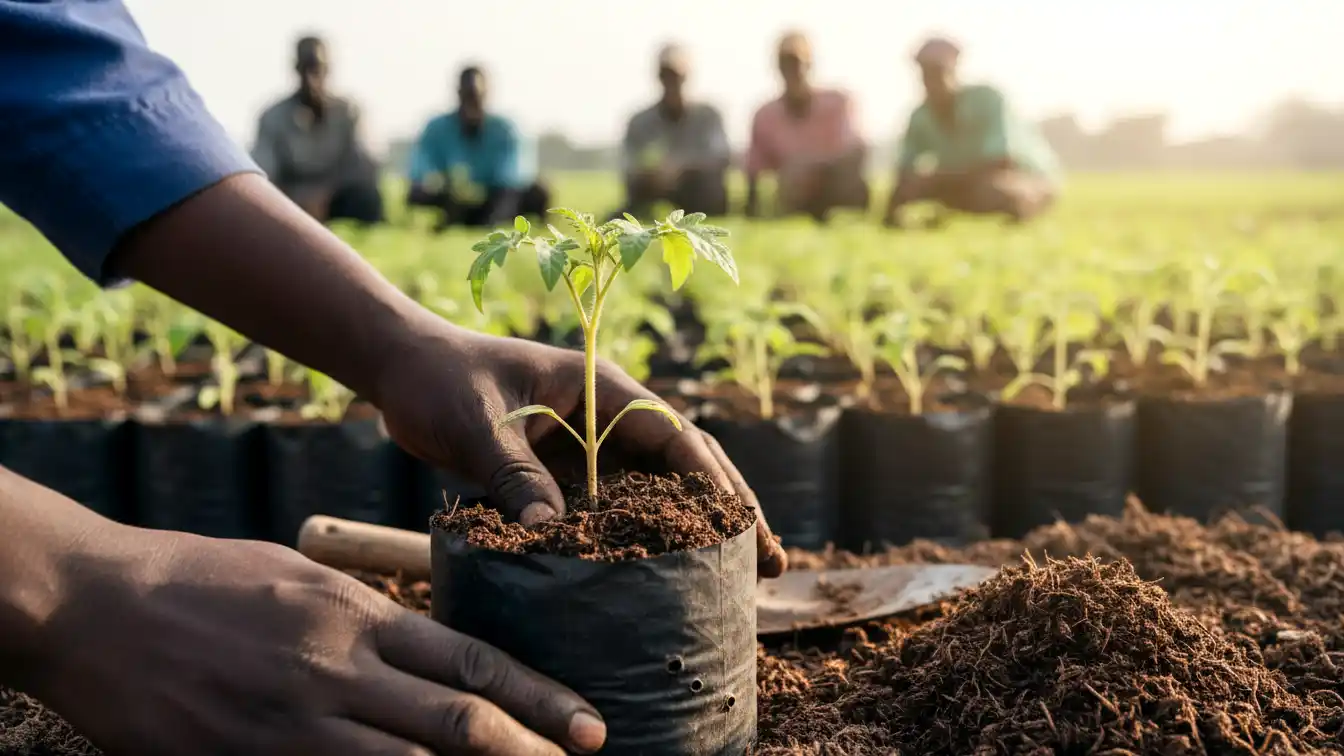
Step 4: Plant Deep for Strong Roots
Tomatoes grow roots along the buried stem.
- Remove lower leaves
- Bury two-thirds of the stem
- Press soil gently around the base
- Water immediately
This strengthens the plant early.
Step 5: Provide Support Early
Tomato plants become heavy when fruits start forming.
Use:
- Wooden stakes
- Tomato cages
- Trellis system
Support prevents stem breakage and disease from soil contact.
Step 6: Sunlight Requirements in Kenya
Tomatoes need 6 to 8 hours of direct sunlight daily.
Best placement:
- East-facing balconies
- Open backyard spaces
- Rooftops with full sun
Without enough sunlight, you get leaves but very few fruits.
Step 7: Watering and Fertilizing Schedule
Even with a self-watering system:
- Check water level every 1 to 2 days
- Refill before soil dries completely
- Apply liquid fertilizer every 2 to 3 weeks
During flowering and fruiting, tomatoes need extra nutrients.
Common Tomato Problems in Kenya and How to Fix Them
1. Blossom End Rot
Cause: Calcium deficiency or irregular watering
Fix: Keep moisture consistent and add calcium-rich fertilizer
2. Yellow Leaves
Cause: Overwatering or nitrogen deficiency
Fix: Adjust watering and feed the plant
3. Cracked Tomatoes
Cause: Sudden heavy watering
Fix: Maintain steady soil moisture
READ ALSO: How to Grow Bulb Onions in Crates: Step by Step Guide for Kenyan Farmers
Best Tomato Varieties for Containers in Kenya (2026)
For beginners, choose high-performing varieties from trusted agrovets:
- Roma
- Cherry tomatoes
- Kilele F1
- Anna F1
- Patio tomatoes
Cherry tomatoes are easiest for beginners and produce heavily in containers.
How Much Can One Container Produce?
With proper care:
- 3 to 8 kilograms per plant per season
- Cherry tomatoes may produce even more
If you grow 10 containers, you can harvest enough for home use and small sales.
Water-Saving Benefits for Kenyan Farmers
Water scarcity is real in many counties.
This self-watering method:
- Reduces evaporation
- Minimizes water waste
- Supports climate-smart agriculture
- Lowers water bills
It is ideal for sustainable urban farming in Kenya.
Final Tips for Maximum Yields
- Rotate crops each season
- Refresh soil with compost
- Use mulch to retain moisture
- Inspect weekly for pests
- Maintain consistent watering
Tomato farming rewards consistency.
Conclusion
Growing tomatoes in plastic containers with a self-watering system in Kenya is affordable, beginner-friendly, and highly productive.
You do not need acres of land.
You do not need expensive irrigation systems.
You only need the right method and consistency.
Start with one container. Master the process. Then scale.
If done correctly, your small urban garden can produce fresh tomatoes throughout the season and even generate extra income.