
Table of Contents
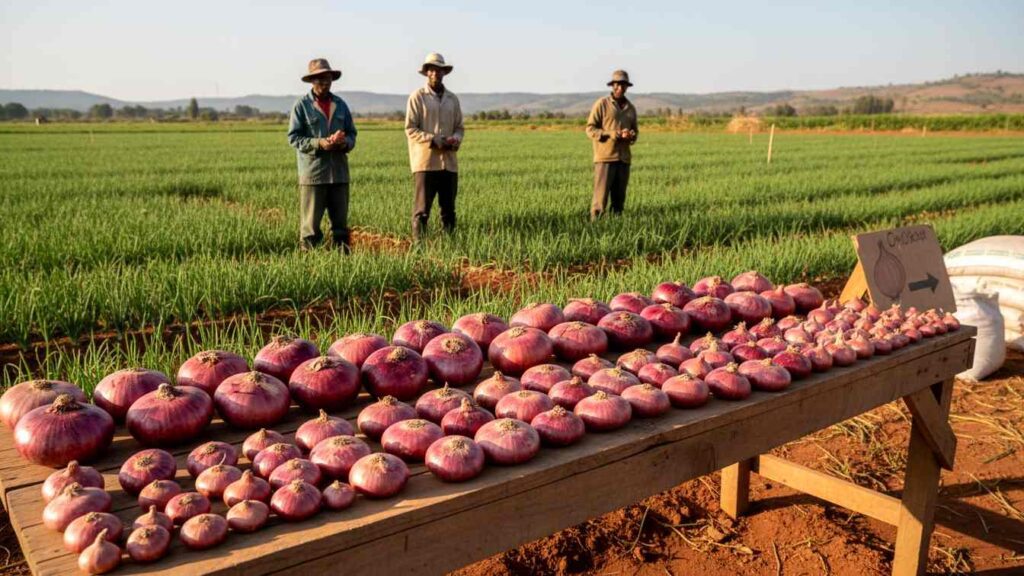
Bulb onion farming is one of the most lucrative agribusiness ventures in Kenya today. The demand for onions in major cities like Nairobi, Mombasa, and Kisumu remains consistently high throughout the year. Despite this demand, Kenya still imports a significant percentage of its onions from neighboring Tanzania to meet local consumption needs. This gap in supply presents a massive opportunity for local farmers to step in and make substantial profits.
Read More
How to Grow Coriander at Home Using Old Tyres: Easy Step-by-Step Guide
The journey to successful onion farming requires more than just planting seeds in the ground. It demands a clear understanding of ecological requirements, proper variety selection, and strict adherence to crop management practices. Farmers who ignore the technical aspects often face lower yields or poor bulb quality that the market rejects. This guide provides a comprehensive roadmap for beginners looking to start commercial onion farming in 2026.
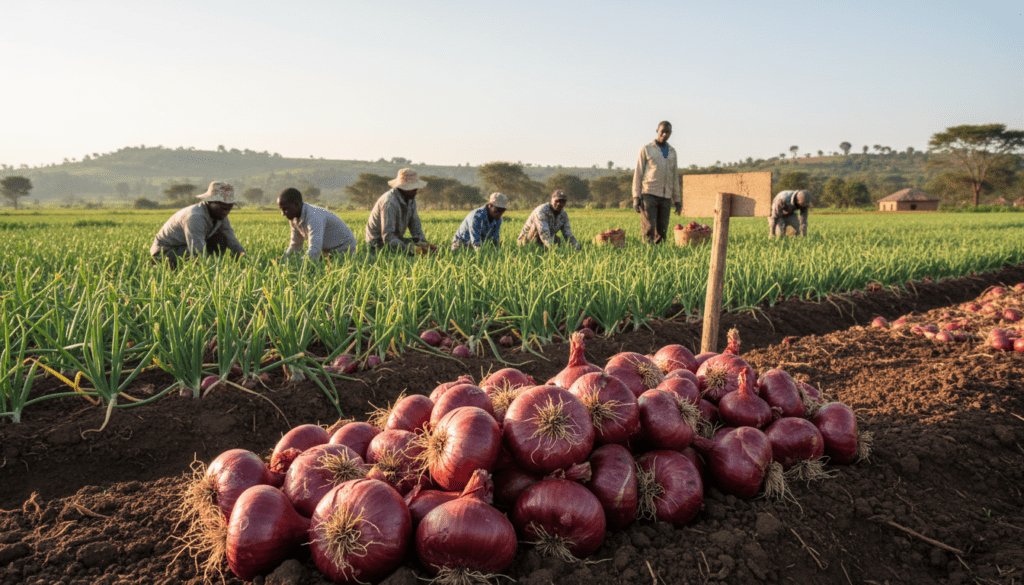
We will cover everything from soil preparation and nursery management to pest control and post-harvest curing. You will also find a detailed financial breakdown of the costs involved per acre and the expected profit margins. By following these expert steps, you can transform a single acre of land into a highly profitable business asset.
Ecological Requirements for Onion Farming in Kenya
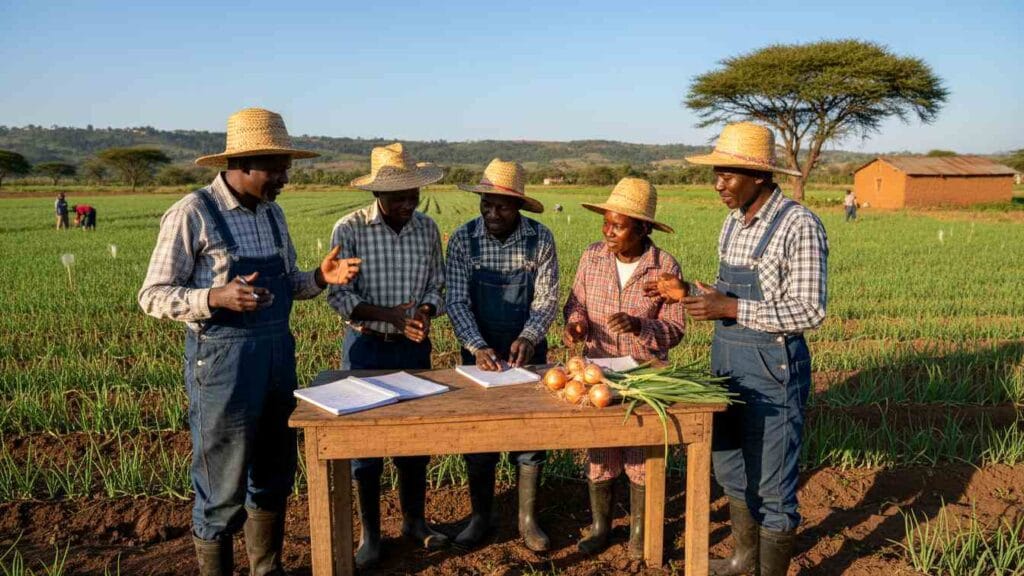
Onions are distinct from many other vegetable crops because they react heavily to day length and temperature. In Kenya, we mostly grow short-day varieties that are adapted to our 12-hour daylight cycle. Planting the wrong variety in the wrong climate will result in onions that produce plenty of leaves but fail to form bulbs.
Altitude and Temperature
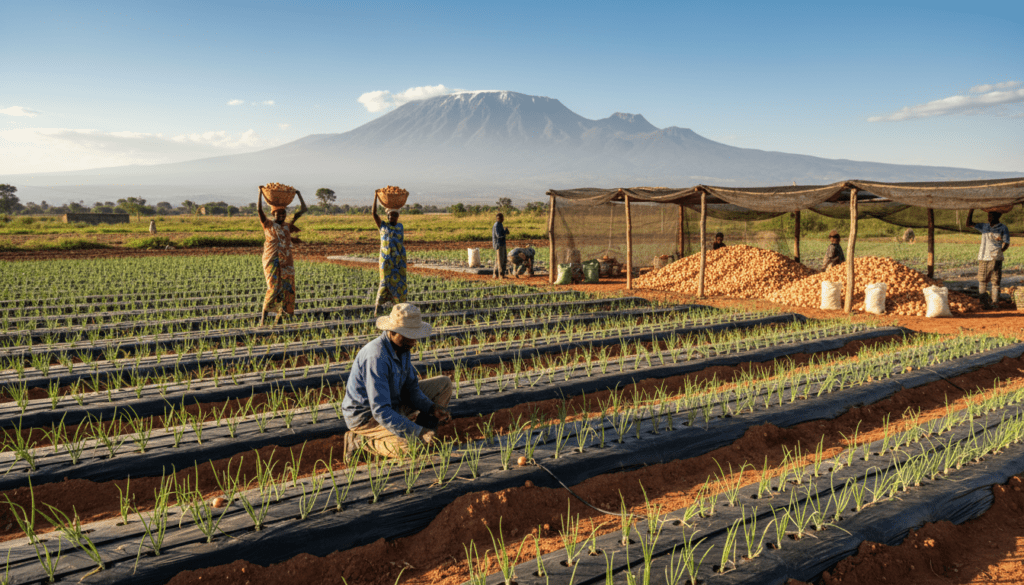
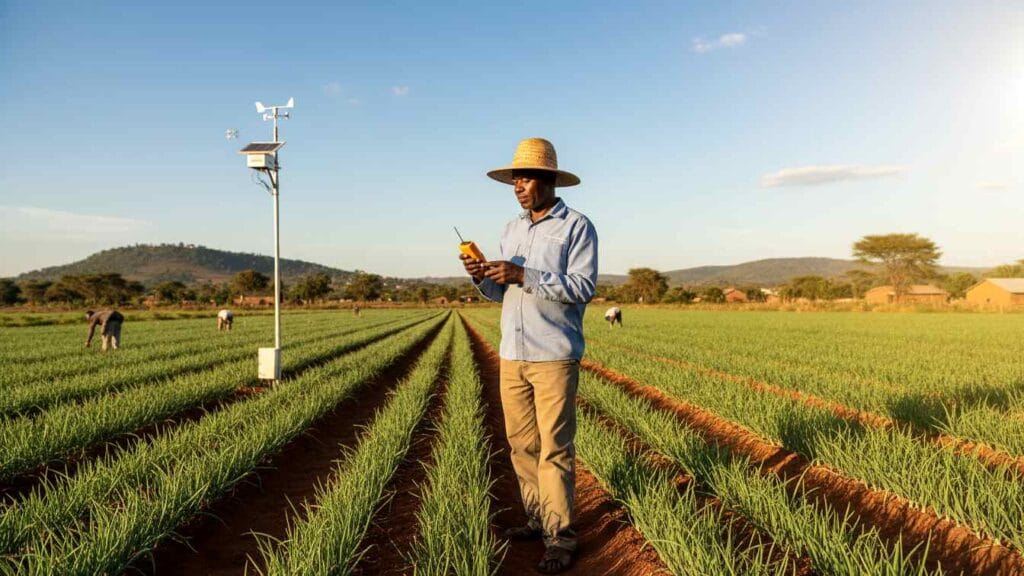
Onions perform best in altitudes between 500m and 2,000m above sea level. This covers many agricultural zones in Kenya, including Oloitoktok, Naivasha, Rumuruti, and parts of Meru. The ideal temperature range for bulb formation is between 15 degrees Celsius and 30 degrees Celsius. Hot weather contributes to better curing and lower disease incidence, which is why dry areas with irrigation are preferred over cold, misty highland regions.
Soil Characteristics
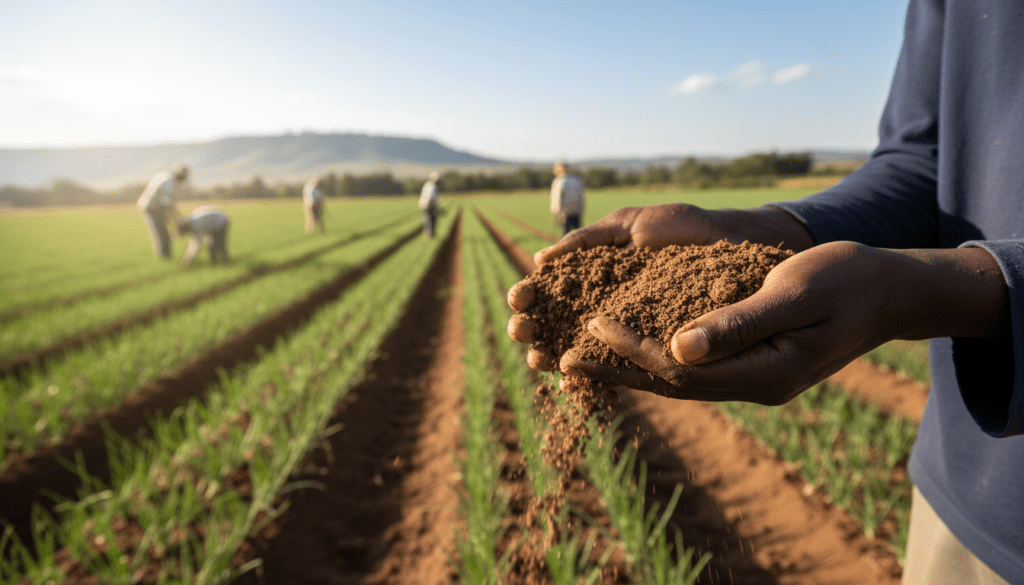
The soil is the foundation of your onion crop. Onions have a shallow root system and require loose, friable soil to expand their bulbs without resistance. Heavy clay soils are discouraged because they restrict bulb expansion and can lead to waterlogging, which causes rot. Sandy loam soils are the gold standard for onion production.
You May Like
How to Grow Healthy Tomatoes in Containers at Home: A Kenyan Guide 2026
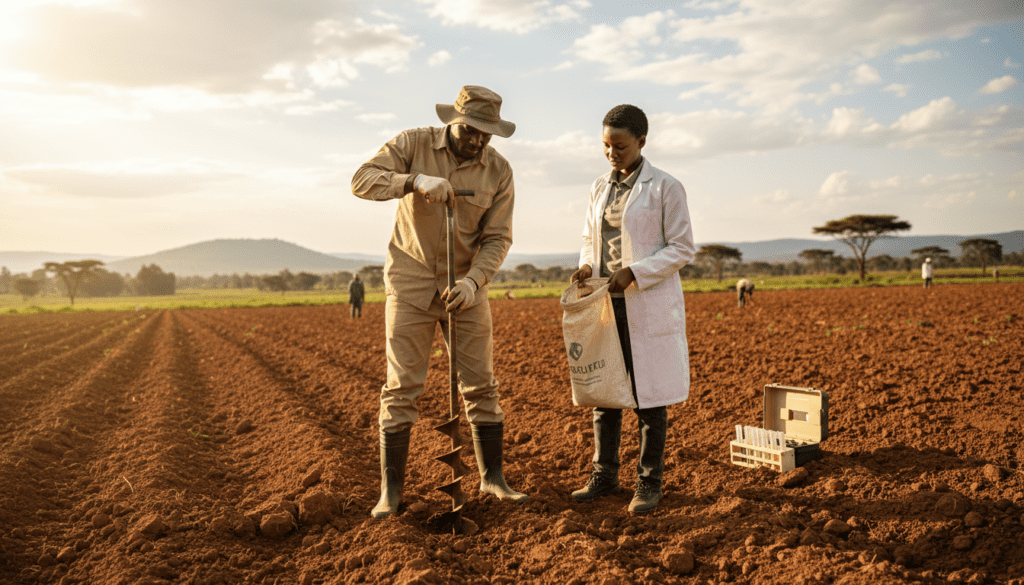
Soil pH is another critical factor that is often overlooked. Onions prefer a pH range of 5.8 to 6.5. If your soil is too acidic (below pH 5.5), nutrients like phosphorous become unavailable to the plant, leading to stunted growth. It is highly recommended to take a soil sample to a KALRO center or a private lab for analysis before ploughing your land.
Best Onion Varieties for the Kenyan Market
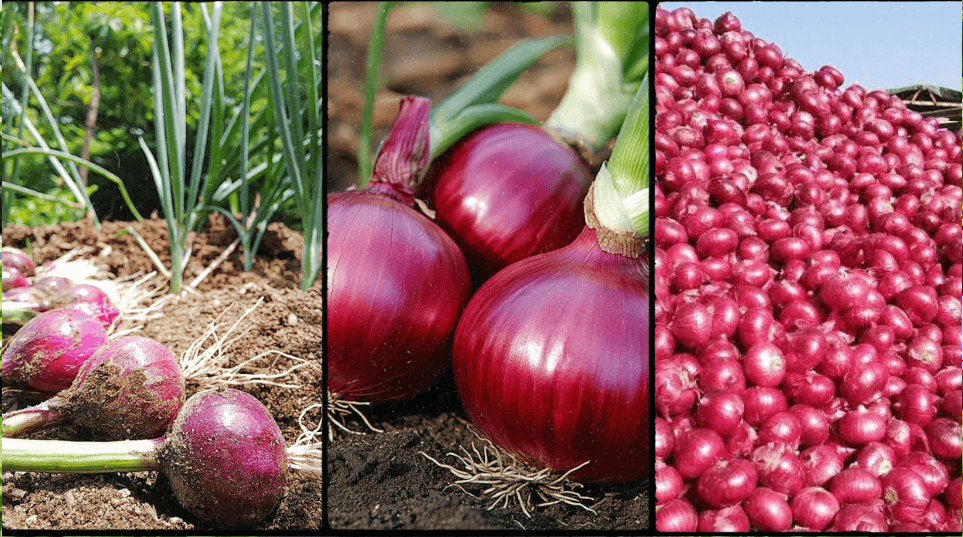
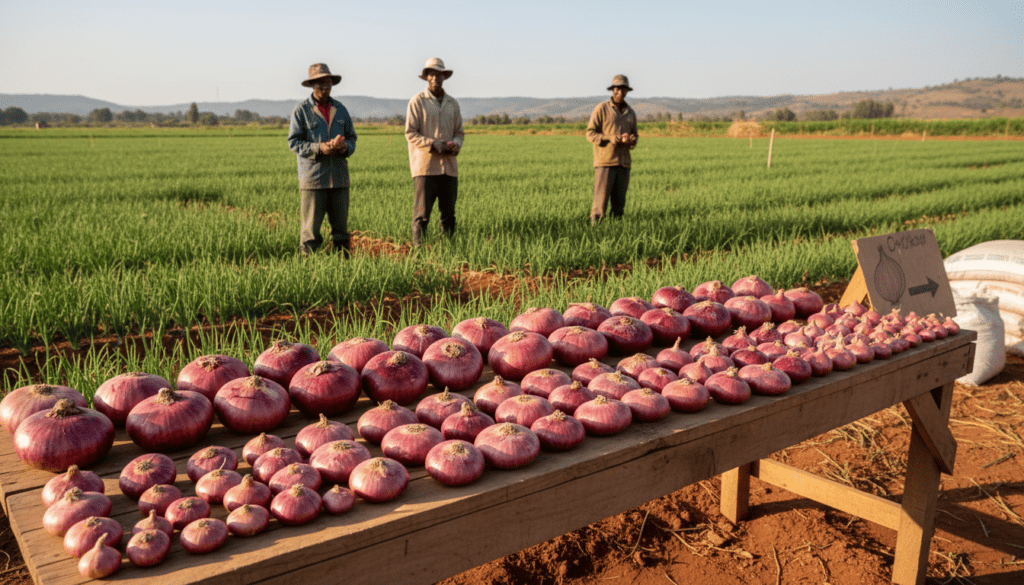
The Kenyan market has a strong preference for Red Onions. While white and yellow onions exist, red onions account for over 90 percent of the market share due to their pungency and longer shelf life. When choosing a variety, you must decide between Open Pollinated Varieties (OPVs) and Hybrid (F1) varieties.
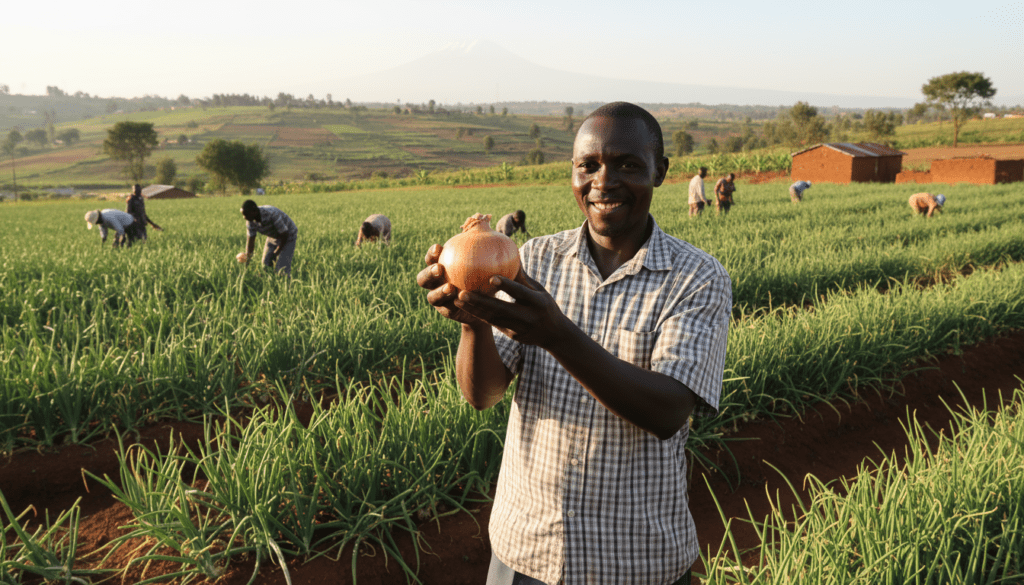
Jambar F1
Jambar F1 is currently one of the most popular varieties among commercial farmers. It is known for its high yield potential and large bulb size. It has a flat-globe shape and a deep red color that traders love. Jambar F1 matures in about 90 days after transplanting and has excellent storage qualities, allowing farmers to wait for better market prices.
Red Creole
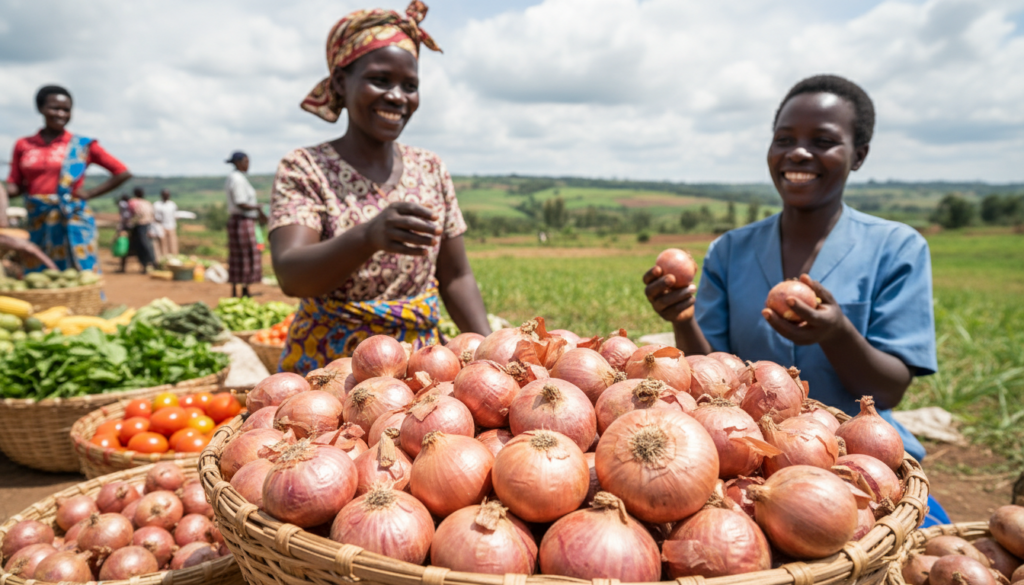
Red Creole is a standard open-pollinated variety that has been farmed in Kenya for decades. It is pungent and has a very long shelf life. However, its yield is generally lower than F1 hybrids, and it takes slightly longer to mature. It is a good starting point for farmers with a limited budget for seeds, as the seed cost is significantly lower than hybrids.
Neptune F1
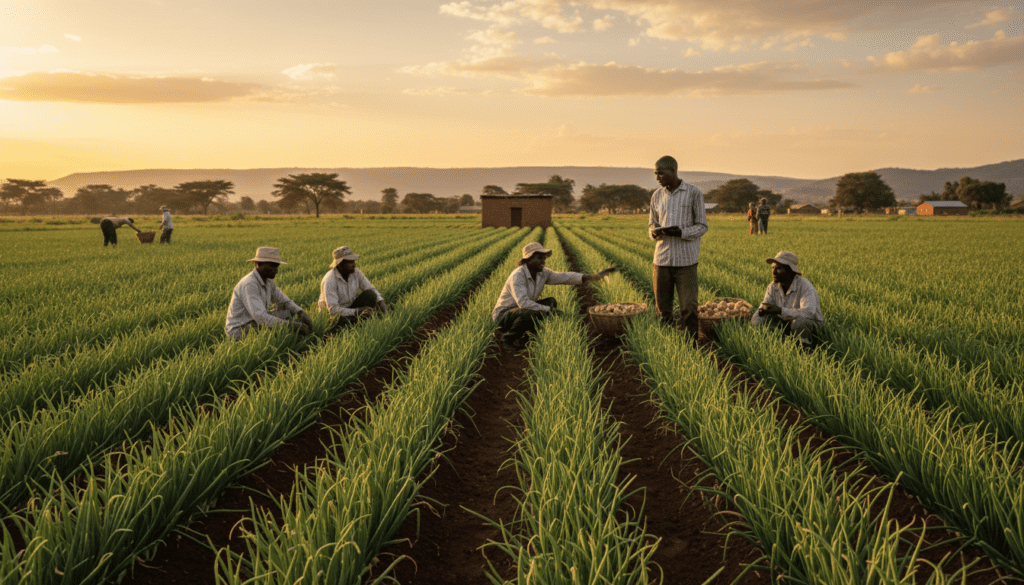
Neptune F1 is an early maturing hybrid that is gaining traction. It is uniform in shape and highly resistant to pink root disease. This variety is excellent for farmers targeting a specific market window where speed to market is essential. It produces consistent medium-to-large bulbs that pack well in net bags.
Red Pinoy F1
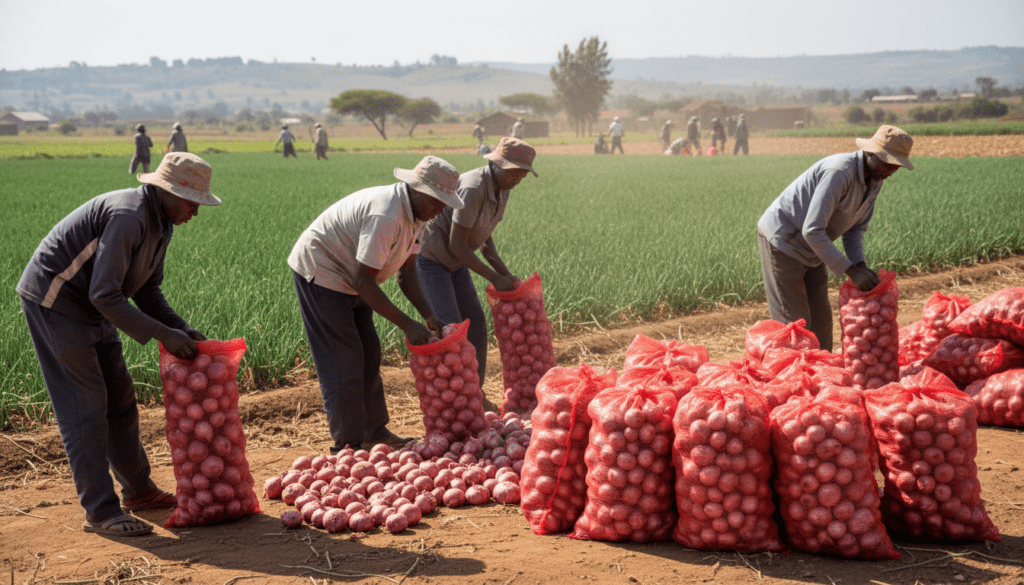
Red Pinoy is another heavy yielder with a strong deep red color. It is well adapted to East African conditions and shows good tolerance to downy mildew, which is a major challenge in cooler or wetter areas. The bulbs are globe-shaped and have a high market demand in Nairobi.
Nursery Management: The Foundation of Success
You should never plant onion seeds directly into the main field. They are too small and weak to compete with weeds or survive erratic watering. You must establish a nursery to raise healthy seedlings for the first 6 to 8 weeks. The success of your crop is 50 percent determined by the quality of your seedlings.
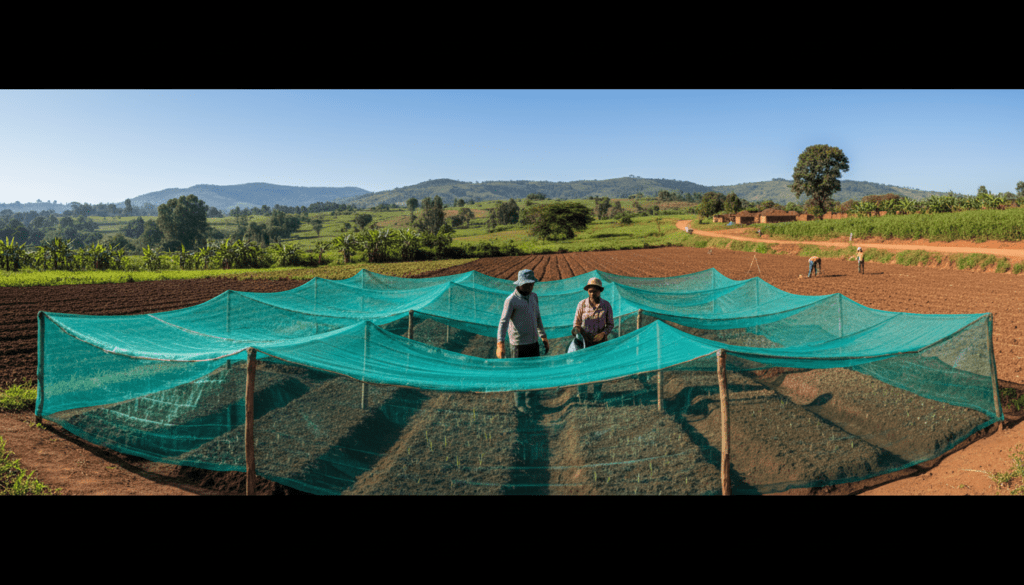
Preparing the Nursery Bed
Select a site that has not grown onions or garlic for at least three years to avoid soil-borne diseases. Dig the soil deeply and break all clods until you have a fine tilth. Make raised beds that are 1 meter wide and of any convenient length. Raising the beds prevents waterlogging during heavy rains. Incorporate well-decomposed manure and a phosphate fertilizer like DAP into the topsoil.
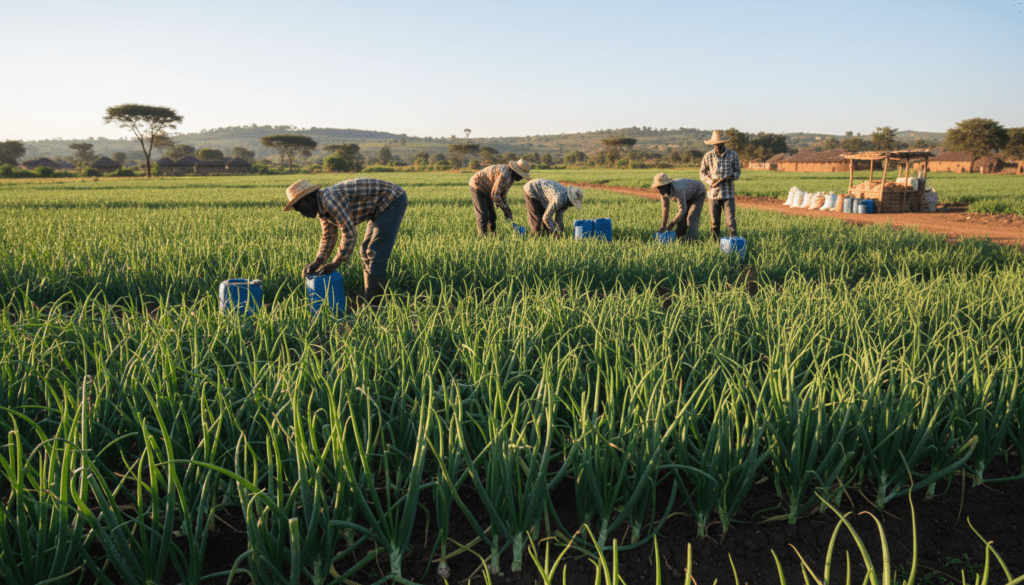
Sowing the Seeds
Create shallow drills (furrows) running across the bed, spaced 15cm apart. Sowing in rows makes weeding and management much easier than broadcasting seeds. Drop the seeds thinly along the drills and cover lightly with soil. Mulch the bed with dry grass to retain moisture and water immediately.
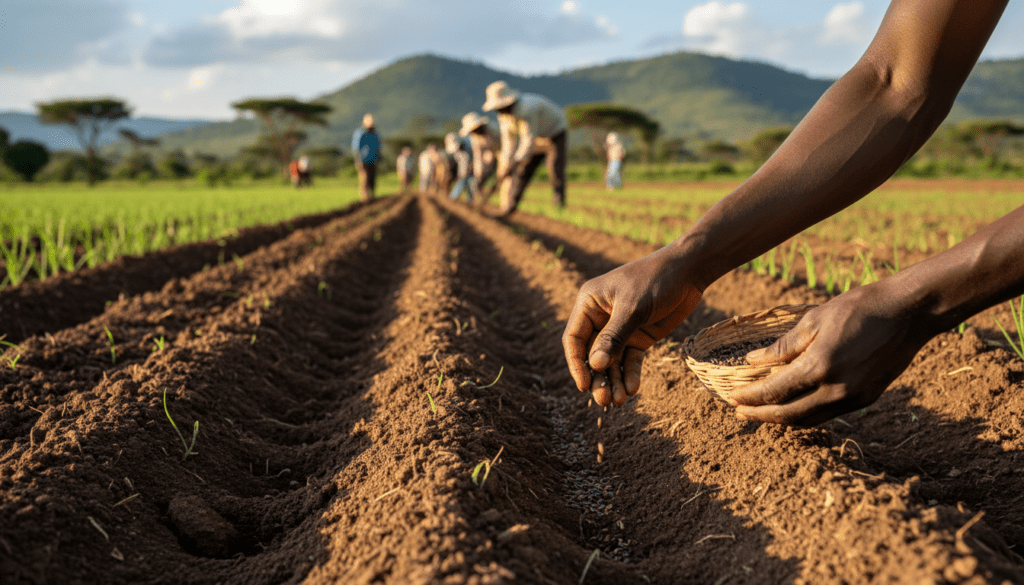
Management and Hardening Off
Water the nursery twice daily until germination, which takes 7 to 10 days. Once the seedlings emerge, remove the dry grass mulch to prevent them from becoming spindly. As the transplanting date approaches (around week 6), reduce the watering frequency. This process, known as hardening off, toughens the seedlings and prepares them for the harsh conditions of the open field.
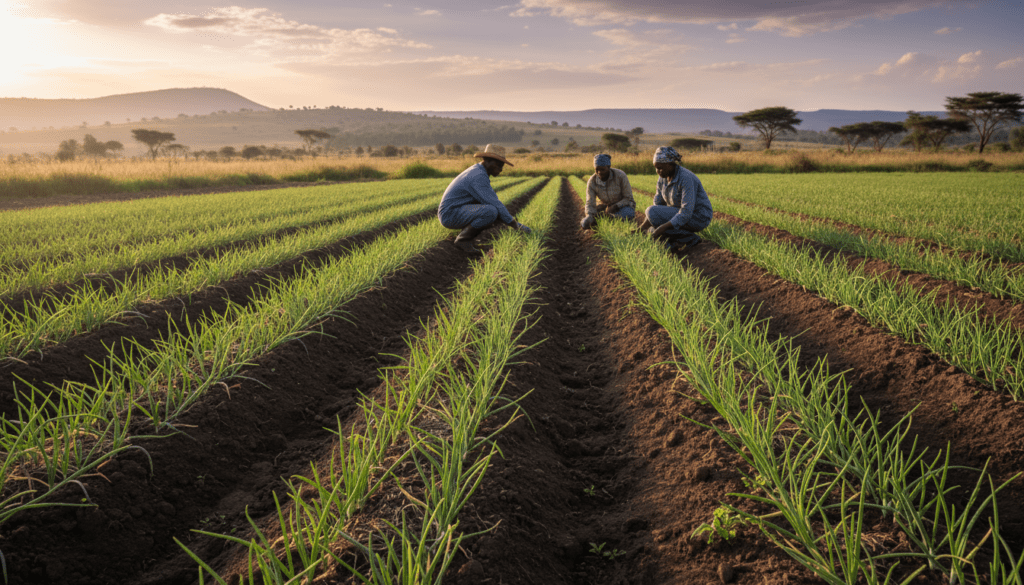
Land Preparation and Transplanting
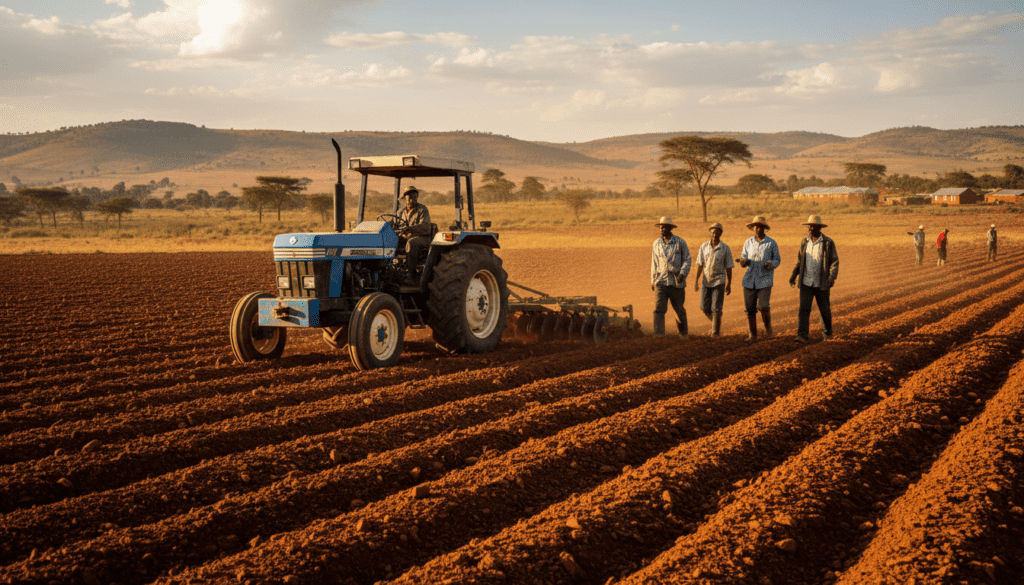
While your seedlings are growing in the nursery, you must prepare the main field. Onions require a very fine seedbed. Plough the land deep and harrow it using a tractor or hand tools to break all large lumps of soil. If the soil is clumpy, the bulbs will be deformed, reducing their market value.
Drip Irrigation Installation
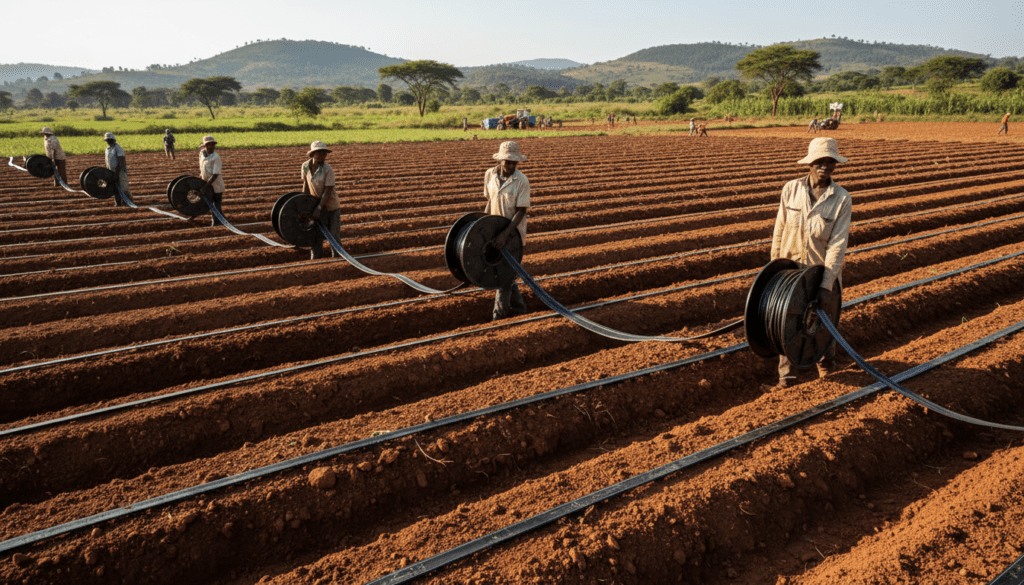
For commercial success, drip irrigation is highly recommended. It saves water, reduces fungal diseases by keeping the leaves dry, and allows for fertigation (applying fertilizer through water). Lay out your drip lines on raised beds. The standard bed width is 1 meter, with 3 drip lines per bed.
Transplanting Procedure
Transplant when seedlings are pencil-thick, usually 6 to 8 weeks after sowing. Water the nursery heavily before pulling the seedlings to minimize root damage. It is a common practice to trim the roots slightly and cut off 20 percent of the green tops. This reduces transpiration shock and helps the seedling establish faster.
Spacing
Proper spacing is vital for bulb size. If you plant too closely, you will get small onions. If you plant too far apart, you waste land. The recommended spacing is 8cm to 10cm between plants and 20cm to 30cm between rows. This population density targets roughly 250,000 to 300,000 plants per acre.
Field Management and Fertilizer Program
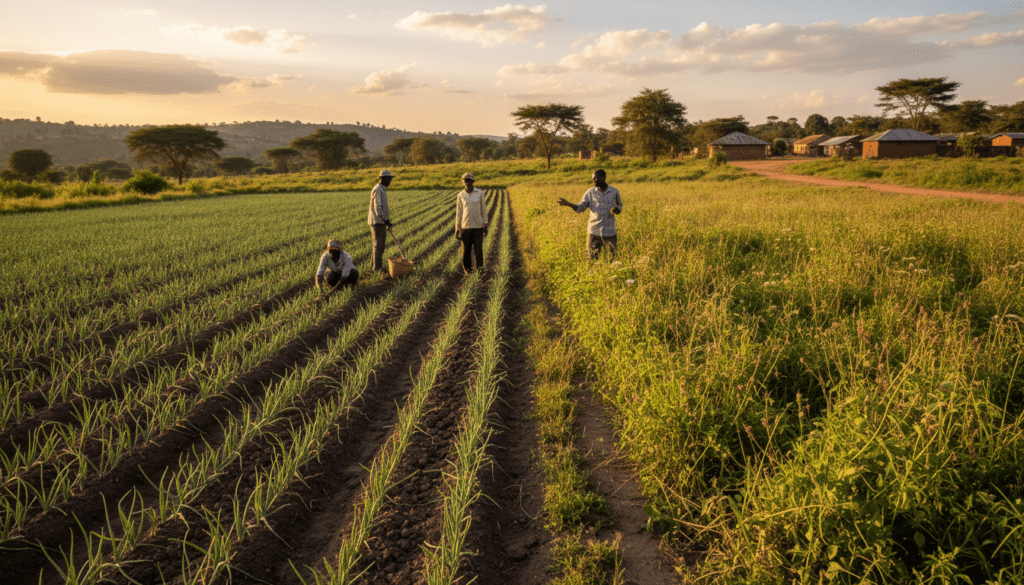
Feeding your crop correctly is the difference between a 5-ton harvest and a 20-ton harvest. Onions are heavy feeders. You must follow a strict nutrition program that provides Nitrogen, Phosphorous, and Potassium at the right stages.
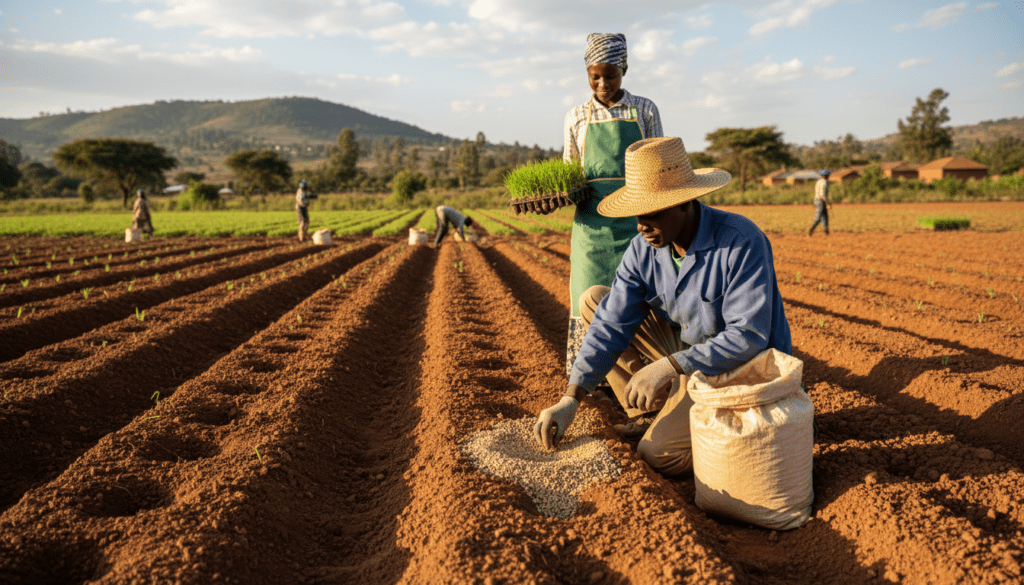
Basal Application
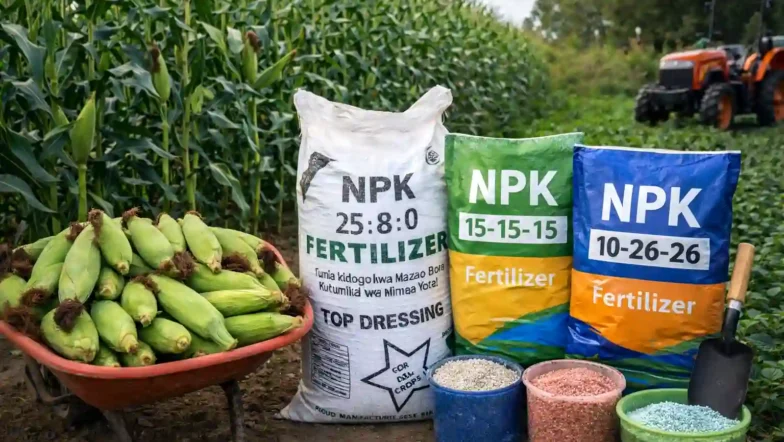
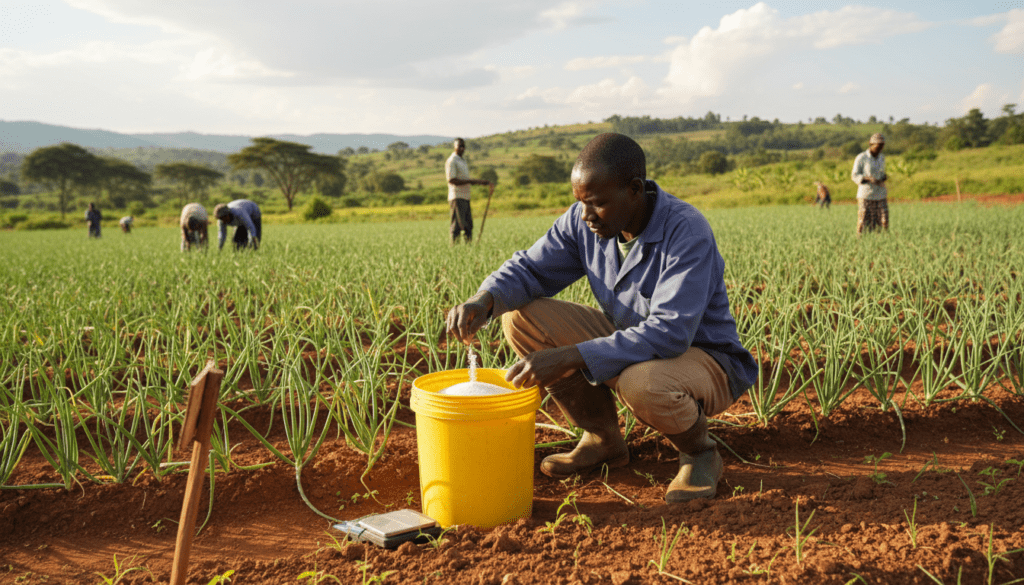
During transplanting, apply DAP (Diammonium Phosphate) or a balanced planting fertilizer. Phosphorous is essential for root development. Without a strong root system, the plant cannot support a large bulb later in the season.
Top Dressing
The first top dressing should be done 3 to 4 weeks after transplanting. Use CAN (Calcium Ammonium Nitrate) to boost vegetative growth. You need strong, healthy leaves because each leaf ring corresponds to a layer in the onion bulb.
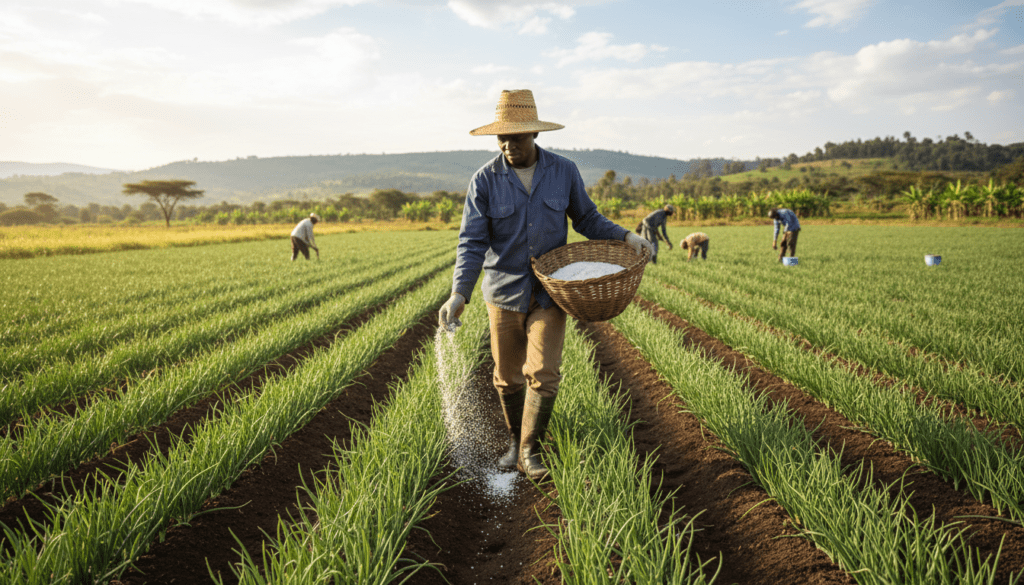
The second top dressing is done at the onset of bulbing, usually 6 to 7 weeks after transplanting. Here, you should switch to an NPK fertilizer rich in Potassium, such as NPK 17:17:17 or a specialized onion booster. Potassium is the element responsible for transporting sugars from the leaves to the bulb, increasing its size and weight.
Weed Control
Onions are very poor competitors against weeds due to their upright, slender leaves which do not shade the ground. Weeds will steal nutrients and harbor pests like thrips. You can weed manually or use selective herbicides. Oxyfluorfen (often sold as Goal) is a common pre-emergent herbicide used to control broadleaf weeds in onion fields.
Pest and Disease Control
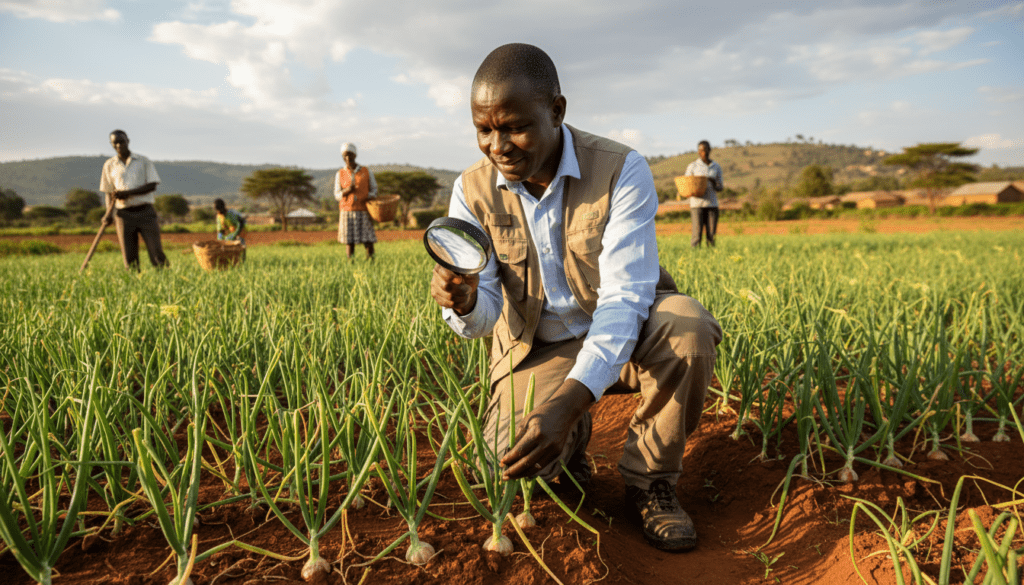
The biggest challenge in Kenyan onion farming is pest and disease management. Scouting your field daily is mandatory. If you wait until you see severe damage, it is often too late to save the crop.
Thrips (The Number One Enemy)
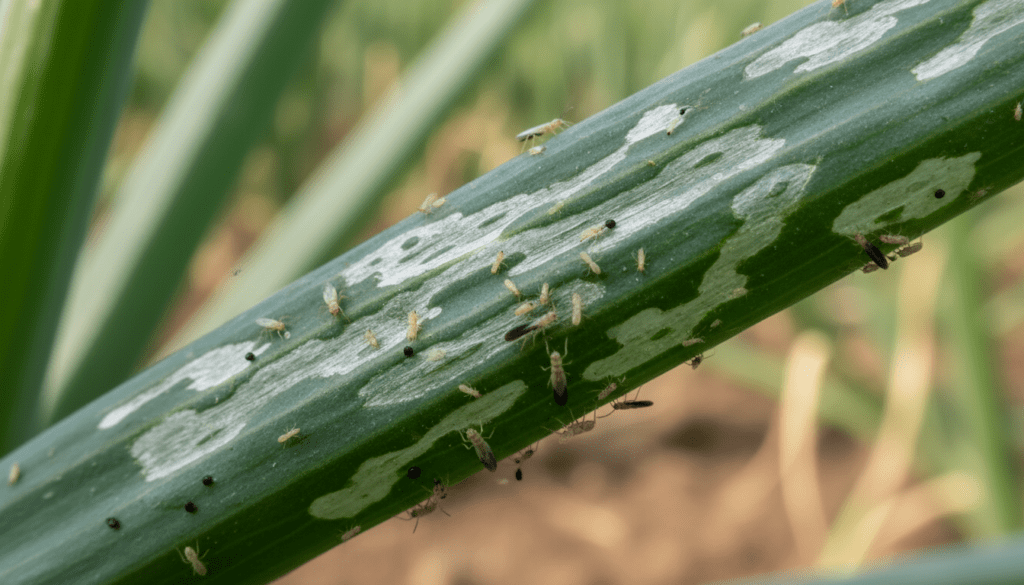
Thrips are tiny insects that hide deep in the leaf axils. They rasp the leaves and suck the sap, causing silvery patches. Severe infestation causes the leaves to dry up and reduces bulb size. To control thrips, use insecticides with active ingredients like Acetamiprid, Imidacloprid, or Spinetoram. Always alternate your chemicals to prevent resistance.
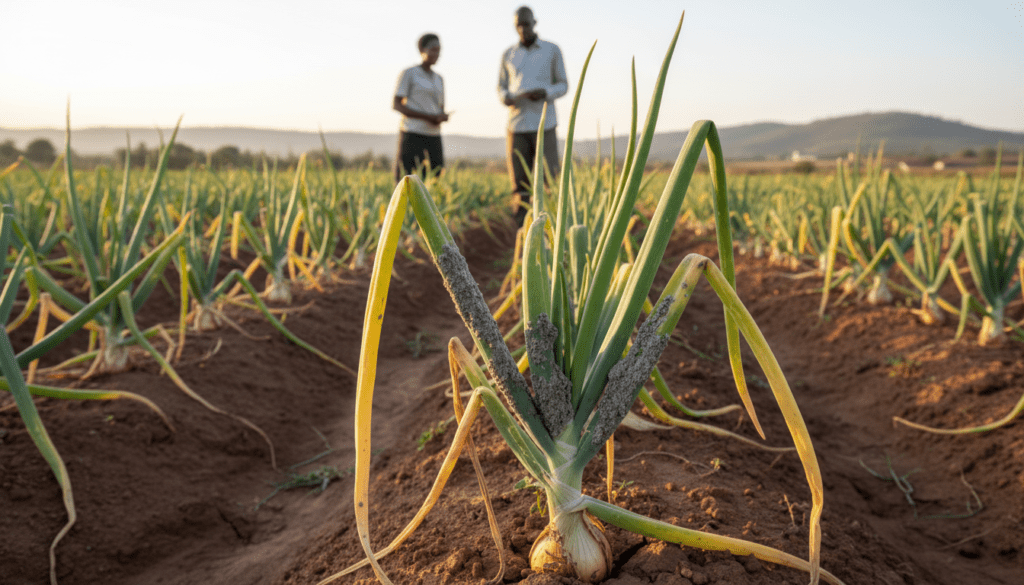
Downy Mildew
This is a fungal disease that thrives in cold, wet conditions. It appears as a violet-grey fuzzy growth on the leaves. It can destroy a crop in days. Preventive sprays with Mancozeb are good, but for curative action, use Metalaxyl-based fungicides.
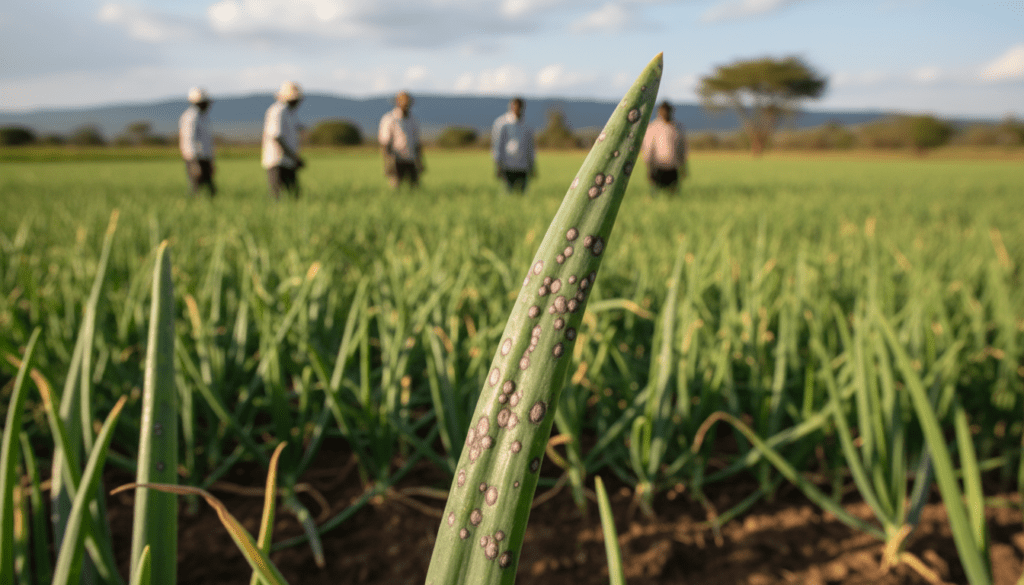
Purple Blotch
This fungus causes purple lesions with yellow halos on the leaves. It usually attacks older leaves first. Good field hygiene and crop rotation are the best preventative measures. Azoxystrobin-based fungicides are effective for control.
Harvesting and Curing
Harvesting is not just about pulling the crop; it is about timing. You should stop watering the onions 2 to 3 weeks before the expected harvest date. This helps the bulbs dry out and prevents rotting during storage.
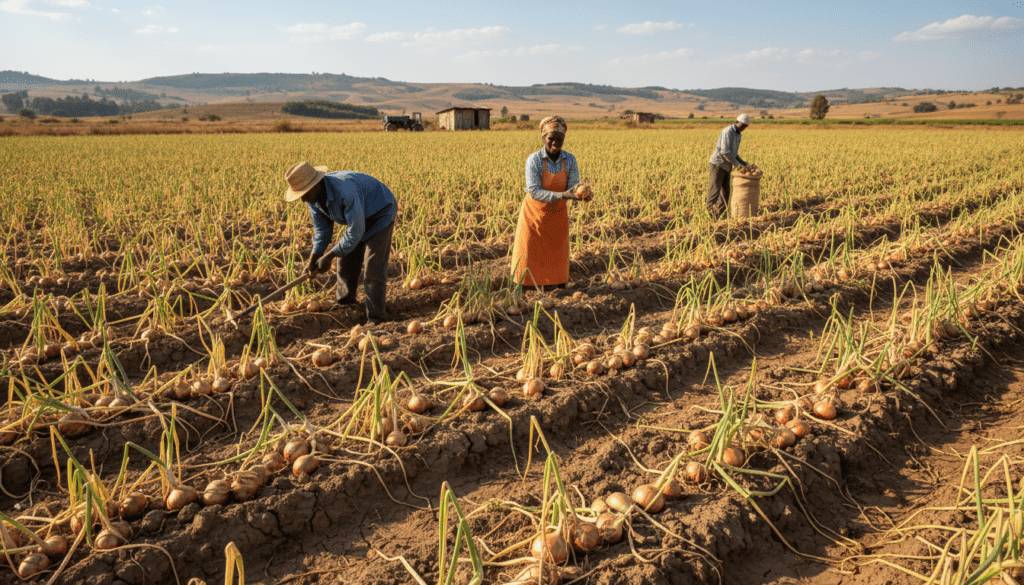
Signs of Maturity
The crop is ready for harvesting when 75 percent of the tops have fallen over (neck fall) and the leaves have started to yellow. Do not wait for all the leaves to dry completely, as the bulbs might start regrowing roots if there is moisture in the soil.
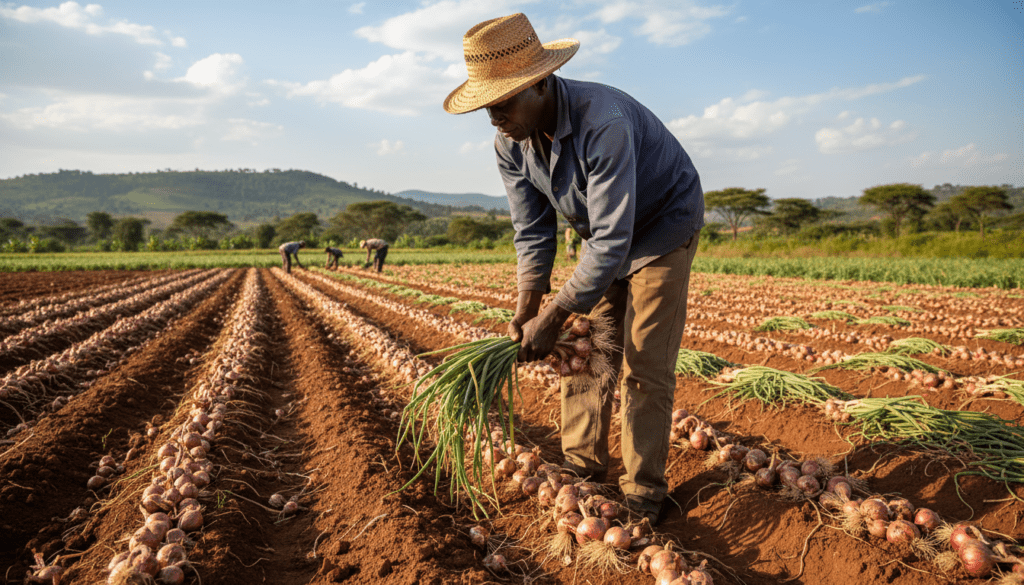
Curing (Drying)
Curing is the process of drying the outer skin and the neck of the onion to seal it against bacteria. You can cure onions in the field if the weather is hot and dry by arranging them in windrows, covering the bulbs with the leaves of the next row to prevent sunscald. Alternatively, move them to a well-ventilated shed. Proper curing takes 1 to 2 weeks and is crucial for long shelf life.
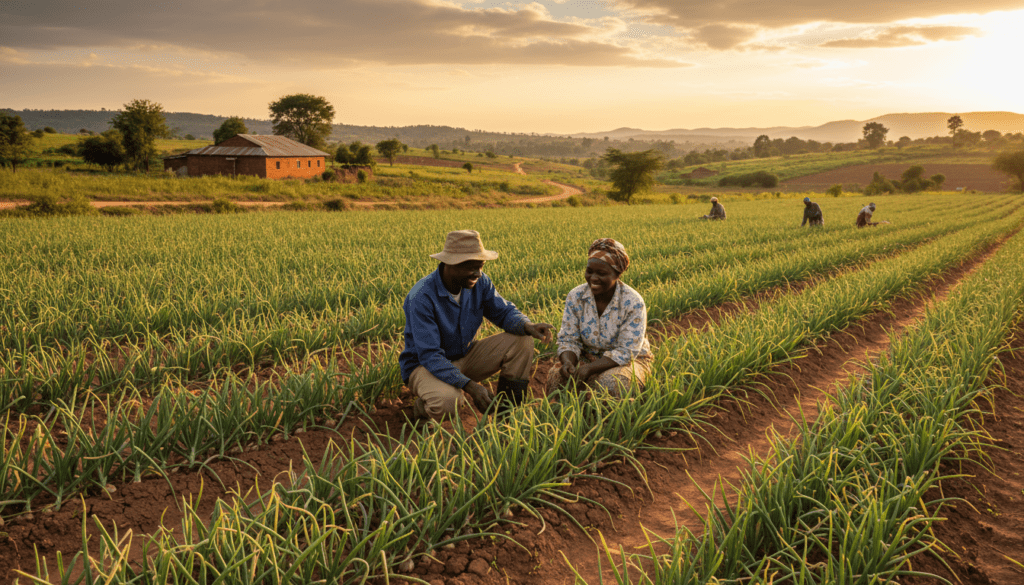
Cost of Production Per Acre (2026 Estimates)
Farming is a business, and you must know your numbers. Below is a detailed cost breakdown for one acre of bulb onions in Kenya. Note that these are estimates and costs can vary based on location and labour availability.
| Item | Description | Cost (KES) |
|---|---|---|
| :— | :— | :— |
| Land Preparation | Ploughing, Harrowing, Bed making | 15,000 |
| Seeds | High quality F1 Hybrid seeds (e.g., 1kg) | 25,000 |
| Nursery Management | Labour, trays, media | 5,000 |
| Drip Irrigation Kit | Depreciation cost (one season share) | 10,000 |
| Transplanting Labour | Casuals for planting | 6,000 |
| Fertilizers | DAP, CAN, NPK, Foliar feeds | 25,000 |
| Crop Protection | Fungicides, Insecticides, Herbicides | 20,000 |
| Weeding Labour | Manual weeding (2-3 times) | 10,000 |
| Watering/Fuel | Pump fuel or water bill | 15,000 |
| Harvesting/Curing | Labour and bags | 15,000 |
| Miscellaneous | Transport, unexpected costs | 10,000 |
| **TOTAL** | **156,000** |
Profitability Analysis
The profit potential for onions is what attracts many investors. Let us look at conservative and optimistic scenarios.
Yield Expectations
A well-managed acre of hybrid onions can yield between 15 to 20 tons (15,000kg to 20,000kg). Average management usually yields around 10 to 12 tons.
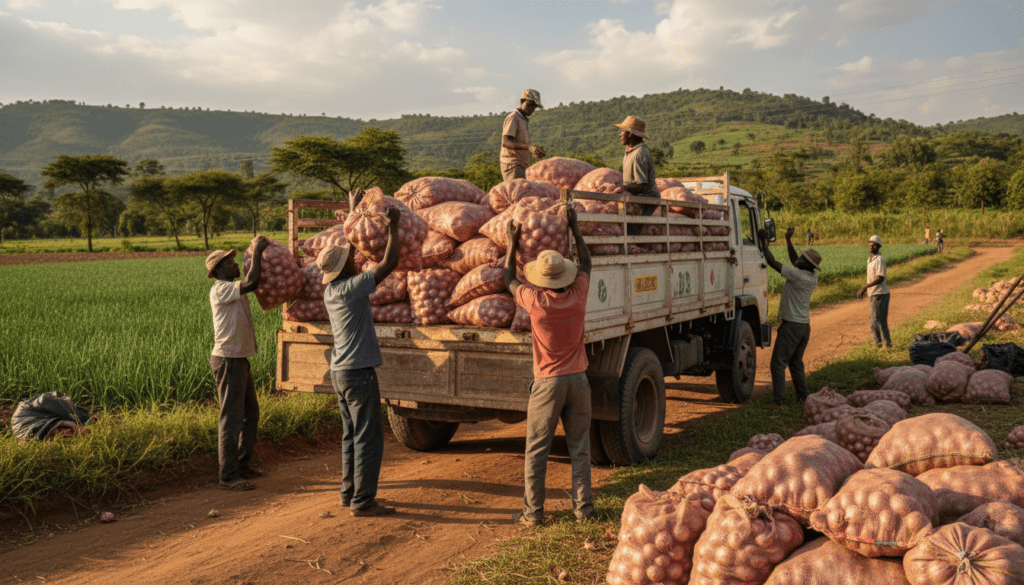
Market Prices
Market prices in Kenya fluctuate based on supply, usually ranging from KES 30 per kg (glut season) to KES 80+ per kg (scarcity). A safe average price for calculation is KES 45 per kg.
The Calculation
Target Yield: 16,000 kgAverage Farm Gate Price: KES 45 per kgGross Revenue: 16,000 x 45 = KES 720,000Total Cost of Production: KES 156,000Net Profit: 720,000 – 156,000 = KES 564,000
Even with a lower price of KES 35 and a lower yield of 12,000 kg, the revenue would be KES 420,000, leaving a net profit of over KES 260,000 in just 4 months. This represents a return on investment of over 100 percent.
Market Challenges and Tips for Success
While the numbers look good, the market has pitfalls. The biggest challenge is the influx of onions from Tanzania, which often lowers prices in Kenyan markets. To beat this, you must time your planting.
Timing is Everything
The best prices are usually found from January to March and May to June. Work backwards from these months to determine your planting date. For example, to harvest in February, you need to transplant in November.
Dealing with Middlemen
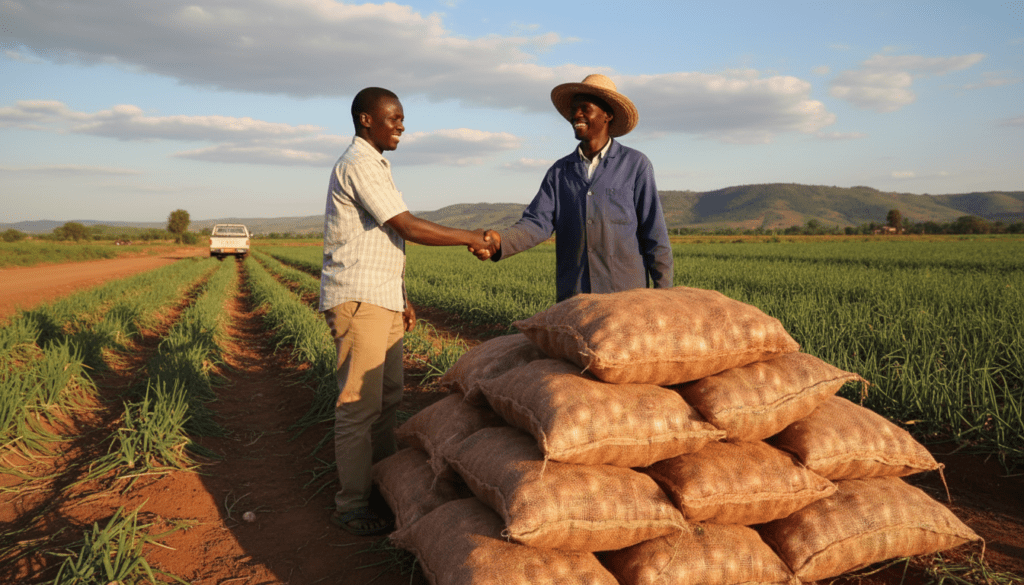
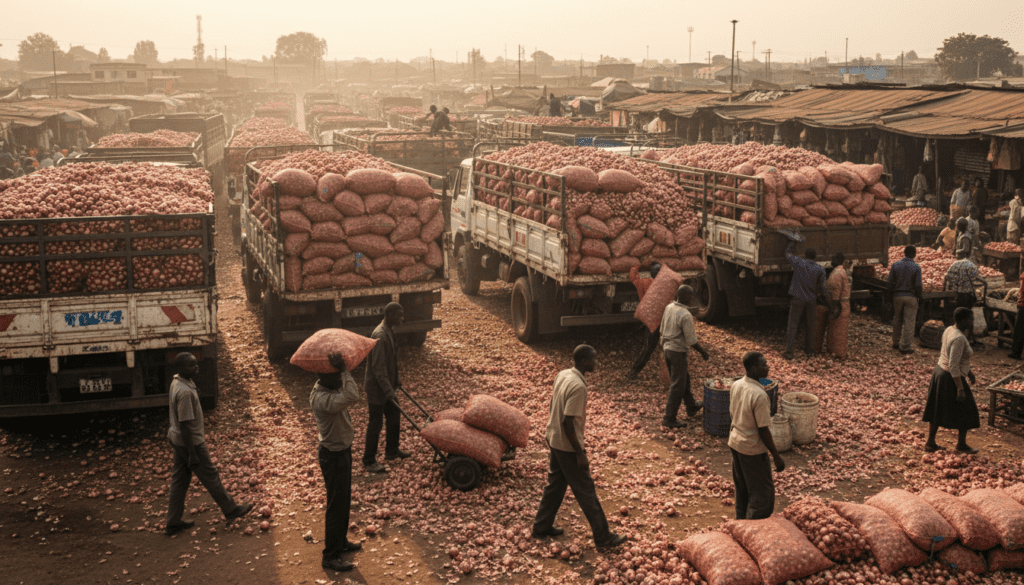
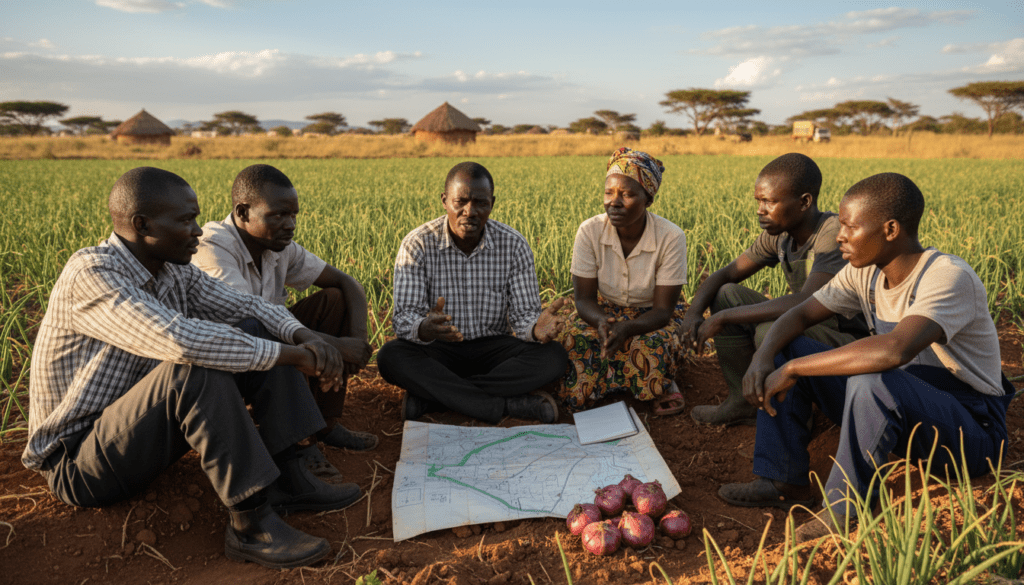
Brokers are a reality in the Kenyan supply chain. To get better leverage, try to sell directly to institutions, schools, or supermarkets. Alternatively, form a group with neighboring farmers to aggregate your produce. A buyer is more likely to give a better price for a 10-ton truckload than for a few bags.
Cure Properly
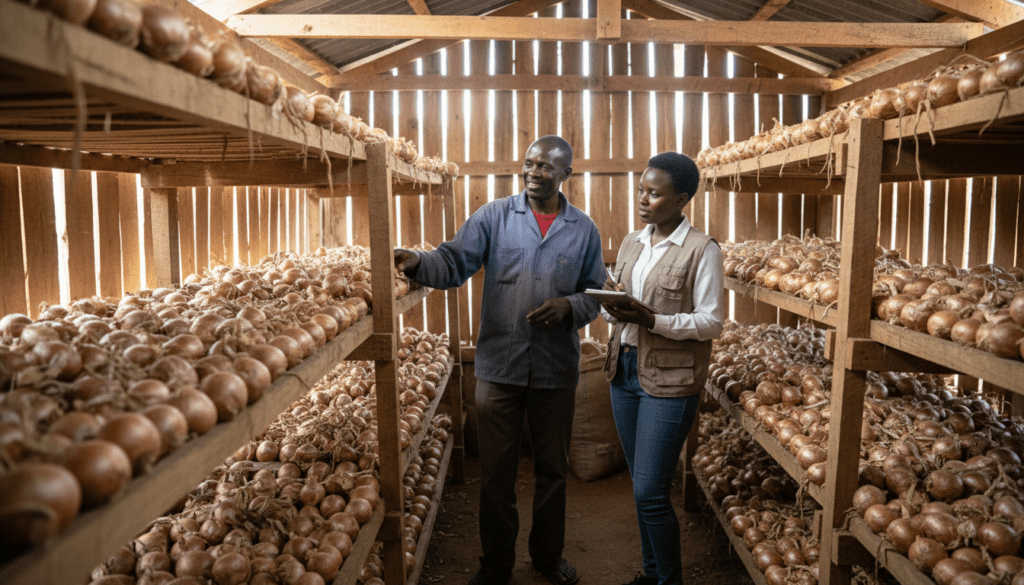
Farmers often rush to sell immediately after harvest because they need cash. If you cure your onions well, you can store them for 2 to 3 months in a well-ventilated store. This allows you to wait for the market glut to clear and prices to rise.
Frequently Asked Questions about Bulb Onion Farming in Kenya (2026)
1. Is bulb onion farming in Kenya profitable in 2026?
Yes. With good management, one acre of hybrid bulb onions can generate several hundred thousand shillings in profit in a 4–5 month cycle, even after paying for seeds, fertilizers, labour and irrigation.
2. How much capital do I need to start 1 acre of bulb onions?
For 2026, a realistic starting budget for one acre is about KES 150,000–170,000, depending on land preparation costs, seed type, labour rates and whether you already have a drip irrigation kit.
3. What is the best bulb onion variety for Kenyan markets?
Popular high‑yielding red bulb varieties include Jambar F1, Neptune F1 and Red Pinoy F1, while Red Creole is a cheaper open‑pollinated option for farmers with a smaller seed budget.
4. How long do bulb onions take to mature in Kenya?
Most hybrid bulb onions take about 3–4 months after transplanting to reach maturity, so from sowing in the nursery to final harvest you should plan for roughly 4–5 months.
5. What spacing should I use for bulb onions per acre?
A common commercial spacing is 8–10 cm between plants and 20–30 cm between rows, giving roughly 250,000–300,000 plants per acre for good bulb size and high yield.
6. Do I need drip irrigation for bulb onion farming?
You can grow onions under rain‑fed conditions, but drip irrigation is highly recommended because it saves water, reduces fungal diseases and allows you to apply fertilizers more efficiently.
7. Which areas in Kenya are best for bulb onion farming?
Warm, well‑drained areas between about 500 m and 2,000 m above sea level such as parts of Kajiado, Naivasha, Machakos, Laikipia, Meru and other semi‑arid zones with access to irrigation perform very well.
8. What are the most common onion pests and diseases?
Thrips are the number one insect pest, while major diseases include downy mildew and purple blotch, all of which require regular scouting and a planned spray program or integrated pest management.
9. When is the best time to plant onions for good prices?
Many farmers target planting so that they harvest in the drier months like January–March or May–June, when market supply is lower and prices per kilogram are usually higher.
10. Where can I sell my bulb onions in Kenya?
You can sell through major wholesale markets such as Wakulima (Marikiti) in Nairobi and Kongowea in Mombasa, local town markets, brokers, or directly to supermarkets, schools, hotels and institutions for better prices.
Conclusion
Bulb onion farming in Kenya is a serious business that rewards diligence and patience. It is not a get-rich-quick scheme, but a science that requires investment in good seeds, proper nutrition, and water management. By following the guidelines in this article, managing your costs, and keeping an eye on the market trends, you can successfully navigate the challenges and reap the sweet rewards of onion farming. Start small, learn the ropes, and scale up as you gain confidence.
Read More

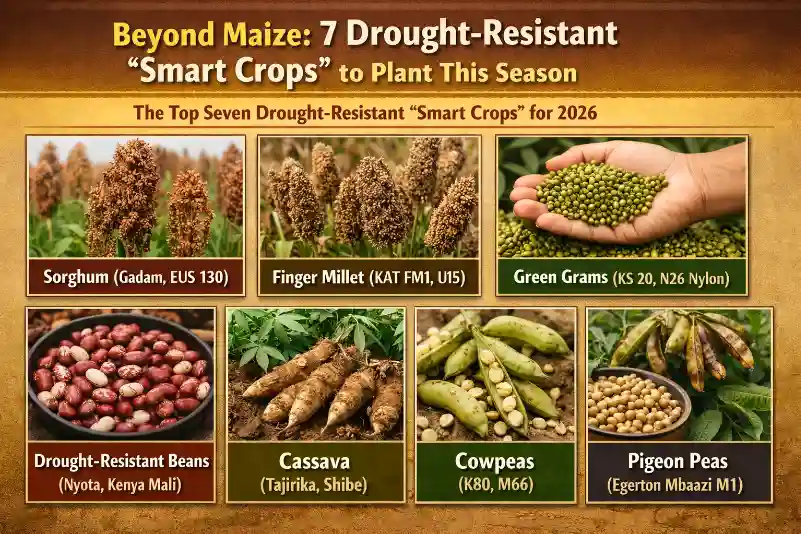
Beyond Maize: 7 Drought-Resistant “Smart Crops” to Plant This Season
Discover the top 7 drought-resistant smart crops for Kenyan farmers in 2026. Learn about seed varieties, fertilizer costs, and profit potential to beat the dry season.
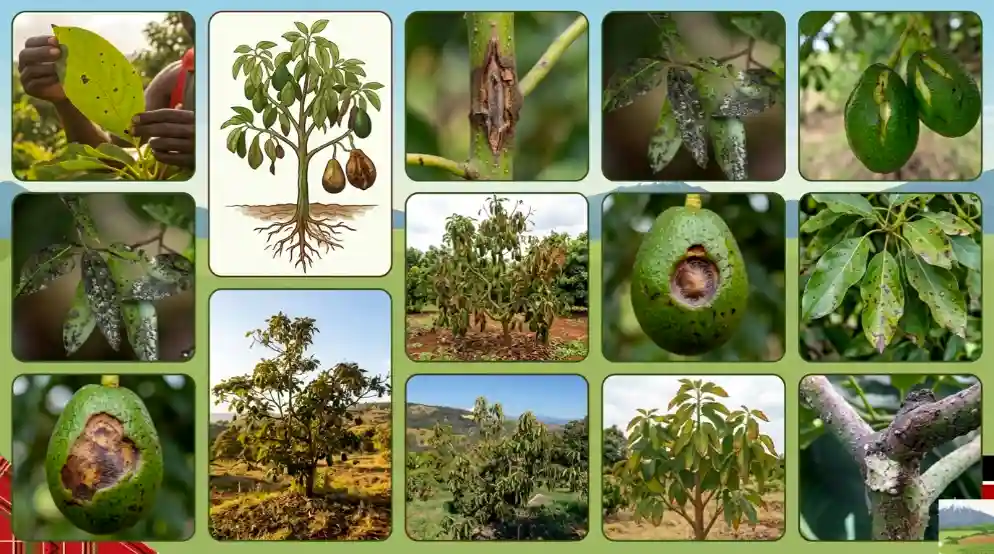
Top 10 Hass Avocado Diseases in Kenya: Causes, Symptoms & Treatment Guide (2026)
Discover the ultimate 2026 guide to fighting Hass avocado diseases in Kenya. Learn treatment costs, fungicide prices, and expert tips to secure healthy yields.
100 Smart Garden Tips 2026: The Ultimate Guide for Kenya Farmers
Save 80% on food costs with 100 smart garden tips for 2026. Learn how to use KES 2,500 subsidized fertilizers and vertical farming to earn KES 15,000 monthly from your Kenyan backyard.