

- Following a KES 2 billion government subsidy in March 2026, standard Kenya Seed Company maize seeds cost KES 260 for 1kg, KES 525 for 2kg, KES 2,625 for 10kg, and KES 6,560 for 25kg.
- Boma Rhodes grass seeds retail at roughly KES 1,800 per kilo. This offers a highly profitable alternative for dairy farmers seeking to lower feed costs.
- Always verify genuine seeds by scratching the KEPHIS sticker on the packet. Send the revealed code via SMS to 1393 to avoid counterfeit products.
Table of Contents
For thousands of farmers searching for updated seed prices ahead of the planting season, navigating the input market can be a stressful experience. From what many farmers experience, rising costs of production and the massive problem of fake seeds infiltrating local agrovets have made crop farming riskier than ever. The good news is that the government has intervened for the 2026 season by subsidizing seed costs to protect your profit margins.
This guide provides the full updated price list for Kenya Seed Company products. It details exact costs for maize, pasture, beans, and vegetables. You will also learn exactly where to buy genuine seeds so your harvest is guaranteed.
Kenya Seed Company Price List 2026 (Updated Prices)
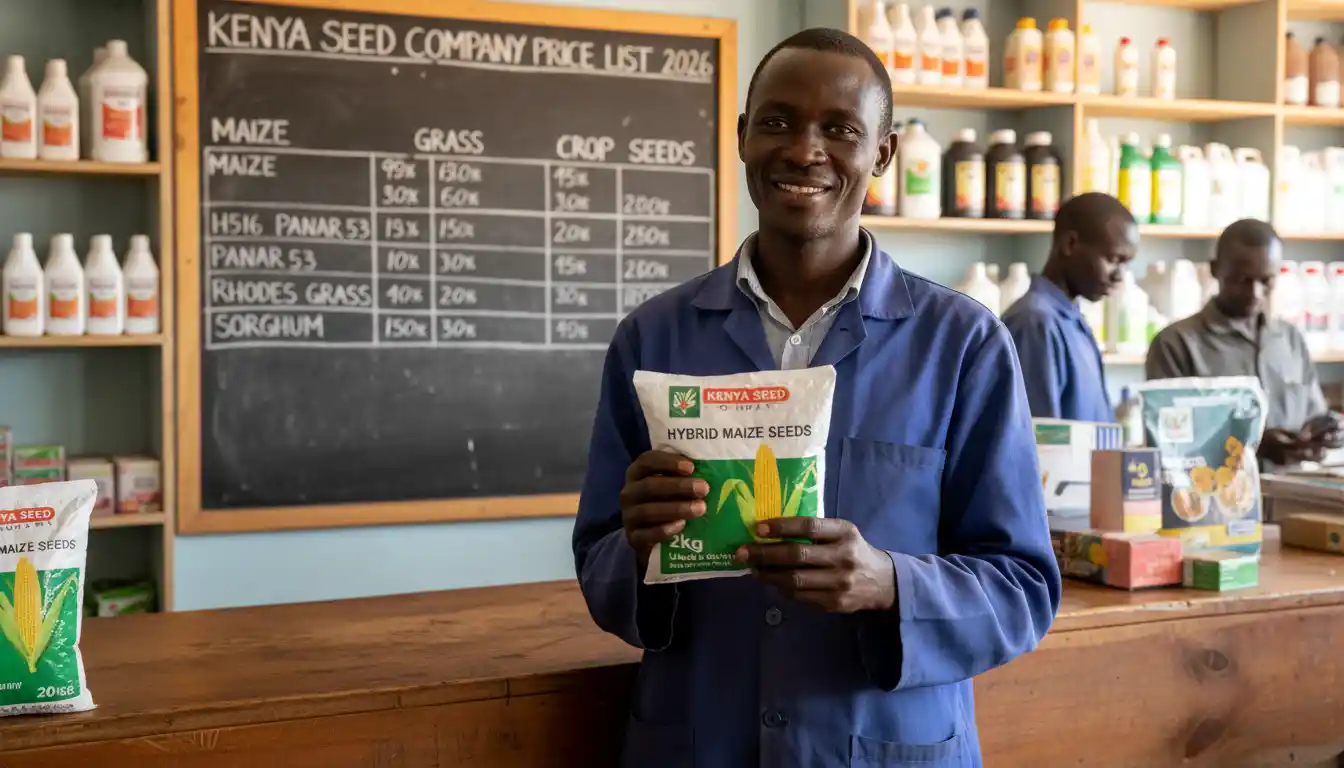
The updated 2026 prices for Kenya Seed Company reflect government subsidies. Maize seeds cost KES 525 for 2kg, bean seeds average KES 700 to KES 800 per 2kg packet, and pasture seeds like Boma Rhodes cost approximately KES 1,800 per kg.
Read Also: 2026 Seeds & Seedling Price List Kenya: KALRO, Kakuzi & ICIPE Certified Sources
This is the central reference point for any farmer planning their 2026 agricultural budget. The prices below capture the latest directives from the Ministry of Agriculture, which mandated a price drop to cushion smallholder farmers against inflation. Whether you are planting a single acre of H614 in Trans Nzoia or setting up a commercial Boma Rhodes pasture in Nakuru, knowing these baseline prices protects you from broker exploitation.
Below is the updated price reference covering the most common seed categories available at authorized stockists across the country. It provides a quick overview of what you should expect to pay.
| Seed Type | Variety Name | Package Size | Price (KES) |
|---|---|---|---|
| Maize | H614 / H6213 / H520 | 2 kg | 525 |
| Maize | H614 / H6213 / H520 | 10 kg | 2,625 |
| Maize | H614 / H6213 / H520 | 25 kg | 6,560 |
| Beans | Rosecoco (GLP 2) | 2 kg | 700 – 800 |
| Beans | Mwitemania (GLP 92) | 2 kg | 700 – 800 |
| Pasture/Grass | Boma Rhodes | 1 kg | 1,800 |
| Pasture/Grass | Columbus Grass | 1 kg | 800 |
| Vegetables (Simlaw) | Tomato (Rio Grande) | 50 g | 350 – 450 |
| Vegetables (Simlaw) | Sukuma Wiki (Collards) | 50 g | 200 – 250 |
| Vegetables (Simlaw) | Onion (Red Creole) | 100 g | 700 – 850 |
Maize Seed Prices in Kenya (Kenya Seed Company Varieties)
As of March 2026, certified maize seeds from Kenya Seed Company are priced uniformly across standard hybrids. They cost KES 260 for 1kg, KES 525 for 2kg, KES 2,625 for 10kg, and KES 6,560 for 25kg.
Maize remains the staple backbone of Kenyan agriculture. With the March 2026 government directive allocating KES 2 billion to subsidize seed production, farmers can now breathe a sigh of relief. Previously, a 2kg packet had hit KES 600, but it has now been rolled back to KES 525.
If you are planting an entire acre, you typically need 10kg of seed. This means your total seed cost for one acre will sit at a comfortable KES 2,625.
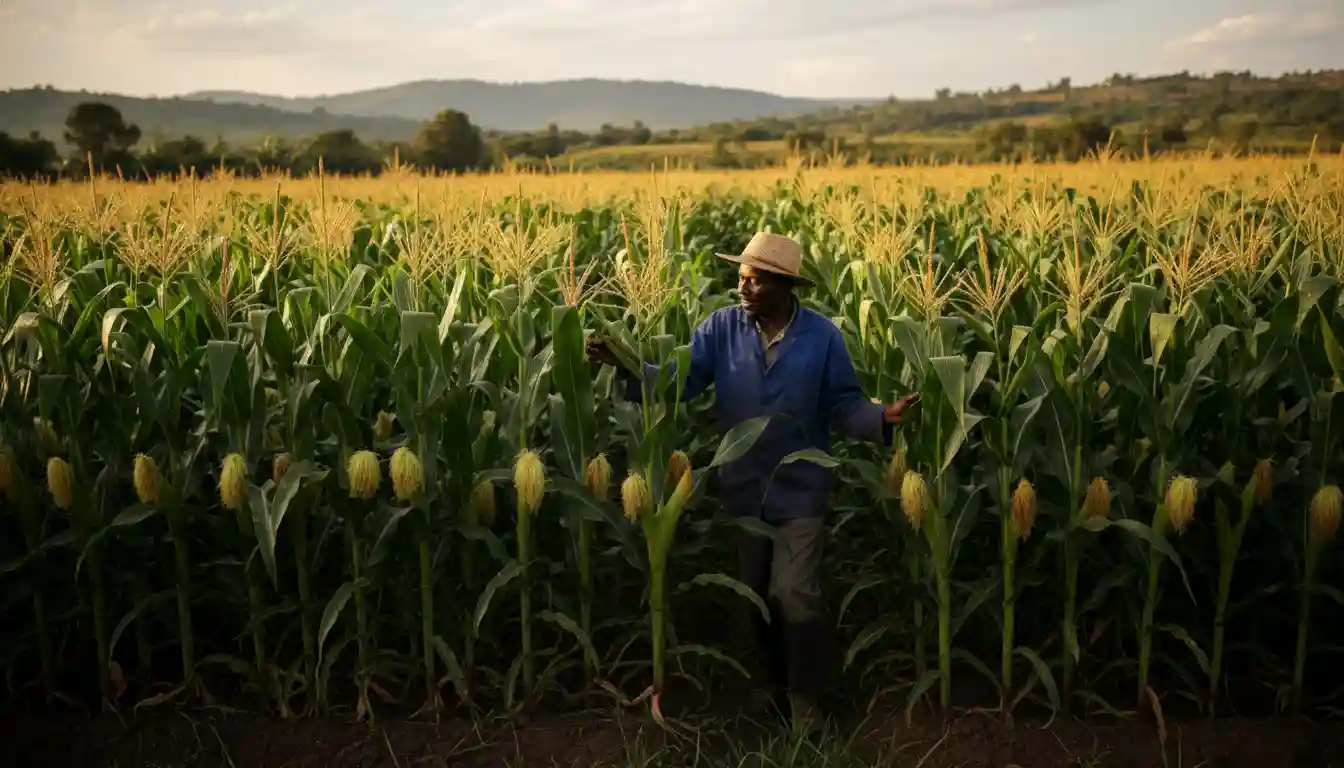
Popular Maize Varieties and Prices
Choosing the right variety is the difference between harvesting 30 bags or a disappointing 10 bags per acre. The prices for all the following varieties remain uniform under the company pricing structure. You will pay KES 260 for 1kg, KES 525 for 2kg, KES 2,625 for 10kg, and KES 6,560 for 25kg.
H614
This is the undeniable king of the highlands. If you farm in areas like Kitale, Uasin Gishu, or parts of Narok, H614 is perfectly built for you. It thrives at high altitudes between 1,500m and 2,100m while requiring a long and steady rainy season.
The maturity period spans 6 to 7 months. While it takes longer in the field, the yield potential is massive. It often rewards good agronomic practices with up to 40 bags per acre.
H6213
For farmers seeking the absolute highest yields in high-altitude zones, H6213 is the premium choice. It is a late-maturing hybrid that excels in high rainfall areas like the tea zones of Kericho and the slopes of Mt. Kenya. With optimal fertilizer application, H6213 can push yields up to 52 bags per acre.
Read Also: Fake Seeds in Kenya 2026: How to Spot Counterfeit Seed Before You Plant and Protect Your Harvest
It stands incredibly strong against lodging, meaning it will not easily fall over in heavy winds. It also resists common leaf diseases exceptionally well.
H513
Moving away from the extreme highlands, H513 is a mid-altitude champion. It performs exceptionally well in transitional zones like Machakos, lower Embu, and parts of the Rift Valley. It is an early-to-medium maturing variety typically ready in 4 to 5 months.
Because it matures faster, it helps farmers beat erratic rainfall patterns and dry spells. The yield potential averages 20 to 25 bags per acre.
H520
Similar to H513, the H520 variety is tailored for the mid-altitude and transitional ecologies. What sets it apart is its excellent flint grain quality, making it highly resistant to post-harvest weevil attacks. Farmers love H520 because it creates heavy, dense bags of harvested grain.
It yields around 25 to 30 bags per acre under standard management. It also handles short dry spells much better than the 600-series varieties.
H6210
This is a robust highland variety that competes closely with H614 in productivity. It is known for its excellent double-cobbing characteristic. If spacing is done perfectly and top-dressing is applied on time, a huge percentage of the stalks will produce two large cobs.
It requires reliable, continuous rainfall to reach its full potential. You can expect it to mature fully in about 6 months.
Grass and Pasture Seed Prices in Kenya
Grass and pasture seeds are highly sought after by livestock farmers. Boma Rhodes costs roughly KES 1,800 per kg, Columbus grass is around KES 800 per kg, and Sudan grass is priced similarly to help dairy farmers establish high-protein fodder fields.
Farmers with livestock search this heavily because commercial feeds have become unsustainably expensive. Establishing your own fodder bank is the most reliable way to increase milk production without draining your bank account. Kenya Seed Company provides several highly productive pasture options for this exact purpose.
Boma Rhodes
Boma Rhodes is the gold standard for hay production in Kenya. The seed retails at approximately KES 1,800 for a 1kg packet. You only need about 5 to 6 kilos to plant an entire acre.
It establishes a thick, soft herbage that is incredibly palatable for dairy cows. Once established, a single acre can produce up to 400 bales per harvest. With a bale selling for KES 250 to KES 400 depending on the season, Boma Rhodes is a highly profitable cash crop.
Sudan Grass
For farmers in slightly drier areas where Boma Rhodes might struggle, Sudan grass is an aggressive, fast-growing alternative. It is highly drought-tolerant and recovers very quickly after cutting or grazing. Sudan grass seeds generally cost between KES 800 and KES 1,000 per kg, providing excellent bulk for silage making.
Napier Options
Napier grass is typically propagated using cuttings rather than seeds. However, Kenya Seed Company and KALRO often provide improved Napier varieties like Kakamega 1 and French Cameroon through their research centers. These improved varieties resist Napier stunt disease and offer much higher crude protein content compared to local indigenous varieties.
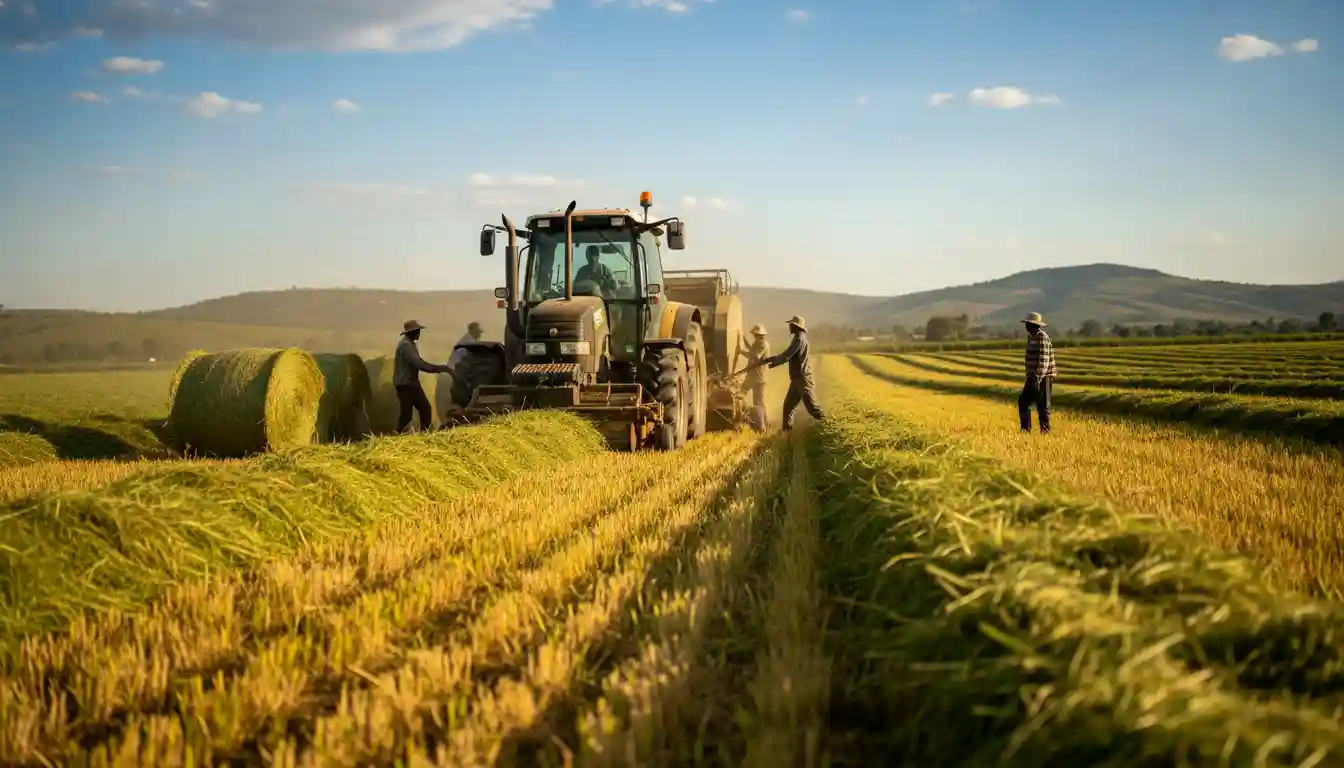
Bean and Legume Seed Prices in Kenya
Kenya Seed Company offers top-performing bean seeds for roughly KES 350 to KES 400 per kg. Popular varieties include Rosecoco, Canadian Wonder, and Mwitemania, all designed for high yields and fast maturity.
Read Also: Kenya Long Rains 2026: The Ultimate March Planting Guide (Weather, Seeds, and Fertilizer Prices)
Legumes are vital for crop rotation and soil nutrition because they fix nitrogen naturally. Whether you are intercropping them with your maize or planting a pure stand, buying certified bean seeds prevents poor germination rates. Market-bought grains often fail in the field, making certified seeds a much smarter investment.
Rosecoco (GLP 2)
This is the most popular commercial bean in Kenya due to its rich, thick stewing quality. The seeds cost around KES 700 to KES 800 for a 2kg packet. Rosecoco matures in 85 to 90 days and performs best in medium to high rainfall areas.
Under good management, a pure stand can yield 8 to 10 bags per acre. It has an incredibly high market demand across all counties.
Canadian Wonder (GLP 24)
Canadian Wonder is a large, dark-red kidney bean highly preferred by institutions and boarding schools. This makes it a fantastic bulk cash crop for commercial farmers. It matures slightly faster, taking about 75 to 85 days to reach harvest.
The yield potential is robust, pushing 7 to 9 bags per acre. It requires well-drained soils and is quite sensitive to excessive waterlogging.
Mwitemania (GLP 92)
If you farm in a semi-arid region or expect depressed rainfall, Mwitemania is your best bet. This speckled bean is incredibly drought-tolerant and matures in just 70 to 80 days. This fast growth allows you to harvest safely before the dry season peaks.
Yield potential typically ranges between 6 and 8 bags per acre. It ensures vital food security even when seasonal rains fail early.
Vegetable Seed Prices in Kenya (Tomato, Onion, Sukuma)
Vegetable seeds are primarily distributed through Simlaw Seeds, a subsidiary. A 50g tin of Sukuma Wiki costs KES 200 to KES 250, 50g of Tomatoes cost KES 350 to KES 450, and 100g of Onions cost KES 700 to KES 850.
Even if Kenya Seed Company is predominantly known for maize and pasture, its subsidiary, Simlaw Seeds, controls a massive portion of the horticultural market. Including these in your farm plan is a great way to generate quick cash flow. They help you cover daily labor expenses while waiting for your main maize crop to mature.
Tomatoes
Simlaw offers hardy, open-pollinated varieties like Rio Grande and Cal J. A 50g tin generally costs between KES 350 and KES 450. These varieties are highly favored by beginners because they have thick skins, making them excellent for transport on rough rural roads.
They are also highly resistant to blossom end rot. This makes field management much easier for new farmers lacking greenhouse setups.
Onions
Red Creole is the flagship onion variety under the Simlaw brand. A 100g tin will set you back about KES 700 to KES 850. Red Creole produces medium-sized, pungent red bulbs that have an incredibly long shelf life.
This long shelf life means you can harvest and hold onto your crop for a few months. You can simply wait until market prices improve before selling off your inventory.
Sukuma Wiki
You cannot talk about Kenyan farming without mentioning collard greens. The Thousand Headed and Georgia varieties are absolute staples on small farms. A 50g packet costs as little as KES 200 to KES 250.
Sukuma wiki is a fast and reliable earner. You can start harvesting lower leaves within 60 days of transplanting, providing steady weekly income.
Where to Buy Kenya Seed Company Seeds in Kenya
Genuine seeds can be purchased directly from official branches in Kitale, Eldoret, Nakuru, and Nairobi. For rural farmers, always look for licensed agrovets displaying official stockist certificates.
One of the biggest mistakes a beginner farmer can make is buying inputs from unlicensed street vendors or unverified back-alley shops. You must source your seeds from trusted locations to guarantee high germination rates. The safest place to buy is directly from Kenya Seed Company branches.
The headquarters is located in Kitale, the heart of the national grain basket. They also have major distribution hubs in Eldoret, Nakuru, Kakamega, and Nairobi along Kijabe Street. For farmers living far from these major towns, you must buy from authorized agrovets.
Most reputable rural agrovets act as official stockists for the company. When walking into a shop, look for an official Kenya Seed Company or Simlaw Seeds stockist certificate displayed on the wall. Avoid buying seeds from open sacks or unsealed, dirty containers.
If the packaging looks faded, glued together, or re-stitched, walk away immediately. Fake seeds will cost you an entire season of labor, fertilizer, and valuable time.
How to Identify Genuine Kenya Seed Company Products
Verify genuine seeds by looking for the KEPHIS sticker on the package. Scratch the hidden panel to reveal a unique code, then text that code to 1393 for an instant confirmation message.
This is your ultimate defense against rampant agricultural fraud. Counterfeiters have become extremely skilled at printing fake packaging, but they cannot replicate the national certification systems. Every certified seed packet sold in Kenya must carry a Kenya Plant Health Inspectorate Service (KEPHIS) label.
This label has a scratch-off section, similar to a mobile airtime scratch card. Once you scratch it, a unique verification code is revealed. You simply text this code to the shortcode provided on the sticker, which is usually 1393.
Within seconds, you will receive an SMS confirming the company name, the variety, and the batch number. If the SMS says the code is invalid or has already been used, you are holding a fake packet. Furthermore, inspect the physical packaging for high-quality, vibrant printing and perfect machine seals.

Factors Affecting Seed Prices in Kenya (2026)
Seed prices in 2026 are heavily influenced by government subsidies, national inflation, production costs at the research level, and seasonal demand spikes during the long rains.
Why do seed prices fluctuate, and how did we get to the current 2026 pricing? Understanding the market helps you plan your purchases better. First, government policy is the biggest driver of the final retail price.
In late 2024, inflation and rising production costs forced the company to hike prices, causing a massive uproar among farmers. To secure national food security, the state introduced a KES 2 billion subsidy in March 2026. This bold intervention successfully forced prices back down to affordable levels.
Read Also: How to Find a Trusted Agrovet Near Me in Kenya (2026 Guide to Genuine Farming Inputs)
Second, the basic laws of demand and supply dictate seasonal market behavior. During the onset of the long rains from March to May, the demand for seeds skyrockets. While official prices remain fixed, some unscrupulous middlemen try to create artificial shortages to hike retail prices in remote villages.
To avoid this seasonal tax, smart farmers purchase their seeds in late January or February. Lastly, general economic inflation impacts logistics, causing minor transport markups at deep rural agrovets.
Best Kenya Seed Company Varieties for Different Regions
For the highlands, H614 and H6213 are the best yielders. In the midlands, H513 and H520 offer reliable maturity and disease resistance. For the dry lowlands, DH04 and PH1 are drought-tolerant champions.
Kenya’s diverse geography means a seed that works miracles in Bomet might completely fail in Kitui. You must match the seed to your specific agro-ecological zone. Planting the wrong variety guarantees massive crop failure regardless of your fertilizer usage.
The Highlands (High Altitude and High Rainfall)
Regions like Trans Nzoia, Uasin Gishu, Nandi, and the slopes of Mt. Kenya require the 600-series. The H614, H6213, and H6210 are undisputed champions here. They take 6 to 7 months to mature but maximize the long rainy seasons to produce massive cobs.
The Midlands (Medium Altitude and Moderate Rainfall)
If you are farming in areas like Nakuru, lower Kakamega, Machakos, or Embu, you need the 500-series. Varieties like H513, H515, and H520 are perfect for these zones. They mature in 4 to 5 months, making them fast enough to avoid late-season dry spells while yielding 20 to 30 bags per acre.
The Lowlands (Dry, Hot and Marginal Rainfall)
For farmers in the coastal belt, lower Eastern areas like Kitui, and parts of the northern rift, moisture is a luxury. You cannot risk planting late-maturing varieties here. The Dryland Hybrids, commonly known as the DH series, are essential.
DH04 and Pwani Hybrid 1 (PH1) are bred to mature extremely fast within 90 to 120 days. They tolerate intense heat exceptionally well. These varieties prioritize survival and early grain filling over tall stalk growth.
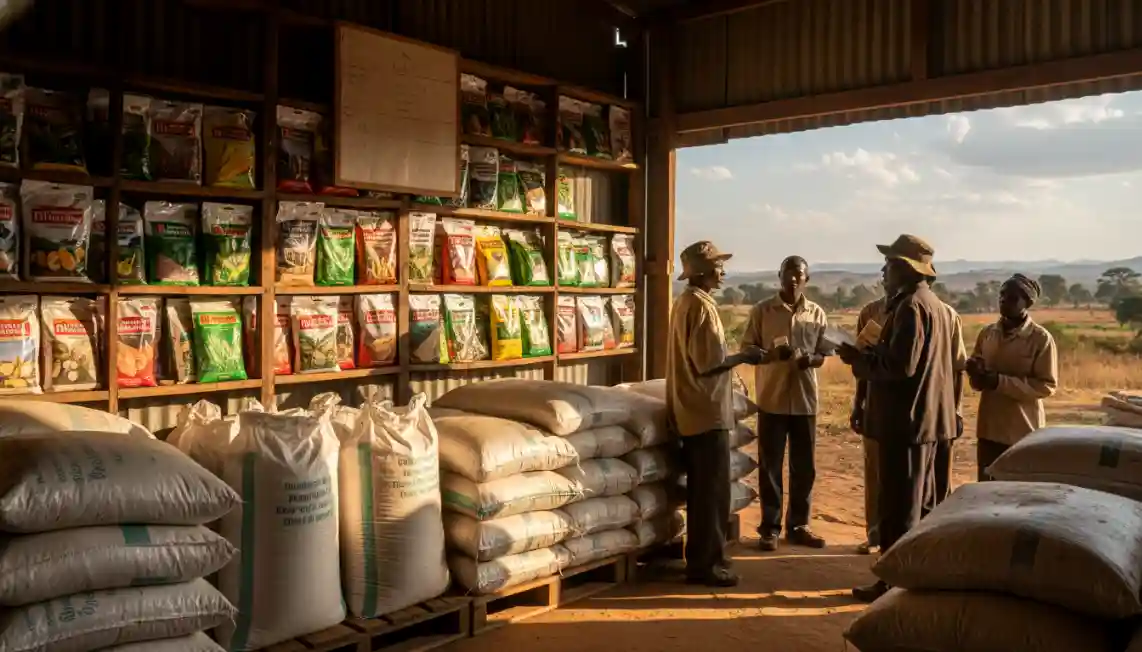
Kenya Seed Company vs Other Seed Companies in Kenya
Kenya Seed Company dominates the market with affordable, reliable maize varieties. Competitors like East African Seed focus on premium hybrids, while Simlaw leads in the vegetable seed sector.
While Kenya Seed Company controls roughly 70 percent of the national maize seed market, it is not the only player in the field. Knowing how it compares to competitors helps you make an informed business decision. You can explore other brands if you have specific regional needs or greenhouse setups.
Simlaw Seeds
Many farmers think of Simlaw as a competitor, but it is actually a subsidiary of Kenya Seed Company. While the parent company focuses heavily on cereals and pasture, Simlaw is dedicated entirely to horticulture. They are the undisputed market leaders in cabbage, tomato, and onion seeds.
East African Seed
East African Seed is a strong private competitor in the region. They are known for premium vegetable seeds and excellent short-season maize varieties. While their seeds can sometimes be slightly more expensive than subsidized parastatal rates, many commercial farmers praise their high germination rates.
Other notable mentions include Pannar and Seed Co, which have introduced highly competitive private hybrids. However, Kenya Seed Company remains the dominant force nationwide. Their parastatal pricing strategy ensures seeds remain highly accessible to the average smallholder farmer.
Risks & Reality Check: Is Farming Worth It in 2026?
Farming in 2026 is a delicate balancing act of smart input management and weather reading. With the government capping fertilizer at KES 2,500 and returning maize seed prices to KES 525 for 2kg, the baseline cost of production has significantly lowered. However, market gluts during harvest time remain a major risk that can crash maize prices.
Here are the hard truths about agricultural investments and crop failure. Cheap inputs absolutely do not replace poor farm management. If you buy the best H6213 seed but fail to weed on time or skip top-dressing, your yields will still collapse.
Farming is only worth the investment if you treat it as a strict business. Keep your receipts, track your daily labor costs, and utilize the government e-voucher systems for subsidies. Always verify your seed packets via KEPHIS to avoid total crop failure from counterfeit seeds.
Recommended Fertilizers for Kenya Seed Company Varieties
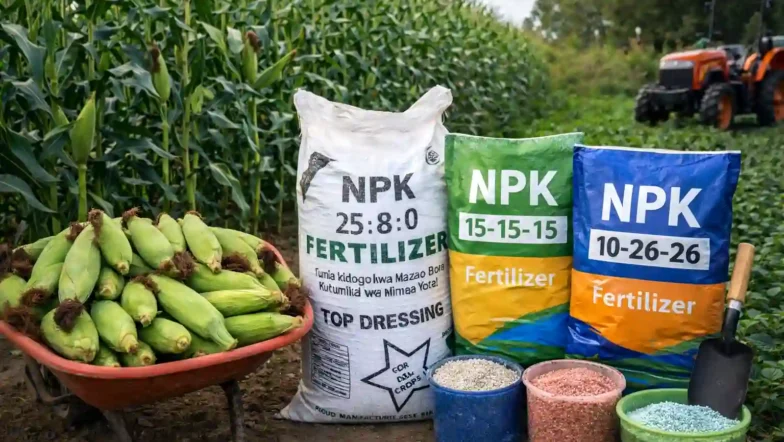
To achieve maximum yields, pair your seeds with DAP or NPK during planting. Follow up with CAN at the knee-high stage and Urea at the tasseling stage for strong, heavy cobs.
Even the best hybrid seeds will fail without proper soil nutrition. Pairing Kenya Seed Company varieties with the right fertilizer is mandatory for optimal yields. The government has capped standard fertilizers at KES 2,500 per 50kg bag, making crop nutrition highly affordable in 2026.
Below is a comparison table of the recommended fertilizers for your maize crop. It breaks down the exact type of nutrition your seeds need at different growth stages.
| Growth Stage | Recommended Fertilizer | Primary Purpose | Application Rate |
|---|---|---|---|
| Planting Stage | DAP or NPK (23:23:0) | Strong root development and early seedling vigor | 50kg per acre |
| Top Dressing 1 | CAN (Calcium Ammonium Nitrate) | Boosting leaf growth and overall stalk strength | 50kg per acre (knee-high stage) |
| Top Dressing 2 | Urea | Maximizing grain filling and expanding cob size | 50kg per acre (tasseling stage) |
Always ensure you test your soils before applying DAP, as continuous use can increase soil acidity over time. If your soils are already acidic, agricultural experts highly recommend switching to NPK. Proper top-dressing at the knee-high stage guarantees that your seeds reach their maximum genetic yield potential.
Conclusion: Securing Your 2026 Harvest
The 2026 planting season represents a turning point for Kenyan farmers. With the government’s KES 2 billion subsidy successfully lowering the cost of certified maize seeds to KES 525 for a 2kg packet, the barrier to high-quality inputs has never been lower. By choosing the right hybrid for your specific region—whether it is the highland champion H6213 or the mid-altitude reliable H520—you are setting the foundation for a record-breaking yield.
However, success in the field goes beyond just the purchase. Protecting your investment means remaining vigilant against counterfeit products by using the KEPHIS SMS verification (1393) and ensuring your soil is properly nourished with subsidized fertilizers. As you head into this season, remember that professional farming is a business of precision. By following the updated price list and sourcing from authorized dealers, you are not just planting seeds; you are growing the future of your farm and the nation’s food security.
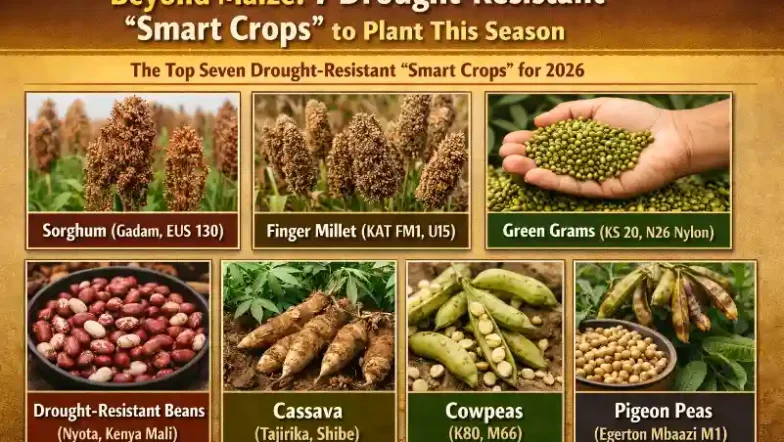
Read Also: Beyond Maize: 7 Drought-Resistant “Smart Crops” to Plant This Season
Quick Checklist for the 2026 Season:
- Verify Prices: Ensure you pay the subsidized rate (KES 525 for 2kg maize).
- Check Authenticity: Scratch the KEPHIS label and text the code to 1393.
- Match Variety to Region: Use 600-series for highlands and 500-series for midlands.
- Buy from Authorized Dealers: Visit official Kenya Seed branches or certified agrovets.
Farmers Also Ask (FAQs)
How much is maize seed at Kenya Seed Company in 2026?
Following the March 2026 government subsidy, standard hybrid maize seeds cost KES 260 for 1kg. This price adjustment makes quality seeds highly affordable for smallholder farmers.
What is the price of 2kg, 10kg, and 25kg maize seeds in Kenya?
The subsidized 2026 prices are KES 525 for a 2kg packet, KES 2,625 for a 10kg bag, and KES 6,560 for a 25kg bag. These rates apply to most standard hybrid maize varieties.
How much does DK 777 maize seed yield per acre in Kenya?
Under excellent agronomic management, DK 777 has a high yield potential of 40 to 44 bags per acre. This equates to roughly 8 to 10 tons per hectare.
What is the price of DK 777 maize seed in Kenya in 2026?
DK 777 is a premium private hybrid, not a Kenya Seed parastatal brand. A 2kg packet typically retails for about KES 1,200 to KES 1,300 depending on the specific agrovet location.
Which Kenya Seed Company maize variety has the highest yield?
H6213 is the highest yielder. It is capable of producing up to 52 bags per acre in high-altitude, high-rainfall regions when provided with optimal fertilizer and care.
Where can I buy genuine Kenya Seed Company seeds in Kenya?
You can buy genuine seeds at official company branches in Kitale, Nairobi, Nakuru, and Eldoret. You can also purchase them from certified and authorized local agrovets.
Does Kenya Seed Company have an official price list PDF for 2026?
They do not consistently provide a direct PDF download online. However, official gazetted prices are posted clearly on notice boards at all authorized branches countrywide.
Where are Kenya Seed Company branches located in Kenya?
The main headquarters is located in Kitale. They also operate major regional distribution branches in Nairobi along Kijabe Street, Nakuru, Eldoret, and Kakamega.
Does Kenya Seed Company sell seeds online in Kenya?
Yes, their seeds are available online through authorized digital agricultural platforms like AgriJibu. You can also order vegetable seeds via the official Simlaw Seeds portal.
What is the price of bean seeds from Kenya Seed Company in 2026?
Certified bean seeds like Rosecoco and Mwitemania generally cost between KES 700 and KES 800 for a 2kg packet. This translates to about KES 350 to KES 400 per kilogram.
Are Kenya Seed Company seeds certified?
Yes, all genuine Kenya Seed Company seeds are fully certified. They carry an official KEPHIS sticker with a scratch-off code to verify authenticity via SMS verification.