
Table of Contents
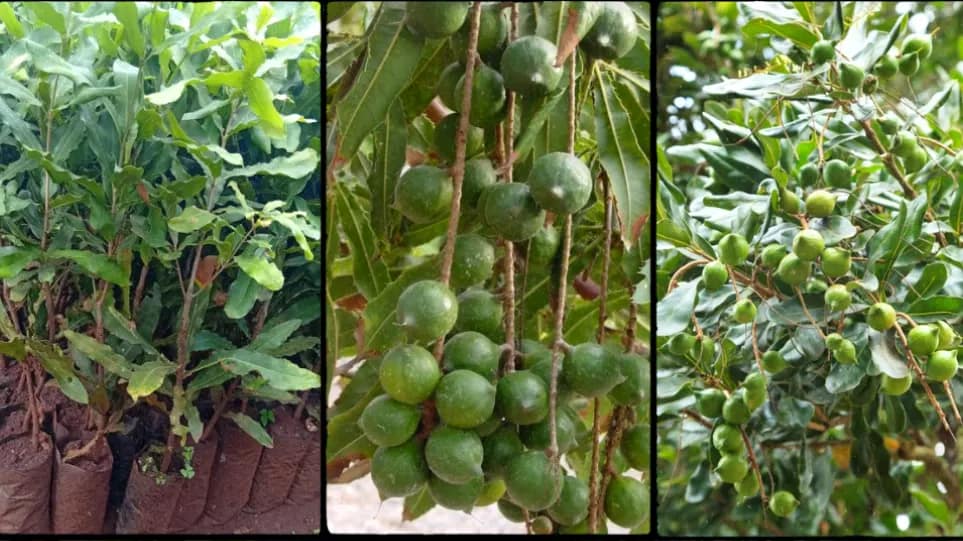
The Kenyan macadamia industry is witnessing a massive “rebound year” in 2026. Following the government’s strategic intervention to stabilize the sector, macadamia has reclaimed its spot as one of the most profitable “gold-mine” crops for small and large-scale farmers alike. The chaotic price wars of the past have settled, paving the way for a more structured and lucrative market.
Farmers who abandoned their orchards during the slump are now rushing to rehabilitate them. New investors are also entering the space, drawn by the promise of high export demand and standardized pricing models. This guide serves as your comprehensive blueprint for capitalizing on this resurgence.
We will cover everything from the specific grafted varieties you must plant to the exact month you should harvest. We will also analyze the financial returns per acre to help you plan your agribusiness investment. Welcome to the new era of macadamia farming in Kenya.
What Are the Current Market Prices for Macadamia in Kenya (2026)?
In 2026, the farm-gate price for raw, in-shell macadamia nuts has stabilized between KSh 130 and KSh 150 per kilogram. Processed kernels in urban retail centers fetch significantly higher amounts, ranging from KSh 1,800 to KSh 2,500 per kilogram. These prices are enforced through stricter AFA regulations to prevent the exploitation of farmers by brokers.
The price volatility of previous years has stabilized thanks to minimum farm-gate price regulations enacted by the government. In the past, brokers would take advantage of fragmented markets to offer as little as KSh 50 per kilo. In 2026, the Agriculture and Food Authority (AFA) has stepped in to ensure fair play.
Read Also: Hass Avocado in Kenya: Price, Seedlings, Varieties & Where to Buy
Farmers are now empowered to reject low offers. The establishment of localized collection centers has forced buyers to compete transparently. This competition is driving the average price closer to the KSh 150 mark for high-quality, pest-free nuts.
It is important to note that these prices apply to mature nuts only. A temporary trade suspension is often active between December and February. This ban ensures that only mature, high-quality nuts reach the export market, protecting Kenya’s global reputation.
Retail prices tell a different story of immense value addition. In supermarkets across Nairobi and Mombasa, 500g packets of roasted macadamia often sell for over KSh 1,000. This indicates a massive profit margin for those who can process and package their own produce.
Which Kenyan Counties Offer the Best Yields? (Module A)
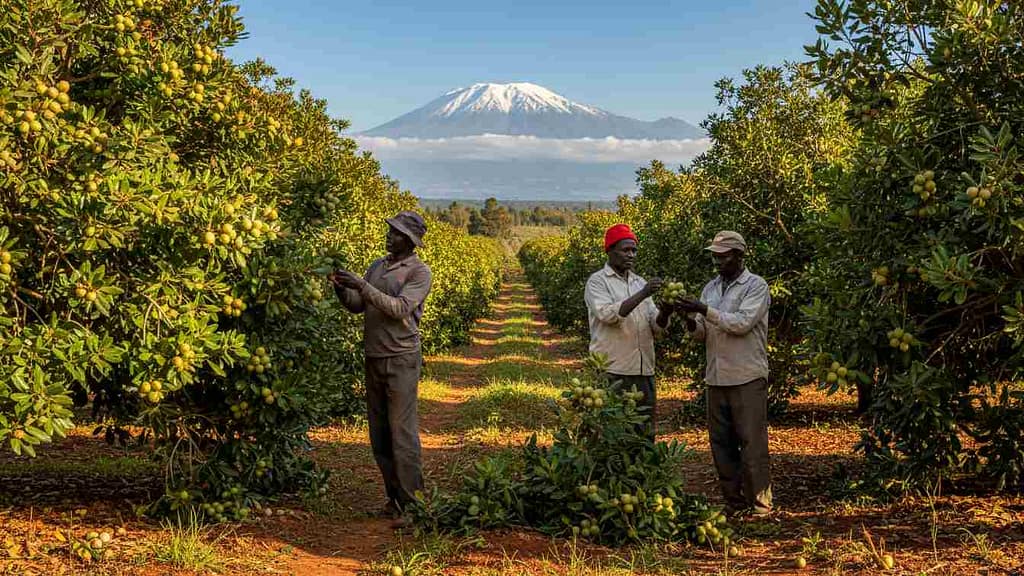
The “Macadamia Belt” of Kenya includes Murang’a, Kiambu, Meru, Nyeri, and Embu. These counties offer the ideal mix of volcanic soil and altitude. However, emerging regions like Uasin Gishu, Bungoma, and Trans Nzoia are proving to be highly productive frontiers for large-scale farming.
1. Murang’a County: The Traditional Powerhouse
Murang’a remains the undisputed leader in macadamia production. The county benefits from deep, well-drained volcanic soils that are rich in organic matter. The altitude, ranging from 1,500m to 1,900m, provides the cool climate necessary for high oil accumulation in the nuts.
Farmers in this region have a long history with the crop. They have established robust cooperative societies that negotiate better prices with major processors like Jungle Nuts. However, land fragmentation is a challenge, pushing farmers toward intensive farming techniques.
2. Meru County: The Volume Leader
Meru produces the highest aggregate volume of nuts in the country due to its vast land sizes. The region typically experiences slightly warmer temperatures than Central Kenya. This climatic difference often accelerates maturity, allowing Meru farmers to hit the market weeks before others.
Water management is critical here. Farmers investing in drip irrigation systems from providers like Amiran Kenya are seeing yields 30% higher than rain-fed farms. The county is also home to several new processing factories, reducing transport costs for farmers.
3. Kiambu County: The Innovation Hub
Kiambu is known for its adoption of modern agricultural technology. Farmers here are quick to adopt new grafted varieties like KRG-15. Being close to Nairobi, they also have easier access to value-addition markets and export logistics.
Read Also: Pixie Orange Farming in Kenya 2026: Complete Guide to Seedlings, Costs and Profit per Acre
4. The Emerging Frontier: Uasin Gishu and Bungoma
Traditionally known for maize, Uasin Gishu is rapidly diversifying. The decline in maize profitability has pushed large-scale farmers to plant macadamia orchards. The cool climate is perfect for the crop, and the large tracts of land allow for mechanization that isn’t possible in Central Kenya.
Which Macadamia Varieties Should You Plant for Profit?
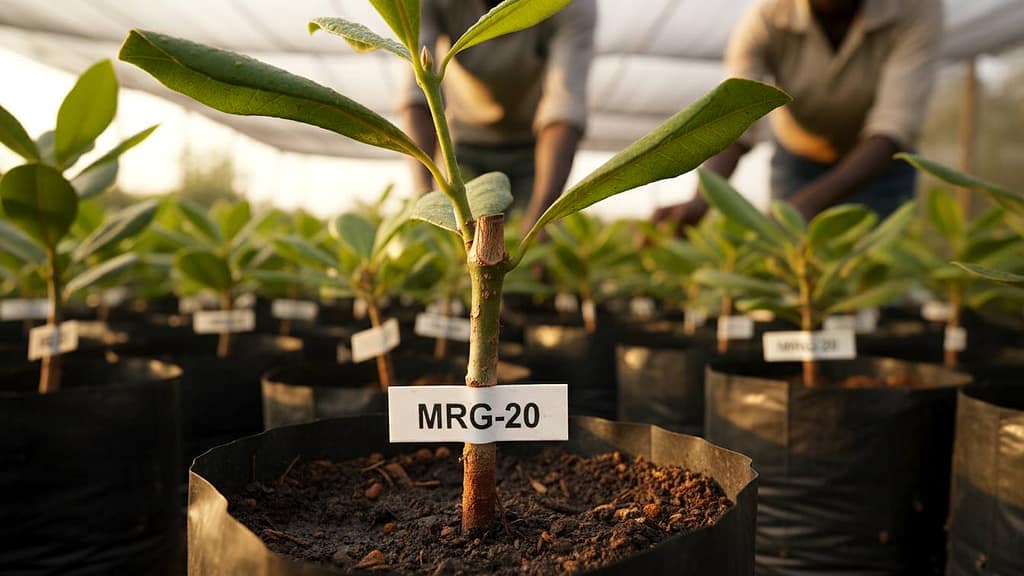
To maximize ROI, avoid indigenous seeds and plant grafted varieties. The top performers for 2026 are Murang’a 20 (MRG-20), Kiambu 15 (KRG-15), and Embu 29 (EMU-29). These varieties mature in 3-4 years, are resistant to pests, and offer high kernel recovery ratios.
The Shift to Grafting
In 2026, planting un-grafted seedlings is an economic suicide mission. Traditional trees take over 7 years to fruit and grow too tall for easy harvesting. Grafted seedlings, however, begin fruiting in just 3 to 4 years.
Grafting also ensures genetic consistency. Every tree in your orchard will produce nuts of the same size and quality. This uniformity is crucial when selling to processors who use automated cracking machines.
Top Variety: Murang’a 20 (MRG-20)
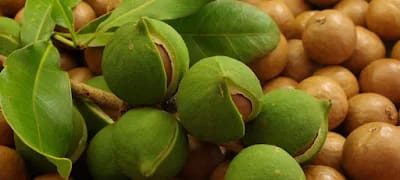
This variety is the “King” of the 2026 season. It is celebrated for its drought tolerance, making it suitable for areas with erratic rainfall. MRG-20 has a high kernel recovery, meaning the shell is thinner and the edible nut is larger.
Top Variety: Kiambu 15 (KRG-15)
KRG-15 is favored for its compact growth habit. This allows for slightly higher planting densities per acre. It is a prolific bearer and responds very well to fertilizer applications.
Sourcing Your Seedlings
You must source clean, certified seedlings. Reputable bodies like KALRO (Kenya Agricultural and Livestock Research Organization) are the gold standard. Private nurseries licensed by KEPHIS are also safe bets, but avoid roadside sellers whose scions may be of unknown origin.
What Does a Successful 12-Month Farming Schedule Look Like? (Module B)
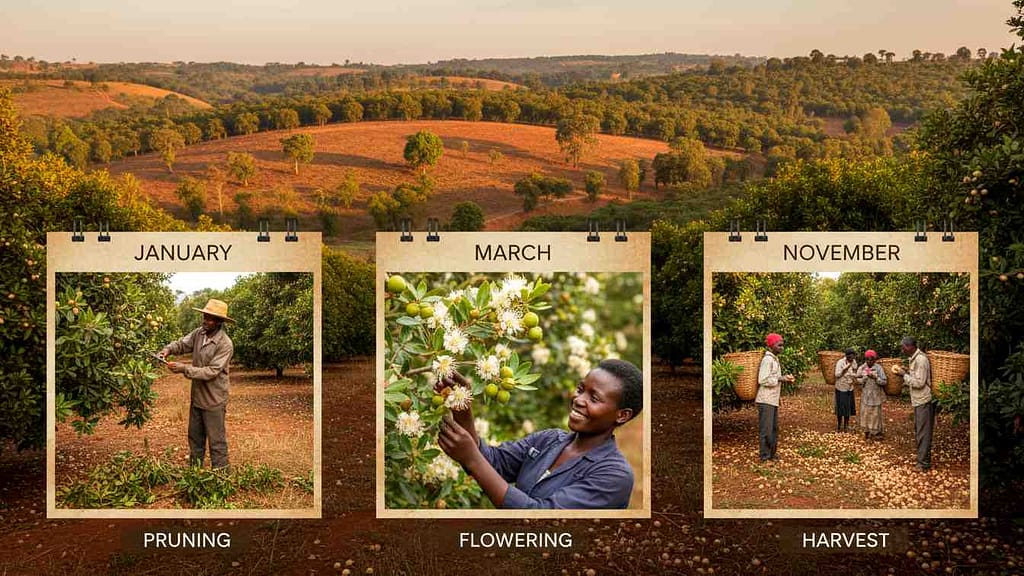
Success requires a strict calendar. January-March is for harvesting and pruning. April-August focuses on flowering and pest control. September-December is the maturation and main harvest phase. Adhering to this prevents crop loss to pests like the Nut Borer.
January – February: Sanitation and Pruning
This period usually marks the end of the previous season’s harvest. Your primary task is field hygiene. Remove all old nuts from the ground to starve pests like the Macadamia Nut Borer.
Prune your trees to open up the canopy. This allows sunlight to penetrate, which is essential for the next flowering cycle. Apply well-decomposed manure now to give the trees a nutrient boost before the rains.
March – April: Flowering and Fertilization
The long rains trigger massive flowering. This is a critical time for pollination. Do not spray harsh insecticides that could kill bees.
Apply foliar sprays containing Boron and Zinc. These micronutrients are vital for fruit set and preventing flower abortion. Top-dress with nitrogen-rich fertilizers like CAN to support vegetative growth.
May – July: Nut Development and Protection
The nuts are now forming and are soft. This makes them highly susceptible to sucking pests like stink bugs. Scout your orchard weekly for signs of damage.
If you spot pests, use recommended insecticides from stockists like Simlaw Seeds. Ensure you strictly observe pre-harvest intervals (PHI). This is also an excellent time to plant intercrops like beans.
August – October: Oil Formation
The shells begin to harden, and the kernel starts accumulating oil. Water stress during this phase leads to immature “blighted” nuts. If the rains fail, supplemental irrigation is mandatory.
Avoid heavy nitrogen application now, as it can delay maturity. Instead, focus on maintaining soil moisture through mulching. Prepare your drying racks and ensure your storage areas are clean.
November – December: The Main Harvest
Harvesting begins in earnest. Only pick nuts that have fallen naturally or shake branches very gently. Never beat the trees with sticks, as this damages future flower buds.
De-husk the nuts within 24 hours of harvest. This prevents the green husk from heating up and fermenting the nut inside. Store the de-husked nuts on raised wire racks in a well-ventilated shed.
How Much Capital Do You Need and What Are the Returns? (Module C)
Establishing one acre requires approximately KSh 40,000 to KSh 70,000. A mature acre (Year 5+) can generate a gross income of KSh 600,000 to KSh 1.2 Million annually. The break-even point is typically reached in year 4 using grafted varieties.
Initial Investment Breakdown
Starting a macadamia farm is capital intensive but manageable. The biggest costs are land preparation and seedlings. A spacing of 8m x 8m accommodates roughly 70 to 80 trees per acre.
| Expense Item | Estimated Cost (KSh) | Notes |
|---|---|---|
| Land Preparation | 15,000 | Ploughing and hole digging |
| Certified Seedlings (80 trees) | 28,000 | @ KSh 350 per seedling |
| Manure & Fertilizers | 12,000 | DAP and organic manure |
| Labor (Planting) | 10,000 | Planting and initial watering |
| Contingency | 5,000 | Transport and miscellany |
| Total Initial Capital | 70,000 | Excludes land purchase |
Projected Returns Per Acre
The magic happens from year 5 onwards. A well-managed grafted tree can produce between 70kg and 80kg of nuts per year. With 80 trees, your total yield is roughly 5,600kg.
At a conservative farm-gate price of KSh 140 per kg, the gross revenue is KSh 784,000. If you value-add or export directly, prices can double. Deducting annual maintenance costs of about KSh 100,000 leaves a very healthy net profit.
Intercropping for Early Cash Flow
You don’t have to wait 4 years to earn money. In 2026, smart farmers are intercropping macadamia with Arabica coffee. Research shows this combination can increase land profitability by over 170%.
Beans, peas, and potatoes are also excellent short-term intercrops. They provide cash every 3 months and help cover the weeding and fertilizer costs of the main macadamia crop. This strategy de-risks the investment significantly.
Why Is Global Demand for Kenyan Macadamia Skyrocketing?
The global +900% search growth is driven by health-conscious consumers. Macadamia is now a “Superfood” staple in Keto and Paleo diets due to its high healthy fat content. Additionally, the cosmetic industry is aggressively buying macadamia oil for anti-aging products.
Heart Health and Cholesterol
Macadamia nuts have the highest levels of monounsaturated fats of any commercial nut. These “good fats” are proven to lower LDL (bad) cholesterol. This makes them a favorite recommendation by cardiologists in Western markets.
The Keto and Paleo Revolution
The ketogenic diet focuses on low carbs and high fats. Macadamia nuts fit this profile perfectly. They are becoming the number one snack for the growing Keto community in Kenya and abroad.
Cosmetic Applications
Rich in palmitoleic acid (Omega-7), macadamia oil mimics the skin’s natural sebum. High-end cosmetic brands are using Kenyan macadamia oil in anti-aging creams and hair products. This has created a market for “industrial grade” nuts that may not look pretty enough for snacking but are perfect for oil extraction.
How Do You Navigate the Supply Chain and Value Addition? (Module E)
To maximize profit, bypass brokers by joining a Cooperative. Value addition starts at the farm: de-husking and drying nuts to 10% moisture increases their value. Selling directly to processors like Sasini or Lote Macadamia via contract farming is the safest route.
The Problem with Brokers
Middlemen are notorious for manipulating weighing scales and offering below-market prices. In 2026, digital platforms and farmer cooperatives are your best defense. By aggregating your produce with neighbors, you can attract major buyers who only deal in bulk.
On-Farm Processing
Value addition doesn’t require a factory. Simple steps like removing the green husk immediately add value. Buyers penalize farmers for delivering nuts with husks because it increases transport weight and risk of rot.
Read Also: 10 Most Profitable Farming Ventures in Kenya for 2026
Invest in a simple wire-mesh drying rack. Air-drying your nuts for two weeks reduces moisture content. Processors pay a premium for dry nuts because they are ready for cracking and have a longer shelf life.
The Organic Opportunity
There is a 900% increase in demand for organic macadamias in Europe (Netherlands and Germany). Farmers using organic fertilizers, such as those derived from Black Soldier Fly larvae, are fetching premium prices. While certification takes time, the long-term price benefits are undeniable.
2026 Outlook: Is Macadamia Farming Worth It?
Yes. The 2026 outlook is overwhelmingly positive due to price stabilization and diversified export markets (China, USA, EU). The crop is resilient, supports retirement planning, and offers carbon credit opportunities through agroforestry integration.
As we look at the agricultural landscape of 2026, macadamia farming stands out as a resilient venture. The stabilization of prices guarantees a hungry market for your produce. The entry of new buyers from China has broken the monopoly of traditional European buyers.
However, success is not automatic. It belongs to the farmer who treats their orchard like a business. This means investing in grafted seedlings, managing water, and aggregating with others.
Read Also: Coconut Farming in Kenya: Step by Step Guide, Best Varieties and Profit Tips
If you have the patience to wait 3 to 4 years for your first major harvest, macadamia farming is one of the best retirement plans available. The trees can produce for over 40 years, providing a lifetime of income.
FAQ: Troubleshooting Your Macadamia Farm
1. Can I intercrop coffee and macadamia nuts?
Yes, this is highly recommended in 2026. Coffee and macadamia have a symbiotic relationship. The macadamia trees provide essential shade for the coffee, protecting it from scorch, while the coffee provides cash flow while you wait for the macadamia to mature.
2. People Also Ask: What is the best spacing for macadamia trees?
For grafted varieties, the standard spacing is 7.5m by 7.5m or 8m by 8m. This allows for about 70 to 80 trees per acre. Avoid spacing them too close, as the canopies will eventually lock, reducing sunlight penetration and lowering production.
3. Why do my macadamia nuts drop prematurely?
Premature nut drop is usually caused by water stress or pest infestation. If the tree feels dehydrated, it sheds nuts to survive. Ensure you mulch heavily and irrigate during dry spells, and scout for stink bugs regularly.
4. How do I know when macadamia nuts are ready to harvest?
The most accurate sign of maturity is when the inside of the husk turns from white to chocolate brown. However, for most varieties, the nuts will naturally fall to the ground when mature. Avoid picking green nuts from the tree.
5. Where can I buy certified grafted macadamia seedlings?
Purchase from registered nurseries to ensure genetic purity. Top providers include KALRO centers, Kenya Seed Company, and Bob Harries. Large processors like Jungle Nuts also run seedling programs for contracted farmers.
6. What is the “AFA Ban” on macadamia harvesting?
The AFA often imposes a ban on harvesting between November and February. This prevents farmers from harvesting immature nuts to chase quick money. Harvesting immature nuts hurts the quality and reputation of Kenyan exports.
7. Can I farm macadamia in dry areas like Kitui?
Farming in semi-arid areas is possible only with reliable irrigation. Without water, the trees may survive but will produce small, low-quality nuts. Drought-tolerant varieties like MRG-20 are best suited for these marginal zones.
8. How do I control the Macadamia Nut Borer?
Control the Nut Borer by practicing field hygiene and removing old nuts. Pheromone traps can be used to catch male moths. Chemical control should only be used when flowering is finished to protect pollinators.
9. Is organic macadamia farming profitable?
Yes, organic nuts fetch a premium of 20-30% over conventional prices. There is high demand in Germany and the Netherlands. However, achieving certification is a rigorous process that takes several years.
10. How do I process macadamia nuts at home?
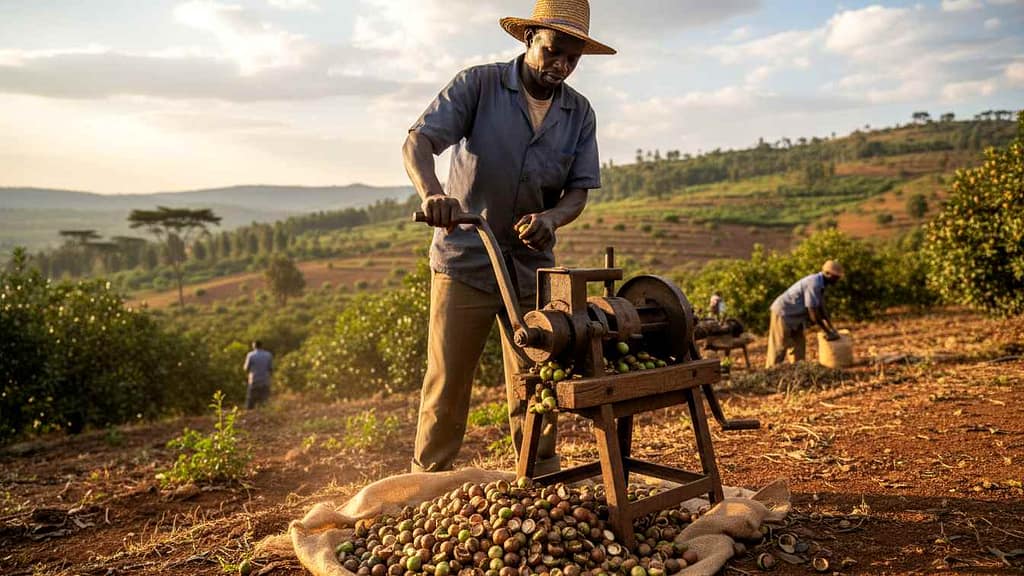
For local sales, de-husk, dry, and crack the shell using a manual cracker. Roast the kernels lightly before packaging. Note that the hard shell is difficult to crack without damaging the kernel, so industrial processing is often preferred.