

- Converting domestic food scraps into organic soil amendments dramatically reduces reliance on expensive synthetic fertilizers like DAP and CAN.
- Integrating specific biological agents like Red Wiggler worms or Bokashi bran accelerates the decomposition timeline from months to mere weeks.
- Establishing a dedicated waste recovery system on your shamba creates a sustainable, closed-loop nutrient cycle that improves long-term crop yields.
Table of Contents
Transforming daily organic refuse into nutrient-dense soil amendments offers a highly profitable strategy for modern agriculturalists operating in today’s demanding economy. This comprehensive guide details the precise methodologies required to execute home fertilizer production efficiently without requiring massive capital investments. Implementing these sustainable practices directly reduces input costs and improves long-term soil health across any active shamba.
How to Set Up Trench Composting: A Step-by-Step Gardening Guide
Here is a step by step guide to setting it up.
1. Dig the Trench
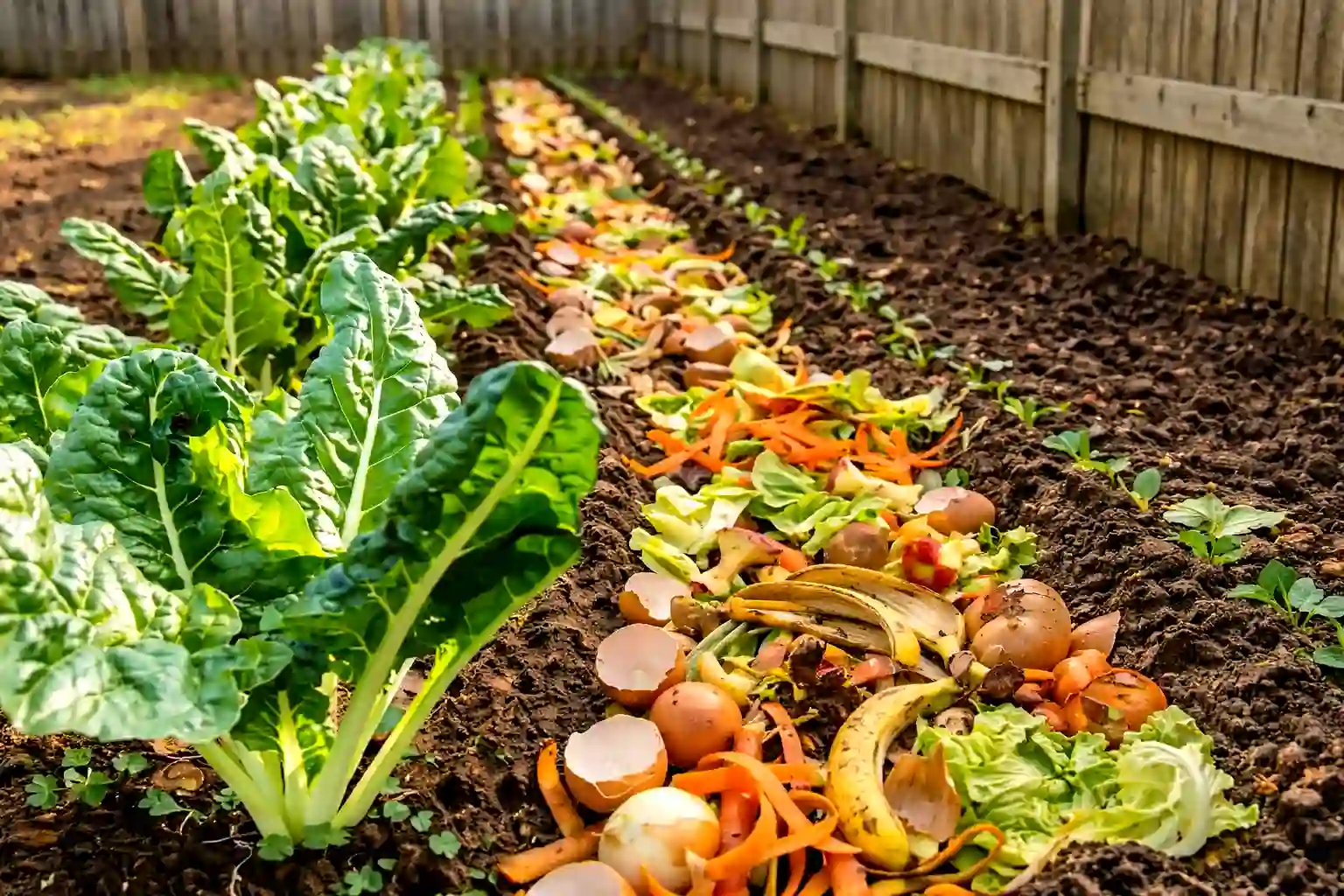
Select a spot between your rows of leafy greens (like the spinach or chard in the image) or where you plan to plant your next crop.
- Depth: Dig a trench about 10 to 12 inches deep. This depth is important to ensure the waste is buried deep enough to avoid attracting pests or pets.
- Width: Keep it roughly 6 to 8 inches wide.
2. Prepare the Organic Waste
Gather your kitchen scraps. To speed up the decomposition process, it helps to chop them into smaller pieces.
- What to include: Fruit peels, vegetable trimmings, eggshells (crushed), and coffee grounds.
- What to avoid: Meat, dairy, fats, or oils, as these will attract rodents and create unpleasant odors.
3. Layer the Scraps
Fill the bottom 4 to 6 inches of the trench with your organic waste. In the image, you can see a mix of banana peels, onion skins, and eggshells.
4. Cover with Soil
Fill the rest of the trench with the soil you removed earlier.
- Ensure there is at least 6 inches of soil covering the waste.
- Firm the soil down gently with your shovel or foot to prevent it from settling too much later.
5. Water the Area
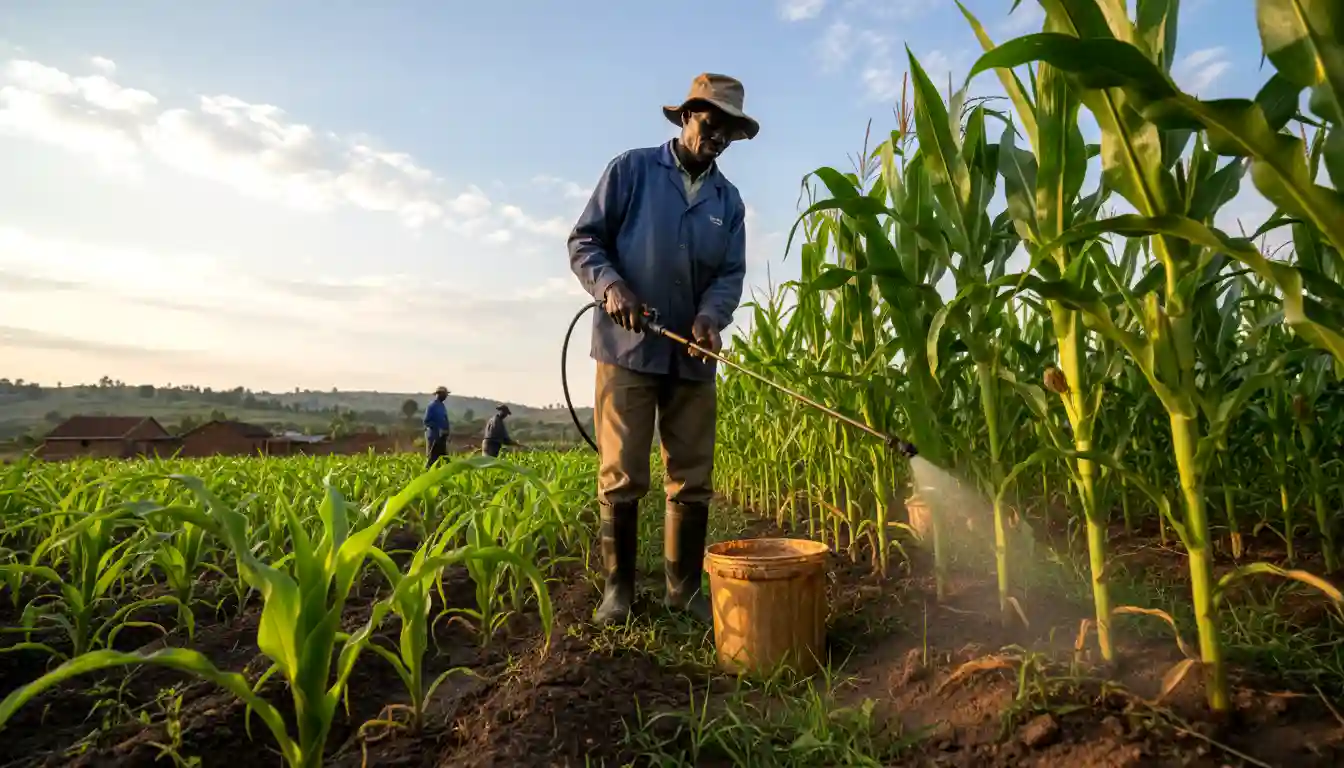
Water the buried trench thoroughly. Moisture is essential for the microorganisms and earthworms to begin breaking down the organic matter. As shown in the photo, keeping the area hydrated helps the nutrients leach into the root zones of the adjacent plants.
Pro-Tips for Success
- Rotation: Each season, move your trench over by one row. This eventually turns your entire garden plot into a highly fertile, nutrient-dense environment.
- Pest Control: If you are worried about animals digging it up, place a heavy board or a piece of wire mesh over the buried trench for the first week.
- Wait Time: If you are planting directly on top of the trench, wait about 4 to 6 weeks for the initial decomposition to occur so the “heat” from the breakdown doesn’t stress young roots.
Which Organic Fertilizer Varieties Yield the Best Results for Kenyan Farmers?
The best organic fertilizer varieties for home production include aerobic thermal compost, vermicompost cultivated via Red Wiggler worms, and anaerobic Bokashi ferment. Each specialized methodology offers unique nutrient profiles and processing speeds to suit different agricultural requirements. Selecting the correct system depends on your specific space constraints and crop demands.
Aerobic Thermal Composting Techniques
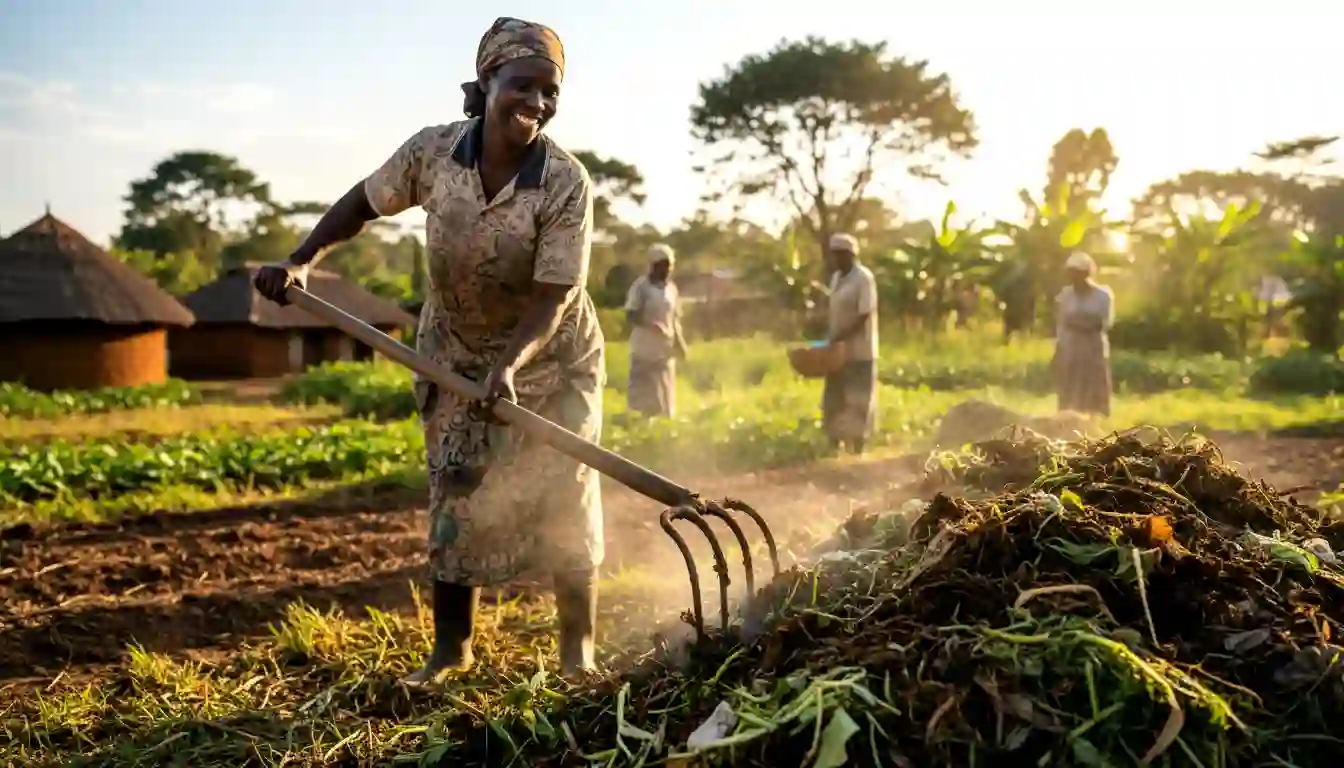
Traditional aerobic composting relies on maintaining high internal temperatures to rapidly break down dense organic matter and eradicate potential pathogens. Farmers must routinely turn the organic pile using a pitchfork to introduce essential oxygen into the core layers. This specific technique requires balancing green nitrogen materials like vegetable offcuts with brown carbon materials like dried maize stalks.
When executed correctly, the internal temperature of the pile can easily exceed sixty degrees Celsius during peak decomposition phases. This intense heat effectively neutralizes harmful weed seeds and aggressive soil-borne diseases that might otherwise infect future crops. The resulting dark humus serves as a magnificent foundational amendment for extensive crop farming operations.
Vermicomposting with Earthworms
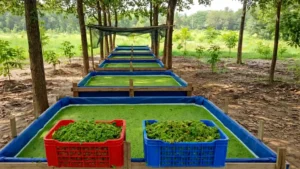
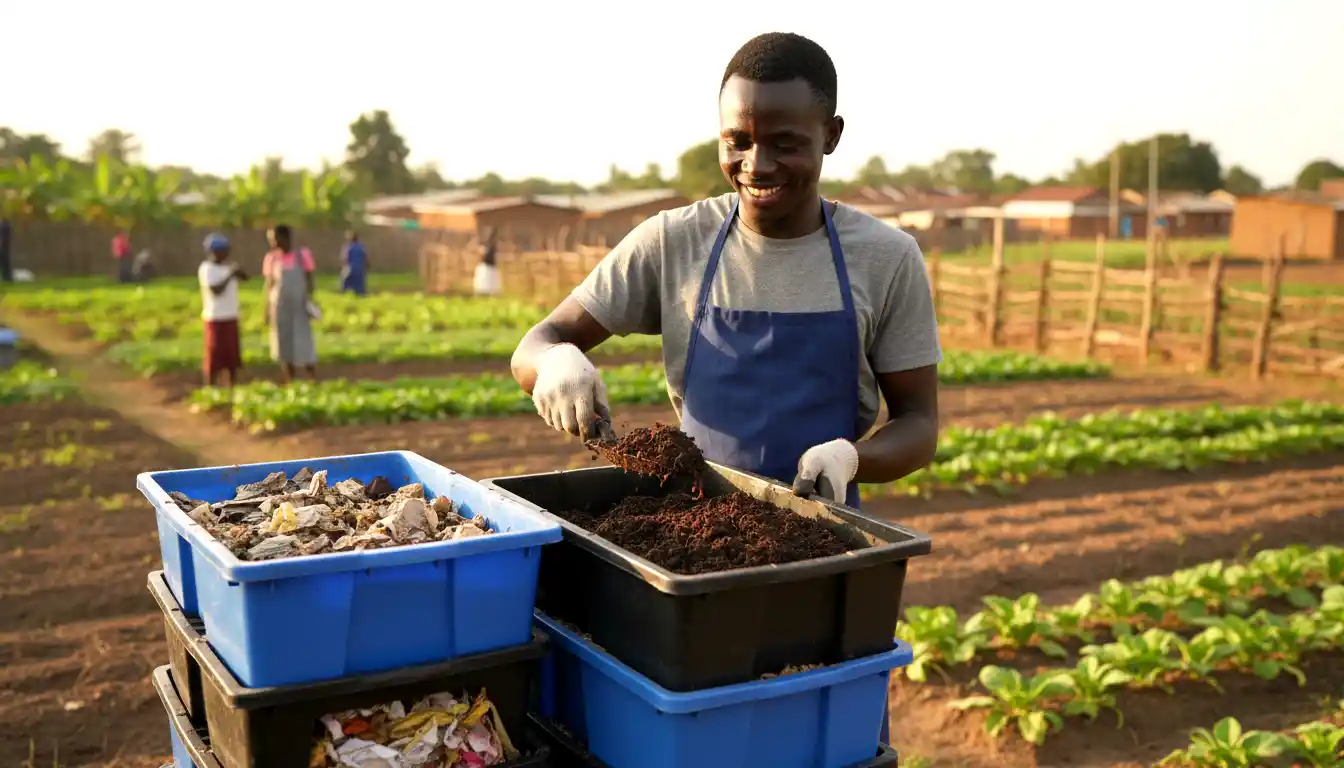
Vermicomposting utilizes specialized earthworm species to aggressively digest soft kitchen refuse and convert it into premium organic castings. Red Wiggler worms represent the absolute gold standard for this process due to their voracious appetites and rapid reproduction rates. These resilient organisms thrive in dark, moist environments typically constructed from stacked plastic bins or shallow wooden crates.
Read Also: 15 Most Profitable Agribusiness Ideas in Kenya to Start in 2026
The resulting worm castings contain incredibly high concentrations of immediately bioavailable nitrogen, phosphorus, and potassium. Furthermore, the digestive tracts of these worms coat the finished fertilizer in beneficial microbial life that actively suppresses plant diseases. This potent material is incredibly valuable for nursing delicate seedlings and boosting greenhouse vegetable production.
Anaerobic Bokashi Fermentation
The Bokashi system offers a unique anaerobic solution for agriculturalists possessing very limited space or those processing heavily mixed domestic waste. This method utilizes an inoculated bran containing Effective Microorganisms to ferment the refuse rather than allowing it to decay conventionally. Farmers simply pack their scraps tightly into a sealed bucket and layer the specialized bran between each addition.
Because the environment remains entirely oxygen-free, this technique comfortably handles difficult items like meat scraps and dairy products without generating putrid odors. After a two-week fermentation period, the highly acidic pre-compost is safely buried in the shamba where it breaks down rapidly. This specific system also generates a potent liquid byproduct that functions perfectly as a diluted foliar feed.
| Fertilizer Variety | Expected Yield per 100kg Waste | Average Maturity Period | Inherent Disease Resistance |
|---|---|---|---|
| Aerobic Thermal Compost | 40kg – 50kg | 90 – 120 Days | High (Heat destroys most pathogens) |
| Vermicompost (Castings) | 20kg – 30kg | 45 – 60 Days | Very High (Microbial suppression) |
| Bokashi Ferment | 80kg – 90kg | 14 – 21 Days | Medium (Requires secondary soil breakdown) |
Essential Equipment for DIY Kitchen Waste Fertilization
To successfully execute how Kenyan farmers can make free fertilizer from kitchen waste at home in Kenya, agriculturalists must procure foundational starter equipment. Essential materials like aerated bins, live earthworm colonies, and microbial inoculants are readily available across modern digital agricultural marketplaces. Strategic procurement ensures a highly efficient decomposition process from the very first day.
Sourcing Equipment via Digital Platforms
Modern growers rely heavily on digital commerce solutions to locate specialized composting equipment at highly competitive market rates. Platforms like Jiji Kenya and Mkulima Young feature countless regional vendors selling customized plastic decomposition drums and multi-tiered worm factories. Farmers can easily compare prices across different counties and arrange for direct transport to their specific rural locations.
Read Also: 2026 Seeds & Seedling Price List Kenya: KALRO, Kakuzi & ICIPE Certified Sources
Additionally, modern agribusiness applications like Safaricom Digifarm provide verified supplier directories for high-quality biological inputs. These integrated mobile platforms allow farmers to purchase verified agricultural goods using standard M-Pesa transactions seamlessly. Utilizing these networks guarantees that you are sourcing durable materials capable of withstanding harsh outdoor conditions.
Acquiring Biological Inoculants and Worms
The biological engines that drive rapid waste conversion must be sourced from reputable agricultural institutions to guarantee genetic vitality. KALRO centers across the nation frequently supply certified earthworm starter colonies specifically adapted to local climatic variations. Purchasing your initial worm stock from these government-backed facilities ensures you receive healthy specimens free from invasive parasites.
For those implementing anaerobic systems, authentic Bokashi bran and liquid effective microorganisms can be purchased directly from established agricultural cooperatives. Certified vendors typically supply these powerful microbial inoculants in sealed, UV-resistant packaging to preserve their biological efficacy. Always verify the expiration dates on these specific microbial products to ensure maximum fermentation power.
How Do Kenyan Counties Compare for Home Fertilizer Production?
Different regional climates across the nation directly impact the speed and efficiency of domestic organic waste conversion. High-altitude regions experience slower initial decomposition rates compared to humid coastal zones where microbial activity remains constantly aggressive. Understanding your specific county environment dictates exactly which moisture management and temperature control strategies you must deploy.
Kiambu County: Urban Proximity and Cool Climates
Agriculturalists operating within Kiambu County benefit tremendously from their immediate proximity to massive urban food waste streams originating from Nairobi. Farmers can easily supplement their own domestic refuse by collecting discarded fruit and vegetable offcuts from local municipal markets. This abundant supply of raw green material allows for continuous, large-scale fertilizer production throughout the entire calendar year.
Read Also: How to Build a Low-Cost Gravity-Fed Irrigation System Using Jerry Cans : Smart Farming on a Budget
However, the relatively cool ambient temperatures experienced in these specific highlands can significantly slow down traditional aerobic composting processes. To counter this environmental challenge, growers must construct insulated retaining walls using timber or specialized agricultural plastics. Covering the actively decaying piles with dark polythene sheets helps trap vital solar radiation and accelerates the internal microbial digestion.
Vermicomposting operations also thrive in this temperate region because the earthworms naturally prefer cooler, heavily shaded environments. Many dairy farmers in the area successfully blend their kitchen scraps with fresh cow manure to create an incredibly potent worm diet. This specific regional synergy produces an exceptionally high-quality organic amendment that drastically improves local coffee and vegetable yields.
Water management in Kiambu typically requires minimal intervention due to the reliable bimodal rainfall patterns experienced throughout the highlands. The natural ambient humidity prevents the organic material from drying out prematurely during the critical early stages of decomposition. Consequently, farmers spend less operational time manually hydrating their processing systems compared to those in more arid regions.
Ultimately, Kiambu represents an ideal testing ground for advanced organic recovery methodologies due to its balanced climate and immense resource access. The high density of progressive agricultural cooperatives also facilitates excellent knowledge sharing among local agribusiness practitioners. This collaborative environment continuously drives innovation in urban waste recovery and sustainable soil management.
Nakuru County: The Agricultural Heartland Dynamics
Nakuru County stands as a premier agricultural hub where large-scale farming operations can easily integrate domestic waste recycling into their routines. The region boasts incredibly fertile volcanic soils, but decades of intensive synthetic fertilizer application have severely degraded local soil structures. Introducing homemade organic amendments has become a critical operational priority for farmers looking to restore their natural soil biology.
The relatively warm and stable Rift Valley climate provides optimal environmental conditions for rapid aerobic thermal composting. Organic piles constructed in this specific region routinely reach maximum internal temperatures within a matter of mere days. This accelerated heating phase allows Nakuru farmers to process massive volumes of mixed domestic and agricultural refuse incredibly quickly.
Local farmers frequently blend their kitchen refuse with abundant agricultural byproducts like wheat straw and maize cobs readily available post-harvest. This abundant supply of dry carbon ensures that the active piles never become excessively wet or violently foul-smelling. Maintaining this precise structural balance guarantees that the final mature product is highly aerated and deeply nutritious.
Market dynamics in Nakuru also present lucrative opportunities for growers who produce more organic amendment than their own shambas require. The heavy concentration of commercial horticulture farms creates a constant, massive demand for premium organic soil conditioners. Savvy producers frequently package their excess domestic compost into standard 90kg bags for highly profitable local distribution.
Overall, Nakuru provides a nearly perfect geographical backdrop for scaling domestic waste recovery into a legitimate commercial enterprise. The combination of favorable weather patterns and endless agricultural byproducts dramatically lowers the barrier to entry for beginners. Consistent application of these homemade materials is visibly transforming crop performance across the entire Rift Valley corridor.
Machakos County: Overcoming Arid Challenges
Operating a domestic fertilizer production system in Machakos County presents unique environmental hurdles primarily centered around extreme moisture retention. The aggressive tropical sun and prolonged seasonal dry spells can quickly dehydrate an active organic pile, halting all microbial activity. Farmers in these arid zones must employ highly specialized structural techniques to protect their valuable decaying biomass.
Read Also: Top 5 Hybrid Onion Varieties (F1) Dominating the Kenyan Market in 2026
To combat the severe heat, many Machakos agriculturalists utilize deep pit composting rather than building exposed heaps above the ground. Excavating a trench roughly one meter deep insulates the organic material from the scorching ambient temperatures and harsh drying winds. This subsurface environment traps essential moisture and allows local fungal networks to break down dense cellular structures efficiently.
Water conservation remains an absolute operational priority when managing any biological decomposition system in this specific arid region. Growers routinely recycle their greywater from basic household washing to hydrate their compost pits without depleting their precious fresh water reserves. This intelligent resource integration ensures that the production process remains entirely sustainable even during severe drought conditions.
Vermicomposting in Machakos requires heavy structural shading and frequent hydration to prevent total colony collapse during the hottest months. Successful farmers house their worm bins beneath thick tree canopies or inside heavily ventilated mud-brick outbuildings. Providing this mandatory shelter guarantees that the valuable earthworms continue digesting household refuse uninterrupted regardless of exterior weather extremes.
Despite these harsh environmental challenges, producing homemade organic amendments in Machakos yields incredibly profound agricultural rewards. The finished humus acts as a powerful sponge when incorporated into the dry sandy soils, drastically improving overall water retention. This vital soil conditioning helps protect vulnerable drought-resistant crops during highly unpredictable seasonal rainfall patterns.
What is the Ideal 12-Month Calendar for Home Composting?
A strictly managed twelve-month calendar ensures that your domestic fertilizer production perfectly aligns with the national planting seasons. Synchronizing your active decomposition phases with ambient weather patterns maximizes biological efficiency and nutrient retention. Proper seasonal planning guarantees a massive stockpile of mature organic material right when your crops need it most.
Quarter One: January to March (Dry Season Preparation)
The beginning of the year typically features intense heat and heavily restricted rainfall across major agricultural zones. During this severe dry window, farmers must rigorously hydrate their active aerobic piles to sustain vital bacterial colonies. Utilizing basic household greywater provides an excellent, free resource to maintain the mandatory sixty percent moisture content.
This period is absolutely ideal for constructing new structural enclosures and repairing older plastic processing bins. The dry ground allows for easy excavation if you are transitioning toward underground trench composting systems. Growers should aggressively stockpile dry carbon materials like dead leaves and harvested stalks to balance future green waste additions.
By late March, any material initiated during the previous short rains should reach total maturity and stabilization. Farmers must carefully sift this finished humus to remove any large, undecomposed fragments like avocado pits or dense bones. The refined product must be securely bagged and stored in a shaded area awaiting the impending heavy planting season.
Quarter Two: April to June (Long Rains Integration)
The arrival of the heavy long rains drastically alters the operational dynamics of outdoor fertilizer production systems. Unprotected piles can easily become totally waterlogged, immediately turning anaerobic and leaching valuable water-soluble nutrients into the subsoil. Agriculturalists must rapidly deploy heavy polythene covers to shield their exposed processing areas from torrential downpours.
However, the naturally high ambient humidity during this quarter creates an absolute paradise for accelerated earthworm reproduction. Vermicomposting operators should aggressively feed their colonies with high-nitrogen kitchen scraps to maximize rapid biological output. This specific wet season window typically yields the highest volume of premium liquid worm tea available all year.
Farmers should actively apply their mature, stockpiled organic amendments directly to their primary maize and bean crops during early field preparation. Incorporating the rich humus directly into the planting holes provides crucial early-stage nutrition for vulnerable emerging seedlings. This strategic timing ensures maximum root development before the heavy rains begin to taper off.
Quarter Three: July to September (Maturation and Turning)
As the long rains subside, the weather transitions into a cooler, heavily overcast phase across the central highlands. This stable environmental period requires farmers to vigorously aerate their outdoor piles by turning the biomass every fourteen days. Frequent oxygenation physically breaks down stubborn fibrous materials and dramatically accelerates the final stages of microbial digestion.
Domestic waste collection should be heavily amplified during these months to build massive foundational layers for the next processing cycle. Utilizing localized community networks to source extra vegetable offcuts guarantees a massive volume of raw biological inputs. The stable temperatures prevent the fresh additions from putrefying rapidly before proper processing can occur.
By September, growers should begin extracting mature worm castings from their primary vermicomposting factories. The extracted worms must be carefully separated and immediately relocated into fresh bins containing new bedding material. This routine maintenance prevents fatal colony overcrowding and ensures continuous, high-speed waste processing capabilities.
Quarter Four: October to December (Short Rains Application)
The final quarter initiates the critical short rains, marking the secondary planting season for many progressive smallholder farmers. Freshly matured organic amendments must be quickly mobilized and integrated into the topsoil to support fast-growing horticultural crops. Applying thick layers of this homemade compost also provides an excellent organic mulch that suppresses aggressive weed growth.
During the heavy holiday season in December, domestic kitchen waste volumes typically experience a massive, unprecedented spike. Farmers must possess adequate dry carbon stockpiles ready to immediately balance this sudden influx of nitrogen-rich food scraps. Proper management of this specific holiday waste surge prevents structural pile collapse and foul localized odors.
The year concludes with a comprehensive system audit to evaluate the total organic tonnage successfully produced and deployed. Documenting these specific operational metrics helps agriculturalists accurately project their synthetic fertilizer savings for the upcoming year. Careful record keeping fundamentally transforms a basic domestic chore into a highly calculated, profitable agricultural enterprise.
What Are the Deep-Dive Financials for Setting Up Waste Fertilizer Systems?
Establishing a domestic organic fertilizer system demands minimal initial capital expenditure while generating massive long-term operational savings. Replacing costly commercial inputs with homemade organic amendments directly increases your overall farm profitability and deepens financial resilience. Detailed financial tracking reveals an incredibly rapid break-even point for even the smallest agricultural setups.
Analyzing Initial Capital Expenditure (CapEx)
The foundational infrastructure required to process domestic waste successfully is remarkably affordable and highly accessible. Constructing a basic aerobic composting enclosure using locally sourced timber and chicken wire typically costs under five thousand shillings. For those pursuing vermicomposting, customized multi-tier plastic bins can be acquired for approximately seven thousand shillings from urban hardware suppliers.
Biological starter cultures represent the secondary tier of initial capital investment required to launch operations. A thriving one-kilogram colony of certified Red Wiggler worms generally retails for roughly two thousand, five hundred shillings. Alternatively, farmers initiating Bokashi systems must purchase specialized fermentation buckets and initial microbial bran, totaling around four thousand shillings.
Essential physical hand tools like heavy-duty pitchforks, digital compost thermometers, and basic protective gloves complete the required setup. Procuring these durable operational implements usually requires an estimated investment of three thousand shillings. Ultimately, a fully functional, high-efficiency waste conversion system can be totally established for well under fifteen thousand shillings.
Understanding Ongoing Operational Costs (OpEx)
The true financial beauty of domestic fertilizer production lies in its nearly non-existent routine operational expenses. The primary raw material utilized in the process consists entirely of discarded household food refuse, which is naturally entirely free. The only consistent physical input required is basic water for hydration, which is typically sourced from existing household recycling systems.
Labor represents the only genuine operational metric, requiring approximately two hours of manual effort per week for turning and monitoring. For a standard smallholder farmer, this localized labor is personally absorbed into daily routine agricultural chores. If employing casual labor, the weekly financial impact remains absolutely negligible compared to the massive value generated.
Read Also: Top 10 Best Agrovets in Kenya (2026 Guide): Where to Buy Genuine Inputs in Nairobi, Eldoret & Nakuru
Occasional biological replenishments, such as fresh Bokashi bran or supplementary microbial liquids, represent minor periodic expenses. A standard two-kilogram bag of inoculated bran costs roughly eight hundred shillings and typically lasts an entire operational quarter. Therefore, maintaining the active biological systems requires exceptionally minimal recurring liquid capital.
Calculating Direct Cost Savings and ROI
The financial return on investment becomes glaringly obvious when analyzing the offset costs of commercial synthetic fertilizers. A standard 50kg bag of commercial DAP fertilizer currently commands premium market prices, heavily impacting seasonal planting budgets. Producing your own organic equivalents allows farmers to drastically reduce or entirely eliminate these massive seasonal expenses.
A well-managed domestic system easily produces the nutritional equivalent of four bags of commercial fertilizer annually. This direct physical substitution generates tens of thousands of shillings in immediate, tangible financial savings for the farmer. Furthermore, the organic matter permanently improves vital soil water retention, indirectly reducing expensive seasonal irrigation costs.
Please note that all estimated ranges vary by management, exact raw material composition, and precise execution of the technical protocols. However, most disciplined agriculturalists recover their entire initial infrastructure investment within the first six months of active operation. This rapid financial recovery makes organic waste recycling one of the most highly lucrative micro-investments available in modern farming.
| Expense / Revenue Category | Description of Item | Estimated Cost / Value (KES) |
|---|---|---|
| Initial Setup (CapEx) | Bins, Tools, Thermometer, Polythene | 12,000 – 15,000 |
| Biological Inputs (CapEx) | Starter Worms or Bokashi Buckets | 2,500 – 4,500 |
| Annual Maintenance (OpEx) | Replacement Bran, Minor Repairs | 2,000 – 3,500 |
| Offset Savings (Revenue) | Equivalent of 4 Bags DAP/CAN avoided | 22,000 – 28,000 |
| Excess Sales (Revenue) | Selling surplus compost to neighbors | 5,000 – 10,000 |
| Net Annual Benefit | First Year Operational Profitability | Positive 10,000+ |
How Can Farmers Scale Supply Chains and Add Value to Kitchen Waste Fertilizer?
Scaling raw compost production into a commercially viable enterprise requires strategic packaging and highly targeted product refinement. Creating specialized organic liquid teas and neatly branded dry amendments instantly elevates your product above generic yard waste. Integrating your operations with modern agricultural supply chains guarantees consistent access to highly profitable secondary markets.
Producing and Bottling Organic Liquid Teas
Converting solid mature compost into highly concentrated liquid biological extracts represents the absolute pinnacle of agricultural value addition. Farmers steep their premium worm castings in heavily aerated water to multiply the beneficial microbial populations exponentially. Adding simple dark molasses during this violent aeration process supercharges the bacterial growth and dramatically increases overall liquid potency.
This actively aerated compost tea serves as a magnificent foliar feed that commands premium retail prices among modern greenhouse operators. Creative agriculturalists carefully strain this potent dark liquid and package it into clean, recycled five-liter plastic containers. A single properly brewed batch can generate substantial secondary income while utilizing only a tiny fraction of your solid compost reserves.
Properly bottled organic liquid fertilizer possesses a highly stable shelf life when stored correctly away from direct solar radiation. Clear labeling detailing the correct dilution ratios ensures that purchasing clients achieve maximum agricultural results without accidentally burning delicate crops. This specialized liquid market remains severely underserved, offering massive financial opportunities for technically proficient rural producers.
Bagging and Branding Solid Amendments
The visual presentation of your solid organic material drastically dictates its perceived commercial value in the open agricultural marketplace. Raw, unsifted compost dumped in an open pile holds very little retail appeal for serious commercial horticulture buyers. Producers must rigorously screen their finished humus through fine wire mesh to guarantee a perfectly uniform, visually stunning commercial product.
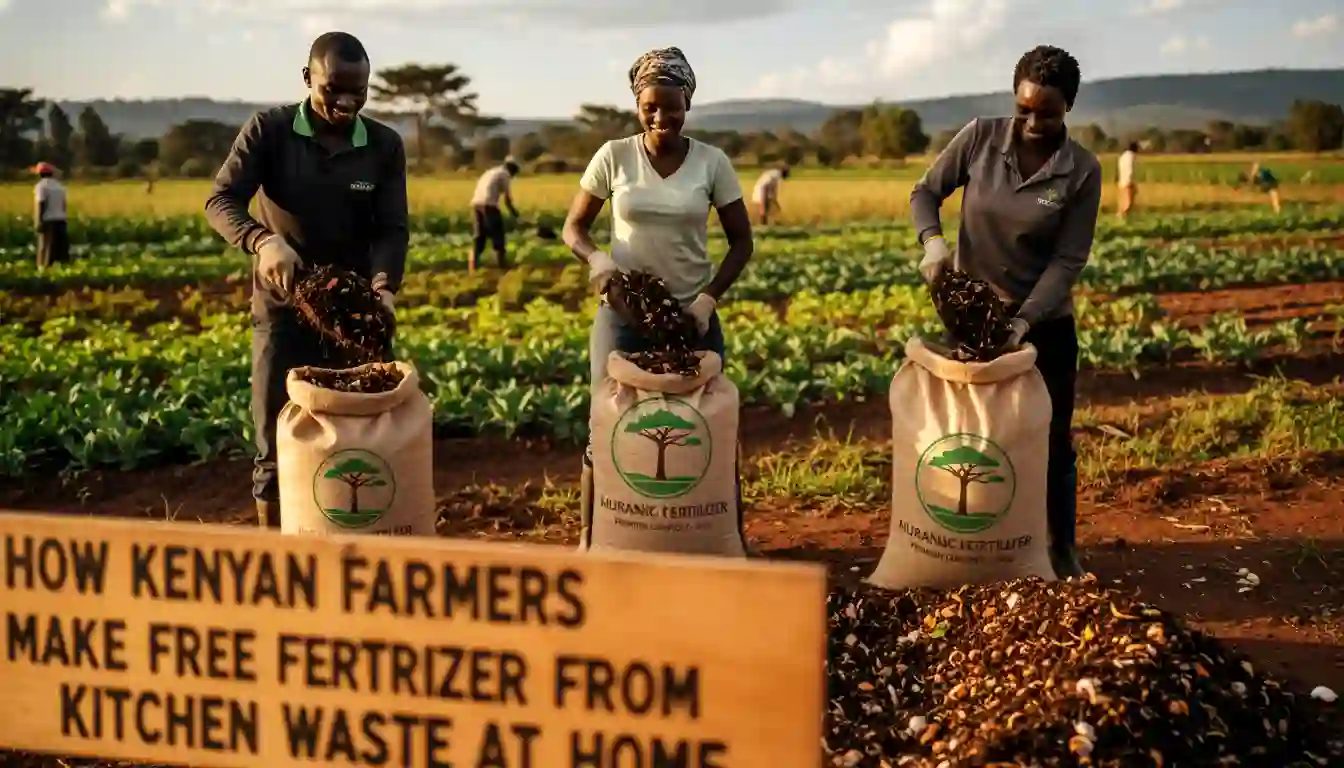
Packaging the refined dark humus into standardized, heavily branded woven bags instantly professionalizes your entire agricultural operation. Printing simple, attractive labels detailing the specific nutritional benefits and microbial content helps establish powerful local brand authority. Savvy operators frequently seal their products in heavy 50kg liners to ensure the material retains vital moisture during commercial transport.
Establishing localized distribution networks through established agrovet shops allows farmers to reach a much wider consumer audience. Offering small, free sample bags to commercial neighbors quickly demonstrates the superior quality of your homemade organic amendments. Once regional trust is firmly established, word-of-mouth marketing practically guarantees that your entire seasonal stockpile will completely sell out.
Integrating with Digital Agricultural Networks
Modern organic producers must heavily leverage digital connectivity to manage their localized supply chains and expanding consumer databases efficiently. Listing your premium branded compost on agricultural market boards like Mkulima Young instantly connects you with hundreds of active buyers. These localized digital platforms eliminate predatory middlemen, ensuring that the primary producer retains maximum operational profit margins.
Utilizing robust business tools found within platforms like Safaricom Digifarm allows operators to track regular clients and manage digital payments seamlessly. Maintaining meticulous digital records of regular M-Pesa transactions helps farmers accurately project their future seasonal production requirements. This deep data integration fundamentally transforms a basic backyard hobby into a highly scalable, digitally native agricultural enterprise.
Furthermore, actively participating in dedicated digital farming forums allows producers to stay updated on emerging biological processing techniques. Sharing visual success stories of heavily yielding crops grown utilizing your specific homemade compost serves as magnificent organic marketing. Cultivating a strong digital presence ultimately solidifies your reputation as a premier regional supplier of elite biological soil amendments.
What is the 2026 Outlook for Organic Waste Fertilizer in Kenya?
The 2026 agricultural landscape clearly indicates a massive, permanent shift toward localized biological fertilizer production across the continent. Escalating global supply chain disruptions continue to make imported synthetic chemicals prohibitively expensive for standard rural smallholder operations. Embracing sustainable domestic waste recovery systems guarantees long-term operational survival and profound economic independence for progressive farmers.
Embracing Sustainable Agricultural Policies
As the national agricultural sector heavily prioritizes sustainable climate-smart methodologies, domestic organic waste recycling represents the absolute vanguard of this movement. Government agricultural ministries are increasingly recognizing the profound necessity of rebuilding biologically degraded national topsoils through massive organic matter integration. Future policy shifts will likely introduce targeted subsidies for farmers aggressively scaling their domestic biological processing infrastructures.
Securing Future Soil Biology
The continuous evolution of specialized microbial inoculants will further accelerate the sheer speed and efficiency of domestic waste processing. Agriculturalists who master these foundational biological protocols today will inherently possess a massive competitive advantage in tomorrow’s highly demanding markets. Protecting your physical soil biology remains the ultimate insurance policy against increasingly erratic and hostile global weather patterns.
Taking Immediate Action
Now is the definitive moment to audit your domestic refuse output and construct your very first organic processing station. Begin by simply separating your daily vegetable scraps and locating a reliable local supplier of healthy earthworm colonies. Taking this crucial first step fundamentally guarantees that your shamba remains incredibly resilient, highly productive, and remarkably profitable for decades to come.
What Are the Most Frequently Asked Questions About Home Composting?
Transitioning to DIY organic fertilizer production naturally generates numerous technical questions regarding safety, efficiency, and proper daily management. Understanding the precise biological rules governing waste decomposition prevents common beginner failures and guarantees rapid, highly nutritious agricultural outputs. Below are detailed solutions to the most frequent operational challenges.
What kitchen waste is best for composting?
The absolute best raw materials include fresh vegetable peelings, crushed eggshells, discarded fruit cores, and used coffee grounds. These specific items break down incredibly fast and inject massive amounts of bioavailable nitrogen and vital calcium directly into your final product. Always chop these materials into smaller pieces to massively accelerate the microbial digestion process.
How do I stop my compost pit from smelling?
Foul odors exclusively indicate a severe lack of oxygen or an overwhelming imbalance of wet green materials within the structure. You must immediately introduce dry carbon sources like sawdust, shredded cardboard, or dried maize stalks to absorb excess liquid. Thoroughly turning the dense pile with a pitchfork quickly restores necessary oxygen flow and instantly neutralizes the foul anaerobic bacteria.
Can I put meat and dairy in my compost?
Standard aerobic piles and delicate earthworm bins cannot safely process heavy proteins like meat, dense bones, or dairy products. These specific items rapidly putrefy, attract dangerous regional scavengers, and breed highly aggressive, harmful bacterial pathogens. However, if you utilize a specialized anaerobic Bokashi fermentation system, you can safely process these dense organic materials.
How long does vermicomposting take?
A properly managed and heavily populated earthworm colony can transform soft vegetable refuse into premium black castings in roughly sixty days. This rapid timeline relies heavily on maintaining optimal ambient moisture levels and strictly controlling extreme structural temperature fluctuations. Finely pureeing the kitchen scraps before feeding fundamentally supercharges the biological consumption speed of the worms.
Is homemade fertilizer better than synthetic DAP?
Homemade organic amendments provide deep, long-lasting structural soil benefits that harsh synthetic chemical fertilizers simply cannot replicate. While DAP provides an immediate chemical nutrient spike, premium compost introduces vital living biology that actively unlocks trapped subterranean minerals. Continual application of organic humus permanently improves severe topsoil degradation and maximizes critical physical water retention.
How much compost do I apply per maize hole?
For standard field maize cultivation, agriculturalists should apply roughly one heavy handful of mature compost directly into each individual planting hole. Ensure the dark humus is thoroughly mixed with the native topsoil before placing the seed to prevent delicate root shock. This localized application guarantees that the rapidly emerging seedling immediately accesses a massive reserve of concentrated biological nutrition.
Where can I get Red Wiggler worms in Kenya?
Certified, disease-free earthworm colonies can be officially purchased from verified KALRO research stations located across major agricultural zones. Alternatively, localized digital farming boards like Mkulima Young frequently host reputable private breeders selling healthy starter stock. Always physically inspect the moist substrate upon delivery to guarantee the worms are highly active and structurally vibrant.
How do I keep ants away from my compost bin?
Heavy ant infestations clearly indicate that your active organic pile has become structurally dehydrated and excessively hot. You must thoroughly flood the entire system with clean water and violently turn the dense biomass to disrupt the established nests. Maintaining a consistently moist environment entirely deters terrestrial ants from colonizing your valuable processing equipment.
What is Bokashi and how does it work?
Bokashi represents a highly specialized Japanese methodology that relies entirely on anaerobic fermentation rather than traditional oxygen-based decay. Farmers pack mixed domestic waste into totally sealed buckets layered with bran inoculated with powerful Effective Microorganisms. This unique process rapidly pickles the organic material without creating heat, perfectly preserving incredible amounts of foundational nutritional value.
Can I sell my homemade compost legally in Kenya?
You can legally sell your homemade organic amendments locally to neighboring farms and regional horticultural estates without encountering legal issues. However, if you intend to package the material for wide commercial distribution in certified agrovet shops, strict regulations apply. You must submit physical samples to the Kenya Bureau of Standards to officially verify the biological safety and guaranteed nutritional content.