


- High-Value Fruits: Hass Avocado and Dragon Fruit offer the highest export potential and local market premiums per acre in 2026.
- Short-Term Cash Flow: Improved Kienyeji Poultry and Mushroom farming provide the fastest return on investment with harvest cycles under 3 months.
- Emerging Trends: Climate-smart ventures like Bee Keeping and Dairy Goat farming are gaining traction due to low land requirements and high resilience.
Table of Contents
Kenyan agriculture has shifted dramatically from traditional subsistence farming to highly specialized, data-driven agribusiness. The most profitable ventures in 2026 focus on high-value crops and livestock that require less land but deliver premium returns. Farmers are now prioritizing profit margins, export potential, and climate resilience over mere volume.
This guide serves as the ultimate authority for beginner farmers looking to invest in the agricultural sector. We analyze the market data, input costs, and revenue potential for the top ten ventures dominating the shamba landscape this year.

What are the most profitable crop varieties and livestock breeds for Kenyan farmers in 2026?
The most profitable varieties for 2026 combine disease resistance with high market demand. Top performers include the Hass Avocado for export, the grafted Red Bulb Onion for local markets, and the KALRO Improved Kienyeji chicken for dual-purpose poultry farming. Success relies on selecting certified F1 hybrids and purebred livestock genetics.
Read Also: Exporting Hass Avocados from Kenya: A Step-by-Step 2026 Guide
1. Hass Avocado (The Green Gold)
The Hass Avocado remains the undisputed king of high-value crops in Kenya. Demand in Europe and China continues to outstrip supply. For 2026, the focus is on high-density planting using certified grafted seedlings that mature in 2.5 years.
A single mature tree can yield over 1,000 fruits annually. With export prices averaging KES 15-25 per fruit, the returns per acre are substantial. Farmers in Murang’a and Kisii are leading this charge.
2. Dragon Fruit (The Niche Premium)
Dragon fruit is the fastest-growing niche crop in Kenya due to its incredible price point. The Hylocereus Costaricensis (red flesh) variety is preferred for its sweetness and antioxidant properties. It fetches between KES 800 and KES 1,000 per kilogram in Nairobi high-end markets.
This cactus vine is drought-resistant and thrives in semi-arid areas like Ukambani and parts of the Rift Valley. It requires initial trellis infrastructure but offers a productive lifespan of over 20 years.
3. Improved Kienyeji Poultry
The KALRO Improved Kienyeji chicken has revolutionized local poultry farming. These birds are resistant to common diseases and mature faster than indigenous breeds. They are dual-purpose, offering both high-quality meat and consistent egg production.
Consumers prefer the taste and texture of Kienyeji meat, allowing farmers to charge a premium. A mature rooster can sell for KES 1,200 to KES 1,500, while trays of fertilized eggs command high prices for incubation.
4. Dairy Goats (The Urban Farming Champion)
For farmers with limited space, dairy goats are far more profitable than cows. The Toggenburg and Alpine breeds are the top choices for 2026. A good doe produces 3 to 4 liters of milk daily.
Goat milk retails at KES 200 per liter, significantly higher than cow milk. The milk is highly nutritious and in demand for infants and people with lactose intolerance. Their manure is also a potent fertilizer for organic farming.
5. Mushroom Farming
Mushrooms are an ideal venture for urban farmers because they do not require arable land. Button mushrooms and Oyster mushrooms are the most commercially viable varieties. Production takes place in controlled indoor environments using agricultural waste like wheat straw as substrate.
Read Also: 10 Most Profitable Farming Ventures in Kenya for 2026
The crop cycle is short, often taking just two months from spawning to harvest. Hotels and supermarkets in Nairobi are constant buyers. The profit margins are high due to low input costs relative to the final market price.
6. Passion Fruit
The Purple Passion fruit is in high demand by juice processors and fresh produce exporters. It requires a trellis system and regular pruning. Farmers in Uasin Gishu and Meru are seeing excellent returns.
The crop begins producing within 6 to 8 months. A well-managed acre can yield 15 to 20 tonnes annually. Prices fluctuate but generally remain above KES 100 per kg during peak demand seasons.
7. Bee Keeping (Apiculture)
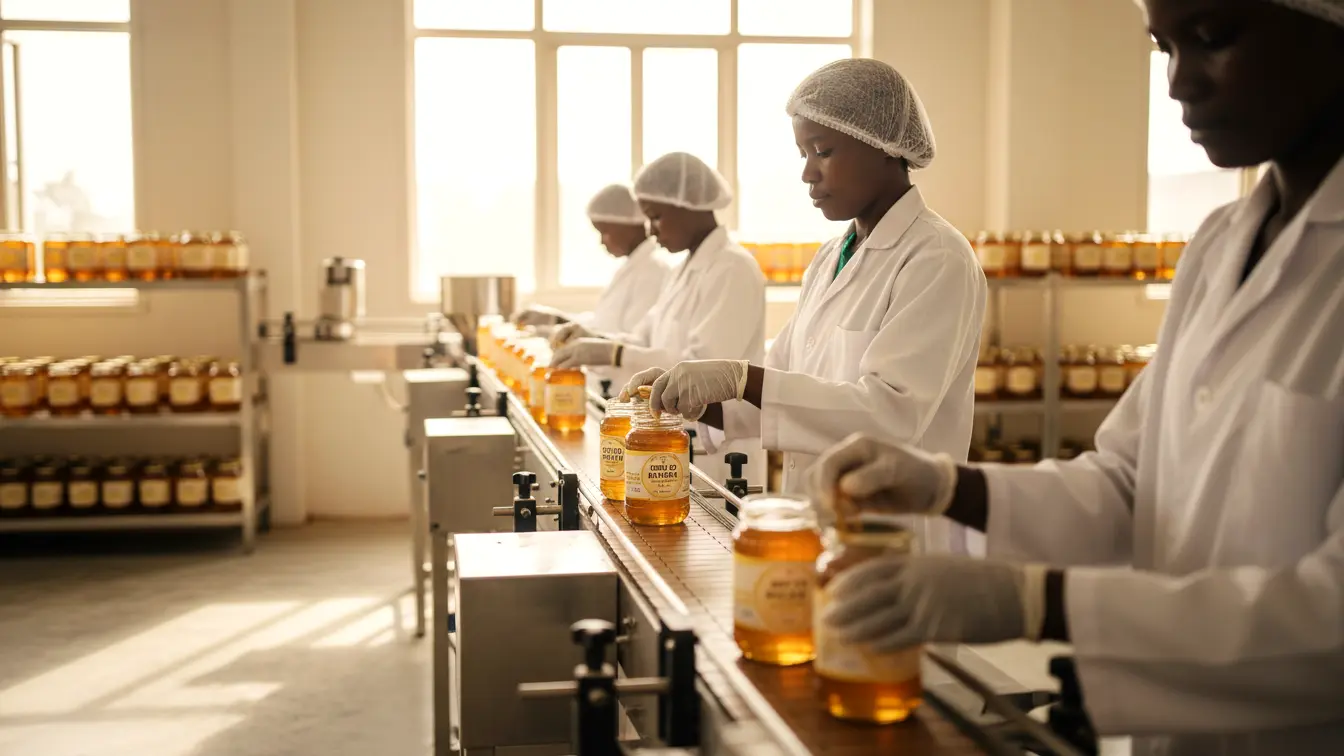
Bee keeping is a low-maintenance venture perfect for semi-arid lands. The Langstroth hive is the standard for modern apiculture in Kenya, allowing for easier harvesting without destroying the comb. Honey has a non-perishable shelf life and high value.
Beyond honey, farmers can monetize beeswax, propolis, and royal jelly. A colonized hive can produce 10-15kg of honey per harvest. With climate change impacting crops, bees are also vital for pollination services.
8. Bamboo Farming
Bamboo is gaining traction in 2026 for construction, furniture, and carbon credit schemes. Giant Bamboo (Dendrocalamus asper) is the preferred variety for timber. It grows rapidly and regenerates after harvesting.
Government initiatives to increase forest cover have boosted bamboo popularity. It also serves as an excellent windbreak and soil stabilizer near rivers. The market for treated bamboo poles is expanding rapidly.
9. Fish Farming (Aquaculture)
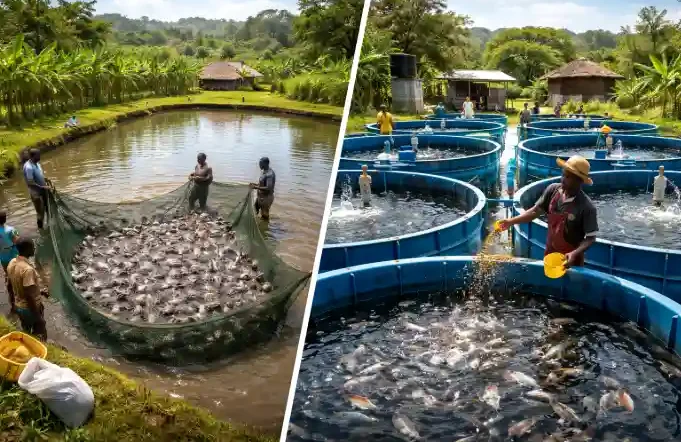
Nile Tilapia and African Catfish are the primary species for Kenyan aquaculture. Using liner ponds or raised tanks allows for intensive stocking. The demand for white meat is rising as health consciousness grows.
Feed cost is the main challenge, but local production of black soldier fly larvae is lowering expenses. A well-managed pond reaches harvest maturity in 6 to 8 months. Fresh fish finds ready markets in local eateries and city centers.
10. Greenhouse Tomato & Capsicum
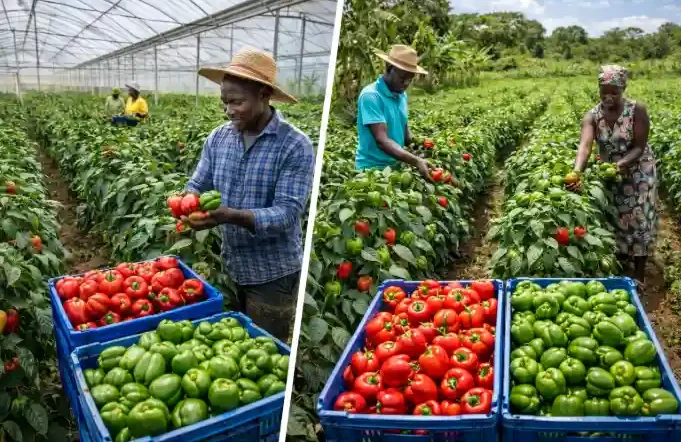
Controlled environment farming remains a top earner. Indeterminate tomato varieties like Anna F1 and colored capsicums yield heavily in greenhouses. They are protected from pests and adverse weather.
Harvesting can continue for 6 to 9 months. Colored capsicums (yellow and red) sell for double the price of green ones. This requires higher initial capital but guarantees consistent year-round revenue.
Beyond the primary top 10, several emerging niche ventures are gaining massive traction in 2026. These ideas are particularly suited for farmers with limited land or those looking for “future-proof” climate-smart investments.
Emerging Niche & High-Value Ventures
11. Black Soldier Fly (BSF) Larvae Farming
With the cost of commercial animal feed skyrocketing, BSF farming is the ultimate “business for other businesses.” You breed larvae that consume organic waste and turn it into high-protein feed for poultry and fish.
- Why 2026? Feed costs now account for 70% of livestock expenses; BSF cuts this by half.
- Profit: You sell the dried larvae to other farmers and the “frass” (waste) as high-grade organic fertilizer.
12. Strawberry Farming (Value Addition)
While strawberries have been around, the 2026 market is moving toward frozen exports and yogurt flavoring. Growing varieties like Chandler in containers or raised beds allows for high-density production.
- Market: Local dairies and the booming “smoothie” culture in urban centers.
- Tip: Use drip irrigation to ensure consistent fruit size, which fetches a 30% premium.
13. Hydroponic Fodder Production
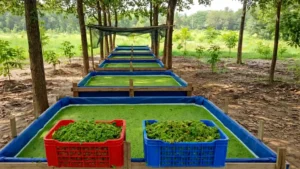
Instead of buying expensive hay, you grow lush green “grass” from barley or sorghum seeds in just 7 days using only water and trays.
- Target: Dairy and pig farmers in dry or urban areas (Kajiado, Machakos, Kiambu).
- Benefit: 1kg of seed produces up to 8kg of high-protein fodder. You can sell the “mats” to neighbors or use them to boost your own milk production.
14. Medicinal Herbs (Chamomile & Mint)
Health and wellness are massive in 2026. Dried Chamomile flowers currently fetch between KES 800–1,200 per kg, while Mint oil is a high-demand export for the cosmetics industry.
- Maturity: Chamomile harvests in just 60 days.
- Advantage: Herbs are generally pest-resistant and require very little water compared to vegetables.
15. Macadamia Nut Farming
Often called the “Queen of Nuts,” Macadamia is a long-term wealth generator. While trees take 3–5 years to fruit, the global demand for processed nuts is insatiable.
- Price: Farm-gate prices for high-quality nuts are hitting record highs in 2026.
- Strategy: Intercrop with short-term crops like beans or coriander while the trees are young to maintain cash flow.
Comparison of Secondary Ventures
| Idea | Space Required | Maturity | Primary Revenue Source |
| BSF Larvae | Very Small | 2-3 Weeks | Animal Feed / Fertilizer |
| Chamomile | Small-Medium | 2 Months | Dried Tea / Wellness |
| Hydro Fodder | Indoor/Shelter | 1 Week | Fodder Mats |
| Macadamia | Large (1 Acre+) | 3-5 Years | Raw Nuts (Export) |
Pro-Tip for 2026 Diversification:
The most resilient Kenyan farmers in 2026 are “Stacking” their ventures. For example:
The Integration Model: Growing Hass Avocado (long-term) + Beekeeping (for pollination and honey) + BSF Farming (using waste to feed chickens) + Poultry (for manure and quick cash).
Where to Source Certified Seeds and Livestock in Kenya
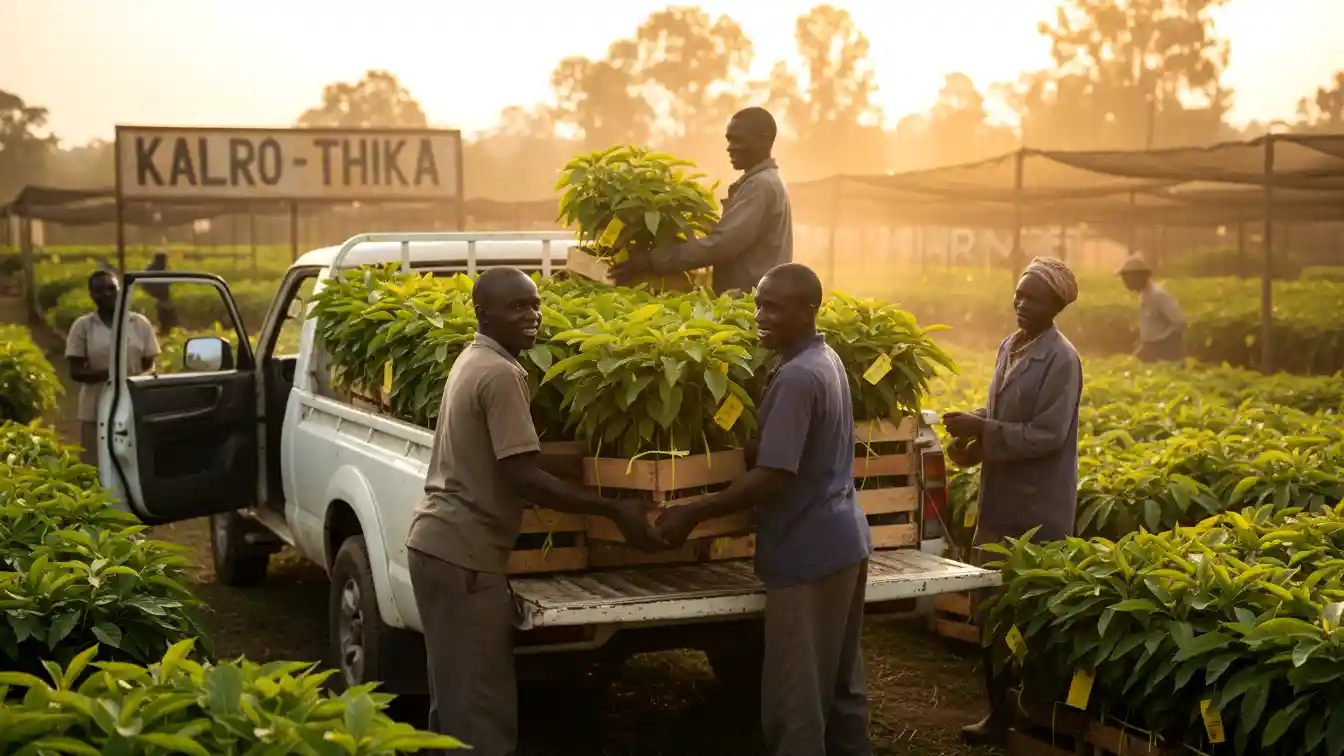
Farmers must source inputs from certified institutions to guarantee genetic purity and disease-free starts. The Kenya Agricultural and Livestock Research Organization (KALRO) is the primary source for seeds and livestock. Private certified nurseries and digital platforms like Safaricom’s Digifarm are also reliable sourcing channels in 2026.
Sourcing high-quality planting materials and breeding stock is the foundation of profitable agribusiness. In 2026, the market is flooded with counterfeits, so buying from reputable sources is non-negotiable. Using uncertified seeds or sickly livestock will lead to massive financial losses.
Kenya Seed Company and Simlaw Seeds are the go-to sources for certified vegetable and maize seeds. They have depots in almost every major town, including Nakuru, Eldoret, and Nairobi. For fruit seedlings like Avocado and Macadamia, look for nurseries certified by the Horticultural Crops Directorate (HCD).
KALRO centers nationwide are the safest bet for Improved Kienyeji chicks, fruit tree seedlings, and dairy goat genetics. They offer the Naivasha and Non-Ruminant Research Institute variants. Booking is often required due to high demand.
Read Also: Beekeeping in Kenya 2026: Beginner’s Guide, Equipment Costs and Profits per Hive
Digital platforms have matured significantly. iShamba and Mkulima Young allow farmers to connect with verified breeders for livestock like pigs and goats. Twiga Foods has also expanded into the supply chain, offering quality inputs to their contracted farmers.
For aquaculture, Jewlet Enterprises and government-run hatcheries like the one in Sagana provide high-quality fingerlings. Always ask for a vaccination history and certificate of origin when purchasing livestock or bulk seedlings.
Which Kenyan counties offer the best environment for these agribusiness ideas?
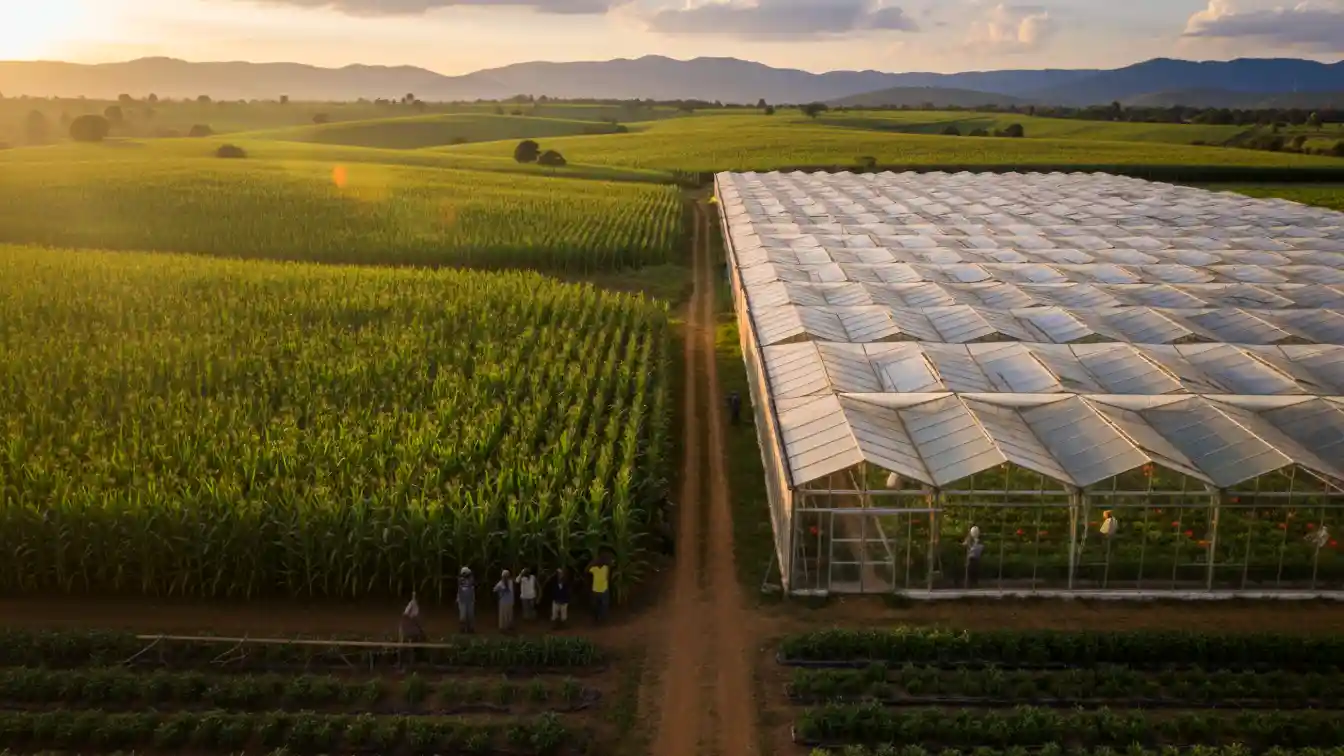
Different regions support different agribusinesses based on altitude, rainfall, and soil type. Kiambu and Murang’a excel in intensive farming like poultry and dairy due to market proximity. The Rift Valley dominates in large-scale crops, while semi-arid counties like Makueni are perfect for resilient crops like dragon fruit and bee keeping.
Kiambu & Murang’a (Central Region)
These counties are the hub for high-value, intensive farming. The proximity to Nairobi ensures a ready market for poultry, dairy goats, and horticulture. Land sizes here are small, forcing farmers to adopt vertical farming and greenhouse technologies.
Hass Avocado thrives here due to the favorable altitude and rainfall. However, land prices are high, making land ownership a barrier for beginners. Leasing remains a viable option for short-term crops like vegetables.
Uasin Gishu & Trans Nzoia (North Rift)
Known as the country’s breadbasket, this region is ideal for passion fruit, maize, and large-scale dairy farming. The cool climate supports wheat and barley as well. Infrastructure for transport is well-developed, linking farmers to processors.
Passion fruit farming has seen a resurgence in Uasin Gishu. The soil fertility is generally high, though acidity management is necessary. It is also a prime location for mushroom farming due to the abundance of wheat straw.
Makueni & Kitui (Lower Eastern)
These semi-arid regions are transforming into agricultural powerhouses through irrigation and climate-smart crops. Dragon fruit, mangoes, and bee keeping flourish here. The hot climate accelerates fruit maturity, allowing farmers to hit the market early.
Water harvesting is critical in these counties. Farmers utilizing farm ponds and drip irrigation see the best results. Land is affordable and available in larger tracts compared to Central Kenya.
What is the optimal farming calendar for maximizing agribusiness profits throughout the year?
To maximize profit, farmers must target off-peak seasons when supply is low and prices are high. Irrigation is the key enabler for this strategy. Planting during the heavy rains usually leads to harvest during market gluts, whereas timing harvests for dry months (January-March and August-October) yields better margins.
Q1: January – March (Dry Season)
This is the best time for land preparation and setting up infrastructure like greenhouses or poultry coops. Demand for fresh vegetables peaks as rain-fed crops vanish from the market. Farmers with irrigation should have crops like tomatoes and capsicums midway through production.
It is also the harvest season for mangoes in some regions. Beehive maintenance should be done now to prepare for the flowering season. Poultry farmers should stock chicks to target the Easter holiday market in April.
Q2: April – June (Long Rains)
Planting of long-rain crops like maize and beans occurs here. For tree crops like Avocado and Dragon Fruit, this is the ideal transplanting window as the soil moisture helps root establishment. Disease management is critical during this wet period.
Mushroom production can be challenging due to high humidity and contamination risks. Dairy goats require careful management to prevent pneumonia and foot rot. Collect water in farm ponds for the upcoming dry months.
Q3: July – September (Cold/Dry Season)
The weather is cooler, which slows down the maturity of some crops. However, it is an excellent time for cool-weather crops like cabbages and onions. Poultry consumption tends to be steady. Prepare for the short rains planting season towards the end of September.
Read Also: Improved Kienyeji Chicken Farming in Kenya 2026: Complete Guide to Breeds, Housing, Feeding and Profits
Harvesting of avocados for the late market often happens here, fetching premium prices. Pruning of fruit trees should be done after harvest to prepare for the next flowering cycle.
Q4: October – December (Short Rains)
Short rains support fast-maturing crops like beans and vegetables. This is the peak sales season for poultry and livestock due to the December festivities. Farmers should fatten their goats and chickens starting in October to ensure they reach market weight by Christmas.
Demand for food is at its highest annually. Greenhouse farmers should time their harvest to coincide with the holiday rush. It is also a good time to book seeds and seedlings for the next year.
How much capital is required and what are the expected returns for top agribusinesses?
Startup capital varies wildly from KES 20,000 for mushroom farming to over KES 500,000 for greenhouses. The Return on Investment (ROI) is generally high for agribusiness, often ranging from 40% to over 100% annually. High-risk ventures like poultry offer quick cash flow, while tree crops offer long-term passive income.
Financial planning is the difference between a hobby and a business. Below is a breakdown of estimated startup costs and potential returns for 2026. Note that land costs are not included, as leasing or ownership varies significantly.
Break-Even Analysis: fast-moving commodities like poultry and vegetables break even within 6 months. Long-term investments like Avocado orchards take 3 to 4 years to break even but offer decades of profit thereafter. Beginners should mix short-term and long-term ventures to maintain cash flow.
| Business Idea | Startup Cost (KES) | Production Cycle | Est. Net Profit (Per Cycle/Year) |
|---|---|---|---|
| 1 Acre Hass Avocado | 150,000 – 200,000 | 2.5 – 3 Years | 500,000 – 800,000 (Annually after yr 4) |
| 500 Improved Kienyeji | 100,000 – 150,000 | 4 – 5 Months | 150,000 – 200,000 (Per batch) |
| Mushroom House | 30,000 – 50,000 | 2 Months | 60,000 – 100,000 (Per crop) |
| 1 Acre Dragon Fruit | 800,000 – 1M | 1.5 Years | 2M – 3M (Annually after yr 3) |
| Greenhouse (8x15m) | 350,000 – 450,000 | 6 – 8 Months | 250,000 – 400,000 (Per season) |
Note: Costs include inputs, labor, and basic infrastructure. Market prices are based on 2026 projections.
How does the supply chain and value addition process work for these agricultural products?
The supply chain in 2026 is becoming shorter and more digital. Farmers are bypassing traditional brokers by using apps to sell directly to vendors or end consumers. Value addition, such as drying fruits, packaging honey, or making yoghurt from goat milk, significantly increases profit margins and shelf life.
Logistics and Cold Chain
Transport remains a major cost driver. For perishable goods like fish and milk, maintaining a cold chain is essential. Cooperatives are increasingly pooling resources to buy refrigerated trucks or install communal coolers.
Third-party logistics providers now offer “last-mile” connectivity for rural farmers. Companies like Twiga Foods collect produce directly from farm gates, reducing post-harvest losses. Using boda boda couriers for local deliveries is a common, cost-effective strategy for small volumes.
Value Addition Opportunities
Selling raw produce fetches the lowest price. Farmers are realizing the value of processing. For Avocados, farmers are extracting oil from Grade 2 fruits that don’t meet export standards. This oil is highly valued in the cosmetic industry.
Honey can be refined and packaged in branded jars rather than sold in crude buckets. Goat milk is being processed into yoghurt and cheese, which have longer shelf lives and higher retail prices. Even Banana farmers are drying fruit to make flour or healthy crisps.
2026 Outlook: The Future of Kenyan Agribusiness
The agricultural landscape in Kenya for 2026 is defined by resilience and technology. The days of relying solely on rain-fed agriculture are fading. The most successful farmers are those adopting smart irrigation, solar-powered technologies, and data-driven decision-making.
Export markets remain robust, but the domestic market is the unsung hero. With a rapidly urbanizing population, the demand for quality, safe food in Nairobi, Mombasa, and Kisumu is skyrocketing. Agribusiness is no longer a retirement plan; it is a high-growth sector for the youth.
Read Also: Hass Avocado Seedlings in Kenya 2026: Trusted Nurseries, Prices and Spacing Guide
Call to Action: Do not start big. Start smart. Pick one venture from this list, research the specific variety suitable for your zone, secure a certified water source, and treat your farm like a business, not a hobby. The soil pays those who respect it.
Farmers Also Ask (FAQ)
Which agriculture business is most profitable in Kenya in 2026?
Dragon Fruit and Hass Avocado farming currently offer the highest profit margins per acre. Dragon fruit is particularly lucrative due to high local prices (KES 800/kg), while avocados have a stable export market.
How can I start farming with little capital?
Mushroom farming and indigenous vegetable (Managu/Terere) farming require very little capital. You can start a mushroom project for under KES 20,000 using a small room and locally available wheat straw.
Is poultry farming still profitable in Kenya?
Yes, but the profit lies in Improved Kienyeji breeds rather than broilers. Kienyeji chickens have lower feeding costs, higher disease resistance, and fetch better market prices for both meat and eggs.
What is the best crop for dry areas in Kenya?
Dragon Fruit, Sorghum, and Green Grams (Ndengu) are excellent for dry areas. Dragon fruit is a cactus that requires minimal water, while green grams are drought-tolerant and mature quickly.
How much land do I need for dairy goat farming?
You need very little land. A 50×100 plot is sufficient to house zero-grazing units for 10-15 goats. They consume far less feed than cows and are easier to manage in small spaces.
Where can I sell my agricultural produce in Kenya?
Apart from local markets, digital platforms like Mkulima Young, Jiji, and FarmBizAfrica are great. Direct contracts with supermarkets or aggregators like Twiga Foods provide consistent off-take.
How long does it take for Hass Avocados to mature?
Grafted Hass Avocado trees typically start fruiting in 2.5 to 3 years. Full commercial production is usually attained by the 5th or 6th year, continuing for decades.
Is fish farming profitable in Kenya?
Yes, specifically Tilapia farming. With the decline of wild catch from Lake Victoria, farm-raised fish are in high demand. Profits depend heavily on managing feed costs, which is the biggest expense.
What are the risks of greenhouse farming?
The main risks are high initial capital, pest management (like Tuta Absoluta in tomatoes), and soil degradation if crop rotation is not practiced. Proper technical management is required to ensure ROI.
Can I farm bamboo in Kenya legally?
Yes, Bamboo farming is legal and encouraged by the government to increase forest cover. It is a commercial crop used for construction, furniture, and even textile industries.







Need Stephen Kilemi’s mumber
Here is stephen kilemi whatsapp number 0751042669