

- Rainfall Forecast: The Kenya Meteorological Department predicts a timely onset of long rains in the second week of March 2026, with above-average precipitation expected in the Western and Central Highlands.
- Input Costs: Certified maize seed prices have stabilized at roughly KES 750 per 2kg packet, while government-subsidized fertilizer remains capped at KES 2,500 per 50kg bag via the e-voucher system.
- Planting Window: Farmers in Trans Nzoia and Uasin Gishu should prepare for dry planting by March 5th, while lower eastern regions should wait for the first definitive accumulation of 30mm rainfall.
Table of Contents
The 2026 long rains season represents a pivotal moment for Kenyan agriculture as farmers navigate shifting climate patterns and evolving input markets. With the Kenya Meteorological Department forecasting a robust season for the breadbasket counties. the potential for record-breaking maize and bean yields is high if preparation meets precision. This comprehensive guide serves as your authoritative operational manual, breaking down the exact seed varieties, fertilizer mathematics. and financial projections needed to turn your shamba into a profitable enterprise this year.
What is the detailed weather forecast for the 2026 Long Rains season?
The 2026 Long Rains (March-April-May) forecast indicates a neutral ENSO phase, resulting in near-normal to slightly enhanced rainfall for Western, Rift Valley, and Central Kenya. Onset dates are projected between the second and third weeks of March. However, the Arid and Semi-Arid Lands (ASALs) may experience a shorter season with erratic cessation in late May.
Understanding the MAM (March-April-May) Regional Breakdown
The success of your crop depends entirely on aligning your planting schedule with the specific rainfall onset in your county. For 2026, the data suggests a distinct split between highland reliability and lowland volatility.
The Lake Basin and Highlands (Trans Nzoia, Bungoma, Uasin Gishu, Kericho): These regions are expected to receive the highest accumulation of rainfall, exceeding 400mm over the season. The rains are predicted to begin early, allowing for long-maturity maize varieties. Farmers here should prioritize early land preparation to capitalize on the nitrogen flush that occurs with the first rains.
Central and Nairobi (Kiambu, Nyeri, Murang’a): This region will likely see a steady onset by mid-March. The intensity will be moderate, favoring medium-maturity crops. Soil conservation structures should be reinforced, as flash floods are a risk in steep areas like Murang’a due to intense intermittent storms.
Southeastern Lowlands (Machakos, Kitui, Makueni): The forecast here is cautious. While the onset is expected in the third week of March, the cessation may be abrupt. Farmers in these areas must strictly adhere to drought-tolerant seeds and moisture conservation techniques like Zai pits or ripping.
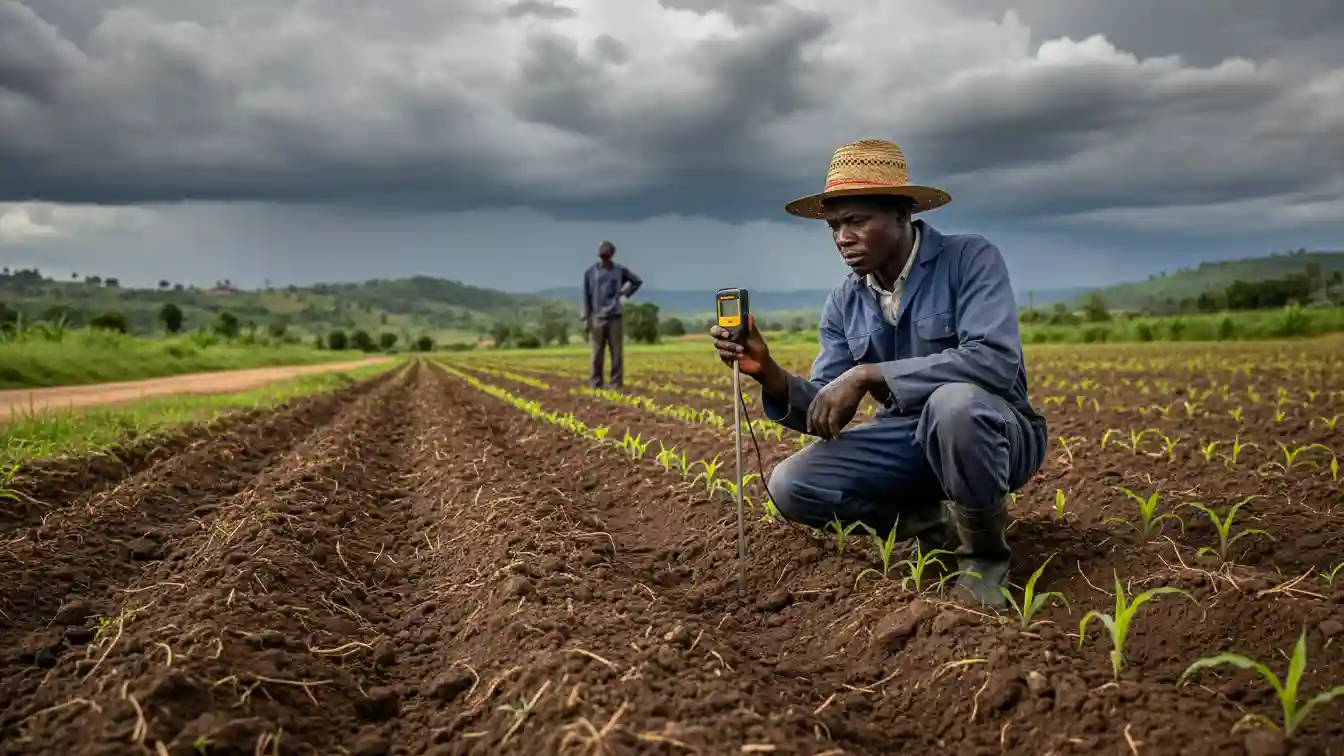
Which maize and bean varieties perform best for the 2026 season?
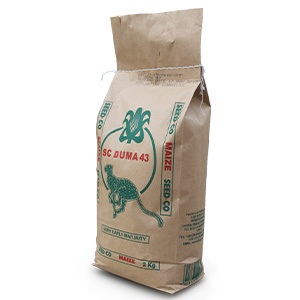
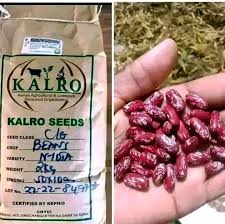
For 2026, top-performing maize varieties include SC Duma 43 and DK 8031 for drought-prone areas, while high-altitude farmers should choose H6213 or Pioneer 30G19 for maximum biomass. In beans, the Angaza and Nyota varieties are superior for their disease resistance and quick maturity, allowing for a second season or intercropping.
Top Maize Varieties for High-Potential Highlands
In the high-altitude zones of the Rift Valley, the growing season is long, often extending to six or seven months. The goal here is yield maximization per acre.
H6213 (Kenya Seed Company): This remains the king of the highlands. It is a late-maturing variety (160 to 190 days) but compensates with massive yields, capable of hitting 40 to 50 bags per acre under optimal management. It is highly resistant to lodging, which is crucial during the heavy storms of April.
Pioneer 30G19: A strong competitor for 2026, this variety is celebrated for its good grain texture and resistance to leaf blight. It matures slightly faster than the H6 series, making it a good option if planting is delayed by a week or two.
Best Drought-Tolerant Seeds for Arid Regions
For farmers in Kitui or lower Embu, the margin for error is zero. You need seeds that can flower and fill grain before the moisture vanishes.
READ ALSO: Maize Farming in Kenya: High Yield Production Guide, Best Practices and Profit Tips 2026
SC Duma 43 (Seed Co): This variety has gained immense popularity for its incredible speed, maturing in just 3 months. It is specifically bred to withstand heat stress and fits perfectly into the shorter 2026 rainfall window predicted for ASALs.
DK 8031 (Dekalb): Known for its “stay green” characteristic, this variety maintains healthy leaves even when moisture drops, ensuring the cob fills completely. It is also resistant to Maize Lethal Necrosis Disease (MLND), which remains a threat in parts of the South Rift.
Recommended Legume Varieties
Intercropping or pure stand beans are essential for cash flow and soil health.
Nyota (KALRO): This bean variety is a game-changer for 2026. It is rich in iron and zinc, matures in roughly 70 days, and fetches a premium price in Nairobi markets. It thrives in medium rainfall areas.
Wairimu (Rosecoco type): A standard market favorite. It requires slightly more water than Nyota but produces a heavy pod load. It is ideal for the Central Highlands where moisture is consistent.
Kenya Long Rains 2026: The Ultimate March Planting & Input Sourcing Guide
You can purchase certified inputs detailed in this guide at NCPB depots, Kenya Seed Company outlets, and through digital platforms like Safaricom Digifarm. Accredited agrovets stocking verified products from Yara, Osho Chemical, and Seed Co are available in major towns nationwide, ensuring you avoid fake inputs.
(Note: While you cannot buy this textual guide, this section details exactly where to source the critical inputs like seeds and fertilizer analyzed within this document.)
Digital Procurement Platforms
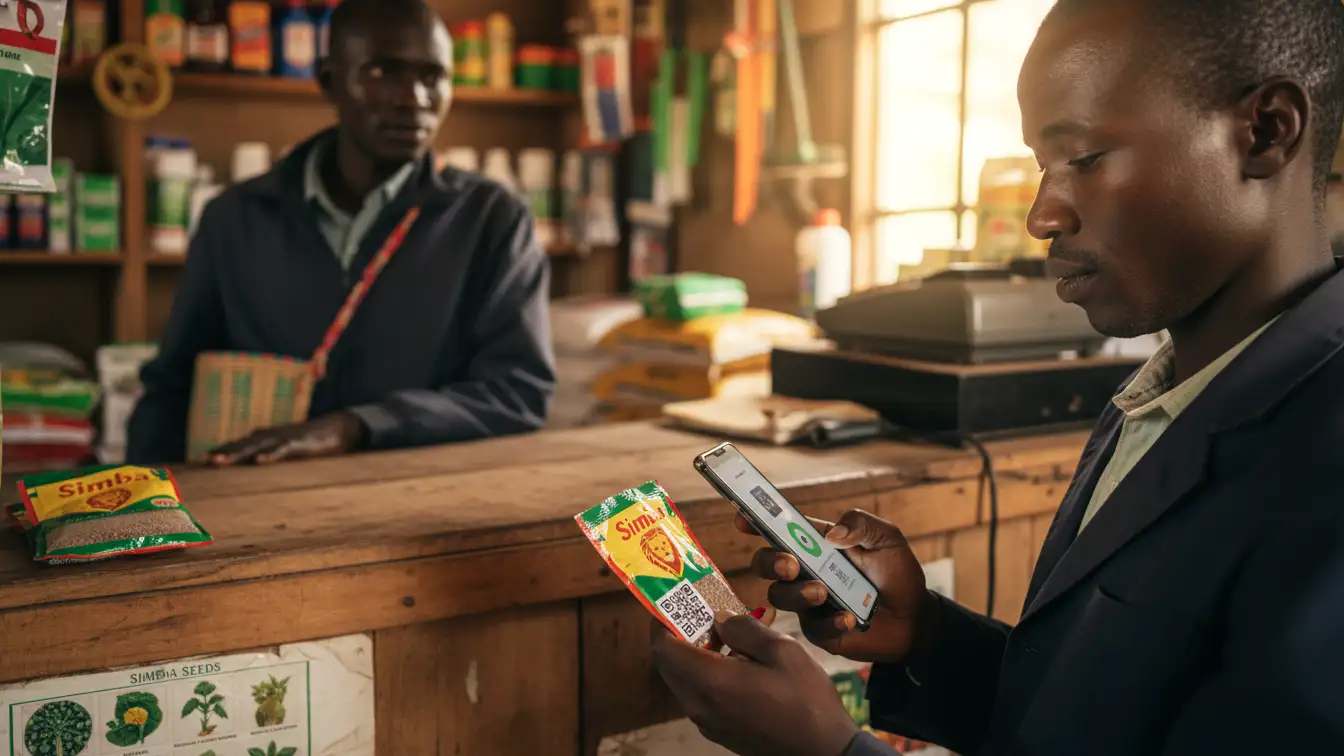
In 2026, the most secure way to buy inputs is digital. The prevalence of fake seeds in the open market has made traceability essential.
Safaricom Digifarm: By dialing *283#, farmers can access government-subsidized fertilizer vouchers. The platform links you directly to approved redemption centers, ensuring you get the subsidized rate of KES 2,500 per bag rather than the market rate.
iProcure: This system is integrated into many rural agrovets. It allows supply chain tracking, meaning the bag of DAP you buy in a remote village in Bomet can be traced back to the importer, guaranteeing authenticity.
Physical Depots and Government Centers
National Cereals and Produce Board (NCPB): The NCPB remains the primary distribution node for the government’s fertilizer subsidy program. Farmers must be registered in the national database to access these stocks. Early queuing is recommended as stocks often deplete rapidly in March.
Kenya Seed Company Stockists: For maize seed, buy strictly from licensed stockists. Look for the genuine KEPHIS sticker on the seed packet. If the sticker does not scratch to reveal a verification code, do not buy it.
How do agricultural regions compare for the 2026 planting season?
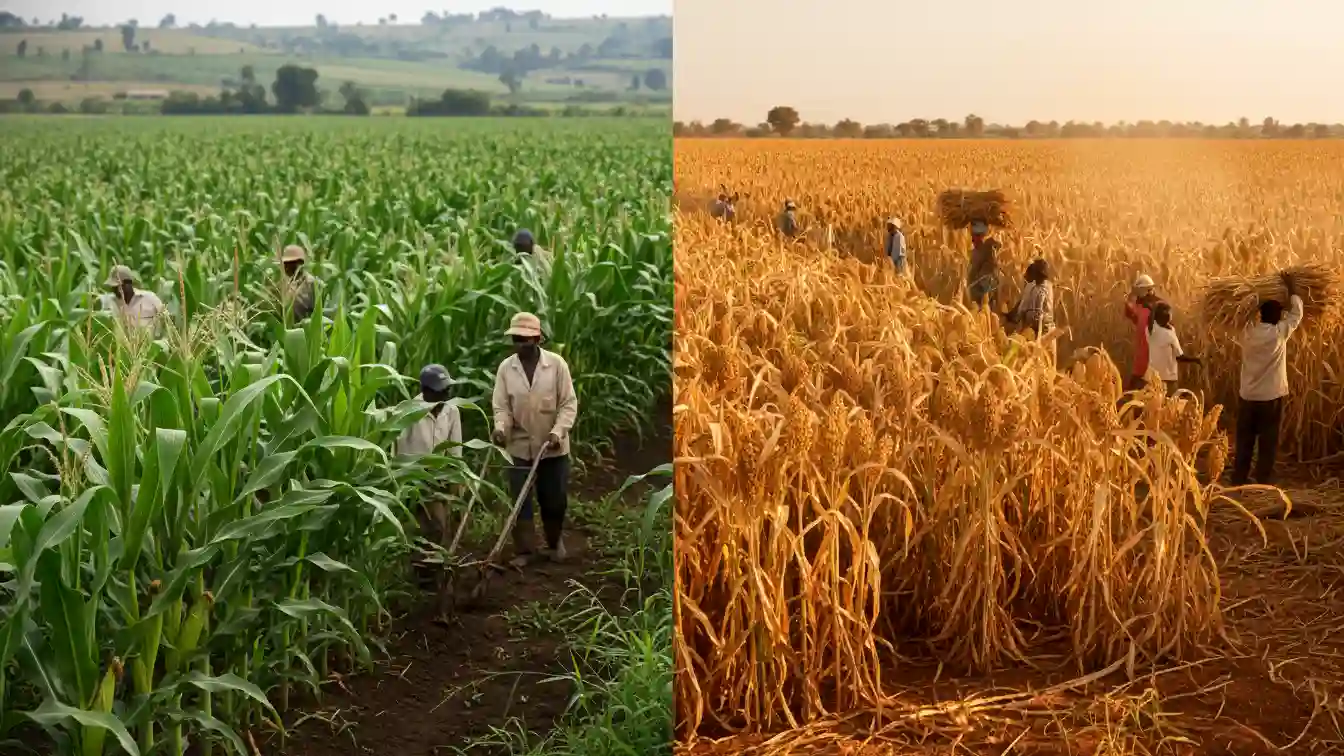
Trans Nzoia offers high volume potential but requires high capital for inputs and long-season crops. Conversely, Kitui offers lower entry costs and faster turnover with short-season crops like green grams, though risk of crop failure is higher. Kirinyaga provides the highest profit margins per square meter through intensive horticulture rather than maize.
Trans Nzoia: The High-Volume Maize Belt
In 2026, Trans Nzoia remains the undisputed champion for bulk maize farming. The soil pH generally ranges from 5.5 to 6.2, which is acceptable but often requires lime application due to years of DAP use.
READ ALSO: How to Get Instant Farm Input Mobile Loans in Kenya 2026: Digital Credit Apps and Bank Options
The comparative advantage here is economies of scale. Farmers renting large tracts of 10 or more acres can reduce per-unit costs significantly. However, the risk is the high cost of production and the long wait for ROI. The harvest coincides with the national glut, often depressing prices unless you have storage.
Kitui: The Short-Season Strategy
Comparing Kitui to Trans Nzoia is like comparing sprinting to a marathon. In Kitui, the 2026 long rains may only last 8 to 10 weeks. Maize is risky here; the comparative advantage lies in Green Grams (Ndengu) and Sorghum.
Farmers here spend less on fertilizer and chemicals. If the rains perform well, the ROI percentage can actually beat Trans Nzoia because the input costs are so low. However, a total crop failure is a statistical possibility that Trans Nzoia farmers rarely face.
Kirinyaga: Intensive Horticulture
Kirinyaga farmers often skip maize entirely during the long rains, opting for tomatoes, french beans, or rice. With reliable irrigation backup from the mountain streams, they use the “Long Rains” merely to supplement irrigation costs.
The capital intensity here is massive, involving greenhouses, drip lines, and labor. However, a quarter-acre of tomatoes in Kirinyaga can yield more profit than three acres of maize in Trans Nzoia. The barrier to entry is technical knowledge and upfront cash.
What is the recommended farming calendar for the rest of 2026?
After the March planting, critical milestones include top dressing in late April, pest control for Fall Armyworm in May, and physiological maturity in August. Harvesting for highlands begins in October or November, while short-season areas harvest in July. Post-harvest land preparation for the short rains must start immediately after harvest.
March: Planting and Pre-Emergence
Weeks 1-2: Dry planting in the North Rift. Finalize harrowing. Weeks 3-4: Planting in Central and Eastern regions as rains begin. Apply pre-emergence herbicides like Lumax to curb weed competition early.
April: Weeding and Top Dressing
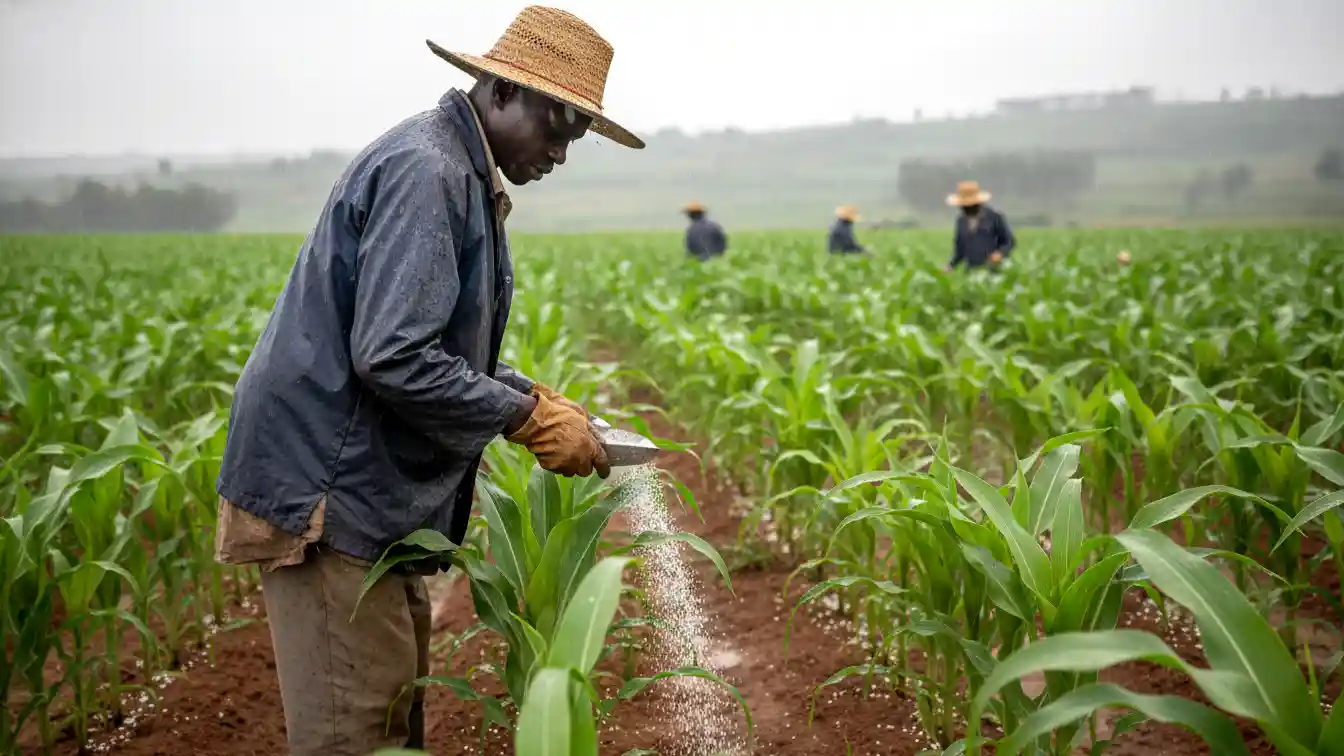
Weeks 1-2: First weeding must be done 3 weeks after germination. If using herbicides, ensure soil is moist. Weeks 3-4: First top dressing with CAN or specialized maize blends. This is the period of rapid vegetative growth; nitrogen is non-negotiable here.
May: Pest Management and Second Top Dress
Weeks 1-4: Scout for Fall Armyworm. They thrive during dry spells within the rainy season. If infestation exceeds 10%, spray with Emamectin Benzoate. In high-rainfall zones, apply a second round of top dressing just before the maize tassels.
June – August: Maintenance to Maturity
June: In short-season areas (Eastern), beans are ready for harvest. Harvest them carefully to avoid disturbing the intercropped maize. July: Maize in Eastern and Coastal regions reaches maturity. Begin stooking to dry. August: Highland maize is in the grain-filling stage. Do not disturb the soil. Protect the field from monkeys and theft.
September – December: Harvest and Short Rains
September: Harvest for short-season crops is complete. Land prep for Short Rains (Oct-Dec) begins in Eastern Kenya. October: Short rains planting begins. November-December: Main harvest for Trans Nzoia and Uasin Gishu. Drying and storage handling is critical to prevent Aflatoxin.
What are the projected costs and profits for maize farming in 2026?
The cost of producing one acre of maize in 2026 is approximately KES 32,000 to KES 40,000, depending on labor and mechanization. With a target yield of 25 bags (90kg), and a projected selling price of KES 3,500 per bag, gross revenue is KES 87,500, yielding a net profit of roughly KES 50,000 per acre.
READ ALSO: Top 10 Best Agrovets in Kenya (2026 Guide): Where to Buy Genuine Inputs in Nairobi, Eldoret & Nakuru
Detailed Break-Even Analysis
Farming is a business, and in 2026, the margins are tighter due to global fertilizer volatility. The table below assumes you are renting land (common for beginners) and hiring labor. If you own the land or do the work yourself, your cash costs decrease, but your opportunity cost remains.
| Expense Item | Unit Cost (KES) | Quantity per Acre | Total Cost (KES) |
|---|---|---|---|
| Land Lease (Seasonal) | 8,000 | 1 Acre | 8,000 |
| Ploughing (Tractor) | 3,500 | 1 Pass | 3,500 |
| Harrowing | 2,500 | 1 Pass | 2,500 |
| Certified Seed (Hybrid) | 750 | 4 Packets (8kg) | 3,000 |
| Planting Fertilizer (DAP) | 3,200 | 1 Bag (50kg) | 3,200 |
| Top Dressing (CAN) | 2,800 | 2 Bags | 5,600 |
| Herbicides/Pesticides | 4,000 | Lumpsum | 4,000 |
| Labor (Plant, Weed, Harvest) | 500 | 12 Man-days | 6,000 |
| Post-Harvest (Shelling/Bags) | 150 | 25 Bags | 3,750 |
| TOTAL INPUT COST | 39,550 |
Profitability Scenarios
Scenario A: Poor Yield (15 Bags)
Revenue: 15 bags x KES 3,200 = KES 48,000.
Profit: KES 8,450. (Barely worth the 6-month effort).
Scenario B: Target Yield (25 Bags)
Revenue: 25 bags x KES 3,500 = KES 87,500.
Profit: KES 47,950. (Good return).
Scenario C: Bumper Harvest (35 Bags – High Mgmt)
Revenue: 35 bags x KES 3,500 = KES 122,500.
Profit: KES 82,950. (Excellent return).
The key variable in 2026 is the cost of fertilizer. Using subsidized fertilizer (KES 2,500 instead of KES 3,200) saves you KES 700 per bag, directly boosting your bottom line.
How can farmers maximize value in the post-harvest supply chain?
Farmers can increase margins by 30 to 40% by bypassing brokers and storing grain until prices peak in April or May of the following year. Utilizing Warehouse Receipt Systems (WRS) allows farmers to deposit grain in certified stores and use the receipt as collateral for loans, preventing distress selling at harvest time.
Avoid the “Broker Trap”
Immediately after harvest (November-January), the market is flooded. Brokers traveling to the farm gate will offer as low as KES 2,200 per bag. By holding your stock for just three months, prices often rebound to KES 3,500 or higher. The cost of storage (approx. KES 50 per bag per month) is negligible compared to the price appreciation.
Value Addition at Farm Level
Instead of selling raw maize grains, consider value addition. A simple electric posho mill can transform your 90kg bag of maize into maize flour.
The Math: One 90kg bag produces roughly 85kg of flour and germ. Selling flour at KES 70 per kg generates KES 5,950 per bag, compared to KES 3,500 for raw grain. Even after milling costs, the profit margin doubles.
The Warehouse Receipt System (WRS)
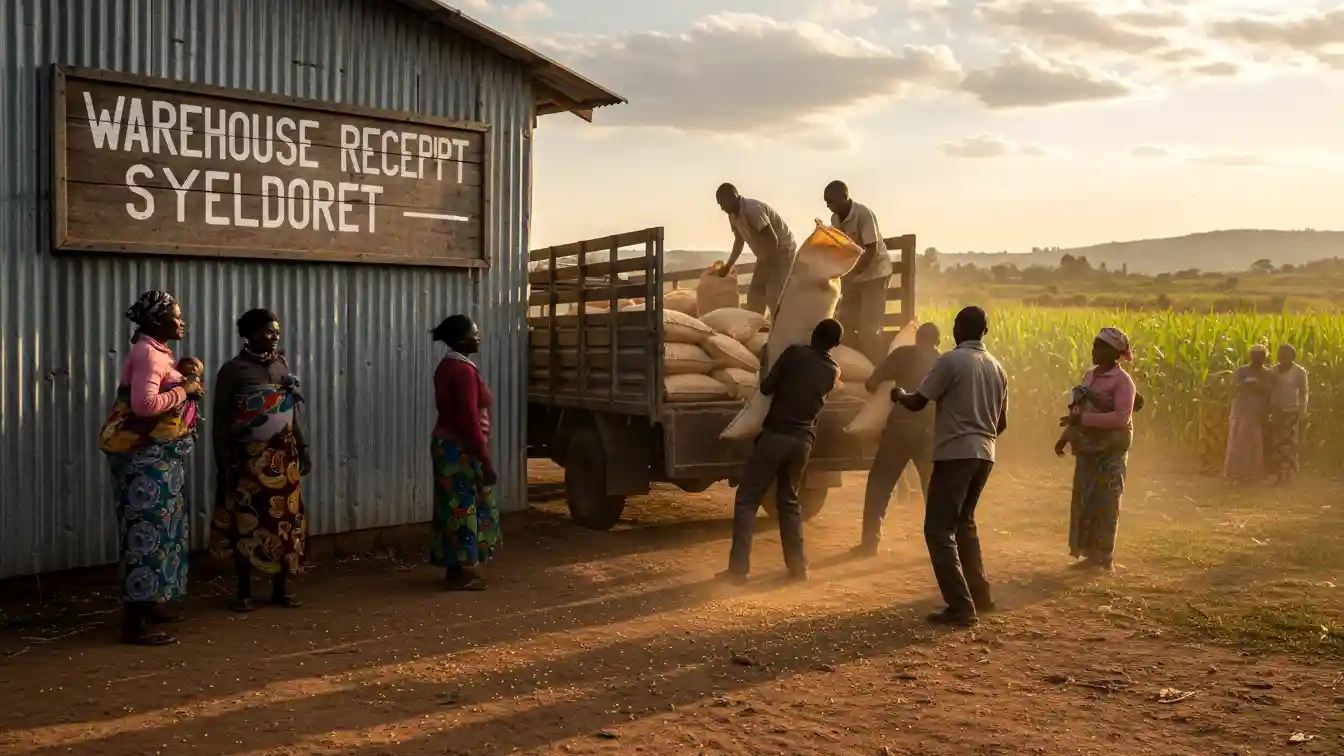
The Kenyan government has aggressively promoted WRS for 2026. You deliver your maize to a certified NCPB or private warehouse. They test it, grade it, and issue a receipt. You can take this receipt to a participating bank (like Equity or Co-op) and get a loan worth 60% of the grain’s value to fund your next planting season, while your grain sits securely waiting for better prices.
What is the agricultural outlook for late 2026 and 2027?
As we look beyond the 2026 long rains, the agricultural landscape in Kenya is shifting toward climate-smart resilience and digital integration. The erratic nature of the rains this year is a warning signal: the “business as usual” approach of relying solely on rain-fed agriculture is becoming increasingly risky.
READ ALSO: Top 7 Best AI Apps for Kenyan Farmers in 2026: Fight Crop Diseases, Cut Costs and Boost Yields
For late 2026, the Short Rains forecast suggests a mild La Niña, meaning drier conditions for the East. Farmers should plan to conserve fodder and crop residues from the Long Rains harvest to feed livestock through a potentially dry end-of-year period. Financially, seed prices are expected to rise by another 5 to 10% in 2027 due to currency fluctuations affecting import costs of parental seed lines.
Your 2026 Call to Action: Do not wait for the first raindrop to buy your seeds. The stockouts of popular varieties like H6213 are common by mid-March. Secure your inputs now, register for the e-voucher subsidy, and treat your farming as a data-driven business. The difference between a harvest that barely feeds your family and one that builds your wealth lies in the decisions you make this month.
Farmers Also Ask (FAQ)
What is the best date to plant maize in March 2026?
For the North Rift, dry planting should happen before March 10th. For Central and Eastern regions, wait for 30mm of accumulated rainfall (usually after March 15th) to avoid seed rot if the rains “false start.”
How do I apply for the government fertilizer subsidy in 2026?
Dial 283# on your Safaricom line. Follow the prompts to register your details. Once verified by your local Ward Agricultural Officer, you will receive an e-voucher via SMS to redeem at NCPB or KNTC depots.
Is SC Duma 43 better than DK 8031?
It depends on your goal. SC Duma 43 is faster (maturing in 3 months), making it better for areas with very short rains. DK 8031 has better disease resistance (MLND) and stands better in the field. Choose Duma for speed, DK for resilience.
How many bags of fertilizer do I need for one acre of maize?
Standard practice is one 50kg bag of DAP (or NPK 23:23:0) for planting and two 50kg bags of CAN for top dressing (split into two applications). This ensures sufficient Nitrogen and Phosphorus.
What causes yellowing of maize leaves in 2026?
Yellowing is usually a sign of Nitrogen deficiency (requires CAN top dressing) or cold stress (common in July in highlands). It can also indicate Maize Lethal Necrosis Disease (MLND) if accompanied by drying margins.
Can I plant beans and maize together in the same hole?
No. Planting them in the same hole causes competition for nutrients. Plant maize in rows and plant the beans in between the rows. This maximizes light and nutrient uptake for both.
What is the current price of a 90kg bag of maize in Kenya (2026)?
As of February 2026, the price is fluctuating between KES 3,200 and KES 3,800 depending on the region. Prices are highest in Nairobi and Mombasa and lower in production hubs like Kitale.
How do I control Fall Armyworm cheaply?
Early detection is key. Scout fields weekly. If you see sawdust-like poop in the funnel, use affordable sprays like Match or Escort early. Traditional methods like ash are less effective for large infestations.
Is farming on leased land profitable in 2026?
Yes, but margins are thin. You must achieve a yield of at least 18-20 bags per acre to cover the lease cost (approx KES 8,000 to 10,000) and inputs. High-efficiency management is required.
Where can I get a soil test in Kenya?
You can send samples to KALRO centers, CropNuts (Crop Nutrition Laboratory Services) in Nairobi, or use mobile soil testing kits available through some county agricultural offices. A test costs between KES 1,500 and KES 3,000.