

- The government increased minimum sugarcane prices to protect farmers from milling cartels in 2026.
- New early-maturing KALRO varieties take 9 to 14 months to harvest compared to the traditional 24 months.
- Subsidized DAP fertilizer at NCPB depots reduces input costs for registered smallholder farmers.
Table of Contents
Sugarcane farming in Kenya has entered a highly lucrative phase in 2026 following aggressive government reforms and the introduction of fast-maturing crop varieties. In the past, smallholder farmers struggled with delayed payments, expensive inputs, and crops that took up to two years to harvest. Today, the landscape has shifted completely with the implementation of strict minimum pricing controls by the Agriculture and Food Authority (AFA).
Farmers who adapt to the new high-yielding, early-maturing varieties can significantly cut production timelines and boost annual cash flow. From securing subsidized fertilizer to navigating digital platforms like the MIWA BORA app, succeeding in the local sugar belt requires a sharp business strategy. This guide breaks down exactly what it takes to run a profitable sugarcane shamba today.
Is Sugarcane Farming Profitable?
An acre of sugarcane in Kenya generates an estimated net profit of KSh 80,000 to KSh 140,000 per harvest cycle. With the 2026 minimum factory gate price set around KSh 5,750 per tonne, farmers harvesting 35 tonnes per acre can achieve gross revenues exceeding KSh 200,000.
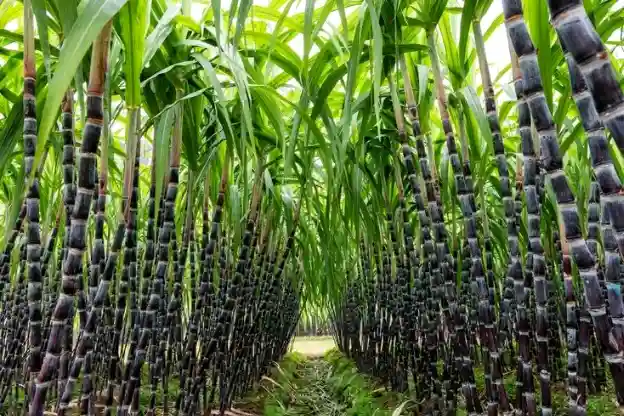
Profitability in sugarcane production currently depends heavily on the maturity period of the seed cane planted. Traditional farmers waiting 24 months for a single harvest lose money to inflation and land lease costs. Switching to early-maturing varieties cuts land occupation time in half, allowing farmers to lock in returns much faster.
Read Also: Maize Farming in Kenya: High Yield Production Guide, Best Practices and Profit Tips 2026
The latest price adjustments by the Ministry of Agriculture serve as a massive incentive for growers in the Western and Nyanza regions. At an estimated KSh 5,750 per tonne, profit margins have expanded significantly compared to previous seasons when prices were drastically lower. However, high transport costs to milling factories can still eat into your final payout.
From what many farmers experience, keeping farm labor and land preparation costs under control is the secret to high margins. Slashing feed costs for draft animals and using mechanized plowing helps stabilize the first capital outlay. Smart farmers negotiate transport deals early or form local transport cooperatives to bring logistics costs down.
Best 10 Sugarcane Varieties for High Yields
The Kenya Agricultural and Livestock Research Organization released multiple early-maturing varieties, but the top commercial performers include KEN 83-737, KEN 82-472, and FR 95-2345. Traditional resilient options like Co 421 and N14 are still grown for their ratooning ability and drought tolerance.
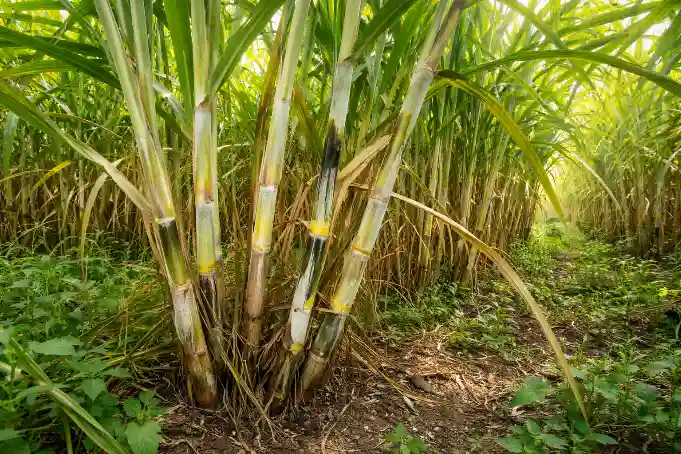
Selecting the right variety dictates everything from your harvest timeline to your sucrose yield. For decades, Kenyan farmers relied heavily on imported Indian and South African varieties that took nearly two years to mature. The 2026 focus is entirely on the new KALRO breeds varieties optimized for early maturity and high sucrose content.
Before buying seed sets, you must analyze your local soil and rainfall conditions. Varieties suited for the high-altitude zones of Nandi will not perform optimally in the lower, drier zones of Migori. Here is a breakdown of the 10 best options available for commercial planting.
| Variety Name | Maturity Period | Estimated Yield (Tonnes/Acre) | Key Traits |
|---|---|---|---|
| KEN 83-737 | 12 to 14 months | 35 to 45 | Excellent sucrose content, highly resistant to smut. |
| KEN 82-472 | 11 to 13 months | 38 to 42 | Fastest maturing local option, good for short rain zones. |
| FR 95-2345 | 12 to 14 months | 35 to 40 | Superior cane weight, highly adaptable to Western Kenya. |
| KEN 82-62 | 12 to 15 months | 32 to 38 | Strong ratooning ability across multiple harvests. |
| KEN 82-401 | 13 to 15 months | 34 to 40 | High disease resistance, moderate drought tolerance. |
| Co 421 | 18 to 20 months | 30 to 35 | Traditional favorite, incredibly tough in poor soils. |
| Co 617 | 18 to 22 months | 35 to 40 | High tonnage, requires heavy rainfall to thrive. |
| Co 945 | 18 to 22 months | 28 to 35 | Tolerates waterlogging well in poorly drained shambas. |
| N14 | 16 to 18 months | 30 to 38 | Excellent ratoon performance, low input requirements. |
| N10 | 16 to 18 months | 28 to 34 | Very high sugar extraction rate preferred by millers. |
Where to Buy Sugarcane Seed in Kenya
Finding verified seed cane and farm inputs requires working with licensed nurseries and official institutions. Avoid roadside vendors at all costs. They often sell infected planting materials that spread diseases like smut and ratoon stunting.
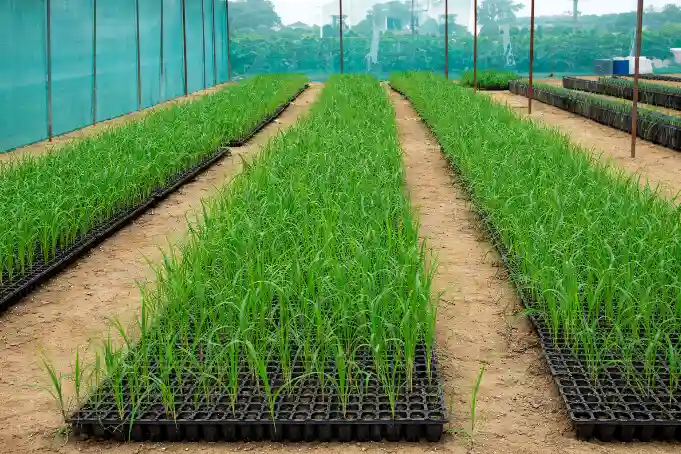
The Kenya Plant Health Inspectorate Service recommends sourcing seed cane only from certified suppliers. This protects your farm and ensures proper germination and yields.
For high-quality, disease-free seed, visit the KALRO Sugar Research Institute. They supply early-maturing KEN varieties with proven performance in Kenyan conditions.
Read Also: 2026 Fertilizer Guide: Understanding NPK Ratios for Maximum Maize Yields
You can also source seed from miller-supported nurseries. Most sugar factories run outgrower programs that provide certified planting materials to contracted farmers.
County agricultural offices in Kakamega, Bungoma, and Migori maintain updated lists of approved private nurseries. Always request certification before buying to avoid losses.
Fertilizer Requirements for Sugarcane Farming in Kenya
Sugarcane is a heavy feeder. Without proper nutrition, yields drop fast.
At planting:
- Apply 2 bags of DAP per acre
After 3 months:
- Top-dress with 2 bags of CAN
Subsidized fertilizer is available through the National Cereals and Produce Board.
- DAP: around KSh 3,500 per 50kg
- CAN: around KSh 2,875 per 50kg
Payments are done via M-Pesa only.
Poor soil fertility is one of the biggest reasons farmers harvest below 20 tonnes per acre. Always test your soil before planting to determine nutrient gaps.
To cut costs and improve soil structure, add well-rotted manure during land preparation. It boosts moisture retention and supports long-term soil health.
Below is a standard nutrition guide for one acre of sugarcane. This comparison table highlights the recommended fertilizer types and their estimated subsidized costs.
| Growth Stage | Fertilizer Type | Application Rate (Per Acre) | Estimated Cost (KSh) |
|---|---|---|---|
| Planting | DAP | 2 Bags (100kg) | 7,000 |
| 3 Months | CAN or Urea | 2 Bags (100kg) | 5,750 (CAN) |
| 6 Months | NPK 17:17:17 | 1 Bag (50kg) | 3,275 |
Always ensure the soil is moist when applying top-dressing fertilizer to prevent nitrogen loss through evaporation. For farmers looking to cut costs further, integrating well-rotted farmyard manure during land preparation improves soil structure and water retention. Avoiding brokers by buying direct from NCPB is the safest way to keep your capital intact.
How to Use the MIWA BORA App for Farming Support
The Sugar Directorate launched the MIWA BORA app, allowing farmers to access extension services and track local milling prices via mobile phones. The app bridges the massive gap in extension services by connecting farmers directly with KALRO agronomists.
The 2026 digital transformation in agriculture has made managing farm inputs much easier for rural growers. Through the MIWA BORA platform, you can bypass middlemen and receive localized advice on the exact varieties suited for your specific county. This tool is essential for tracking daily weighbridge prices and managing outgrower contracts.
Step-by-Step Guide to Getting Started
To begin, download the MIWA BORA app from your standard mobile application store. Register using your national ID number, phone number, and specific farm location. Once your profile is verified, you will gain access to real-time market data and local miller updates.
You can use the platform to request visits from county agricultural officers if you spot unfamiliar pests. It also features a community forum where seasoned farmers share advice on weeding schedules and mechanization hire. Embracing this digital tool eliminates the guesswork and keeps you informed on AFA policy shifts.
14-Month Farming Calendar
A standard early-maturing cycle begins with land preparation in February ahead of the long rains. Planting occurs in March, followed by intensive weeding through June. Top-dressing happens in July, with the final harvest scheduled for April or May the following year.
Timing your activities to align with Kenya’s bimodal rainfall pattern is crucial for rain-fed shambas. Missing the March planting window means the young crop will struggle to establish a deep root system before the dry spell hits. Sugarcane requires consistent moisture during the first four months of vegetative growth.
During the first three months, weed control must be aggressive because young cane shoots cannot compete with broadleaf weeds. Most farmers slash manually, but selective herbicides offer a cheaper alternative for large tracts of land. By the sixth month, the cane canopy will close and naturally suppress further weed growth.
Read Also: 15 Most Profitable Agribusiness Ideas in Kenya to Start in 2026
In the final two months before harvest, the crop enters the ripening phase where vegetative growth stops and sucrose accumulation peaks. During this period, avoid applying any nitrogen fertilizer as it will force the plant back into a growth state. Proper coordination with your local sugar miller is necessary to ensure transport trucks are ready exactly when the cane is cut.
Cost Per Acre and Profit Analysis
Starting an acre of sugarcane requires approximately KSh 90,000 to KSh 110,000. With yields averaging 35 tonnes per acre at an estimated price of KSh 5,750 per tonne, farmers can generate a gross revenue of KSh 201,250, resulting in a net profit around KSh 101,500 per cycle.
To treat Sugarcane Farming in Kenya 2026: Complete Guide to Costs Per Acre, Profits, 10 best Varieties and Yields as a business, you must track every single shilling spent. Many beginners fail because they ignore the hidden costs of harvesting labor and factory transport. Using government subsidies and moderate mechanization helps keep these expenses manageable.
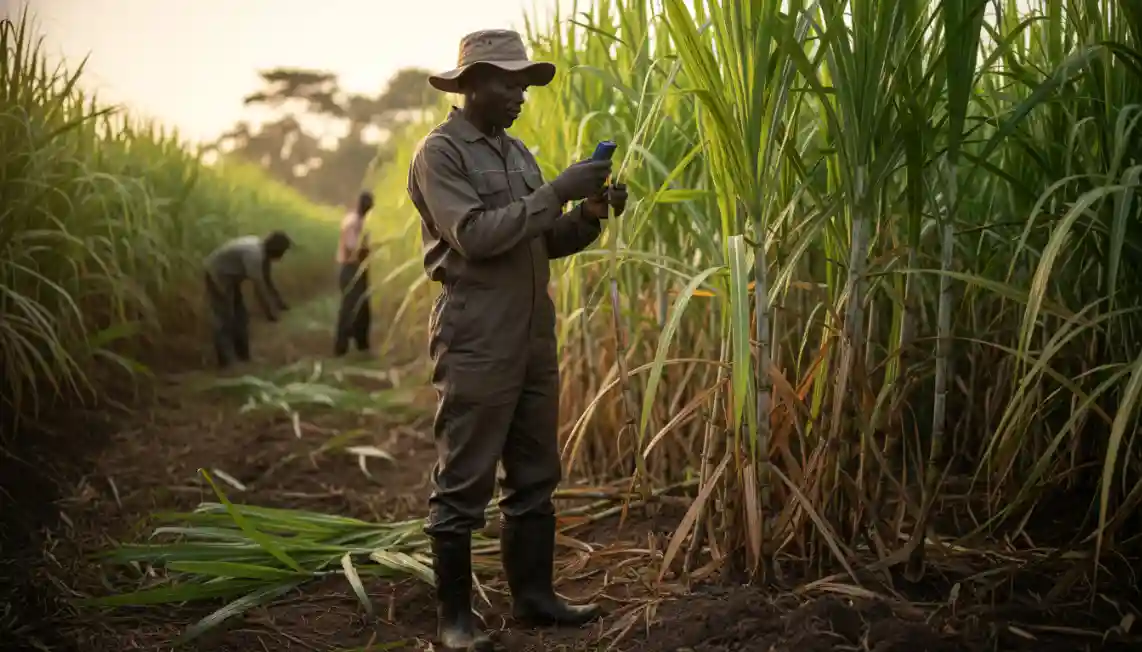
This financial table outlines the standard cost of production for one acre. Prices reflect current estimated market rates in the western sugar belt.
| Expense Category | Item Description | Estimated Cost (KSh) |
|---|---|---|
| Land Preparation | Plowing, harrowing, and furrowing | 15,000 |
| Seed Materials | 3 tonnes of certified sets at KSh 4,000 | 12,000 |
| Fertilizer | Planting and Top-dressing subsidized | 12,750 |
| Labor | Planting, weeding, chemical application | 18,000 |
| Crop Protection | Herbicides and basic pesticides | 5,000 |
| Harvesting & Transport | Cutting labor and factory haulage | 35,000 |
| Total Production Cost | Standard Management Scenario | 97,750 |
The gross revenue relies entirely on the final weight delivered to the weighbridge. In a scenario where poor weather limits the yield to 25 tonnes, the revenue drops to KSh 143,750, leaving a slim profit. In a best-case scenario with high-yielding KALRO varieties hitting 45 tonnes, gross revenue can reach KSh 258,750.
The beauty of sugarcane is the ratoon crop, which sprouts from the harvested stumps. The second and third harvests cost significantly less because land preparation and seed costs are completely eliminated. This pushes the profit margin for subsequent years much higher, making the long-term investment extremely rewarding.
Risks & Reality Check
The biggest threats to sugarcane farmers are delayed factory payments, unpredictable transport logistics, and cane poaching by rival millers. Biological risks include smut disease, stem borers, and severe drought during the early establishment phase.
What farming guides rarely tell you is how deeply factory politics can affect your pocket. For years, delayed payments forced farmers to take high-interest loans just to survive while awaiting their checks. Although the government has streamlined payment protocols in 2026, administrative delays still occur during peak milling seasons.
Transport logistics remain a nightmare for rural farmers with poor road networks. If your harvested cane sits by the roadside for days waiting for a tractor, the stalks dry up and lose critical weight. Forming alliances with neighbors to hire a dedicated transport truck is the safest way to guarantee immediate factory delivery.
Read Also: Dragon Fruit Farming in Kenya 2026: The Ultimate Guide to Millions [Pitaya Success Roadmap]
On the biological front, climate change has made rainfall unpredictable. A prolonged drought after planting can wipe out an entire shamba before the canopy forms. Regular scouting for stem borers is also essential, as these pests bore into the cane and destroy the sucrose tissue.
Real-World Scenario: Success in Nyanza Sugar Belt
A farmer in Chemelil shifted from growing the old Co 421 variety to the new KEN 83-737 early-maturing breed. By utilizing subsidized fertilizer and digital agronomy support, he reduced his harvest timeline by 8 months and boosted yields to 40 tonnes per acre.
To understand the reality on the ground, look at the recent shifts in Kisumu County. Many outgrowers around the Muhoroni and Chemelil zones had previously abandoned the crop due to massive debts and poor yields. However, with the state writing off legacy factory debts and enforcing strict minimum pricing, confidence has returned to the region.
One specific farmer tackled the issue of expensive inputs by organizing a local youth cooperative. They pooled funds to buy subsidized DAP and CAN in bulk from the nearest NCPB depot, significantly cutting transport costs. Instead of hiring expensive private tractors randomly, they negotiated a seasonal contract with a local logistics firm.
Their first harvest of the fast-maturing cane yielded an average of 40 tonnes per acre at roughly KSh 5,750 per tonne. The fast turnaround allowed them to clear their initial capital investments within 14 months rather than the usual two years. This case study proves that treating sugarcane as a tightly managed business guarantees high returns.
2026 Outlook and Final Verdict
Is it worth it? Yes. The combination of state-backed minimum prices, subsidized inputs, and 12-month seed varieties makes sugarcane highly profitable in 2026. However, farmers must strictly control labor costs and secure reliable transport to maximize returns.
The Kenyan sugar industry is on a clear path to recovery, with national production targets aiming for a surplus. The government ban on cheap sugar imports and the strict pricing controls protect local farmers from unfair foreign competition. For anyone holding idle land in the western or coastal belts, this is the perfect time to plant.
Who Should Invest vs. Who Should Avoid
Investors with access to at least one acre of land in high-rainfall zones should heavily consider this crop. It offers reliable, long-term income through successive ratoon harvests without requiring complex daily management. However, individuals looking for quick, three-month returns should completely avoid sugarcane and focus on horticulture instead.
The Hard Truths
The hard truth is that absentee farming will drain your capital quickly. You cannot plant sugarcane and move back to Nairobi hoping for a miracle harvest. Poor weeding, late fertilizer application, and theft at the harvest stage will completely destroy your profit margins. You must actively supervise your shamba or hire a highly competent local manager.
Farmers Also Ask
What is the current price of sugarcane per tonne in Kenya?
As of 2026, the estimated minimum price for sugarcane is KSh 5,750 per tonne. This pricing framework is strictly monitored by the Agriculture and Food Authority to protect farmers.
How long does sugarcane take to mature in Kenya?
New KALRO varieties mature in 9 to 14 months. Older traditional varieties take between 18 and 24 months depending on the region and rainfall patterns.
Which is the best sugarcane variety to plant?
KEN 83-737 and KEN 82-472 are highly recommended for their fast maturity, high sucrose content, and strong resistance to smut disease.
How many tonnes of sugarcane can you harvest per acre?
A well-managed acre yields between 35 and 45 tonnes. Poorly managed farms often drop to 20 tonnes or less due to severe weed competition and low fertilizer use.
Can I buy subsidized fertilizer for sugarcane?
Yes, registered farmers can buy subsidized DAP and CAN at discounted rates from local NCPB depots. Payments are strictly processed via M-Pesa.
What is the biggest killer of young sugarcane?
Prolonged drought and severe weed competition during the first three months will stunt or kill young shoots before they establish deep root systems.
How much seed cane is required for one acre?
You need approximately 3 tonnes of certified seed sets to achieve optimal plant population spacing in a standard one-acre shamba.
Is ratoon sugarcane farming profitable?
Yes, it is highly profitable. The second and third ratoon harvests eliminate land preparation and seed costs, significantly increasing your net profit margins.
Where do I sell my harvested sugarcane?
You sell directly to registered local milling factories. Ensure you have an active outgrower contract to guarantee factory off-take and timely transport.