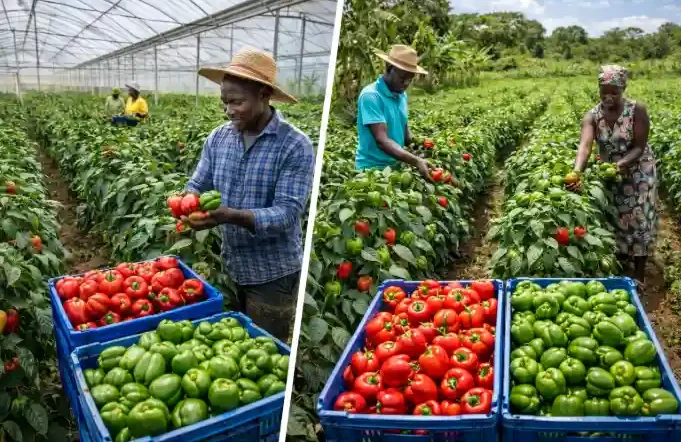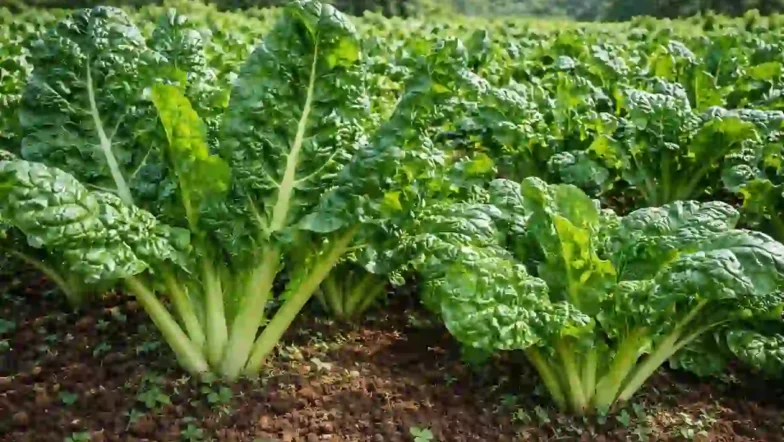

- Profit Potential: A well-managed acre yields between KES 300,000 and KES 600,000 annually, with net margins averaging 45% to 60% depending on the season.
- Best Varieties 2026: Malkia F1 and Mfalme F1 dominate for commercial yields (20+ tonnes/acre), while Thousand Headed remains the top choice for long-term kitchen garden harvesting.
- Market Price: The 2026 average retail price sits at KES 30-50 per kg during peak supply, spiking to KES 80-100 per kg in dry months (January-March).
Sukuma wiki (Collard Greens) remains the undisputed king of Kenyan vegetable farming in 2026. It anchors the daily diet of over 90% of households across the country. For beginner farmers, it offers a deceptive simplicity that often masks the technical requirements for commercial success.
Table of Contents
Achieving the “super-profits” often touted requires a shift from traditional subsistence methods. Farmers must adopt precision agronomy to maximize output per square meter. This guide serves as your definitive operational manual for 2026.
We move beyond basic advice to deliver hard financial data and specific input costs. You will find the current KES 6,500 price for DAP fertilizer and granular yield comparisons. Estimated ranges vary by management, so we focus on realistic targets for the year’s top seed varieties.
What are the Most Profitable Sukuma Wiki Varieties for 2026?
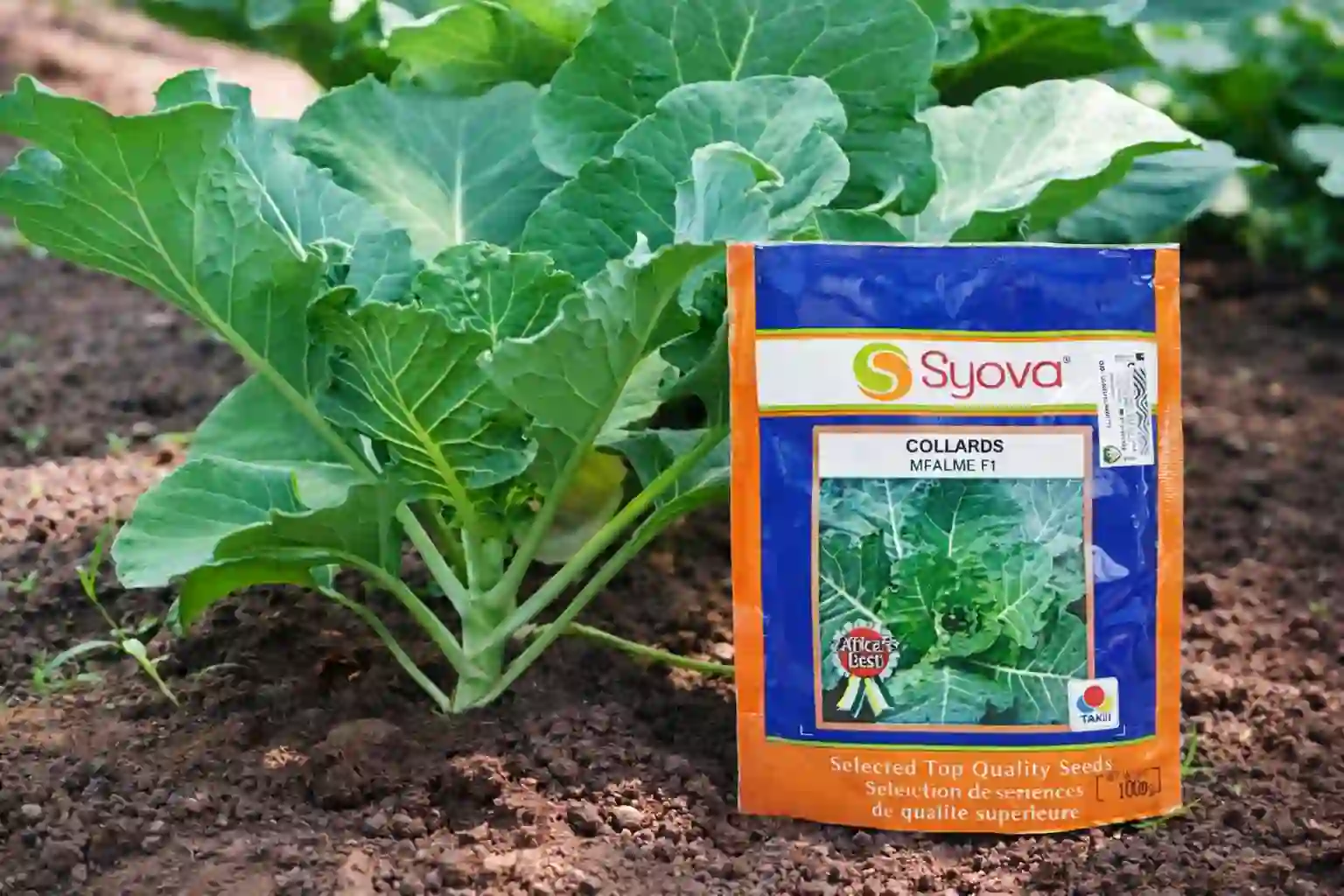
The most profitable varieties for 2026 are Malkia F1 and Mfalme F1 due to their resistance to Black Rot and ability to yield over 20 tonnes per acre. For areas with lower rainfall or kitchen gardens, Thousand Headed is superior because of its extended harvesting period of up to 9 months.
Technical Deep-Dive: Hybrid vs. Open-Pollinated Varieties
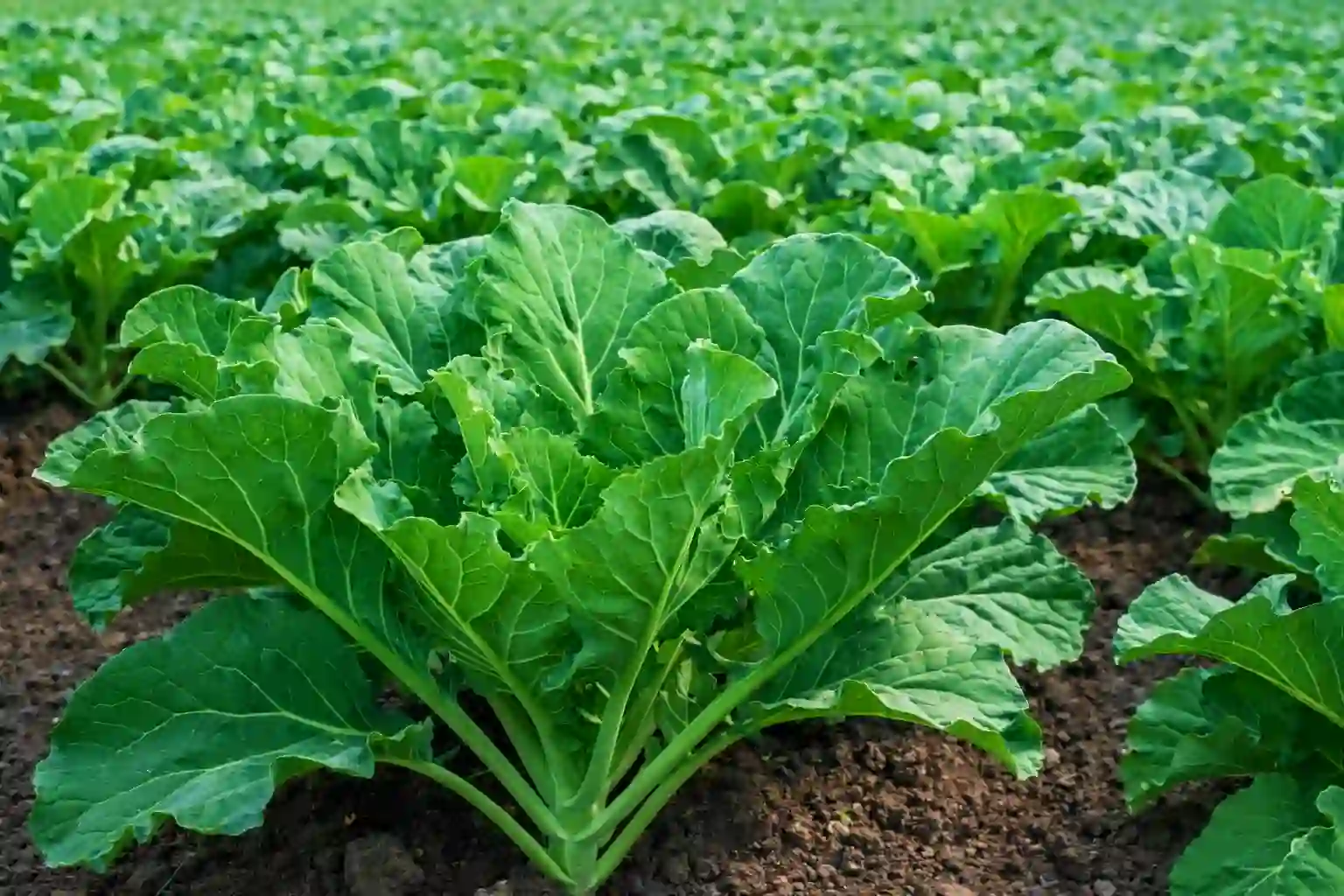
In 2026, the shift towards F1 Hybrids is non-negotiable for commercial farmers targeting supermarket chains. While open-pollinated seeds like Kinale are cheaper to source (approx. KES 200 per 50g), they succumb faster to pests. Hybrids require a higher initial investment but compensate with vegetative uniformity.
1. Malkia F1: This is the 2026 market leader for short-cycle commercial farming. It matures in just 45 days. Its leaves are dark green, a trait highly preferred by urban consumers in Nairobi and Mombasa.
Its key advantage is a genetic tolerance to soft rot. This disease is a major killer of crops in wet zones like Kericho. Malkia F1 allows for intensive spacing without compromising individual plant health.
2. Thousand Headed: A legendary variety in Kenya, aptly named for its ability to produce vegetative shoots continuously. It is not a quick-cash crop but a steady-income crop. It recovers remarkably well after harvesting.
This makes it ideal for farmers who want a consistent weekly income. It prevents the need for a one-off bulk harvest that might overwhelm storage. It is the backbone of rural kitchen gardens.
Read Also: Spinach Farming in Kenya 2026: Best Varieties,, Costs, Yields and Profit per Acre
3. Southern Georgia: This variety has gained traction in semi-arid counties like Kitui and Machakos. It is heat tolerant and does not “bolt” (go to seed) easily under stress. However, its yield per acre is lower, averaging 8-10 tonnes compared to the 20+ tonnes of hybrids.
2026 Variety Performance Comparison
| Variety | Type | Maturity Period | Yield Potential (Per Acre) | Disease Resistance | Best Region |
| Malkia F1 | Hybrid | 45 Days | 20 – 25 Tonnes | High (Black Rot) | Central, Rift Valley |
| Mfalme F1 | Hybrid | 60 Days | 20 – 22 Tonnes | High (Leaf Spot) | Western, Nyanza |
| Thousand Headed | OPV | 60 Days | 12 – 15 Tonnes | Moderate | All Zones (Kitchen Gardens) |
| Southern Georgia | OPV | 55 Days | 8 – 10 Tonnes | Moderate (Heat Tolerant) | Eastern, Coastal |
| Kinale (Simlaw Select) | OPV | 60 Days | 10 – 12 Tonnes | Low | Cool Highlands |
Where to Buy Sukuma seeds in Kenya 2026
For 2026, authentic seeds should be sourced directly from Kenya Seed Company depots or certified digital distributors like AgriJibu and iShamba. Avoid buying loose seeds from open-air markets as germination rates are often below 40%.
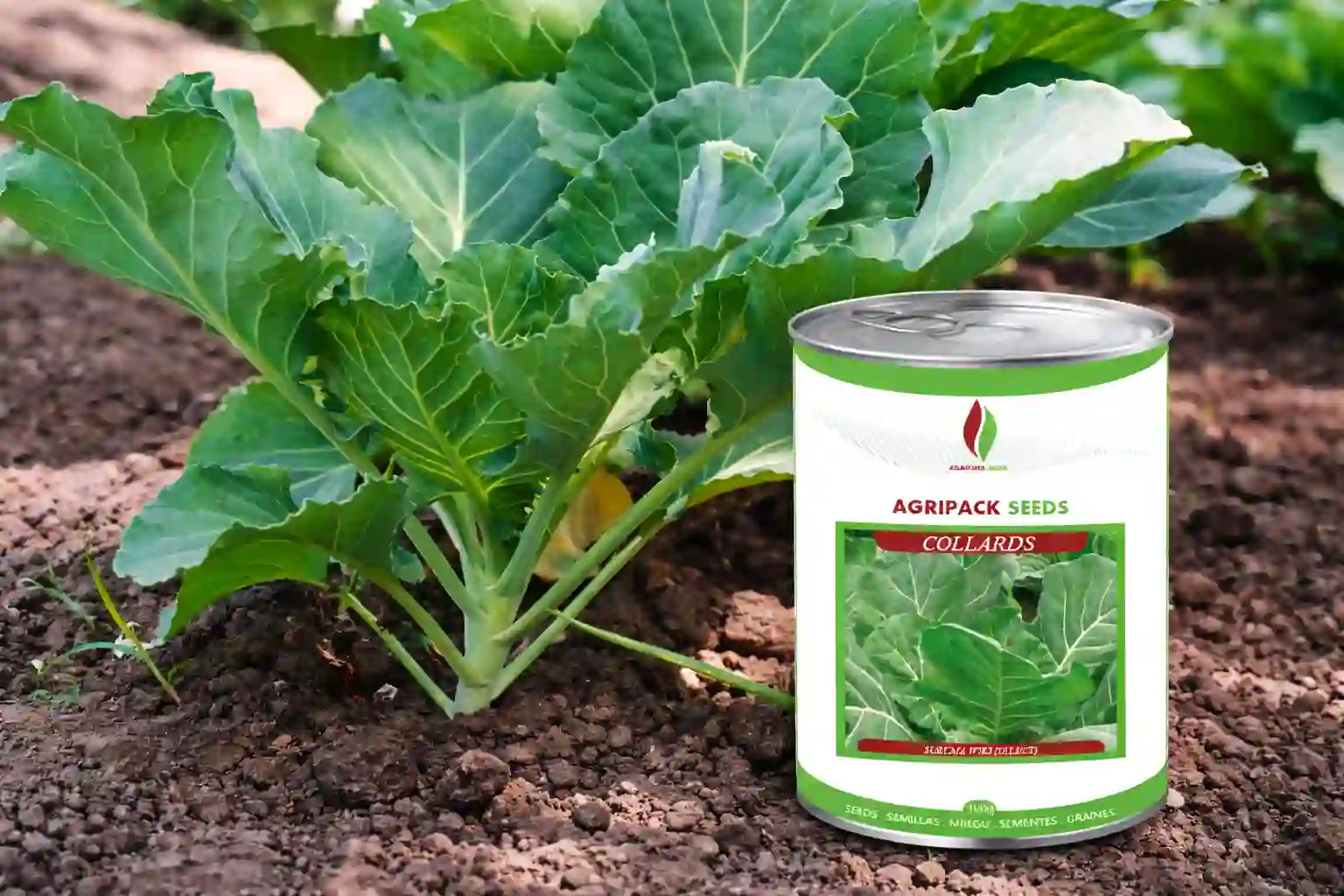
The supply chain for agricultural inputs has digitized significantly. In 2026, relying on your local agrovet without price-checking online is a financial mistake. Major suppliers have integrated with mobile money platforms to offer direct delivery.
Digital Sourcing Platforms
AgriJibu & Agropests: These platforms have become the “Amazon” for Kenyan farmers. They stock Simlaw, Royal Seed, and Syngenta varieties. Current 2026 pricing for a 50kg bag of CAN fertilizer on these platforms averages KES 2,650 to KES 3,500.
Delivery is often available to the nearest town terminal. This saves transport costs for remote farmers. Always verify the seller ratings before confirming bulk orders.
Safaricom Digifarm: Essential for accessing credit to buy inputs. In 2026, their “Bloom” loan facility allows farmers to purchase seeds and pay after harvest. Strict vetting applies to all applicants.
Mkulima Young: While excellent for selling produce, be cautious when buying seeds here. Stick to “Verified Sellers” to ensure you are not buying fake F1 seeds. Counterfeit seeds remain a rampant issue in the sector.
Physical Depots
Kenya Seed Company (Simlaw Seeds): The gold standard. Their main depot on Kijabe Street, Nairobi, remains the safest bet. Regional branches in Kitale and Nakuru also stock fresh certified inventory.
Read Also: Top 5 Hybrid Onion Varieties (F1) Dominating the Kenyan Market in 2026
Amiran Kenya: Best for farmers looking for a “starter kit”. They include seeds, fertilizers, and drip irrigation lines in a single package. This is ideal for those setting up new greenhouse or drip projects.
How Do Returns Vary by Region (Meru vs. Uasin Gishu vs. Kilifi)?
Meru offers the highest profitability due to consistent rainfall and proximity to the Isiolo-Marsabit market. Uasin Gishu faces lower prices due to market saturation from maize farmers diversifying. Kilifi commands the highest price per kg but requires significant investment in irrigation and heat-tolerant varieties.
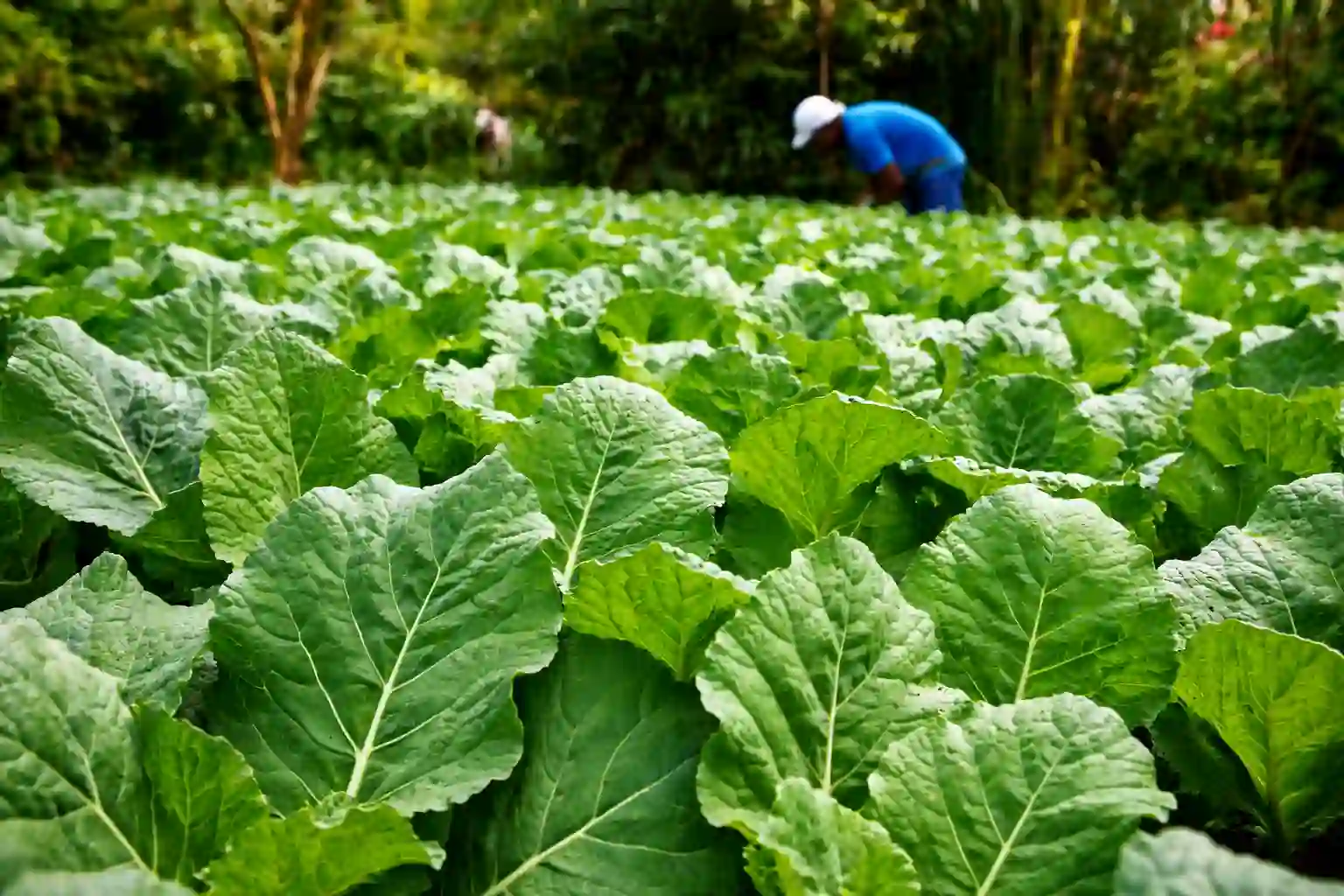
Meru County: The High-Yield Hub
Meru farmers enjoy a unique advantage: dual rainfall seasons and high altitude. The cool climate slows the maturity of the leaves slightly but results in larger, heavier leaves. These leaves pack well in 90kg bags for transport.
2026 Outlook: Farmers here are seeing excellent returns by targeting the “northern corridor” markets. Instead of shipping to Nairobi, Meru farmers are sending Sukuma Wiki to Isiolo and Marsabit. Arid conditions there limit local production, fetching prices up to KES 60/kg.
Uasin Gishu: The Volume Game
In Eldoret and surrounding areas, Sukuma Wiki is often grown as a break crop between maize rotations. This leads to massive supply gluts between June and August. Market saturation is a constant risk during these months.
2026 Challenge: The market price in Eldoret can drop to as low as KES 10/kg at farm gate. Profitability here depends entirely on volume and value addition (e.g., drying). Farmers are advised to plant off-season using irrigation.
Kilifi County: The Niche Premium
Coastal farming of Sukuma Wiki is difficult due to heat stress and sandy soil. These soils drain nutrients rapidly, requiring frequent inputs. However, tourism drives consistent high demand.
Strategy: Farmers must use the “Southern Georgia” variety and invest heavily in manure to improve water retention. The price per kg rarely drops below KES 50. It is highly lucrative for those who can master water management.
12-Month Farming Calendar for 2026
To maximize profit, time your harvest for January-March and September-October when dry weather reduces national supply. Avoid planting in April if you rely on rain, as your harvest will coincide with the July market glut.
Detailed Seasonal Planner
January – February (Dry Season / High Prices):
Land preparation and nursery establishment for the Long Rains crop should happen now. Prices are at their peak (KES 60-90/kg). Farmers with irrigation are harvesting and making maximum profit.
March – April (Long Rains Onset):
Transplanting seedlings into the main field occurs in this window. Apply DAP fertilizer (approx. KES 6,500 per 50kg bag) during planting to boost root development. Top dress with CAN after 3 weeks to encourage leaf growth.
May – June (Vegetative Growth & First Harvest):
Heavy harvesting begins for early maturing varieties like Malkia F1. Pest control is critical now; warm moist days trigger aphid explosions. Prices start to slide as supply increases (KES 30-40/kg).
July – August (Cold Season / Market Glut):
Peak harvest for most rain-fed farmers hits the market. Growth slows due to cold weather. This is the best time to dry surplus leaves if you have solar dryers, as prices hit KES 10-20/kg.
September – October (Short Rains Prep):
Clearing fields and planting the second crop takes priority. Prices begin to recover as the cold-season crop fades. Smart farmers prepare for the short rains now.
Read Also: Tomato Farming in Kenya 2026: Cost per Acre and Profit Analysis
November – December (Short Rains):
Weeding and top dressing are the main activities. Demand rises due to festive season consumption. Prices stabilize at a profitable KES 40-50/kg.
Deep-Dive Financials: Cost of Production & Profit Tables
The estimated cost to farm one acre of Sukuma Wiki in 2026 is KES 74,500. With a conservative yield of 15,000kg sold at an average of KES 25/kg, revenue is KES 375,000, resulting in a net profit of KES 300,500 per acre over a 6-month cycle.
This financial model assumes you are renting land and hiring labor. If you own the land or work it yourself, your cash costs will be significantly lower. Estimated ranges vary by management, market access, and weather conditions.
2026 One-Acre Production Budget (KES)
| Item / Activity | Unit Cost (KES) | Quantity | Total Cost (KES) |
| Land Lease (Annual Average) | 10,000 | 1 Acre | 10,000 |
| Ploughing & Harrowing | 3,500 | 2 Passes | 7,000 |
| Certified Seeds (Malkia F1) | 2,600 | 200g | 10,400 |
| Nursery Management (Labor/Inputs) | 3,000 | Lumpsum | 3,000 |
| Fertilizer: DAP (Planting) | 6,500 | 1 Bag (50kg) | 6,500 |
| Fertilizer: CAN (Top Dressing) | 3,000 | 2 Bags | 6,000 |
| Manure (transport included) | 5,000 | 3 Tons | 15,000 |
| Pest Control (Insecticides/Fungicides) | 8,000 | Season | 8,000 |
| Labor (Weeding/Harvesting) | 500/day | 17 Man-days | 8,500 |
| TOTAL ESTIMATED COST | 74,400 |
Profit Sensitivity Analysis
Profit depends entirely on the market price per bag (90kg). A 90kg bag can fluctuate from KES 500 to KES 3,000 depending on the supply chain.
- Scenario A (Glut): 166 bags (15 tons) x KES 800/bag = KES 132,800 Revenue. (Profit: KES 58,400).
- Scenario B (Average): 166 bags x KES 2,000/bag = KES 332,000 Revenue. (Profit: KES 257,600).
- Scenario C (Peak Season): 166 bags x KES 3,500/bag = KES 581,000 Revenue. (Profit: KES 506,600).
Supply Chain & Value Addition Opportunities
Farmers lose up to 40% of their harvest to post-harvest spoilage. Value addition in 2026 involves solar drying to create kale powder, which sells for KES 500/kg, or supplying chopped, pre-packaged greens to urban supermarkets.
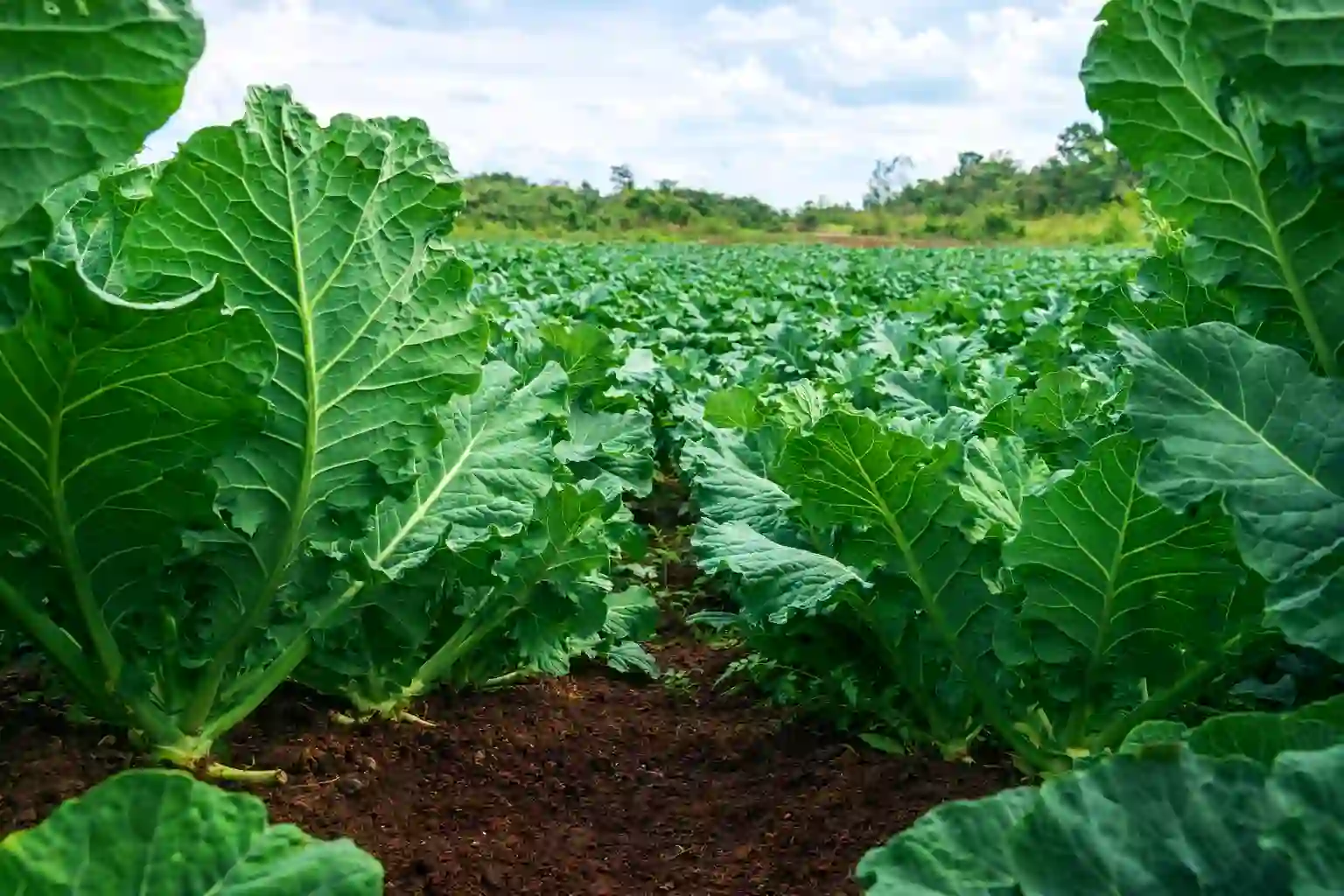
The traditional supply chain involves “brokers” who visit the farm. They buy a whole field for a lump sum or per bag. While convenient, this model surrenders the bulk of the profit to the middleman.
The “Kale Powder” Revolution
Dried vegetable powder is a rapidly growing niche in 2026. By drying surplus Sukuma Wiki during the glut season (July), you can grind it into a powder. This powder is used for smoothies and nutritional supplements.
Read Also: Coriander Varieties in Kenya: Best Dhania Types, Yields and Market Demand 2026
Machinery Cost: A small domestic powder grinder costs between KES 16,000 and KES 25,000. A simple solar dryer can be constructed for under KES 15,000 using timber and UV-treated polythene. This small investment opens up a non-perishable market.
Pre-Cut Packaging
Urban working-class consumers in estates like Embakasi or Roysambu often lack time to chop vegetables. They are willing to pay a premium for convenience. This trend is reshaping local greengrocers.
“Strategy: Clean, chop, and package 500g bags of Sukuma Wiki. Sell them for KES 50-70 directly to estate grocery kiosks or households. This doubles the price per kg compared to selling raw bunches.”
Conclusion: 2026 Outlook
Sukuma Wiki farming in 2026 is no longer just about putting seeds in the ground; it is about data-driven decisions. The days of broadcasting uncertified seeds and hoping for rain are over. Success requires calculation and strategy.
The profitable farmer of 2026 selects the right variety (Malkia F1 or Mfalme F1) for their specific market. They budget for soil nutrition (DAP/CAN) to guarantee the 20-tonne/acre yield. Finally, they time the market to avoid the July glut or invest in value addition.
Call to Action: Start small. Lease half an acre, use certified seeds, and strictly follow the crop calendar. The demand for food in Kenya is permanent; your profitability is determined by your management.
Farmers Also Ask (FAQ)
How many months does Sukuma Wiki take to mature in Kenya?
Sukuma Wiki typically takes 45 to 60 days to mature after transplanting, depending on the variety. Hybrid varieties like Malkia F1 can be ready for the first harvest in as little as 45 days. Traditional varieties like Thousand Headed may take closer to 60 days.
Is Sukuma Wiki farming profitable in Kenya in 2026?
Yes, it is highly profitable if timed correctly. With production costs around KES 75,000 per acre and potential revenue exceeding KES 300,000, net margins are attractive. However, profitability drops significantly if you harvest during market gluts (July-August) when prices crash.
Which is better between Mfalme F1 and Thousand Headed?
It depends on your goal. Mfalme F1 is better for commercial farming because it yields more per acre and has softer, more marketable leaves. Thousand Headed is better for kitchen gardens because it is hardier and requires fewer inputs.
Is Sukuma Wiki farming profitable in Kenya in 2026?
Yes. Sukuma Wiki is one of the most profitable short-term crops in Kenya because it has constant demand in homes, hotels, and markets. With good management, farmers can harvest continuously for 3 to 5 months from one planting. Profit depends on market price, spacing, and pest control, but it remains a strong cash crop for small and medium-scale farmers.
Best Sukuma Wiki varieties in Kenya
Top-performing varieties include hybrid and improved types that are disease resistant, fast growing, and high yielding. Farmers should choose varieties suitable for their region and resistant to common pests like aphids and diamondback moth.
What is the best fertilizer for Sukuma Wiki planting?
DAP (Diammonium Phosphate) is the best fertilizer for planting Sukuma Wiki. It provides high phosphorus levels needed for strong root establishment. For 2026, budget approximately KES 6,500 for a 50kg bag of DAP.
How do I control Diamondback Moth in Sukuma Wiki?
The Diamondback Moth is the most destructive pest for kale. Control it by alternating insecticides to prevent resistance. Effective chemicals include products with active ingredients like Indoxacarb or Chlorantraniliprole.
Can I grow Sukuma Wiki in hot areas like Kitui or Mombasa?
Yes, but you must choose heat-tolerant varieties like “Southern Georgia” or “Collards F1”. You will also need to invest in drip irrigation and apply heavy mulch to retain soil moisture. Shade nets can also help reduce heat stress.
Why are my Sukuma Wiki leaves turning yellow?
Yellowing leaves usually indicate Nitrogen deficiency or water stress. If the soil is moist but leaves are yellow, the plant needs a nitrogen boost; apply CAN or Urea fertilizer. If the yellowing comes with V-shaped lesions, it could be Black Rot.