

- Top Performing Hybrids: The H8998 variety remains the market leader in 2026 for oil content, offering up to 45% oil extraction rates ideal for commercial pressing.
- Short Maturity Period: Most Kenyan varieties mature in 3 to 4 months, allowing for two cropping seasons per year in regions like Bungoma and Meru.
- Profit Potential: With edible oil prices rising, farmers can expect gross margins exceeding KES 45,000 per acre with proper agronomy and value addition.
Table of Contents
Sunflower farming in Kenya has evolved from a secondary “filler” crop to a primary agribusiness venture in 2026. This shift is driven by the chronic shortage of locally produced edible oils. Farmers are increasingly turning to high-yield hybrid varieties that offer drought resistance and high oil content to maximize returns per acre. This guide serves as your definitive manual for selecting the right genetics. We cover managing the crop and navigating the market for maximum profitability.
What are the best sunflower varieties to plant in Kenya for 2026?
The best sunflower varieties for 2026 include the hybrid H8998 for maximum oil yield and the open-pollinated Kenya Fedha for hardiness. Farmers in drier regions should prioritize Kenya Shaba due to its drought tolerance. For ornamental or dual-purpose farming, the Giant Mammoth remains a popular choice for its large head size and seed production.
Choosing the correct variety is the most critical decision a farmer makes before the season begins. In 2026, the market favors varieties that balance high oil content with resistance to local pests and diseases. We categorize these into Hybrids (for commercial oil) and Open-Pollinated Varieties (OPVs) for smallerholder sustainability.
Hybrid Varieties (High Oil Content)
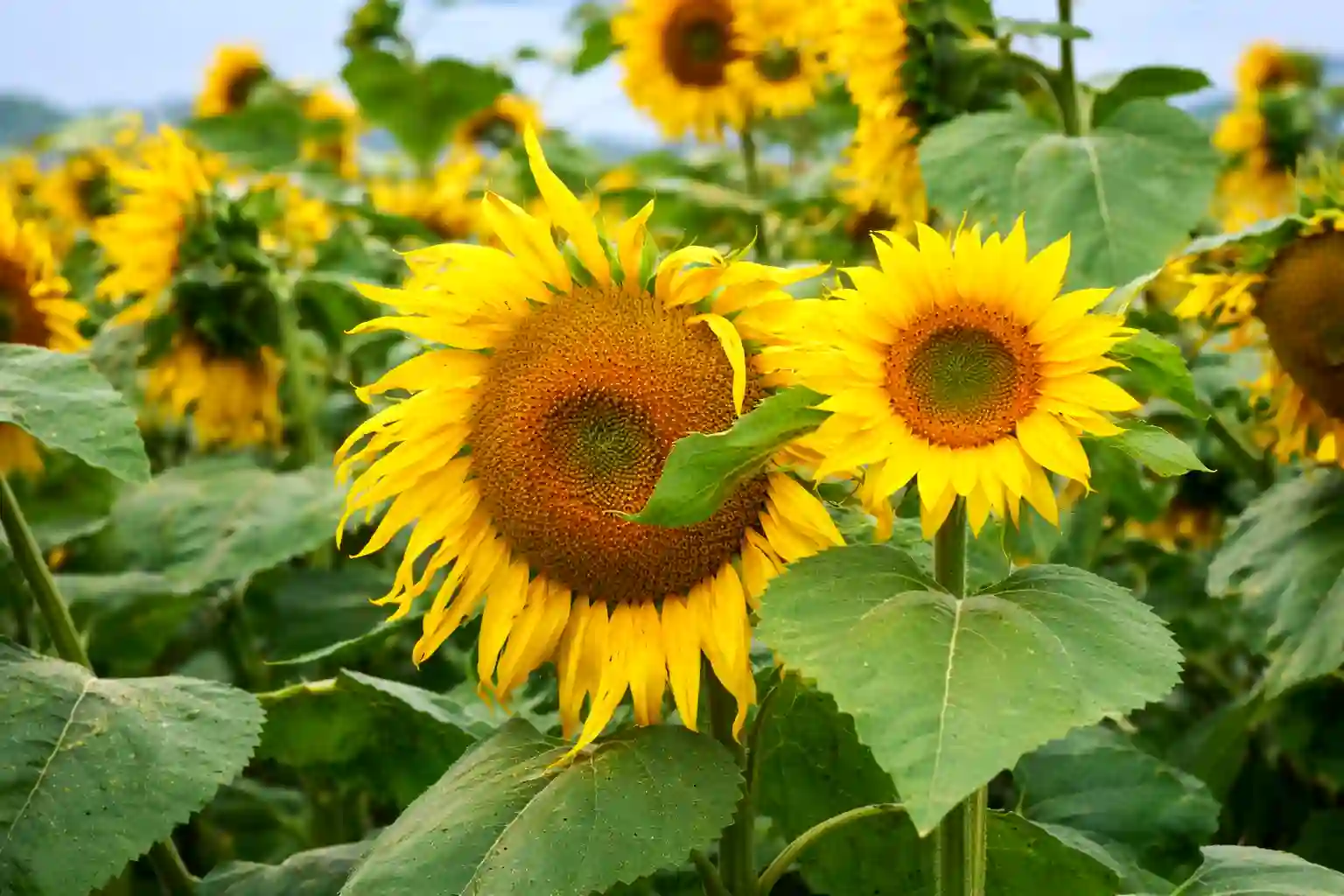
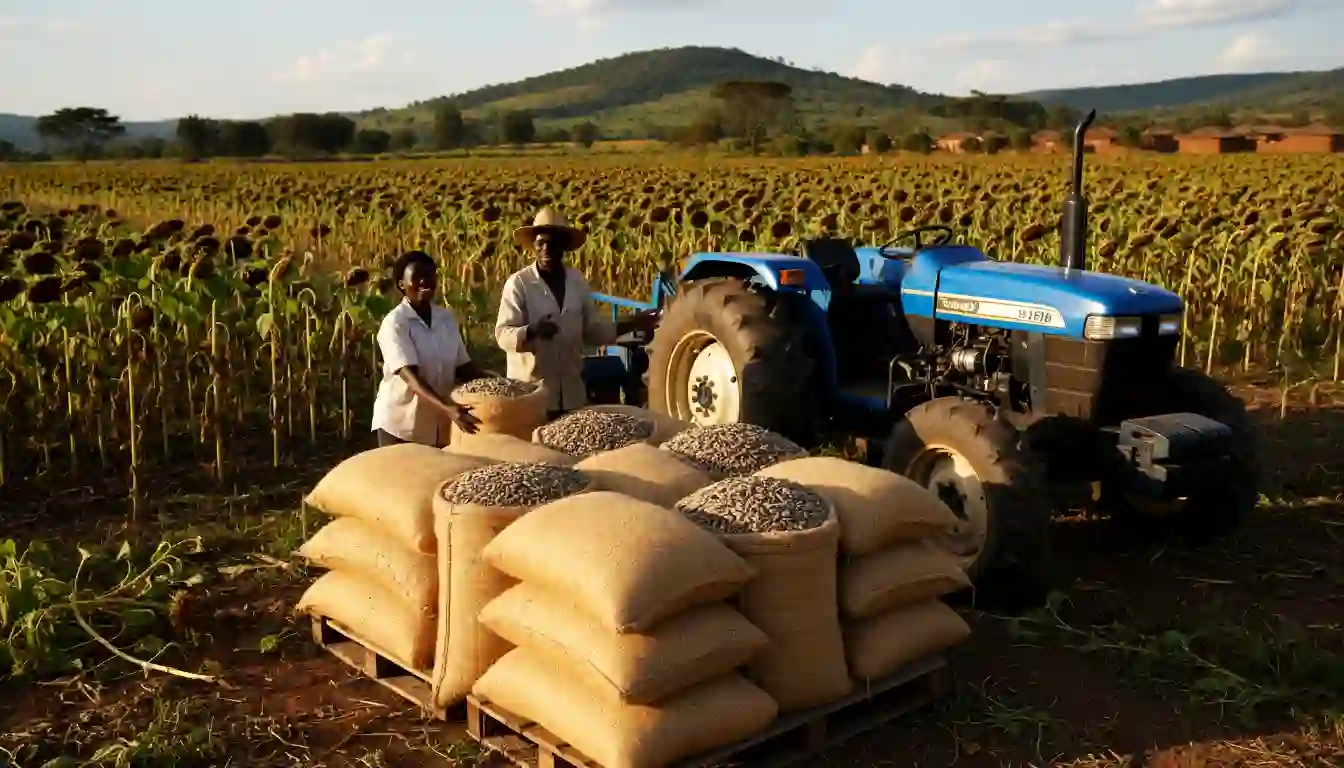
H8998 is widely considered the “king” of commercial sunflower farming in Kenya. Developed to respond to the demand for high-quality oil, this variety is vigorous and uniform. It grows to a medium height which reduces lodging during heavy winds in regions like Uasin Gishu. It responds exceptionally well to fertilizer application and can yield between 25 to 30 bags per acre under optimal management.
Read Also: Hass Avocado Seedlings in Kenya 2026: Trusted Nurseries, Prices and Spacing Guide
Super 400 is another formidable hybrid gaining traction in 2026. It is known for its early maturity and thick stalk. This variety is particularly suitable for mechanized harvesting. Farmers in Nakuru often prefer this type because it dries down evenly to reduce post-harvest losses caused by rotting heads.
Open-Pollinated Varieties (OPVs)
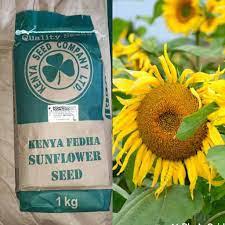
Kenya Fedha is a staple released by Kenya Seed Company. It is an open-pollinated variety, meaning farmers can technically replant seeds for one or two seasons. However, yield vigor declines significantly after the first harvest. It performs well in medium to high altitude areas. It is less capital intensive than hybrids, making it ideal for beginners with limited budgets.
Kenya Shaba is the go-to variety for arid and semi-arid lands (ASALs). If you are farming in Machakos, Kitui, or parts of Makueni, this variety is bred to withstand moisture stress. It has a slightly lower oil content than H8998 but compensates with survival rates in harsh conditions.
Ornamental and Confectionery Types
Rekord and Giant Mammoth are often grown for bird feed and human consumption (roasted snacks) rather than oil. These seeds are larger, striped, and have a lower oil percentage. They fetch premium prices in niche markets like Nairobi’s City Market or directly to bird feed processors.
Comparative Performance Table: Top Varieties 2026
| Variety Name | Type | Maturity (Days) | Potential Yield (Bags/Acre) | Oil Content (%) | Best Region |
|---|---|---|---|---|---|
| H8998 | Hybrid | 115 – 125 | 20 – 30 | 42% – 48% | Trans Nzoia, Bungoma |
| Kenya Fedha | OPV | 100 – 110 | 10 – 15 | 35% – 38% | Meru, Embu |
| Kenya Shaba | OPV | 90 – 100 | 8 – 12 | 32% – 35% | Kitui, Machakos (ASAL) |
| Super 400 | Hybrid | 110 – 120 | 18 – 25 | 40% – 44% | Nakuru, Laikipia |
| Rekord | Confectionery | 120 – 130 | 15 – 18 | 25% – 30% | Kiambu, Central |
Where To Purchase Certified Sunflower seeds in Kenya 2026
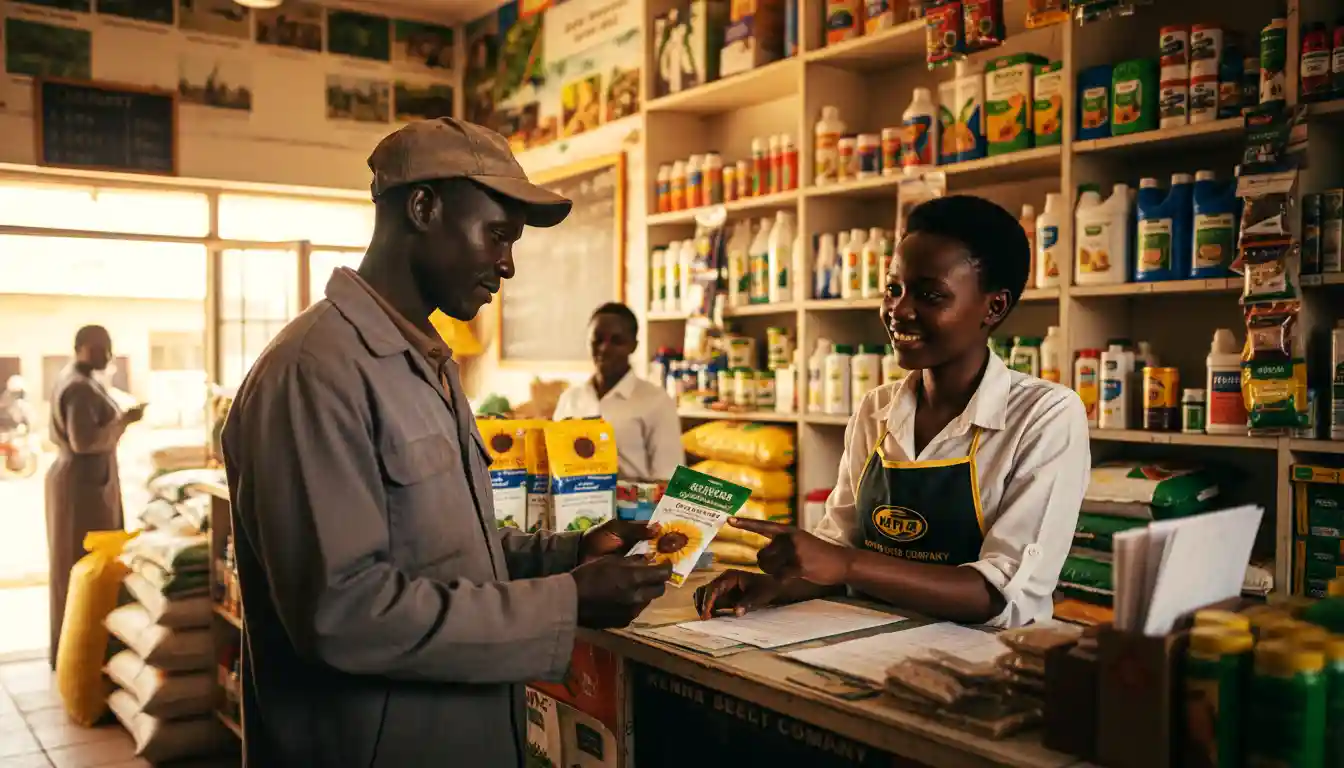
You can purchase certified seeds from Kenya Seed Company stockists, Simlaw Seeds outlets, and authorized agrovets nationwide. In 2026, digital platforms like Safaricom Digifarm, iShamba, and verified sellers on Jiji Kenya are reliable sources. Avoid buying uncertified “grain” from local markets for planting as germination rates are poor.
Sourcing high-quality planting material is the foundation of a successful harvest. In 2026, the supply chain for seeds has become more digitized, but physical verification remains important to avoid counterfeit seeds.
Official Seed Merchants
Kenya Seed Company remains the primary source for the H8998 and Kenya Fedha varieties. Their main depots in Kitale, Nairobi, and Nakuru are the safest bet for bulk purchases. Simlaw Seeds, a subsidiary, handles much of the distribution in urban centers. Always check for the KEPHIS certification tag on the seed packet to ensure quality.
Agrovets and Distributors
Major regional agrovets act as intermediaries. In Western Kenya, outlets like Farmparts in Eldoret are reliable sources for farm inputs. Ensure the agrovet is licensed before purchase. It is advisable to book your seeds in January or August, as popular varieties like H8998 often sell out due to high demand.
Read Also: Top 10 Best Agrovets in Kenya (2026 Guide): Where to Buy Genuine Inputs in Nairobi, Eldoret & Nakuru
Digital Platforms
Modern farmers are using apps to source inputs efficiently. Safaricom’s Digifarm allows farmers to order seeds using credit or cash, with delivery to local depots. Mkulima Young and Jiji Kenya have listings for seeds, but extreme caution is advised. Only buy from verified merchant accounts and never pay in advance without delivery guarantees.
Which Kenyan counties differ in sunflower yield and management?
Bungoma and Trans Nzoia offer the highest yields due to consistent rainfall and deep loam soils, supporting hybrid varieties. Eastern Kenya (Kitui, Machakos) requires drought-resistant varieties like Kenya Shaba and strict moisture conservation. Coastal regions like Kilifi are emerging hubs but struggle with higher pest pressure requiring rigorous management.
Sunflower farming is not a “one size fits all” venture across Kenya’s diverse ecological zones. Returns vary significantly based on location and local climatic conditions.
The Grain Basket: Trans Nzoia, Bungoma, and Uasin Gishu
This region is the powerhouse of sunflower production with deep, well-drained red or brown loams. Farmers here prioritize the H8998 hybrid for maximum output. The main challenge is high humidity during harvest which can lead to head rot. Farmers must time their planting so that harvesting coincides with a dry spell.
The Arid Belt: Kitui, Machakos, and Makueni
Farmers in these counties face erratic rainfall patterns. The strategy here is risk management rather than maximum yield maximization. Kenya Shaba is the dominant variety. Spacing is often wider (75cm by 30cm) to reduce competition for limited water. Mulching and minimum tillage are essential practices here to retain soil moisture.
The Emerging Coast: Kilifi and Kwale
The coastal strip is seeing a resurgence in oil crop farming. However, the sandy soils require significant organic manure amendment to hold water and nutrients. High temperatures accelerate maturity, sometimes reducing the seed fill period. Pest control is more intensive here due to the year-round warm weather that supports insect lifecycles.
What is the optimal farming calendar for sunflowers in Kenya?
The optimal calendar follows the rainfall patterns: Long rains planting occurs in March to April with harvesting in July-August. Short rains planting happens in October to November with harvesting in February-March. Off-season planting is possible under irrigation but requires careful bird control management.
Read Also: Top 7 Best AI Apps for Kenyan Farmers in 2026: Fight Crop Diseases, Cut Costs and Boost Yields
Successful sunflower farming relies on strict adherence to seasonal timings. This utilizes natural rainfall and ensures dry weather during harvest.
January – February: Land Preparation
Clear the “shamba” and plough deeply. Sunflowers have a deep taproot system that requires loose soil to penetrate and access water. Conduct soil testing during this period to determine fertilizer needs. If using manure, incorporate it now so it decomposes before planting.
March – April: Planting (Long Rains)
Plant at the onset of rains. Use a spacing of 75cm between rows and 30cm from plant to plant. Apply DAP fertilizer or a specific planting blend. Ensure seeds are placed 3-5cm deep. Weeding should be done within the first 3 weeks to prevent competition.
May – June: Crop Maintenance
Top dress with CAN or Urea when the plants are knee-high (about 4 weeks after germination). Scout for pests like the American Bollworm. This is also the flowering stage. Avoid spraying insecticides during the day to protect bees, which are essential for pollination and seed setting.
July – August: Harvesting
The backs of the heads will turn yellow-brown, and the florets will drop off. Cut the heads and place them on canvas or drying racks. Threshing involves beating the heads or using a mechanized thresher. Dry the grains to a moisture content of below 10% for storage.
Is sunflower farming profitable in Kenya in 2026?
Yes, sunflower farming is profitable with a potential net profit of KES 15,000 to KES 45,000 per acre over 4 months. Profitability depends heavily on value addition; selling processed oil and sunflower cake (shudu) yields significantly higher returns than selling raw grain to aggregators.
To understand the financial viability, we must look at a detailed breakdown of costs versus revenue. In 2026, input costs have risen slightly. However, the price of sunflower oil has spiked, favoring the farmer.
Cost of Production (Per Acre)
The cost of farming one acre varies by management intensity. Major costs include ploughing, certified seeds, fertilizer (DAP and CAN), labor for weeding, and bird scaring. Bird scaring is a unique cost in sunflower farming that is often underestimated by beginners.
Revenue Streams
A poorly managed farm yields 5 to 8 bags (90kg), while a well-managed farm yields 15 to 20 bags. Selling raw grain to a broker typically fetches around KES 50 per kg. Value addition involves crushing seeds to produce oil and cake. This can double the potential revenue per acre.
Projected Financial Table (1 Acre – 2026 Estimates)
| Item | Cost (KES) | Notes |
|---|---|---|
| Land Prep (Plough/Harrow) | 4,500 | Tractor rates |
| Certified Seeds (2kg) | 1,200 | Hybrid varieties |
| Fertilizer (DAP – 50kg) | 6,500 | Planting |
| Fertilizer (CAN – 50kg) | 5,800 | Top dressing |
| Labor (Weeding/Thinning) | 6,000 | Manual labor |
| Bird Scaring/Harvesting | 5,000 | Crucial late stage |
| Post-Harvest (Threshing/Bags) | 3,000 | Transport included |
| TOTAL EXPENSES | 32,000 | Estimated |
| REVENUE (Grain Only) | 67,500 | 15 bags (90kg) @ KES 50/kg |
| NET PROFIT | 35,500 | Per acre / season |
Note: Estimated ranges vary by management. Value addition can double the net profit figure.
How does the sunflower supply chain work in Kenya?
The supply chain moves from Farm Gate to Aggregators, then to Processors like Bidco Africa or Pwani Oil. However, a parallel “Micro-Chain” exists where farmers use local electric presses to produce unrefined oil and sell cake to dairy farmers. The latter offers better margins for small-scale growers.
Read Also: SunCulture Solar Water Pump Prices in Kenya 2026: Cost and Profit Guide
Understanding where your crop goes is as important as growing it. The 2026 supply chain is more decentralized than in previous decades.
Formal Industrial Chain
Large processors like Bidco Africa and Kapa Oil Refineries offer contract farming opportunities. They provide a guaranteed market but often dictate the price. They require cleaner, well-dried grain delivered to central depots. This route is best for large-scale farmers with transport logistics.
Local Processing (Value Addition)
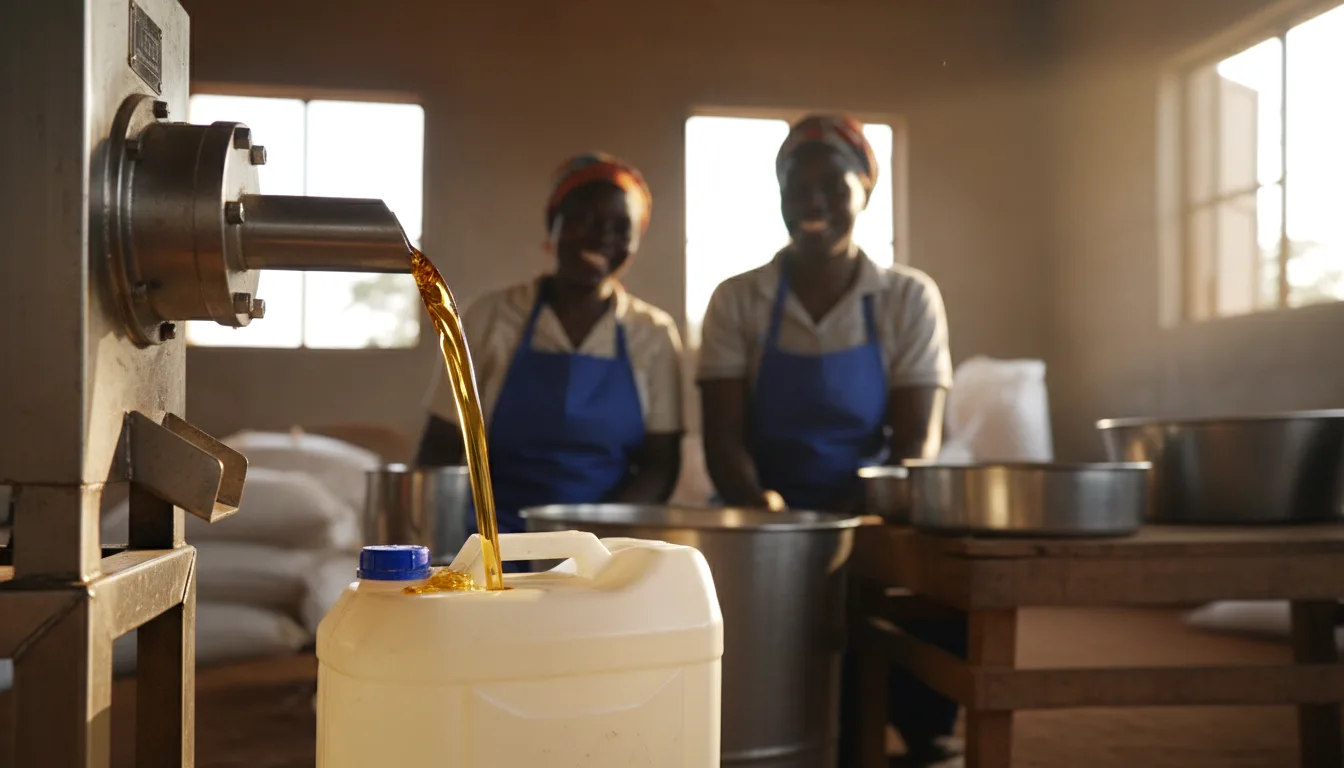
Small-scale processing machines (posho mill style) have proliferated in rural towns. Farmers bring their harvest, pay a service fee to crush the seeds, and take home the oil and the “shudu” (cake). The cake is high-protein animal feed, highly sought after by dairy farmers in Kiambu and Nyeri. This integrated approach minimizes waste and maximizes income.
Animal Feed Manufacturers
Companies like Unga Farm Care and Pembe Feeds are major buyers of sunflower cake. If you are processing your own oil, you become a supplier to these entities. The cake must be dry and free from aflatoxin to be accepted.
2026 Outlook: The Future of Sunflower Farming
As we move through 2026, the outlook for sunflower farming in Kenya is overwhelmingly positive. The government’s reduction on imports of palm oil continues to incentivize local oil production. Climate change is forcing a shift from maize to more resilient crops like sunflower in marginal areas.
For the beginner farmer, the strategy is clear. Focus on soil health, choose hybrid seeds like H8998, and aim for value addition rather than selling raw grain. By controlling the processing stage, you insulate yourself from raw commodity price fluctuations and tap into the lucrative animal feed market.
Read Also: Is Macadamia Farming Profitable? Everything You Need to Know in 2026
Call to Action: Start small. Dedicate one acre this coming season to sunflowers. Secure your seeds early from a certified stockist, and scout for a local oil press in your sub-county before you even plant. The demand is waiting.
Farmers Also Ask (FAQ)
What are the best sunflower varieties in Kenya and their current prices?
The top varieties for 2026 include H8998, Hysun 33, and Kenya Fedha.
H8998 (Hybrid): KES 460 to KES 600 per kg.
Kenya Fedha (OPV): KES 390 to KES 700 per kg.
Hysun 33 (Hybrid): KES 800 to KES 1,100 per kg. Prices vary by agrovet and region, so always check with local certified stockists.
How many kilograms of sunflower seeds do I need per acre?
You need approximately 2kg to 3kg of certified seed per acre depending on the variety and spacing. Hybrids often have high germination rates, requiring less seed than OPVs where you might plant extra to account for failure.
Where can I find a sunflower varieties in Kenya PDF guide?
Comprehensive guides are available from the Kenya Seed Company and KALRO official websites. These PDFs provide technical details on soil requirements, spacing, and pest management. You can also obtain physical pamphlets from Simlaw Seeds outlets or major agricultural supply stores in regional capitals.
What makes Kenya Fedha sunflower seeds popular?
Kenya Fedha is a highly adaptable open pollinated variety (OPV). It is preferred for its drought tolerance and suitability for medium to high altitude areas. It offers an oil content of approximately 38% and a yield potential of 1,200 kg per acre. Its lower seed cost makes it ideal for smallholder farmers.
Which hybrid sunflower seeds offer the highest yield in Kenya?
H8998 and Hysun 33 are the leading hybrids for commercial production. They are specifically bred for uniform maturity and high oil extraction rates (up to 48%). Under optimal conditions and proper fertilizer application, these hybrids can consistently yield over 1,200 kg per acre.
What is the typical sunflower yield per acre in Kenya?
On average, farmers can expect 800 kg to 1,200 kg per acre. High performing hybrids like H8998 can reach the upper limit of this range. Yield is heavily influenced by soil fertility, rainfall during the flowering stage, and effective control of birds during the ripening phase.
Where can I buy certified sunflower seeds in Nairobi?
In Nairobi, the most reliable source is Simlaw Seeds on Kijabe Street. You can also find certified seeds at major agricultural centers like the Kenya Farmers Association (KFA) depots. Ensure the packet has a valid KEPHIS sticker to guarantee germination quality.
How long does it take for sunflowers to mature in Kenya?
Maturity ranges from 100 to 135 days. Early maturing hybrids like Hysun 33 can be ready in about 105 to 115 days. In cooler highland areas, traditional varieties may take up to 4.5 months to dry sufficiently for harvest.
How many kilograms of sunflower seeds are needed per acre?
The recommended seed rate is 2 kg to 3 kg per acre. This assumes a spacing of 60 cm to 75 cm between rows and 30 cm between plants. Overcrowding can lead to smaller heads and lower oil content due to competition for nutrients.
How many months does a sunflower crop take to grow?
The crop typically grows for 3 to 4 months. This short duration allows farmers in regions with bimodal rainfall, such as Bungoma or Meru, to achieve two cropping seasons per year. Timing is vital to ensure harvesting happens during a dry spell.
How much oil does 1 kg of sunflower seeds produce?
One kg of high quality oil seeds produces approximately 0.35 to 0.45 liters of oil. This means it takes roughly 2.3 kg to 2.5 kg of seeds to produce 1 liter of pure oil. The byproduct, known as sunflower cake or “shudu,” is a valuable protein source for animal feed.