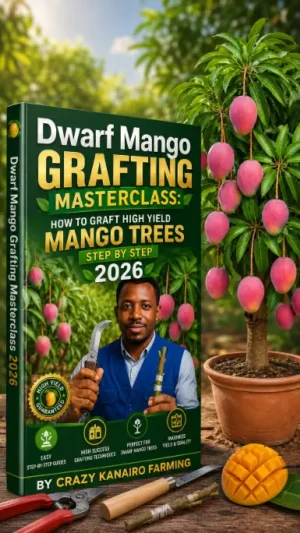
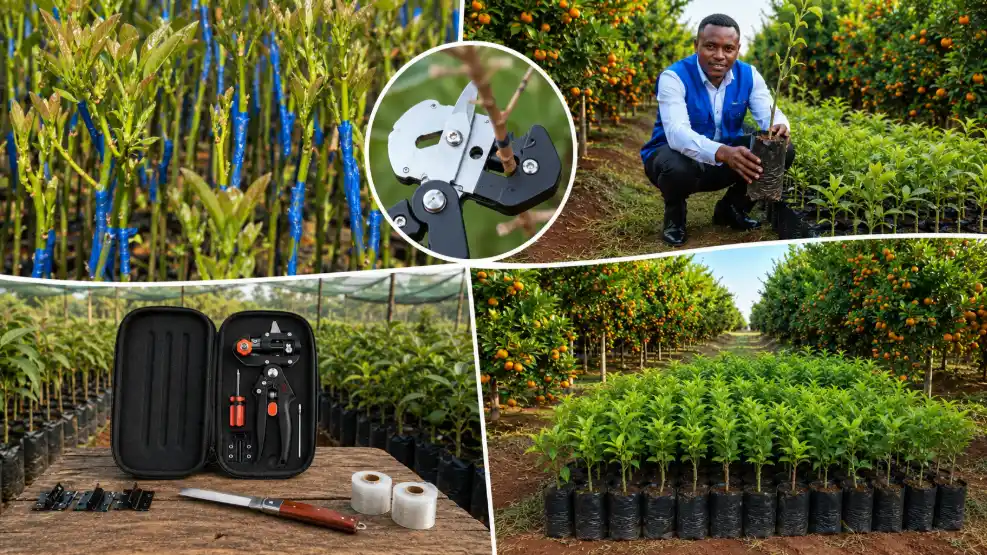

- Grafting in 2026 is a cornerstone of Kenya’s horticulture, enabling the production of export-grade Hass avocados, Pixie oranges, and disease-resistant vegetables.
- Success depends on precision cambium alignment, using certified disease-free scions, and maintaining a graft success rate of at least 75 percent for profitability.
- The business offers multiple revenue streams including seedling sales, mobile grafting services, and orchard top-working with established commercial nurseries.
Table of Contents
Grafting in Kenya has evolved from a traditional nursery practice into a high-precision agribusiness essential for the modern farmer. As the global demand for Kenyan avocados and citrus grows, the ability to propagate true-to-type, high-yielding trees has become a valuable skill. This guide explores the technical, legal, and financial aspects of grafting in the 2026 agricultural landscape.
For many young entrepreneurs, grafting represents a low-entry-barrier business that requires more skill than capital. By collecting discarded seeds and transforming them into high-value grafted seedlings, one can build a sustainable income. However, the industry is increasingly regulated, and technical excellence is mandatory to compete in both local and international seedling markets.
Whether you are establishing a small nursery in Murang’a or managing a large orchard in Uasin Gishu, the principles remain the same. You are essentially performing a botanical transplant that combines the hardiness of local varieties with the productivity of improved cultivars. This guide provides the roadmap to mastering these techniques and turning them into a profitable venture.
What is Grafting and Why is it Essential in 2026?
Grafting is the horticultural practice of joining two separate plant parts, the rootstock and the scion, so they function as a single plant. The rootstock provides the root system and environmental resilience, while the scion provides the specific fruit variety and quality characteristics. This process ensures the tree remains true-to-type and reaches maturity faster than seed-grown plants.
In simple terms, the rootstock is the foundation and the scion is the producer. In Kenya, many farmers make the mistake of planting seeds from a “sweet” fruit and expecting an identical tree. Biologically, fruit seeds are genetically diverse. A Hass avocado seed will not grow into a Hass tree; it will grow into a unique seedling that may produce inferior fruit after many years of waiting.
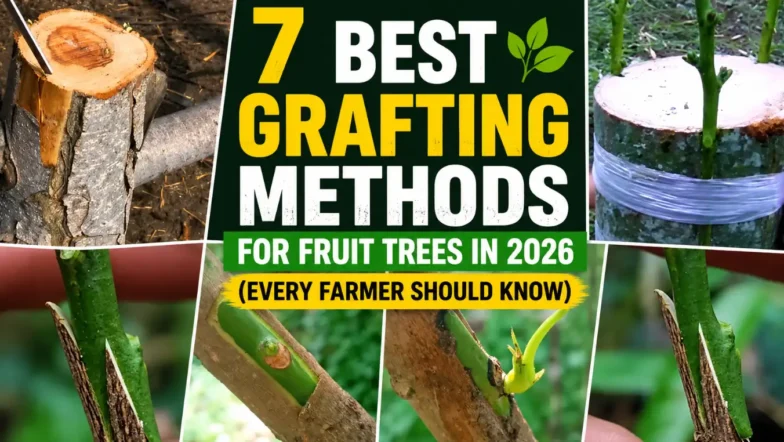
Read Also: 7 Best Grafting Methods for Fruit Trees in 2026 (Every Farmer Should Know)
To produce a verified Hass avocado, you must take a cutting (scion) from a confirmed Hass mother tree and graft it onto a vigorous rootstock. This bypasses the genetic lottery of seeds and ensures every tree in your orchard produces consistent, export-quality fruit. In 2026, this consistency is the difference between a successful export contract and a total loss at the packhouse.
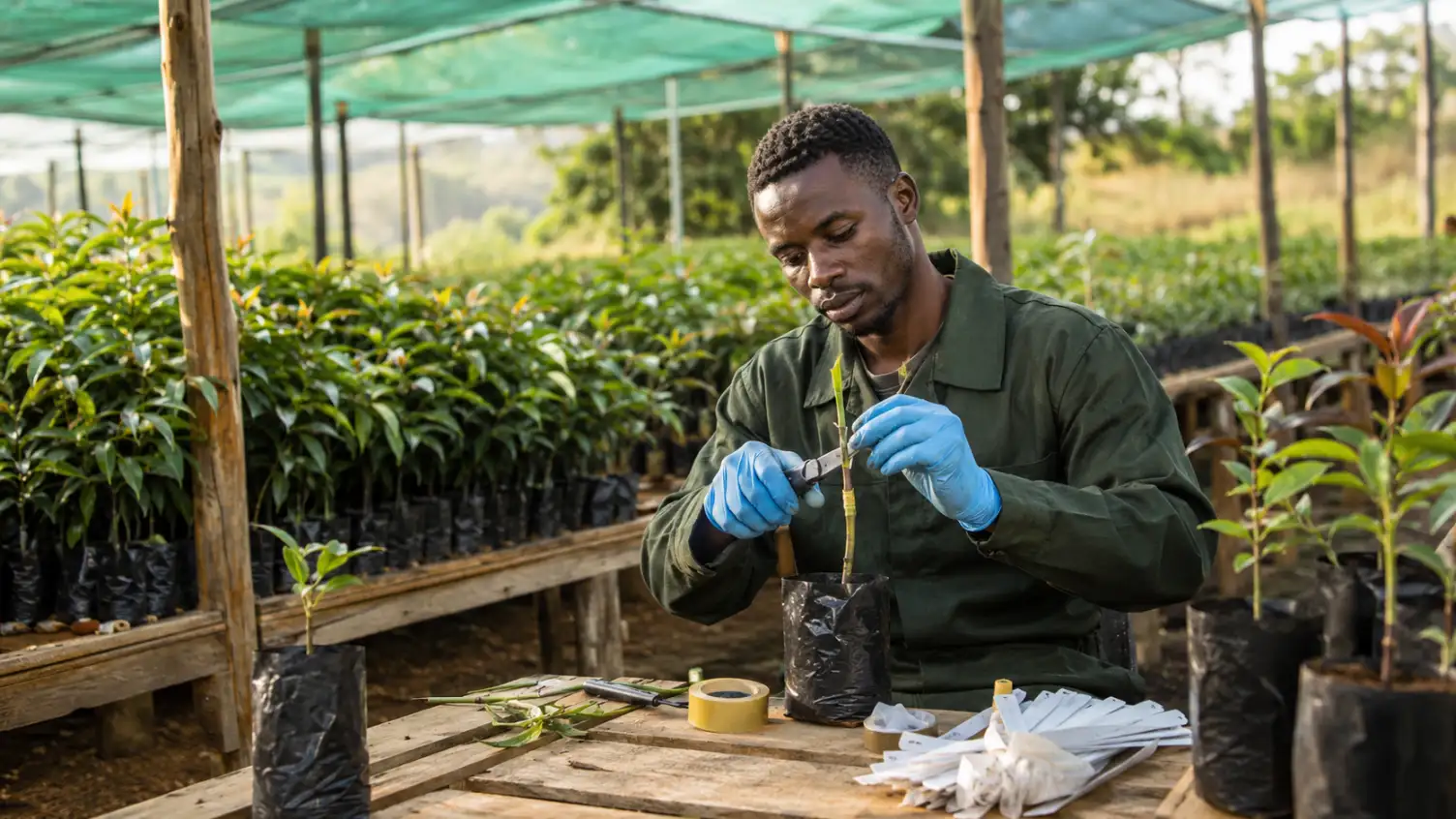
Mastering grafting requires understanding key technical terms used by Kenyan agricultural officers and nursery operators:
- Cambium Layer: The thin, green, slippery tissue between the bark and the wood where cell division happens. For a graft to “take,” the cambium layers of the scion and rootstock must touch.
- Mother Tree: A verified, healthy, and high-yielding tree used as the source for all scion material.
- Graft Union: The point where the two plants meet and heal into a single unit.
- Top-working: Grafting a new variety onto the branches of an existing, mature, but low-value tree to upgrade the entire orchard.
The Strategic Importance of Grafting for Kenyan Agribusiness
Grafting allows Kenyan farmers to overcome soil-borne diseases, reduce the time to first harvest by 50 percent, and standardize fruit size for international markets. It enables the growth of high-value crops like Pixie oranges on hardy lemon rootstocks that can survive the semi-arid conditions of Makueni and Machakos.
The first major benefit is the reduction in “juvenile” years. A seed-grown mango might take eight years to fruit, whereas a grafted Apple Mango can start producing in three years. For a farmer with a loan to repay, those five years of early production are critical for cash flow. Grafted trees are also naturally shorter, which makes spraying for pests like the Fruit Fly much easier and more effective.
Second, grafting provides a solution for climate adaptation. As weather patterns shift, using drought-tolerant or salt-tolerant rootstocks allows farmers to grow sensitive varieties in areas that were previously considered unsuitable. For instance, grafting sweet oranges onto Rough Lemon rootstocks gives the plant a deeper, more aggressive root system capable of finding water in dry soils.
Finally, grafting is the primary tool for orchard renovation. If you have ten acres of old, low-yielding local avocados, you do not need to uproot them. Through top-working, you can cut the main branches and graft Hass scions onto them. Within two years, the large, established root system will push the new scions into rapid production, saving years of growth time compared to planting new seedlings.
Plants Commonly Grafted in Kenya and Their Market Potential
While avocado, mango, and citrus are the most common, grafting in Kenya also covers apples, macadamia, tomatoes, and even ornamental roses. Each crop requires specific rootstock-scion combinations and grafting techniques to ensure long-term compatibility and commercial viability.
The following table outlines the technical combinations used by successful Kenyan nurseries in 2026:
| Plant Type | Preferred Rootstock | Common Scion Varieties | Primary Grafting Method |
|---|---|---|---|
| Avocado | Local Indigenous Seedlings | Hass, Fuerte, Pinkerton | Wedge or Cleft Graft |
| Mango | Local (Dodo or Ngowe) | Apple Mango, Kent, Tommy Atkins | Veneer or Wedge Graft |
| Citrus | Rough Lemon, Cleopatra Mandarin | Pixie, Washington Navel, Lime | T-Budding or Side Graft |
| Apples | M9, MM106 Rootstocks | Wambugu Apple, Anna, Golden Dorsett | Whip and Tongue |
| Tomato | Wild Eggplant (Solanum torvum) | Anna F1, Zara F1 | Splice Grafting |
| Roses | Wild Briar Rose | Various Export Floribundas | T-Budding |
Vegetable grafting is an emerging trend in 2026, particularly for tomatoes in areas plagued by Bacterial Wilt. By grafting a high-yielding tomato variety onto a wild eggplant rootstock, farmers can grow tomatoes in “sick” soils where the crop would otherwise die. This technique is becoming a major business opportunity for specialized nurseries in Kirinyaga and Kiambu.
Read Also: 5 Best Space-Saving Grow Bags in Kenya: Types, Prices, Uses & Where to Buy
Multi-grafted trees, often called “salad trees,” are also gaining popularity in urban farming. A single citrus tree can be grafted with lemons, oranges, and tangerines on different branches. While technically demanding to maintain balanced growth, these trees sell at a significant premium to homeowners in Nairobi and Mombasa who have limited space.
The Essential Grafting Tool Kit: Professional Requirements
Achieving professional results requires specialized tools that provide clean, precise cuts. A standard kitchen knife often crushes plant cells, leading to graft failure. Professionals use high-carbon steel grafting knives, specialized tapes, and 2-in-1 grafting tools to ensure a high success rate and rapid healing.
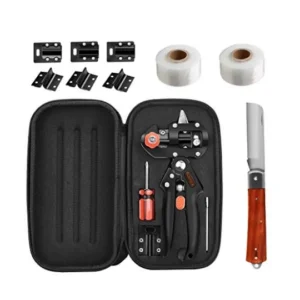
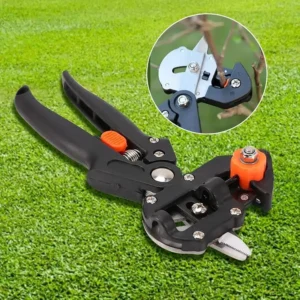
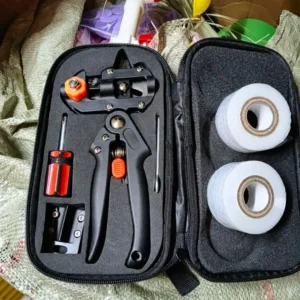
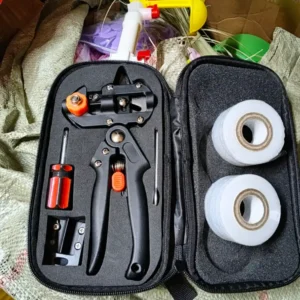
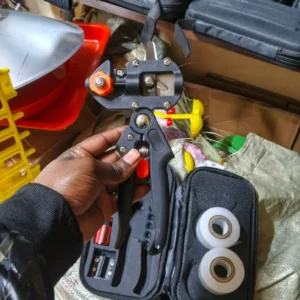
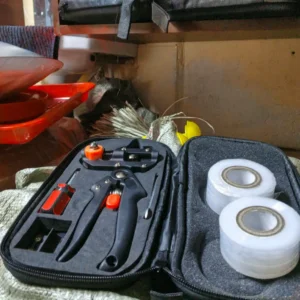
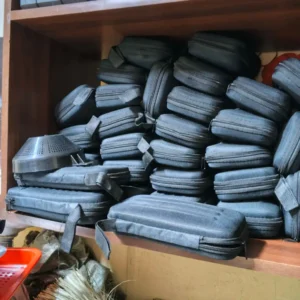
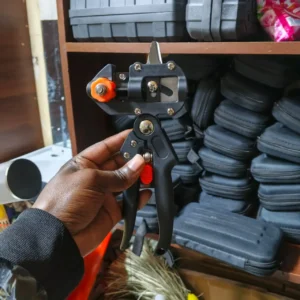
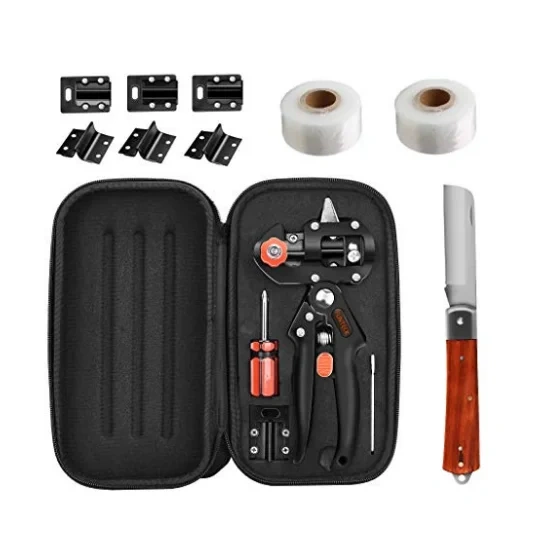
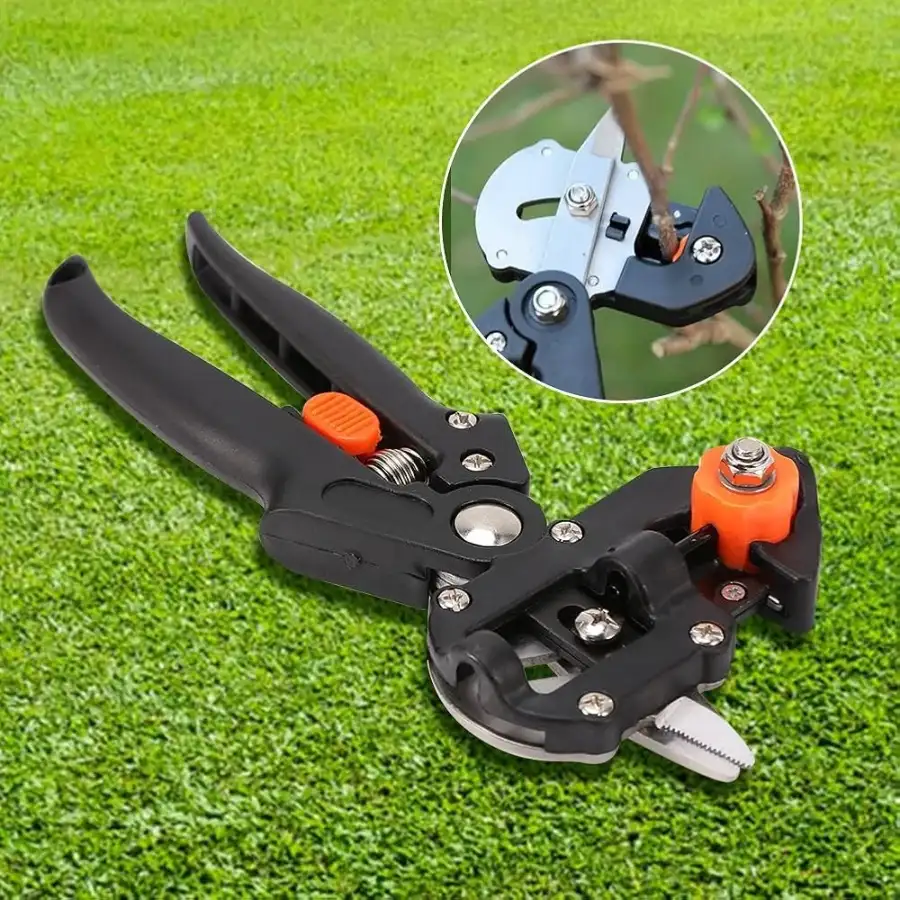
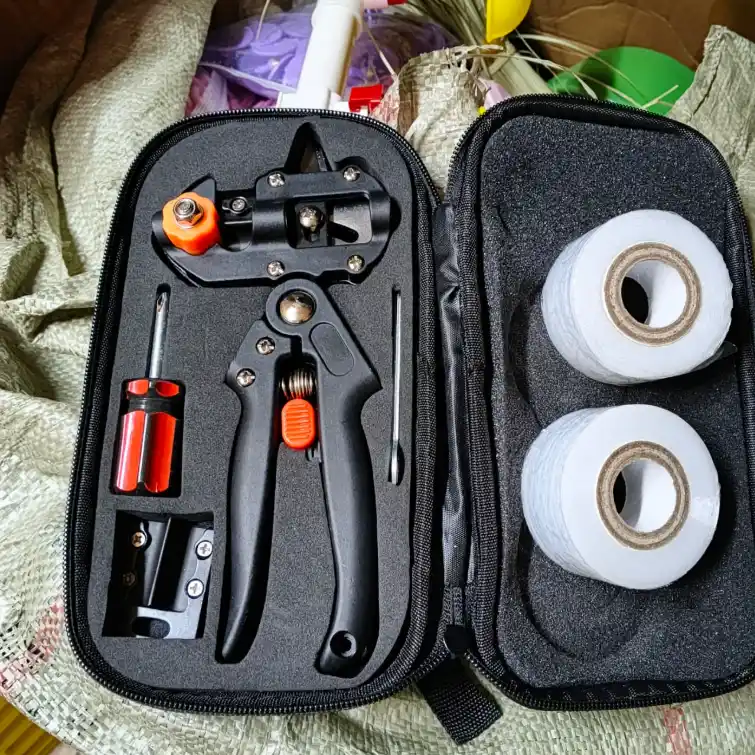
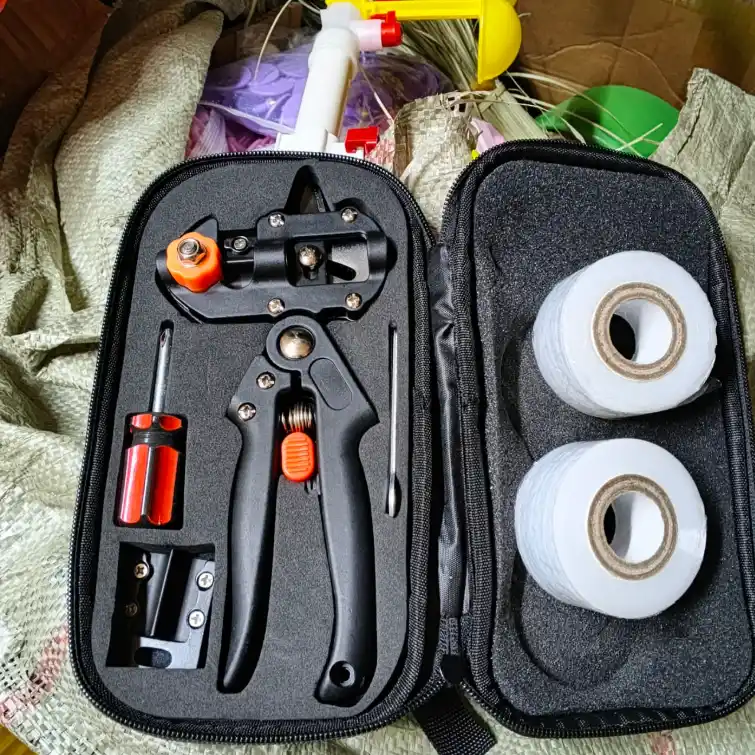
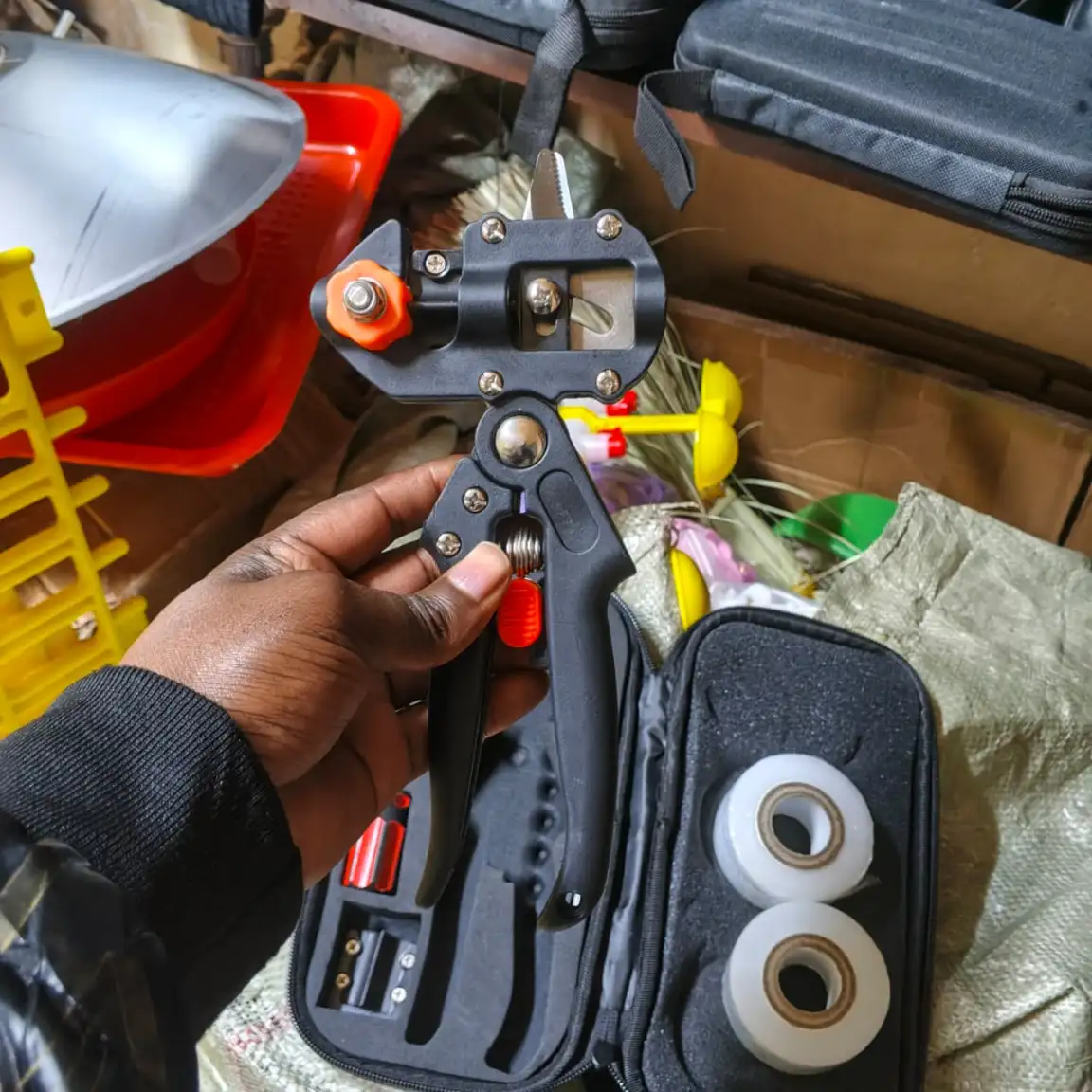
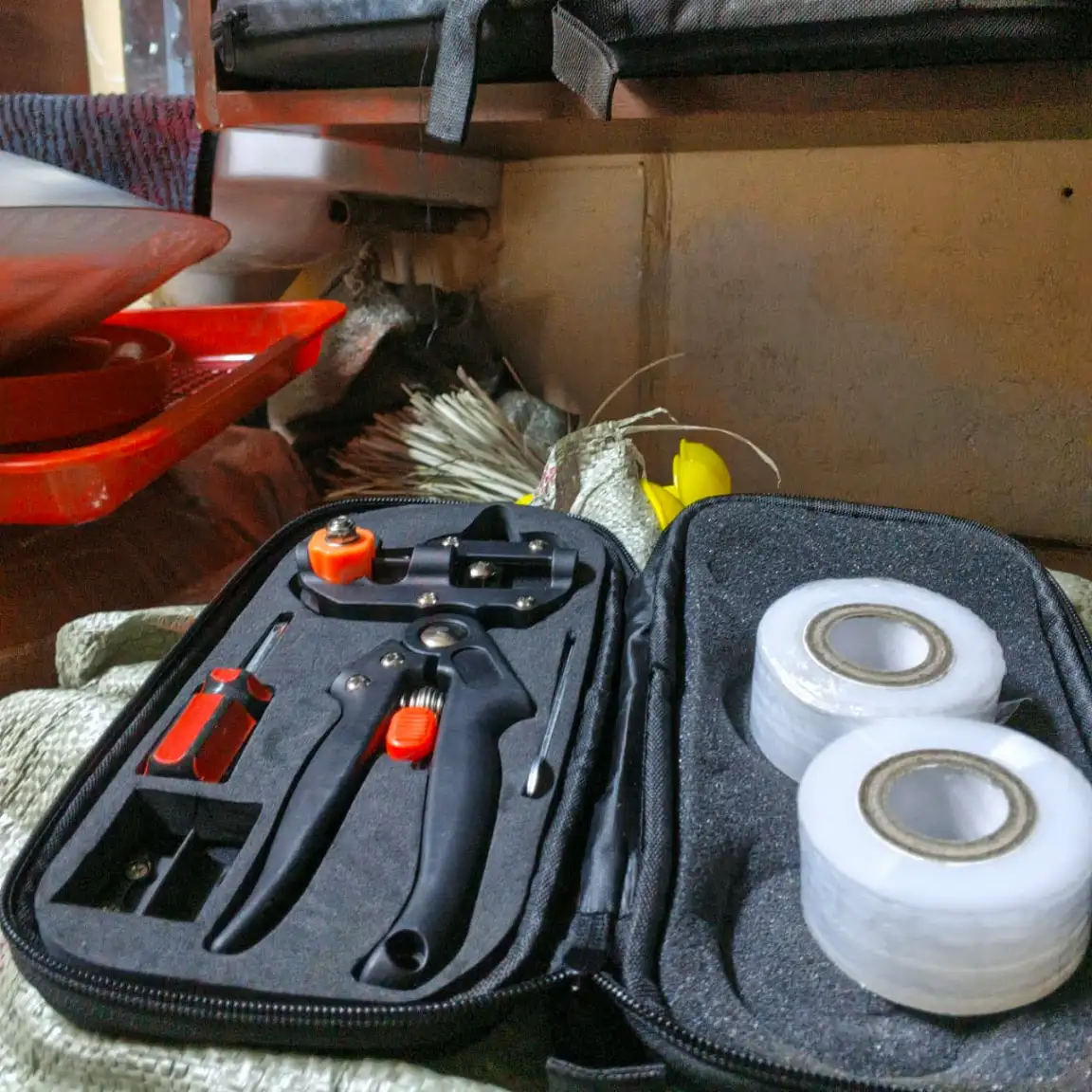
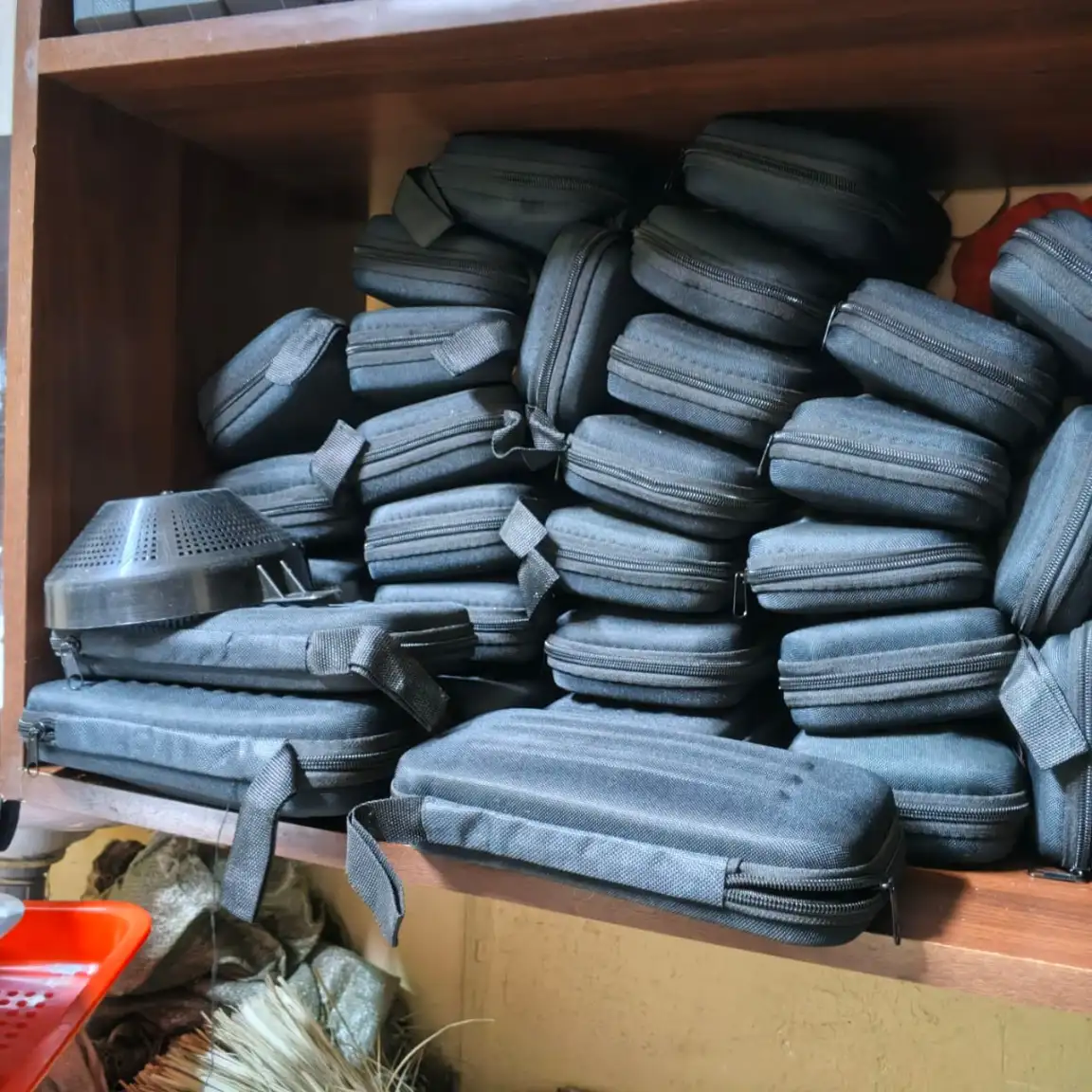
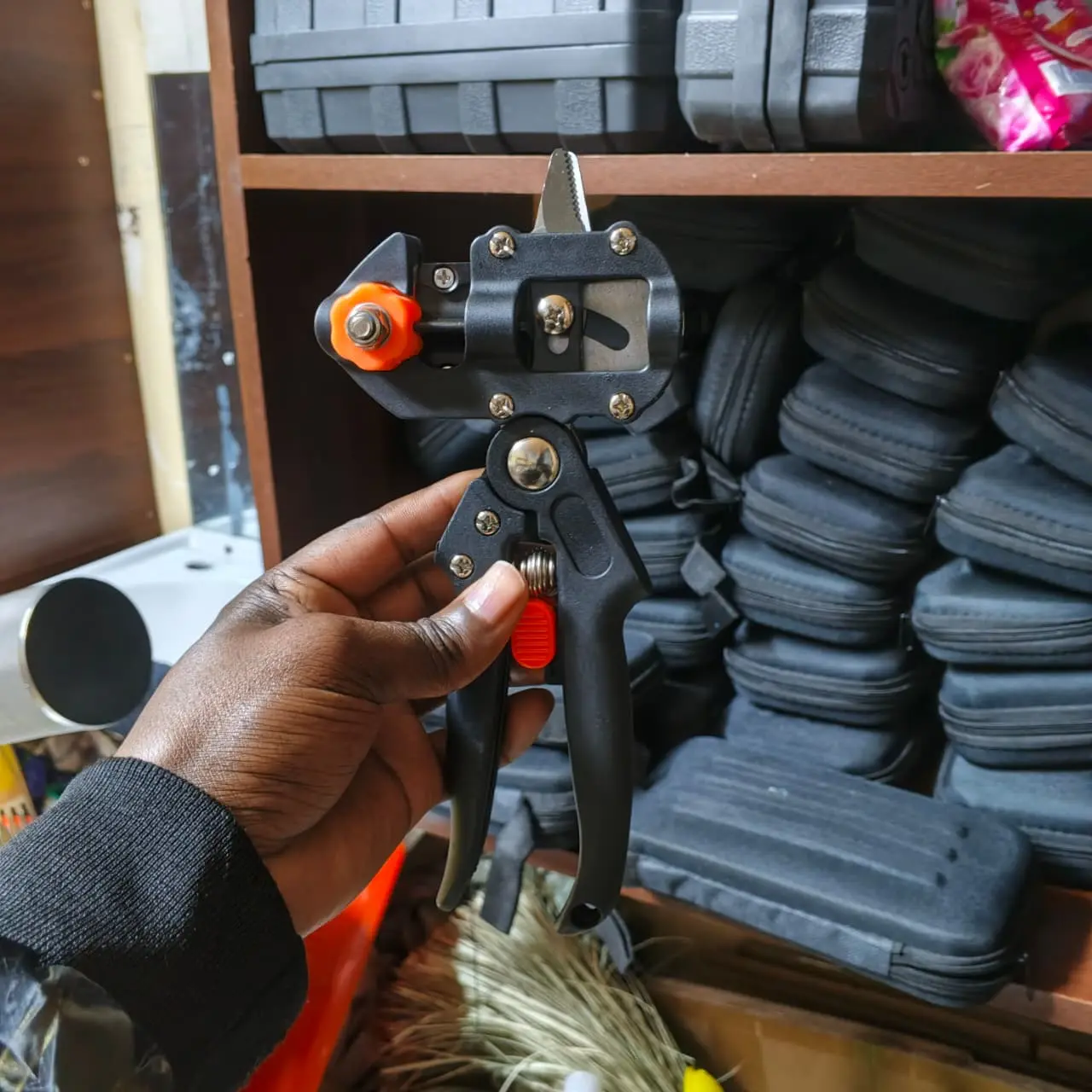
Professional Grafting Tool Kit 2-in-1 | Fruit Tree Grafting & Pruning Tool in Kenya
Get cleaner, more consistent grafting cuts with this Professional 2-in-1 Grafting Tool Kit. Ideal for Kenyan fruit farmers, nurseries, gardeners and plant propagators.
What’s included:
- 2-in-1 grafting and pruning tool
- Ω-Cut, U-Cut and V-Cut replaceable blades
- Stainless steel grafting knife
- Screwdriver and wrench
- Grafting films
- Rubber bands
- Colourful plant tag cards
- Suitable for branches approximately 5-12 mm in diameter
Price: KSh 2,500
In stock and available in Kenya.
https://www.youtube.com/shorts/JXShKdOgBZE
In the past, many Kenyan grafters relied on old razor blades or sharpened pocket knives. Today, the 2-in-1 Grafting Tool has become the industry standard for seedlings. This tool creates a perfect “puzzle piece” cut (Omega, U, or V shape) on both the scion and the rootstock. Because the two pieces fit together with almost zero gaps, the healing process is much faster and the success rate increases from 50 percent to over 90 percent.
Your professional toolkit for 2026 should include:
- Grafting Knife: A single-bevel knife that is kept razor-sharp. It must be able to shave hair to ensure it slices through plant tissue without bruising.
- Parafilm or Grafting Tape: Specialized tape that stretches as the plant grows and is breathable. Using ordinary plastic strings or electrical tape can girdle and kill the young plant.
- Secateurs: Used for harvesting scions and trimming rootstocks to the correct height.
- Disinfectant: Methylated spirit or a 10 percent bleach solution to clean tools between every tree to prevent the spread of viral diseases.
- Sharpening Stone: To maintain the knife edge throughout the working day.
Spotlight: The Professional 2-in-1 Grafting Tool Kit
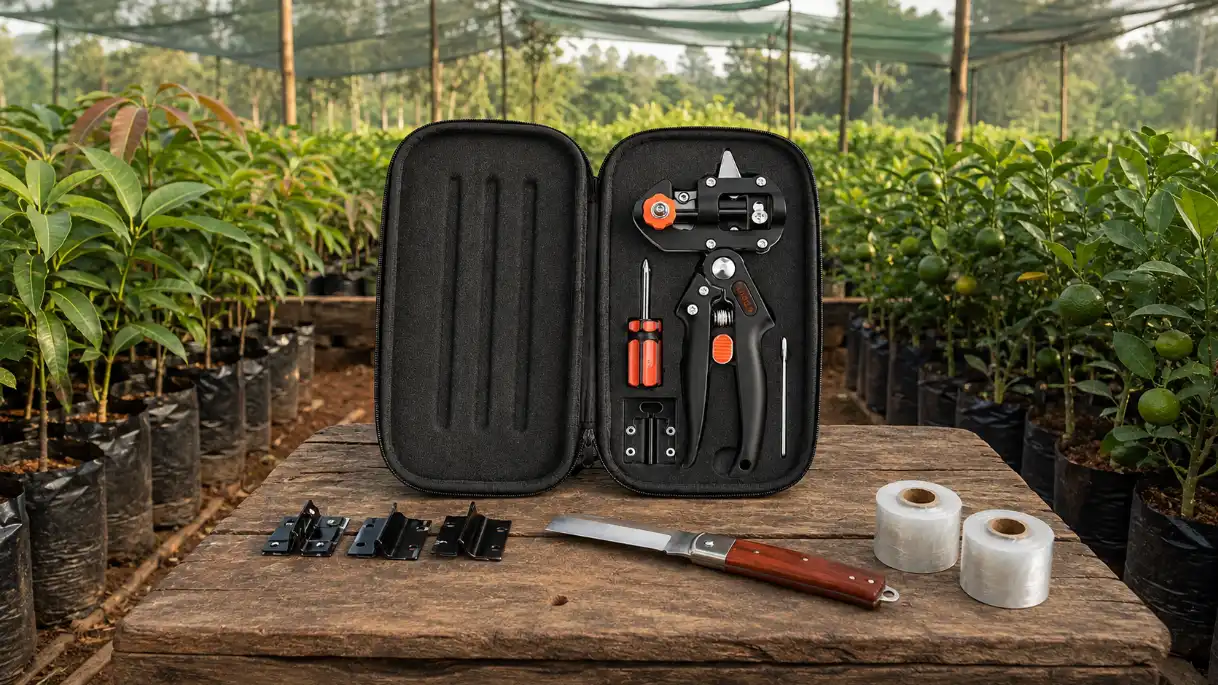
For those looking to scale their production, the Crazy Kanairo Farming Professional 2-in-1 Grafting Tool Kit is highly recommended. It features replaceable #65 high-carbon steel blades designed for branches between 5mm and 12mm thick. This tool is particularly effective for avocado and mango seedlings where matching the diameter of the scion and rootstock is traditionally difficult.
The kit currently retails at a promotional price of KES 2,500. It includes the tool, three blade types, a grafting knife, and essential consumables. You can order the Professional 2-in-1 Grafting Tool Kit online for nationwide delivery. Using such professional equipment reduces the physical strain of grafting hundreds of plants a day.
The Expert Guide to Fertilizer and Plant Health
Nutrition management is critical both before and after grafting. A well-fed rootstock has a stronger sap flow, which pushes the scion to heal faster. However, excessive nitrogen immediately after grafting can cause “soft” growth that is susceptible to fungal attack. Balanced NPK applications and micronutrients are the secret to a 95 percent take rate.
Two weeks before you intend to graft, the rootstock should be given a boost of Phosphorus-rich fertilizer like DAP or a balanced NPK 17:17:17. This ensures the plant is in an active growth phase (flushing). A plant in a dormant or stressed state will not produce the callus tissue needed to bond with the scion. If the rootstock is dry or nutrient-deficient, the graft will likely fail within seven days.
Read Also: Dwarf Orange Farming in Kenya (2026): How Farmers Are Growing Heavy Fruiting Citrus Trees in Containers
Once the graft union has healed and the first leaves emerge from the scion, switch to a Calcium-Boron foliar spray. Calcium strengthens the cell walls at the union point, making the graft less likely to snap in high winds. Boron is essential for the transport of sugars to the healing site. Avoid heavy applications of Urea or CAN until the scion has at least two sets of fully matured leaves, as these can trigger lanky growth that the young union cannot yet support.
Micronutrients such as Zinc and Magnesium should also be monitored, especially in the red volcanic soils of Central Kenya. A deficiency in these will result in yellowing (chlorosis) of the new scion leaves, which slows down photosynthesis and delays the time until the seedling is ready for sale. Healthy, dark-green seedlings always fetch a higher price in the market.
How to Select and Prepare Rootstocks and Scions
The quality of your grafted tree is 50 percent genetics and 50 percent health. You must select rootstocks that are vigorous and disease-free, and scions that are harvested from verified, high-yielding mother trees. In 2026, using “random” scions from unknown trees is the fastest way to fail in the commercial nursery business.
For rootstocks, use seeds from local, well-adapted varieties. In the case of avocados, many grafters use seeds from “traditional” large trees because they have deep taproots. The seeds should be collected from ripe fruit, cleaned thoroughly, and treated with a fungicide before planting. Never use seeds from rotten or diseased fruit, as many pathogens can survive in the seed and infect the new plant.
Scion selection is even more critical. A professional scion should be:
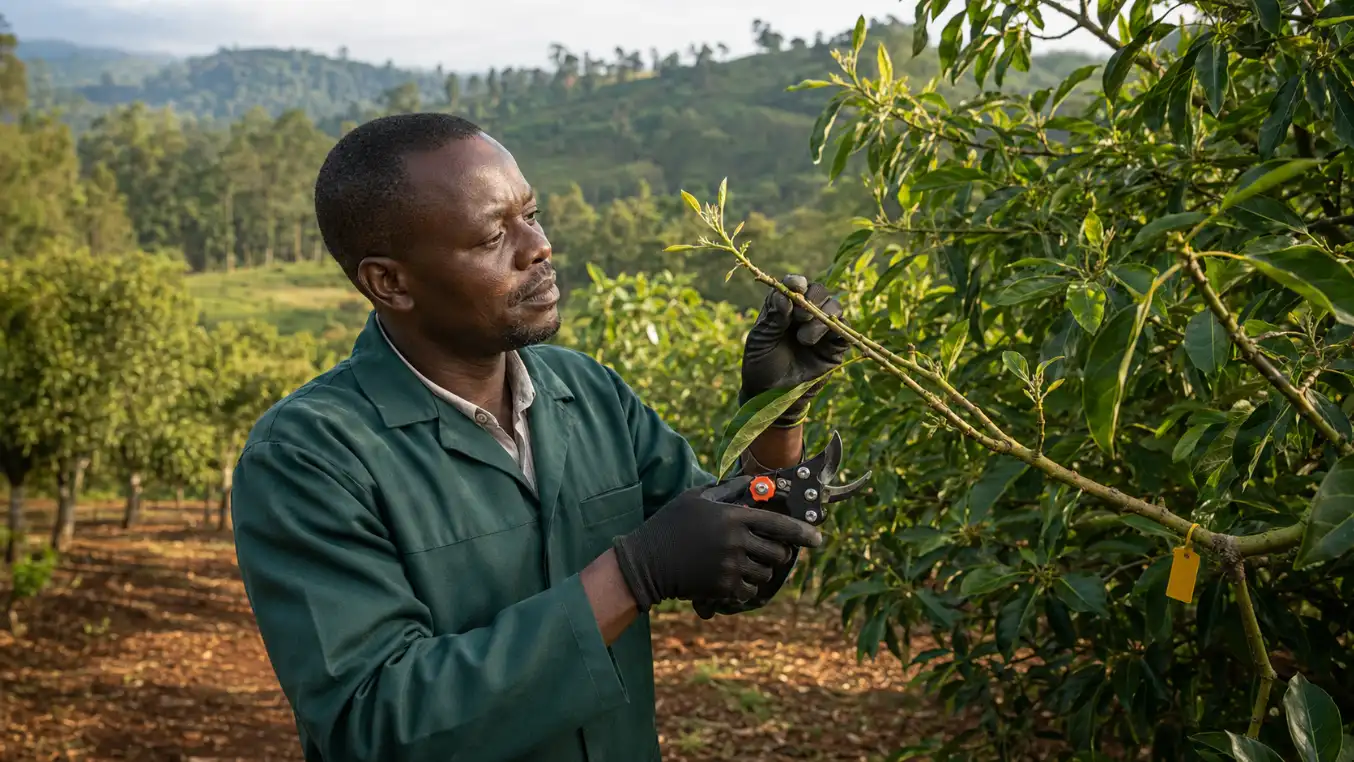
- Taken from the most recent matured growth (wood that is no longer soft and green but has turned slightly brown or grey).
- Approximately the same diameter as the rootstock (pencil thickness is ideal).
- Equipped with at least 3 to 4 healthy, plump buds that are ready to sprout.
- Free from scale insects, aphids, or fungal spots.
After harvesting scions, they must be kept cool and moist. Wrap them in a damp cloth or paper towel and place them in a cool box. If scions dry out, the cells die, and the graft will not take. Label every bundle immediately. Mixing up Hass and Fuerte scions is a disaster that you will only discover two years later when the tree fruits, leading to massive customer dissatisfaction.
Step-by-Step Grafting Process for Success
A successful graft is the result of speed, cleanliness, and precision. You must work quickly to ensure the cut surfaces do not dry out, use sterile tools to prevent infection, and ensure the cambium layers are perfectly aligned. Tight wrapping is essential to exclude air and moisture from the union.
Follow this general procedure for fruit tree grafting in Kenya:
- Preparation: Clean your tools with methylated spirit. Ensure your rootstock is well-watered and healthy.
- The Rootstock Cut: Cut off the top of the rootstock about 15-20cm above the soil. For a cleft graft, make a clean vertical split down the center, about 3cm deep.
- The Scion Cut: Cut the base of your scion into a long, smooth wedge shape. The sides of the wedge must be perfectly flat, not wavy.
- Insertion: Push the scion wedge into the rootstock split. This is the most important step: ensure the green cambium layers match on at least one side.
- Binding: Wrap grafting tape tightly around the union, starting from the bottom and moving up. The wrap must be tight enough to hold the pieces firmly but not so tight that it crushes the stem.
- Protection: Some grafters place a small clear plastic bag over the scion to maintain humidity, especially in hot areas like the Coast or Kisumu.
- Aftercare: Place the plant in a shaded area (50-70 percent shade). Rub off any shoots that grow from the rootstock below the graft union.
Healing usually takes 14 to 21 days. You will know the graft is successful when the buds on the scion begin to swell and turn green. If the scion turns black or shrivels, the graft has failed. Once the scion has grown about 15cm, the tape should be loosened or removed to prevent it from cutting into the expanding wood. This “hardening off” phase is when you gradually expose the plant to more sunlight.
Risks and Reality Check: Why Grafts Fail in Kenya
Even experienced grafters face failure. Common causes include incompatible rootstocks, blunt tools, poor timing during the dry season, and the spread of diseases like Avocado Sunblotch or Citrus Greening. Managing these risks is what separates a professional nursery from an amateur setup.
Read Also: 20 Best Vegetables and Dwarf Fruits to Grow in Sacks in Kenya 2026
The most common cause of failure is “flooding” or “bleeding.” This happens when the rootstock has too much sap flow (common in mangoes), which drowns the graft union before it can heal. To prevent this, some farmers make small “bleeding cuts” in the bark of the rootstock below the graft to allow excess sap to escape. Alternatively, you can withhold water for a few days before grafting to reduce sap pressure.
Pest damage is another significant risk. Crickets and grasshoppers love the tender new leaves emerging from a successful graft. In many parts of Kenya, an unprotected nursery can lose 50 percent of its successful grafts to insects in a single night. Using insect-proof netting or strategic organic sprays is essential for protecting your investment.
Finally, there is the risk of “delayed incompatibility.” This is when a graft looks successful for the first year but the tree suddenly dies in its third or fourth year. This usually happens when the rootstock and scion are not botanically close enough. This is why sticking to proven combinations like Hass on local avocado or Pixie on lemon is the safest path for commercial success in 2026.
Avocado Grafting: Turning Discarded Seeds into Gold
Avocado grafting is the most popular entry point for Kenyan agribusiness. Discarded seeds from local markets can be raised as rootstocks for KES 10 to KES 20 and transformed into Hass seedlings worth KES 350. This business requires minimal space but high attention to detail during the three-month healing window.
In 2026, the demand for Hass avocado seedlings remains high as new counties like Uasin Gishu and Trans Nzoia diversify into horticulture. To start this business, you need a reliable source of seeds and a verified mother block for scions. Collecting seeds from the local “Mama Mboga” is a cheap way to start, but you must ensure the seeds are not from fruit that was picked immaturely, as these produce weak seedlings.
The business model for a small nursery in a place like Kiambu or Murang’a looks like this:
- Input Cost: KES 60 (Seed, bag, soil, scion, labor).
- Sale Price: KES 300 – 450 (Depending on size and variety).
- Turnover Time: 9 to 12 months from seed to saleable seedling.
- Profit Margin: Approximately 70 percent after accounting for a 20 percent failure rate.
A key tip for 2026 is to offer “hardened” seedlings. Many nurseries sell plants that have just come out of the shade, which often die when the farmer plants them in the hot sun. If you take the time to gradually expose your plants to full sun before selling them, you can charge a premium and build a reputation for “survivable” trees that brings repeat customers.
Pixie Orange and Citrus Grafting Opportunities
Pixie mandarins are currently the highest-value citrus in the Kenyan market. They are best propagated through T-budding onto Rough Lemon rootstocks. This combination provides the drought tolerance needed for the Eastern region while producing the seedless, sweet fruit that consumers in Nairobi and export markets crave.
Read Also: Pixie Orange Farming in Kenya 2026: Complete Guide to Seedlings, Costs and Profit per Acre
The challenge with citrus grafting is the “Citrus Greening” disease, which is spreading in several Kenyan counties. A professional nursery operator must be extremely careful to only harvest budwood from certified, disease-free trees. Using infected scions will produce trees that turn yellow and die within three years, destroying your reputation and the farmer’s livelihood.
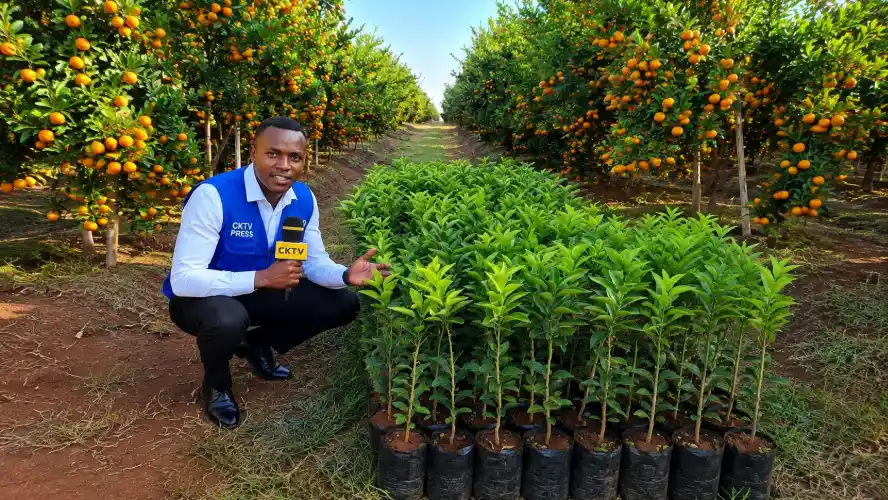
Citrus grafting is usually done through “budding” rather than wedge grafting. A single bud is inserted into a T-shaped slit in the bark of the rootstock. This is more efficient than wedge grafting because a single branch from a mother tree can provide dozens of buds, allowing you to produce more seedlings from less scion material. In 2026, specialized Pixie nurseries in Makueni are achieving 95 percent success rates using this precision method.
Best Rootstock for Pixie Orange Grafting
For farmers and nursery operators interested in producing Pixie orange seedlings, lemon seedlings are commonly used as rootstocks. Start by germinating healthy lemon seeds and raising strong, disease-free seedlings. Once the rootstocks reach the appropriate grafting stage, graft or bud them using genuine Pixie scion or budwood from a verified mother tree.
The basic production process is:
Lemon seeds → Raise healthy rootstocks → Source genuine Pixie scions/budwood → Graft or bud → Allow the graft to heal → Harden the seedlings → Sell as grafted Pixie seedlings.
For information on where to source lemon seeds for rootstock production in Kenya, contact 0751 042 669.
Marketing Pixie seedlings is often easier than avocado because the local demand for the fruit is so high. Farmers in semi-arid areas are eager to plant anything that can withstand dry spells and produce high-value crops. If you can provide documented proof that your seedlings are grafted on “Rough Lemon” rootstock, you will have a significant competitive advantage over sellers offering unknown citrus varieties.
Commercial Nursery Setup and Record Keeping
A commercial nursery in Kenya requires more than just plants; it requires infrastructure and systems. Proper shade netting, reliable water, and detailed records of every batch are mandatory for KEPHIS certification and long-term business growth. Efficiency in the nursery layout can reduce labor costs by 30 percent.
Your nursery should be divided into clear zones: the germination area, the grafting station, the humidity chamber (for healing), and the hardening zone. This prevents the spread of diseases and makes it easier to manage the different water and shade requirements of plants at various stages. For example, a newly grafted plant needs 70 percent shade and high humidity, while a ready-to-sell plant needs full sun and less frequent watering.
Record keeping is the most neglected part of Kenyan nurseries. In 2026, you should track:
- Source of Seeds: Where and when the rootstock seeds were collected.
- Scion Source: Which specific mother tree provided the scions for each batch.
- Graft Date: To track the age of the seedlings.
- Success Rate: (Successful Grafts / Total Attempts) x 100. This helps you calculate your true cost of production.
- Customer Contacts: To follow up and see how the trees are performing in the field.
Being able to show these records to a customer or a KEPHIS inspector builds immense trust. It proves that you are a professional who understands traceability. In a market where many “briefcase” nurseries sell fake or diseased plants, having a transparent, recorded system allows you to charge higher prices and secure contracts with NGOs and county governments.
How to Price and Market Grafted Seedlings
Pricing should be based on your cost of production plus a margin that accounts for your expertise and the variety’s value. In 2026, marketing is best done through a combination of social media (Facebook/TikTok) and physical demonstration plots where farmers can see the mother trees in fruit.
A common mistake is pricing your seedlings based on the neighbor’s price. If your neighbor is using low-quality seeds and unverified scions, their costs are lower, but their product is inferior. Price your seedlings based on the “value over time.” A certified, healthy Hass seedling is worth KES 400 because it will produce hundreds of thousands of shillings worth of fruit over its lifetime, whereas a KES 150 “mystery” seedling might never fruit at all.
Effective marketing strategies for 2026 include:
- Facebook Groups: Join Kenyan farmer groups and share educational videos of your grafting process.
- TikTok: Show “before and after” clips of your grafts healing. This builds visual proof of your skill.
- Referrals: Give a small discount to customers who bring other buyers.
- Agrovets: Partner with local agrovets to display a few of your best seedlings with your contact details.
Always provide a “Planting Guide” with every sale. This simple one-page document explaining how to dig the hole, what manure to use, and how to water the tree will significantly improve the survival rate in the farmer’s field. When your customers’ trees survive and thrive, they become your best marketing agents.
Scaling Up: Mobile Grafting and International Opportunities
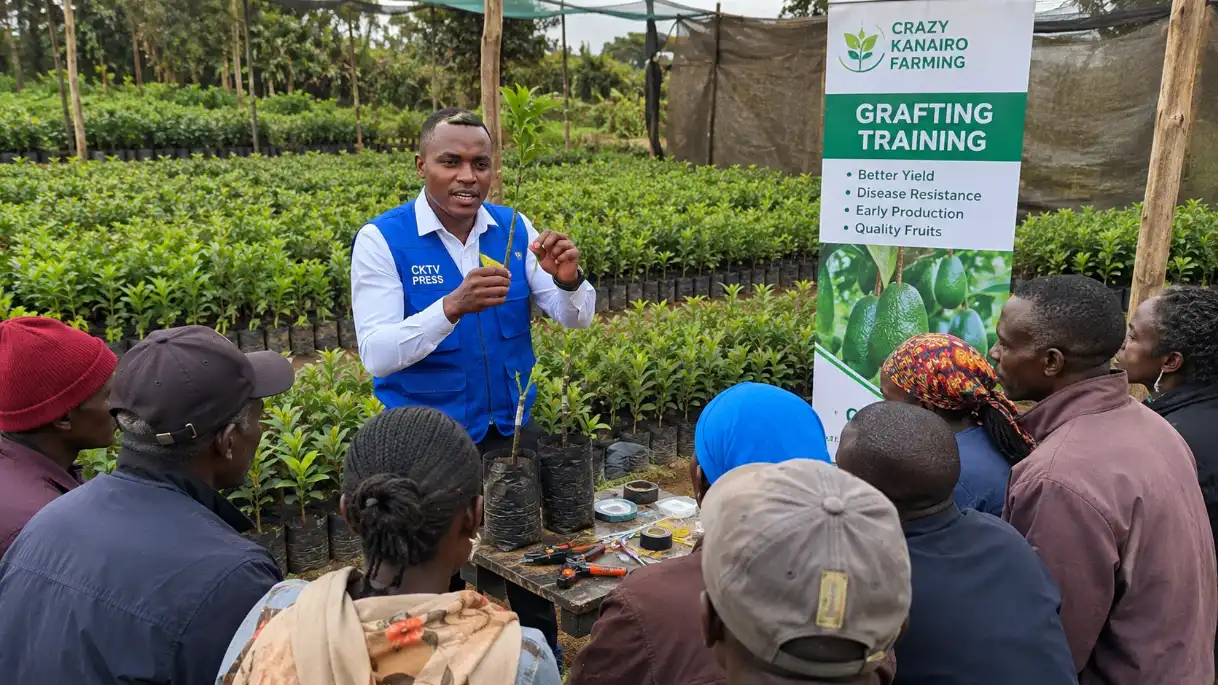
The grafting business is not limited to selling pots. Mobile grafting services and the export of expertise are growing fields. Kenyan grafters are increasingly being hired to establish nurseries in neighboring countries like Uganda, Tanzania, and even as far as Gambia and Zambia.
Mobile grafting involves traveling to a farmer’s orchard to graft existing trees. This is common for top-working or for farmers who have grown their own rootstocks in the field but lack the skill to graft them. You can charge per successful graft, often around KES 50 to KES 100. A skilled grafter can do 200 to 300 grafts in a day, making this a very lucrative service during the peak grafting season.
There is also a significant market for “digital products.” Many people across Africa want to learn how to graft but don’t have access to training. Creating a detailed video course or a downloadable PDF guide on “How to Graft Hass Avocados” can provide a passive income stream. This allows you to monetize your knowledge globally without the logistical challenges of moving live plants across borders.
International case studies have shown that Kenyan nursery techniques are highly regarded in West Africa. There are documented examples of Kenyan experts being contracted to set up mango and citrus nurseries in countries like Gambia and South Africa. While moving live plants across borders is strictly regulated by phytosanitary laws, moving “skills and tools” is easy and highly profitable.
Legal Requirements: Navigating KEPHIS and County Laws
Compliance is the key to longevity in the nursery business. Registration with the Kenya Plant Health Inspectorate Service (KEPHIS) is mandatory for any commercial plant seller. This involves inspections for pests, diseases, and variety authenticity. Non-compliance can lead to heavy fines or the destruction of your entire stock.
To register a nursery in 2026, you must apply through your local KEPHIS office. They will inspect your water source, the health of your mother trees, and your nursery’s sanitation levels. You are also required to maintain a nursery register. While the process may seem tedious, a “KEPHIS Certified” stamp is the ultimate marketing tool. It tells the buyer that your trees are healthy and will actually produce the variety you claim.
Read Also: Top 10 Best Money-Making Agriculture Business Ideas in Kenya (2026)
Additionally, be aware of “Plant Breeders’ Rights.” Some new fruit varieties are protected by law, and you may need to pay a royalty or obtain a license to propagate them. Propagating protected varieties without permission is illegal and can lead to legal action from the variety owners. Always stick to public domain varieties or ensure you have the proper licenses for protected cultivars like certain new berry or apple varieties.
County governments also have specific requirements, including business permits and sometimes environmental health certificates if your nursery uses significant amounts of water or fertilizers. Check with your local sub-county agricultural officer to ensure you have all the necessary paperwork before you start selling. Being a “law-abiding” nursery operator protects your business from sudden closures during government crackdowns on substandard seedlings.
Conclusion: Your Path to Mastering Grafting in 2026
Grafting is one of the few agribusiness skills that directly converts technical knowledge into high-value assets. Whether you are aiming to produce the perfect Hass avocado for export or the sweetest Pixie orange for the local market, the principles of precision, sanitation, and timing remain your best allies. By investing in quality tools and following a disciplined nursery process, you can achieve results that traditional methods simply cannot match.
As you move forward, remember that the most successful nursery operators are those who value their reputation. Selling a healthy, correctly labeled, and well-healed seedling is the best way to ensure long-term profitability. The 2026 market has no room for substandard seedlings; farmers are becoming more educated and demand verified quality. Position yourself as a professional, and the market will reward you.
Ready to take your grafting to the next level? Don’t settle for blunt blades and low success rates. Order the Professional 2-in-1 Grafting Tool Kit today for only KES 2,500 and start producing nursery-grade results from your very first cut. Visit the Crazy Kanairo Farming website to confirm the current price and availability for nationwide delivery.
Frequently Asked Questions About Grafting in Kenya
What is grafting, and how does it work?
Grafting is the joining of a rootstock and a scion to create a single plant. It works by aligning the cambium layers of both parts so they fuse and share nutrients.
Which fruit trees can be grafted in Kenya?
The most common trees are avocado, mango, citrus, apple, macadamia, and passion fruit. Even some vegetables like tomatoes and eggplants can be grafted.
Is tree grafting a profitable business in Kenya in 2026?
Yes, it is highly profitable due to high export demand. Profit margins often exceed 60 percent for well-managed nurseries with high success rates.
How much money can you make selling grafted fruit trees?
A small nursery producing 2,000 seedlings a year can earn a gross revenue of KES 700,000, with a net profit of around KES 400,000 after costs.
What tools are required to start a grafting business?
You need a professional 2-in-1 grafting tool or a sharp grafting knife, parafilm tape, secateurs, and disinfectants for sanitation.
What is the best grafting method for avocado, mango and citrus trees?
Avocados and mangoes usually use cleft or wedge grafting. Citrus varieties like Pixie oranges are best propagated through T-budding.
How long does a grafted fruit tree take to start producing fruits?
Most grafted trees begin fruiting in 2 to 3 years, which is significantly faster than the 7 to 10 years required for seed-grown trees.
Where can I buy a professional grafting tool kit in Kenya?
You can purchase a Professional 2-in-1 Grafting Tool Kit from Crazy Kanairo Farming for KES 2,500 with nationwide delivery available.
What causes grafting to fail, and how can farmers improve success rates?
Failure is usually caused by poor cambium alignment, dirty tools, or drying out. Use professional tools, sharp blades, and maintain high humidity during healing.
Do I need KEPHIS certification to sell grafted seedlings in Kenya?
Yes, KEPHIS registration is mandatory for commercial nurseries to ensure that seedlings are disease-free and true to the advertised variety.