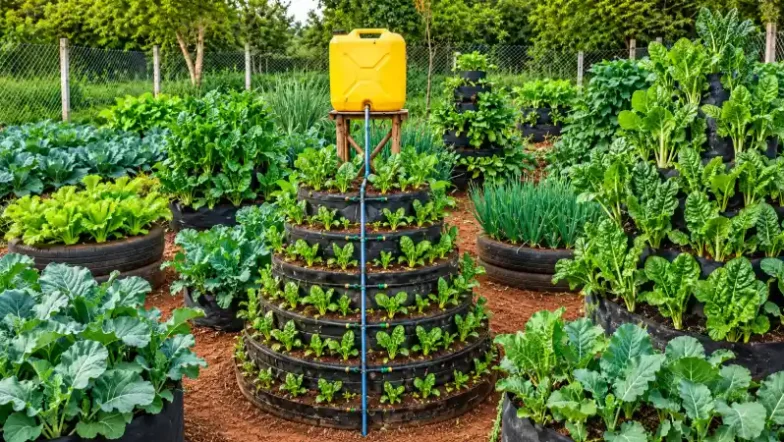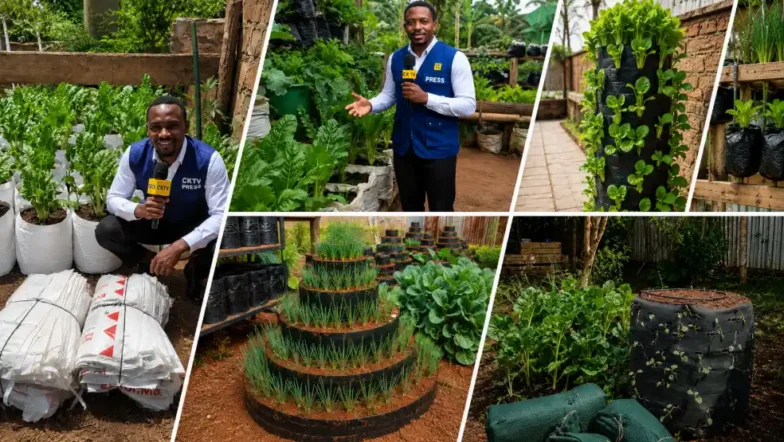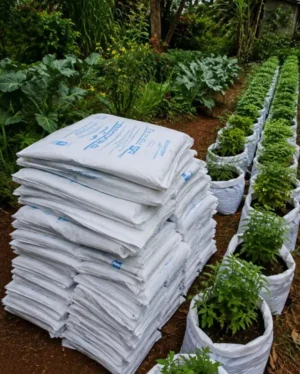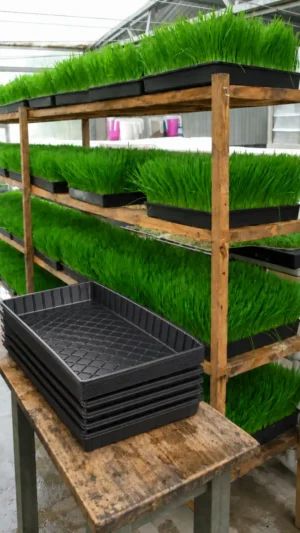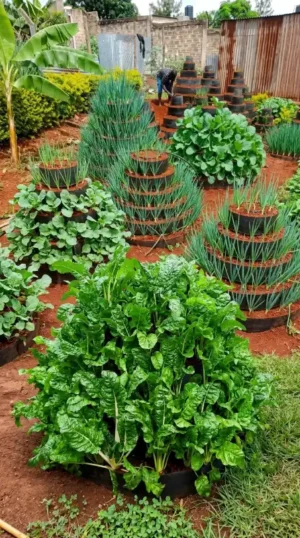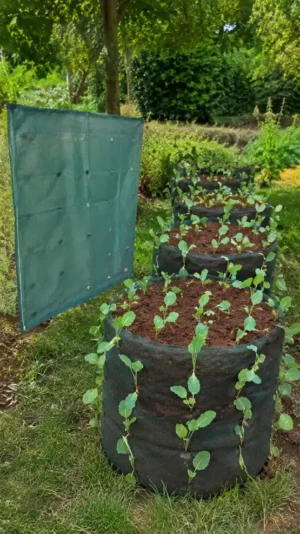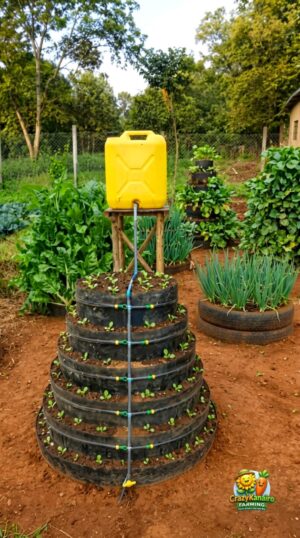
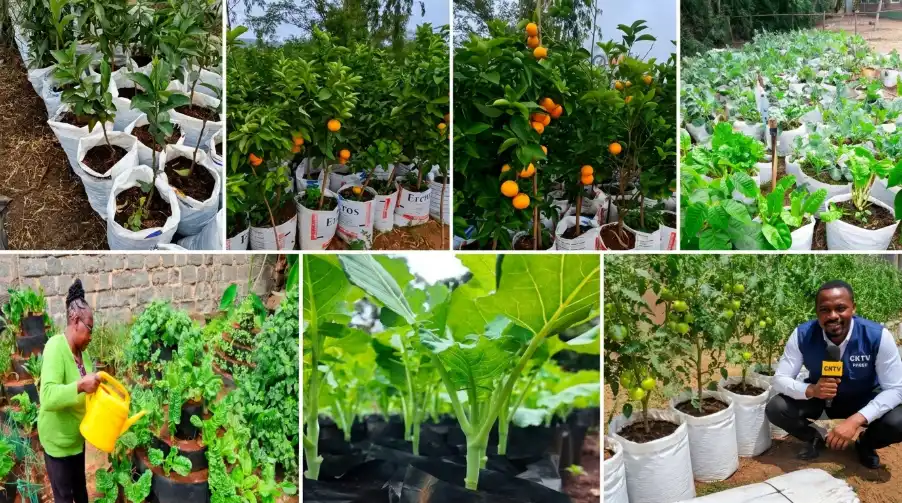

- Sack gardening allows for vertical food production in urban areas like Nairobi and Mombasa, maximizing space by utilizing side pockets for leafy greens and the top for fruiting crops.
- The 2026 market indicates a high demand for organic, sack-grown vegetables like Sukuma Wiki and high-value dwarf fruits like Pixie Oranges, offering a 40 percent higher profit margin than traditional ground farming.
- Success in 2026 sack farming requires a precise 1:1:1 ratio of forest soil, well-composted manure, and coco peat, combined with climate-smart irrigation to maintain moisture in restricted root zones.
Table of Contents
Sack gardening in Kenya has evolved from a survivalist urban strategy into a sophisticated commercial venture for small-scale entrepreneurs and health-conscious households. As land fragmentation continues in regions like Kiambu and Nakuru, the ability to grow high-quality produce in multi-storey bags offers a sustainable solution to food security. This guide provides a comprehensive roadmap for selecting the best 20 crops that thrive in containers, ensuring you maximize every square meter of your compound or balcony in 2026.
What Is Sack Gardening in Kenya?
Sack gardening is a vertical farming technique where crops are grown in UV-treated bags or traditional gunny bags filled with a nutrient-rich medium. This method utilizes both the top surface and side pockets, making it ideal for urbanites with limited space in balconies, rooftops, or small paved compounds across Kenya.
In the Kenyan context, sack gardening is often referred to as vertical gardening or multi-storey farming. While traditional gunny bags were once the standard, 2026 has seen a shift toward durable, UV-protected HDPE bags that can last up to 10 years. These modern sacks are engineered with pre-cut holes on the sides, allowing farmers to plant different varieties of crops in a single unit.
Read Also: 5 Best Space-Saving Grow Bags in Kenya: Types, Prices, Uses & Where to Buy
This system works by creating a central core of stones or a perforated pipe for irrigation, ensuring that water reaches the bottom layers without compacting the soil. It is particularly popular in rented apartments where tenants want to grow their own food without interfering with the landlord’s ground soil. Whether you are in a high-rise in Kasarani or a bungalow in Syokimau, sack gardening brings the farm to your doorstep.
The Difference Between Traditional and Modern Sacks
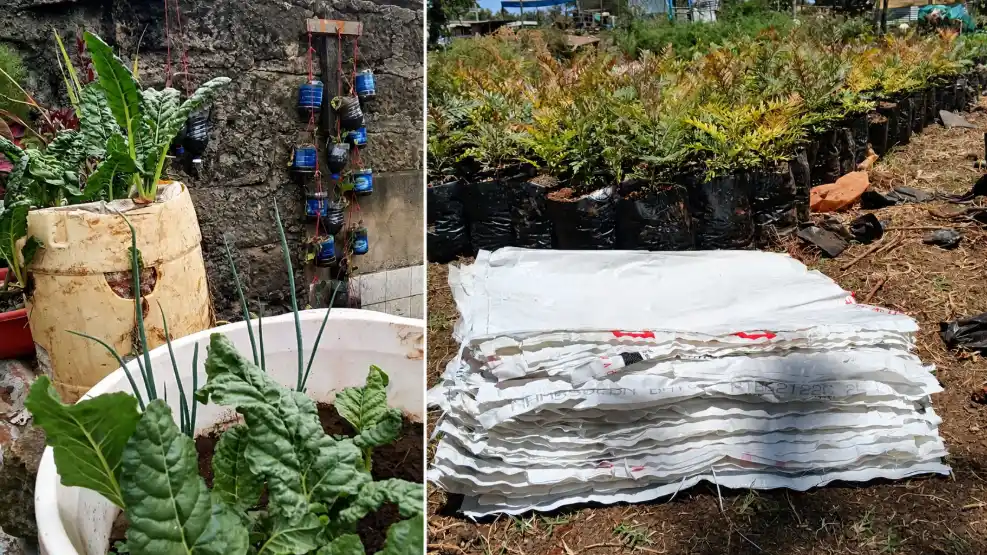
Standard sisal or plastic sacks used for grains are cheap but often rot within six months due to constant moisture. Modern vertical garden bags used in 2026 are reinforced to handle the weight of wet soil and are treated to resist the harsh Kenyan sun. These bags come in various sizes, with the most common being the large 1-meter wide bag that can hold up to 100 plants.
Who Should Start Sack Farming?
This method is tailor-made for urban dwellers, schools with limited land, and even commercial farmers looking to produce high-value herbs or strawberries in controlled environments. It is also an excellent entry point for youth and women who may not have traditional land ownership but have access to small spaces or paved yards.
Benefits of Growing Vegetables and Fruits in Sacks
Growing in sacks provides 2026 farmers with total control over soil quality, reduced weeding labor, and up to 70 percent water savings compared to ground farming. It eliminates soil-borne diseases common in Kenyan fields and allows for year-round production regardless of the unpredictable rainfall patterns affecting traditional agriculture.
One of the most significant advantages is the ability to bypass the “dead” or nutrient-depleted soils found in many urban compounds. By sourcing high-quality forest soil and mixing it with organic manure, you create a perfect environment for root development that would be impossible in the hard-packed clay of most city estates.
Saves Space and Increases Density
A single vertical sack occupying 1 square meter can produce as much food as a 10-meter ground row. In 2026, where urban land is at a premium, this density allows a family of five to be completely self-sufficient in leafy greens using just four large bags. This verticality is the only way to make commercial sense of a 40 by 60 plot in the city.
Better Control Over the Growing Medium
When you farm in sacks, you are the master of your soil. You can adjust the pH levels for specific crops like strawberries or blueberries, which require acidic conditions. In 2026, smart farmers use coco peat and vermiculite to ensure the bags remain light enough for balconies while retaining moisture during the hot January and February months.
Read Also: Organic Fertilizer in Kenya: Complete Guide to Compost, Manure & Vermicomposting (2026)
Easier Pest and Disease Management
Sacks act as a physical barrier against many soil-crawling pests. Because the plants are elevated, air circulation is significantly improved, which reduces the incidence of fungal infections like powdery mildew. If one sack becomes infected, it can be isolated or emptied without the disease spreading to the entire crop, a luxury ground farmers do not have.
What Can You Grow in a Sack?
You can grow almost any shallow-rooted vegetable and specific grafted dwarf fruit varieties in sacks. In 2026, the most successful crops are categorized into leafy greens for side pockets, bulb and root vegetables for the top surface, and compact grafted fruits that stay below two meters in height.
Before you start, it is essential to understand that not all crops are created equal for container life. Deep-rooted trees or heavy vines may struggle unless you use exceptionally large containers. In the 2026 Kenyan market, farmers have specialized in high-turnover crops that provide a continuous harvest.
Leafy Vegetables for Side Pockets
- Sukuma Wiki (Kale): The staple of Kenyan households.
- Spinach: Specifically the Fordhook Giant variety which handles container life well.
- Managu (African Nightshade): High demand in 2026 for its nutritional value.
- Terere (Amaranth): Grows quickly and can be harvested repeatedly.
- Lettuce: Both Iceberg and leaf varieties for the urban salad market.
Root and Bulb Crops for the Top
- Carrots: Require deep, loose soil found in well-prepared sacks.
- Onions: Both red bulb onions and spring onions thrive in the upper layers.
- Beetroot: High-value crop with medicinal appeal in 2026.
- Radishes: The fastest harvest, ready in 25 to 30 days.
Compact and Dwarf Fruits
- Strawberries: The undisputed king of sack fruits in Kenya.
- Dwarf Pixie Oranges: Specially grafted to fruit while still small.
- Pepino Melons: A bushy fruit that produces heavily in containers.
- Tree Tomato (Tamarillo): Can be managed in 100-liter bags with proper pruning.
10 Best Vegetables to Grow in Sacks in Kenya
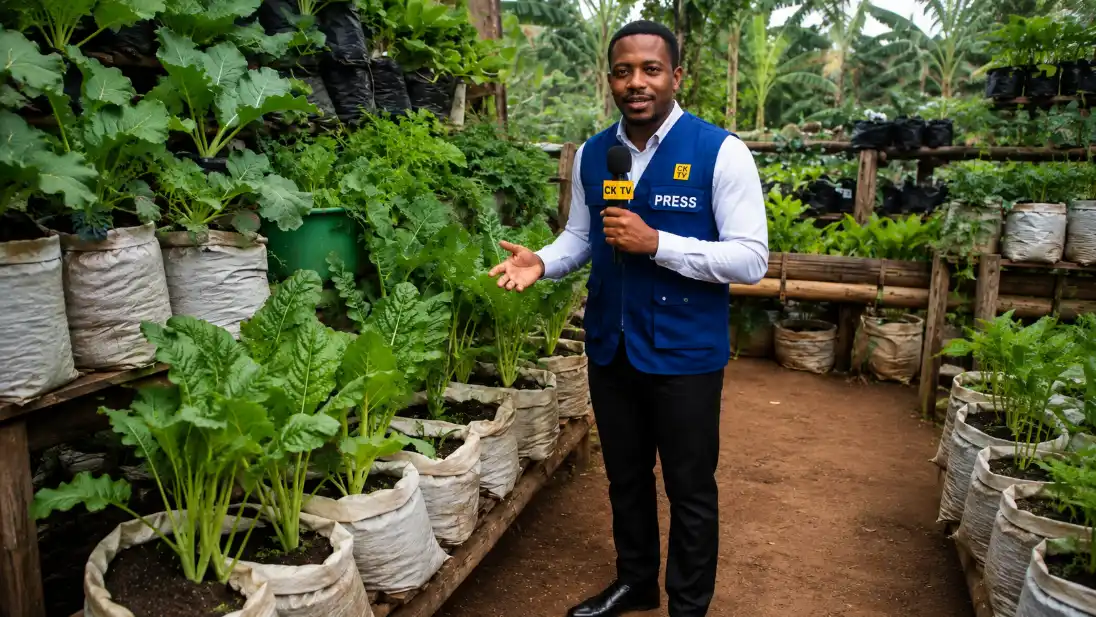
The best vegetables for 2026 include Sukuma Wiki, Spinach, Managu, and Dhania for their high turnover. Tomatoes, Capsicum, and Cucumbers are also top performers when grown on the top surface of the bag with support structures, offering high market value and ease of management in limited spaces.
1. Sukuma Wiki (Kale)
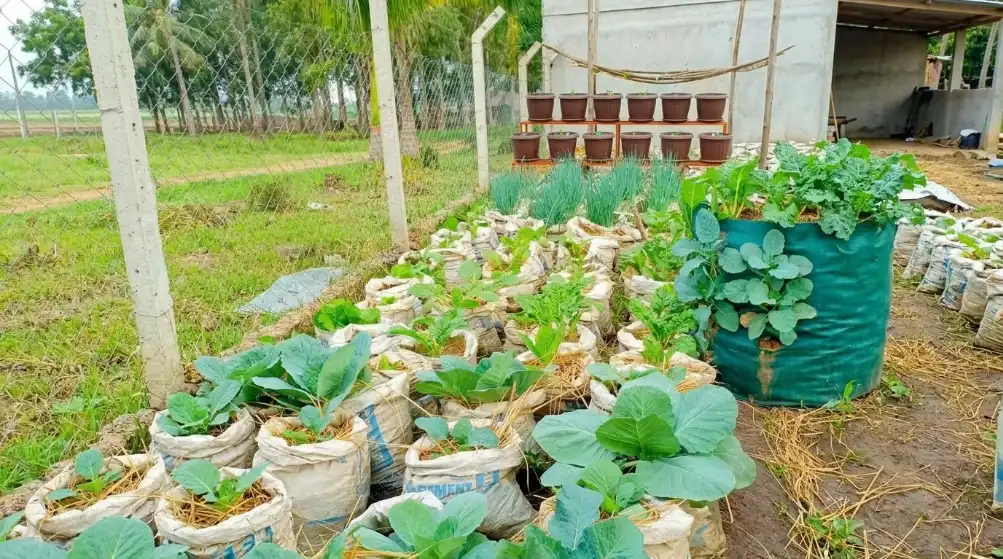
Sukuma Wiki remains the most popular crop for sack farming. In 2026, farmers prefer varieties like Thousand Headed or Mfalme F1 because they produce large leaves and have a long harvesting period. One sack can easily hold 40 to 60 kale plants in the side pockets. They require at least 6 hours of sun and regular watering to keep the leaves tender.
2. Spinach
Spinach is more sensitive to heat than kale, making it perfect for the shaded parts of a balcony. Fordhook Giant is the 2026 favorite due to its broad, dark green leaves. Spinach thrives in soils rich in nitrogen, so regular top-dressing with organic foliar feeds is recommended. It is a high-value crop in Nairobi markets, often fetching KES 50 per bunch.
3. Dhania (Coriander)
Dhania is a quick-win crop that is always in demand. It is best grown on the top surface of the sack. In 2026, many urban farmers use Dhania as a filler crop between larger plants. It matures in 45 days, and because it has shallow roots, it does not compete heavily for nutrients. Ensure you use high-quality seeds to avoid early bolting.
4. Spring Onions
Spring onions are incredibly resilient and can grow in almost any sack condition. They are planted from seedlings or offsets and can be harvested by simply cutting the green tops, allowing the plant to continue growing. In 2026, they are often used as a natural pest repellent when interplanted with other vegetables like spinach.
5. Carrots
Growing carrots in sacks is easier than in the ground because you can ensure the soil is free of stones and hard pans that cause forking. Use a deep sack (at least 60cm) and fill it with a light, sandy soil mix. Varieties like Kuroda or Nantes are popular in Kenya for their sweetness and uniform shape.
6. Tomatoes
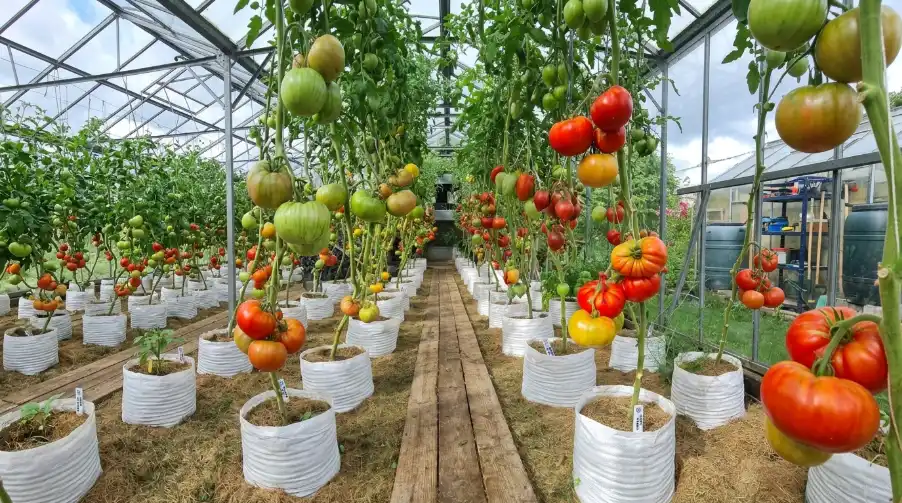
Tomatoes are high-yielding but require more care. In 2026, determinate (bush) varieties like Anna F1 are preferred for sacks as they don’t grow too tall. They should be planted at the top of the sack and provided with a sturdy stake or trellis. Regular calcium supplementation is vital to prevent blossom end rot in container-grown tomatoes.
Read Also: How Kenyans Are Growing Fresh Vegetables Indoors Using Plastic Bottles and LED Lights
7. Capsicum (Bell Peppers)
Coloured peppers (Red, Yellow, Green) are lucrative in the 2026 Kenyan market. They thrive in the warm microclimate created by the sack’s fabric. Each sack can support 2 to 3 plants at the top. They require consistent moisture and high potassium levels once they start flowering to produce thick-walled, juicy fruits.
8. Cucumber
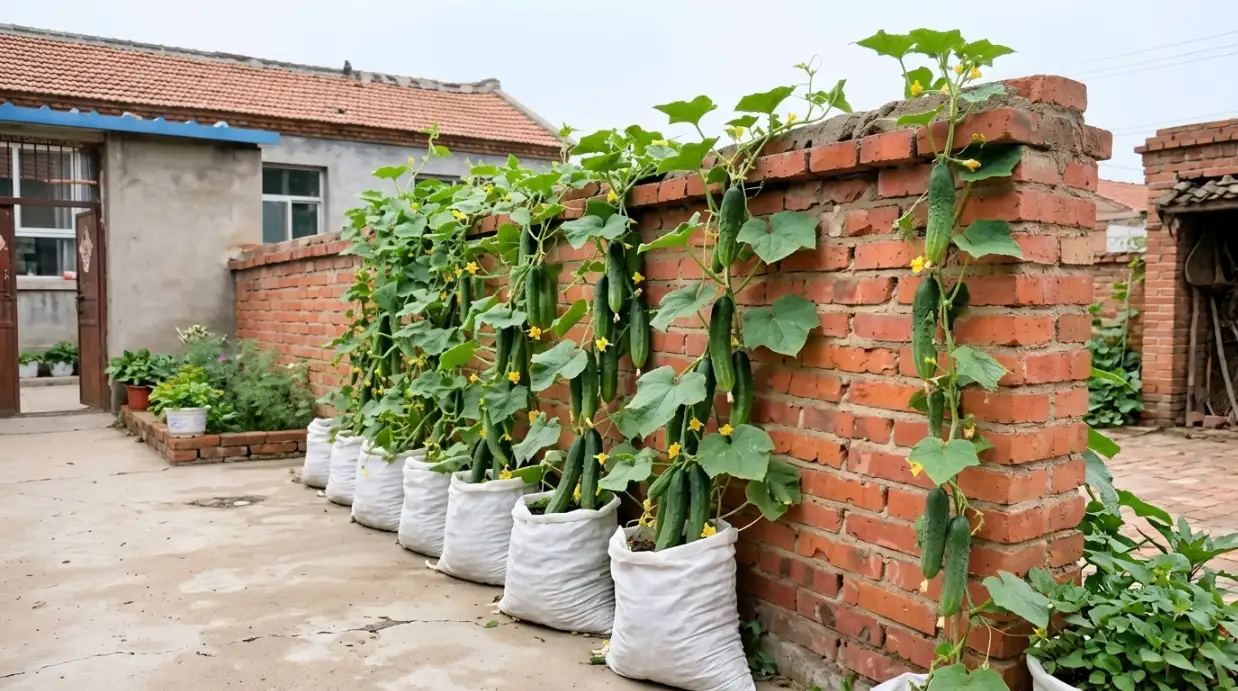
Cucumbers are excellent for vertical sacks if you allow them to climb up a string or net. The warmth of the sack soil helps in rapid growth. In 2026, seedless varieties are trending in urban markets. One or two plants per sack are enough, as they are heavy feeders and drinkers.
9. Bush Beans
Unlike climbing beans, bush beans stay compact and are perfect for the top of a garden bag. They are nitrogen-fixers, meaning they actually improve the soil quality. They produce a heavy crop in a short time (60 to 70 days) and are great for family nutrition.
10. Managu (African Nightshade)
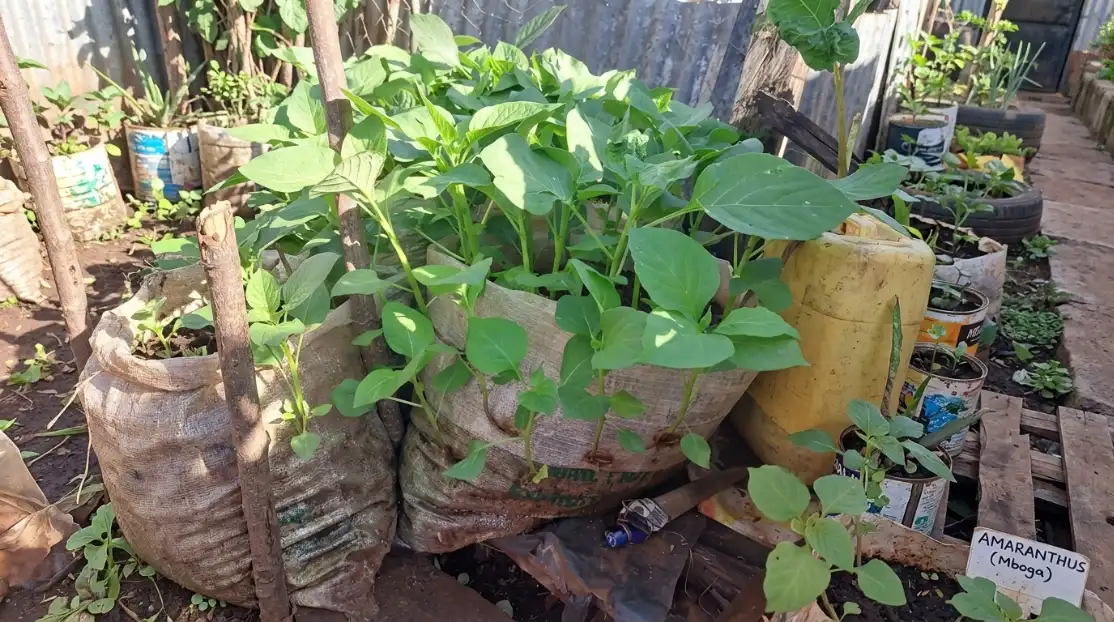
Indigenous vegetables have seen a 50 percent increase in demand by 2026. Managu is hardy and resists most pests that affect exotic vegetables. It can be planted in the side pockets of the sack and provides a continuous harvest for several months. It is particularly profitable when sold to supermarkets or high-end organic markets.
10 Best Dwarf and Compact Fruits to Grow in Sacks
Dwarf fruits like Pixie Oranges, Lemons, and Strawberries are the most profitable container crops in 2026. By using grafted varieties from certified nurseries like KALRO, farmers can harvest citrus, pomegranate, and pepino melons within 12 to 18 months, even in a 50-liter UV-treated bag or large container.
1. Dwarf Pixie Orange
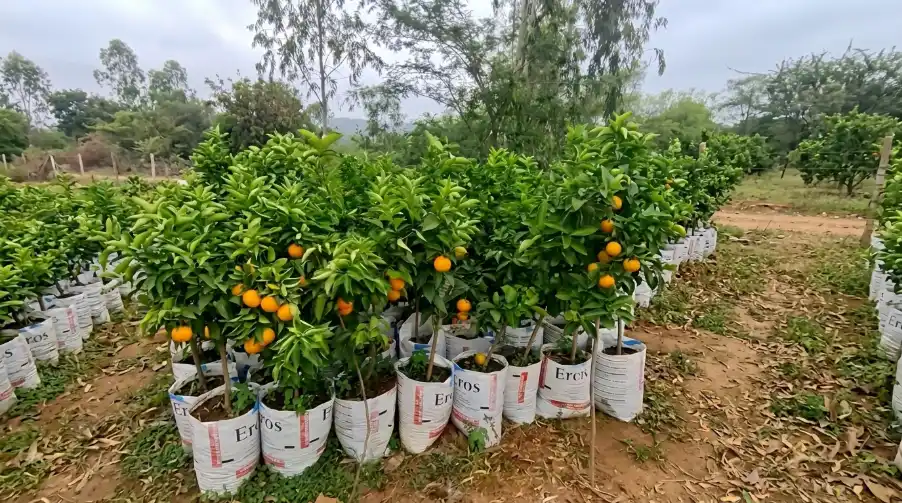
The Pixie orange has revolutionized urban fruit farming in Kenya. These are grafted onto semi-dwarfing rootstocks, allowing them to produce sweet, seedless fruits while staying under 1.5 meters tall. In 2026, a single well-managed tree in a 100-liter sack can produce 50 to 80 fruits per season. They require full sun and regular citrus-special fertilizer.
2. Dwarf Lemon (Meyer)
Meyer lemons are naturally more compact and flower almost year-round in the Kenyan climate. They are prized for their thin skin and high juice content. Growing them in sacks allows you to move them to the sunniest spot in your compound. By 2026, potted lemons have become a common sight on many Nairobi balconies.
3. Strawberries
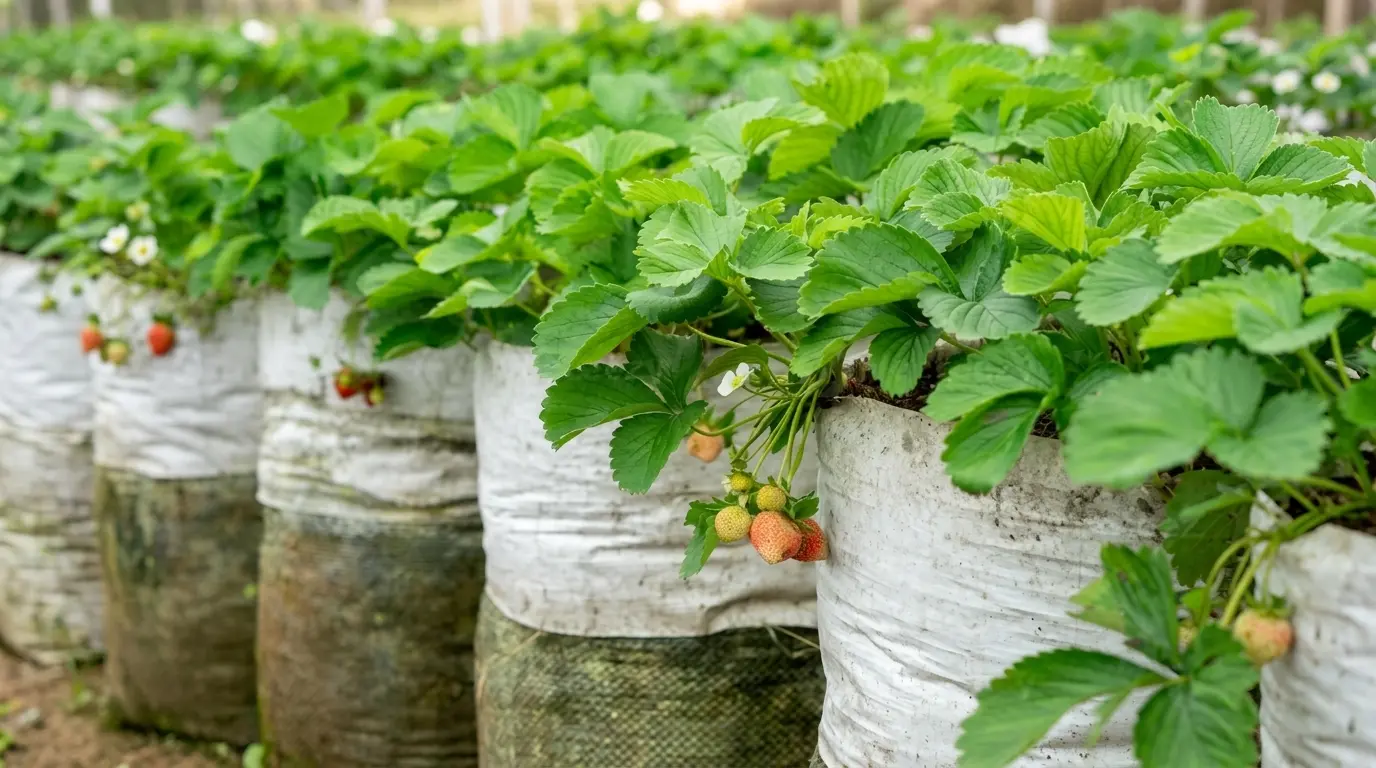
Strawberries are the most space-efficient fruit. They can be planted in the side pockets of a multi-storey bag, allowing for up to 100 plants in one unit. The 2026 favorite variety is Chandler, known for its large, sweet berries. They require well-drained soil and a thick layer of mulch (or the sack’s fabric) to keep the berries off the soil.
4. Pepino Melon
This superfruit has gained massive popularity in Kenya due to its health benefits. It is a bushy plant that grows perfectly in a 20-liter sack or as a top plant in a larger bag. It produces purple-striped yellow fruits that taste like a mix of melon and cucumber. It is highly resistant to most pests and is very easy to propagate from cuttings.
5. Dwarf Pomegranate
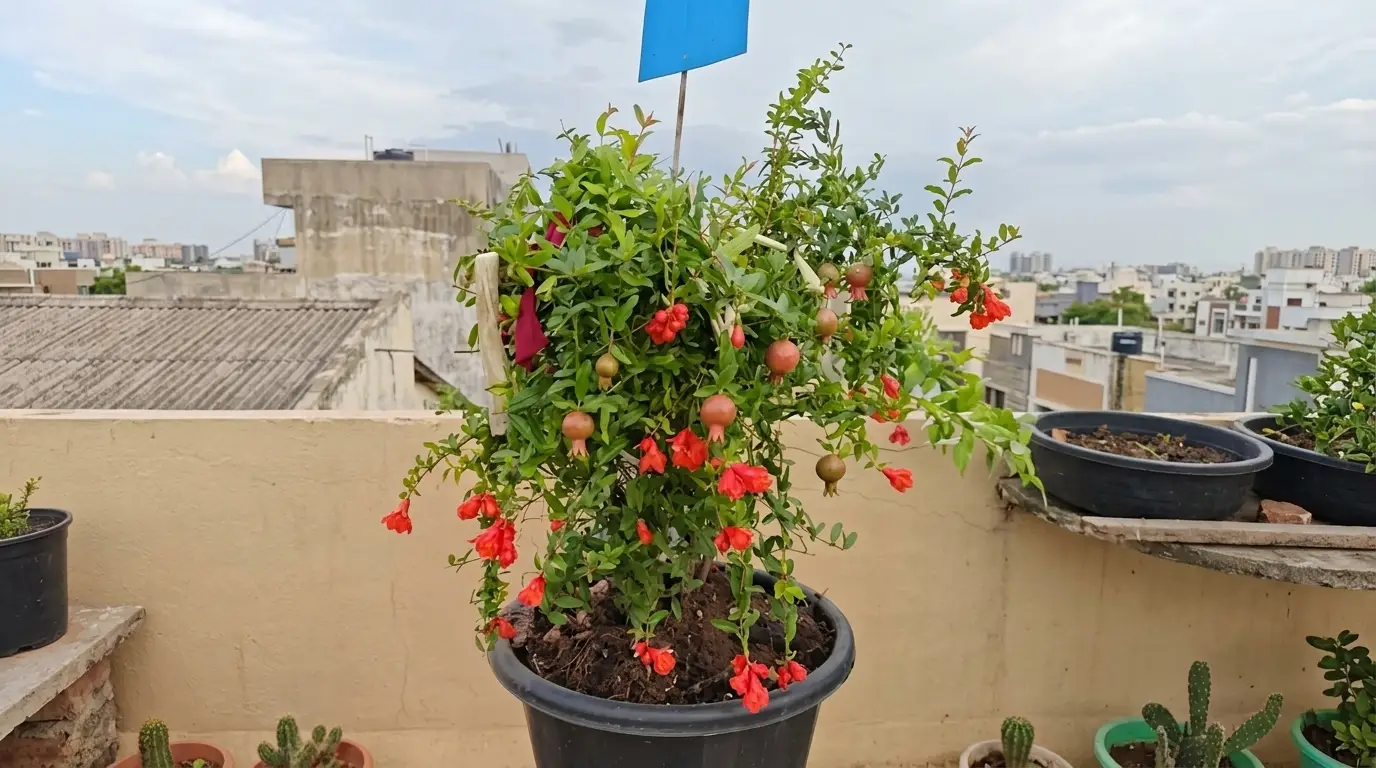
Pomegranates love the heat, making them ideal for areas like Machakos or Mombasa, but they also do well in Nairobi. The dwarf varieties produce full-sized, antioxidant-rich fruits on a small bush. They are very drought-tolerant, which is a major advantage for sack gardening where soil can dry out quickly.
6. Compact Fig
Figs have a non-invasive root system when confined to a container, which actually encourages more fruit production. In 2026, varieties like Brown Turkey are commonly grown in 50-liter sacks. They require minimal pruning and provide a unique, high-value harvest that is rare in local open-air markets.
7. Tree Tomato (Tamarillo)
While naturally a small tree, the tamarillo can be kept compact through aggressive pruning. In 2026, the Red Oratia variety is the standard for its deep red color and marketability. It needs a large sack and a wind-protected area, as its large leaves can act like sails and tip the bag over.
8. Cape Gooseberries
Once a wild fruit, the cape gooseberry is now a commercial success in 2026. It is incredibly hardy and can grow in a sack with almost no maintenance. It produces hundreds of small, golden berries encased in a papery husk. It is a favorite for children and health enthusiasts alike.
9. Compact Guava
Grafted guavas in 2026 can fruit within a year of planting. By choosing the white or pink Thai varieties, you can have a tree that stays at waist height but produces large, crunchy fruits. They require regular pinching of the tips to maintain a bushy shape suitable for a sack.
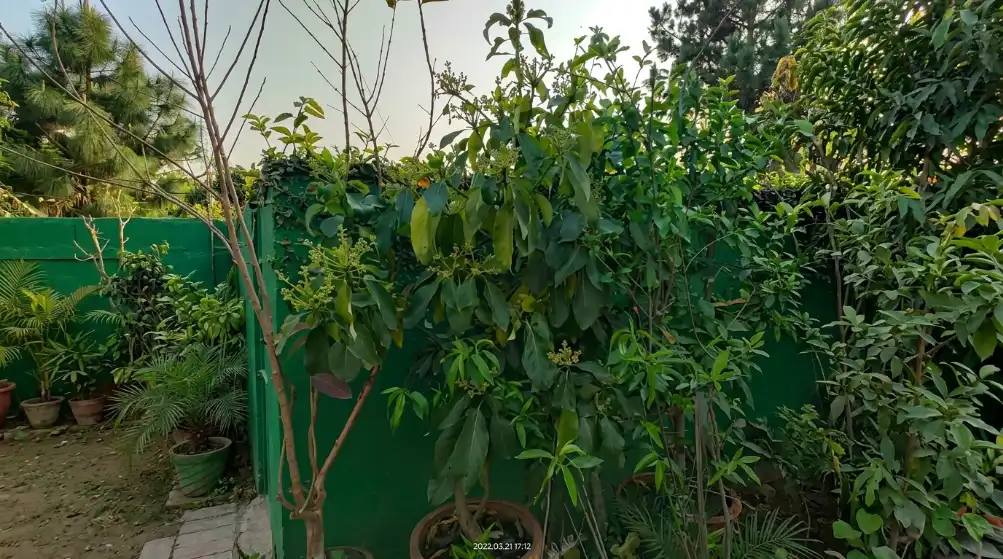
10. Grafted Dwarf Avocado
While still experimental for some, 2026 has seen the rise of Hass on Dwarf rootstocks. These trees require the largest available sacks (200 liters) and careful nutrient management. While they won’t produce the hundreds of fruits seen on a field tree, they can provide a steady supply of 20 to 30 avocados for a household.
Where to Buy High-Quality Grow Bags and Seedlings in Kenya
Setting up a successful sack garden starts with durable materials and certified, high-yielding planting stock. Below are the top trusted sources for grow bags and seedlings across Kenya.
Where to Buy High-Quality Grow Bags and Seedlings in Kenya
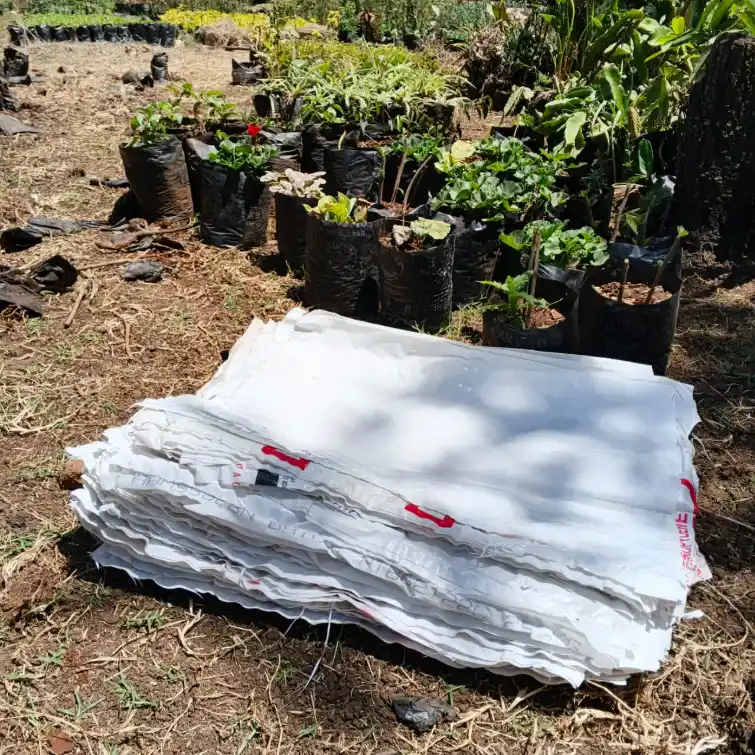
- Our Official Store: Skip the cheap gunny bags that rot in months. You can buy premium, UV-treated HDPE multi-storey grow bags directly from our website at Crazy Kanairo Farming Shop. Built to handle heavy soil loads and withstand the harsh Kenyan sun, our bags last up to 10 years and come pre-punched with optimal side pockets for leafy greens and strawberries. Order directly through our platform for countrywide delivery.
Where to Buy Quality Seedlings and Grafted Dwarf Fruits
- Our Farm & Nursery: We offer certified, pest-free vegetable seedlings (including Sukuma Wiki, Fordhook Giant Spinach, and Managu) as well as true-to-type grafted dwarf fruit trees like Pixie Oranges, Meyer Lemons, and Chandler Strawberries. Browse our available planting stock directly on Crazy Kanairo Farming Products or reach out through our site to place a custom nursery order.
- KALRO (Kenya Agricultural and Livestock Research Organisation): Located across various regional centers (such as Thika, Muguga, and Kitale), KALRO provides certified disease-resistant vegetable seeds and clean fruit tree rootstocks. You can check their regional outlets via the KALRO Official Website.
- KePIS (Kenya Plant Health Inspectorate Service) Certified Nurseries: You can source clean, disease-free dwarf fruit trees and seedlings from registered local operators certified by KEPHIS.
- Established Commercial Nurseries: For urban and peri-urban farmers, trusted agricultural hubs like Plants Galore Kenya (Nairobi) or local county-registered agrovet nurseries offer reliable, climate-adapted seedlings.
What Size Sack Does Each Crop Need?
Selecting the right sack size is the foundation of container gardening success. A sack that is too small will restrict root growth and cause the plant to wilt during the hot afternoon sun in Kenya. The table below outlines the ideal container sizes for the most popular crops in the 2026 market.
| Crop Type | Minimum Capacity (Liters) | Ideal Sack Dimensions | Number of Plants |
|---|---|---|---|
| Leafy Greens (Sukuma Wiki, Spinach) | 50 – 100L | 60cm Diameter, 1m Height | 40 – 60 (Side Pockets) |
| Root Crops (Carrots, Onions) | 30 – 50L | 40cm Diameter, 60cm Height | 20 – 30 (Top Surface) |
| Fruiting Veggies (Tomatoes, Peppers) | 20 – 40L | 35cm Diameter, 40cm Height | 1 – 2 (Top Surface) |
| Dwarf Fruit Trees (Citrus, Figs) | 100 – 150L | 80cm Diameter, 1m Height | 1 (Top Surface) |
| Strawberries | 50L | 50cm Diameter, 80cm Height | 30 – 50 (Side Pockets) |
Best Soil Mix for Sack Gardening
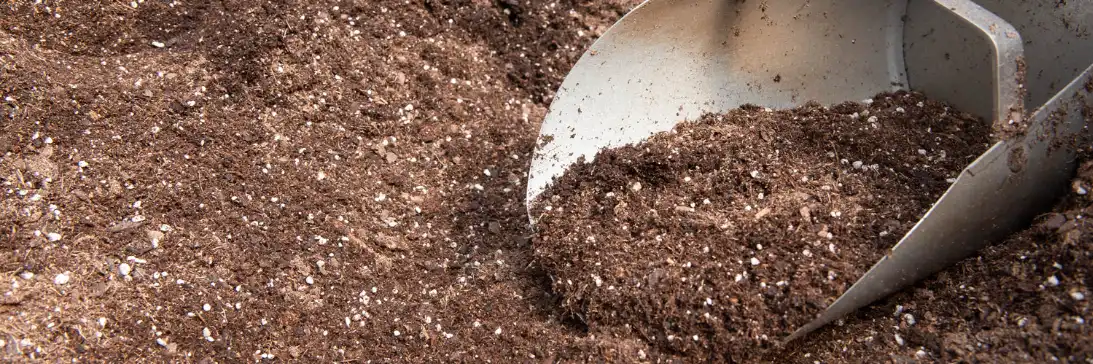
The ideal 2026 soil mix for sack gardening consists of 40 percent red forest soil, 40 percent well-decomposed goat or cow manure, and 20 percent coco peat or rice husks for aeration. This combination ensures high nutrient availability while preventing the soil from becoming a hard block that suffocates roots over time.
In container gardening, your soil is your life support system. Unlike ground soil, which can draw nutrients from a vast area, sack soil is a closed loop. If you use poor soil, your plants will starve within weeks. By 2026, most successful Kenyan sack farmers have moved away from using plain backyard soil, which is often too heavy and full of weed seeds.
Read Also: How to Build a Vertical Garden Using Banana Stems: Step-by-Step Guide for Growing Vegetables
The role of coco peat in the 2026 mix cannot be overstated. It acts like a sponge, holding onto water and releasing it slowly to the plant. This is critical in a sack where the surface area to volume ratio is high, leading to fast evaporation. If you cannot find coco peat, charcoal dust or sawdust from non-treated timber can serve as a cheaper alternative for aeration.
Before filling your sacks, it is recommended to treat the soil mix for soil-borne pests. Many farmers in 2026 use organic neem-based products to drench the soil before planting. This prevents early attacks from nematodes or cutworms that can destroy a whole crop of spinach or carrots in a single night.
| Component | Volume (Liters) | Primary Function | 2026 Cost (KES) |
|---|---|---|---|
| Red Forest Soil | 60L | Structure & Minerals | KES 200 – 400 |
| Goat Manure | 60L | Nutrient Base | KES 300 – 500 |
| Coco Peat | 30L | Moisture Retention | KES 500 – 800 |
| Rock Phosphate | 0.5kg | Root Development | KES 150 |
How to Prepare a Sack Before Planting
Prepare your sack by first ensuring it has adequate drainage holes at the bottom and sides. Fill it layer by layer, lightly compacting the soil to avoid large air pockets. Before planting, drench the bag with water and a mild organic pesticide to settle the medium and eliminate early pests.
The biggest mistake beginners make is simply dumping soil into a bag and planting. This leads to the soil settling significantly after the first watering, often burying your young seedlings too deep. In 2026, the Core Method is the standard for preparing vertical sacks in Kenya.
- Placement: Place the empty bag in its final location. Once full, a large sack can weigh over 100kg and will be impossible to move.
- Drainage Layer: Place 5cm of coarse gravel or broken stones at the bottom. This prevents the drainage holes from getting blocked by fine soil.
- The Central Core: Place a 4-inch PVC pipe with holes drilled in it in the center. Fill this core with small stones as you add soil around it to allow water to reach the bottom roots instantly.
- Layering: Fill the space between the core and the bag with your prepared soil mix. Lightly press down every 20cm to ensure there are no large gaps.
- Settlement: Water the bag thoroughly and let it sit for 24 hours. The soil will settle, and you can top it up with more mix before planting.
Fertilizer and Nutrition for Sack Crops
In 2026, sack farmers prioritize organic foliar feeds and slow-release pellets like NPK 17-17-17 to avoid nutrient leaching. Regular application of liquid seaweed or compost tea every 14 days is essential to replace minerals lost through frequent watering, ensuring continuous harvests of leafy greens and fruits.
Because you water sack gardens more frequently than ground gardens, nutrients tend to wash out through the drainage holes. This means one-time fertilization at planting is never enough. In the 2026 Kenyan market, farmers have embraced liquid fertilizers that are absorbed through the leaves, providing an instant boost to the plant.
For leafy vegetables like Sukuma Wiki and Managu, nitrogen is the most important element. However, for fruiting crops like tomatoes and citrus, you must switch to high-potassium feeds once flowers appear. Over-applying nitrogen to a tomato plant in a sack will give you a beautiful green bush with zero fruits.
As of March 2026, the price of inorganic fertilizers has stabilized due to government-led subsidy programs. However, many urban farmers prefer organic options to ensure their produce is chemical-free. Using Vermicompost (worm tea) has become a gold standard for sack gardening in Nairobi, providing both nutrients and beneficial microbes to the soil.
| Fertilizer Type | Unit Size | Price Range (KES) | Best Use |
|---|---|---|---|
| DAP (Subsidized) | 50kg | KES 3,200 – 3,500 | Planting (Roots) |
| CAN | 50kg | KES 2,700 – 3,000 | Leafy Growth |
| NPK 17-17-17 | 1kg (Repacked) | KES 250 – 350 | General Feeding |
| Organic Liquid Feed | 1 Liter | KES 800 – 1,200 | Foliar Spraying |
Common Sack Gardening Mistakes to Avoid
The most common failures in 2026 sack farming result from over-watering, which causes root rot, and under-fertilization, leading to stunted yellowing leaves. Using low-quality recycled plastic sacks that tear within months and ignoring the sunlight needs of fruiting crops are also major pitfalls for beginners in Kenya.
Experience on the ground in Nakuru and Kiambu shows that most farmers treat sack gardens like ground gardens. This is a mistake. Because the roots are confined, any error you make is magnified. Here are the top hard truths about sack gardening that most manuals will not tell you.
- The Watering Trap: If the top looks dry, the bottom might still be a swamp. Always stick your finger 5cm into the soil to check moisture before adding more water. Over-watering is the number one killer of sack-grown spinach.
- Ignoring the Sun: Just because a sack is portable does not mean it should live in the shade. Fruiting plants like tomatoes and Pixie oranges absolutely need 6 to 8 hours of direct sunlight. If your balcony is north-facing and shaded, stick to leafy greens.
- The Cheap Bag Regret: Standard gunny bags (sugar sacks) are not made for farming. They will tear and spill your soil all over your clean veranda within 4 months. Invest in UV-treated 600-gauge HDPE bags from reputable suppliers in Kenya.
- Overcrowding: Planting 200 plants in a bag meant for 60 will result in small, sickly leaves. Each plant needs its own territory for light and air. Follow the recommended spacing for side pockets, usually 15cm to 20cm apart.
Financials: Cost and Profit Potential in 2026
A single commercial vertical sack setup in 2026 costs approximately KES 3,500, including the UV-bag, soil, manure, and high-quality seedlings. Under good management, one bag can generate KES 1,200 to KES 2,500 monthly from vegetable sales, achieving a break-even point within the first four months of operation.
From a commercial perspective, sack farming is a low-capex business. Your biggest initial cost is the bag and the medium. However, your daily costs are very low, mainly consisting of water and small amounts of fertilizer. In 2026, many youth groups in informal settlements like Kibera and Mathare have turned sack farming into a primary source of income.
Read Also: Best Drip Irrigation System for Small Farms in Kenya (2026 Guide)
The profitability of your sack garden depends heavily on your crop choice. Growing Sukuma Wiki for the mass market has lower margins but high volume. Conversely, growing English vegetables like Lettuce or Herbs like Rosemary and Thyme for high-end restaurants can triple your income per bag. In 2026, the trend is moving toward mixed bags where a farmer grows a combination of household staples and high-value niche crops.
| Item | Cost / Income | KES (Low Case) | KES (Best Case) |
|---|---|---|---|
| Initial Setup (Bags, Soil, Manure) | One-time Cost | KES 25,000 | KES 35,000 |
| Inputs (Seeds, Water, Fertilizer) | Annual Cost | KES 10,000 | KES 15,000 |
| Vegetable Sales (Weekly Harvests) | Annual Revenue | KES 80,000 | KES 120,000 |
| Net Annual Profit | Total | KES 45,000 | KES 70,000 |
Risks and Reality Check
While sack gardening is highly productive, it is not without risks. In 2026, the most significant threat to urban farming is water quality. Many city residents use borehole water, which can be high in salts (saline). Over time, these salts build up in the sack because there is no way for them to wash deep into the earth. This can stunt crop growth and even kill sensitive plants like strawberries.
Another reality is the weight of the sacks. A large sack filled with wet soil can weigh up to 150kg. If you are farming on a balcony, you must ensure the structure can support this weight. Always place the sacks near the structural beams or pillars of the balcony rather than in the center of the slab to ensure safety.
Finally, pests like aphids and spider mites thrive in the protected microclimates of urban balconies. Because there are fewer natural predators in the city, a small infestation can explode within days. Farmers must be diligent in checking the undersides of leaves every morning and using organic neem sprays to keep these pests under control.
Farmers Also Ask
What are the best vegetables to grow in sacks in Kenya?
Sukuma wiki, spinach, managu, dhania, and spring onions are the most reliable and high-yielding vegetables for sack farming in the Kenyan climate.
Can I plant vegetables in sacks instead of directly in the ground?
Yes, sack gardening is a superior alternative for urban areas with poor soil, limited space, or where the ground is paved or rented.
Which vegetables grow best in grow bags?
Shallow-rooted leafy greens and herbs grow best, but tomatoes, capsicum, and carrots also thrive if the bag is deep enough and has support.
What are the most profitable vegetables to grow in sacks in Kenya?
Coloured capsicum, lettuce, strawberries, and indigenous vegetables like managu fetch the highest prices in urban markets like Nairobi and Mombasa.
What size sack is best for growing vegetables?
For leafy greens, a 50kg-sized bag is common, but for commercial vertical farming, 1-meter wide UV-treated bags with 50 to 100 pockets are best.
How many vegetables can I plant in one sack?
In a large vertical bag, you can plant 40 to 60 leafy greens in the side pockets and 3 to 5 fruiting plants on top.
What soil mix is best for growing vegetables in sacks?
A 1:1:1 mix of red forest soil, well-rotted manure, and coco peat is the gold standard for drainage and nutrient retention in 2026.
Can dwarf fruit trees grow successfully in sacks in Kenya?
Yes, grafted dwarf varieties of Pixie oranges, lemons, and pomegranates can fruit successfully in 50-liter to 100-liter bags.
Which dwarf fruit trees are best for growing in sacks?
The Pixie orange, Meyer lemon, and Pepino melon are the most successful and easiest-to-manage dwarf fruits for container gardening in Kenya.
How often should I water vegetables and fruit trees grown in sacks?
Water once daily in the early morning, or twice during hot months. Always check the soil moisture 5cm deep before watering to avoid over-saturation.
Is sack farming profitable in Kenya?
Yes, with a net profit of KES 4,000 to 7,000 per month from just 10 large bags, it is a highly viable micro-business for urban residents.
Can I grow vegetables and fruits in sacks on a balcony?
Absolutely. Sack gardening is specifically designed for balconies and rooftops, provided they receive at least 5 hours of sunlight daily.