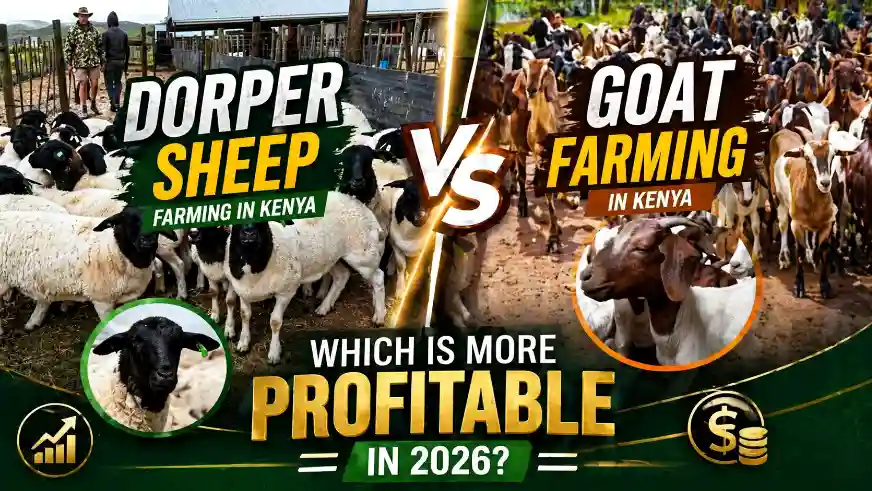

- Meat Profitability: Dorper sheep command premium market rates for bulk carcass sales, making them highly profitable for large meat production operations in Kenya.
- Cash Flow Advantage: Dairy goat farming provides immediate daily income, as raw goat milk currently retails between KES 150 and KES 250 per liter in major cities.
- Input Cost Differences: Goats are resilient browsers that survive on cheap shrubs, while Dorper sheep require consistent, high quality pasture investments to hit market weight.
Table of Contents
The brutal truth about livestock farming in Kenya is that most beginners fail because they buy expensive animals before understanding their baseline feed costs. The debate between raising heavy sheep and farming agile goats often confuses new investors looking for the absolute highest return on investment.
In 2026, the local agribusiness landscape is heavily driven by fluctuating commercial feed prices and changing urban consumer diets. Choosing the wrong animal for your specific county climate or capital limit will quickly drain your bank account.
To survive and thrive, you must adopt a strict market first approach rather than farming blindly without a local buyer network. You need to calculate exact profit margins, map out your monthly forage logistics, and identify local butcheries before you purchase your first breeding stock. This comprehensive guide breaks down the real mathematics of both ventures so you can decide which path guarantees long term profitability for your specific farm.
Dorper Sheep vs Goat Farming in Kenya: Quick Profit Verdict
Dorper sheep offer higher lump sum profits per meat sale, while goats provide faster continuous cash flow through daily milk sales and rapid breeding cycles. Your best choice depends entirely on your available land size, access to affordable fodder, and proximity to urban markets in Kenya.
Read Also: Dairy Goats vs Improved Kienyeji Chicken in Kenya (2026): Where Should You Invest?
If you want to build a bulk meat supply business, Dorper sheep are the undisputed champions of heavy carcass weights. A well fed Dorper lamb reaches a highly marketable weight of 35 kilograms in just five months under good pasture management. This rapid growth allows farmers to clear stock quickly and pocket large sums from local butcheries and high end hospitality clients. However, this specific model requires a substantial initial investment in pedigree genetics and continuous quality pasture management.

On the other hand, goat farming is the ultimate low entry and high return business for beginners with limited startup capital. You can start with a few indigenous or crossbreed goats in a much smaller zero grazing space. If you focus strictly on dairy breeds like Alpine or Toggenburg, you unlock a reliable daily cash flow that sheep simply cannot provide. This daily income from milk sales acts as a crucial buffer against sudden farm expenses and national inflation.
Your exact geographical location in Kenya also heavily dictates your final profit verdict. Farmers in the expansive Rift Valley have the massive grazing space required to make a large flock of Dorper sheep highly profitable. Conversely, farmers in densely populated areas like Kiambu or extremely arid zones like Turkana often find better financial success with zero grazed dairy goats or hardy Galla meat goats. You must closely align your livestock choice with your environmental reality and land constraints.
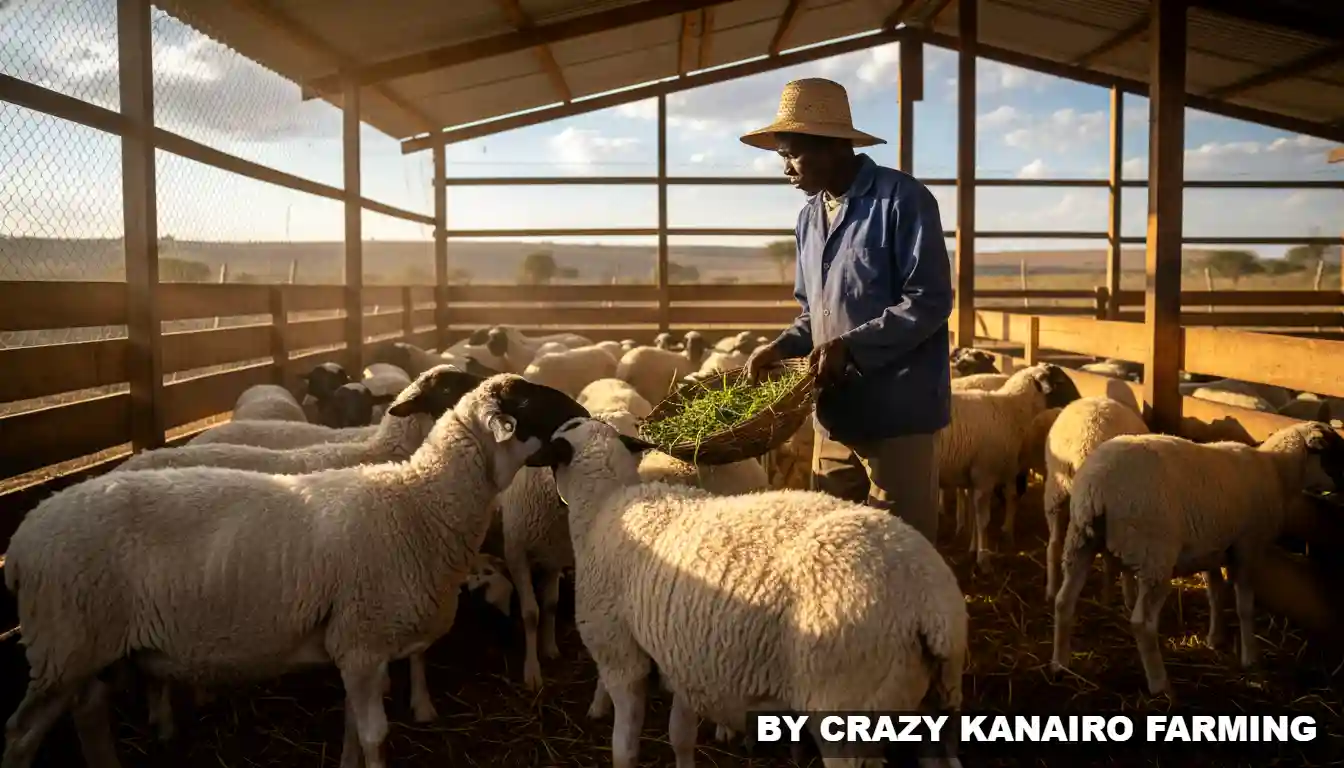
Dorper Sheep vs Goat Farming Profit Comparison in Kenya (2026 ROI)
Dorper sheep require a higher initial capital of KES 15,000 to KES 30,000 per breeding ewe, yielding large seasonal meat profits. Goats cost between KES 5,000 and KES 28,000 depending on the specific breed, offering faster ROI through milk sales and lower feeding expenses.
Profit modeling must go beyond basic agricultural theory and anchor strictly on current 2026 market mathematics. According to recent livestock market data, buying a quality Dorper ram from a verified breeder costs between KES 30,000 and KES 60,000. While this initial setup cost is intimidating, the returns are substantial when you sell a batch of mature sheep at KES 20,000 each. The true key to pure Dorper profitability is high volume breeding and fast market turnover.
Read Also: 10 Best Vegetable Shredder for Animal Feed in Kenya (2026): Prices, Types & Buying Guide
Goat farming offers a distinctly different financial model characterized by significantly lower entry barriers. A local meat goat costs roughly KES 5,000 to KES 8,000, while a pedigree dairy goat ranges from KES 15,000 to KES 28,000. Dairy goats fundamentally alter your return on investment timeline by generating actual revenue within days of kidding. Selling just three liters of goat milk daily at KES 150 per liter brings in excellent monthly revenue that rapidly covers your initial investment.
The following table outlines the fundamental cost and profit breakdown for a small scale operation in the 2026 market. This comparison highlights the estimated financial scenarios for both livestock types to help you project your potential farm returns accurately.
| Metric (Per Animal) | Dorper Sheep (Meat Focus) | Dairy or Meat Goats (Mixed Focus) |
|---|---|---|
| Buying Cost (Breeding Female) | KES 15,000 to 30,000 | KES 5,000 to 28,000 |
| Average Feed Cost Per Month | KES 1,200 to 2,000 (Heavy grazing) | KES 600 to 1,500 (Browsing shrubs) |
| Time to Market Maturity | 4 to 6 Months (Meat weight) | 6 to 8 Months (Meat) / Ongoing (Milk) |
| Selling Price in Kenya Markets | KES 10,000 to 30,000 (Varies by age) | KES 8,000 to 15,000 (Meat) / KES 150 per L (Milk) |
| Estimated Net Profit Per Cycle | KES 5,000 to 12,000 (Per lamb) | KES 4,000 (Meat) / KES 10,000+ monthly (Milk) |
Why Dorper Sheep Are Better for Meat Production in Kenya
Dorper sheep exhibit exceptional growth rates, reaching heavy market weights of 35 to 45 kilograms in just five months. Their high carcass yield and superior meat quality create massive, continuous demand among local butcheries and premium hospitality outlets.
When it comes to pure bulk meat production, Dorper genetics are scientifically engineered to maximize your final payout. These unique animals boast a rapid growth rate that allows them to convert standard feed into dense muscle much faster than indigenous sheep breeds. A well managed Dorper lamb can comfortably gain up to 250 grams per day under optimal commercial feeding conditions. This unmatched speed to market means you spend less money on daily feed before cashing in your investment at the slaughterhouse.
The current Dorper sheep price in Kenya perfectly reflects the high financial value placed on their premium carcass weight. A mature breeding ram easily weighs between 90 and 110 kilograms, yielding an excellent dressing percentage of roughly 55 percent. Butchers heavily prefer Dorper carcasses because the high meat to bone ratio ensures larger retail profits at the chopping block. Furthermore, high end coastal hotels consistently seek out Dorper mutton due to its famously tender texture and mild flavor profile.
The export market for Kenyan mutton is also expanding rapidly as we move deeper into 2026. Institutions like the Kenya Agricultural and Livestock Research Organization (KALRO) are actively supporting new trade strategies to export quality sheep meat to the Middle East. Farmers who carefully breed purebred Dorpers are uniquely positioned to secure these lucrative international export contracts. If you want a scalable and high volume meat business, Dorper sheep offer the absolute most direct path to generational wealth.
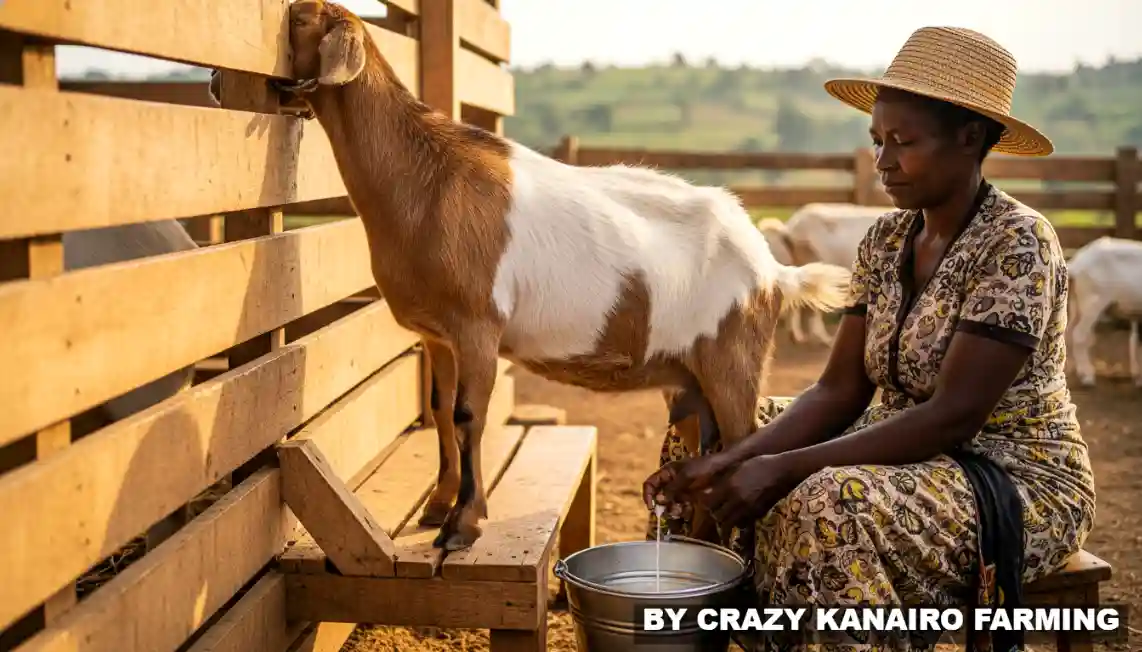
Why Goat Farming Generates Faster Income in Kenya
Goat farming delivers rapid cash flow primarily through highly lucrative daily milk sales. Goats also feature much faster reproduction cycles and require significantly lower initial capital to start a profitable backyard operation.
Cash flow is the absolute lifeblood of any agribusiness, and goat farming excels at keeping fresh money moving into your pocket. If you are researching goat farming for beginners, you will quickly discover that dairy goats act as literal daily cash machines. While a dairy cow might produce more overall volume, goat milk fetches a much higher retail price due to its immense health benefits. Health conscious urban consumers in Nairobi happily pay up to KES 250 per liter for freshly pasteurized goat milk.
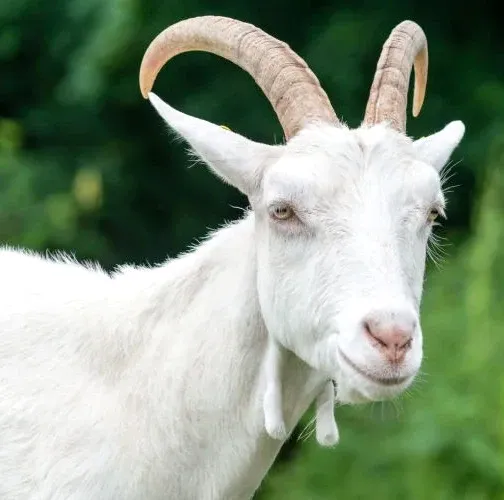
Beyond the highly lucrative goat milk price, these resilient animals reproduce at a truly impressive biological rate. A healthy indigenous doe can comfortably kid twice in an 18 month period, often delivering healthy twins if the nutrition is optimal. This natural multiplier effect means a tiny starter herd of five goats can easily expand to twenty animals within a very short timeframe. You can continuously sell off the young male kids for meat while simultaneously expanding your core female dairy herd.
The low financial barrier to entry is another massive advantage for aspiring livestock farmers with tight budgets. You do not need to buy expensive commercial hay immediately if you have access to decent communal shrubland. Buying struggling local goats during the dry season, fattening them up on cheap foliage, and selling them during festive periods is a proven strategy. This financial flexibility makes goats the ultimate safety net for beginner farmers looking to learn the ropes safely.
Feeding Costs: Dorper Sheep vs Goats in Kenya
Sheep are heavy grazers that require consistent, high quality pasture or expensive commercial hay to thrive and gain weight. Goats are natural browsers that survive incredibly well on cheap, thorny shrubs and tree leaves, drastically lowering their overall feeding expenses.
Feeding costs will heavily dictate whether your livestock business survives its very first year in the volatile 2026 Kenyan market. Dorper sheep are strict pasture grazers that need an uninterrupted supply of nutrient dense grass to achieve their famous rapid growth. Most successful commercial Dorper farmers rely heavily on Boma Rhodes hay, which currently retails between KES 180 and KES 300 per bale. If you do not grow your own dedicated pasture, buying continuous commercial hay will quickly eat into your net profit margins.
Goats employ a completely different biological feeding mechanism that saves smart farmers thousands of shillings annually. As natural opportunistic browsers, goats actively prefer to eat leaves, twigs, and rough weeds that cattle and sheep completely ignore. They can easily digest harsh fibrous materials found in arid regions, making them incredibly cheap to maintain during severe drought conditions. Even in strict zero grazing setups, you can feed dairy goats using inexpensive farm grown fodder trees like Calliandra.
Recent agricultural guidelines from KALRO heavily promote the use of drought resistant Urochloa grasses to mitigate rising commercial feed costs. For serious sheep farmers, planting your own high yield pasture is no longer optional but a mandatory survival strategy. For goat farmers, strategic daily foraging combined with minimal mineral supplementation is usually enough to keep the herd highly productive. Ultimately, goats offer far more financial flexibility when national feed prices inevitably spike during prolonged dry spells.
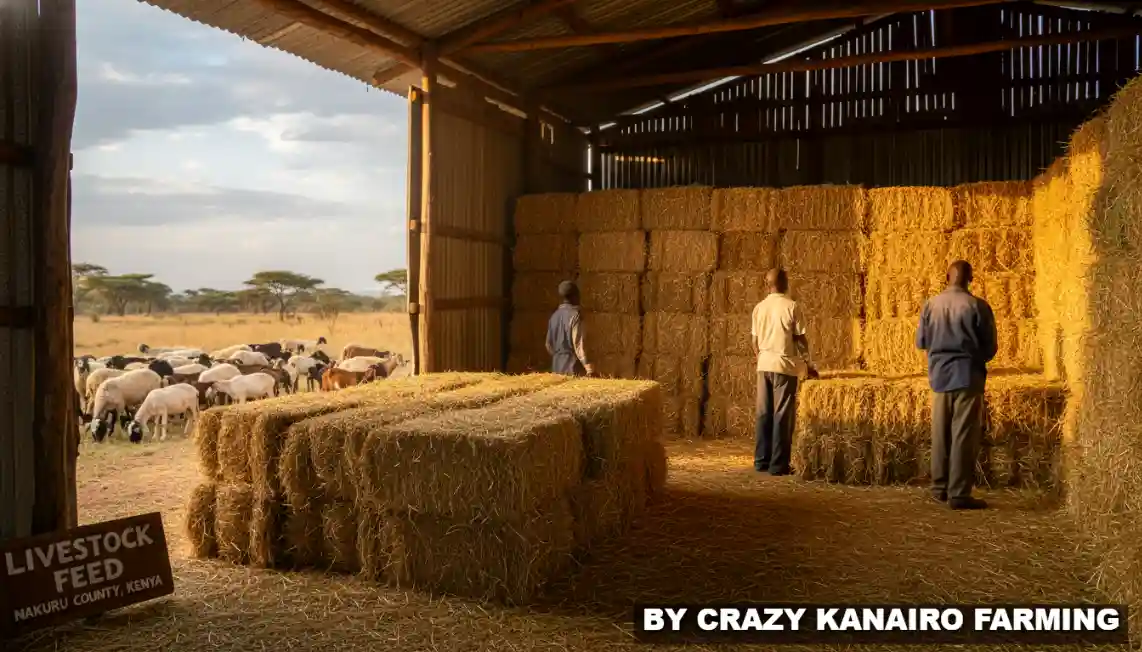
Pasture Fertilizer Guide for Livestock Farming in Kenya
Applying the correct nitrogen and phosphorus fertilizers to your pasture grass exponentially increases your livestock carrying capacity. Proper soil nutrition boosts the crude protein levels in Urochloa and Boma Rhodes grasses, directly reducing your reliance on expensive commercial feed supplements.
You cannot raise heavy Dorper sheep or high yielding dairy goats without first becoming an expert pasture farmer. Grass is the absolute cheapest source of livestock nutrition, but it must be heavily fertilized to sustain high stocking rates. When you plant premium KALRO recommended grasses like Urochloa Mulato II, the soil rapidly depletes its nitrogen reserves if left unmanaged. Applying targeted top dressing fertilizers ensures your grass recovers quickly after heavy animal grazing.
From what many farmers experience in regions like Nakuru and Uasin Gishu, ignoring soil health leads directly to stunted lambs and poor milk yields. Phosphorus is critical during the initial seed planting phase to encourage deep, drought resistant root systems. Once the grass is fully established, strategic applications of Calcium Ammonium Nitrate ensure rapid leaf regeneration. This simple agronomic step drastically increases the total tonnage of dry matter you can harvest per acre.
The following table outlines the recommended fertilizer application rates for maximizing livestock pasture yields in Kenya. Following these exact technical guidelines will ensure your farm produces enough high protein fodder to sustain your animals through tough dry seasons.
| Pasture Grass Type | Planting Fertilizer (Base) | Top Dressing Fertilizer | Application Timing |
|---|---|---|---|
| Urochloa (Brachiaria) Mulato II | DAP or TSP (50 kg per acre) | CAN (50 kg per acre) | Apply CAN immediately after the first major grazing cycle or cutting. |
| Boma Rhodes Grass | NPK 23:23:0 (50 kg per acre) | Urea or CAN (50 kg per acre) | Top dress right before the long rains begin to maximize rapid leaf growth. |
| Lucerne (Alfalfa) | SSP or TSP (75 kg per acre) | Muriate of Potash (Optional) | Apply phosphorus heavily at planting, as Lucerne fixes its own nitrogen naturally. |
| Napier Grass | Well rotted farmyard manure | CAN (50 kg per acre) | Apply manure inside the planting holes, followed by CAN after every second harvest. |
Growth Rate and Reproduction Comparison
Dorper sheep outpace goats in daily weight gain, reaching slaughter readiness months earlier than most local breeds. However, goats boast superior reproductive rates, frequently delivering twins or triplets multiple times a year to accelerate herd expansion.
When carefully comparing growth velocity, Dorper sheep are literal biological marvels designed for incredibly fast meat accumulation. A purebred Dorper lamb can comfortably gain enough body weight to be sold to a local butchery in just 16 to 20 weeks. This rapid turnaround allows a smart farmer to run multiple breeding and selling cycles on the same piece of land within a single year. You spend far less time waiting for your big payday compared to rearing indigenous cattle or slow growing local sheep breeds.
Goats generally take slightly longer to reach optimal slaughter weights, often requiring 6 to 8 full months depending on the breed. However, what goats lack in sheer daily weight gain, they completely make up for in incredible reproductive volume. Breeds like the heavy Boer or the dairy Alpine have exceptionally high twinning rates, and it is not uncommon for a well fed doe to drop healthy triplets. This high fertility rate allows a beginner to safely scale a small herd into a massive commercial operation rapidly.
Your strategic business choice here depends entirely on your ultimate farming end goal. If your target market demands heavy, single carcass meat shipments frequently, the famous Dorper growth rate is completely unmatched. If your primary goal is to build a large asset herd from a very small initial investment, the reproductive speed of goats will serve you much better. Both animals are highly prolific, but they achieve their final profitability through entirely different biological timelines.
Dorper Sheep vs Goats in Different Regions of Kenya
Goats absolutely dominate arid and semi arid regions due to their exceptional heat tolerance and aggressive browsing ability. Dorper sheep perform best in the lush Rift Valley and cooler highlands where abundant grazing land and fresh water are readily available.
Kenya features beautifully diverse counties with wildly different climatic zones that directly impact your livestock survival rates. In arid and semi arid lands like Turkana, Garissa, and Isiolo, goats are the undisputed kings of the agricultural landscape. Breeds like the white Galla goat thrive in these punishing environments because they can extract vital moisture and nutrients from sparse thorny vegetation. Attempting to raise heavy feeding Dorper sheep in these deep dry zones often results in massive feed costs and tragic flock mortality.
Conversely, the expansive Rift Valley and cooler highland areas like Nakuru, Uasin Gishu, and parts of Narok provide the perfect ecosystem for Dorper sheep. These specific regions offer vast tracts of open grazing land and cooler temperatures that perfectly suit the heavy bodies of the Dorper breed. The wide availability of locally grown Boma Rhodes hay in these areas further drives down the daily cost of production for sheep farmers. In these lush agricultural zones, commercial sheep farming scales almost effortlessly.
Related: DAIRY GOAT FARMING IN KENYA: THE 2026 MASTER GUIDE TO PROFITABLE BREEDS, HOUSING, AND MILK PRODUCTION
Market access also shifts dramatically depending on your specific regional location. Farmers located near major urban hubs like Nairobi or Mombasa have a massive logistical advantage in selling highly perishable goat milk directly to wealthy consumers. Sheep farmers in the deeper Rift Valley usually rely on professional brokers or bulk transport trucks to move live animals to urban slaughterhouses. You must carefully match your chosen animal not just to your local weather, but to your specific road network and buyer proximity.
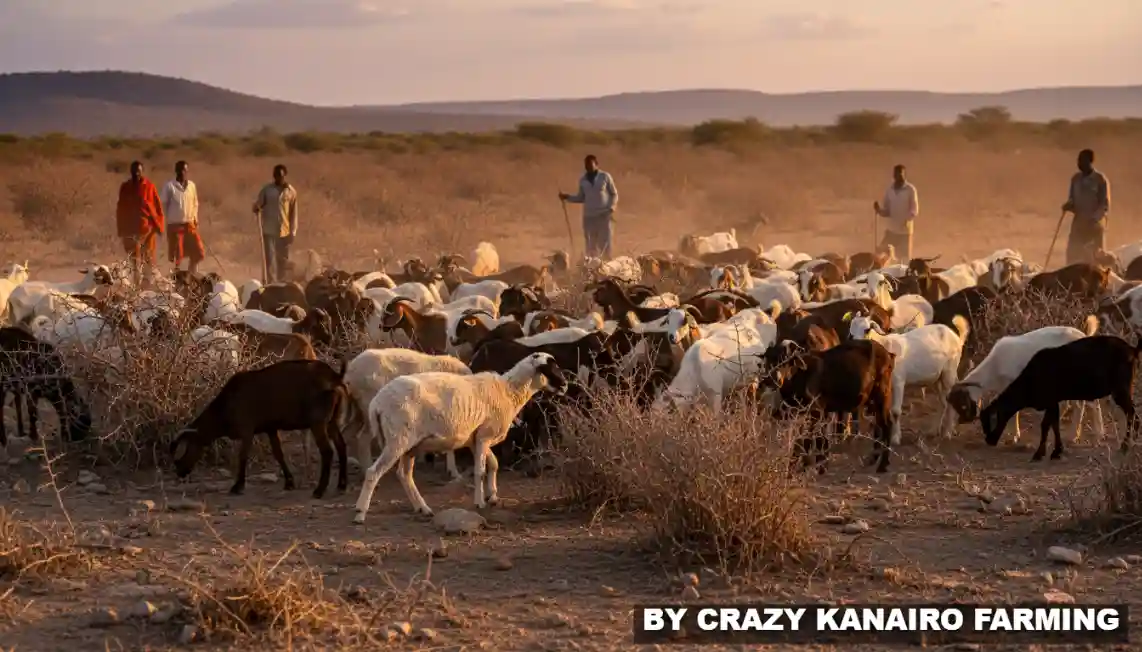
Disease, Mortality and Farming Risks in Kenya
Goats are highly susceptible to deadly internal parasites, requiring strict and frequent deworming schedules to survive. Sheep are extremely vulnerable to foot rot and pneumonia in wet muddy conditions, demanding high level hygiene and dry housing to prevent mass fatalities.
Commercial farming is never a guaranteed path to wealth, and ignoring serious disease risks will bankrupt your operation quickly. Goats are notorious for their extreme susceptibility to internal parasites, especially stomach worms, when forced to graze too close to the ground. In wet regions, a lack of strict scheduled deworming will cause a beautiful goat herd to lose weight rapidly and eventually die. Goats also suffer heavily from fatal pneumonia if their wooden housing is not properly elevated and shielded from cold night drafts.
Dorper sheep present a completely different set of highly uncomfortable health truths for new farmers. Their heavy frames and unique hooves make them incredibly prone to painful foot rot if they are kept in damp muddy enclosures. Once contagious foot rot enters a flock, it spreads aggressively, crippling the animals and completely halting their expensive weight gain. Sheep are also highly sensitive to sudden dietary changes, which can cause rapidly fatal bloating if not managed by an experienced farmhand.
The devastating financial impact of these diseases cannot be overstated in this business. Losing a single pedigree Dorper ram to preventable pneumonia immediately erases KES 60,000 from your annual balance sheet. To mitigate these painful risks, modern farmers in 2026 must invest heavily in raised, slatted wooden housing to keep all animals perfectly dry and clean. Establishing a strong professional relationship with a local veterinary officer is not a luxury, but rather a mandatory cost of doing business.
Livestock Varieties in Kenya
Kenya hosts several resilient goat breeds including the Galla, Alpine, and Toggenburg for milk and meat. For sheep farming, the Dorper, Red Maasai, and Blackhead Persian are the most popular varieties preferred for commercial scaling.
Choosing the correct specific breed variety is just as important as choosing between a sheep and a goat. The indigenous Red Maasai sheep is incredibly disease resistant and survives harsh droughts, but it grows much slower than the genetically superior Dorper. Many smart farmers choose to crossbreed the Red Maasai with pure Dorper rams to achieve a perfect balance of fast growth and natural disease resistance. Understanding these genetic traits helps you build a custom flock tailored to your specific county.
In the goat sector, your choice of breed variety directly dictates your final farm product. The Toggenburg and Alpine goats are phenomenal dairy producers, heavily favored by farmers practicing zero grazing in central Kenya. If you live in an arid zone and strictly want to sell meat, the large framed Galla goat is the ultimate survivor. Selecting the wrong variety for your specific climate will result in stunted growth and endless veterinary bills.
You must rigorously verify the genetic purity of the animals before handing over your hard earned capital. Unscrupulous brokers often sell poor quality crossbreeds disguised as purebred animals to uneducated beginners. Always demand to see the parent stock and review the farm health records before making any livestock purchase. Securing your foundational genetics from registered Kenyan breeders is the only way to guarantee your future profit margins.
Where to Buy Dorper Sheep & Goats in Kenya
Sourcing high quality breeding stock requires purchasing strictly from registered farms and verified KALRO research stations. Avoid roadside brokers and insist on buying animals from established breeders who provide comprehensive vaccination records.
The biggest mistake new farmers make when starting their Dorper Sheep vs Goat Farming in Kenya: Which Is More Profitable in 2026? journey is buying cheap, diseased stock from unverified local markets. To achieve true profitability, you must source your foundational genetics from professional breeders who actively track the lineage and health of their flocks. High quality breeding rams and dairy does are expensive, but they pay for themselves rapidly through fast growth and high milk yields. Buying cheap animals usually results in stunted growth, endless vet bills, and total farm failure.
Fortunately, Kenya boasts several highly reputable breeding farms dedicated to supplying premium livestock to ambitious new farmers. Institutions connected to the Dorper Sheep Breeders Society of Kenya maintain incredibly high genetic standards for meat production. Additionally, private commercial farms across the Rift Valley offer heavily vetted dairy and meat goats ready for zero grazing setups. Always insist on physically visiting the farm to inspect the living conditions and hooves of the animals before making a deposit.
The following list provides verified contact details for highly reputable livestock breeders operating in Kenya in 2026. Reach out directly to these professional institutions to source your starter flock safely and securely.
- Smart Farm Kenya (Narok): Specializes in quality Dorper rams, purebred lambs, and Lucerne hay delivery. Contact them directly via Phone at 0108 207 201, Email at [email protected], or visit their official website at smartfarmkenya.com.
- Kibois Breeders / Farming.co.ke: A highly trusted network connecting farmers with verified Dorper sheep and Galla goats. Reach their official verified broker line via Phone at 0727 409 419, Email at [email protected], or via their portal at farming.co.ke.
- Naivasha Sheep & Goat Station (KALRO): A premium government backed research station offering genetically superior breeding stock. Contact the facility via Phone at 0750 428 275, Email at [email protected], or visit the main agricultural website at kalro.org.
- Amagoh Dorpers Stud: A registered private breeder known for excellent purebred genetics and healthy foundation stock. Contact them via Phone at 0732 849 400, Email through the society at [email protected], or visit the society portal at dorperkenya.org.
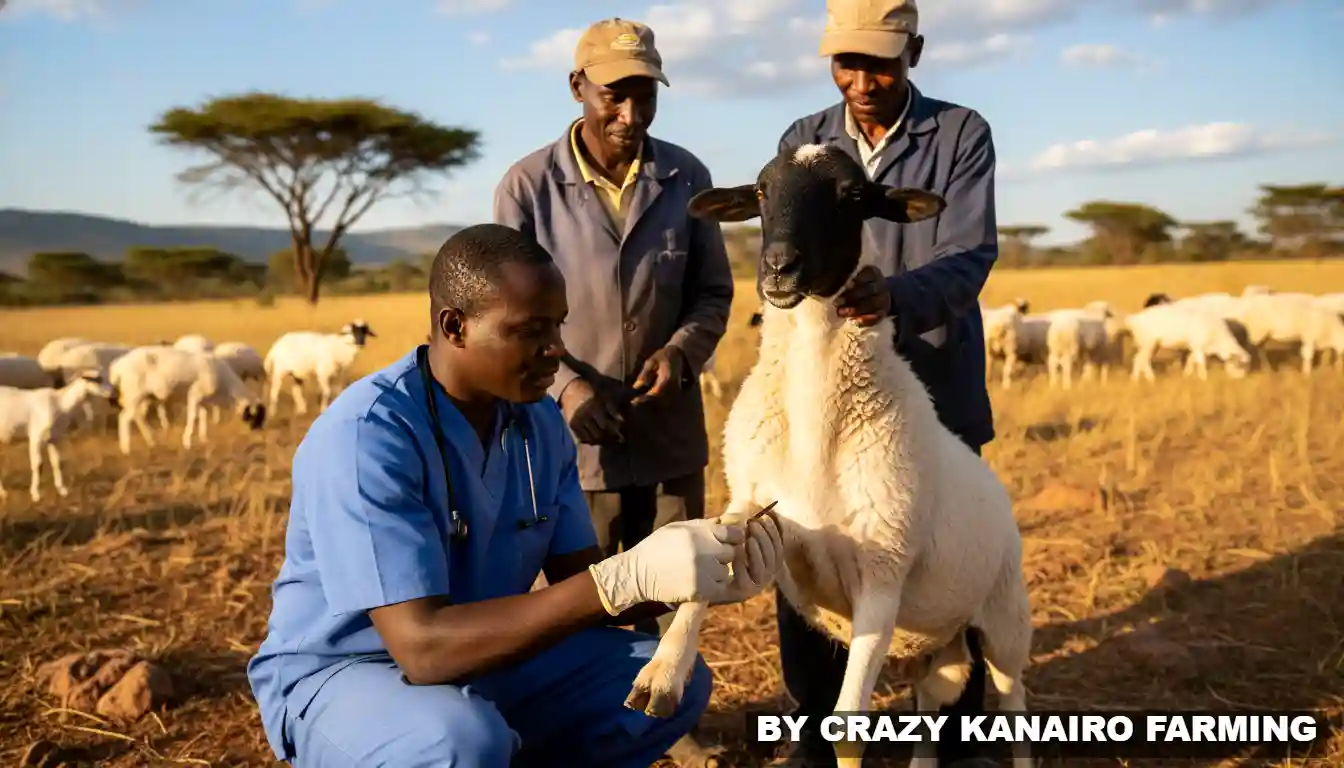
Which Is Better for Beginners in Kenya?
Goat farming is vastly better for absolute beginners with low capital or those specifically seeking daily milk income. Dorper sheep are the superior choice for beginners who already own large tracts of fenced grazing land and want a streamlined meat business.
If you are stepping into serious livestock farming for the very first time, your currently available capital should completely dictate your decision. Beginners with less than KES 50,000 should absolutely start their journey with hardy indigenous goats. The remarkably low cost of purchasing local crossbreed does allows you to learn the complex ropes of animal husbandry without risking your entire life savings. Furthermore, if you desperately want an agribusiness that pays you every single day, dairy goats are the only logical entry point.
However, if you are a beginner who has recently inherited or purchased several acres of securely fenced pasture, Dorper sheep become highly attractive. Sheep require slightly less complex daily handling compared to milking goats, provided the perimeter fencing is secure and fresh water is always available. You can simply monitor the flock as they graze naturally, making sheep a much better choice for busy professionals holding full time city jobs. The general operational simplicity of grazing sheep is a massive selling point for absentee landowners.
Related: Dairy vs Poultry vs Vegetable Farming in Kenya: Which Is Best for Beginners?
Ultimately, you must honestly assess your own technical skills, patience, and financial risk tolerance before buying animals. Dairy goats demand intense daily interaction, strict hygiene management, and active marketing effort to sell milk profitably in urban centers. Sheep demand better upfront physical infrastructure, rigorous disease monitoring during wet seasons, and bulk market negotiation skills with tough butchers. Choose the exact animal that perfectly aligns with your daily physical availability and your emergency financial safety net.
Final Verdict: Which Is More Profitable in 2026?
For immediate short term cash flow and maximum ROI on tiny plots of land, goat farming is undeniably more profitable. For long term scaling and massive lump sum payouts in the commercial meat market, Dorper sheep take the definitive lead.
There is absolutely no room for vague answers when your hard earned money is on the line. If you desperately need money in your pocket this month to pay bills, goat farming wins hands down every time. The powerful combination of premium goat milk pricing and the ability to sell off male kids rapidly ensures your farm remains highly liquid. Goats will reliably protect you from sudden inflation and tight economic periods better than almost any other small livestock.
However, if you are actively building a legacy agribusiness meant to generate millions of shillings per year, Dorper sheep are the superior vehicle. The sheer volume of high quality meat a large Dorper flock can produce in a single year outpaces goats significantly. By locking in bulk supply contracts with major city butcheries or tapping into the KALRO backed Middle East export market, Dorper sheep will scale your wealth rapidly. Choose goats to survive and learn; choose Dorpers to scale and dominate the meat industry.
FAQs About Dorper Sheep vs Goat Farming in Kenya
Dorper sheep vs goat farming in Kenya
Both are highly viable. Dorpers excel in large scale meat production in cooler grazing zones, while goats thrive in smaller spaces and arid regions, offering excellent milk returns.
Dorper sheep vs goat farming pros and cons
Dorpers grow incredibly fast for premium meat but require high initial capital. Goats reproduce rapidly and provide daily milk, but are highly susceptible to deadly stomach worms.
Are goats or sheep more profitable
Goats offer higher profit margins on a small scale due to daily milk sales and cheap feed. Sheep are more profitable on a massive scale due to heavy carcass weights and bulk sales.
Sheep vs goat for meat production
Dorper sheep are vastly superior for rapid meat production, hitting 35kg in just five months. Goats take much longer to reach slaughter weight but produce leaner, highly prized festive meat.
Dorper sheep price vs goat price in Kenya
In 2026, purebred Dorper rams cost KES 30,000 to 60,000, while ewes average KES 20,000. Meat goats cost KES 5,000 to 12,000, and pedigree dairy goats range from KES 15,000 to 28,000.
Which is better for beginners: goats or sheep farming
Goats are better for true beginners due to lower purchase prices, hardiness, and rapid cash flow. Sheep are better only if the beginner already owns secure, abundant pasture land.
Are goats more profitable than sheep in Kenya
For smallholder farmers, yes. The unique ability to sell goat milk at KES 200 per liter while spending very little on daily feed makes goats highly lucrative compared to heavy grazing sheep.
Sheep vs goat intelligence comparison
Goats are naturally curious, independent, and highly intelligent, often figuring out how to escape pens. Sheep have a much stronger flocking instinct, making them easier to herd but less clever.
Sheep vs goat behavior differences
oats are aggressive browsers that climb and explore to find varied forage like leaves. Sheep are docile grazers that keep their heads down, strongly preferring to eat short grass together.
Goats or sheep for clearing brush
Goats are the absolute best choice for clearing overgrown brush and thorny shrubs because they are natural browsers. Sheep strongly prefer short grass and will generally ignore tall woody brush.