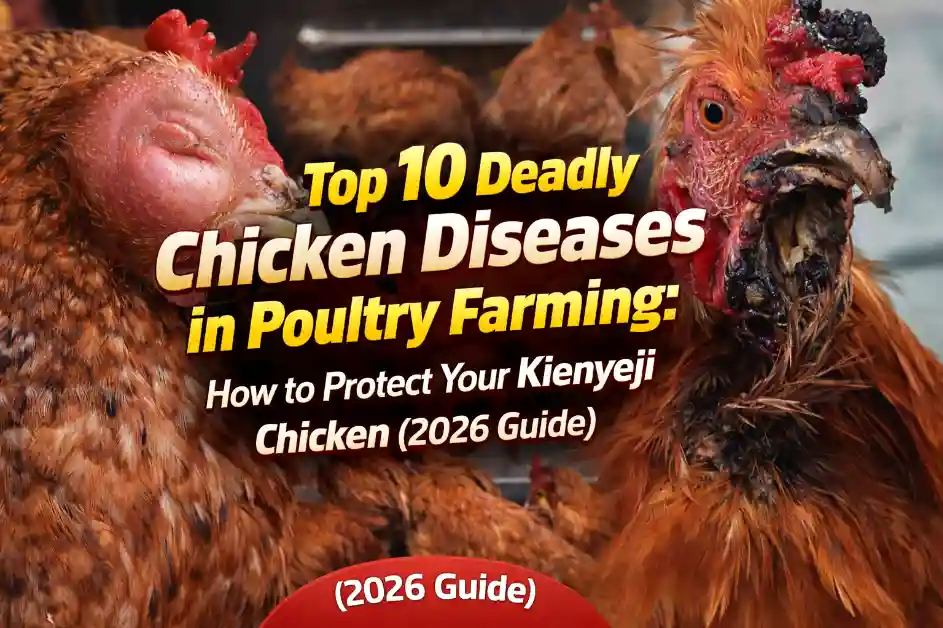

- Newcastle Disease and Gumboro remain the top killers of Kienyeji chickens in Kenya, capable of wiping out unvaccinated flocks completely within 72 hours.
- Fully vaccinating one bird costs only roughly KES 50 over its lifetime, while losing a mature KALRO Improved Kienyeji costs you up to KES 1,500 in lost revenue.
- Poor farm hygiene, contaminated water, and uninvited visitors account for the vast majority of disease outbreaks in local poultry setups.
Table of Contents
Protecting your flock from disease is the single most important factor determining your profit or loss in 2026. A single outbreak can wipe out months of hard work, turning a promising agribusiness into a total financial disaster overnight. This guide breaks down exactly what kills birds on Kenyan farms and provides actionable strategies to keep your flock healthy, productive, and highly profitable.
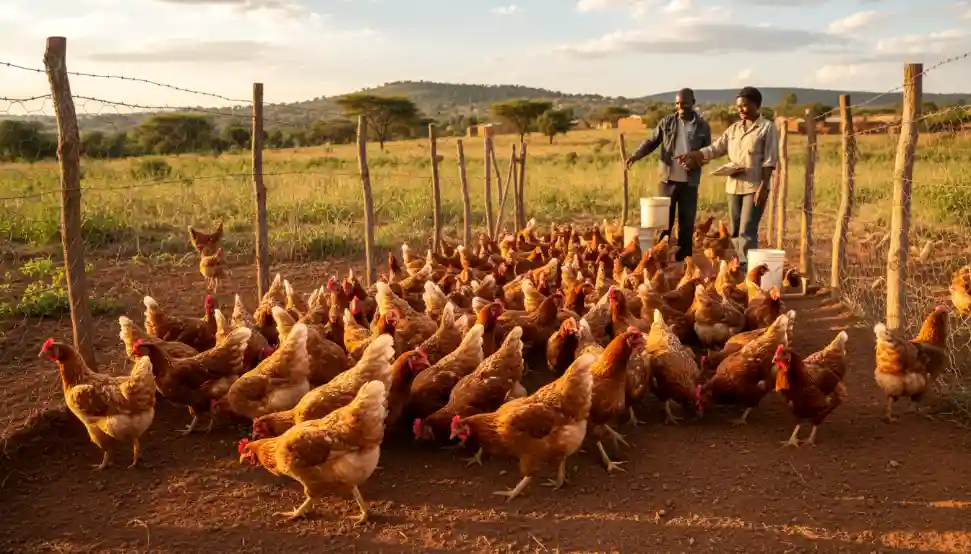
Why Diseases Are the Biggest Threat in Chicken Farming
Diseases wipe out entire flocks in days and erase invested capital instantly. In Kenyan chicken farming, untreated viral outbreaks cause massive mortalities and financial ruin. Protecting your kienyeji chicken through proactive health management is the only way to secure your investment and ensure steady returns.
If you have ever walked into your chicken house and found half your flock dead on the floor, you know the absolute heartbreak of poultry farming. Diseases do not negotiate, and they do not spare beginners. What starts as a simple cough or drooping wing can wipe out your entire investment in less than 48 hours. When you engage in kienyeji chicken farming, you are dealing with living assets that are highly sensitive to their environment.
A healthy flock translates to consistent egg production, fast growth, and steady cash flow. Conversely, a sick flock drains your wallet through expensive veterinary drugs and high mortality rates. From what many farmers experience in areas like Machakos and Kiambu, treating a sick bird is often a losing battle.
The cost of curative medication is skyrocketing, with a single treatment course sometimes costing more than the bird itself. Your only real defense against massive losses is building a robust, disease-proof system from day one.
Why Disease Control Is Critical in Poultry Farming
Strict disease control prevents catastrophic financial losses and ensures farm sustainability. Healthy birds consume feed efficiently, hit market weights faster, and lay eggs consistently. In livestock farming, investing in disease prevention directly protects your profit margins during challenging seasons.
Disease control is the absolute foundation of profitable poultry production. In 2026, the cost of commercial feed remains high, making it crucial to maximize every single bag. Pumping expensive feed into sick, unproductive birds is a direct path to bankruptcy. When you fail to control diseases, you are not just losing the bird.
You are losing the capital you paid for the day-old chick, the money you spent feeding it, and the revenue you expected from the final sale. In the broader scope of livestock farming, disease outbreaks also damage your reputation in the local market.
How Chicken Diseases Spread in Poultry Farms
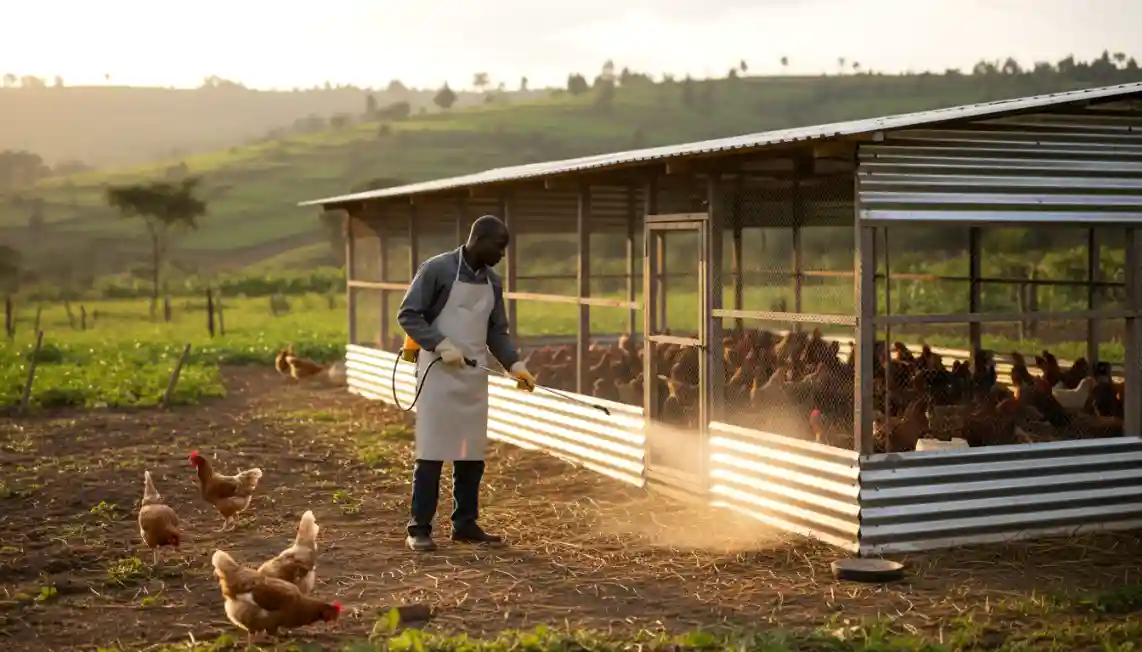
Infections spread through contaminated drinking water, moldy feed, unwashed farm equipment, and wild birds. Visitors carry pathogens on their shoes from other farms directly into your coop. Mixing newly bought chickens with your existing flock without quarantine introduces deadly new strains instantly.
Understanding transmission is your first line of defense against devastating losses. Diseases rarely just appear out of nowhere without an entry point. Pathogens are usually carried into your farm through dirty water and contaminated feed. Visitors and borrowed equipment are massive risks in poultry production. Your neighbor coming to admire your flock might be carrying Gumboro virus on their boots.
Read Also: Improved Kienyeji Chicken Farming in Kenya 2026: Complete Guide to Breeds, Housing, Feeding and Profits
Similarly, borrowing a weighing scale or feeders from another farm without sanitizing them brings invisible threats right to your doorstep. Mixing old and new birds is another common mistake that guarantees disease transmission. Furthermore, poor housing with bad ventilation and overcrowding creates a humid environment where bacteria thrive. In free range farming, chickens face added risks by interacting with wild birds that carry dangerous viruses.
Breeds of Kienyeji Chickens and Disease Resistance
Different chicken breeds offer varying levels of natural immunity to local pathogens. Pure indigenous kienyeji birds are highly hardy but grow slower. Improved varieties balance faster growth with moderate disease resistance but require strict vaccination programs.Selecting the right breed is a critical step in managing health risks.
Pure indigenous Kienyeji chickens possess excellent natural resistance to many local bacterial infections. They thrive in free range environments but take longer to reach market weight. Improved breeds like KALRO Kuroiler and Rainbow Rooster grow much faster and produce more eggs. However, these improved birds are slightly more susceptible to severe viral diseases. They require a rigorous commercial vaccination schedule to survive and thrive.
10 Deadly Chicken Diseases in Poultry Farming 2026
1. Newcastle Disease (NCD): The Cellular Saboteur
This isn’t just a “cold.” It is a Paramyxovirus that shreds the nervous system.
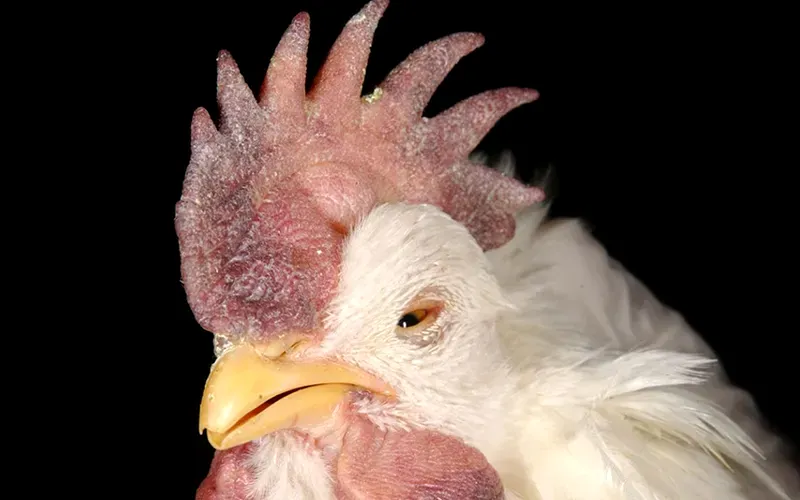
- The Deep Reality: It enters through the mucosal membranes. By the time you see a twisted neck (torticollis), the brain is already scarred.
- The “Truth” Check: If you miss a vaccination window by even three days, you are playing Russian Roulette. The virus can live in a “carrier” bird that looks fine but sheds the virus for weeks.
- Strategy: Use the “B1” or “LaSota” strains. If you are in a high-risk area, use killed vaccines for longer-lasting immunity.
2. Gumboro (IBD): The Immune System Killer
It doesn’t kill the bird directly; it destroys the Bursa of Fabricius (the bird’s “immune factory”).
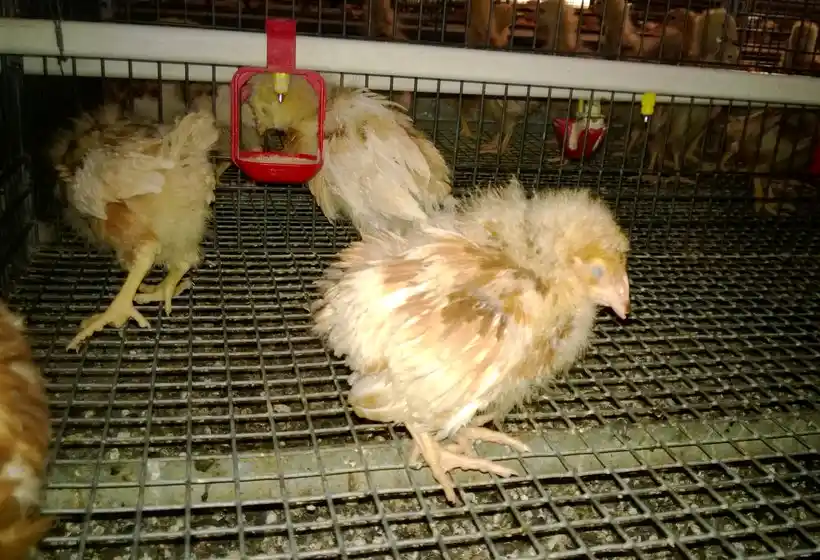
- The Deep Reality: It is like HIV for chickens. It leaves them with zero defenses. Any minor bacteria will then kill them.
- The “Truth” Check: Disinfectants often fail here. This virus is incredibly hardy and can survive in a empty poultry house for months.
- Strategy: You must vaccinate at the exact moment the maternal antibodies drop. Too early and the vaccine is neutralized; too late and the virus wins.
3. Fowl Typhoid: The Filth Indicator
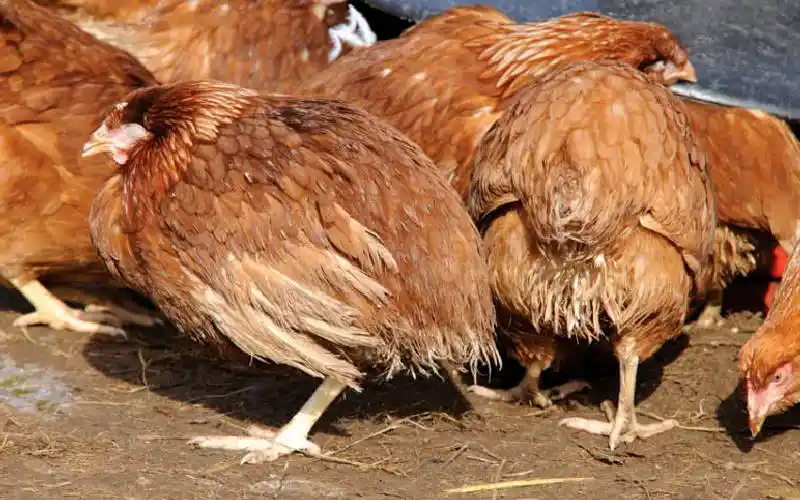
Caused by Salmonella gallinarum. This is a management failure, period.
- The Deep Reality: It causes septicemia (blood poisoning). The bird’s liver turns a distinct bronze/greenish color.
- The “Truth” Check: If you have this, your hygiene is sub-standard. It spreads through the egg, meaning you might be buying “infected” chicks from a shady hatchery.
- Strategy: Aggressive culling. Do not try to “cure” a whole flock; you will just create carriers that reinfect the next batch.
4. Coccidiosis: The Floor Parasite
Caused by Eimeria protozoa. This is the disease of lazy litter management.
- The Deep Reality: The parasites burrow into the intestinal lining, causing massive internal bleeding. This is why you see bloody droppings.
- The “Truth” Check: Antibiotics do nothing here. You need coccidiostats or specific antiprotozoals.
- Strategy: Keep the litter at less than 20% moisture. If you can squeeze the litter and it stays in a ball, your birds are about to get sick.
5. Fowl Cholera: The Rodent Connection
Caused by Pasteurella multocida.
- The Deep Reality: It often presents as an “acute” death. You find your heaviest, healthiest-looking birds dead on the floor with no warning.
- The “Truth” Check: If you have rats or mice in your store, you have Fowl Cholera. The rodents pee on the feed, and the birds eat the bacteria.
- Strategy: Use Zinc Phosphide or professional baiting. If you don’t kill the rats, you won’t stop the Cholera.
Read Also: Kienyeji Chicken Vaccination Schedule: A Month-by-Month Guide for 2026
6. Infectious Bronchitis (IB): The Egg Destroyer
A Gammacoronavirus that targets the reproductive and respiratory tracts.
- The Deep Reality: Even if the bird survives, her “shell gland” is permanently damaged. You will get “watery whites” and shells that look like sandpaper.
- The “Truth” Check: Many farmers mistake this for a simple cold. It isn’t. It is a permanent production killer.
- Strategy: Ventilation is your only defense. Ammonia buildup at floor level paralyzes the “cilia” (hairs) in the bird’s throat, allowing the virus to slide right in.
7. Marek’s Disease: The Dust-Borne Cancer
A Herpesvirus that causes nerve tumors.
- The Deep Reality: It is spread via “dander” (dead skin). One flapping bird can send the virus across a 100-foot shed.
- The “Truth” Check: There is zero treatment. If a bird is paralyzed, it is a write-off.
- Strategy: Buy “Day-Old” chicks that are already vaccinated at the hatchery. If they aren’t vaccinated in the first 24 hours of life, the vaccine won’t work later.
8. Avian Influenza (H5N1/H7N9): The Global Threat
This is a zoonotic nightmare. It can jump to you.
- The Deep Reality: It causes massive internal organ failure and hemorrhaging.
- The “Truth” Check: If this hits, you don’t call a vet; you call the government. Your farm will be quarantined and your birds destroyed.
- Strategy: Netting. If wild sparrows can get into your chicken coop to eat feed, they are bringing Bird Flu with them.
9. Fowl Pox: The Slow Burner
There are two types: Dry (skin) and Wet (throat).
- The Deep Reality: The “Wet” version is the killer. It creates a yellow cheesy mass in the throat that literally suffocates the bird.
- The “Truth” Check: Mosquitoes are the primary needle. One bite can infect a bird.
- Strategy: Clear all standing water around the farm. Use the “wing-web” vaccination method; it is the only way to ensure 100% uptake.
10. Worm Infestation: The Profit Drain
Ascaridia galli (Roundworms) are the most common.
- The Deep Reality: They steal up to 30% of the nutrients from the feed you paid for. You are essentially paying to grow worms, not chickens.
- The “Truth” Check: “Herbal” remedies are usually a waste of time for heavy infestations.
- Strategy: Deworm every 8 to 12 weeks. Rotate your dewormer brands (Levamisole vs Piperazine) so the worms don’t develop resistance.
![Close up of a gloved hand administering an eye drop vaccine to a healthy KALRO improved kienyeji chick]](https://crazykanairofarming.com/wp-content/uploads/2026/04/kenya-poultry-care.webp "Top 10 Deadly Chicken Diseases in Poultry Farming 2026: How to Protect Your Kienyeji Chicken (Guide) 7")
Poultry Disease Comparison Table (2026)
If you cannot read this table and act on it, you shouldn’t be in the business. This is the difference between a bank balance and a graveyard.
| Disease | Cause | Mortality Risk | Primary Symptom | Prevention |
| Newcastle (NCD) | Virus | 90% to 100% | Twisted neck; greenish diarrhea | Strict vaccination (LaSota) |
| Gumboro (IBD) | Virus | High (Indirect) | Ruffled feathers; vent pecking | Maternal antibody timing |
| Fowl Typhoid | Bacteria | 10% to 50% | Pale combs; yellow diarrhea | Hygiene; certified chicks |
| Coccidiosis | Parasite | 5% to 20% | Bloody droppings; wet litter | Dry litter; coccidiostats |
| Fowl Cholera | Bacteria | High (Acute) | Sudden death; swollen wattles | Rodent control |
| Bronchitis (IB) | Virus | Low (High Loss) | Misshapen eggs; gasping | Ventilation; vaccination |
| Marek’s Disease | Virus | Variable | Leg paralysis; tumors | Day 1 vaccination only |
| Bird Flu (AI) | Virus | 100% | Blue combs; mass death | Bio-security; netting |
| Fowl Pox | Virus | Low to Med | Warts on comb; throat sores | Wing-web vaccine; mosquitoes |
| Worm Infestation | Parasite | Low (Slow) | Weight loss; low egg count | Deworming every 8 weeks |
The Reality Check
- The Killers: Newcastle and Bird Flu are non-negotiable. If they enter, you are done. There is no “treating” your way out of a viral wipeout.
- The Profit Drainers: Coccidiosis and Worms won’t always kill every bird, but they will eat your profit margins through poor feed conversion. You’ll be feeding the parasites, not the chickens.
- The Management Flaws: Fowl Typhoid and Cholera are direct evidence of a dirty farm. If you see these, your sanitation is failing.
Signs Your Kienyeji Chicken Is Sick (Early Warning Signs)
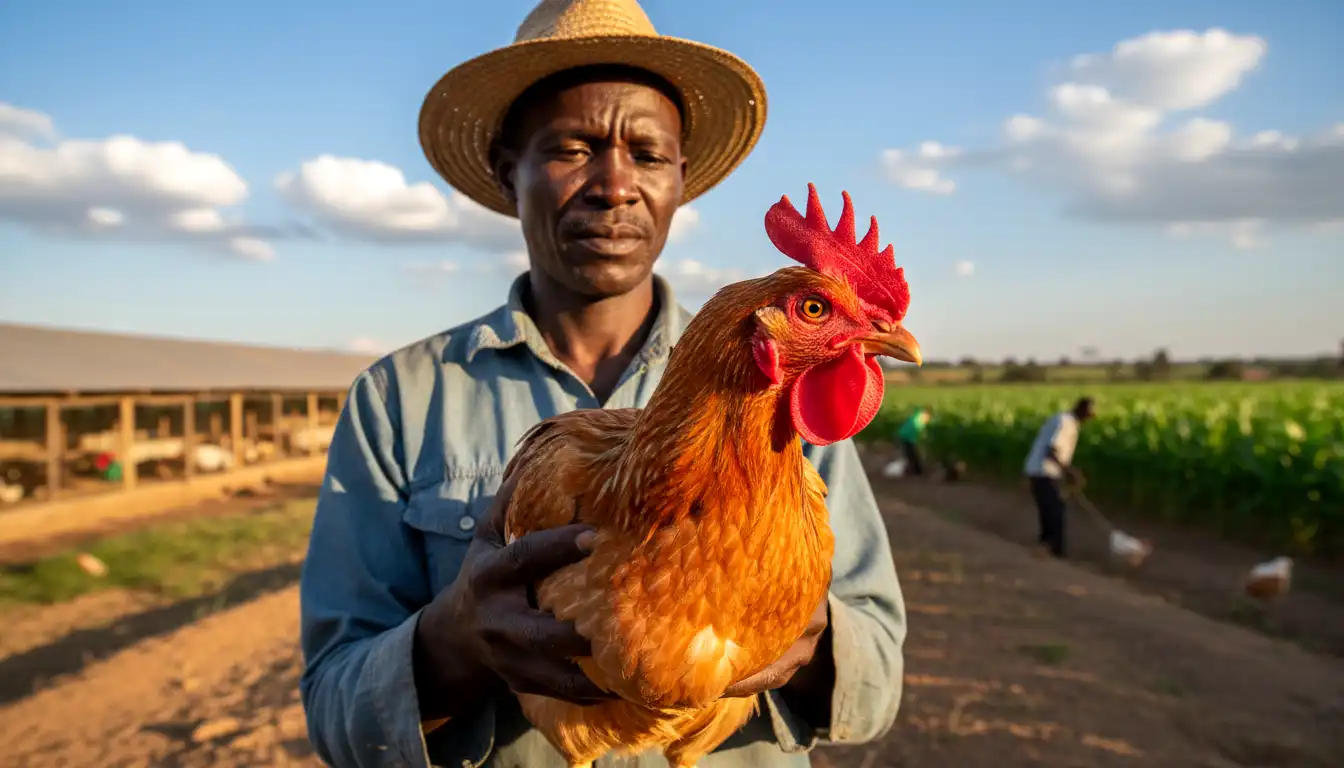
Sick chickens stop eating, isolate themselves, and show a sudden drop in egg production. You will notice drooping wings, ruffled feathers, coughing, and abnormal diarrhea. Spotting these early warning signs allows you to isolate infected birds quickly. This is a high value skill that most beginners completely lack. A healthy kienyeji chicken is active, vocal, and constantly scratching the ground for food.
Read Also: Barred Plymouth Rock Chicken in Kenya: Breed Traits, Eggs, Meat and Profits for Small Farms
The moment a bird stops eating or drinking, you have a major problem on your hands. Drooping wings, ruffled feathers, and a hunched posture are universal signs of distress. If you see a chicken standing in the corner with its eyes closed, isolate it immediately. Diarrhea is another major red flag, especially if it appears bloody, green, or bright yellow.
For farmers raising chickens for eggs, the earliest warning sign is the nesting box. A sudden, unexplained drop in production or a spike in soft shelled eggs points directly to a health crisis. In poultry farming for beginners, observing your flock daily is your most profitable habit.
How to Prevent Chicken Diseases in Poultry Farming
Prevent diseases by strictly following a commercial vaccination schedule, maintaining dry coop housing, and providing high quality feed. Restrict farm visitors to enforce biosecurity and ensure your drinkers are scrubbed daily to block bacterial buildup. This is where true farming authority is built. Hoping your birds survive is not a strategy. You must implement a rigid, unbreakable system of defense.
1. Vaccination Program
Vaccines are your ultimate insurance policy. Must have vaccines include Newcastle, Gumboro, Fowl Pox, and Fowl Typhoid. Missing a booster by just three days can leave your entire flock exposed during their most vulnerable growth stage.
2. Hygiene & Sanitation
A dirty coop is a graveyard waiting to happen. You must provide clean water every single day. Scrub your drinkers daily to remove the slimy biofilm where bacteria naturally breed.
3. Proper Feeding
Immunity starts in the gut. Using the best chicken feed for egg layers ensures your birds have the vitamins needed to fight off minor infections. You can source essential poultry supplies from reputable dealers to supplement their daily diet.
4. Housing & Ventilation
Avoid overcrowding at all costs. An overcrowded house creates stress, leading to pecking and rapid disease transmission. Ensure your coop has wide wire mesh windows to allow free air circulation while keeping wild birds out.
5. Biosecurity Measures
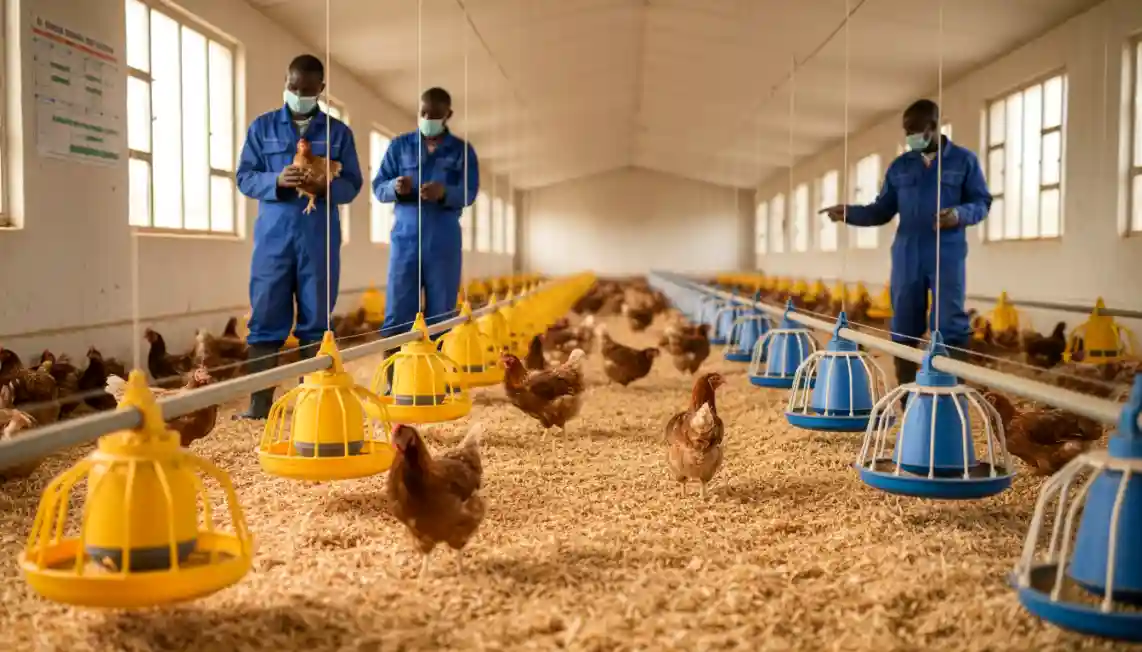
Treat your poultry house like a high security zone. Place a footbath with strong disinfectant at the door and use it every single time you enter. Always quarantine new birds in a separate cage for at least 14 days.
Free Range vs Intensive Systems Which Has More Disease Risk?
Free range systems lower feed costs but expose chickens to wild birds, predators, and soil borne parasites. Intensive systems protect birds from external threats but carry higher risks of rapid disease transmission due to overcrowding. When comparing free range farming to controlled intensive systems, there is no perfect choice.
Free range systems drastically reduce your feed bill as birds forage for greens and insects. However, free ranging exposes your flock to soil borne worms, ticks, and diseases carried by wild birds. On the other hand, intensive systems give you total control over their environment. You monitor exactly what the birds eat and eliminate the risk of predators entirely. The honest reality, however, is that if a disease enters an intensive coop, it spreads like wildfire.
Ultimately, your choice depends on your land size and management skills. If you choose free range farming, you must deworm aggressively. If you choose intensive, your ventilation and biosecurity protocols must be absolutely flawless.
Common Mistakes That Kill Chickens in Poultry Farming
Farmers fail by skipping essential vaccines to save small amounts of money, overcrowding coops, and ignoring early signs of sickness. Buying cheap, weak chicks from unverified sources and lacking a clear biosecurity plan guarantees outbreaks. The number one mistake Kenyan farmers make is skipping the vaccination schedule to save minor costs.
When Newcastle strikes, they lose hundreds of thousands of shillings worth of mature birds. Vaccines are completely non negotiable for serious farmers. Overcrowding is the second silent killer in the industry. Trying to squeeze too many birds into a small space creates massive stress, wet litter, and toxic ammonia levels.
Read Also: Poultry Farming in Kenya 2026: Complete Guide to Profitable Improved Kienyeji Chicken
Furthermore, ignoring early signs like a single bird with diarrhea ensures the whole flock gets infected. Finally, buying weak, unverified chicks from roadside sellers is financial suicide. You usually end up buying stunted birds carrying Marek’s disease or Fowl Typhoid. Always source your chicks from KALRO, KEPHIS certified breeders, or highly reputable private hatcheries.
Sourcing & Procurement of Poultry Supplies: The Professional Standard
Stop buying repackaged medicine from “backyard” vendors. If you are serious about your kienyeji operation, you source from certified, high-volume agrovets. Proper procurement is your first line of defense against counterfeit drugs that will kill your birds and drain your bank account.
Purchasing vaccines is a high-stakes task. Only buy from agrovets equipped with backup generators to ensure the cold chain remains unbroken. A vaccine stored at the wrong temperature is just expensive water. Establish a reliable relationship with a trusted feed miller or distributor to ensure you receive fresh stock. High turnover eliminates the risk of fungal toxins that cause liver failure.
Verified Poultry Supply Sources (2026 Directory)
Use these contacts to secure your inputs. Do not compromise.
1. Vaccines & Biologicals
- Kenya Veterinary Vaccines Production Institute (KEVEVAPI)
- Focus: Government-certified poultry vaccines (NCD, Gumboro, Fowl Pox).
- Headquarters: Road A, Off Enterprise Road, Industrial Area, Nairobi.
- Phone: +254 724 651 895 / 020 3540071
- Email: [email protected]
- Website: kevevapi.or.ke
2. Day-Old Chicks & Technical Support
- Kenchic PLC
- Focus: Certified Kienyeji/Kenbro chicks, equipment, and medicine.
- Hotline: 0703 056 055 (Customer Experience)
- Technical Support: 0703 056 055 (Free for their farmers)
- Email: [email protected]
- Website: kenchic.com
3. Premium Animal Nutrition (Feeds)
- Unga Farm Care (EA) Ltd
- Focus: High-quality layers and growers mash (Fafi brand).
- Phone: +254 722 202 163 (HQ)
- Website: unga-group.com
- Isinya Feeds Limited
- Focus: Regional leader for poultry feeds in Kajiado/Nairobi.
- Kajiado/Nairobi Phone: +254 723 004 289
- Email: [email protected]
- Website: isinyafeeds.co.ke
- Sigma Feeds Limited
- Focus: Reliable feeds based in Tuala, Ongata Rongai.
- Phone: +254 733 600 897 / +254 721 560 251
- Email: [email protected]
- Website: sigmafeeds.com
4. High-Volume Nairobi Agrovets (Vaccine Stockists)
- Jumbo Agrovet Limited: Lotus House, Haile Selassie Avenue, Nairobi CBD.
- MyAgrovet: Stanbank House, 6th Floor, Moi Avenue, Nairobi CBD.
- Phoenix Agrovet: Serving Karen, Langata, and southern Nairobi suburbs.
- Mwiki Agrovet: Specialist for eastern Nairobi poultry farmers.
The Procurement Truth
If a vendor cannot prove they have a power backup for their vaccine fridge, walk out. Your business depends on the efficacy of these biologicals.
Freshness is everything. Buy from distributors with the highest turnover to ensure you aren’t feeding your birds moldy, toxin-laden mash from the back of a dusty shelf.
Conclusion: The “Disease-Proof” Mindset
Stop treating your poultry farm like a backyard hobby if you want a professional bank balance. Disease is not an “act of God” or “bad luck.” It is almost always a failure of protocol. In 2026, the successful farmer is the one who treats their coop like a high-security laboratory.
If you are “hoping” your birds stay healthy, you have already lost. You must build a system where pathogens physically cannot reach your flock. Transition from being a reactive farmer who buys medicine to a proactive manager who prevents the need for it.
Hard-Hitting Tips for the Serious Farmer
1. Kill the “Visitor Culture”
Your farm is not a social club. Every person walking into your coop is a potential carrier for Newcastle or Gumboro.
- The Rule: No one enters the bird area except the primary caretaker.
- The Gear: If someone must enter, they use your dedicated farm boots and overalls. Never let outside shoes touch your coop floor.
2. The “3-Foot” Rule (Quarantine)
Never, under any circumstances, drop new birds directly into your existing flock.
- The Protocol: New birds stay in a separate structure at least 30 feet away for 14 days.
- The Logic: If they are going to die or show symptoms, let them do it alone, not while taking your whole investment down with them.
3. Master the Vaccination Calendar
A vaccine is a microscopic insurance policy.
- Don’t Cheap Out: Sourcing “cheap” vaccines from unregulated shops is a waste of time. Buy from reputable agrovets where the cold chain (refrigeration) is guaranteed.
- The Timing: Set alarms on your phone. Missing a Day 14 Gumboro shot by 48 hours is enough time for a virus to exploit the window.
4. Water Is the Foundation
If you wouldn’t drink the water in your poultry house, your birds shouldn’t either.
- Sanitize: Use water sanitizers or simple chlorine treatments to kill bacteria.
- Clean Daily: Slime in the drinkers is a biological film of bacteria. Scrub them every single morning.
5. Litter Management is Non-Negotiable
Wet litter is the headquarters for Coccidiosis.
- The “Ball” Test: Grab a handful of litter. If it clumps into a ball, it is too wet.
- Ventilation: If the room smells like ammonia, you are burning the birds’ lungs and inviting respiratory failure. Open the vents.
6. Source Quality, Not Price
Buying “cheap” chicks from an uncertified hatchery is the most expensive mistake you will ever make.
- The Hidden Cost: You might save 20 shillings per chick but lose 100% of the flock to vertical transmission of Fowl Typhoid.
- The Strategy: Buy from breeders who provide a vaccination certificate and have a traceable track record.
The Final Reality Check
The market does not care about your excuses or how hard you worked. It only cares about healthy birds and quality eggs. If you are lazy with your biosecurity, the diseases we discussed will find you.
Are you ready to stop being a “chicken owner” and start being a poultry professional? Or are you waiting for the next outbreak to teach you the lesson the hard way?
Farmers Also Ask (FAQs)
What are the most common chicken diseases in poultry farming in Kenya?
Newcastle, Gumboro, Coccidiosis, and Fowl Typhoid are the most common. Strict vaccination and hygiene prevent them.
Which chicken disease kills birds the fastest in kienyeji chicken farming?
Newcastle Disease kills the fastest. It wipes out unvaccinated flocks within 48 to 72 hours with no available cure.
What can I give my kienyeji chicken to grow faster and stay healthy?
Provide balanced commercial mash and clean water. You can supplement with protein rich Black Soldier Fly larvae.
Which medicine is best for treating chicken diseases in poultry farming?
Viral diseases have no cure, only vaccines. For bacterial issues, agrovets prescribe specific antibiotics.
What are the top 5 symptoms of coccidiosis in chickens?
Symptoms include bloody diarrhea, extreme weight loss, pale combs, ruffled feathers, and loss of appetite.
How can I prevent diseases in free range kienyeji chicken farming?
Fence your compound, deworm every three months, maintain a strict vaccination schedule, and clean drinkers daily.
What is the best vaccination schedule for poultry farming in Kenya?
Vaccinate for Newcastle at day 7, Gumboro at days 14 and 24, Fowl Pox at week 6, and Fowl Typhoid at week 8.
Where can I find pictures of chicken diseases in Kenya for identification?
KALRO offices and the Kenya Veterinary Board provide visual manuals. Reputable agrovets also have diagnostic charts.
What are the 14 major chicken diseases, their symptoms, prevention and treatment?
Major ones include Newcastle, Gumboro, and Coccidiosis. Prevention relies universally on vaccines and strict hygiene.
Is there a PDF guide for chicken diseases in Kenya and their treatment?
Yes. KALRO and the Ministry of Agriculture publish free PDF poultry guides on their official government portals.