

- 2026 Subsidized Prices: Following a KES 2 billion government directive in March 2026, standard Kenya Seed Company hybrid maize seeds now cost KES 500 per 2kg packet and KES 2,500 for 10kg.
- Highest Yield Potential: The ADC 600-23A and DK 777 varieties are leading the market, capable of producing between 40 to 68 bags per acre under optimal management.
- Dryland Winners: Short-season varieties like DH04 and KDV-1 remain the most practical choices for Eastern Kenya, maturing in just 70 to 100 days to escape drought.
Table of Contents
Maize farming in Kenya is highly profitable when you treat it as a strict commercial enterprise rather than a traditional routine. Thousands of farmers lose money every season simply because they plant popular seeds that are entirely wrong for their local climate. We break down the best varieties, current market prices, and realistic profit potential to help you maximize your harvest this year.
Why Choosing the Right Maize Seed Matters in Kenya
Choosing the right maize seed dictates your final yield and overall profitability. While the national average yield in Kenya remains low at roughly 2 tons per hectare, farmers using the correct certified seeds for their climate zone can reach 4 to 8 tons per hectare.
From what many farmers experience on the ground, seed selection is the boundary between breaking even and making solid margins. Different seeds are genetically engineered to handle specific conditions. A seed built for the cold rainy highlands of Trans Nzoia will struggle miserably if planted in the hot dry plains of Kitui.
Yield differences between correct and incorrect seed choices are staggering. You could spend the same amount on land preparation and fertilizer, yet harvest 10 bags per acre instead of 40. Climate zones matter far more than brand loyalty.
Read Also: Kenya Seed Company vs Simlaw vs SeedCo: Seed Prices, Best Varieties and Where to Buy in Kenya 2026
Farmers often buy a seed because their neighbor bought it, ignoring that their neighbor might have different soil nutrition or access to irrigation. Profit depends entirely on this seed choice. When you match the seed maturity period to your local rainfall pattern, you reduce the risk of crop failure. The Kenya average yield can easily double if farmers transition to certified, climate-appropriate varieties.
Agro-Ecological Zones in Kenya
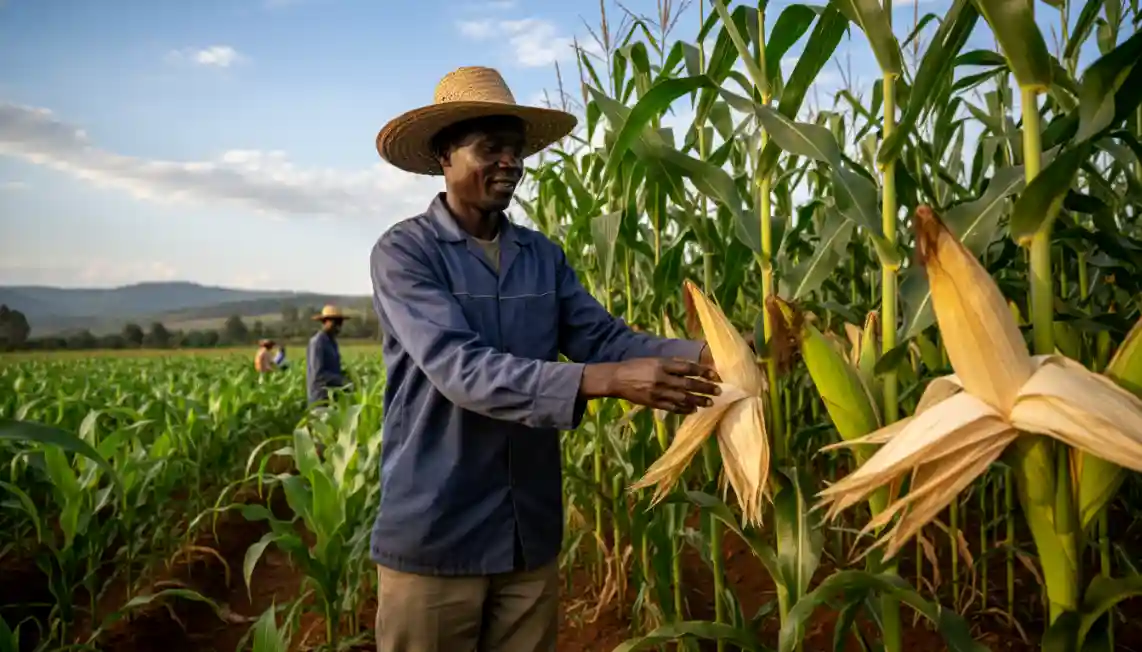
Kenya is divided into specific agro-ecological zones based on altitude, rainfall, and temperature. Planting a seed variety outside its recommended ecological zone often leads to poor germination, stunted growth, and financial losses.
To control costs and support high yields, you must first understand your specific agro-ecological zone. Kenya is incredibly diverse, meaning a uniform approach to farming simply does not work. Planting the wrong seed in the wrong zone is the fastest way to lose your investment. Conversely, the right seed unlocks significant yield potential.
Highlands
The Kenyan Highlands sit between 1,700 and 2,300 meters above sea level. Areas like Uasin Gishu, Trans Nzoia, Nakuru, and parts of the Mount Kenya region fall here. These regions receive reliable heavy rainfall ranging from 1,000mm to 1,500mm annually. Because the climate is cooler, farmers here must choose late-maturing varieties that can maximize the long rainy season to produce heavy cobs.
Medium Altitude
Medium altitude zones range from 1,200 to 1,600 meters above sea level. This includes Western Kenya regions like Kakamega and Bungoma, as well as parts of Nyanza and Central Province. Rainfall here is moderate, usually between 800mm and 1,200mm. These transitional zones are highly productive if you use seeds that resist common mid-altitude diseases like Maize Streak Virus and Grey Leaf Spot.
Drylands
Dryland areas cover regions like Machakos, Kitui, Makueni, and parts of the Rift Valley. Rainfall is extremely erratic, rarely exceeding 500mm annually. If you plant a highland variety here, it will wither before tasseling. You must use drought-tolerant fast-maturing seeds that can complete their life cycle in just three months.
Lowlands
The Coastal Lowlands sit below 1,200 meters, covering Mombasa, Kilifi, Kwale, and Lamu. The climate is hot and humid, creating a perfect breeding ground for pests and fungal diseases. Farmers in the lowlands need varieties that are highly resistant to heat stress, rust, and stalk borers. Short to medium-maturity seeds perform best in these challenging humid environments.
Read Also: Kenya Seed Company Price List 2026 (Maize, Grass & Crop Seeds Prices in Kenya)
Top 10 Best Maize Seeds in Kenya (2026)
The top maize seeds in Kenya for 2026 include H614 for general popularity, DH04 for drylands, and ADC 600-23A for maximum high-altitude yields. Other top performers are H628, H6213, DK 777, WH507, WE1101, KDV-1, and DH01.
This is the core decision-making matrix for your 2026 planting season. We have analyzed the top-performing varieties based on recent agricultural data, seed company releases, and actual farmer yields. Here is the breakdown of the highest profit varieties.
1. H614 Maize Seed (Most Popular in Kenya)
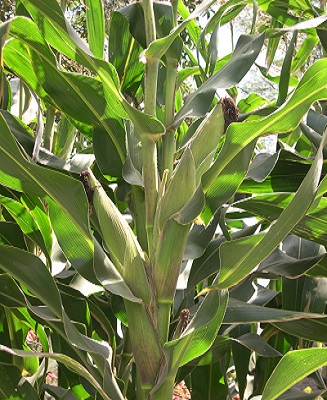
Yield: Up to 38 bags per acre. Maturity: 160 to 190 days. Best Regions: Highlands like Trans Nzoia, Uasin Gishu, and Nakuru. Why Farmers Love It: H614 produces heavy flinty grains that are highly resistant to weevil attacks during storage. It is also the ultimate favorite for making premium ugali due to its sweet taste. Profit Potential: Despite being an older variety, its reliability secures steady profits. At 35 bags per acre sold at KES 3,500 each, a farmer can gross KES 122,500.
2. DH04 Maize Seed (Best for Dry Areas)
Yield: 15 to 18 bags per acre. Maturity: 70 to 100 days. Best Regions: Eastern Kenya and dry parts of Rift Valley. Why Farmers Love It: This is a survival seed that manages to produce a harvest even when rains stop early. It is highly drought-tolerant and escapes moisture stress by maturing incredibly fast. Profit Potential: While the yield is lower, the risk is highly mitigated in dry areas. Harvesting 15 bags in a region where others harvest nothing means you secure food and have a surplus to sell.
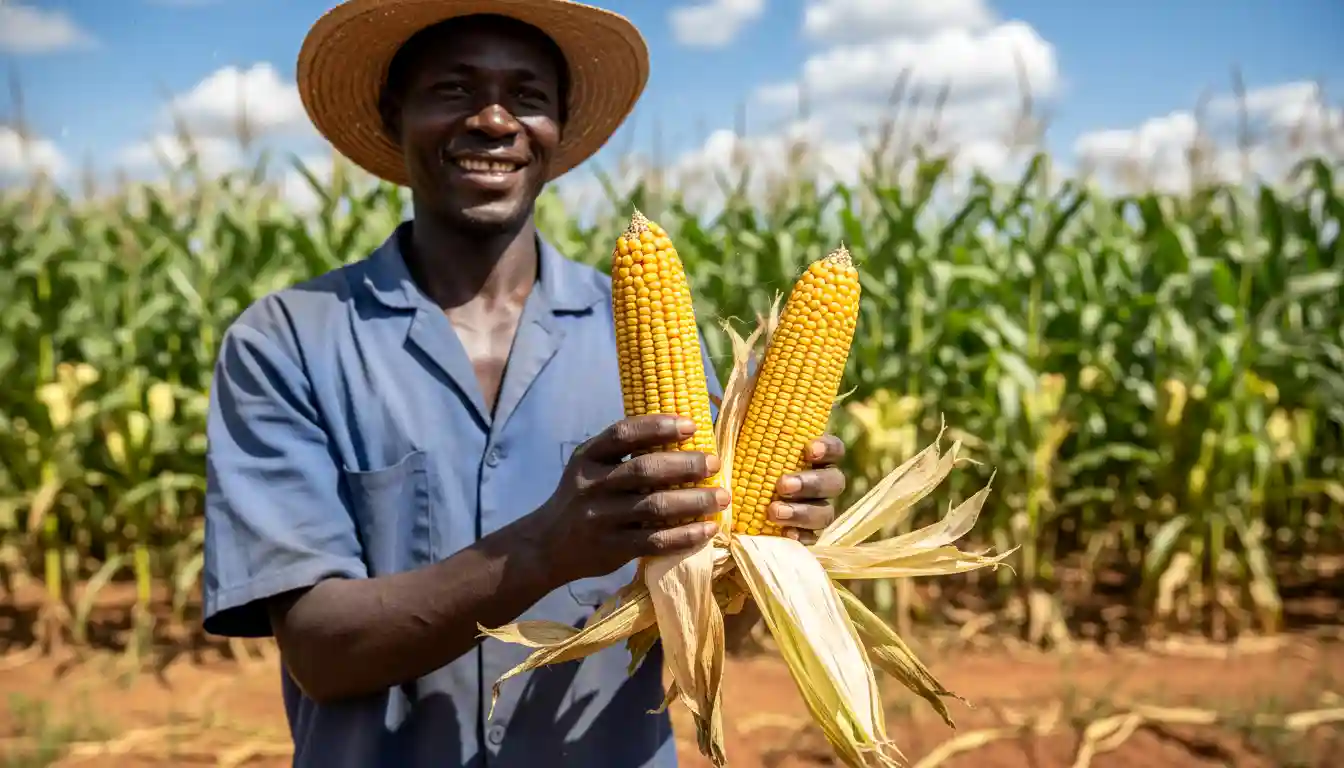
3. ADC 600-23A (Highest Yield Potential)
Yield: 43 to 68 bags per acre. Maturity: 160 to 180 days. Best Regions: High-altitude areas like Mt. Elgon slopes, Keiyo, and Laikipia. Why Farmers Love It: This variety is a double-cobbing powerhouse that out-yields standard highland varieties by a wide margin.
It features strong stalks that prevent lodging during heavy winds and is highly resistant to Grey Leaf Spot. Profit Potential: This seed offers the highest return on investment for commercial farmers. If you push management to the limit and hit 60 bags per acre, you can reach gross revenues exceeding KES 210,000 per acre.
4. H628 Maize Seed
Yield: 35 to 42 bags per acre. Maturity: 150 to 180 days. Best Regions: Upper mid-altitudes and highlands like Nandi, Kericho, and Kisii. Why Farmers Love It: H628 is robust and recovers well from minor dry spells during its vegetative stage.
It produces uniform large cobs that appeal greatly to commercial millers. Profit Potential: It provides a very stable profit margin for mid-altitude farmers. Because it responds exceptionally well to proper top-dressing, your output can comfortably remain above 35 bags per acre.
5. H6213 Maize Seed
Yield: 40 to 50 bags per acre. Maturity: 160 to 190 days. Best Regions: Trans Nzoia, Uasin Gishu, and upper Nakuru. Why Farmers Love It: H6213 is designed for high-level management and precision farming. If you follow strict agronomic practices, this seed rewards you with tightly packed cobs. Profit Potential: This is a premium earner that can support excellent returns. Achieving 45 bags per acre makes it highly profitable for farmers who use mechanized farming to maximize every square meter.
6. DK 777 Maize Seed
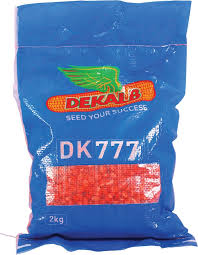
Yield: 40 to 44 bags per acre. Maturity: 115 to 140 days. Best Regions: Medium to mid-high altitudes like Western Kenya and South Rift. Why Farmers Love It: DK 777 is highly tolerant to the devastating Maize Lethal Necrosis Disease. It features double-cobbing potential and strong stems for easy mechanical harvesting. Profit Potential: Its disease resistance protects your investment beautifully. Harvesting 40 bags after just four months allows farmers to quickly rotate crops, improving the annual profit potential of a single acre.
Read Also: How to Find a Trusted Agrovet Near Me in Kenya (2026 Guide to Genuine Farming Inputs)
7. WH507 Maize Seed
Yield: 30 to 35 bags per acre. Maturity: 120 to 140 days. Best Regions: Transitional altitudes like Kakamega, Siaya, Homa Bay, and Narok. Why Farmers Love It: Produced by Western Seed Company, WH507 is loved because it remains green longer, making it excellent for green maize roasting. It handles both wet swampy conditions and mild stress incredibly well. Profit Potential: If sold as green maize, profits can improve compared to dry grain. Selling fresh cobs directly to urban vendors provides instant daily cash flow within four months.
8. WE1101 Maize Seed
Yield: 25 to 30 bags per acre. Maturity: 110 to 130 days. Best Regions: Drought-prone medium altitudes and transition zones. Why Farmers Love It: Under the Water Efficient Maize for Africa project, this seed is genetically optimized to fight off drought and stem borers. It requires less water than traditional hybrids to push out a decent cob. Profit Potential: This seed drastically lowers your financial risk. While you will not hit 50 bags, getting a steady 25 bags in unpredictable weather limits total losses.
9. KDV-1 Maize Seed
Yield: 12 to 15 bags per acre. Maturity: 90 to 120 days. Best Regions: Marginal ASAL areas like Mwatate, Lamu, and Tharaka Nithi. Why Farmers Love It: Katumani Dryland Variety 1 is an Open Pollinated Variety. It is tough, resilient, and specifically bred to survive brutal sun and poor soils. Profit Potential: The seed itself is cheaper because it is an OPV, meaning the profit comes from low input costs. It provides vital food security and moderate cash sales in regions where hybrids simply die.
10. DH01 Maize Seed
Yield: 15 to 16 bags per acre. Maturity: 70 to 90 days. Best Regions: Coastal lowlands and extremely dry plains. Why Farmers Love It: It is one of the fastest maturing maize seeds in Kenya today. It essentially sprints through its growth stages before the moisture in the soil evaporates completely. Profit Potential: Its rapid maturity allows farmers to hit the market early before the massive harvest gluts drive prices down. Early market entry often commands better prices per bag.
Maize Seed Prices in Kenya (2026)
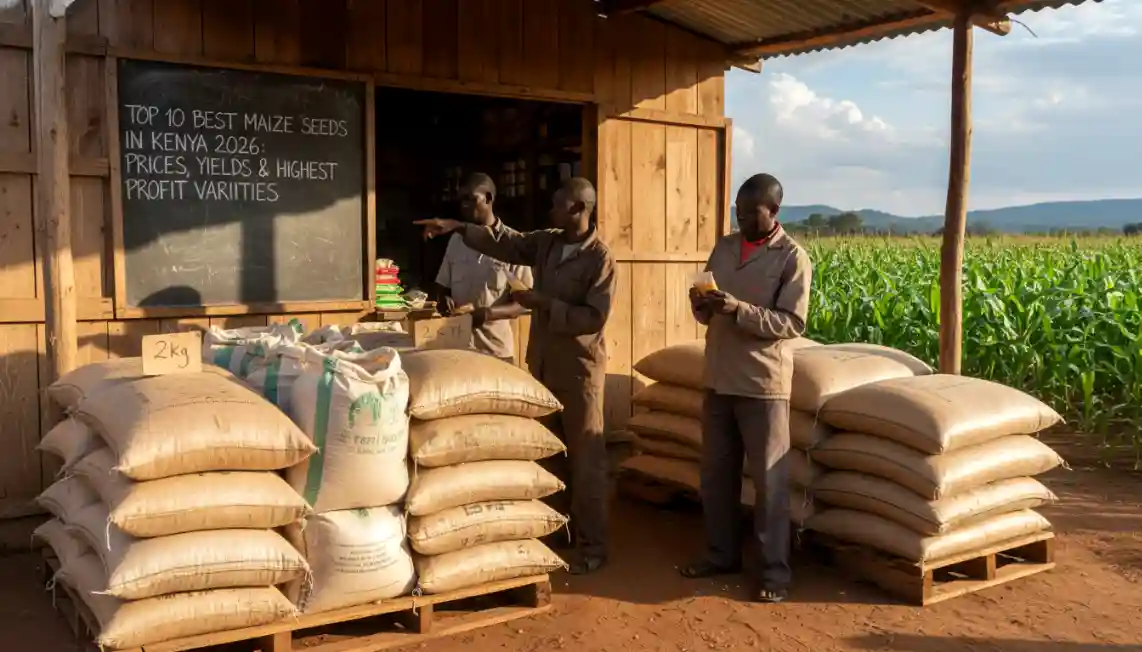
In March 2026, the government subsidized Kenya Seed Company maize seeds to cost KES 500 for 2kg, KES 2,500 for 10kg, and KES 6,000 for 25kg. Premium hybrid brands like SeedCo and Dekalb retail between KES 900 to KES 1,100 per 2kg packet.Understanding input costs is the first step to running a profitable agribusiness.
In March 2026, the government allocated KES 2 billion specifically targeting seed production. This rolled back the prices of standard Kenya Seed Company hybrids, offering massive relief to farmers ahead of the long rains.
Private companies like SeedCo and Dekalb invest heavily in specialized genetics, meaning their seeds command a higher premium price. The table below outlines the realistic 2026 price expectations for major seed categories in Kenya.
| Seed Brand and Type | 2kg Price (KES) | 10kg Price (KES) | 25kg Price (KES) |
|---|---|---|---|
| Kenya Seed Company (Subsidized) | 500 | 2,500 | 6,000 |
| Simlaw Seeds (General Varieties) | 600 to 650 | 3,000 to 3,250 | 7,500+ |
| SeedCo Hybrids (e.g., SC Duma 43) | 900 to 1,000 | 4,500 to 5,000 | Not Applicable |
| Dekalb (e.g., DK 777) | 1,000 to 1,100 | 5,000 to 5,500 | Not Applicable |
| Western Seed Co. (e.g., WH507) | 800 to 850 | 4,000 to 4,250 | Not Applicable |
Which Maize Seed Gives Highest Profit in Kenya?
The highest profit comes from matching seed genetics to your rainfall. ADC 600-23A gives the highest raw profit in high rainfall areas. In dry areas, DH04 provides low-risk profits, while WH507 sold as green maize offers rapid cash flow.
Most beginners in Kenya struggle with profitability because they only look at the price of the seed, not the return on investment. The highest profit variety is entirely contextual to your location and your market strategy. Let us talk money and break down the risk versus reward scenarios.
Best for High Rainfall (High Yield)
If you are in Trans Nzoia or Uasin Gishu, ADC 600-23A and H6213 are the ultimate top earners. With subsidized fertilizer lowering your production costs, hitting 50 bags per acre is highly realistic under good management. At KES 3,500 per bag, your gross revenue is KES 175,000. The reward is massive, but the risk is high if you fail to manage pests or skip top-dressing.
Best for Dry Areas (Low Risk)
In areas like Machakos or Kitui, trying to grow high-yield varieties is financially dangerous. The highest profit here comes from risk mitigation. Planting DH04 costs less in time and labor, and if you yield 15 bags per acre to sell at KES 3,800, your revenue is KES 57,000. Because your input costs were minimal, you still walk away with a solid profit while others stare at withered crops.
Best for Quick Maturity (Fast Cash)
For farmers near urban centers like Nairobi or Kisumu, the green maize market is incredibly lucrative. Varieties like WH507 or DK 777 mature fast and produce large sweet cobs perfect for roasting. If you sell fresh cobs directly to vendors, your margins can easily double compared to selling dry grain. This strategy offers the fastest cash turnaround in maize farming.
Essential Fertilizer Guide for 2026
Proper seed performance is heavily dependent on pairing your variety with the correct fertilizer. In 2026, the government capped subsidized planting fertilizer at KES 2,500 per 50kg bag to support optimal crop development.
Choosing the right seed is only half the equation, as proper soil nutrition dictates your final yield. Planting a premium hybrid without adequate base nutrients will lead to stunted growth. Below is a comparison table outlining the recommended fertilizers to pair with your chosen maize seeds for maximum output.
| Fertilizer Type | Application Phase | Primary Benefit |
|---|---|---|
| DAP (Diammonium Phosphate) | Planting | Establishes strong root systems for hybrids. |
| NPK 23:23:0 | Planting | Balances soil nutrients in highly acidic regions. |
| CAN (Calcium Ammonium Nitrate) | Top-Dressing | Boosts nitrogen levels for rapid vegetative growth. |
| Urea | Top-Dressing | Provides intense nitrogen spikes during heavy rains. |
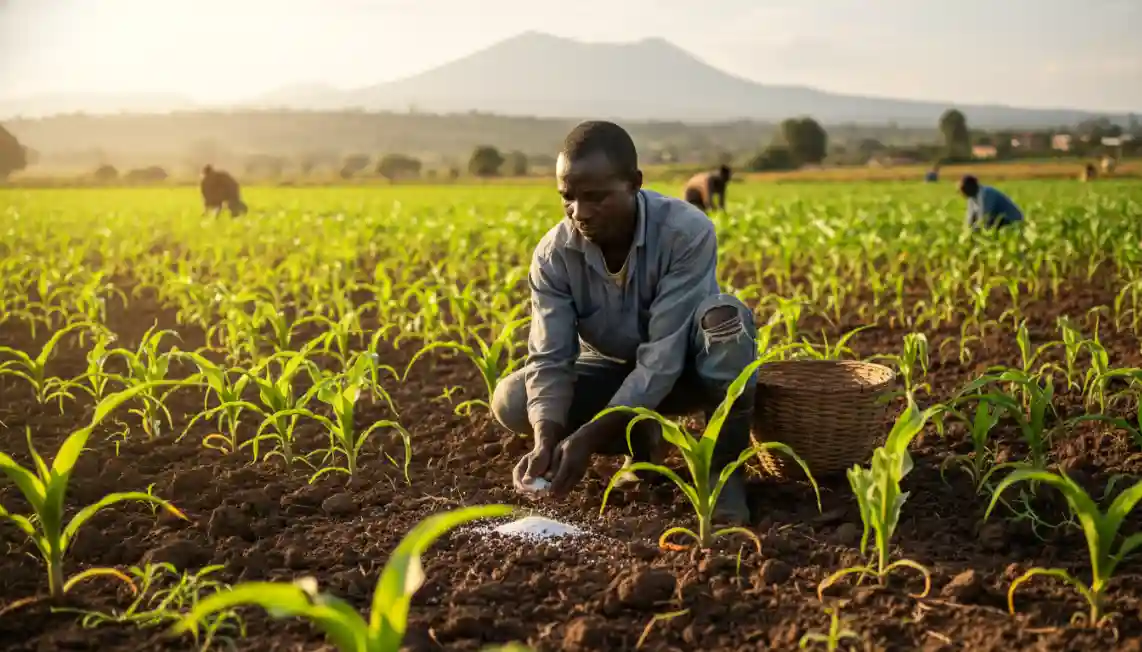
How to Choose the Best Maize Seed for Your Farm
To choose the best maize seed, assess your local rainfall patterns, soil type, and altitude. Verify the maturity period against your rainy season length to prevent mid-season crop failures.
Seed selection should never be a guessing game. Treat it as a strict checklist that matches your specific farm conditions to the seed genetics. Soil nutrition and rainfall distribution matter far more than the brand name printed on the packet.
If you have limited water and no technical skills, attempting to grow premium double-cobbing hybrids may be too risky. Use this simple checklist style to guide your 2026 purchase:
- Rainfall: Measure how long your rainy season lasts. If it rains for 3 months, buy seeds that mature in 90 days.
- Altitude: High altitude requires highland seeds, while low altitude requires lowland seeds. Never mix these up.
- Soil: Some seeds tolerate acidic or nitrogen-poor soils better than others, so choose robust varieties if you cannot afford adequate fertilizer.
- Market Demand: Know your buyer before you plant. Millers want hard flint grains, whereas street roasters prefer sweet large cobs.
Common Mistakes Farmers Make When Choosing Seeds
Farmers commonly fail by choosing popular seeds that do not fit their climate or by buying cheap fake seeds from unverified vendors. Ignoring disease resistance traits is another major error that leads to crop loss.
Success in agribusiness requires brutal honesty about where things go wrong. Over the years, the same critical errors repeat themselves across Kenyan farms. The most damaging mistake is choosing a seed based purely on popularity. A farmer in Bomet might hear that ADC 600-23A is yielding 60 bags in Kitale and immediately plant it, ignoring that Bomet has a different micro-climate.
Read Also: 2026 Fertilizer Guide: Understanding NPK Ratios for Maximum Maize Yields
Another devastating error is buying fake seeds to save money. Unscrupulous traders take ordinary commercial maize, dye it green, and package it in counterfeit bags. Farmers buy these because they are slightly cheaper, only to suffer a terrible germination rate.
You save a fraction on inputs but lose your entire harvest. Finally, ignoring climate shifts is financially fatal. Rains in Kenya are becoming shorter and more erratic. Insisting on planting a late-maturing seed when your region now only gets three months of rain guarantees a failed crop.
Risks & Reality Check
Market price fluctuations and erratic weather can severely impact expected returns even with the best seed variety. Pests like the Fall Armyworm and crop diseases remain persistent threats that require proactive management.
While maximizing maize yields is possible, farmers must stay grounded about the risks involved. Farming is not a guaranteed path to wealth, as crop failures happen due to sudden droughts or extreme flooding. A realistic farmer budgets for pesticides and plans for post-harvest storage to avoid selling grain at a loss during a market glut. Disease outbreaks, such as Maize Lethal Necrosis Disease, can wipe out an entire field if you plant susceptible varieties.
Furthermore, market prices drop significantly right after the harvest season. Storing your maize properly and waiting for prices to stabilize is often required to realize the highest possible profit margins.
Where to Buy Certified Maize Seeds in Kenya
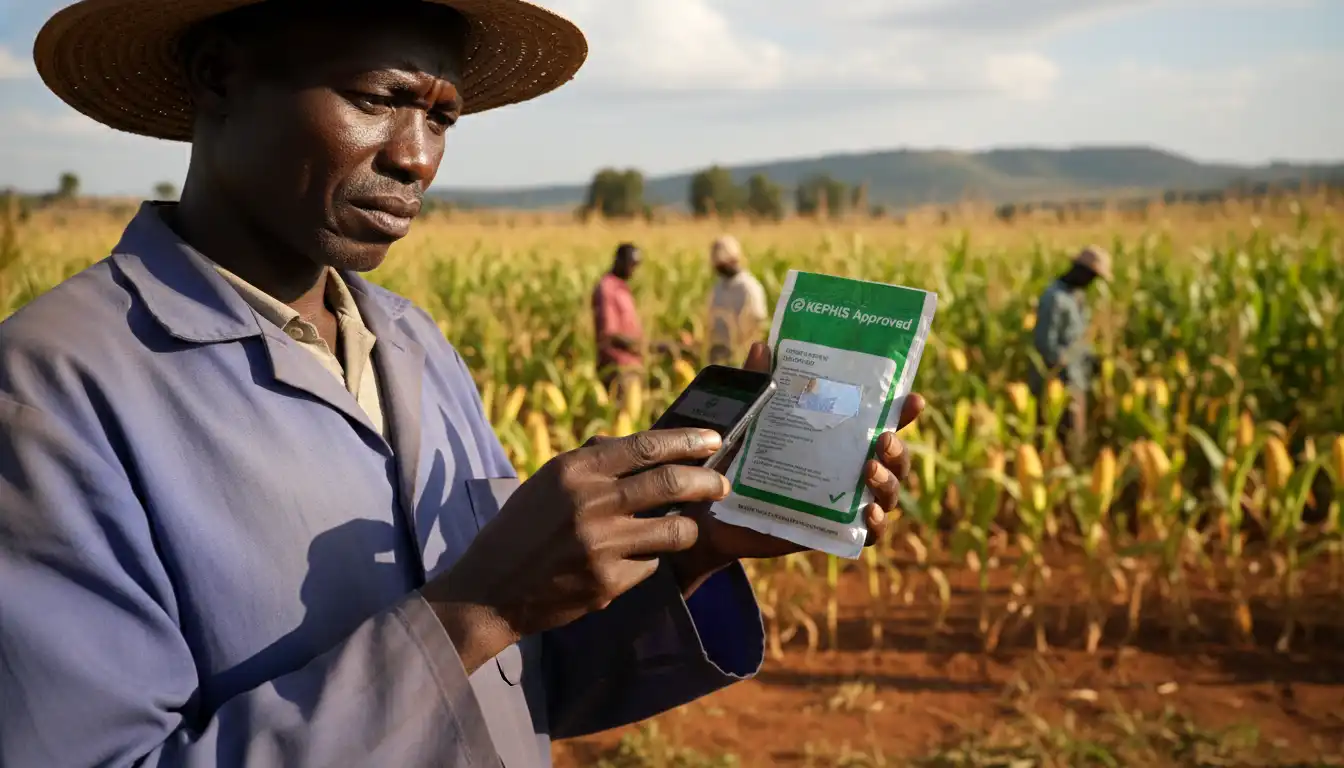
Buy certified maize seeds strictly from registered agrovet shops or official Kenya Seed Company depots. Always scratch the KEPHIS label on the packet and SMS the code to 1393 to verify the seed authenticity. Procurement is your first line of defense against crop failure.
If you are researching where to buy Top 10 Best Maize Seeds in Kenya 2026: Prices, Yields & Highest Profit Varieties in Kenya, always stick to verified sources. Never buy seeds from open-air markets or unbranded rural kiosks.
Certified agrovet shops are regulated by the Pest Control Products Board and strictly monitored. Official seed company branches and depots guarantee authenticity. The Kenya Seed Company has regional depots in Kitale, Eldoret, Nakuru, and Nairobi.
Buying directly from these centers ensures you get the subsidized government rates without middleman markups. SeedCo and Western Seed also maintain authorized distributor networks across the country. Warning about fake seeds: Counterfeit seeds look identical to the real ones. The only way to protect yourself is the KEPHIS scratch-and-verify system. Every genuine packet has a hidden code that you text to 1393 to confirm authenticity before planting.
Final Verdict: Best Maize Seeds in Kenya (Quick Summary)
The best overall maize seed in Kenya for 2026 is H614 due to its unmatched reliability. The best for high yields is ADC 600-23A, while the best for dry areas remains DH04.To summarize the 2026 planting season, your choice must align with your primary goal. If you want a balance of reliability, good grain weight, and high market demand from millers, the best overall is H614.
It is the undisputed champion of Kenyan maize farming, provided you secure genuine packets. If your farm is located in the fertile highlands and your goal is to break yield records, the best for high yield is ADC 600-23A. Paired with subsidized fertilizers, its genetics will help maximize your profits per acre.
For farmers facing unpredictable rains and hot climates, the best for dry areas is DH04. It acts as an insurance policy against drought, ensuring you get a harvest in 90 days when other varieties simply dry up.
Can’t find these maize seed brands at your local agrovet? Our Farm Sourcing & Delivery service can source and deliver them to you anywhere in Kenya.
Farmers Also Ask (FAQs)
Where to buy maize seeds in Kenya
Buy certified maize seeds from registered agrovets, official Kenya Seed Company depots, or authorized distributors for SeedCo and Dekalb. Avoid open-air markets completely.
What is the price of maize seeds in Kenya (2026)
Following the March 2026 government subsidy, standard Kenya Seed Company maize seeds cost KES 500 for 2kg. Premium private hybrids retail between KES 900 and KES 1,100 per 2kg.
Which maize seeds mature in 3 months in Kenya
DH04, DH01, and KDV-1 are excellent fast-maturing varieties that complete their cycle in 70 to 100 days. They are perfect for short rain seasons and dry areas.
What are the best hybrid maize seeds in Kenya
Top hybrid choices include DK 777 for disease resistance, ADC 600-23A for massive highland yields, and H6213 for exceptional commercial production under high management.
Which maize varieties give the highest yield in Kenya
ADC 600-23A and DK 777 offer the highest yield potential. Under optimal conditions, ADC 600-23A can produce up to 68 bags per acre, vastly outperforming older varieties.
Are there double cobbing maize varieties in Kenya
Yes, ADC 600-23A and DK 777 are known for their double-cobbing potential. This trait significantly boosts the total tonnage harvested per acre under good soil nutrition.
What are the best short season maize varieties in Kenya
DH04 and DH01 by Kenya Seed Company, along with KDV-1, are the best short-season varieties. They are highly drought-tolerant and mature rapidly.
What is the SeedCo maize seeds price list in Kenya
In 2026, premium SeedCo hybrids like SC Duma 43 retail between KES 900 to KES 1,000 for a 2kg packet, and roughly KES 4,500 to KES 5,000 for a 10kg bag.
Where can I find certified maize seeds for sale in Kenya
Find them at Kenya Plant Health Inspectorate Service certified agrovets or directly from Kenya Seed Company regional branches and their appointed local agents.
Which maize seeds are best for dry areas in Kenya
DH04, DH02, and KDV-1 are engineered for dry regions like Machakos and Kitui. They require minimal rainfall and mature extremely fast to escape severe drought.