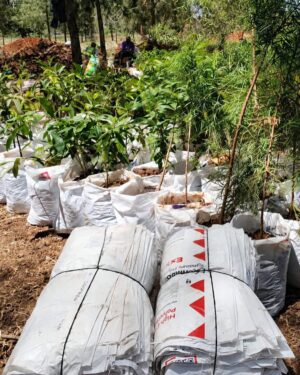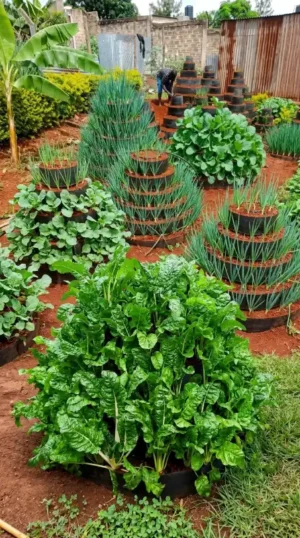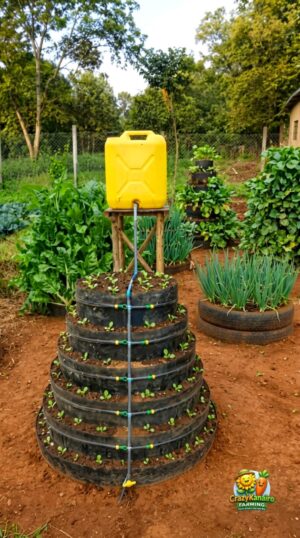


- Fast Cash Flow: Crops like onions and watermelons mature quickly to deliver rapid returns within 90 days.
- Reduced Inputs: Using government e-Voucher fertilizer lowers overhead and boosts profit margins significantly.
- Guaranteed Markets: High urban demand ensures ready buyers for short-cycle vegetables and fast-maturing maize.
Table of Contents
Kenya agribusiness is shifting rapidly as smart farmers abandon long-season gambles for high-speed horticulture. Focusing on short crop cycles helps you bypass unpredictable weather and secure faster capital returns. This guide provides realistic 2026 cost estimates to help you launch a profitable agribusiness.
Why Fast-Maturing Crops Are Dominating Kenyan Farming in 2026
Rising food demand in cities creates guaranteed markets for short-cycle vegetables. Unpredictable rainfall forces farmers to avoid long-season plants to minimize climate risk. Faster cash flow allows investors to reinvest profits rapidly and scale their operations.
Urbanization pushes demand for fresh produce higher every single month across major towns. Farmers targeting city markets can harvest and sell their yields incredibly quickly. Short cycles mean you get paid faster compared to planting traditional six-month maize.
Unpredictable weather remains the biggest challenge facing the modern shamba today. Delayed rains make long-season crops highly risky without expensive irrigation infrastructure. Fast-maturing crops reduce this risk by requiring water for a much shorter timeframe.
Read Also: Top 10 Best Maize Seeds in Kenya 2026: Prices, Yields & Highest Profit Varieties
This farming model suits beginners and small-scale urban investors perfectly. You can lease land for a few months and exit with your profit quickly. It provides a safer entry point into agriculture with fast capital recovery.
What Makes a Crop Profitable Within 90 Days?
A profitable 90-day crop requires high market demand, stable prices, and low input costs. High yields per acre are necessary to absorb operational and fertilizer expenses. Low pest susceptibility protects the final profit margin during the short growing window.
The maturity period is the first filter for proper crop selection. Anything taking longer than three months automatically falls out of this fast-cash category. You need varieties bred for rapid growth like KALRO early-maturing seeds.
Yield per acre dictates your final M-Pesa balance after harvesting. A fast crop with low volume will severely shrink your expected profit margin. Always compare hybrid seed costs against the expected tonnage per acre.
Market demand dictates whether you sell at a premium or watch your harvest rot. Crops like onions have steady demand across local open-air markets daily. Balancing your input costs against the expected selling price is mandatory for survival.
Quick Comparison (2026 Estimates)
Comparing crop maturity, costs, and revenues helps you choose the best farming venture. Hybrid onions and watermelons offer high returns but require significant starting capital. Mushroom farming provides excellent profits for small spaces without needing acres of land.
Top 5 High-Yield 3-Month Crops in Kenya
The top short-cycle crops include bulb onions, fast maize, watermelons, mushrooms, and French beans. These specific options offer rapid maturity and excellent profit margins for dedicated growers. Proper seed selection remains crucial for achieving these projected yields.
1. Hybrid Bulb Onions (High Demand, High Profit)
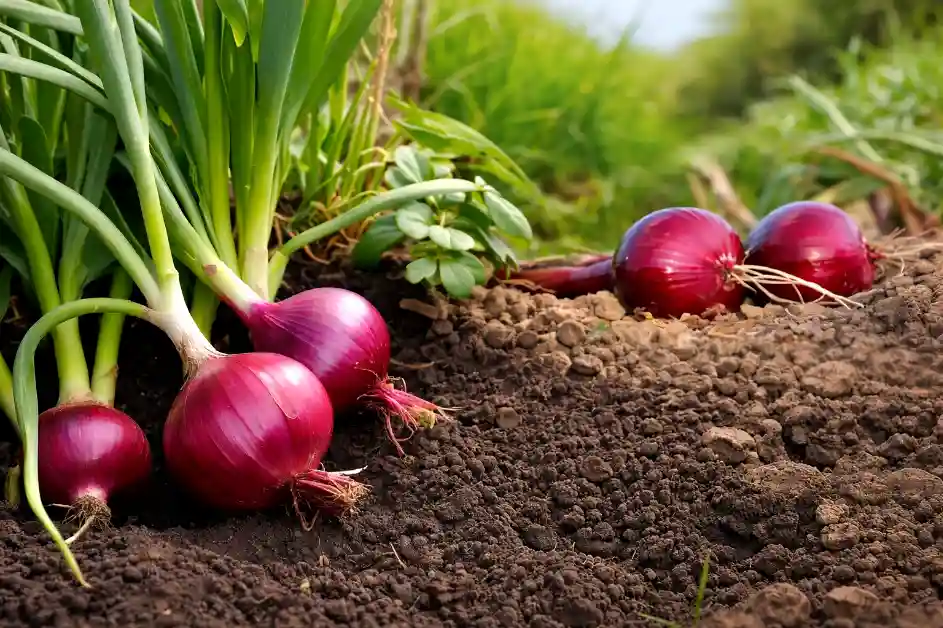
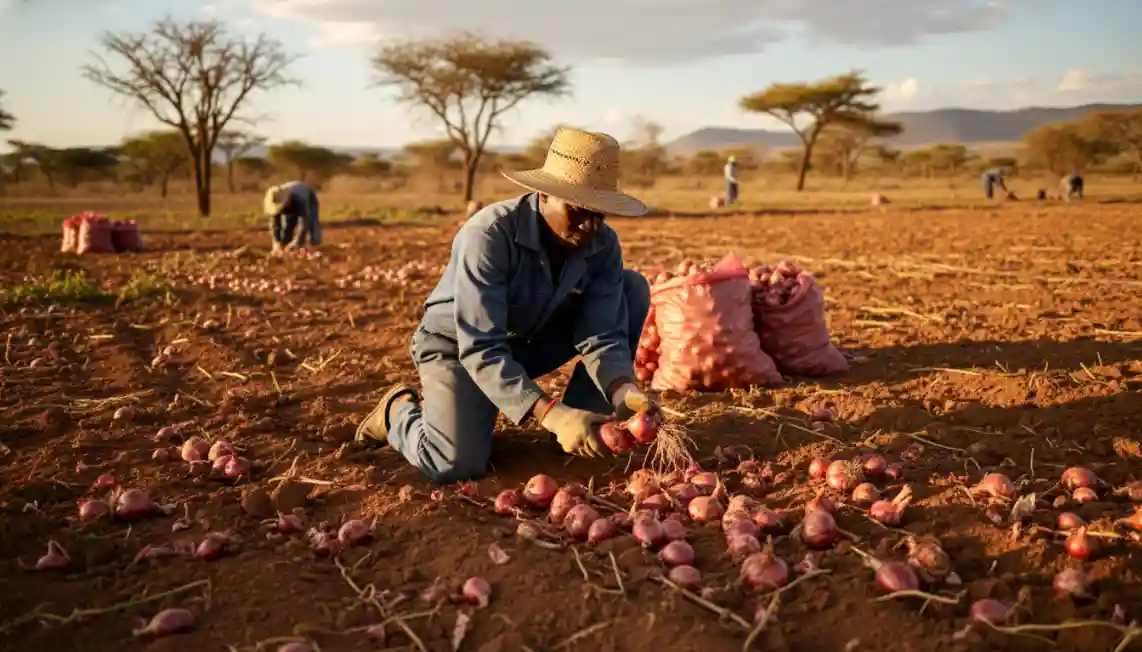
Kenyan markets consume massive quantities of onions every single day. Varieties like Red Pinoy F1 and Red Nice F1 are market favorites due to their long shelf life. These hybrids mature in exactly 90 days after transplanting from the nursery.
Yields can reach 15 tonnes per acre with good management and watering. Production costs average KES 130,000 when factoring in irrigation and specialized nutrients. Securing government-subsidized fertilizer drops these overhead costs significantly.
Read Also: Top 5 Hybrid Onion Varieties (F1) Dominating the Kenyan Market in 2026
In hubs like Wakulima Market, dry onions sell fast and consistently. Timing your harvest to avoid Tanzanian onion influxes protects your profit margins. Successful farmers often net over KES 300,000 per acre.
2. Fast-Maturing Hybrid Maize (SC Sungura 301)
Traditional maize ties up land for over six months, limiting your income potential. The SC Sungura 301 hybrid offers a 75-day maturity advantage instead. KALRO promotes this variety heavily for areas facing erratic rainfall patterns.
Harvesting green maize for roasting sells much faster than dry grain. Green cobs sell for KES 15 each and provide instant cash flow. This strategy yields higher overall profits than waiting to sell dry bags.

It performs exceptionally well in semi-arid regions like Machakos. The financial risk is extremely low compared to high-value horticulture farming. Beginners find this crop easy to manage while still enjoying decent returns.
3. Sukari F1 Watermelon (High ROI Crop)
Watermelons are highly profitable when planted at the correct time of year. The Sukari F1 variety matures in just 80 days under optimal heat. It stays highly demanded because of its sweet taste and vibrant red flesh.
A well-tended acre produces up to 25 tonnes, though estimated ranges vary by management. Maximize profits by harvesting during the hot months of January to March. Transporting harvested fruits to Kongowea Market in Mombasa fetches premium prices.
Expect to spend around KES 90,000 on inputs, pesticides, and labor. At a conservative price of KES 20 per kilo, revenue easily crosses KES 400,000. It remains a top choice for farmers with reliable drip irrigation setups.
4. Mushroom Farming (Small Space, High Income)
Mushroom farming is the ultimate urban agribusiness for Kenyan city dwellers. A simple mud structure is enough space to start a highly profitable unit. The entire cycle from spawning to harvest takes about 60 days.
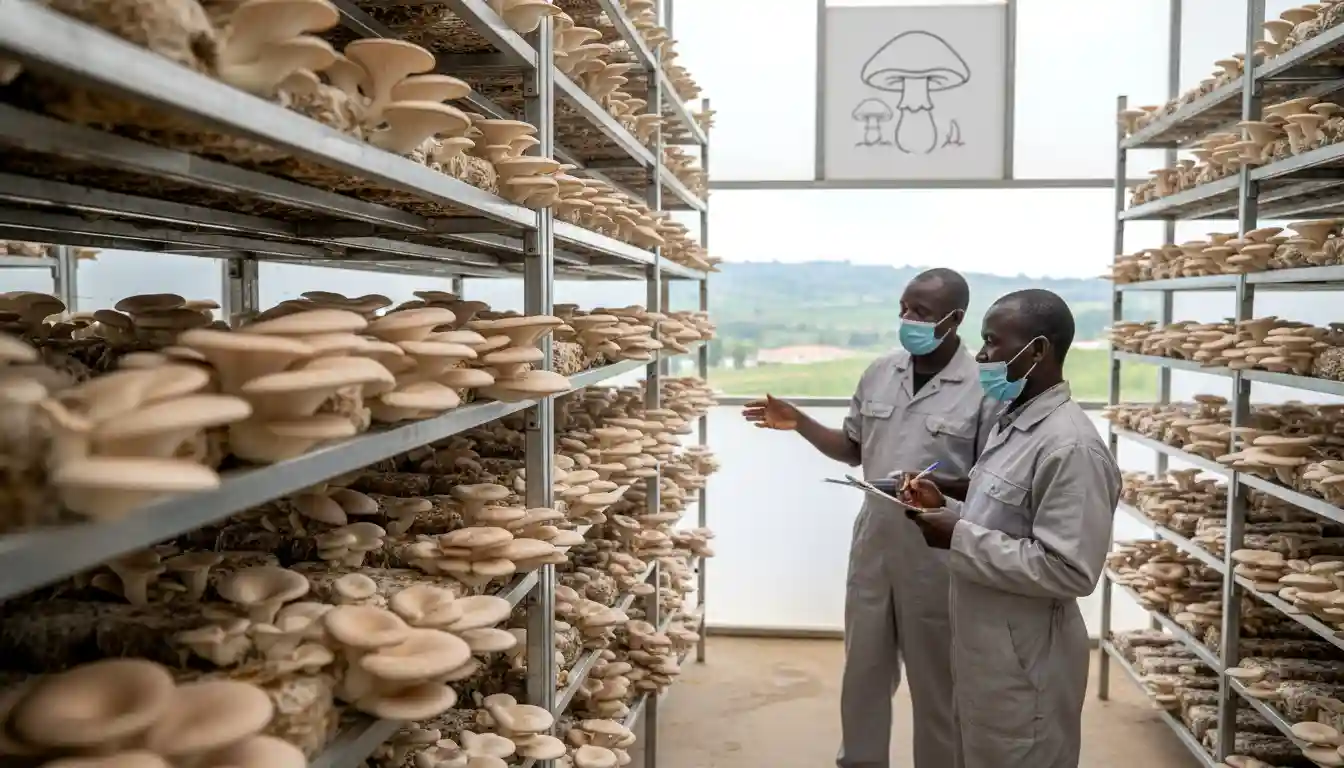
Setup costs include building the dark structure and buying quality substrate. The initial investment ranges broadly from KES 50,000 to KES 70,000. Oyster and button mushrooms remain the most popular varieties grown locally today.
Selling directly to hotels and supermarkets is highly lucrative. A kilo of fresh mushrooms sells for up to KES 600 in upscale grocers. A small unit can bring massive revenue from a tiny backyard footprint.
5. French Beans (Haricot) for Export
French beans are a top export earner for Kenyan horticulture professionals. They have a rapid 45-day harvest cycle perfect for the short rain seasons. You must secure a contract with an export company before planting anything.
Exporters provide the exact seed varieties required by strict European markets. Strict chemical spray programs are mandatory to pass KEPHIS export standards. Irrigation is non-negotiable for developing straight export-quality bean pods.
Contract farming guarantees a fixed price for your entire harvest. This shields you from local open-air market fluctuations and unpredictable brokers. It requires high discipline but rewards you with reliable, fast cash.
Read Also: Beyond Maize: 7 Drought-Resistant “Smart Crops” to Plant This Season
This quick comparison table outlines the estimated costs, revenues, and risks for top short-cycle crops based on 2026 market projections. Use these conservative figures to plan your initial agribusiness investment.
| Crop | Days to Maturity | Cost per Acre (KES) | Expected Revenue (KES) | Net Profit (KES) | Risk Level |
|---|---|---|---|---|---|
| Hybrid Bulb Onions | 90 days | 120,000 – 150,000 | 450,000 – 600,000 | 300,000 – 450,000 | Medium |
| SC Sungura 301 Maize | 75 days | 35,000 – 45,000 | 90,000 – 120,000 | 55,000 – 75,000 | Low |
| Sukari F1 Watermelon | 80 – 85 days | 80,000 – 100,000 | 300,000 – 500,000 | 220,000 – 400,000 | Medium |
| Mushroom (Small Unit) | 60 days | 50,000 – 70,000 | 250,000 – 320,000 | 200,000 – 250,000 | High |
| French Beans | 45 – 60 days | 60,000 – 80,000 | 180,000 – 250,000 | 120,000 – |
Where to Source Seeds and Inputs in Kenya
Sourcing genuine seeds and fertilizers determines your final yield success. Purchase certified seeds directly from KALRO or KEPHIS-approved agrovets. Avoid unregistered local dealers to prevent devastating total crop failure.
Always buy hybrid seeds from trusted companies like Simlaw Seeds or Royal Seed. Counterfeit seeds are common and will destroy your 90-day profit window instantly. Verify the package seals before making any purchase at local agrovets.
Fertilizers and chemicals should be sourced from established agricultural cooperatives. Government NCPB depots offer subsidized inputs to formally registered farmers. This drastically reduces your initial capital requirements for large acreage.
2026 Fertilizer Guide for Short-Cycle Crops
Proper crop nutrition is non-negotiable for successful 90-day harvests. Use DAP for planting to encourage strong, deep root development early on. Top dress with CAN or foliar feeds to accelerate vegetative growth rapidly.
Selecting the right crop nutrition is vital for maximizing yields within a 90-day window. This table compares the recommended fertilizers for fast-maturing vegetables and grains in 2026.
| Fertilizer Type | Best For | Application Stage | 2026 Estimated Price (50kg) |
|---|---|---|---|
| DAP (18:46:0) | Maize, Beans, Onions | Planting | KES 2,500 (Subsidized) |
| CAN (26% N) | Leafy Greens, Maize | Top Dressing | KES 2,500 (Subsidized) |
| NPK (17:17:17) | Watermelons, Tomatoes | Vegetative Growth | KES 3,200 – 4,500 |
| Foliar Feeds | All fast-maturing crops | Flowering/Fruiting | KES 800 – 1,500 (per Liter) |
Where to Sell Your Crops Fast in Kenya
Most farmers fail because they plant before finding a willing buyer. Sell through local open-air markets or directly to regional supermarkets. Avoid relying solely on brokers by establishing direct supply contracts early.
Finding a market is often harder than growing the crop itself. Local open-air markets move huge volumes but prices fluctuate daily based on supply. Build relationships with wholesalers before your crop even matures.
Brokers will exploit you heavily if you lack accurate market information. Selling directly to hotels ensures you keep the full profit margin. However, these institutions require consistent quality and a very steady supply.
Profit Breakdown Per Acre (Realistic 2026 Figures)
A realistic breakdown requires calculating all costs and expected market yields. Keep accurate records of labor, seeds, and fertilizer expenses. Net profits for well-managed crops like onions can reach KES 350,000 per acre.
Treat your shamba like a formal business to succeed in 2026. Input costs include land leasing, tractor plowing, certified seeds, and daily labor. Securing subsidized NPK fertilizer saves you thousands of shillings per season.
Yield expectations should be based strictly on average case scenarios. Multiplying your realistic yield by the lowest expected price gives a safe financial projection. Subtracting total input costs reveals your exact net profit.
Best Regions in Kenya for These Crops
Central Kenya is ideal for high-value vegetables due to naturally fertile soils. The Rift Valley excels in large-scale farming of fast-maturing hybrid maize. Eastern Kenya is perfect for drought-resistant crops like sweet watermelons.
Central Kenya counties boast high rainfall and incredibly fertile soil. This environment is perfect for intensive mushroom farming and export French beans. Proximity to Nairobi ensures transport costs remain very low for farmers.
The Rift Valley is designed perfectly for large-scale crop production. Large tracts of land suit fast-maturing maize varieties perfectly. Mechanization is much easier here and drives down overall production costs.
Eastern Kenya regions experience significantly hotter and drier climates. These conditions are absolute perfection for watermelons and bulb onions. With drip irrigation installed, these crops produce remarkably sweeter yields.
Mistakes That Will Kill Your Profit in 90 Days
Avoid planting without market research or ignoring pest control early on. Poor irrigation planning and blindly trusting brokers will destroy your margins. Treat farming as a strict business to protect your capital investment.
The biggest mistake beginners make is planting without knowing the buyer. You will be forced to sell at throwaway prices to opportunistic brokers. Always secure your market before buying any seeds or leasing land.
Read Also: 15 Most Profitable Agribusiness Ideas in Kenya to Start in 2026
Planting at the wrong time guarantees total financial failure. Relying on rain without a backup irrigation plan is a massive, unnecessary gamble. Buying fake seeds from unverified agrovets will destroy your expected yields.
Risks and Reality Check: Market and Crop Failures
Agribusiness carries inherent risks like sudden price drops and extreme weather. Pest invasions can wipe out a 90-day crop in just one week. Diversifying crops and securing reliable water sources mitigates these threats.
Prices in open-air markets crash quickly when everyone harvests at once. You must study supply cycles to avoid selling during massive market gluts. Proper timing is your absolute best defense against severe price volatility.
Crop failures happen frequently, even to experienced commercial farmers. Unexpected droughts or aggressive pest outbreaks can erase your capital quickly. Always maintain a contingency fund and practice crop rotation to minimize losses.
How Much Capital Do You Need to Start?
Start agribusiness with under KES 10,000 by growing simple traditional vegetables. A medium budget allows for fast-maturing maize or small mushroom setups. High budgets are required for irrigated onions and expansive watermelon fields.
If you have a low budget, completely avoid capital-intensive crops. Focus on traditional fast-growing vegetables on a leased quarter-acre plot. This builds your capital slowly with minimal financial risk involved.
A medium budget opens up much better farming opportunities. You can comfortably finance an acre of maize or a basic mushroom unit. This requires careful budgeting to avoid running out of cash mid-season.
For high budgets, irrigated commercial horticulture becomes highly viable. You can easily afford drip irrigation and premium hybrid seeds. This tier delivers the highest returns but carries much larger financial risks.
2026 Trends in Kenyan Agribusiness
Kenyan agribusiness is heavily driven by digital marketplaces and precision agriculture. Short-cycle crops are gaining massive popularity as climate shifts continue globally. Urban farming continues to expand rapidly near major Kenyan cities.
Demand for organically grown produce is surging among Nairobi residents. Farmers avoiding harsh chemicals secure premium prices at specialized farmers markets. This naturally pushes more growers towards adopting biological pest control.
Short-cycle crops are actively replacing traditional annual harvests. Fast-maturing varieties ensure farmers can harvest safely before severe dry spells hit. Digital marketplaces currently help farmers bypass greedy middlemen completely.
Final Verdict: Which Crop Should You Choose?
Choose fast maize if you are a complete beginner seeking low risk. Select hybrid onions for maximum profit if you have capital and water. Mushroom farming suits urban dwellers perfectly due to space constraints.
If you are a complete beginner, start with fast-maturing maize or basic leafy vegetables. Management is straightforward and the financial risk is extremely low. You learn crop cycles safely without risking your entire life savings.
For those chasing high profits with capital, hybrid onions remain the ultimate choice. You must invest heavily in certified inputs and reliable water sources. The massive payout clearly justifies the intense daily management required.
Urban farmers with limited space should look no further than commercial mushroom farming. It requires specialized knowledge but delivers incredible financial returns per square foot. Ultimately, the best crop is the one where you have already secured a buyer.
FAQs (Farmers Also Ask)
What is the list of 3 months crops in Kenya?
Top 90-day crops include hybrid onions, watermelons, French beans, tomatoes, fast-maturing maize like SC Sungura 301, spinach, coriander, and potatoes.
Is there a downloadable 1 month crops in Kenya PDF guide?
Yes. KALRO and local agribusiness platforms offer free PDF guides detailing 30-day crops like radishes, amaranth, and early-maturing leafy greens.
Which crop has the highest profit per acre in Kenya?
Bulb onions and greenhouse tomatoes consistently offer the highest profit, often exceeding KES 300,000 net per acre with good management and timing.
What are the best 2 months crops to grow in Kenya?
The best 60-day crops include French beans, spinach, courgettes, bush beans, and mushrooms. They offer rapid cash flow with minimal land requirements.
How can I make money farming 1 acre in Kenya?
Divide the acre, install drip irrigation, and plant high-value crops like onions. Secure your market early and manage input costs strictly to profit.
What are the most profitable crops to grow in Kenya right now?
Right now, Hass avocados, hybrid onions, Sukari F1 watermelons, garlic, and greenhouse tomatoes are highly profitable due to strong urban demand.
Which type of farming is most profitable in Kenya in 2026?
Irrigated horticulture is the most profitable. High-value short-cycle crops allow multiple harvests yearly, maximizing revenue from small land spaces.
Is radish farming in Kenya profitable for beginners?
Yes. Radishes mature in 30 days and require very low capital. They are perfect for beginners targeting niche urban markets and high-end restaurants.
Which fast-growing crops are best for small-scale farmers in Kenya?
Leafy greens, indigenous vegetables, coriander, and mushrooms are excellent. They mature fast and have massive daily local demand in Kenyan markets.
What is the best crop to plant for quick returns in Kenya?
Coriander and leafy vegetables are best for quick returns. They mature in 30 to 45 days, cost little to plant, and generate instant daily cash flow.