
- Profitability: Net profits range from KES 400 to KES 1,100 per bird depending on the breed and feed management strategies used.
- Growth Cycle: Commercial meat breeds like Pekin reach market weight of 2.5kg to 3kg within 7 to 9 weeks under intensive systems.
- Entry Cost: Small scale setups for 100 ducks require KES 45,000 to KES 75,000, while commercial 1,000-bird units need KES 450,000 to KES 650,000.
Table of Contents
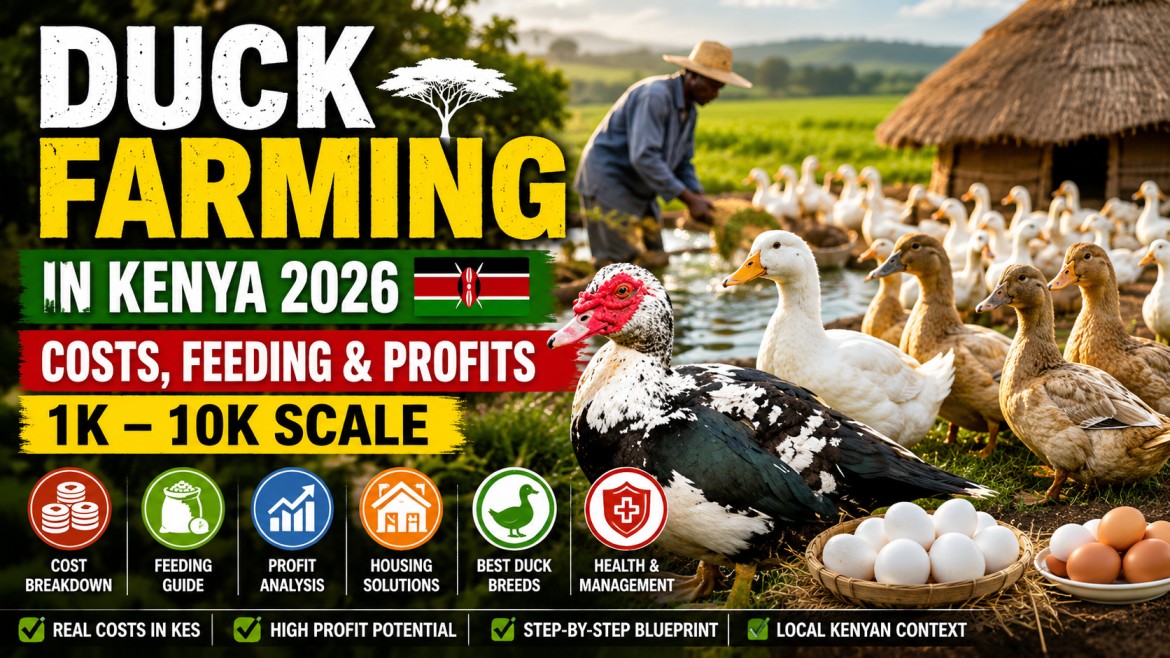
The Kenyan poultry landscape is undergoing a massive shift. For years, chicken farming was the default agribusiness venture, but in 2026, the market is overcrowded and profit margins on broilers and layers have worn razor-thin. Monthly hikes in commercial feed prices have forced smart agribusiness entrepreneurs to look for hardier, more lucrative alternatives.
Enter commercial duck farming. Ducks possess an extraordinary natural immunity, suffering from far fewer diseases than chickens, and they thrive in diverse climatic conditions, from the chilly hills of Kiambu and Nyandarua to the semi-arid lowlands. Meanwhile, a quiet, high-margin demand for duck meat and large, nutrient-dense duck eggs is booming across urban centers like Nairobi, Kisumu, Nakuru, and Mombasa.
If you are looking to scale an agribusiness from a 1,000-bird unit up to a massive 10,000-bird commercial enterprise, this guide provides the definitive, data-backed operational blueprint.
| Scale of Operation | Estimated Startup Cost (KES) | Estimated Profit Per Cycle (KES) | Target Market Lifespan |
| 1,000 Ducks | KES 550,000 | KES 450,000 – 800,000 | 7 – 9 Weeks (Pekin) |
| 5,000 Ducks | KES 2,400,000 | KES 2,500,000 – 4,200,000 | 7 – 9 Weeks (Pekin) |
| 10,000 Ducks | KES 4,500,000 | KES 5,500,000 – 9,000,000 | 7 – 9 Weeks (Pekin) |
Why Duck Farming Is Growing Fast in Kenya in 2026
The poultry landscape is changing. Farmers need better resilience. Ducks offer a unique advantage. They are multi-purpose animals. You get meat and eggs. You also get organic manure. The Kenyan market is maturing. Consumers want variety now. This shift creates a massive opportunity.
Read Also: Dairy Goats vs Improved Kienyeji Chicken in Kenya (2026): Where Should You Invest?
Traditional poultry often fails in cold seasons. Ducks have high natural immunity. They handle wet conditions well. This makes them perfect for many counties. Areas like Kiambu and Nyandarua are ideal. They also thrive in dry areas. They only need access to water. This versatility is driving rapid growth.
Rising Poultry Feed Costs Are Changing Farming Choices
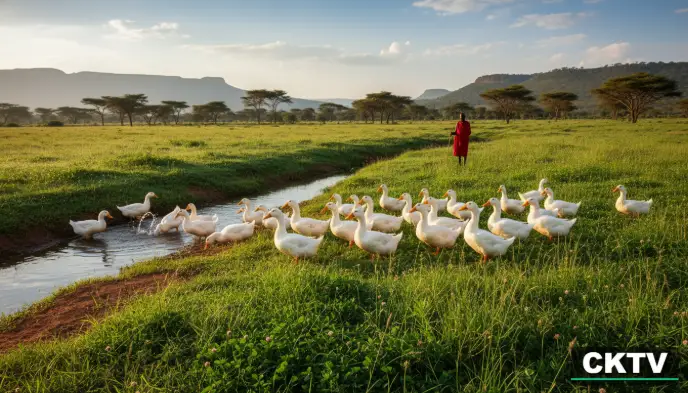
Broiler margins are shrinking fast. Feed has become very expensive. Many broiler farmers are quitting. Ducks offer a better path. They survive partly on foraging. They eat grass and insects. They consume kitchen waste. This reduces the total feed bill. You save more money daily.
Ducks Are More Disease Resistant Than Chickens
Ducks have stronger immunity. They rarely get Newcastle disease. They resist many common viruses. Mortality is lower in duck systems. This reduces the risk for beginners. Poor hygiene can still cause issues. You must keep the environment clean. Wet bedding can lead to infections.
Growing Demand for Duck Meat and Eggs
Hotels are buying more duck. Airbnbs require premium meat options. Chinese restaurants are major buyers. Urban butcheries now stock duck meat. Health-conscious consumers prefer duck eggs. They have more protein. They are larger than chicken eggs. Prices remain high in Nairobi.
Markets are expanding in Kisumu. Nakuru and Mombasa show high demand. Premium buyers pay KES 2,000 per bird. Some specialty shops charge more. This is a high-margin business. You must target the right buyers. Avoid selling only to local brokers.
Best Duck Breeds for Commercial Farming in Kenya
Your choice of breed dictates your entire operational workflow and ultimate profit margins. Commercial duck farming is strictly divided into meat production, egg production, and multi-purpose utility.
The table below compares the top duck breeds available to Kenyan commercial farmers in 2026:
| Breed Name | Primary Use | Growth Rate | Average Egg Yield | Temperament & System |
| Pekin | Commercial Meat | Very Fast (8 Weeks) | 150 per year | Ideal for intensive setups |
| Muscovy | Meat & Brooding | Fast (10–12 Weeks) | 100 per year | Excellent quiet foragers |
| Khaki Campbell | Egg Production | Moderate | 300 per year | High-intensity layers |
| Indian Runner | Foraging & Eggs | Slow | 200 per year | Upright, elite pest control |
| Indigenous Local | Subsistence | Very Slow (6 Months) | 50 – 80 per year | Low cost, low returns |
Pekin Ducks
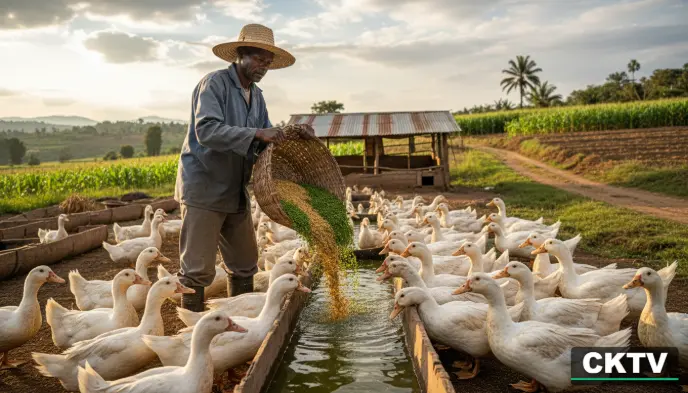
White Pekin ducks are the undisputed kings of commercial meat production. They feature an outstanding feed conversion ratio, reaching a market weight of 2.5kg to 3kg within just 7 to 9 weeks under intensive management systems. Their meat is tender and juicy, making them the preferred choice for premium restaurants and supermarkets.
Read Also: Improved Kienyeji Chicken Farming in Kenya 2026: Complete Guide to Breeds, Housing, Feeding and Profits
Muscovy Ducks
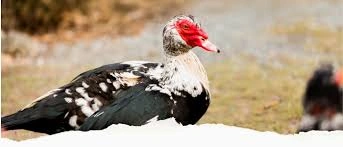
Muscovy ducks are heavy, quiet birds that do not produce a loud quacking sound. They are outstanding foragers and perform exceptionally well in semi-intensive or free-range setups across rural Kenya. A massive advantage of the Muscovy is their powerful brooding instinct; they hatch their own eggs reliably, saving you thousands of shillings in commercial incubator costs.
Khaki Campbell Ducks
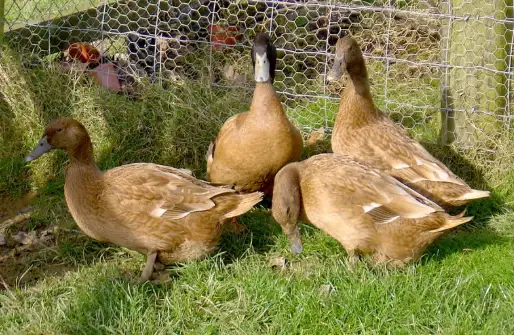
If your agribusiness goal is consistent, daily cash flow through egg production, the Khaki Campbell is your best choice. Routinely laying up to 300 large, rich eggs per year, they easily rival commercial chicken layers while maintaining far better disease resistance.
Indian Runner and Indigenous Varieties
Indian Runner ducks stand uniquely upright like wine bottles and are primarily deployed by organic farmers for pest control because they rapidly clear out snails, slugs, and crop-damaging insects. Conversely, Indigenous local ducks are incredibly cheap to buy (starting at KES 500) and practically indestructible, but their slow 6-month maturity makes them entirely unsuitable for commercial scaling.
Where to Buy Ducklings in Kenya: Verified Sourcing Guide
Because the commercial waterfowl supply chain in Kenya is highly decentralized, finding a steady stream of 1,000 to 10,000 birds requires connecting with specific, verified breeding hubs.
The following registered enterprises, hatcheries, and equipment networks provide legitimate parent stock, fertilized hatching eggs, and incubation setups across Kenya.
1. Ziwani Poultry Farm
Ziwani Poultry Farm is one of the most prominent, specialized waterfowl breeding setups in East Africa. Unlike general poultry farms, they maintain dedicated, biosecure internal and external enclosures specifically for rare poultry and waterfowl varieties. They supply day-old and week-old ducklings, as well as fertilized hatching eggs. +1
- Available Breeds: White Pekin, Khaki Campbell, Muscovy, Mallard, Blue Swedish, and Black Swedish.
- Pricing Guide: Fertilized duck eggs retail at KES 200 each. Day-old duckling minimum orders start at 3 birds per purchase.
- Physical Location: Ngoliba, approximately 25 kilometers from Thika Town, along the Thika-Garissa Road, Kiambu County.
- Official Website: https://www.ziwanipoultry.com or https://www.ziwanipoultry.com/duck-breeds/
- Email Contact: [email protected]
- Telephone: +254 (0) 708 923991
2. UrbanFresh (Livestock Division)
UrbanFresh runs a structured digital and physical agricultural livestock marketplace that bridges the gap between commercial buyers and vetted poultry breeders. Through their platform, large-scale farmers can source multi-age duck stock directly.
- Available Breeds: Pekin, Muscovy, and Rouen ducks.
- Age Availability: Day-olds, 1-month-olds, 2-month-olds, and fully mature parent stock.
- Physical Location: APA Building along Argwings Kodhek Road, Nairobi, Kenya.
- Official Website: https://livestock.urbanfresh.co.ke, direct link https://livestock.urbanfresh.co.ke/?s=duck&post_type=product
3. The Self-Incubation Route: Neochicks Poultry Ltd
Because corporate chicken giants (like Kenchic) do not run commercial duckling programs, scaling a farm to a 10,000-bird capacity often requires self-reliance. The most sustainable approach for high-volume producers is to source bulk fertilized eggs from farms like Ziwani, and hatch them on-site.
Neochicks Poultry Ltd is a verified, leading manufacturer and distributor of advanced, fully automatic commercial egg incubators tailored for the Kenyan market.
- Infrastructure Available: Fully automatic electric and solar-powered incubators ranging from 56-egg capacity up to 20,000-egg industrial units (featuring modern digital temperature controls ideal for the 28 to 35-day waterfowl incubation cycle).
- Physical Location: Nairobi, Kenya.
- Official Website: https://neochickspoultry.com
- Telephone: +254 (0) 707 787884
Crucial Waterfowl Procurement Rules
- Account for Incubation Timelines: Pekin, Khaki Campbell, and Swedish duck eggs take exactly 28 days to hatch. Muscovy eggs require 35 days. If you are ordering day-olds in bulk, book your slots with breeders at least a month in advance.
- Verify the Minimum Order Rules: Hatcheries like Ziwani require a minimum order threshold for young birds to ensure the ducklings can huddle together and preserve body heat during transit.
- Secure Logistics: Always arrange transport during the coolest parts of the day (early morning) and ensure your brooder is pre-heated with wood shavings and glucose-replenished water waiting before the flock arrives.
Duck Farming Startup Costs in Kenya (1K–10K Birds)
Startup costs depend on scale. Land is the first requirement. You can lease rural land cheaply. Peri-urban land is more expensive. You need good drainage. Water access is critical for ducks. Ducks drink a lot of water. They also need it for cleaning.
Housing Construction Costs
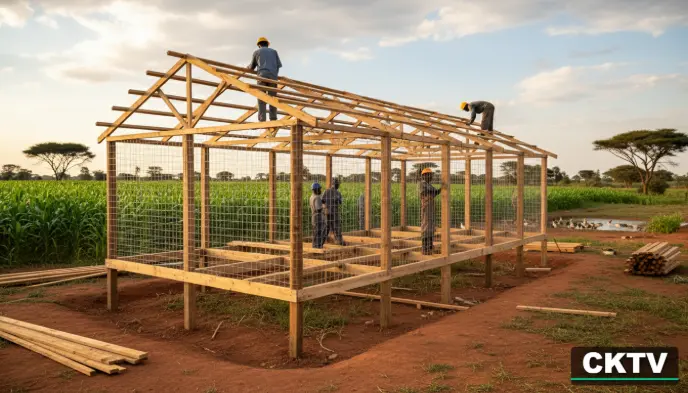
Ducks need semi-intensive systems. Deep litter is a common choice. Free-range shelters are cheaper. You need durable roofing. Iron sheets are standard. Fencing is vital for safety. Predators can kill your flock. Dogs and mongooses are dangerous. Budget for high-quality chain link.
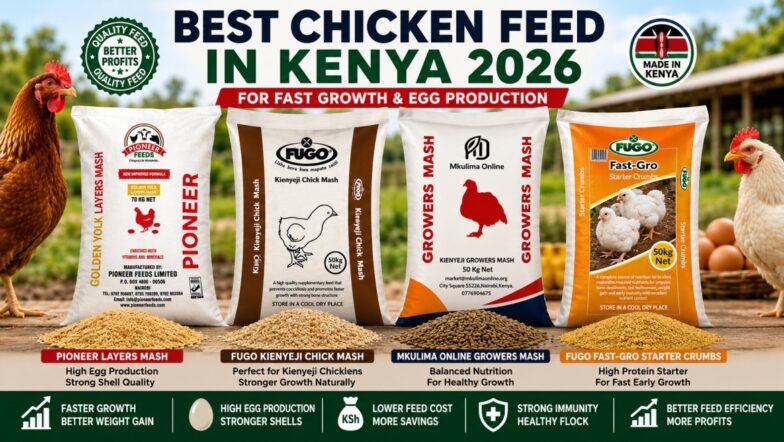
Read Also: Best Chicken Feed in Kenya 2026 for Fast Growth & Egg Production
A house for 1,000 ducks costs KES 150,000. This uses local timber and mesh. Concrete floors are best. They are easier to clean. They prevent moisture buildup. Moisture causes many duck diseases. Keep the floor dry and clean.
Cost of Ducklings in Kenya
Hatchery pricing varies by breed. Pekin ducklings are expensive. They cost KES 180 to 250. Muscovy ducklings are cheaper. They cost KES 150 to 200. Buy only vaccinated ducklings. Transport causes high stress. Plan for short travel times. Use ventilated crates for transport.
Feeding Costs
Feed is 70% of costs. Poor management kills your profit. You must use high-quality feed. Starter feed is for ducklings. It has the most protein. Growers feed follows after 3 weeks. Finishers are for meat ducks. Layer feed is for egg production.
Ducks eat more than chickens. You must balance the cost. Supplement with local greens. Use aquatic plants like Azolla. This reduces your commercial bill. Total feed cost for 1,000 ducks is KES 350,000. This covers the full cycle. Management determines the final cost.
Water Infrastructure Costs
Ducks need specialized drinkers. Standard chicken drinkers get dirty. Use troughs for easy cleaning. Piping and tanks are necessary. Large flocks need constant supply. Drainage is the biggest challenge. Muddy areas breed pathogens. Use gravel around water points.
Labor Costs
You need dedicated attendants. They must clean every day. Feeding schedules must be strict. One person can manage 1,000 ducks. Scaling requires more labor. Mechanical feeders help larger farms. Budget KES 15,000 per worker. This includes basic housing and food.
Vaccination and Medication Costs
Ducks need few vaccines. Deworming is the main task. Worms affect growth rates. Use supplements for better health. Mortality management is key. Keep a medicine kit ready. Budget KES 10 per bird. This covers the entire cycle. Prevention is always cheaper than cure.
Duck Housing Requirements in Kenya
Housing must be comfortable. Proper design reduces disease. It also improves growth rates. Ducks produce wet droppings. This makes moisture control difficult. You must prioritize ventilation. Fresh air is essential for ducks. It removes ammonia and heat.
Space Requirements Per Duck
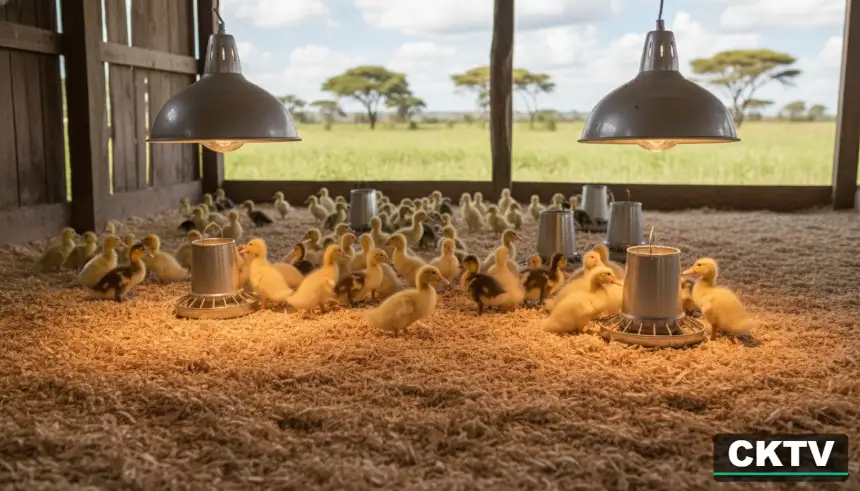
Ducks need more space than chickens. Give them 4 square feet each. Overcrowding leads to stress. It also causes wet bedding. Free-range needs 10 square feet. This allows for natural behavior. It keeps the birds happy. Happy ducks grow faster.
Ventilation and Airflow
Ammonia buildup is dangerous. It causes respiratory stress. It can blind your ducks. Ensure high ceiling gaps. Use wire mesh for walls. This allows maximum airflow. Moisture control is your goal. A dry house is healthy. Use wide roof overhangs for rain.
Bedding Materials
Wood shavings are very popular. They absorb moisture well. Rice husks are another option. They are cheap in Mwea. Straw is also used frequently. Change bedding every week. Do not let it cake. Caked bedding hurts duck feet. This leads to bumblefoot infections.
Predator Protection
Dogs are the biggest threat. Mongooses can kill many ducklings. Hawks hunt from the sky. Snakes eat duck eggs. Use strong perimeter fencing. Bury the mesh 1 foot deep. This stops digging predators. Keep the grass short outside. This removes hiding spots for snakes.
Free-Range vs Intensive Housing
The following table compares the two main housing strategies used by Kenyan duck farmers for commercial meat and egg production.
| Feature | Intensive System | Free-Range System |
|---|---|---|
| Capital Cost | High | Low |
| Disease Risk | Moderate | Low |
| Growth Speed | Very Fast | Moderate |
| Feed Cost | High | Lower |
Complete Duck Feeding Guide in Kenya
Feeding is a science. You must meet nutritional needs. Protein is for muscle growth. Carbohydrates provide energy. Minerals strengthen the eggshells. Vitamins boost the immune system. Fresh water must be available. Without water, ducks cannot eat.
Duck Feeding Schedule by Age
Week 1 to 2 is critical. Use high-protein starter crumbs. This builds a strong frame. Week 3 to 4 transition to growers. This supports rapid weight gain. Week 5 to 8 use finishers. This adds the final fat. Layers need calcium-rich mash. Breeders need special breeder pellets.
What Ducks Eat in Kenya
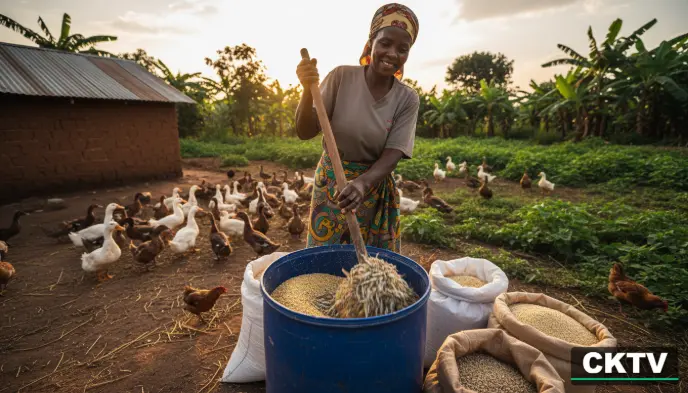
Ducks eat many local items. Use omena for protein. Maize germ provides energy. Wheat pollard is good filler. Rice bran is very affordable. Give them fresh greens daily. Azolla is a superfood. Termites are great treats. BSF larvae are excellent protein. Use kitchen leftovers sparingly.
Homemade Duck Feed Formula
Mixing feed saves money. You control the quality. A 100kg bag needs 50kg maize. Add 20kg of protein sources. Include 10kg of vitamins/minerals. Add 20kg of bran or pollard. Ensure the protein balance is right. Calcium is needed for layers. Energy comes from the maize.
Commercial feed is more reliable. Homemade feed has high risks. Poor formulation kills growth. Fake ingredients are common. Only mix if you have experience. Use a reputable premix supplier. Test your feed on small groups. Watch for growth changes daily.
Daily Feed Intake Chart
The table below shows the average daily feed consumption per bird to help farmers plan their procurement and logistics.
| Age of Duck | Grams Per Day | Total Feed Needed (1k birds) |
|---|---|---|
| Week 1 | 30g | 30kg |
| Week 4 | 120g | 120kg |
| Week 8 | 180g | 180kg |
| Adult Layer | 160g | 160kg |
Water Requirements for Ducks
Ducks are water birds. They need drinking water always. They also need cleaning water. They wash their eyes frequently. This prevents infections and blindness. Pond myths are common today. Ducks do not need ponds. They only need deep basins. They must submerge their heads.
Dirty water spreads disease quickly. Clean the basins every morning. Provide good drainage for spills. Mud attracts many harmful bacteria. Management of wetness is vital. Keep the drinking area separate. This keeps the sleeping area dry. Ducks are messy with water.
Regional comparative analysis: Where is the best place to farm ducks?
Central Kenya offers the best proximity to high-value Nairobi markets, while the Lake Region (Kisumu/Homa Bay) provides the ideal climate and natural water sources for low-cost Muscovy farming. Coastal regions are excellent for meat production due to high demand from the tourism sector.
Your location dictates your cost of production and your ease of market access. In Kiambu and Murang’a, feed is readily available from major millers in Thika and Nairobi, but land is expensive. Farmers here focus on intensive Pekin farming, utilizing small spaces and high-quality commercial feeds to produce birds for the city’s meat shops. The cooler climate also helps in reducing heat stress during the brooding phase.
Read Also: Broiler Farming in Kenya 2026: Complete Guide to Broiler Feed, Costs & Profit
In the Rift Valley (Uasin Gishu/Nakuru), ducks are often integrated with crop farming. The abundance of maize and wheat by-products allows farmers to mix their own feed, significantly reducing costs. The vast land allows for free-range periods where ducks can clean up harvested fields, eating shattered grain and pests. This integrated approach makes Rift Valley duck farming one of the most sustainable models in the country.
The Lake Region (Kisumu/Siaya) is the ancestral home of duck keeping in Kenya, specifically for Muscovies. The humid climate and proximity to Lake Victoria provide a natural environment where ducks can forage for snails and aquatic plants. This reduces the reliance on commercial feeds, making it the best region for low-input, high-margin farming. However, market access to Nairobi can be a challenge due to transport costs.
The Coastal Strip (Mombasa/Kilifi) has a unique advantage: the tourism industry. Hotels and resorts are the largest consumers of premium duck meat. However, the heat can be a challenge. Farmers here must invest in well-ventilated housing and breeds like the Muscovy that handle high temperatures better than the heavy-feathered Pekin. High humidity also increases the risk of fungal infections in feed, requiring strict storage protocols.
| Region | Primary Advantage | Major Challenge | Recommended Breed |
|---|---|---|---|
| Central Highlands | Market Proximity | High Land Cost | Pekin |
| Rift Valley | Cheap Feed Access | Cold Nights (Brooding) | Pekin / Campbell |
| Lake Region | Water Resources | Predation (Monitor Lizards) | Muscovy |
| Coastal Region | Hotel Demand | Heat Stress / Humidity | Muscovy |
Duck Diseases in Kenya and Prevention
Ducks are naturally very hardy. However, they are not immortal. You must follow biosecurity rules. Footbaths are mandatory for visitors. Control all visitor access strictly. Isolate sick birds immediately. Follow a strict cleaning schedule. Use disinfectants like Virkon or ViralFX.
Duck Cholera
Symptoms include sudden death. You will see green diarrhea. Respiratory distress is very common. Prevention is through hygiene. Keep the water clean daily. Treatment uses specific antibiotics. Consult a vet for dosage. Do not guess the medicine.
Duck Viral Hepatitis
This affects young ducklings. It causes very high mortality. Ducklings die within hours. There is no real treatment. Vaccination is the only way. Buy birds from reputable hatcheries. Keep different age groups separate. This prevents the virus spread.
Newcastle Disease and Worms
Ducks rarely show Newcastle symptoms. However, they can carry it. They can infect your chickens. Worm infestations are very common. They cause stunted growth. Deworm your ducks every month. Internal parasites eat your profits. External mites need regular spraying.
Common Duck Farming Mistakes in Kenya
Starting without a market is fatal. You must know your buyer. Overcrowding causes disease and stress. Poor drainage creates a mess. Underestimating feed costs is common. Farmers run out of money. Poor record keeping hides losses. You must track every shilling.
Mixing age groups is risky. Older birds bully the young. They also pass on diseases. Buying weak ducklings is expensive. Always inspect before you pay. Relying on brokers is bad. They take all your profit. Build direct links with hotels. Use social media for marketing.
Duck Egg Production in Kenya
Khaki Campbells are the best. They lay 300 eggs annually. Lying cycles last for months. Duck eggs are very large. They are rich in fats. Fertility rates depend on drakes. Use 1 drake for 5 ducks. This ensures high hatch rates. Collect eggs twice daily.
Store eggs in cool places. Do not wash them roughly. This removes the protective coating. Market them to high-end bakeries. Bakers love duck eggs. They make cakes very fluffy. Target the health-conscious urban market. Duck eggs sell for KES 30.
Is Duck Farming Profitable in Kenya?
Profit comes from meat sales. Each bird costs KES 1,100. This includes feed and medicine. Selling price is KES 2,000. Your margin is KES 900. With 1,000 ducks, profit is huge. It takes only 2 months. This is faster than farming. The turnover is very rapid.
Egg production offers daily cash. It is more stable income. Breeding stock is also profitable. Selling day-old ducklings is lucrative. Hatchery opportunities are growing now. You need a good incubator. You also need quality breeders. This is a high-skill business.
Sample Profit Calculation for 1,000 Ducks
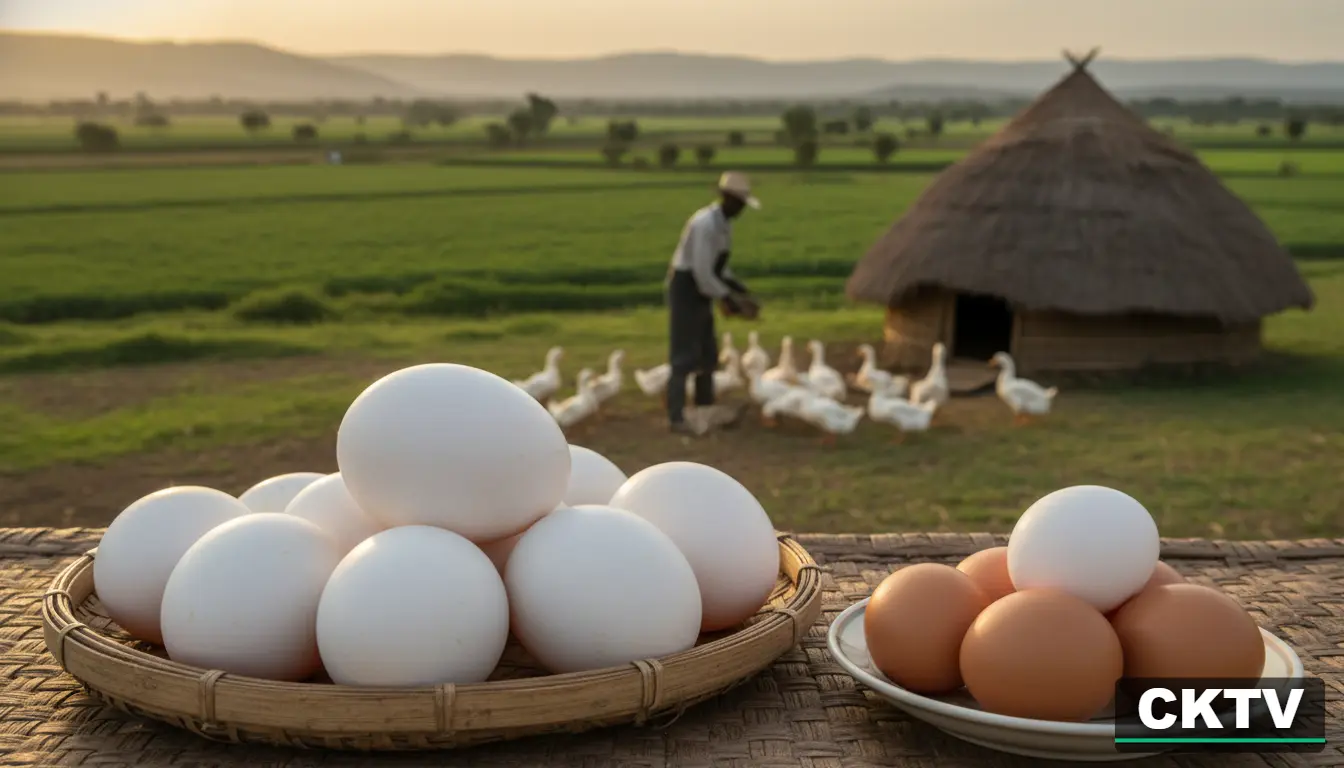
Duckling costs: KES 200,000. Feed for 8 weeks: KES 350,000. Mortality at 5%: 50 birds. Labor and utilities: KES 50,000. Total investment: KES 600,000. Sales (950 birds x 1,800): KES 1,710,000. Net profit: KES 1,110,000. This is very realistic math. Farmers who manage well win.
Scaling From 1,000 to 10,000 Ducks
Scaling brings economies of scale. You buy feed in bulk. This saves KES 200 per bag. You can hire specialized labor. You can secure contract buyers. Supermarkets want large steady volumes. Mechanization becomes necessary now. Automatic drinkers save a lot. Use conveyors for manure removal.
Where to Sell Ducks in Kenya
Target hotels in big towns. Supply butcheries in high-end estates. Supermarkets are looking for variety. Restaurants need consistent supply weekly. Live bird markets are traditional. Direct consumers pay the best. Use Facebook and TikTok selling. Farm gate buyers are convenient. Avoid brokers during festive seasons.
Duck Farming vs Chicken Farming in Kenya
This table summarizes the primary differences between ducks and chickens for Kenyan entrepreneurs deciding on their next poultry venture.
| Factor | Duck Farming | Chicken Farming |
|---|---|---|
| Disease Resistance | Very High | Moderate/Low |
| Feed Cost per Bird | Higher | Moderate |
| Market Competition | Low | Very High |
| Water Needs | High | Moderate |
Best Time to Start Duck Farming in Kenya
Rainy seasons provide free water. Feed availability is better then. Festive demand is very high. Christmas and Easter are peaks. Temperature stress is lower then. Avoid starting in extreme heat. Heat reduces duckling survival rates. Plan for 2 months maturity. Target the peak sales months.
Can Ducks and Chickens Be Raised Together?
Disease transfer is a risk. Management challenges are many. Feed competition is very high. Ducks eat much faster. They also make everything wet. This makes chickens get sick. It is better to separate. Use different housing and runs. This keeps everyone safe and healthy.
Duck Farming Tips for Beginners
Start small and learn. Secure your market first. Keep very detailed records daily. Learn about feeding and nutrition. Avoid overexpansion in year one. Monitor mortality every single day. Buy quality foundation stock always. Listen to experienced local farmers. Join duck farming WhatsApp groups.
2026 Outlook: Is Duck Farming worth it?
Yes, duck farming is one of the most undervalued agribusinesses in Kenya for 2026. With lower disease risks than broilers and a rapidly expanding niche market, it offers a secure ROI for farmers who prioritize high-quality genetics and aggressive local marketing over traditional supply chains.
The Hard Truth about duck farming is that it is not a get rich quick scheme. It requires discipline, especially in moisture management and feed quality. However, as the Kenyan population becomes more urbanized and the Kuku Porter market becomes saturated, ducks represent the next frontier. The barrier to entry is low, but the ceiling for growth is incredibly high.
If you have KES 100,000 and a small piece of land, do not spread yourself thin. Start with 100 Pekin ducks, focus on hitting that 3kg weight in 8 weeks, and build your own customer list on WhatsApp. In the 2026 economy, the farmer who owns the relationship with the consumer is the one who keeps the profit. The future of duck farming lies in local specialization rather than mass-market competition.
Finally, keep an eye on government policy. There are ongoing discussions about including duck meat in school feeding programs in some counties to improve nutritional intake. If this happens, the demand will explode overnight. Positioning yourself as a certified, clean, and reliable supplier today will give you a significant head start when the market eventually goes mainstream.
Frequently Asked Questions (FAQ)
Is Duck Farming More Profitable Than Chicken Farming in Kenya?
Yes. Ducks have lower mortality and higher meat weight. Margins per bird are KES 400 to 1,000. Chicken margins are often below KES 100.
How Many Ducks Should a Beginner Start With in Kenya?
Start with 50 to 100 ducks. This allows you to learn water management. You can also test your local meat market safely.
What Is the Best Duck Breed for Meat Production in Kenya?
The Pekin duck is the best choice. It matures in 8 weeks. It reaches 3kg very fast. It has the best feed conversion.
How Much Does It Cost to Start a 1,000-Duck Farm in Kenya?
You need about KES 550,000. This covers a basic house, ducklings, and feed. Labor and vaccines are also included in this.
What Do Ducks Eat for Faster Growth and Egg Production?
Use a mix of commercial pellets and omena. Add fresh greens and Azolla. Ensure they have constant access to clean water.
Can Ducks Be Raised Without a Pond in Kenya?
Yes. They only need deep drinking basins. They must submerge their heads to clean nostrils. A swimming pond is not mandatory.
How Many Eggs Can a Duck Lay Per Year?
Khaki Campbell ducks lay 300 eggs. Pekin ducks lay about 150 eggs. Local ducks lay 50 to 80 eggs per year.
What Are the Most Common Duck Diseases in Kenya?
Duck Cholera and Duck Viral Hepatitis are common. Worms also affect growth. Most are prevented by high hygiene standards.
Where Can Farmers Sell Duck Meat and Duck Eggs in Kenya?
Sell to Chinese restaurants, major hotels, and Airbnbs. Use social media like Facebook. Target urban butcheries and premium supermarkets.
How Long Does It Take Ducks to Reach Market Weight?
Pekin ducks take 7 to 9 weeks. Muscovy ducks take 10 to 12 weeks. Local ducks can take 6 months.