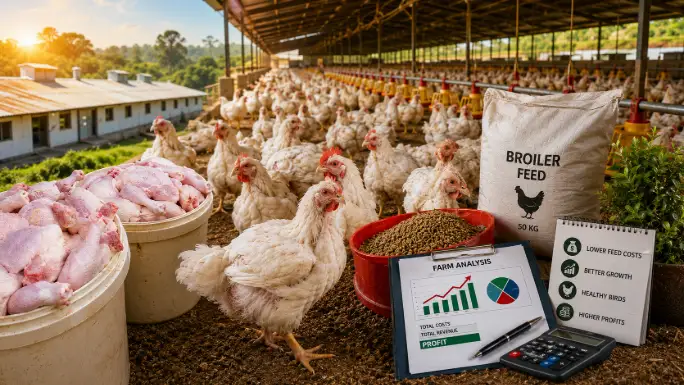

- A 50kg bag of commercial broiler feed now costs between KES 4,200 and KES 4,600.
- Starting a 100-bird broiler farm requires a strict capital budget of KES 55,000 to KES 60,000.
- Successful farmers achieve a Feed Conversion Ratio of 1.6 by week five using quality inputs.
Table of Contents
Broiler farming in Kenya is a fast-paced business driven by strict data and feed management. Rising input costs mean guesswork will quickly lead to massive financial losses. This guide provides brutal truths and exact 2026 figures to help you secure real profits.
The Broiler Farming Reality in 2026
Broiler demand in Kenya is exploding in 2026 due to expensive beef and rapid fast-food growth. However, high feed prices have turned broiler farming into a strict data business. Only farmers who track their Feed Conversion Ratio survive today.
The local demand for white meat has never been higher. Beef and goat meat prices have skyrocketed across local markets. This shift pushes urban consumers directly toward chicken.
Fast-food restaurants are also expanding rapidly in major Kenyan towns. From what many farmers experience in regions like Kiambu and Machakos, securing direct restaurant tenders is highly lucrative. Chicken is now a daily staple rather than a luxury meal.
Despite this massive demand, many farmers are currently operating at a severe loss. The main culprit is the harsh reality of global supply chains. Commercial feed prices have crossed KSh 4,500 per bag.
Feed now eats up over 70 percent of your total revenue. Broiler farming is no longer a casual side hustle. It is a highly analytical data business.
You must track every gram of feed your birds consume daily. Understanding the Feed Conversion Ratio is your only shield against bankruptcy. Precision farming separates wealthy agribusiness owners from frustrated beginners.
Why Most Broiler Farmers Fail in Kenya
Most farmers fail because they buy expensive poor-quality chicks and ignore daily feed records. Poor ventilation, dirty water, and delayed market planning also wipe out profit margins. Selling during periods of market oversupply guarantees heavy financial losses.
The Feed Cost Crisis
Feed is the absolute biggest expense in poultry production today. High global fuel prices make local manufacturing very expensive. Buying cheap low-protein feed actually stunts bird growth completely.
You end up feeding birds longer while losing money daily. The true cost of cheap feed is a ruined flock. Quality nutrition is non-negotiable for fast maturity.
Poor Quality Chicks
Many beginners fall for cheap day-old chicks from unverified local hatcheries. These fake hatcheries sell birds with terrible genetic potential. The chicks suffer high mortality rates within the first week.
Weak genetics mean the birds will never reach market weight on time. Poor hatchery handling stresses the birds before they even arrive. Always verify the source of your chicks.
Poor Management Practices
Overcrowding birds leads to rapid disease spread and severe heat stress. Poor ventilation traps toxic ammonia inside the deep litter house. Dirty water systems introduce deadly bacterial infections.
Basic hygiene failures destroy entire flocks overnight. You must treat your poultry house like a sterile hospital ward. Clean environments produce incredibly healthy and heavy birds.
Lack of Market Planning
Never wait until maturity to look for meat buyers. This forces you to accept gross broker exploitation. You must secure your market during week two of production.
Selling during festive oversupply periods forces massive price drops. Holding mature birds simply burns through expensive finisher feed. Plan your harvest dates meticulously.
Farming Without Data
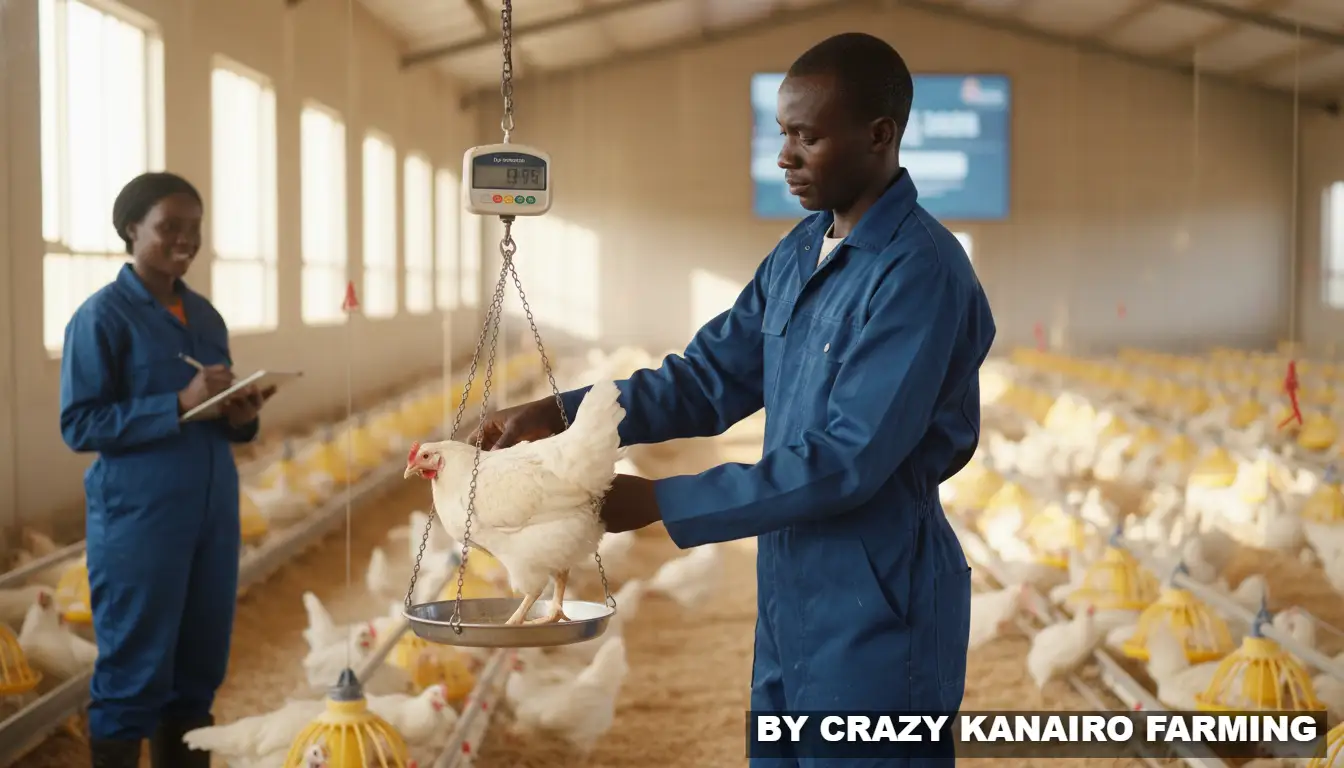
Guesswork management is the fastest route to bankruptcy. You cannot manage what you do not measure. Not weighing birds weekly leaves you completely blind to growth stagnation.
Not tracking daily feed intake hides massive feed theft or wastage. Professional farms weigh their birds every seven days. They record every single mortality to spot disease trends instantly.
Risks & Reality Check: The Hard Truths
Broiler farming carries extreme risks like viral disease wipeouts and sudden feed price spikes. A flooded local market can force you to sell birds below production cost. Success requires heavy biosecurity and proactive local marketing.
Farming is unpredictable, and broiler rearing is exceptionally sensitive. Newcastle disease can wipe out an entire flock in just three days. Strict biosecurity and cold-chain vaccination are your only defenses.
Market gluts happen frequently after major holidays. Thousands of farmers flood the market with mature birds simultaneously. This drastically lowers farm-gate prices and hurts your expected return on investment.
Read Also: Poultry Farming in Kenya 2026: Complete Guide to Profitable Improved Kienyeji Chicken
Feed quality fluctuates widely among local millers. A bad batch of contaminated feed can cause severe liver damage to your birds. Always stick to highly reputable commercial feed brands to mitigate this risk.
Is Broiler Farming Still Profitable in Kenya in 2026?
Yes, broiler farming remains highly profitable for farmers who maintain an optimal Feed Conversion Ratio and keep mortality below five percent. Scaling efficiently and selling at 35 days prevents you from wasting expensive finisher feed.
The Brutal Truth About Profit
Some farmers make huge margins while others lose everything entirely. The difference lies entirely in operational efficiency. There are no magical shortcuts to bypass high feed costs.
You must maximize weight gain in the shortest time possible. Every wasted day adds direct costs to your ledger. Discipline brings massive financial rewards in this sector.
Understanding FCR
Feed Conversion Ratio is the true measure of your farm’s success. It shows exactly how much feed creates one kilogram of meat. An ideal FCR target for a 35-day bird is 1.6.
A poor FCR destroys profit because birds eat without gaining weight. If your FCR crosses 2.0, you are officially operating at a loss. Keep your feed fresh and perfectly balanced.
Mortality Benchmarks
An acceptable mortality rate is strictly below five percent per flock. Anything above this benchmark eats directly into your net profit margin. Early chick deaths are usually tied to terrible brooding conditions.
Late deaths are often caused by poor ventilation or sudden disease outbreaks. Manage your climate control carefully to keep birds alive. Every surviving bird is literal money in your pocket.
35-Day vs 42-Day Farming
Fast turnover provides massive commercial advantages. Selling at 35 days reduces your total feed consumption significantly. The birds are perfectly tender and widely accepted by local fast-food joints.
Overgrowing birds beyond 42 days offers diminishing financial returns. They consume far more food but add very little extra muscle mass. Sell them early to secure your profit.
Cost of Starting Broiler Farming in Kenya
Starting a 100-bird broiler batch requires approximately KES 58,000. Feed alone will consume about KES 36,800 of this budget. Hidden expenses like heating fuel, transport, and manual labor drastically alter your actual break-even point.
Startup Budget for 100 Birds
You must budget accurately to avoid starving birds later. Day-old chicks will cost about KES 10,500. You need exactly eight bags of feed costing roughly KES 36,800.
Vaccines and essential vitamins will consume KES 2,000. Basic equipment like feeders and drinkers costs around KES 3,500. Heating fuel for brooding demands at least KES 2,500.
Wood shavings and strong disinfectants add another KES 1,000. Your total direct cost is roughly KES 56,300. Always keep a small emergency fund for unexpected veterinary costs.
Budget for 500 and 1000 Birds
A 500-bird flock requires an investment of roughly KES 280,000. Bulk purchasing can slightly reduce your feed transport costs. However, the risk factor multiplies five times over.
A 1000-bird commercial operation demands over KES 550,000 in capital. You will need hired labor and larger automated equipment. Always scale slowly after mastering systems with smaller flocks.
Hidden Costs Farmers Ignore
Electricity bills can spike dangerously during the brooding phase. Clean water delivery costs money if you lack a reliable borehole. Transporting heavy feed bags from the agrovet adds hidden logistics fees.
Read Also: 10 Best Chicken Egg Incubators in Kenya (2026 Guide + Hatching Tips)
Labor costs must be calculated even if you do the physical work yourself. Heating fuel prices fluctuate during cold rainy seasons. Track these hidden pennies to protect your final shillings.
Broiler Price Estimates in Kenya 2026
Day-old chicks cost between KES 100 and KES 110. Commercial broiler feed averages KES 4,500 per 50kg bag. Retail broiler meat prices range from KES 550 to KES 650 per kilogram in urban markets.
Current Input Prices
Quality day-old chicks from reputable brands cost KES 105 today. Starter mash prices hover around KES 4,600 per 50kg bag. Grower pellets average KES 4,400 per bag.
Finisher feeds currently cost roughly KES 4,300 depending on your exact location. Rural farmers pay slightly more due to heavy transport logistics. Buy in bulk to negotiate fair discounts.
Broiler Market Prices Per Kg
Market rates fluctuate based on location and seasonal demand. Wholesale buyers usually pay KES 400 to KES 450 per live kilogram. Direct retail sales can fetch up to KES 650 per dressed kilogram.
Selling whole dressed birds brings much higher overall returns. Fast-food restaurants buy strictly by the kilogram. Ensure your birds are uniformly heavy to command premium prices.
Best Broiler Breeds in Kenya
The Cobb 500 and Ross 308 remain the most profitable broiler breeds in Kenya. They offer superior growth speed, excellent feed efficiency, and robust meat yield. Arbor Acres is also highly popular for its hardiness.
Comparing breeds is critical before placing an order. Some breeds perform better in hot coastal climates. The table below highlights the performance of top commercial breeds available in Kenya today.
Review this table to match the right genetic profile to your specific business goals.
| Breed Name | Growth Speed | Feed Efficiency | Key Commercial Benefit |
|---|---|---|---|
| Cobb 500 | Extremely Fast | Exceptional (Low FCR) | Reaches slaughter weight fastest on less feed. |
| Ross 308 | Fast | Excellent | Produces heavy breast meat for premium processing. |
| Arbor Acres | Moderate-Fast | Good | Highly tolerant to severe heat stress in hot regions. |
Cobb 500 Commercial Advantages
The Cobb 500 is the undisputed king of fast growth. It processes commercial feed into muscle tissue incredibly well. You save money daily because it reaches market weight days earlier than rivals.
Ross 308 and Arbor Acres
The Ross 308 delivers massive breast meat yield. This makes it perfect for farmers supplying high-end hotels. Arbor Acres provides excellent hardiness for rural farmers facing unpredictable local temperatures.
Where to Buy Broiler Farming Inputs in Kenya
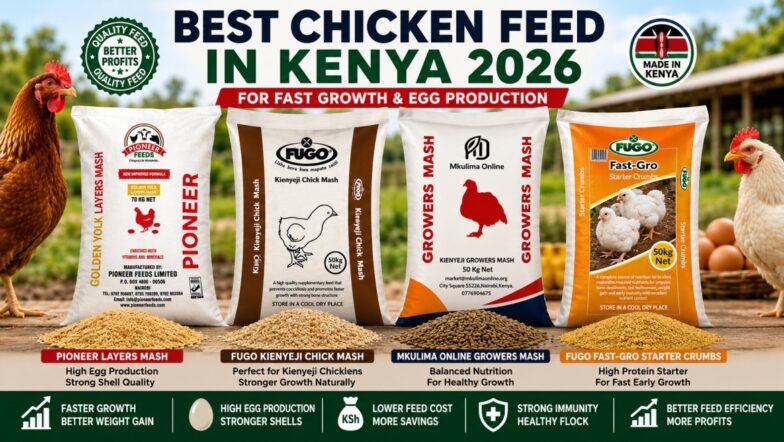
Always source day-old chicks directly from certified hatcheries like Kenchic Limited or Uzima Chicken. Buy commercial feed from established millers like Unga Farm Care to guarantee protein quality and avoid toxic molds.
Sourcing Certified Chicks
You must source from verified agricultural institutions to protect your investment. Unbranded hatcheries sell weak chicks that die easily. Demand official vaccination certificates before taking delivery of any chicks.
Kenchic Limited remains the primary market leader in Kenya. You can reach their technical sales team via phone at HQ: +254 722 202 163
Foods: +254 703 056 056
Day Old Chicks: +254 703 056 055, Email: [email protected]
Day Old Chicks: [email protected]. Visit their website at www.kenchic.com for verified booking agents.
Uzima Chicken is another excellent supplier of robust day-old chicks. Contact them at +254 (0) 715 847 232 OR +254 (0) 793 053 231 +254 715 847 232 or email i[email protected] They offer great rural distribution networks. Website https://www.uzimachicken.com
Procuring Quality Feed
Do not compromise on your primary feed supplier. Unga Farm Care provides strictly balanced nutritional feeds. Call their customer service at Customer Service Number: 0709772000
0707202020 / 0709772000 for direct factory orders.
How to Choose Quality Chicks
Buy chicks only from certified hatcheries to avoid severe genetic failures. Healthy chicks are highly vocal, active, and have clean dry vents. Avoid lethargic chicks or those showing extreme transport stress signs upon delivery.
Healthy Chick Signs
Quality chicks have bright clear eyes and soft dry fluff. Their navels should be completely healed and totally clean. They should actively seek water immediately after placement.
Hatchery Red Flags
Silent or huddled chicks indicate severe chilling or underlying disease. Pasty vents suggest early bacterial infections from the hatchery. Reject any boxes containing dead or gasping birds instantly.
Broiler Housing Requirements
A deep litter system requires four inches of clean dry wood shavings to absorb moisture. The house must align East-West to prevent direct sunlight and manage heat stress. Proper ventilation controls deadly ammonia buildup.
Deep Litter System Basics
The deep litter system is the most cost-effective setup in Kenya. You need dry wood shavings spread evenly on the concrete floor. Avoid fine sawdust because young chicks might eat it and die.
Turn the litter weekly using a simple rake. This prevents hard wet caking from forming on the surface. Dry litter stops deadly parasites from breeding inside the house.
Cage and Semi-Intensive Systems
Cage systems maximize small urban spaces efficiently. However, cages require high capital and cause breast blisters on heavy birds. Semi-intensive systems allow birds outside, but this severely ruins their fast feed conversion ratio.
Choosing the Best Location
Build your structure on elevated ground to ensure perfect rainwater drainage. Face the building East-West to block direct morning and afternoon sun. Good strong security is mandatory to prevent nighttime theft.
Ventilation and Airflow Management
Proper airflow removes toxic ammonia gas naturally and constantly. Use wire mesh walls completely covered with adjustable canvas curtains. Lower the curtains entirely during hot afternoons to prevent fatal heat stress.
Biosecurity Protocols
Strict biosecurity prevents devastating entire farm wipeouts. Install chemical footbaths at every single entrance door. Mix the disinfectant fresh every three days to maintain its killing power.
Read Also: Top 10 Deadly Chicken Diseases in Poultry Farming 2026: How to Protect Your Kienyeji Chicken (Guide)
Restrict outside visitors completely from entering the chicken house. Maintain strong rodent control using traps outside the perimeter. Isolate any sick birds immediately to stop viral spread.
Smart Technology in Broiler Farming
Modern farmers use digital temperature sensors and humidity monitors to prevent heat stress. Automated drinker lines ensure a constant supply of clean water without floor spillage. Farm record applications track daily feed consumption instantly.
Climate Monitoring Tools
Smart temperature sensors alert your smartphone when the house gets too cold. Humidity monitoring helps you control wet litter problems extremely early. These gadgets are cheap and readily available in Nairobi tech markets.
Automated Systems and Farm Apps
Nipple drinkers save massive amounts of water and prevent wet floors entirely. Automated feed pans reduce manual feed wastage significantly. Use basic mobile farm apps to record mortality and feed deliveries securely.
Equipment Needed for Broiler Farming
You need specialized brooders, infrared heat lamps, and accurate thermometers for the first two weeks. Invest in adjustable hanging feeders to match bird height and prevent feed spillage. A digital weighing scale is absolutely mandatory.
Feeders and Drinkers Setup
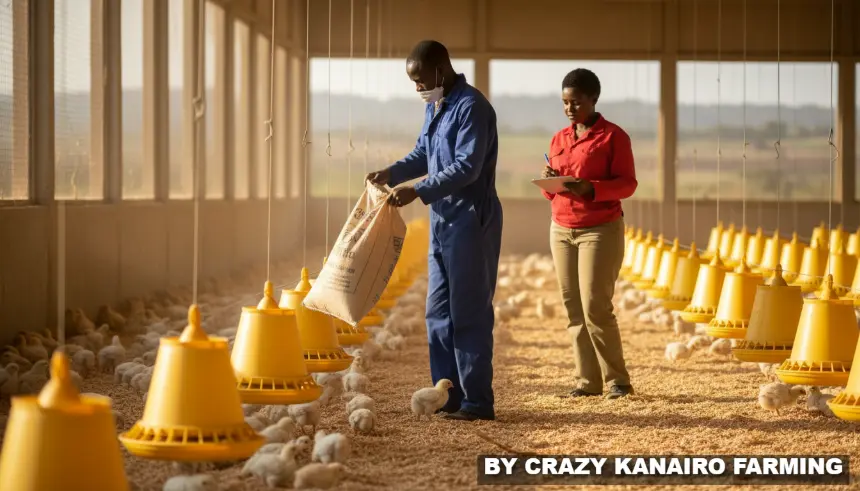
Start with shallow plastic chick trays for the first week. Transition smoothly to hanging tube feeders by day ten. Adjust the feeder height directly to match the birds’ backs.
This specific height prevents them from aggressively scratching out expensive feed. Clean the drinkers thoroughly every single morning. Slime buildup inside water pipes harbors deadly bacteria.
Brooding Heat Equipment
Charcoal jikos are common but pose dangerous carbon monoxide poisoning risks. Infrared electric heat lamps provide safe and highly consistent warmth. Always hang digital thermometers exactly at the chick level.
Brooding Management: The Make-or-Break Phase
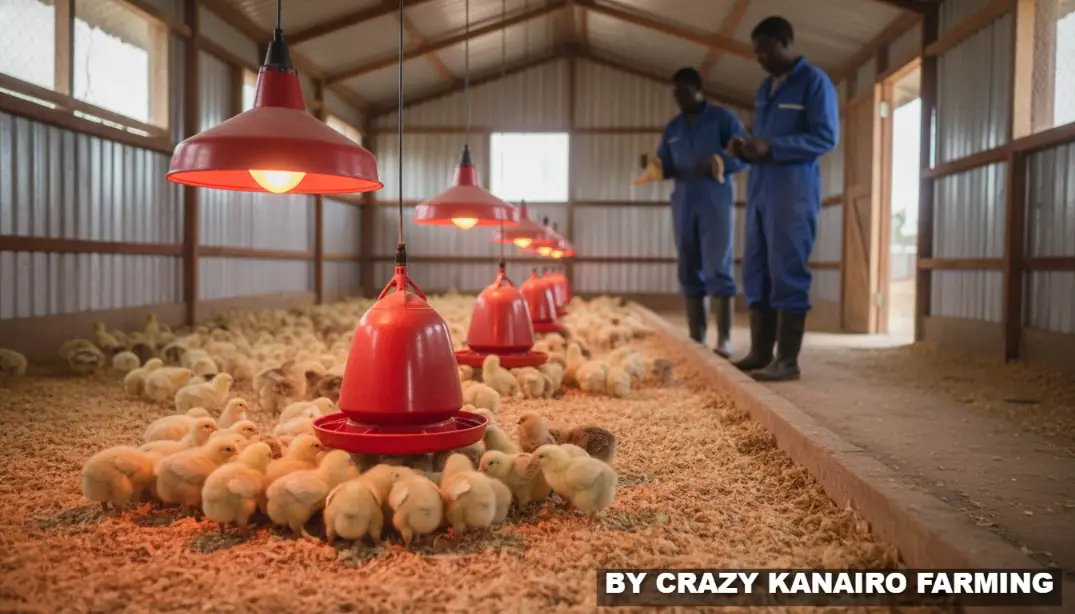
The first 72 hours determine the entire flock’s survival and growth potential. The brooder temperature must remain strictly at 33 degrees Celsius. Cold stress destroys their immune system instantly.
The First 72 Hours
Pre-heat the brooder exactly 24 hours before the chicks actually arrive. Dip their tiny beaks in water mixed with glucose upon arrival. This immediate energy boost counters heavy transportation stress.
Scatter feed closely around the heat source on clean paper. This encourages early eating habits immediately. The faster their gut develops, the faster they will eventually grow.
Brooding Temperature Guide
During week one, maintain exactly 33 degrees Celsius constantly. Drop this to roughly 30 degrees during the second week. By week three, aim for a highly comfortable 27 degrees.
Lighting Program
Provide 24-hour bright lighting during the first three critical days. This continuous light helps them find food and water easily. Afterward, introduce one hour of darkness daily.
Darkness prevents sudden heart attacks in fast-growing birds. Proper continuous lighting stimulates incredibly rapid early skeletal growth.
Signs Your Chicks Are Uncomfortable
Huddling tightly directly under the heat source means they are absolutely freezing. Panting with open wings against the far walls indicates highly dangerous heat stress. Happy healthy chicks scatter evenly and make soft cheerful noises.
Broiler Feeding Program in Kenya 2026
Feed chicks Starter mash for 14 days to build gut health. Transition to Grower feed for frame building until day 28. Use Finisher feed to load final market weight. A 100-bird flock consumes roughly eight 50kg bags.
Stage 1: Pre-Starter & Starter Feed
Starter feed must contain at least 23 percent pure crude protein. This high protein directly drives early skeletal and gut development. Feed texture must be fine enough for tiny beaks to swallow.
Stage 2: Grower Feed
Grower feed drops protein slightly to focus completely on muscle building. Transition the feed gradually over three days to prevent sudden diarrhea. Run this specific phase from day 15 to day 28.
Stage 3: Finisher Feed
Finisher feed is heavily loaded with high-energy carbohydrates. It forces rapid final weight gain and proper fat distribution. Feed this strictly until slaughter to achieve the desired market weight.
How Many Bags Do 100 Broilers Consume?
A flock of 100 birds requires very precise financial budgeting. Expect to use roughly two to three bags of Starter feed. You will need exactly three bags of Grower feed.
Finally, plan for three bags of heavy Finisher feed. This totals eight to nine full bags for a complete six-week cycle. Never underfeed birds to stretch your tight budget.
Weekly Feeding Schedule Table
Tracking weekly feed intake prevents massive budget overruns. The table below outlines the exact feed intake expectations for healthy commercial broilers.
Use these numbers to verify if your flock is eating correctly.
| Bird Age | Daily Feed Intake (g) | Expected Weight (g) | Daily Water Intake (ml) |
|---|---|---|---|
| Week 1 | 35 | 200 | 70 |
| Week 2 | 75 | 480 | 150 |
| Week 3 | 120 | 950 | 240 |
| Week 4 | 170 | 1,550 | 340 |
| Week 5 | 210 | 2,200 | 420 |
Feed Waste Management
Wasted feed is literal cash thrown directly onto the dirty floor. Raise feeders gradually as the birds physically grow taller. The lip of the feeder should align perfectly with the bird’s back.
Never fill manual hanging feeders more than half full. Overfilled feeders encourage aggressive pecking and massive spillage. Wet feed clumps must be removed instantly to prevent fatal mold.
Homemade Broiler Feed Formulation
Some farmers mix maize germ, soya meal, and fish meal to drastically cut costs. You need high-quality premixes and bone meal for proper calcium balance. However, poor manual balancing leads to severe protein deficiencies.
Read Also: How to Reduce Poultry, Pig & Dairy Feed Costs in Kenya Using BSF & Fodder (2026)
Dangers of homemade feed include extremely slower growth and weakened immune systems. Commercial feeds guarantee exact nutritional requirements every single time. Stick to commercial feeds unless you own professional mixing machinery.
Alternative Feed Cost Reduction Strategies
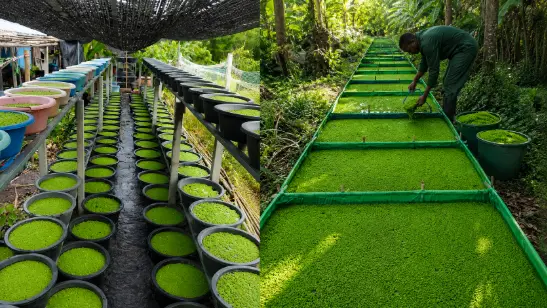
Black Soldier Fly (BSF) larvae offer an incredible protein boost. Azolla is a fast-growing water fern rich in cheap natural nutrients. Moringa leaves provide excellent vitamins and boost flock immunity.
However, never replace complete commercial feed entirely with these raw alternatives. Use them strictly as a ten percent dietary supplement. Full replacement completely halts their rapid genetic growth.
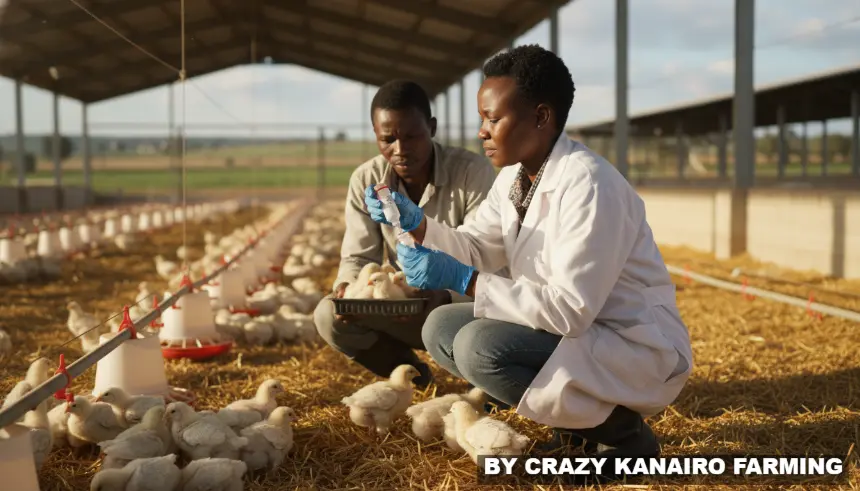
Smart Feed Cost Reduction Strategies in Broiler Farming 2026 Deep Analysis.
Commercial broiler feed prices are now brutally high in Kenya. Farmers depending fully on ready-made mash are operating under dangerous pressure. Serious poultry farmers in 2026 are now integrating partial on-farm feed systems to reduce costs without destroying bird performance.
The biggest mistake is replacing commercial feed blindly. Broilers grow extremely fast and require precise protein and energy levels. Poor substitutions immediately reduce weight gain, worsen Feed Conversion Ratio, and delay maturity. Smart farmers instead use strategic supplementation to lower costs gradually while maintaining performance.
Azolla for Broilers
Azolla is becoming one of the most discussed alternative poultry feeds in Kenya because of its rapid growth and high protein content. Farmers grow azolla inside lined ponds, containers, or shallow basins near poultry houses.
Fresh azolla can partially supplement feed costs, especially during grower stages. It also helps reduce pressure on expensive protein ingredients. However, excessive feeding lowers growth performance because azolla contains high moisture and lower energy compared to commercial mash.
Most serious farmers use azolla as a supplementary green protein source rather than a total feed replacement.
Black Soldier Fly (BSF) Farming
BSF farming is exploding in Kenya because of rising fishmeal and soya prices. Black Soldier Fly larvae contain extremely high protein levels and can dramatically reduce dependence on commercial protein concentrates.
Farmers rear BSF using organic waste, kitchen waste, fruit waste, and manure systems. Properly dried larvae can be mixed into homemade feed formulations to cut costs significantly.
BSF is especially powerful for farmers scaling beyond 500 birds where protein costs become financially brutal.
Sunflower and Protein Crops
Sunflower is increasingly being used in poultry feed systems because sunflower seed cake provides useful protein and oil content. Farmers growing sunflower can integrate it into homemade feed mixing systems.
Other protein crops some farmers are experimenting with include:
- Moringa leaves
- Sweet potato vines
- Lucerne
- Duckweed
- Desmodium
The goal is reducing reliance on costly commercial protein ingredients while maintaining steady growth.
Pumpkins and Energy Feed Sources
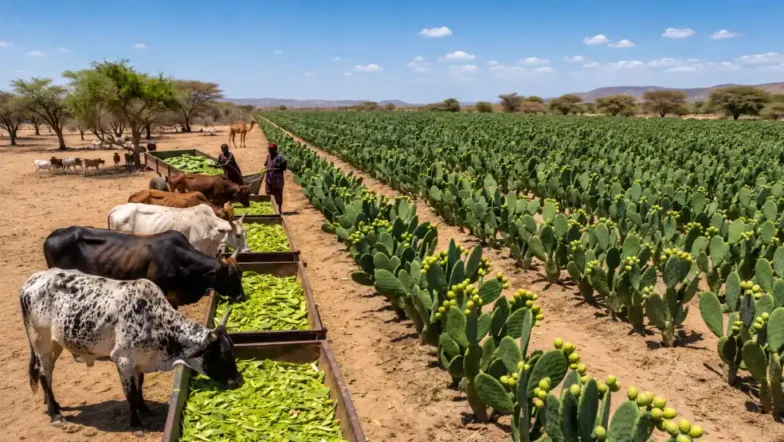
Pumpkins are becoming popular among small-scale poultry farmers because they grow easily and produce large biomass. Pumpkin flesh and seeds can supplement poultry diets, especially during periods of expensive maize prices.
Some farmers also use:
- Cooked sweet potatoes
- Cassava
- Maize germ
- Kitchen vegetable leftovers
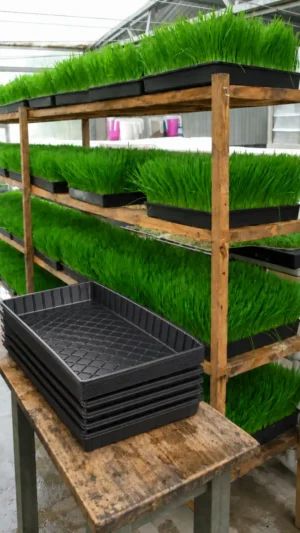
- Hydroponic fodder systems
These are not complete feeds. They are cost-reduction support materials.
The Power of a Feed Shredder Machine
One of the smartest investments for serious farmers in 2026 is a shredding or grinding machine. A shredder allows farmers to process pumpkins, greens, moringa, azolla, sunflower residue, fodder, and crop waste into manageable feed material.
Without proper shredding, birds waste large amounts of alternative feeds. Feed wastage silently destroys profits.
Farmers using shredders achieve:
- Better feed mixing consistency
- Reduced wastage
- Faster feed preparation
- Easier integration of homemade ingredients
- Lower daily feeding costs
For medium and large-scale farmers, feed processing equipment is becoming a survival tool, not a luxury.
The Brutal Truth About Alternative Feeds
Alternative feeding only works when farmers still maintain balanced nutrition. Many farmers destroy profits by trying to eliminate commercial feed completely.
Broilers are not indigenous chickens. They are genetically designed for rapid growth under scientifically balanced feeding programs.
The smartest strategy in 2026 is:
- Reduce waste first
- Improve FCR
- Introduce partial supplementation slowly
- Produce some feed ingredients on-farm
- Maintain strict weight monitoring weekly
- Never compromise protein during early growth stages
Farmers who master feed efficiency will dominate broiler farming profits in Kenya over the next few years.
Fertilizer Guide: Using Broiler Manure for Crops
Broiler manure is a highly potent organic fertilizer rich in nitrogen and phosphorus. Crop farmers prefer it over expensive synthetic fertilizers to dramatically boost soil fertility. Selling dry chicken manure creates a strong secondary income stream.
Broiler Manure vs Synthetic Options
Poultry waste is pure gold for local crop farmers. Deep litter shavings mixed with chicken droppings create highly balanced compost. It holds soil moisture much better than synthetic DAP or CAN.
Compare the benefits of organic broiler manure against commercial DAP fertilizers using the data below.
Use this information to market your farm waste effectively.
| Feature | Broiler Manure | Synthetic DAP Fertilizer |
|---|---|---|
| Nutrient Release | Slow and steady over months | Fast but washes away quickly |
| Soil Health | Improves soil structure and microbes | Depletes organic matter eventually |
| Cost per Acre | Extremely low (often just transport) | Highly expensive commercial rates |
Water Management in Broiler Farming
Broilers consume twice as much water as they do dry feed. Dirty water lines breed deadly bacteria that cause severe diarrhea. Clean all drinkers daily and use multivitamins to manage heat stress properly.
Clean Water Requirements
Water drives feed digestion and rapid weight gain directly. If the water runs out, birds stop eating immediately. Ensure the water is cool, clear, and constantly fresh.
Hot water inside black plastic pipes severely discourages them from drinking. Bury your exterior water pipes to keep the supply naturally cool.
Water Sanitation and Electrolytes
Scrub manual bell drinkers with a clean dedicated sponge every single morning. Flush automated nipple lines weekly to completely remove gross biofilm buildup. Add mild water sanitizers if using untreated river water.
Add electrolytes during extreme afternoon heat to prevent fatal exhaustion. Vitamins help them recover rapidly from harsh vaccination stress.
Vaccination Schedule for Broilers
Vaccinate against Newcastle Disease and Infectious Bronchitis on day seven. Administer the Gumboro vaccine strictly on day 14. Keep vaccines strictly between two and eight degrees Celsius to prevent chemical spoilage.
Crucial Early Vaccines
Most reputable hatcheries provide Day 1 vaccines before actual farm delivery. On day seven, administer the Newcastle and IB combination directly via drinking water. On day 14, give the critical Gumboro vaccine.
Follow up with a final Newcastle booster strictly on day 21. Withdraw regular drinking water two hours before vaccination to make them thirsty. This ensures they consume the treated water instantly.
Cold Chain Management
Vaccines are highly sensitive and fragile biological products. Transport them from the local agrovet inside a heavy cooler box with ice packs. Never expose the glass vials to direct harsh sunlight.
Sunlight damage kills live vaccines completely within minutes. Mix the exact recommended dosage meticulously. Discard any leftover treated water safely after exactly two hours.
Common Broiler Diseases in Kenya
Newcastle disease causes twisted necks and green diarrhea, wiping out flocks rapidly. Coccidiosis shows up as bloody droppings due to wet litter. Early prevention through strict biosecurity is much cheaper than buying heavy antibiotics.
Newcastle Disease and Gumboro
Newcastle disease is highly viral and has absolutely no cure. Symptoms include severe gasping, dry coughing, and sudden massive deaths. Gumboro destroys the immune system permanently.
This makes surviving birds vulnerable to absolutely everything else. Strict cold-chain vaccination is your only true defense against both viruses. Burn or deeply bury any dead birds immediately.
Coccidiosis and CRD
Coccidiosis thrives heavily in wet, dirty wood shavings. It causes bloody diarrhea and severe rapid weight loss. Chronic Respiratory Disease (CRD) is triggered by poor ventilation and heavy ammonia gas.
Treat these quickly with vet-approved anticoccidials and strong antibiotics. Keep your litter totally dry to break the parasite breeding cycle completely.
Managing Wet Litter and Ammonia
Wet litter is a severe biological health hazard. It burns the birds’ delicate feet and heavy breasts. This visibly reduces their final market retail value.
Fix any leaking drinker nipples immediately upon discovery. Remove wet ammonia patches daily and replace them with fresh dry shavings.
Record Keeping for Serious Farmers
Data determines your exact overall profit margin. You must track daily feed consumption and daily flock mortality. Weigh a random sample of birds weekly to track FCR and spot diseases extremely early.
Why Data Determines Profits
Professional farms operate purely on cold hard data. Medicine records prevent you from accidentally overdosing the flock. Sales records help you calculate your exact return on investment.
The table below shows weekly targets for a highly optimized Cobb 500 flock.
Use this data to benchmark your personal farm’s performance.
| Bird Age | Expected Weight (g) | Daily Feed Intake (g) | Target FCR |
|---|---|---|---|
| Day 7 | 200 | 35 | 0.9 |
| Day 14 | 480 | 75 | 1.1 |
| Day 21 | 950 | 120 | 1.3 |
| Day 28 | 1,550 | 170 | 1.4 |
| Day 35 | 2,200 | 210 | 1.6 |
Profit Analysis for 100 Broilers
Selling 95 surviving birds at KES 750 generates KES 71,250 in total gross revenue. Deducting the KES 57,000 production cost leaves a net profit of KES 14,250. Scaling this tight efficiency drastically multiplies your monthly income.
Total Production Costs
Your total capital layout for 100 birds is roughly KES 57,000. This heavily covers chicks, commercial feed, vaccines, and basic utilities. We assume a standard five percent mortality rate.
This leaves you with exactly 95 healthy robust birds for the market. Keeping mortality low is your biggest financial priority.
Revenue Projections and ROI
If you sell direct to local consumers, you can easily price birds at KES 750 each. Total revenue directly equals KES 71,250. Your net profit stands at KES 14,250 for just five weeks of focused work.
This represents a very solid 25 percent return on your initial investment. Cash flow cycles are extremely fast in this specific sector.
Loss-Making Scenario
Profits vanish entirely if mortality hits 15 percent due to poor farm management. Selling to desperate brokers at KES 500 per bird guarantees a severe permanent loss. Wasting feed through sloppy spillage also inflates your expenses rapidly.
Where to Sell Broilers in Kenya
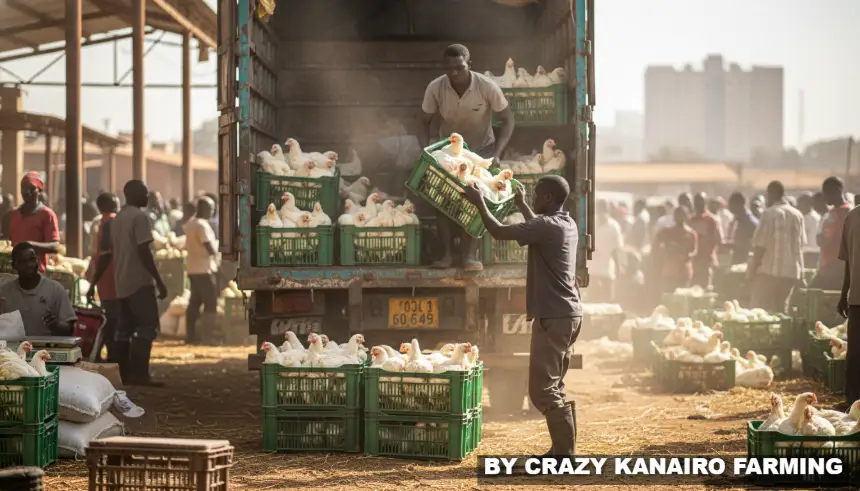
Direct sales to local butcheries, fast-food shops, and hotels yield the absolute highest margins. Avoid middlemen who consistently dictate low farm-gate prices. Market your birds proactively on Facebook and local WhatsApp groups.
Targeting the Right Market
Urban fast-food joints need a constant daily supply of tender white meat. Local busy butcheries buy in bulk but constantly demand slight retail discounts. Direct home deliveries fetch premium high-end retail prices.
Build strong relationships with buyers long before your chicks ever arrive. Consistency in your supply chain creates intensely loyal repeat customers.
Best Time to Sell Broilers
Timing your production cycle is a massive financial strategy. Demand always peaks during December festive seasons and Easter holidays. School opening periods often see a sharp brutal drop in local meat demand.
Avoid harvesting when the local market is heavily flooded with cheap regional imports. Study the calendar closely before booking your next chick delivery.
Value Addition Strategies
Do not just sell live dirty birds to brokers. Slaughtering and cleanly dressing the birds adds massive retail value immediately. Selling neatly packaged specific portions like breasts and wings increases your total margin.
Branding your farm packages builds long-term customer trust heavily. Clean hygiene during slaughter guarantees extremely safe and premium meat.
Common Mistakes Killing Broiler Profits
Overstocking your chicken house triggers severe heat stress and massive disease outbreaks. Buying cheap low-protein feed entirely ruins your Feed Conversion Ratio. Failing to secure a market early forces you to overfeed mature birds.
Management and System Failures
Ignoring strict vaccination schedules wipes out entire heavy investments overnight. Poor ventilation directly causes respiratory diseases that severely stunt physical growth. Keeping feeder heights too low wastes extremely expensive commercial feed daily.
Read Also: How to Reduce Poultry, Pig & Dairy Feed Costs in Kenya Using BSF & Fodder (2026)
Treating farming as a casual hobby instead of a strict numbers business guarantees massive failure. Farming without a weighing scale is completely reckless. Keep your detailed records safe and updated daily.
Conclusion: The 2026 Reality
Broiler farming is absolutely worth it if you operate strictly by the numbers. High feed prices will crush careless farmers quickly. However, data-driven farmers who master FCR will secure massive wealth in 2026.
The 2026 reality is undeniably harsh but incredibly rewarding for serious professional farmers. Feed management strictly dictates who survives and who fails financially. You cannot afford to guess your daily feed rations anymore.
Every single gram of feed must translate directly into profitable meat. Scale your business slowly and highly methodically. Master the delicate brooding phase entirely before taking heavy loans to expand.
Secure reliable daily buyers weeks before you actually place your next batch. Treat your local broiler farm strictly like a precise manufacturing factory. Serious farmers track absolutely everything and win the long game.
Frequently Asked Questions About Broiler Farming in Kenya
How profitable is broiler farming in Kenya in 2026?
It is highly profitable with strict feed management. A 100-bird flock can yield KES 14,000 net profit. Success requires an optimal feed conversion ratio and low mortality rates.
How many bags of feed do 100 broilers consume in 6 weeks?
A flock of 100 birds consumes roughly eight 50kg bags. This includes two bags of starter, three bags of grower, and three bags of finisher. Proper feeder heights prevent costly spillage.
What is the total cost of rearing 100 broilers in Kenya today?
Rearing 100 birds requires approximately KES 58,000. This covers day-old chicks, feeds, vaccines, and brooding fuel. Commercial feed accounts for nearly 70 percent of your total budget.
Which is the best broiler breed in Kenya for faster growth and profit?
The Cobb 500 and Ross 308 are top choices. They offer rapid weight gain and excellent feed conversion ratios. They reach premium market weights in just 35 days under optimal conditions.
How long do broiler chickens take to mature in Kenya?
Commercial broilers reach market weight in 35 to 42 days. Selling birds at 35 days prevents expensive feed wastage. Overgrowing them beyond six weeks reduces your overall profit margins.
What is the best broiler feed for maximum weight gain?
High-protein starter mash builds early frames. Follow this with quality grower pellets and energy-rich finisher mash. Top brands like Unga Farm Care provide excellent balanced nutrition.
Is small scale broiler farming still profitable in Kenya?
Yes, small scale farming is very lucrative if you sell directly. Marketing directly to neighbors and local eateries bypasses middlemen. Direct sales protect your tight profit margins.
How much space do 100 broiler chickens need?
You need exactly 100 square feet of floor space. Provide one square foot per adult bird. This spacing prevents dangerous heat stress and allows proper natural ventilation inside the house.
What are the biggest mistakes causing losses in broiler farming?
The biggest mistakes include buying cheap feeds and overcrowding. Ignoring poor ventilation and delaying vaccinations also cause huge losses. Poor market timing ruins otherwise healthy flocks.
Can broiler farming make money without contract farming in Kenya?
Yes, independent farmers make excellent profits. You must build strong local supply chains early. Selling whole dressed birds to local butcheries usually yields higher returns than contracts.