
- Commercial 50kg layers mash hit KES 4,600 in 2026. This makes homegrown feed alternative systems mandatory for poultry profitability.
- Container systems cost under KES 3,000 to start. They act as low-risk training grounds before scaling.
- Lined earth ponds offer a rapid three-month ROI. Ponds generate daily harvests exceeding two kilograms per six square meters.
Table of Contents
Azolla has become the most critical protein substitute for Kenyan livestock farmers today. These farmers face aggressive feed price hikes in 2026. Choosing between a small container setup and a commercial pond determines your daily feed output.
This guide breaks down exact costs and realistic yields. It also highlights brutal market truths to help you build the right system. You must treat this as a serious agribusiness investment.
Why Azolla Farming Is Exploding in Kenya in 2026
Azolla farming provides a free aquatic protein source that replaces expensive commercial feeds. Poultry and dairy farmers use it to survive 2026 feed price spikes. It cuts daily feeding costs significantly when used correctly. Feed prices in Kenya are becoming unbearable for smallholder farmers. Commercial layers mash currently retails at nearly KES 4,600 per 50kg bag.
Dairy meal prices are equally frustrating for local milk producers. Farmers are desperately searching for cheaper protein sources. Social media heavily promotes this aquatic fern as a magic solution. Many TikTok and Facebook videos showcase lush green pools of free chicken feed. However, many beginners copy these viral setups without doing proper financial math.
Read Also: Azolla vs. BSF vs. Hydroponic Fodder: Which is the Cheapest Feed in Kenya? (2026 Edition)
Some farmers build massive ponds and abandon them after two months. Others stay too small in tiny basins and never produce enough feed to matter. Choosing the wrong method almost guarantees financial failure. Farming is a highly practical business. You must calculate your true feed demand before buying your first starter culture.
What Is Azolla and Why Farmers Are Using It
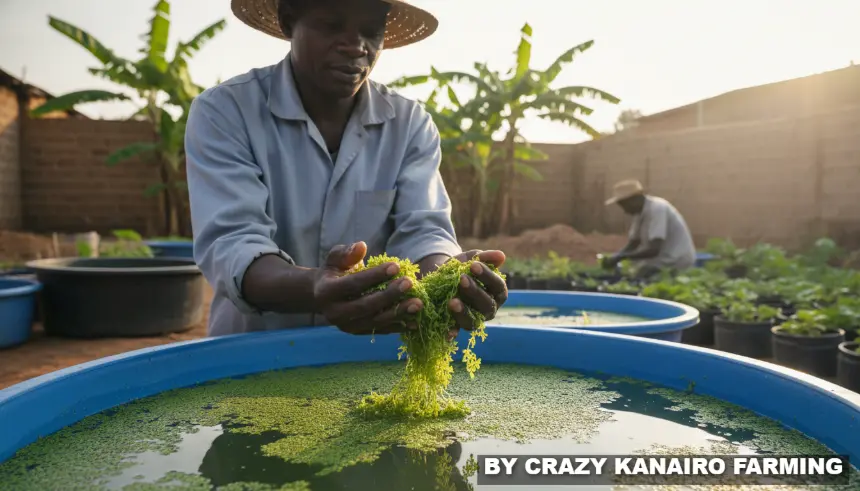
Azolla is a free-floating aquatic fern with a high crude protein content. It multiplies rapidly and doubles its mass every three days. Farmers use it to feed poultry, dairy cows, pigs, rabbits, and pond fish cheaply. Azolla is an aquatic fern that naturally floats on fresh water. It has an impressive crude protein percentage ranging from 25 to 30 percent.
This nutritional profile makes it a powerful substitute for expensive soy and fishmeal. The plant multiplies exponentially under the right temperature and shade conditions. In 2026, brutal feed economics forced farmers to find alternatives fast. The fern reduces total feed costs significantly without hurting animal health. A well-managed setup provides fresh green feed 365 days a year.
It requires absolutely zero chemical pesticides to grow. The plant simply fixes atmospheric nitrogen directly into the water. This fern is highly versatile across different livestock types. Poultry farmers mix it with standard dry mash for their layers. Dairy farmers feed it to milking cows to boost milk yields naturally. Pig and rabbit farmers also use it to protect their profit margins.
Commercial Feed Prices Pushing Farmers Toward Azolla
High prices of commercial layers mash and dairy meal threaten the survival of local farmers. Small producers face immense profit pressure due to costly imported ingredients. Alternative proteins are now a strict survival necessity. The 2026 agricultural economy in Kenya is extremely harsh.
A standard bag of growers mash costs roughly KES 3,200 today. High-yield dairy meal reaches similar painful price points in major towns. This relentless price surge wipes out profit margins completely for small farmers. Smallholder operations cannot absorb these rising daily costs. Imported ingredients like soy and fishmeal dictate local feed pricing unfairly.
Local maize shortages only make the situation worse every dry season. Relying purely on shop-bought feed is a guaranteed path to farm bankruptcy. Alternative protein sources are no longer just optional hobby projects. Growing your own feed is basic survival economics for any livestock shamba. Producing your own supplements protects your core business. This massive market shift is turning Azolla into Kenya’s new green gold.
What Is Container Azolla Farming?
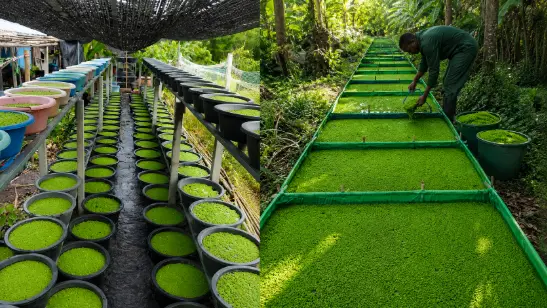
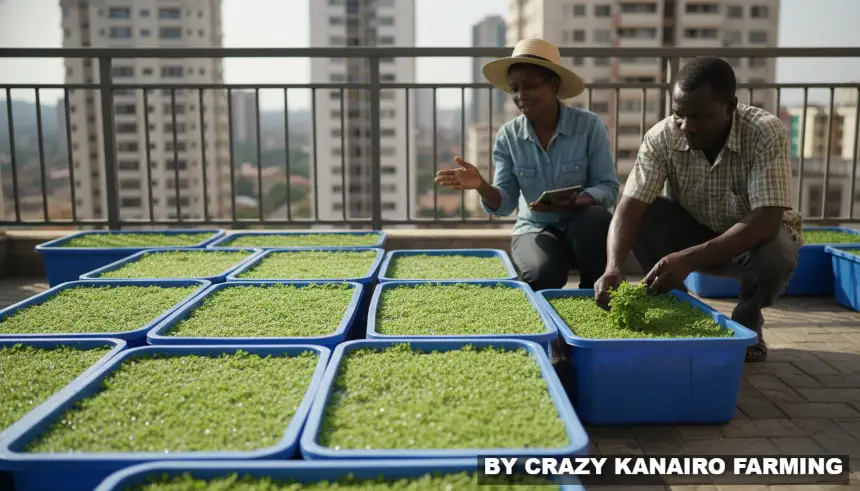
Container farming uses simple plastic basins or tubs to grow aquatic plants. It is a small-scale method perfect for beginners learning the ropes. The setup involves shallow water, partial shade, and a basic nutrient mix. Container farming is the absolute easiest entry point into this venture. Farmers use common plastic washing basins or old broken water tubs.
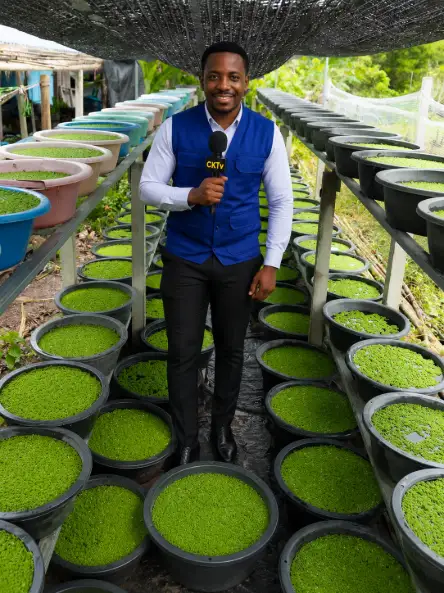
Some builders construct raised wooden boxes lined with polythene sheets. These setups are strictly meant for small-scale and controlled production. A typical beginner setup requires very little physical space. You only need a shallow water depth of about 15 centimeters. The containers are placed under partial shade to prevent severe heat stress.
Read Also: Azolla Farming in Kenya: Cheap Animal Feed and Higher Profits in 2026
You add a thin layer of sieved soil and well-rotted manure. You then fill it with fresh unchlorinated water. Monitoring the fern in a small basin is extremely simple and fast. You can easily control the soil nutrient mix and water quality. It is a practical way to learn plant behavior before investing heavily.
What Is Pond Azolla Farming?
Pond farming involves excavating shallow ground trenches lined with thick dam liners. This method supports high-volume commercial production every day. It requires precise water management and a constant supply of organic manure. Pond farming is specifically built for serious commercial scale production. Farmers dig shallow ground trenches typically measuring about six square meters.
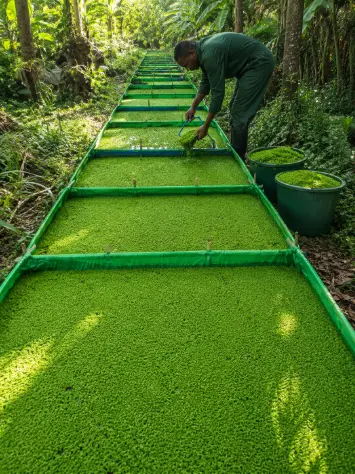
These trenches are fitted with high-quality UV-treated dam liners. Using a durable liner prevents precious water from seeping into the dry soil. You can also construct lined commercial channels above the ground. The daily production flow in a pond is continuous and highly aggressive. You must manage water levels constantly to prevent the bed from drying out.
Evaporation happens much faster across larger open surface areas. This system demands proper manual excavation and precise floor leveling. The pond must remain strictly shallow. The ideal depth stays between 15 and 20 centimeters. You also need dedicated agricultural shade nets to protect the delicate crop.
Major Pond Types for Azolla Farming
Choosing the right pond structure in 2026 depends on your soil type and budget. While many beginners start with temporary containers, commercial success requires one of these two major setups.
1. Sunken Lined Ponds (Earthen Ponds)
This is the most popular choice for Kenyan commercial farmers. It involves excavating a shallow trench (15–20cm deep) and lining it with a 0.5mm or 0.75mm HDPE dam liner.
- Pros: The ground acts as a natural insulator, keeping water temperatures stable even during hot afternoons. It is the cheapest commercial setup since you only pay for the liner and manual labor.
- Cons: If not properly fenced, it is prone to mud runoff during heavy rains and can be easily invaded by frogs and snails.
2. Raised Trough Ponds (Above-Ground)
These are constructed using timber, offcuts, or bricks to create a frame on the surface, which is then lined with a dam liner.
- Pros: They are much easier on the back for harvesting and provide better protection against pests like snails that crawl along the ground. They are also ideal for rocky areas where digging is impossible.
- Cons: Because the sides are exposed to the air, the water heats up much faster than in sunken ponds. In 2026, you must use extra shade netting for these to prevent the “cooking” effect.
Recommendation: Which should you choose?
For the average 2026 Kenyan farmer, the Sunken Lined Pond is the winner. It is more cost-effective and survives the harsh dry seasons better due to the temperature stability of the earth.
Only choose Raised Troughs if you have back problems, your soil is too rocky to dig, or you are in a flood-prone area where ground runoff would repeatedly contaminate your culture. Regardless of the type, always ensure the floor is perfectly level to keep your nutrient-rich soil evenly distributed.
Advantages of Container Azolla Farming
Container farming has a very cheap initial startup cost. It is highly beginner-friendly and allows for easy daily crop monitoring. Pest control is manageable because contamination does not spread widely. Starting a basic container system requires almost no capital. You can buy a durable plastic basin for under KES 500 locally.
This makes it incredibly beginner-friendly for cash-strapped youth farmers. You completely avoid expensive manual excavation and heavy liner installation costs. Monitoring water levels and plant health takes just a few seconds. If destructive pests attack one basin, you can isolate it immediately. Lower contamination spread means you rarely lose your entire initial starter culture.
This crucial risk management is vital for absolute farming beginners. The system also works perfectly in tight urban concrete spaces. You can comfortably place tubs on a balcony or a small concrete backyard. The simple setup is portable. This allows you to chase the best shade throughout the changing seasons.
Disadvantages of Container Azolla Farming
Basins produce very low daily volumes of fresh feed. The system is labor-intensive per unit and very hard to scale. Small water volumes heat up quickly and exhaust nutrients rapidly. The biggest functional flaw of containers is the extremely low production volume. A standard washing basin will never feed a commercial flock of 100 birds.
You will spend hours harvesting tiny amounts of feed from multiple tubs. This process becomes heavily labor-intensive for very little financial reward. Scaling a basin system is messy, cluttered, and highly inefficient. Buying fifty plastic basins costs much more than digging one large ground pond. Furthermore, small water volumes heat up very quickly in hot areas.
High water temperatures can literally cook and kill the floating fern. Nutrient exhaustion also happens incredibly fast in tight plastic spaces. You must change the bottom soil and water very frequently. This constant muddy maintenance consumes far too much daily time. You will quickly realize that simple basins cannot sustain a commercial livestock business.
Best Farmers for Container Azolla Farming
Container setups are ideal for backyard poultry keepers and tight urban farmers. True beginners use them to learn daily plant management safely. They work best for small rabbit projects or tiny ornamental flocks. Backyard poultry keepers benefit the most from simple container setups. They only need a tiny daily green supplement for their few birds.
Urban farmers with highly limited space also thrive perfectly with this method. Using tubs keeps their small concrete shambas clean and nicely organized. Absolute beginners must start here before spending big money on dam liners. It safely teaches you how the delicate plant reacts to local weather. If you fail and the plant dies, the financial loss is minimal.
Read Also: 10 Best Vegetable Shredder for Animal Feed in Kenya (2026): Prices, Types & Buying Guide
You gain practical farming skills without facing severe financial risks. Farmers keeping a few pet rabbits or ornamental birds love these clean basins. If you have fewer than fifty indigenous chickens, two large tubs are sufficient. It is primarily a hobbyist system. It only cuts minor feed costs effectively.
Advantages of Pond Azolla Farming
Ponds deliver massively high biomass production every single day. Larger water volumes offer better temperature stability against harsh midday heat. This system provides easier commercial scaling and a lower daily labor cost. Pond farming guarantees high daily biomass production.
A standard six-square-meter ground pond yields roughly two kilograms daily. This reliable output makes a real financial dent in your commercial feed bills. The long-term agricultural economics strongly favor this larger permanent setup. Larger water volumes do not heat up as aggressively as shallow basins.
This excellent temperature stability protects the sensitive crop during dry seasons. The fern multiplies rapidly without suffering from severe midday heat stress. Your daily harvest output remains highly consistent and predictable. Furthermore, the physical labor required per kilogram is significantly lower.
Harvesting a single large ground pond is much faster than managing twenty scattered basins. It is much better suited for serious dairy and commercial poultry farms. Ponds allow you to scale your organic feed business properly.
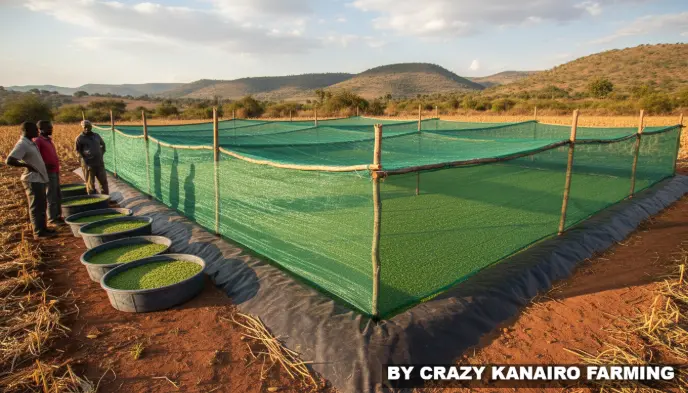
Disadvantages of Pond Azolla Farming
Ponds require significantly higher initial startup costs for materials. They demand more dedicated land and higher daily management skills. Pest outbreaks spread fast across the water, and heavy rains pose overflow risks. Building a commercial pond requires a highly noticeable financial investment.
You must buy quality thick dam liners and proper agricultural shade nets. Manual excavation labor also adds heavily to your initial startup costs. The setup requires a dedicated permanent piece of land on your farm. Pest outbreaks are absolutely devastating in a single large connected pond. If snails or hungry aphids invade, they spread fast across the entire surface.
Treating a large infected commercial pond is difficult and often expensive. A biological system failure here means a much bigger financial loss. Heavy seasonal rains also pose a massive environmental threat. If the large pond lacks proper drainage, water overflow will wash your crop away. High daily management skill is needed to balance nutrients perfectly. It is absolutely not a set-and-forget agricultural system.
Best Farmers for Pond Azolla Farming
Ponds are strictly mandatory for serious dairy farmers managing large herds. Commercial poultry producers rely on them for massive daily feed bulk. Farmers selling starter cultures commercially also require large pond systems. Commercial dairy farmers must use large ponds to see real financial feed savings. A single milking cow requires a massive daily volume of green supplement.
Farmers with over two hundred laying birds cannot survive on basic basin harvests. Commercial livestock producers actively need the heavy bulk output that ponds provide. Agribusiness entrepreneurs building alternative feed businesses rely heavily on these ponds. They harvest the fern in bulk to dry and pelletize it. Large ponds provide the necessary daily volume for serious value addition.
It effectively turns a simple green feed into a scalable retail product. Farmers selling fresh starter cultures to beginners also use huge ponds. You need a massive and healthy green colony to sell seed commercially. If you treat alternative farming as a true business, ponds are your ultimate goal.
Pond vs Container Azolla Farming Comparison Table
Comparing both setups reveals extremely clear differences in startup cost and scalability. Containers remain cheap but very hard to scale. Ponds demand higher initial capital but deliver massive daily commercial volume. The comparison table below outlines the strict structural differences between the two methods. It carefully evaluates critical daily factors like setup cost, scalability, and profit potential.
| Feature | Container System | Pond System |
|---|---|---|
| Startup Cost | Low (Under KES 1,500) | High (KES 10,000 to 15,000) |
| Space Needed | Minimal (Urban friendly) | High (Requires dedicated land) |
| Production Volume | Very Low (Grams per day) | High (2kg+ per pond daily) |
| Scalability | Hard (Cluttered and messy) | Easy (Expand pond length) |
| Heat Resistance | Poor (Water heats fast) | Good (Stable water mass) |
| Profit Potential | Low (Minor feed savings) | High (Major feed replacement) |
Which System Produces More Azolla Faster?
Pond systems produce vastly more feed significantly faster. Ponds offer larger open surface areas and much better water temperature stability. Containers suffer heavily from heat stress and rapid nutrient depletion. Commercial ponds dominate completely when it comes to daily growth speed. The wide open surface area allows the aquatic fern to expand naturally.
The plant multiplies fast without facing immediate physical overcrowding. Excellent water stability in a pond keeps the roots at an optimal feeding temperature. This stable environment accelerates the natural vegetative reproduction cycle. Small containers restrict the open surface area drastically. The fern quickly hits the harsh plastic walls and stops multiplying completely.
Read Also: Improved Kienyeji Chicken Farming in Kenya 2026: Complete Guide to Breeds, Housing, Feeding and Profits
The very shallow water volume experiences severe heat stress by midday. This daily heat stress stunts growth and turns the green leaves pale brown. Soil nutrient efficiency is also significantly better in large ponds. A wide base of manure-rich soil feeds the delicate roots evenly. Ponds consistently and mathematically outperform tight containers in raw speed.
Which System Saves More Feed Costs?
Ponds save vastly more money across all commercial livestock sectors. They provide enough daily bulk to replace up to 30 percent of commercial feed. Basins only save mere pennies for very small hobby flocks. A commercial poultry farmer using large ponds saves money heavily. By replacing twenty percent of expensive layers mash with fresh fern, daily costs drop.
A farm with five hundred birds can easily save thousands of shillings weekly. Basins simply cannot produce enough mass to feed even fifty birds daily. For a serious dairy farmer, the financial difference is massive. Replacing two kilograms of dry dairy meal with dried fern saves KES 120 per cow daily. Over a single month, a pond system saves over KES 10,000 for a small herd.
A tiny basin setup simply cannot feed a massive cow. Pig farmers experience very similar positive financial results. Pigs consume extremely large volumes of expensive feed daily. Ponds provide the necessary green bulk to supplement costly sow and weaner meals. Ponds are the only logical choice for high feed savings.
Which System Is More Profitable in 2026?
Ponds are far more profitable for commercial livestock farming in 2026. While basins present very low risk, ponds offer higher long-term earning potential. Ponds justify the initial startup cost rapidly. The strict ROI comparison heavily and undeniably favors the pond system. Yes, a quality commercial pond costs roughly KES 15,000 to set up properly.
However, the massive feed savings pay back this initial cost within three months. Long-term financial sustainability is mathematically proven in lined ponds. Physical labor costs per kilogram are much lower in large ponds. You spend only ten minutes harvesting two kilos from a single pond. Harvesting that exact same amount from fifty separate basins takes an hour.
Time is literally money in any active agricultural business. Tiny basins remain a low-risk hobby training tool. They simply do not generate enough daily volume to create measurable profit. Real farming profit in 2026 comes from true commercial scalability. Only deep lined ponds unlock that actual earning potential.
Water Management Secrets Most Farmers Ignore
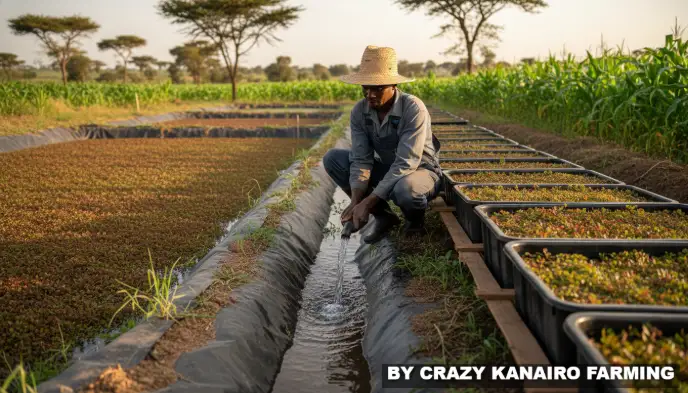
Proper daily water management dictates your total farm survival. Never use highly chlorinated tap water directly. Manage the pH balance perfectly and replace dirty water to prevent severe root rot. Excellent water quality is the hidden secret most lazy farmers ignore completely.
You absolutely cannot use highly chlorinated water from county council taps. Harsh chlorine kills the delicate floating fern almost instantly. Always use harvested clean rainwater or fresh borehole water instead. If you must use tap water, let it sit openly for 24 hours first.
Water depth must remain strictly between 10 and 15 centimeters. If the water is too deep, the short roots cannot access nutrients in the soil below. If it is too shallow, the water heats up and cooks the plant alive. Maintaining this exact water balance is a crucial daily task.
Dirty water dangers destroy entire established colonies. Excess raw uncomposted manure spikes ammonia levels and ruins the delicate pH balance. Clean water guarantees very aggressive daily crop growth.
Common Azolla Farming Mistakes That Destroy Profits
Farmers fail drastically by exposing ponds to too much direct sunlight. Severe overcrowding stops natural plant growth completely. Using raw fresh poultry droppings burns the delicate plant roots. Too much direct midday sunlight is a very classic beginner mistake. Without a proper 70 percent agricultural shade net, the sun scorches the leaves brown.
The stressed plant stops fixing vital nitrogen and dies slowly. You must simulate the dappled natural light of its wild forest habitat. Poor daily harvesting leads to severe and fatal overcrowding. If you do not harvest daily, the multiplying ferns pile densely on top of each other. The suffocated lower layers rot fast, polluting the clean water instantly.
You must physically remove at least 25 percent of the biomass daily. Using the wrong animal manure kills the culture incredibly fast. Many lazy farmers dump fresh raw poultry droppings straight into the water. This releases lethal high ammonia gas that burns the short roots. Always use well-aged composted cow dung instead.
The Biggest Enemies of Azolla
Invasive water snails, frogs, and hungry aphids are the biggest biological enemies. Dense algae blooms compete for limited nutrients and choke the fern. Extreme midday heat stress acts as the ultimate killer. Invasive local water snails are an absolute nightmare for pond farmers.
They breed incredibly rapidly and eat the delicate green leaves from below. You must physically remove them daily or use natural submerged traps. If left completely unchecked, snails can clear a large pond in mere weeks. Wild frogs often invade ground ponds to lay hundreds of eggs. Swimming tadpoles muddy the clean water and disrupt natural root feeding.
Hungry ants and tiny moths also attack floating mats during dry spells. Regular visual monitoring and fast manual removal are the best prevention methods. Dense algae is a very silent killer in nutrient-heavy water. It blooms incredibly fast and steals vital phosphorus from your primary crop. Severe heat stress speeds up this toxic algae growth exponentially. Flushing the pond heavily with fresh water aids in quick recovery.
Risks and Reality Check for Kenyan Farmers
Market failure happens when farmers scale up without securing livestock first. Crop failure occurs quickly due to sudden pest invasions or water contamination. You must prepare for complete starter culture wipeouts. Agricultural ventures always carry heavy hidden financial risks.
Market failure is a very real threat for those growing the fern just to sell. If you do not own livestock, finding steady daily buyers is difficult. You cannot store the wet harvested fern for long without expensive drying equipment. Sudden crop failure is another harsh reality in 2026.
A minor mistake in manure application can poison the entire pond overnight. Heavy pest invasions can wipe out a thriving green colony in four days. Many optimistic farmers face total starter culture wipeouts during their first attempt. You must mentally prepare for these highly frustrating setbacks.
Always keep a small separate backup basin of healthy seed. This backup ensures you do not have to buy expensive new culture if your main pond fails. Treat this project with strict daily discipline.
Recommended Fertilizer Comparison for Azolla Growth
Proper organic fertilization is strictly required for rapid daily multiplication. Composted cow dung remains the safest traditional option. Adding small amounts of Superphosphate triggers massive root development. Using the correct fertilizer mix dictates the speed of your harvest. You do not need expensive commercial chemical fertilizers for daily growth.
Organic animal waste provides the perfect balanced nutrient profile when properly aged. However, many successful commercial farmers supplement their organic compost. A tiny pinch of Superphosphate fertilizer works wonders for aquatic root development. You must balance these inputs perfectly to avoid toxic ammonia spikes.
The following table provides expert advice on comparing common fertilizer options. It highlights the direct benefits and severe risks of each choice.
| Fertilizer Type | Application Safety | Expected Growth Impact |
|---|---|---|
| Aged Cow Dung | Very High (Safe and steady) | Excellent steady leaf growth. |
| Pig Manure | Medium (Can spike ammonia) | Fast growth but requires aging. |
| Raw Poultry Waste | Very Low (Highly toxic) | Will burn and kill roots instantly. |
| Superphosphate | High (Use tiny amounts) | Massive root system expansion. |
Realistic Startup Costs for Azolla Farming in Kenya
Setting up a profitable commercial pond costs roughly KES 12,000. This standard budget includes a thick UV-treated dam liner and shade netting. Small plastic basins cost under KES 2,000 to launch safely. Understanding exact startup costs prevents highly frustrating mid-project abandonment.
Many eager farmers start digging holes without pricing heavy liners first. In 2026, a durable dam liner costs between KES 230 and KES 300 per square meter. A high-quality agricultural shade net is also strictly mandatory.
The table below breaks down the highly realistic costs for a standard pond setup. These retail prices vary slightly between major cities and rural counties.
| Item Needed | Estimated Cost (KES) |
|---|---|
| Dam Liner (10 sq.m) | 2,500 to 3,000 |
| 70% Shade Net & Poles | 3,000 to 4,000 |
| Excavation Labor | 1,500 to 2,000 |
| Starter Culture (2kg) | 1,000 to 2,000 |
| Superphosphate / Manure | 500 to 1,000 |
| Total Estimated Setup | 8,500 to 12,000 |
Azolla Varieties Used in Kenya
Farmers primarily cultivate two main highly productive varieties. The native pinnata strain adapts well to local hot climates. The imported filiculoides strain offers slightly larger leaf structures. Choosing the right specific plant variety impacts your total harvest volume heavily.
The most common variety grown locally is Azolla pinnata. This native tropical strain handles the warm Kenyan climate extremely well. It features very small, tightly packed green leaves. It multiplies aggressively even in slightly warmer muddy waters. The second popular option is the Azolla filiculoides strain. This specific variety tends to have slightly larger, thicker leaf structures.
It offers slightly higher daily biomass yields under perfect cooling shade. Most local commercial seed suppliers provide a hardy mixed hybrid of both strains. Always ask your local supplier which specific strain they are selling. You need a fast-growing variety proven to survive in your specific county.
Where to Buy Azolla Starter Kits & Materials in Kenya (2026)
Sourcing disease-free live cultures is the only way to ensure farm success. Do not fall for “seed” listings; Azolla is a fern that propagates through fronds. If you buy “seeds,” you are being scammed or dealing with an amateur. Use these verified 2026 Kenyan contacts to get the real thing.
Biological Starter Cultures (The Plants)
These suppliers provide the actual wet cultures and the training needed to grow them.
- Kilimo By Urban Fresh
- Service: Clean starter cultures and farming consultations.
- Phone: 0721 644 863
- Email: [email protected]
- Web: urbanfresh.co.ke
- AgriJibu
- Service: Verified online platform for starter packs.
- Web: agrijibu.co.ke
Infrastructure & Hardware
You cannot grow Azolla without a proper pond setup. These specialists handle the gear, not the biology.
- Grekkon Limited
- Scope: Heavy dam liners and complete irrigation equipment.
- Contact: 0715 157 132
- Note: They provide the containment solutions, not the plant material.
Technical & Research Support
For data-backed agricultural advice or technical troubleshooting, go to the national authority.
Web: kalro.org
Kenya Agricultural and Livestock Research Organization (KALRO)
Contact: 0722 206 986
Email: [email protected]
Can You Make Money Selling Azolla in Kenya?
Yes, selling fresh starter cultures directly is highly profitable today. Smart farmers make great money offering farm setup services and paid training. Drying the fern creates highly valuable long-term organic feed supplements. Selling live starter culture is a very lucrative side agribusiness. A single wet kilogram of clean culture easily sells for up to KES 1,000.
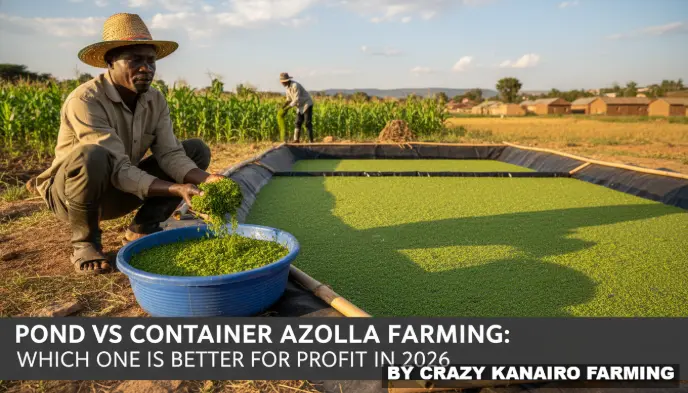
New eager farmers always need pure healthy seed to start their new ponds. Targeted social media marketing on Facebook groups brings direct local buyers to your farm. You can also charge a premium for professional farm setup services. Many busy urban farmers want productive ponds but lack the necessary technical building skills.
Offering a complete paid installation package generates very strong service income. Farmer training is another massive untapped opportunity in 2026. Smart farmers also process the raw green plant for retail value addition. Sun-drying and pelletizing the wet fern creates a storable commercial feed. Combining it tightly with crushed Black Soldier Fly larvae creates a premium super-feed. This hybrid dried product commands incredibly high prices from local poultry keepers.
The Hybrid Strategy Smart Farmers Are Using
Smart commercial farmers start with small basins to learn vital management skills. They then use these basins as active starter nurseries. Finally, they scale into massive lined commercial ponds safely. The hybrid farming strategy minimizes financial risk while maximizing long-term growth. The brutal truth is that most beginners kill their very first batch quickly.
Starting with two simple cheap basins allows you to make completely harmless mistakes. You actively learn proper water balancing and shade management very safely. Once you finally master the basics, these basins become dedicated multiplication nurseries. You simply grow enough green seed locally to supply your own larger ponds.
Read Also: Hydroponic Fodder vs. Commercial Feed: Slashing Dairy Costs in 2026
You completely avoid paying cash for ten kilos of expensive commercial starter culture. This cuts your commercial farm expansion costs significantly. Smart local farmers rarely start massive projects blindly. They scale up to large lined ponds only when their daily feed demand strictly requires it. They actively match the system size directly with their exact poultry numbers. This highly phased approach guarantees true long-term farming success.
Final Verdict on Which System to Choose
Containers successfully teach you basic plant management, but deep ponds create real commercial scale. Most beginners fail horribly because they overbuild too early. Real farm profit requires matching your exact pond size with your livestock demand. If you stay too small forever, this project simply remains a basic hobby. A single washing basin will never make a mature dairy cow profitable.
It completely lacks the massive daily volume required to slash your commercial feed bills. For real financial business impact, you must eventually build large lined ponds. However, if you scale up too early without basic management skills, you invite disaster. A poorly managed massive pond quickly becomes an expensive rotting green swamp. The smartest Kenyan farmers in 2026 master small cheap systems first.
They let their proven daily management skills dictate their eventual commercial expansion. Farming remains a highly brutal business with very tight financial margins. Do not build a massive expensive setup just to look good on TikTok. Calculate your exact daily animal feed requirements carefully on paper. Build the exact pond size needed to meet that specific demand, and secure your profits.
To avoid a foul-smelling pond and livestock rejection, you must master the maintenance details. A standard six square meter pond requires exactly 15 to 20 kilograms of sieved soil and 1 to 2 kilograms of well-rotted manure, kept at a shallow depth of 10 to 15 centimeters.
Most importantly, always wash your harvest in clean water before feeding. Fresh Azolla carries the scent of stagnant manure, and without a thorough rinse, your poultry or dairy cows will likely refuse the feed, wasting your daily production effort.
Professionalism in the 2026 market also requires technical accuracy and climate awareness. Azolla is a fern that propagates through fronds or cultures, so stop calling them “seeds” if you want to maintain credibility. Additionally, if you are farming in cold highland regions like Limuru or Eldoret, you must use clear polythene covers at night to keep water temperatures above 10 degrees Celsius. Without this protection, the July cold will stall your growth completely, leaving you with zero harvest for at least two months of the year.
Farmers Also Ask (FAQ)
How much Azolla can a pond produce daily?
A standard well-managed pond of six square meters can easily produce one to two kilograms of fresh biomass daily. This relies on proper shade and nutrients.
How deep should Azolla ponds be?
Ponds should ideally remain strictly between 15 and 20 centimeters deep. This shallow depth ensures roots access nutrients in the soil without heating up fast.
Can Azolla survive full sunlight?
No, full direct midday sunlight will heavily scorch and kill the delicate plant. It strictly requires partial shade or a 70 percent agricultural shade net.
Is Azolla profitable in Kenya?
Yes, it is highly profitable because it cuts expensive commercial feed costs by up to 40 percent. Selling fresh cultures also provides great extra income.
How fast does Azolla multiply?
Under highly ideal conditions with clean water and proper shade, it completely doubles its total green biomass every three to five days naturally.
Which animals eat Azolla?
It is eagerly eaten by indigenous poultry, commercial layers, dairy cows, pigs, rabbits, goats, and pond fish. It must be mixed properly with dry feeds.
Can Azolla replace chicken feed completely?
No, it absolutely cannot replace commercial feed entirely. It is strictly a protein supplement. It should make up a maximum of 30 percent of the diet.
What fertilizer is best for Azolla?
Well-composted aged cow dung or pig manure is absolutely best. A very small pinch of Superphosphate fertilizer drastically boosts its rapid root growth.
What kills Azolla quickly?
Highly chlorinated tap water, extreme midday heat, direct sunlight, heavy snail infestations, and high toxic ammonia from raw poultry droppings kill it fast.
How much does it cost to start Azolla farming?
A small basin setup costs strictly under KES 2,000. A commercial six-square-meter lined pond costs between KES 8,500 and KES 12,000 in Kenya today.