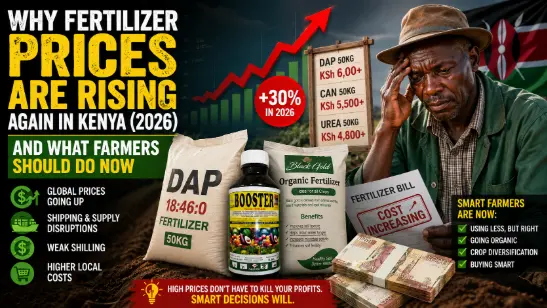

- Commercial DAP prices have rapidly crossed KES 6,000 per bag due to global shipping crises.
- The government NCPB subsidy strictly caps fertilizer at KES 2,500 for registered farmers.
- Survival in 2026 requires strict soil testing, early input buying, and precise application methods.
Table of Contents
Farming in Kenya has reached a very critical breaking point this year. Global tensions are directly squeezing local farm profit margins everywhere. This is no longer just a simple fertilizer problem. It is a massive farm profitability crisis. Farmers must adopt lean strategies quickly to survive these harsh times.
DAP prices are climbing beyond reach for many smallholders. CAN is becoming completely unaffordable for basic top dressing. Many farmers are actively reducing their planting acreage today. The heavy long rains are increasing tragic fertilizer runoff losses.
Fake fertilizer fears are heavily paralyzing rural agricultural investments. Shrinking maize margins threaten our national food security. From what many farmers experience, this year demands total precision.
Why Fertilizer Prices Are Rising Again in Kenya
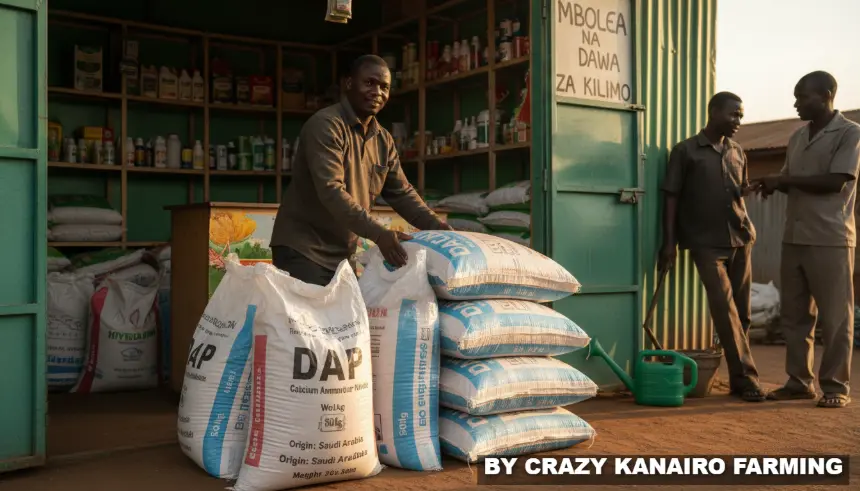
Fertilizer prices are rising because of global shipping disruptions and Middle East conflicts. High natural gas prices make manufacturing very expensive. Kenya imports most of its fertilizer. A weak local currency makes these expensive imports even worse.
Middle East Conflict and Shipping Pressure
The Strait of Hormuz is currently facing severe global blockades. This narrow waterway handles massive global energy and fertilizer cargo. Shipping disruptions here immediately crash the global supply chain. Freight costs multiply when ships cannot pass safely. Freight cost increases have doubled wildly over recent months.
Related: 2026 Fertilizer Guide: Understanding NPK Ratios for Maximum Maize Yields
Giant vessels are taking longer routes around South Africa safely. These massive shipping delays create severe shortages at the Port of Mombasa. Longer shipping routes mean higher fuel burn for cargo ships. Higher fuel consumption translates directly to expensive freight charges. Importers pass every single extra shipping coin to the Kenyan farmer. Keep it simple. Global wars make your local agrovet expensive.
Natural Gas Prices Are Quietly Driving Fertilizer Costs
Fertilizer manufacturing depends completely on natural gas supplies. Natural gas is the primary raw ingredient for making synthetic ammonia. Without ammonia, producing nitrogen fertilizers like Urea is scientifically impossible. Energy prices are increasing globally due to ongoing regional wars. European fertilizer factories are actually shutting down due to gas costs.
They simply cannot afford to keep their massive machines running. This creates a terrifying global shortage of essential nitrogen fertilizers. Local Kenyan farmers are paying heavily for this global energy crisis. Global demand for limited fertilizer stocks pushes auction prices higher. Wealthy nations outbid poorer nations for the remaining factory stocks.
Kenya Depends Heavily on Imported Fertilizer
Kenya has very limited local fertilizer manufacturing capacity today. We rely almost entirely on international imports for crop nutrition. This total import dependency creates massive economic vulnerability for citizens. When global markets panic, Kenyan farmers suffer instantly.
We cannot control the factory prices in Europe or Russia. Even local blending plants still import their raw base materials entirely. True chemical synthesis factories do not exist locally on a large scale. Our ports must receive finished granules from overseas suppliers continuously. Any delay at the docking yard causes immediate national panic.
Weak Kenyan Shilling Is Making Imports More Expensive
Forex pressure is quietly killing the entire agricultural sector. Importers must buy strong dollars to purchase global fertilizer stock. A weak shilling means buying fewer bags for much more money. Dealer markups increase quickly to cover these volatile currency exchange risks.
Import costs cascade heavily down to the final agrovet shelf price. Transporting inputs from Mombasa to Kitale adds further local costs. Farmers ultimately absorb every single financial shock along the chain. The government cannot control global currency valuation shifts easily. This creates a very unpredictable pricing environment for local agriculture.
Subsidized Fertilizer in Kenya 2026: What Farmers Need to Know
The Kenyan government offers subsidized fertilizer at KES 2,500 per bag. Farmers must register digitally on the KIAMIS portal. Once registered, you receive an e-voucher via SMS. You redeem this voucher strictly at specific government NCPB depots.
How the Subsidy Program Works
The NCPB handles all physical distribution of government fertilizer stocks. The entire process is strictly digital to prevent severe corruption. You cannot just walk in and demand cheap fertilizer blindly. The KIAMIS portal e-voucher fertilizer system manages the national farmer registry. Secure e-vouchers are issued directly to verified farmer phone numbers.
You May Like: How to Find a Trusted Agrovet Near Me in Kenya (2026 Guide to Genuine Farming Inputs)
Subsidy allocation depends strictly on your officially registered land acreage. The government calculates exactly how many bags your farm needs. They limit purchases to prevent greedy hoarding by rogue cartels. This ensures every verified farmer gets a fair chance to plant.
KIAMIS Registration Process
Your national ID registration is the absolute first mandatory step. You must provide a valid personal phone number for SMS codes. Village elders help verify your actual county registration details manually. After physical verification, your details enter the national agricultural database.
You must wait patiently for an official SMS confirmation message. This digital message contains your secure e-voucher redemption code. Fertilizer collection happens only at authorized government depot locations. You must present your original ID and the exact SMS code. The depot manager verifies your identity before releasing any bags.
Common KIAMIS Problems Farmers Are Facing
Delayed SMS vouchers are frustrating thousands of ready farmers today. Missing names on the official registry cause massive depot delays. Many farmers queue for days only to find their data missing. Depot shortages mean you might queue for empty promises. The government trucks sometimes delay delivering stocks to remote areas.
Registration delays are incredibly common during peak planting seasons. Network issues frequently crash the digital redemption system at depots. Many farmers travel expensive miles only to return home empty-handed. Transporting single bags back home adds unexpected boda-boda transport costs.
What Happens If You Miss the Subsidy Window?
Missing the subsidy window is a complete financial disaster. You face forced commercial buying at KES 6,000 per bag. This completely shatters your projected seasonal profit margins instantly. Delayed planting ruins your exact chances with the long rains.
Seeds planted late rarely achieve their full genetic yield potential. You might suffer reduced acreage just to afford commercial inputs. Lower profitability is absolutely guaranteed if you buy commercial inputs late. Many farmers simply give up and leave their fields totally bare. This personal loss ultimately creates a massive national food shortage.
Fake Fertilizer Is Quietly Flooding the Market Again
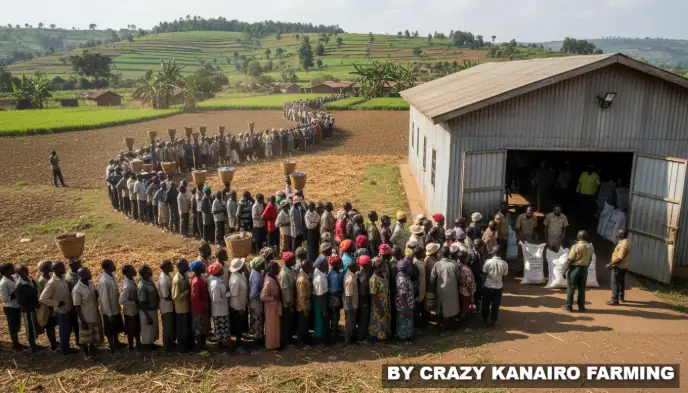
Fake fertilizer floods the market whenever prices spike abruptly. Desperate farmers look for cheaper alternatives and get scammed quickly. Scammers use dyed sand and crushed painted stones. Always buy from trusted dealers and check the bag seals carefully.
Why Fake Fertilizer Increases During Price Crises
Severe market shortages always attract highly organized agricultural criminals. Desperate demand makes farmers ignore basic quality safety checks completely. Opportunistic dealers exploit this panic to sell totally fake goods. When commercial DAP hits KES 6,500, cheap offers look tempting. A KES 4,000 bag is almost certainly a dangerous scam.
You May Like: Top 10 Best Agrovets in Kenya (2026 Guide): Where to Buy Genuine Inputs in Nairobi, Eldoret & Nakuru
Criminals know farmers are desperate to save money today. These cartels operate highly sophisticated blending networks in hidden warehouses. They target remote rural towns where official inspectors rarely visit. Unsuspecting farmers become their easiest and most profitable targets.
Common Fake Fertilizer Tricks
Scammers are actively mixing dyed sand into genuine fertilizer bags. Crushed stones are commonly painted to look exactly like DAP. You end up planting literal rocks into your delicate shamba. Fake packaging looks incredibly similar to major established brands. Criminals steal empty branded bags and refill them with useless dust.
They seal these fake bags with very sophisticated modern stitching machines. Some criminals specialize in repackaging poor-quality expired fertilizer blends. They mix old stock with fresh granules to hide the deception. The crop ultimately suffers from massive nutrient deficiencies.
How Farmers Can Identify Fake Fertilizer
Check the texture by rubbing the granules together firmly. Genuine fertilizer dissolves slightly. Fake stones will literally scratch your bare hands. Smell the bag closely for distinct chemical ammonia odors. Genuine nitrogen products have a very sharp chemical scent. Excess moisture clumping inside the bag is a massive red flag.
Always inspect the factory seals for tampering or double-stitching marks. Suspicious pricing is the biggest immediate clue of a scam. Stick strictly to trusted dealers and certified local agrovet shops. Never buy cheap inputs from random roadside lorries.
The Brutal Truth About Fertilizer Misuse
Many farmers waste money by overapplying fertilizer without soil tests. Acidic soils lock up nutrients tightly. This makes expensive fertilizer totally useless to the plant. Heavy rains easily wash expensive top-dressing nutrients away into rivers.
Many Farmers Are Overapplying Fertilizer
Throwing extra DAP does not guarantee a bigger harvest. This severe waste destroys your already thin profit margins quickly. Nutrient burn can actually kill young delicate maize seedlings easily. A low return on investment is the brutal reality today. Plants only absorb what they actually need to grow fully.
The rest of your expensive fertilizer just pollutes local groundwater. Blind application is a very dangerous agricultural guessing game. More fertilizer does not mean more physical grain. Precision is the only way to maximize your financial returns.
Soil Testing Is Still Ignored
Most beginners in Kenya struggle blindly with highly acidic soils. Acidic soils cause severe nutrient lock-up in the plant roots. You can apply heavy DAP, but the plant absorbs nothing. Wrong fertilizer selection happens constantly when you skip soil testing. A professional KALRO soil test costs around KES 1,000 only.
This small fee saves you thousands in wasted useless inputs. Soil testing reveals your exact pH and missing trace elements. It tells you exactly how much lime your farm needs. Fixing soil acidity is cheaper than buying extra wasted fertilizer.
Heavy Rains Are Washing Nutrients Away
The heavy long rains are notorious for increasing fertilizer losses. Nitrogen leaching happens when water pushes CAN deep underground. Your plant roots simply cannot reach these sunken deep nutrients. Runoff losses wash your expensive top dressing directly into rivers.
Poor application timing destroys the value of your fertilizer investment. Never apply expensive urea when massive heavy storms are expected. Smart farmers wait for gentle showers before applying nitrogen boosts. They dig small holes to bury the fertilizer safely. This prevents surface water from stealing your expensive plant food.

Foliar Fertilizer Marketing Is Becoming Misleading
Foliar feeds are aggressively marketed as total miracle agricultural solutions. Exaggerated claims confuse farmers into skipping necessary basal soil fertilizers. Unrealistic expectations lead to very disappointing final harvest yields. The limitations of foliar feeding are heavily hidden online.
You May Like: How Kenyan Farmers Can Make Free Fertilizer from Kitchen Waste at Home
Plant leaves can only absorb a very tiny fraction of nutrients. Foliar feeds definitely support growth but cannot replace base root nutrition. Using foliar fertilizer for maize is excellent for quick stress relief. However, a massive stalk needs deep roots anchored in rich soil. Do not abandon solid granular fertilizers for liquid sprays completely.
3 Ways Farmers Are Reducing Fertilizer Costs Without Killing Yield
Smart farmers reduce costs through strict precision fertilizer application. They integrate organic compost to build long-term soil health deeply. They also use biological alternatives like microbial bio-stimulants safely. These methods lower expenses while maintaining very strong crop yields.
Precision Fertilizer Application
Microdosing places tiny fertilizer amounts exactly at the plant root. Using a soda bottle cap ensures every plant gets exactly five grams. This stops you from feeding useless weeds in the empty rows. Split application prevents massive nitrogen leaching during heavy continuous rains.
You feed the plant in small doses as it grows. Band placement ensures weeds do not steal your vital nutrients. Timing is the ultimate secret to true fertilizer efficiency today. Apply CAN only when the soil is slightly moist. Precision application cuts total fertilizer waste by over thirty percent.
Organic Integration
Animal manure drastically improves poor soil water retention capacity over time. Well-rotted compost feeds the vital soil microbiome very effectively today. Slurry provides excellent natural nitrogen boosts for fast-growing leafy vegetables. Biochar locks nutrients securely in the soil for future planting seasons.
You must be deeply honest about organic farming limitations however. Organic matter works very slowly to rebuild completely destroyed farm soils. You must integrate both organic and chemical systems smartly. Organic fertilizer kenya adoption is growing rapidly among smart commercial farmers. Blending manure with half-doses of DAP creates massive soil success.
Biological Alternatives and Bio-Stimulants
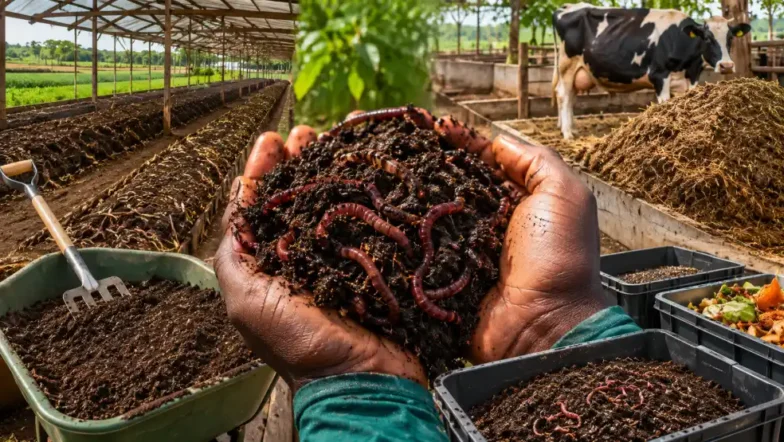
Azolla is an excellent natural nitrogen fixer for flooded rice paddies. Microbial enhancers successfully unlock trapped phosphorus in highly acidic soils. Bio-stimulants help stressed delicate plants recover from severe drought shocks. Vermicompost provides rich, easily absorbed natural nutrients for delicate seedlings.
Worm castings are incredibly powerful for early stage vegetable nurseries. Position these products correctly in your farming strategy right now. They are incredible support systems for your farm. They are definitely not total miracle chemical fertilizer replacements. Biologicals make your existing chemical fertilizers work much harder.
Which Crops Still Make Economic Sense in 2026?
Maize farming is becoming very risky due to high fertilizer costs. Beans and short-cycle crops are much safer financial investments today. Drought-resistant crops like sorghum and cassava are gaining massive popularity. They require far less fertilizer and survive harsh weather easily.
Why Maize Farming Is Becoming High Risk
Maize has an incredibly high fertilizer demand per single acre. Shrinking margins make commercial maize farming a massive financial gamble. A single delayed top dressing completely ruins the entire harvest. Rain uncertainty is destroying traditional maize planting calendar schedules completely. If the rains fail unexpectedly, your expensive fertilizer burns the crops.
Commercial maize farming currently requires deep pockets and high risk-tolerance. The math for a two-acre maize farmer is looking very grim. Unless you secure the KES 2,500 subsidy, profits are incredibly thin. Many farmers are actively exploring smarter alternative crop choices today.
Beans and Short-Cycle Crops Are Gaining Attention
Nyota beans mature very quickly and require far fewer chemical inputs. Fast maturity crops flip your invested cash much faster securely. Lower input costs make beans highly attractive for local beginners. Legumes naturally fix their own free nitrogen deeply into the soil.
You strictly do not need expensive CAN for healthy mature beans. You only need a light basal application of phosphorus for roots. Short-cycle crops are the ultimate rapid cashflow farming strategy. French beans and snow peas offer excellent rapid export returns. They require intensive care but reward you with fast market payments.
You May Like: Kenya Long Rains 2026: The Ultimate March Planting Guide (Weather, Seeds, and Fertilizer Prices)
Drought Resistant Crops Are Making a Comeback
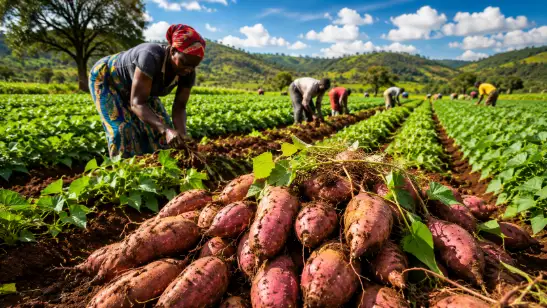
Sorghum requires minimal synthetic fertilizer to produce a very decent harvest. Millet is incredibly resilient against erratic climate change weather patterns. Cassava grows remarkably well even in heavily depleted rural soils. Sweet potatoes provide massive bulk food security with zero DAP applied. These hardy crops guarantee family survival when traditional maize heavily fails.
Smart farmers are dedicating specific acres strictly to resilient indigenous crops. The local market demand for traditional healthy foods is rising sharply. Urban consumers are paying premium prices for clean traditional grains. This shift creates a massive hidden opportunity for lean local farmers.
Where to Buy Fertilizer inputs in Kenya (2026)
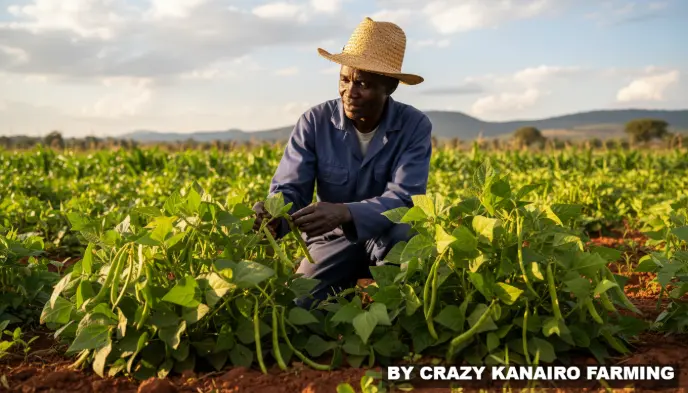
Sourcing legitimate agricultural inputs is critical during a severe pricing crisis. You must bypass shadowy middlemen and buy strictly from verified distributors. Trusted suppliers like Yara Kenya and OCP Kenya offer authentic guaranteed products. Navigating the fertilizer crisis requires knowing exactly where to buy legitimate products.
Do not risk your entire farm capital on unverified roadside dealers. Purchasing from highly established corporate distributors guarantees chemical authenticity and correct weights. The most trusted national suppliers maintain massive verified distribution networks.
Yara fertilizer distributors in kenya offer premium crop-specific nutrition solutions. OCP Kenya provides excellent customized local soil blends. Below are highly verified industry contacts for securing bulk authentic fertilizer stocks. Contact them directly to find their nearest verified county stockist.
- Yara Kenya: Call 0722 205 205 or visit yara.co.ke for certified premium foliar and granular blends.
- OCP Kenya: Reach their Nairobi office at Tel: 0800720517/ +254 724255370/ 724255371 or email [email protected] for customized soil-specific nutrition.
- Elgon Kenya: Call +254 110 094 464 | +254 722 203 089
- [email protected]
- or visit elgonkenya.com for comprehensive crop protection and authentic basal fertilizers.
- Mea Fertilizers: Contact 0722 204 444 directly for reliable NPK blends and bulk national farm deliveries.
Always demand an official stamped receipt when purchasing commercial inputs. Verify the batch numbers on the bag against the actual receipt. Reporting suspicious dealers to KEPHIS immediately protects the entire farming community.
What Smart Farmers Are Doing Right Now
Smart farmers are heavily reducing farm waste through strict precision farming. They plant smaller, highly profitable acres instead of massive empty fields. They buy fertilizer early and utilize efficient drip irrigation systems. Direct market systems bypass greedy middlemen for much better profits.Reducing input waste is the single most important 2026 agricultural strategy.
You May Like: Why Tomatoes in Nairobi Crossed KSh 100 per Kg in May 2026
Smaller profitable acreage always beats massive, poorly managed weed-filled farms. Irrigation guarantees crop survival when the unpredictable rain suddenly stops. Intercropping vital legumes with tall maize maximizes your soil space efficiency. Greenhouse farming protects delicate high-value crops from harsh weather extremes. Buying fertilizer early protects you directly from sudden mid-season price spikes. Direct market systems ensure you capture maximum possible retail value.
Selling directly to urban consumers doubles your actual farming profit. Precision farming absolutely removes all the dangerous guesswork from agriculture. You must manage your farm strictly like a tight corporate business. Keep exact records of every single shilling spent on inputs. Calculate your required NPK 17:17:17 application rate exactly before buying.
Why 2026 Is the Year of the “Lean Farmer”
2026 belongs entirely to farmers who prioritize strict financial operational efficiency. Wasteful farming operations are collapsing quickly under heavy modern input costs. Precision agriculture easily beats blind traditional farm expansion strategies today. Dependency on imported expensive inputs is extremely risky for long-term survival.
Efficiency matters significantly more than total physical farm size today. Wasteful farming is collapsing rapidly across the entire Kenyan country. Precision beats expansion securely in every single agricultural financial metric. Dependency on imported chemical inputs is a very risky daily game. Farmers must learn to generate their own rich organic compost locally.
Blending local compost with expensive commercial chemicals stretches your budget perfectly. The farmers who survive 2026 will not necessarily be the biggest planters. They will not necessarily be the farmers who harvest the most total volume. They will be the intelligent farmers who waste the absolute least.
Is It Worth It?
Farming is only worth it if you strictly control all input costs. Blindly buying expensive commercial fertilizer guarantees massive personal financial losses. You must actively secure government subsidies and implement strict application precision. Farming without a clear business plan today is pure financial suicide.
Farming in 2026 requires brutal honesty and exact financial mathematics. The old era of casual weekend telephone farming is officially dead. If you cannot secure subsidized fertilizer, reconsider massive maize farming totally. Focus heavily on high-value, short-cycle horticultural crops instead today. Protect your hard-earned capital by investing only in thoroughly tested soil.
Only plant seeds when you fully understand the total required investment. Yes, farming is still incredibly worth it today. However, it is only profitable for extremely disciplined agricultural professionals. Treat your soil with deep respect and it will feed you.
Farmers Also Ask
Why are fertilizer prices rising again in Kenya in 2026?
Global shipping disruptions and Middle East conflicts have massively hiked freight costs. Rising natural gas prices also make chemical manufacturing extremely expensive globally. A weak Kenyan shilling ultimately makes these imports costlier locally.
What is the current DAP fertilizer price per 50kg in Kenya today?
Commercial DAP currently retails heavily between KES 6,000 and KES 6,500. However, the government subsidized DAP price is strictly capped at KES 2,500.
How much does CAN fertilizer cost in Kenya right now?
Commercial CAN fertilizer costs roughly KES 5,500 to KES 5,800 per 50kg bag. Subsidized CAN is currently available at verified NCPB depots for KES 2,500.
How do I register for subsidized fertilizer through KIAMIS?
You must register your national ID and land details with your village elder. You will then receive a secure SMS e-voucher to redeem at NCPB depots.
Is subsidized fertilizer still available in Kenya in 2026?
Yes, the government has officially allocated millions of bags for 2026. However, strict KIAMIS digital registration is absolutely mandatory to access the KES 2,500 price.
How can farmers identify fake fertilizer in Kenya?
Fake fertilizer often contains heavily dyed sand or crushed painted stones. Check carefully for broken factory seals, suspicious odors, and overly cheap prices.
Is foliar fertilizer effective for maize farming?
Foliar fertilizer is excellent for quick targeted plant stress relief boosts. However, it absolutely cannot replace vital basal soil fertilizers like DAP for structural growth.
Can manure replace chemical fertilizer completely?
Manure excellently improves soil structure and retains vital water very well. However, it releases nutrients very slowly and cannot instantly replace chemical top-dressing safely.
Which crops require less fertilizer in Kenya?
Legumes like beans, cowpeas, and green grams require very minimal applied nitrogen. Cassava, sweet potatoes, and traditional sorghum also thrive excellently in low-fertility soils.
Will fertilizer prices reduce before the next planting season?
Prices are highly unlikely to drop significantly soon due to ongoing global conflicts. Farmers should aggressively secure subsidized NCPB inputs early to avoid huge commercial price shocks.