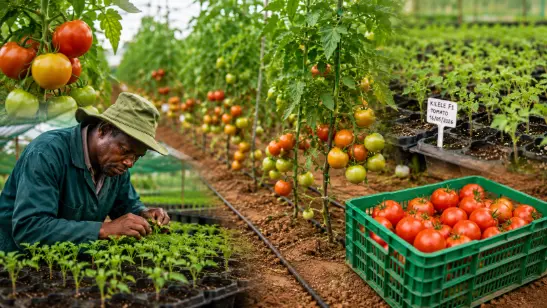

- A 64kg crate of tomatoes sells for KES 7,000 in Eldoret and KES 5,120 in Nairobi as of mid-2026.
- The government NCPB subsidized fertilizer program caps input prices at KES 2,500 per bag for registered farmers.
- Top KALRO-approved varieties like Kilele F1 and Raja F1 can yield up to 35 metric tons per acre.
Table of Contents
Tomato farming remains one of the most profitable agribusinesses in Kenya today. It is also one of the riskiest ventures for beginners. Brokers heavily dictate market prices in major towns. Success requires a solid market-first strategy and flawless pest control. This guide reveals the brutal truths of profitable farming.
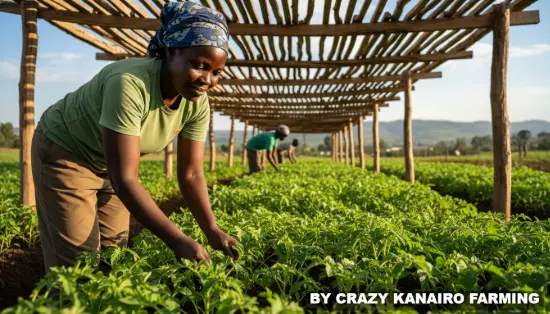
Most beginners in Kenya struggle with erratic weather and fake farm chemicals. What guides rarely tell you is that market logistics matter more than planting. You must secure your buyers before you even buy seeds. Subsistence farming relies on luck and seasonal rains. Commercial farming depends on drip irrigation and calculated market timing.
Read Also: Tomato & Potato Leaves Turning Yellow? 48-Hour Fungus Control Plan (Kenya April 2026)
In this guide, you will learn how to protect your capital. We break down the exact costs, highest-yielding varieties, and 2026 market realities. We also cover strict spray programs to prevent devastating crop losses. Expected yields can easily hit 30 tons per acre with proper management. Your profit potential depends entirely on your discipline.
Why Most Tomato Farmers Fail in Kenya
Most farmers fail due to poor market timing and deadly disease outbreaks. They copy neighbors without securing buyers first. Using fake inputs and ignoring soil testing guarantees low yields. Reliance on rainfall instead of drip irrigation causes total crop failure during dry spells.
Planting During the Wrong Season
Timing is everything in this business. Planting when everyone else plants guarantees a massive market glut. Prices crash when rains produce bumper harvests everywhere. Target the dry seasons using irrigation to hit peak market prices.
Copying Other Farmers Without Research
Blindly following your neighbor is agricultural financial suicide. Every shamba has different soil conditions and unique pest histories. What works in Nakuru might fail terribly in coastal Mombasa. Always base your farming decisions on solid local data.
Using Fake Seeds and Chemicals
The Kenyan market is heavily flooded with counterfeit agricultural products. Cheap chemicals will burn your crops or fail to kill pests entirely. Always buy certified seeds directly from verified company distributors. Fake seeds guarantee poor germination and extremely weak disease resistance.
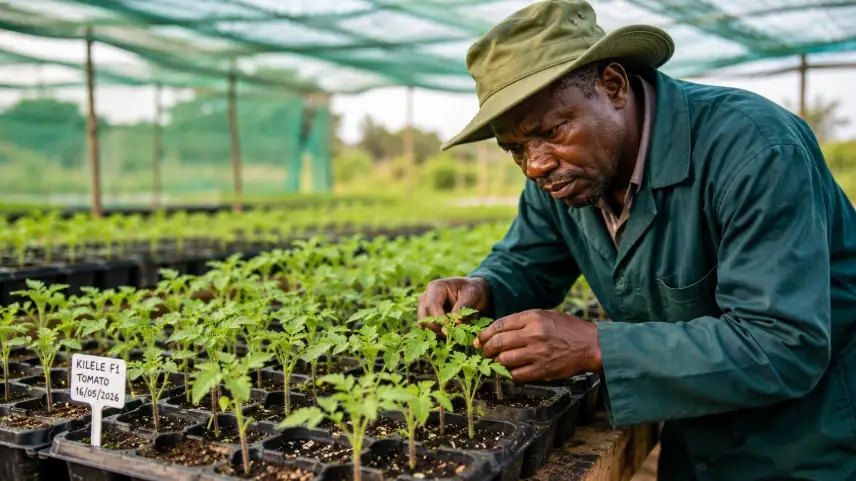
Ignoring Soil Testing
Farming without a soil test is like driving blindfolded. You must know your exact soil pH and underlying nutrient deficiencies. Continuous fertilizer use increases soil acidity significantly over time. A KES 1,500 soil test saves you thousands in wasted fertilizer.
Poor Irrigation Planning
Relying on erratic rainfall is a massive gamble in 2026. Drought periods will stunt your crops and destroy final fruit quality. Invest in a reliable water source before planting a single seed. Drip irrigation is absolutely non-negotiable for serious commercial farmers.
Lack of a Spray Program
Pests and diseases spread rapidly in dense tomato fields. You cannot wait for visible symptoms to appear before spraying. A strict weekly spray schedule is mandatory for survival. Preventative spraying is always cheaper than desperate curative spraying.
Read Also: Top 5 Hybrid Onion Varieties (F1) Dominating the Kenyan Market in 2026
Depending Entirely on Brokers
Brokers at Wakulima market are famously ruthless negotiators. If you arrive without an agreed price, they will completely exploit you. They know your perishable tomatoes will rot if left unsold. Always build direct networks with local vendors and large supermarkets.
Starting Without Market Research
Never plant a single seed without knowing your final buyer. Different markets demand entirely different tomato varieties. Processing companies specifically want oval tomatoes like Rio Grande. Fresh markets prefer round, firm varieties like Anna F1.
Poor Disease Management
Bacterial wilt can wipe out an entire acre in mere days. Late blight thrives actively during cold, wet weather conditions. Field hygiene is your first and best line of defense. Always remove and burn infected plants immediately upon discovery.
Underestimating Labour Costs
Tomatoes are highly labor-intensive crops requiring constant daily attention. You need dedicated workers for pruning, spraying, and harvesting. Unpaid family labor is not a sustainable commercial strategy. Budget strictly for professional farm hands from day one.
Is Tomato Farming Profitable in Kenya in 2026?
Yes, it is highly profitable if you actively manage production costs and market timing. An acre can generate KES 400,000 in net profit during peak market demand. However, poor disease control and market gluts can easily lead to absolute financial ruin.
Current Tomato Market Prices in Kenya
Prices fluctuate wildly based on regional supply and prevailing weather. In mid-2026, a 64kg crate sells for KES 7,000 in Eldoret. Nairobi wholesale markets pay roughly KES 5,120 for the exact same crate. Nakuru sees prices drop drastically to KES 2,500 during harvest gluts.
Why Tomato Prices Fluctuate Heavily
Heavy rains make transportation difficult and destroy open-field crops quickly. This causes urban market prices to skyrocket overnight. Conversely, dry seasons with irrigation produce steady and reliable supplies. When local harvests flood the market simultaneously, prices inevitably crash.
2026 Market Reality: The “Profit vs. Risk” Breakdown
Before you buy a single seed, you must understand the financial landscape. As of mid-2026, market prices are highly regional:
- Eldoret: KES 7,000 per 64kg crate (High demand).
- Nairobi (Wakulima): KES 5,120 per crate.
- Nakuru: KES 2,500 per crate (Market glut).
The Bottom Line: If you harvest during the peak rains (April/May), you dictate the price. If you harvest when everyone else does, you will be exploited by brokers.
2. Choosing Your Variety (F1 Hybrids)
In 2026, Open Pollinated Varieties (OPVs) like Rio Grande are for subsistence. Commercial success requires F1 Hybrids.
| Variety | Yield Potential | Maturity | Best For |
| Kilele F1 | 30–35 Tons/Acre | 75 Days | Open field, high disease resistance |
| Anna F1 | 30–35 Tons/Acre | 75 Days | Greenhouse, long shelf life |
| Raja F1 | 25–30 Tons/Acre | 65 Days | Fast maturity, fungal resistance |
3. Nursery Management: The 30-Day Blueprint
Stop using ground nurseries. They are breeding grounds for nematodes.
- Use Seedling Trays: 200-hole plastic trays ensure each plant has its own root system.
- Media: Use Peat Moss or Coco Peat. It is sterile and prevents “Damping Off” disease.
- Hardening Off: One week before transplanting, reduce water and expose seedlings to more sun. This “toughens” the stem for the field.
4. Land Preparation & Soil Health
Crucial Rule: Farming without a soil test is agricultural suicide. A KES 1,500 test from KALRO saves you KES 50,000 in wasted fertilizer.
- Raised Beds: Build beds 15cm high. Tomatoes hate “wet feet” (root rot).
- Manure: Apply 5–10 tons of well-rotted manure per acre. Fresh manure burns roots.
- The Subsidy Advantage: In 2026, the NCPB Subsidized Fertilizer Program caps prices at KES 2,500 per bag for registered farmers. Use this for your DAP (Basal) and CAN (Top-dressing).
5. Irrigation: Drip is Non-Negotiable
Overhead sprinklers are a recipe for Late Blight. Wet leaves invite fungal spores.
- Drip Irrigation: Delivers water directly to the roots.
- Schedule: 1–2 liters per plant daily.
- Solar Power: With high fuel prices in 2026, solar-powered pumps are the only way to keep overheads low.
6. The 2026 Spray & Nutrition Program
You cannot wait for symptoms to appear. You must use a preventative schedule.
Growth Stage: Vegetative (Weeks 1-4)
- Focus: Leaf and stem growth.
- Fertilizer: High Nitrogen (CAN).
- Pest Watch: Whiteflies and Aphids.
Growth Stage: Flowering & Fruiting (Weeks 5-12)
- Focus: Fruit weight and skin quality.
- Fertilizer: NPK 17:17:17 and Potassium-rich foliars.
- The “Ebola” of Tomatoes: Tuta Absoluta. Use pheromone traps and rotate chemicals (e.g., Coragen or Belt) to prevent resistance.
7. Harvesting and “Broker Proofing”
- Timing: Harvest at the “Breaker Stage” (when the bottom turns pink) for long-distance transport.
- Logistics: Don’t just show up at Marikiti. Build a network with local schools, hospitals, or supermarkets two weeks before harvest.
- Expected Yield: Aim for 15–25 tons per acre for open fields. If you hit below 8 tons, you are likely operating at a loss.
Expert Tip:
Don’t be a “Phone Farmer.” Tomatoes require daily attention. If you aren’t on the shamba to spot the first sign of Bacterial Wilt or Tuta Absoluta, your investment will disappear in 72 hours.
Open Field Profit Potential
Open field farming always has lower initial startup costs. A well-managed acre can easily yield 15 to 25 tons. If sold at an average of KES 40 per kilo, gross revenue hits KES 600,000. Net profits usually range comfortably between KES 200,000 and KES 400,000.
Greenhouse Profit Potential
Greenhouses protect crops from harsh weather and destructive flying pests. Yields can exceed 40 tons per acre annually under good management. Premium quality fruits fetch much higher prices in high-end markets. The initial structure cost is high, but the long-term return on investment is excellent.
Revenue Per Acre Estimates
Expect to harvest roughly 300 to 500 crates per acre. At a conservative price of KES 2,000 per crate, revenue stands at KES 600,000. Peak season prices of KES 5,000 per crate change the math entirely. Timing your harvest perfectly is your biggest profit lever.
Minimum Yield Needed to Make Profit
Your break-even point depends entirely on your total input costs. Generally, you need at least 8 tons per acre just to recover costs. Anything below this threshold means you are operating at a financial loss. Efficient farm management pushes yields well above this dangerous baseline.
Why Some Farmers Lose Everything
Ignoring early signs of blight is a very common fatal error. Skipping fertilizer top-dressing leads to tiny, completely unmarketable fruits. Selling to rogue brokers on credit often results in unpaid debts. Commercial farming requires brutal financial discipline to succeed.
Best Areas for Tomato Farming in Kenya
The best regions feature warm climates, reliable water sources, and well-drained soils. Loitoktok, Kajiado, Kirinyaga, and Nakuru are top national producing zones. High altitudes with excessive rainfall increase fungal disease risks significantly.
Major Tomato Growing Regions
Kirinyaga county has excellent water access and highly fertile soils. Kajiado and Loitoktok dominate the market using efficient drip irrigation systems. Nakuru is a massive production hub that often dictates national prices. Mwea farmers successfully rotate their tomatoes with local rice crops.
Read Also: How to Grow Tomatoes in Plastic Containers with a Self-Watering System (Beginner’s Guide 2026)
Narok offers vast agricultural land with increasingly adopted irrigation systems. Bungoma and Eldoret serve lucrative western and Rift Valley consumer markets. Nyeri and Meru farmers utilize modern greenhouse technologies very effectively. These regions clearly prove that water access is the true agricultural kingmaker.
Climate Requirements for Tomatoes
Tomatoes thrive beautifully in warm, stable environments. The ideal temperature range sits precisely between 20 and 27 degrees Celsius. Extreme heat causes rapid flower drop and poor fruit set. Sudden frost will instantly kill the entire growing crop.
Rainfall requirements range comfortably from 600mm to 1000mm. However, heavy rains increase the rapid spread of fungal diseases like blight. This is why dry areas with irrigation produce the cleanest and firmest fruits. Altitude suitability spans from standard sea level up to 2000 meters.
Soil Requirements
Tomatoes absolutely demand deep, well-drained soils to thrive. The ideal soil pH sits strictly between 6.0 and 7.0. Acidic soils lead to blossom end rot due to permanently locked calcium. Sandy loam soils offer the absolute best texture for rapid root expansion.
Heavy clay soils retain far too much water. This causes fatal root rot and strongly encourages bacterial wilt. Always prepare raised beds to actively improve your field drainage. Incorporate heavy organic manure to significantly boost poor soil structure.
Best Tomato Varieties in Kenya 2026
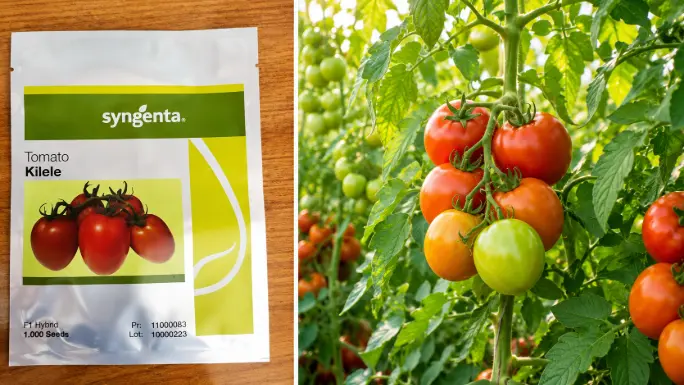
Top varieties include Kilele F1, Anna F1, and Raja F1. Choose hybrids strictly based on disease resistance and targeted buyer markets. Processing markets prefer determinate types, while fresh markets pay high premiums for firm indeterminate fruits.
Determinate vs Indeterminate Tomatoes
Determinate varieties grow to a fixed height as compact bushy plants. They do not require expensive staking and mature much faster. Indeterminate varieties grow continuously upwards like long vines. They require strong staking and yield fresh fruits over a much longer period.
Open-field farmers usually prefer determinate varieties to save heavily on staking costs. Greenhouse farmers exclusively use indeterminate types for continuous long-term harvesting. Choose your variety based on your available capital and farm infrastructure.
Read Also: Tomato Farming in Kenya 2026: Best Hybrid Varieties F1, Greenhouse and Hydroponic Tomato Farming Profit Guide
Here is a detailed comparison of the top performing tomato varieties for 2026. Select your seed based on your target yield and local disease prevalence.
| Variety | Yield Potential (Tons/Acre) | Maturity (Days) | Disease Resistance |
|---|---|---|---|
| Kilele F1 | 30 to 35 | 75 | Excellent against TYLCV and Wilt |
| Anna F1 | 30 to 35 | 75 | High against Blight and Nematodes |
| Raja F1 | 25 to 30 | 65 | Excellent against Fungal Wilt |
| Zara F1 | 25 to 30 | 75 | Good against Bacterial Wilt |
| Rio Grande | 15 to 20 | 80 | Moderate standard resistance |
Best Tomato Varieties for Open Field Farming
Anna F1 remains a top favorite for its tough skin and extended shelf life. Zara F1 performs exceptionally well in dry, intensely hot regions. Prostar F1 is widely known for high yields and solid disease resistance. Kilele F1 offers a massive 35-ton potential with excellent viral tolerance.
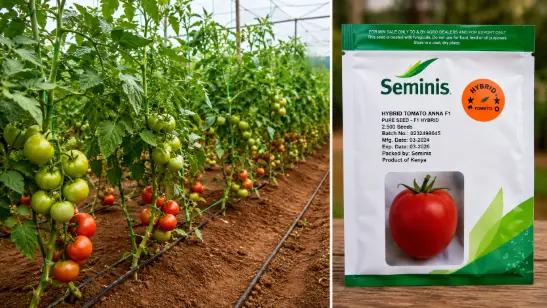
Rio Grande is an open-pollinated variety highly loved for commercial processing. It produces blocky fruits with distinctively thick walls. It is cheap to grow but yields significantly less than modern hybrids. Always match the seed variety directly to your local climate.
Best Tomato Varieties for Greenhouse Farming
Greenhouses strictly demand high-yielding indeterminate hybrids. Bravo F1 matures in 75 days and actively resists major viral infections. Anna F1 is also widely adapted for internal greenhouse structures. These varieties ensure long and highly profitable harvest windows.
Best Tomato Varieties for Fresh Market
Fresh markets demand perfectly firm, round, and deep red fruits. Buyers inspect visual appeal and overall shelf life very strictly. Kilele F1 and Anna F1 absolutely dominate Wakulima market stalls. Their extremely thick skins prevent damage during rough truck transport.
Best Tomato Varieties for Processing
Commercial processors need tomatoes with high solid content and much less water. Roma VF and Rio Grande remain the unquestioned industry standards. They are blocky, pear-shaped, and completely perfect for making tomato pastes. Do not attempt to sell fresh market varieties to strict processing plants.
Why OPV Varieties Fail Commercial Farmers
Open Pollinated Varieties are cheap to buy but incredibly risky to plant. They lack vital genetic resistance to modern diseases like bacterial wilt. Their harvest yields are significantly lower than premium F1 hybrids. Serious commercial farmers avoid OPVs completely to protect their financial investments.
Seed Prices in Kenya 2026
Quality hybrid seeds are expensive but entirely worth the initial cost. A 50-gram packet of Kilele F1 costs roughly KES 8,000 currently. This small packet is enough to plant a standard quarter acre. Cheap seeds from unregistered street vendors usually result in massive field failures.
Where to Buy Genuine Tomato Seeds in Kenya
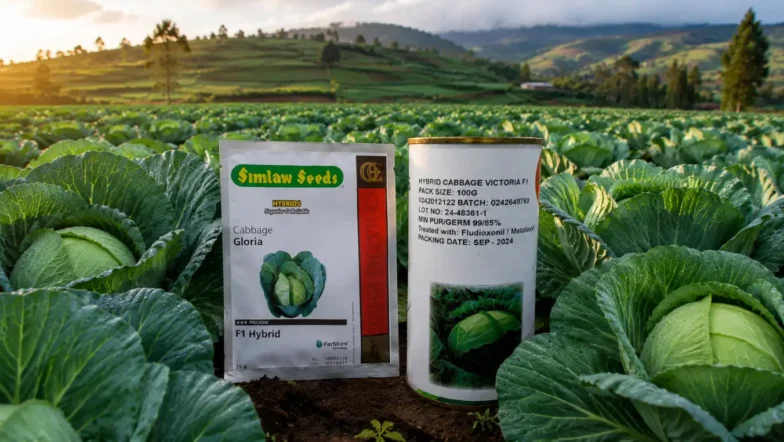
Never buy farming seeds from unverified social media sellers. Always visit authorized agro-dealers fully certified by KEPHIS. Companies like Syngenta, Simlaw Seeds, and Amiran Kenya provide highly genuine products. Always check the official KEPHIS scratch-off security sticker on the specific packet.
You can purchase directly from Simlaw Seeds by calling +254 722 200 545 or visiting www.simlaw.co.ke. Amiran Kenya can be reached securely at +254 719 095 000 or via www.amirankenya.com.
Syngenta Kenya offers direct support at +254 703 018 000 and through www.syngenta.co.ke.
Open Field vs Greenhouse Tomato Farming
Open field farming has lower startup costs but carries significantly higher weather risks. Greenhouse farming offers climate control and massive yields but requires heavy initial capital. Your choice depends entirely on your available budget and technical management skills.
Advantages of Open Field Farming
The initial capital required is much lower for beginners. You can utilize large tracts of open land very easily. Natural sunlight and steady airflow reduce the cost of artificial climate control. It remains the best entry point for new beginner farmers.
Disadvantages of Open Field Farming
Crops are fully exposed to harsh seasonal rains and scorching sun. Heavy rains wash away expensive foliar fertilizers almost instantly. Destructive pests like Tuta absoluta migrate freely into the open farm. Disease control becomes highly expensive during very wet seasons.
Advantages of Greenhouse Farming
You control the internal climate completely from day one. It allows for highly lucrative year-round production regardless of outside weather. Yields per square meter are vastly superior to open agricultural fields. The highly controlled environment minimizes severe and unexpected pest invasions.
Disadvantages of Greenhouse Farming
The structural setup costs are extremely high for average farmers. Poor internal ventilation leads to devastating fungal outbreaks inside the unit. It requires specialized knowledge to safely manage internal humidity and heat. Soil-borne diseases can easily become permanent if strict crop rotation is ignored.
Startup Costs Comparison
Open field farming costs roughly KES 150,000 to KES 200,000 per acre. A standard 8m by 15m greenhouse costs upwards of KES 200,000 just to build. Open field gives you massive volume, while greenhouses give you pinpoint precision. Scale your ultimate choice directly according to your wallet size.
Yield Comparison
A truly great open-field farmer harvests 25 tons per acre. A highly optimized greenhouse can actively produce 40 to 60 tons equivalent per acre. The overall visual quality of greenhouse fruits is generally superior. This reliably attracts premium buyers from high-end hotels and restaurants.
Which System Is Better in Kenya in 2026?
If you have severely limited capital, start with an open field and drip irrigation. Master the basic agronomy before heavily upgrading to expensive structures. If you are specifically targeting export or high-end supermarkets, greenhouses are mandatory. Both specific systems demand flawless daily operational management.
Tomato Farming Calendar in Kenya 2026
Timing your harvest for April or December guarantees the highest possible market prices. Avoid planting in March unless using greenhouses, as heavy rains ruin open-field crops. Irrigated dry-season farming remains the ultimate secret to exceptionally high profits.
January to March Tomato Season
Planting in January means relying purely and strictly on irrigation. The weather is dry, and pest pressure from whiteflies is very high. However, disease pressure from fungal blight is blessedly very low. Harvests in March fetch high premium prices as national supply dips.
April to June Tomato Season
This period represents the absolute peak of the long rains. Open-field farmers usually suffer massive losses from severe fungal diseases. Rural transport networks become muddy and completely impassable. If you successfully harvest during this exact window, you dictate your own prices.
July to September Tomato Season
The cold season actively slows down plant growth significantly. Blight is a major and constant threat during these damp months. Farmers must invest very heavily in preventative copper-based fungicides. Prices begin to stabilize as more national crops slowly mature.
October to December Tomato Season
The short rains provide vital relief for historically water-stressed regions. Planting in October targets the highly lucrative December holiday market. General demand for tomatoes spikes heavily during Christmas and New Year festivities. This is a highly profitable growth window for strategic commercial farmers.
Best Planting Months
The absolute most strategic planting months are January and August. January planting cleverly secures the April high-price market window. August planting catches the massive December holiday rush perfectly. Always work backward on the calendar from your specific target selling month.
Best Harvesting Months
April, May, and December are traditionally the absolute most profitable harvesting months. General national supply is extremely low, and consumer demand is high. Nakuru and Eldoret urban markets pay heavy premiums during these distinct shortages. Brokers will actually call your phone instead of you chasing them.
High Price Seasons
Prices spike aggressively whenever heavy rains destroy standard open-field crops. They also rise sharply during major national holiday periods. In 2026, standard crates in Eldoret hit KES 7,000 during severe supply shortages. Market intelligence remains your absolute greatest agricultural asset.
Rainy Season Disease Pressure
Lingering moisture is the biggest enemy of a mature tomato crop. Blight spreads extremely rapidly in wet, highly humid conditions. Fungicide budgets must actively double during the heavy rainy season. Greenhouses easily excel during this period by keeping valuable foliage completely dry.
Dry Season Irrigation Challenges
Local rivers dry up and borehole levels drop during intense droughts. Solar water pumps become absolutely essential for farm survival. Heavy mulching is critical to actively retain vital soil moisture. If your main water source fails entirely, your entire financial investment dies.
Nursery Preparation and Seedling Management
Seedling survival strongly dictates your final harvest yields. Use sterile seedling trays instead of ground nurseries to fully prevent root diseases. Proper shade management, strict daily watering schedules, and hardening off ensure robust field transplants.
Why Most Farmers Fail at Nursery Stage
Farmers foolishly use unsterilized topsoil heavily infected with destructive nematodes. They constantly overwater seedlings, causing deadly damping-off fungal disease. Weak seedlings simply cannot survive the harsh shock of field transplanting. A failed nursery absolutely guarantees a failed final harvest.
Choosing Quality Seeds
Never ever compromise on your initial seed quality. Buy true F1 hybrids strictly from reputable KEPHIS-certified local dealers. Carefully check the exact expiration date on the packet before purchasing. High germination rates save you immense amounts of money and time.
Seedling Trays vs Ground Nurseries
Ground nurseries wrongly expose seeds to soil-borne pests and erratic weather. Seedling trays perfectly isolate each plant, actively preventing root entanglement. Trays use completely sterile media, guaranteeing absolute zero nematode infections. Always invest securely in quality 200-hole plastic seedling trays.
Best Nursery Media
Peat moss remains the absolute gold standard for rapid seedling development. Coco peat is a great, affordable alternative but must be washed to remove salts. Sterilized soil mixes can actually work if baked or solarized properly. Never use raw, untreated farm soil in delicate germination trays.
Seed Sowing Procedure
Carefully fill the tray cells with your chosen media and press lightly. Make a tiny 1cm deep indent in each individual cell. Drop exactly one single seed per cell to completely avoid overcrowding. Cover lightly with fine media and water gently using a mist sprayer.
Watering Schedule
Overwatering actively kills far more seedlings than severe drought. Water early in the morning to allow foliage to dry completely by evening. Never ever leave your trays sitting in stagnant muddy water. Damp conditions actively invite immediate and deadly fungal attacks.
Shade Management
Young seedlings urgently need protection from direct, scorching sunlight. Construct a simple but sturdy shade net structure over the nursery bed. 50% agricultural shade nets provide the absolute perfect light balance. Remove the protective net very gradually as your seedlings mature.
Damping Off Prevention
Damping-off makes weak young stems rot directly at the soil line. Prevent this fully by avoiding overwatering and ensuring excellent internal airflow. Apply a strong preventative copper-based fungicide exactly at the two-leaf stage. Discard any visibly infected seedlings immediately without hesitation.
Hardening Off Seedlings
Seedlings must prepare physically for the harsh open field environment. Exactly one week before transplanting, strictly reduce your watering frequency. Expose them to full direct sunlight very gradually over several days. This process builds incredibly tough, woody stems capable of surviving field shock.
Seedling Transplant Readiness
Seedlings are perfectly ready when they are 4 to 6 inches tall. They should display exactly three to four completely true leaves. The internal root ball must be very firm and bright white. Transplanting usually happens exactly 3 to 4 weeks after initial sowing.
Common Nursery Mistakes
Using excess nitrogen fertilizer directly causes weak, highly leggy stems. Sowing seeds way too deep strongly prevents successful germination. Leaving planting trays directly on the ground invites destructive crawling pests. Always elevate your delicate trays on simple, flat wooden benches.
Soil Testing and Land Preparation
A soil test is completely non-negotiable for commercial farming success. Prepare raised beds to significantly improve field drainage and root depth. Apply well-rotted organic manure and basal fertilizers strictly according to official soil test recommendations.
Why Soil Testing Matters
You cannot effectively manage what you have not accurately measured. A KALRO soil test reveals exact nutrient deficiencies and current pH levels. Applying the wrong fertilizer actively wastes money and physically harms the crop. It is easily the absolute cheapest insurance policy for your entire farm.
Soil Sampling Procedure
Collect random soil from exactly 10 different spots across your specific acre. Dig carefully in a V-shape to a strict depth of 20cm. Mix all the collected samples thoroughly in a totally clean plastic bucket. Send a final 1kg composite sample directly to a certified agricultural laboratory.
Raised Bed Preparation
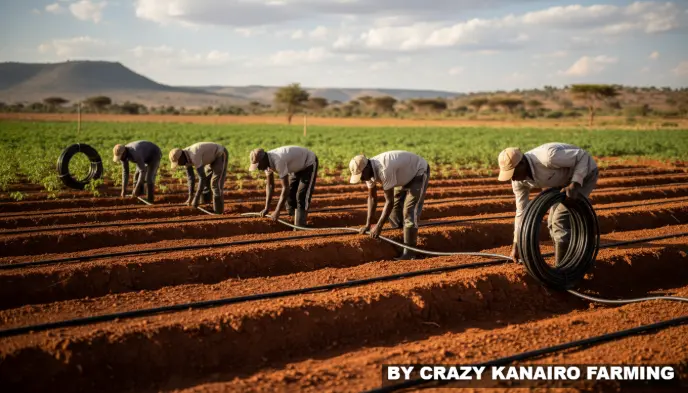
Tomatoes absolutely hate sitting in badly waterlogged soils. Raised beds vastly improve drainage and increase root aeration significantly. Make your beds exactly 15cm high and exactly 1 meter wide. This smart setup also makes installing your drip irrigation lines much easier.
Ploughing and Harrowing
Plough the land very deep to effectively break stubborn hardpans. Wait exactly two weeks to allow dormant weed seeds to germinate and dry out. Harrow the top soil to an extremely fine and smooth tilth. Big, hard soil clods severely restrict delicate young root growth.
Adding Organic Matter
Expensive chemical fertilizers are mostly useless in biologically dead soils. Incorporate 5 to 10 solid tons of well-rotted cow or goat manure per acre. Organic matter drastically improves soil structure and retains vital field moisture. Never use raw fresh manure as it aggressively burns young plant roots.
Basal Fertilizer Application
DAP is the standard basal fertilizer for exceptionally strong root establishment. TSP is highly preferred if your specific soil is already too acidic. Apply roughly 50kg safely per acre exactly during the planting phase. Always mix the raw fertilizer with soil before physically placing the seedling.
Correct Fertilizer Mixing to Avoid Root Burn
Raw chemical fertilizer must never directly touch the delicate seedling roots. Place exactly one teaspoon of DAP deeply into the prepared planting hole. Cover it thoroughly with a thin, protective layer of soil. Then, gently place the seedling root ball safely on top of the soil layer.
Tomato Transplanting and Spacing
Transplant only during cool late afternoons to completely minimize plant shock. Maintain a strict 60cm by 45cm spacing for absolute optimal airflow. Proper spacing completely prevents fungal outbreaks and ensures every plant gets adequate daily sunlight.
Best Time to Transplant
Never ever transplant under the harshly hot midday sun. The absolute best time is late afternoon specifically after 4:00 PM. This gently gives seedlings the entire cool night to physically recover. Overcast, lightly drizzly days are also completely perfect for field transfers.
Recommended Spacing
For open-field determinate varieties, strictly use a 60cm by 45cm spacing grid. For large indeterminate greenhouse varieties, spacing can be safely adjusted to 60cm by 40cm. Proper field spacing completely guarantees excellent airflow, vastly reducing fungal disease spread.
Plant Population Per Acre
With correct standard spacing, an acre comfortably holds between 10,000 and 12,000 plants. Cramming more extra plants does not mathematically equal more yield. Overcrowding actively creates a deeply humid microclimate absolutely perfect for deadly blight. Stick strictly to the professionally recommended population limits.
Evening Transplanting Advantages
Evening transplanting drastically and effectively reduces plant moisture loss. The naturally cool evening temperatures actively prevent sudden wilting and stress. Roots quickly begin establishing themselves almost immediately in the damp cool soil. By early morning, the rested plants stand completely upright and strong.
Watering After Transplanting
Water the entire field very heavily exactly before bringing the seedlings. Immediately after planting, quickly run the drip lines for another solid 30 minutes. The wet soil must settle extremely tightly around the delicate root ball. Hidden air pockets deeply inside the soil will instantly kill the roots.
Common Transplanting Mistakes
Burying the young seedling far too deep quickly rots the main stem. Bending the primary taproot during physical placement severely stunts future growth. Handling seedlings roughly by their fragile stems instead of the leaves causes irreversible bruising. Always treat your young plants with extreme physical care.
Irrigation and Water Management
Drip irrigation is entirely mandatory for any commercial agricultural success. Overhead watering aggressively spreads fungal spores almost instantly. Ensure highly consistent soil moisture to fully prevent fruit cracking and fatal blossom end rot.
Water Requirements Per Plant
A mature healthy tomato plant requires roughly 1 to 2 liters of water daily. This massive demand peaks sharply during the heavy fruiting stage. Inconsistent and erratic watering leads directly to hopelessly split fruits. Always water very deep, not just lightly at the top surface.
Drip Irrigation vs Overhead Irrigation
Drip irrigation delivers water directly to the exact root zone highly efficiently. Overhead sprinklers constantly wet the foliage, actively creating a massive breeding ground for blight. Drip systems significantly save water and actively reduce wild weed growth significantly. Commercial farmers must completely utilize drip technology.
Why Overhead Irrigation Increases Disease
Fungal spores absolutely require heavy moisture to successfully germinate on leaves. Sprinklers constantly splash dangerous soil-borne pathogens directly onto the lower plant stems. Wet leaves left damp in the evening absolutely guarantee a devastating late blight outbreak. Keep the sensitive plant leaves completely dry at all possible costs.
Irrigation Frequency by Growth Stage
Young seedlings require very light, highly consistent daily watering. Growing vegetative plants strongly need deeper watering precisely every two days. Mature fruiting plants require heavy, deeply consistent daily moisture delivery. Adjust your specific watering schedule directly based on daily heat and soil type.
Borehole vs River Water
Deep borehole water is highly reliable but can sometimes be highly saline. Always physically test your borehole water for salt content carefully before use. River water is free but very often carries dangerous nematode pests and active weed seeds. Install proper heavy sand filters if actively pumping directly from a river.
Water Tank Systems
Standard gravity-fed drip systems absolutely require raised heavy water tanks. Elevate your large 5,000-liter tank tightly at least 3 meters high. This successfully provides sufficient heavy pressure to properly run multiple drip lines simultaneously. Keep the main tank tightly covered to completely prevent green algae growth.
Solar vs Diesel Water Pumps
Old diesel pumps are very cheap to buy but brutally expensive to constantly run. High national fuel prices will actively eat your profit margins very rapidly. Solar pumps actively require a high initial investment but operate essentially for entirely free. Solar power is the absolutely only sustainable financial choice for 2026.
Drip Irrigation Installation Costs
A complete modern drip system for one single acre costs between KES 80,000 and KES 120,000. This standard quote heavily includes primary pipes, filters, and all fittings. Do not ever buy cheap, dangerously thin drip tapes that naturally burst easily. It is an incredibly smart investment that actively pays for itself in one season.
Signs of Overwatering
Plant leaves suddenly turn yellow and droop heavily despite the deep soil being wet. The very base of the main stem starts visibly turning black and rotting. Green algae and thick moss grow visibly on the top soil surface. Reduce your daily water heavily and immediately to save the drowning crop.
Signs of Underwatering
The entire tomato plant wilts very noticeably during the harsh midday heat. The leaves quickly become completely dry, totally crispy, and curl heavily inwards. Valuable blossoms suddenly drop off completely before naturally forming fruits. Increase your daily irrigation run time safely and immediately.
Tomato Fertilizer Program
Maximize the 2026 NCPB subsidy capping specific fertilizers at exactly KES 2,500. Use DAP solely for root establishment, CAN specifically for vegetative growth, and NPK for fruiting. Supplement heavily with expensive foliar feeds containing calcium and boron to massively boost fruit quality.
The current government subsidized fertilizer program requires strict digital registration securely on the KIAMIS platform. Once fully registered, you quickly receive an active e-voucher via SMS to safely collect fertilizer at NCPB depots. This directly drops your heavy input cost from KES 6,500 safely down to exactly KES 2,500 per bag.
Read Also: Top 5 High-Yield 3-Month Crops in Kenya (2026 Profit Guide + ROI Breakdown)
The table below provides a strict nutritional guideline for high-yield farming. Always adjust these generic rates safely based on your specific KALRO soil test results.
| Growth Stage | Fertilizer Type | Application Rate |
|---|---|---|
| Transplanting | DAP / TSP | 50kg per Acre |
| Vegetative (Week 3) | CAN / Urea | 50kg per Acre |
| Flowering (Week 5) | NPK 17:17:17 | 50kg per Acre |
| Fruiting (Week 7) | Potassium Nitrate | Foliar / Drip Fertigation |
Nutrient Requirements by Growth Stage
Young transplant plants heavily demand phosphorus for massive initial root expansion. Teen vegetative plants desperately need nitrogen to swiftly grow wide, perfectly green leaves. Mature plants absolutely require heavy potassium to actively bulk up their heavy fruits. Feeding the wrong exact nutrient at the wrong specific time completely ruins your final yields.
Vegetative Stage Fertilizers
Apply highly soluble CAN exactly three weeks after initially transplanting. Nitrogen feeding strongly pushes the young plant to actively grow strong stems and highly abundant foliage. Do not heavily over-apply nitrogen, or the stressed plant will stubbornly refuse to flower. A large, completely healthy canopy actively protects delicate fruits from severe sunscald.
Flowering Stage Fertilizers
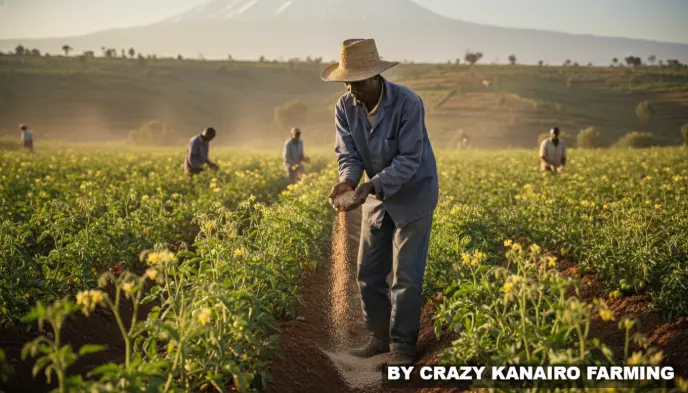
Switch completely to NPK 17:17:17 immediately when the very first yellow flowers vividly appear. This perfectly balanced feed strongly supports both continued active growth and heavy new blossoms. Halt heavy raw nitrogen application completely and immediately exactly at this delicate stage. High lingering nitrogen causes the confused plant to aggressively abort its fresh flowers.
Fruiting Stage Fertilizers
Potassium fertilizers are absolutely critical for proper fruit sizing and heavy sugar development. Calcium fertilizers completely prevent the widely dreaded and fatal blossom end rot disease. Apply these crucial nutrients directly via drip fertigation for highly immediate root uptake. Soluble calcium also heavily thickens the delicate tomato skin for much safer truck transport.
Foliar Feeding Program
Basic soil application alone is very rarely ever enough for high-yielding modern hybrids. Spray premium foliar feeds exactly every two weeks reliably starting precisely from the vegetative stage. Foliar nutrients cleverly bypass the entire root system and actively enter directly through the leaves. They are absolutely perfect for highly rapid nutrient deficiency correction.
EasyGro and Other Foliar Feeds
Top brands like EasyGro consistently offer highly specific stage-specific formulations. Use EasyGro Vegetative very early on, then swiftly switch securely to EasyGro Flower and Fruit. Mix these powerful feeds strictly exactly according to the specific manufacturer’s label. Spray very early in the cool morning exactly when microscopic leaf stomata are wide open.
Organic Fertilizer Options
Fermented chicken manure tea is an absolutely excellent organic nitrogen liquid boost. Hard wood ash naturally provides highly available potassium specifically for the heavy fruiting phase. Liquid seaweed extracts heavily stimulate highly rapid root growth and massive stress recovery. Organic farm inputs actively rebuild completely dead soil health effectively over long time periods.
Common Fertilizer Mistakes
Applying strong chemical fertilizer precisely on completely dry soil actively burns plant roots instantly. Always thoroughly water the entire field completely before safely top-dressing. Throwing raw CAN randomly directly onto the tender plant stem inevitably causes severe chemical burns. Place the potent fertilizer exactly 5cm safely away from the exact plant base.
Tomato Staking and Pruning
Staking keeps valuable fruits completely off the dirty ground, entirely preventing rot and disease. Pruning completely removes excess useless suckers, perfectly redirecting plant energy directly into heavy fruit sizing. Proper airflow naturally flowing through pruned canopies drastically and effectively reduces your total fungal spray costs.
Why Staking Is Necessary
Tomatoes completely left carelessly on the bare ground naturally rot very quickly from heavy soil moisture. Crawling soil pests very easily and quickly attack totally unsupported heavy fruits. Proper staking fully opens up the entire plant, effectively making chemical spraying highly effective. It successfully maximizes your tight vertical space directly for significantly higher crop yields.
Single Stake Method
Drive a very strong, thick wooden peg deeply right next to each specific plant. Tie the thick main stem very loosely precisely to the strong peg using entirely soft sisal twine. This simple method is highly cheap and widely effective specifically for short determinate varieties. Ensure the wooden stakes are very deeply naturally anchored to successfully resist very strong winds.
String and Wire Method
Run a highly strong, thick high-tensile wire tightly perfectly above the long crop rows. Drop specialized UV-treated plastic strings entirely down directly to each specific individual plant. Wrap the strong string very gently directly around the thick main stem precisely as it slowly grows. This remains the absolute standard structural method specifically for tall greenhouse operations.
Trellising Systems
Use highly strong horizontal wires tightly strung directly between highly strong thick wooden posts. Weave the long tomato stems very carefully completely through the tight wires entirely as they grow upwards. This strong system actively supports massive heavy fruit weight extremely easily. It absolutely requires much higher initial farm labor but vastly and easily simplifies final harvesting.
Pruning Suckers
Suckers are exactly new tiny shoots that quickly grow specifically in the V-joints entirely between the main stem and branches. Pinch them off very cleanly and weekly entirely while they are completely small. Leaving wild suckers successfully creates a highly messy, wildly overgrown useless bush. Pruning heavily forces internal energy completely directly into the highly profitable main fruit clusters.
Lower Leaf Removal
Once the very first heavy fruit cluster perfectly matures, firmly cut off absolutely all leaves sitting below it. Old yellow leaves located near the wet soil spread deadly blight very quickly. Removing them completely improves exact field ventilation almost instantly. Always securely use completely sterilized sharp secateurs to successfully prevent highly deadly disease transmission.
Airflow Management
A highly dense, completely unpruned green canopy effectively holds deadly humidity absolutely perfectly. This dangerous microclimate completely guarantees a massive and fatal late blight outbreak. Good steady airflow naturally dries the wet leaves highly rapidly exactly after early morning dew. Natural wind movement perfectly aids highly natural and completely free flower pollination.
How Poor Pruning Reduces Fruit Size
An entirely unpruned plant wildly tries specifically to actively feed fifty completely tiny fruits highly simultaneously. A perfectly pruned plant strongly feeds exactly twenty massive, entirely market-ready fruits. Demanding buyers strictly pay extremely premium prices exclusively for completely large, highly uniform tomatoes. Severe pruning strictly remains the absolute secret to harvesting strictly grade-one beautiful harvests.
Mulching and Weed Control
Heavy mulching effectively suppresses wild weeds, heavily retains vital soil moisture, and actively prevents deadly soil-borne diseases from rapidly splashing directly onto clean leaves. Silvery plastic mulch is highly effective specifically for large commercial operations, while natural organic mulch strongly improves long-term internal soil health and vital fertility.
Benefits of Mulching
Heavy mulch completely acts perfectly as a highly protective physical barrier directly over the top soil. It perfectly blocks hot sunlight, entirely stopping wild weed seeds from successfully germinating. It heavily traps vital moisture, actively and successfully reducing your highly expensive daily irrigation costs. It completely keeps the highly sensitive root zone completely cool directly during extremely intense afternoon heat.
Plastic Mulch vs Organic Mulch
Silvery-black UV plastic mulch strongly remains the highly absolute commercial farming standard. It effectively repels destructive aphids and naturally warms the cold soil completely effectively. Natural organic mulch exactly like entirely dry grass is highly cheap and successfully adds vital carbon directly to the top soil. However, deep organic mulch can unfortunately sometimes completely hide highly destructive crawling pests entirely like deadly cutworms.
Weed Suppression
Wild weeds strongly compete extremely violently directly with weak tomatoes specifically for water and highly expensive applied fertilizer. Weeding mechanically using sharp hoes severely and physically damages highly shallow tomato feeder roots. Heavy mulching entirely successfully eliminates the absolute need specifically for highly constant, extremely expensive manual field weeding. A completely clean, deeply mulched field strongly yields highly significantly healthier mature crops.
Moisture Conservation
Totally bare hot soil actively loses vital water extremely rapidly entirely through fast evaporation. Heavily mulched top soil perfectly stays deeply damp specifically for entire days, highly even in completely hot arid regions exactly like Kajiado. This totally consistent deep moisture completely successfully prevents highly fatal heavy fruit cracking. Severe water conservation highly remains completely critical specifically during highly dry season irrigated farming.
Disease Reduction Benefits
Heavy raindrops aggressively splash highly deadly fungal spores actively from the wet soil completely onto very clean lower leaves. Thick mulch successfully absorbs the heavy violent impact directly of very heavy fast rain, entirely stopping this dangerous soil splash completely. This incredibly simple physical barrier absolutely drastically successfully reduces highly deadly early blight active infections. It strictly successfully completely keeps your beautiful mature fruits completely highly clean and highly perfectly presentable.
Tomato Spray Program in Kenya
A completely strict and highly rigid weekly chemical spray schedule remains the absolutely only way to financially survive. Strictly alternate completely different active chemical ingredients to successfully prevent deadly pest resistance. Use strong preventative protective fungicides precisely before heavy rains and highly expensive curative systemic ones immediately after severe outbreaks. Always precisely actively balance your exact spray water specific pH specifically for absolute maximum chemical efficacy.
Preventative vs Curative Spraying
Preventative spraying works by coating healthy leaves before infection occurs, stopping fungal spores from germinating and spreading. This approach protects the crop early, before visible symptoms appear. Curative spraying, on the other hand, is used after disease has already infected the plant. At this stage, the goal is to slow or suppress an active outbreak that is already damaging the crop.
Preventative fungicides such as Mancozeb are usually more affordable and highly effective when applied consistently and on time. Curative systemic fungicides like Metalaxyl are often more expensive because they are designed to penetrate plant tissue and fight active infections internally.
The brutal reality is simple:
Prevention is always cheaper, easier, and more effective than trying to rescue a heavily infected crop.
Fungicide Rotation
Fungal diseases adapt quickly when exposed to the same active ingredient repeatedly. Continuously spraying one fungicide back-to-back increases the risk of chemical resistance, making the product less effective over time.
Once resistance develops, farmers are forced to use stronger and more expensive chemicals while still struggling to control disease outbreaks.
Smart farmers rotate fungicides using different active ingredients and different FRAC groups throughout the spray program. Proper rotation slows resistance development, extends the effectiveness of fungicides, and improves long-term disease management.
Sticker and Spreader Usage
Chemicals bead up and roll off waxy tomato leaves. A sticker-spreader breaks water tension, coating the leaf evenly. It also glues the chemical to the leaf, preventing rain wash-off. Never spray without a quality sticker.
PH Correction in Spray Water
Most agrochemicals require slightly acidic water (pH 5.5) to work properly. Highly alkaline borehole water neutralizes expensive pesticides instantly. Always use a commercial pH buffer before mixing your chemicals. This simple step literally doubles your chemical efficacy.
Weekly Spray Schedule Example
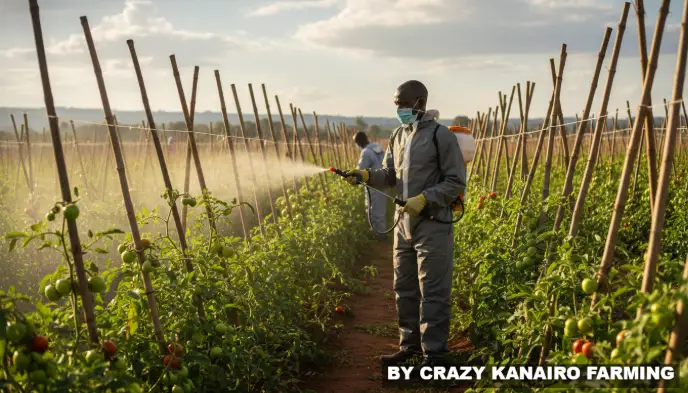
On Monday, spray a preventative fungicide mixed with a foliar feed. On Thursday, scout the field and spot-spray insecticides only where needed. Always mix chemicals exactly as the label dictates. Wear full protective gear every single time.
Common Spraying Mistakes
Mixing incompatible chemicals creates a toxic sludge that burns leaves. Spraying under the hot midday sun causes severe chemical scorch. Using dirty, muddy water completely neutralizes active ingredients. Maintain your knapsack sprayer diligently.
Common Tomato Pests in Kenya
Tuta absoluta is the most destructive pest, requiring pheromone traps and strict chemical rotation. Whiteflies and aphids transmit deadly viral diseases. Implement Integrated Pest Management (IPM) to control outbreaks without destroying your profit margins.
Tuta Absoluta
This tiny moth is a tomato farmer’s worst nightmare. Its larvae mine inside the leaves and bore directly into the fruits. Infestations can destroy 100% of the crop in mere days. Use specialized chemicals like Coragen alongside water traps.
Aphids
Aphids cluster tightly under leaves, sucking sap and stunting growth. They excrete sticky honeydew that causes black sooty mold. More dangerously, they rapidly transmit deadly viral diseases. Knock them out early with systemic insecticides.
Whiteflies
Whiteflies are the primary vector for the Tomato Yellow Leaf Curl Virus. If you shake a plant and a white cloud appears, you are in deep trouble. Control them using yellow sticky traps and targeted sprays. Keep the farm entirely weed-free to destroy their hiding spots.
Thrips
Thrips attack tomato blossoms, causing massive flower drop. They scar young fruits, rendering them completely unmarketable. They hide deep inside the flowers, making chemical contact extremely difficult. Use Spinosad-based products for highly effective control.
Cutworms
Cutworms hide in the soil during the day and emerge exclusively at night. They chew right through the stems of young seedlings, felling them like timber. Apply soil drenches containing chlorpyrifos precisely before transplanting. Keep the nursery area completely clean.
Leaf Miners
These pests lay eggs entirely inside the leaf tissue. The hatching larvae eat their way through, leaving visible white trails. Severe attacks completely destroy the plant’s ability to photosynthesize. Systemic insecticides are required to reach them inside the leaf.
Root Knot Nematodes
Nematodes are microscopic soil worms that viciously attack delicate roots. They cause massive swelling and knots, cutting off vital water uptake. Infected plants wilt severely during the day despite wet soil. Use nematode-resistant varieties and rotate with non-host crops like maize.
Pheromone Traps
Traps use synthetic female scents to actively lure male moths. Catching the males completely stops the breeding cycle entirely. Place 4 to 5 traps per acre for highly effective mass trapping. They also serve as an excellent early warning scouting tool.
Integrated Pest Management (IPM)
Do not ever rely entirely on toxic chemicals. Combine strict crop rotation, flawless field hygiene, and biological traps. Introduce beneficial insects if farming specifically inside a greenhouse. IPM actively keeps farming costs low and delays chemical resistance.
Recommended Active Ingredients
For caterpillars, actively use Flubendiamide or Indoxacarb. For sucking pests, Imidacloprid and Acetamiprid are highly effective. Always consult a certified KEPHIS agronomist for the latest approved chemicals. Banned chemicals will definitely get your produce rejected.
Tomato Diseases and Their Control
Blight and Bacterial Wilt are the biggest threats. Blight is actively managed with copper and systemic fungicides. Bacterial wilt has absolutely no chemical cure and requires strict field hygiene, crop rotation, and the use of resistant F1 varieties.
Early Blight
Early blight quickly forms dark, concentric rings on lower leaves. It specifically thrives in warm, highly humid weather. It eventually attacks the stem and causes fatal fruit rot. Use Mancozeb preventatively and Difenoconazole curatively.
Late Blight
Late blight is the most aggressive tomato disease globally. It causes massive, water-soaked grey lesions directly on leaves and fruits. It can completely destroy a healthy field in 48 hours during cold, wet weather. Metalaxyl-based sprays strictly remain your best defense.
Bacterial Wilt
Bacterial wilt is an absolute financial disaster. The plant suddenly wilts completely and dies while still totally green. There is absolutely no chemical cure for this vicious soil-borne pathogen. You must strongly uproot and burn the infected plant instantly.
Fusarium Wilt
Leaves slowly turn yellow and die, often starting on just one side of the plant. The internal stem tissue visibly turns dark brown when physically cut. It silently survives in the soil for several years. Always specifically plant highly resistant hybrid varieties.
Powdery Mildew
This fungus lightly coats the leaves in a white, dusty powder. It strictly blocks sunlight, severely reducing overall yields. It naturally thrives in dry, warm climates with high internal humidity. Sulfur-based fungicides control it highly effectively.
Blossom End Rot
The bottom of the tomato fruit actively turns black and leathery. This is not a disease but rather a severe calcium deficiency. It is usually caused by erratic watering locking up soil calcium. Maintain even soil moisture and vigorously apply foliar calcium.
Tomato Yellow Leaf Curl Virus
Leaves curl sharply upwards, actively turn yellow, and become highly stiff. Plant growth stops entirely, and absolutely no new fruits form. It is transmitted exclusively by whiteflies. Uproot infected plants immediately to save the rest.
Disease Prevention Strategies
Strict crop rotation completely breaks the lifecycle of soil pathogens. Soil solarization using clear plastic actively kills surface fungi. Complete hygiene effectively prevents you from spreading bacteria on your boots. Resistant varieties like Kilele F1 highly provide built-in genetic armor.
Why Bacterial Wilt Is a Disaster
Once your soil has bacterial wilt, you absolutely cannot plant tomatoes there for three years. It spreads incredibly rapidly through irrigation water and contaminated tools. Even harsh chemical drenches absolutely cannot eliminate it entirely. Strict quarantine of infected patches remains your only option.
Flowering and Fruit Development
Temperature extremes and poor nutrition actively cause massive flower drop. Ensure optimal potassium and boron levels strictly during fruiting. Consistent drip irrigation perfectly prevents fruits from violently cracking as they expand rapidly toward maturity.
Pollination
Open-field tomatoes are very easily pollinated by natural wind and bees. Greenhouse tomatoes strictly require slight mechanical vibration to actively release pollen. Shake the support wires very gently every single morning. Poor pollination leads directly to highly deformed, completely hollow fruits.
Causes of Flower Drop
Flowers actively drop off when temperatures exceed 30°C or drop severely below 10°C. Excessive nitrogen application also heavily forces the plant to abort flowers. Thrips actively damage the delicate blossom structures heavily. Maintain properly balanced nutrition and highly strict pest control.
Causes of Fruit Cracking
Fruits violently crack specifically when heavy watering directly follows a long dry spell. The internal fruit violently swells faster than the outer skin can possibly stretch. This completely ruins the specific fruit’s market value instantly. Consistent daily drip irrigation prevents this disaster entirely.
Calcium Deficiency Problems
Without adequate calcium, the specific cell walls of the fruit entirely collapse. This visibly manifests exactly as blossom end rot. High soil acidity actively prevents roots from safely absorbing available calcium. Top-dress effectively with Calcium Ammonium Nitrate (CAN) directly during the heavy fruiting stage.
Improving Fruit Size and Quality
Potassium strongly acts as the main engine for fruit sizing. It actively pulls vital sugars directly into the fruit, successfully increasing weight and firmness. Boron specifically helps physically transport these vital sugars efficiently. A dedicated potassium foliar spray securely guarantees heavy, grade-one tomatoes.
Harvesting and Post-Harvest Handling
Harvest strictly at the breaker stage specifically for distant markets and the red ripe stage for local sales. Rough physical handling causes invisible bruising that leads to highly rapid rot. Pack fruits specifically in well-ventilated crates to successfully prevent crushing during transport.
Tomato Maturity Stages
The breaker stage is exactly when the green fruit shows a slight pink flush at the bottom. The red ripe stage is specifically when the fruit is fully colored and slightly soft. Harvest timing actively depends entirely on the specific distance to your ultimate buyer.
Harvesting Techniques
Never ever pull the fruit forcefully directly from the vine. Twist it very gently precisely until it perfectly snaps at the natural joint. Harvesting should always be successfully done in the highly cool morning hours. Keep harvested fruits strictly totally out of direct harsh sunlight.
Sorting and Grading
Grade your tomatoes highly strictly explicitly by size and color. Remove any highly cracked, fully diseased, or severely pest-damaged fruits immediately. One single rotting tomato will entirely ruin an entire crate perfectly within 24 hours. Buyers strictly pay extremely premium prices exclusively for highly uniform, high-quality crates.
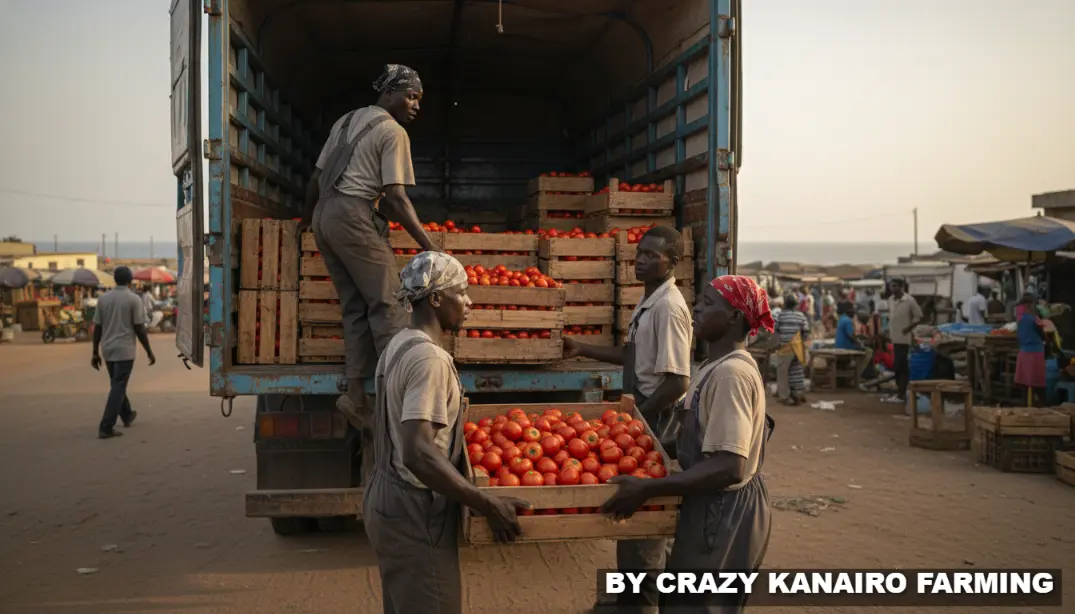
2026 Market Access: Where to Sell Your Tomatoes
Securing a market before planting is the difference between a high-profit season and watching your harvest rot. In 2026, the traditional Wakulima (Marikiti) and Gikomba markets remain the primary hubs for high-volume sales, where crates can hit KES 18,000 during supply shortages.
However, to bypass ruthless brokers, smart farmers are increasingly using agri-tech platforms like Taimba and Farm to Feed, which connect producers directly to urban retailers and schools. For those seeking price stability, contract farming with processing firms like Kevian Kenya or supplying supermarket chains like Naivas and Carrefour offers a shield against the extreme price volatility seen this year.
Read Also: Top 10 Best Maize Seeds in Kenya 2026: Prices, Yields & Highest Profit Varieties
Digital marketplaces such as Mkulima Online and Facebook groups also provide a direct-to-consumer channel, allowing you to capture the full retail margin of over KES 100 per kg currently seen in Nairobi estates.
Conclusion: The 2026 Tomato Farming Verdict
Tomato farming in Kenya remains a “high-risk, high-reward” venture. In 2026, the divide between the profitable farmer and the one facing bankruptcy comes down to precision. The days of relying on “good luck” and seasonal rains are over.
To succeed in today’s market, you must treat your shamba as a data-driven business. This means leveraging NCPB fertilizer subsidies, investing in solar-powered drip irrigation, and choosing F1 hybrids that can withstand the increasingly aggressive Tuta absoluta and Bacterial Wilt.
Key Takeaways for Success:
- Market First, Seeds Second: Never plant before you know who is buying. The KES 18,000 peak crate prices of 2026 are only accessible to those who time their harvest for the supply gaps in April and December.
- Technical Discipline: A KES 1,500 soil test is the best investment you will ever make. It is the difference between feeding your plants and poisoning your soil.
- Zero-Tolerance Pest Management: You cannot manage a 2026 tomato crop via “remote control.” If you are a “phone farmer,” the middleman and the pests will eat your profit before you even reach the gate.
The Bottom Line: If you can hit a yield of over 15 tons per acre and bypass the ruthless brokers by building direct supply chains, tomato farming is the fastest way to grow your capital in the Kenyan agribusiness sector.
Frequently Asked Questions About Tomato Farming in Kenya
How much does it cost to farm one acre of tomatoes in Kenya in 2026?
Open-field tomato farming costs roughly KES 150,000 to KES 350,000 per acre depending on irrigation, labour, and chemical usage.
Which is the best month to plant tomatoes in Kenya for maximum profit?
January and August are ideal because farmers target the high-price April and December harvesting seasons.
How profitable is tomato farming per acre in Kenya?
A well-managed acre can generate KES 200,000 to KES 600,000 profit depending on yields and market timing.
Which tomato variety is most profitable in Kenya today?
Kilele F1, Anna F1, Zara F1, and Prostar F1 are among the most profitable hybrid tomato varieties in Kenya.
What is the best fertilizer for increasing tomato fruit size?
High potassium fertilizers and calcium-based foliar feeds help improve tomato fruit size, firmness, and quality.
How many tomato plants can fit in one acre in Kenya?
One acre can hold approximately 10,000 to 12,000 tomato plants depending on spacing and farming system.
Is open field tomato farming still profitable in 2026?
Yes. Open-field farming remains profitable with proper irrigation, disease control, and smart market timing.
How often should tomatoes be sprayed during rainy seasons?
Tomatoes may require spraying every 5 to 7 days during rainy seasons due to high fungal disease pressure.
What is the biggest disease affecting tomato farmers in Kenya?
Bacterial wilt and late blight remain the most destructive tomato diseases affecting Kenyan farmers.
How do you grow tomatoes in Kenya step by step for high yields?
Use certified seeds, proper spacing, drip irrigation, strict spray programs, and balanced fertilization throughout growth.