

- Best overall value: Kenya Seed Company
- Best for dry and unpredictable areas: SeedCo
- Best for vegetables and pasture: Simlaw Seeds
- The 2026 government subsidy caps Kenya Seed Company maize seeds at KES 500 per 2kg, offering incredible value for budget-focused farmers.
- SeedCo dominates the premium market with fast-maturing hybrids like SC Duma 43, retailing around KES 900 for 2kg in dry regions.
- Simlaw Seeds remains the top choice for high-yielding vegetable varieties and drought-tolerant pasture grass across Kenya.
Table of Contents
Choosing the right seed is the most critical decision for any farmer or agro-dealer preparing for the 2026 planting season. Many beginners lose their entire investment by picking varieties that fail in their local climate. This guide provides updated prices, yield data, and regional recommendations for Kenya Seed Company, Simlaw Seeds, and SeedCo.
Whether you are farming for subsistence or running a commercial operation, you will learn exactly what to buy. We will also show you where to find genuine products and how to avoid counterfeits. Getting this step right guarantees a strong foundation for your entire crop cycle.
Quick Comparison Table
This comparison highlights the core differences between top seed companies regarding pricing, yield potential, and regional suitability.
The table below provides a high-level comparison of these three agricultural giants. It covers popular seed lines, average cost brackets, and ideal growing regions for 2026.
| Company | Popular Seeds | Price Range (KES) | Yield Potential | Best For (Region/Purpose) | Availability |
|---|---|---|---|---|---|
| Kenya Seed Company | H614, H6213, H513 | 500 to 6,000 (Maize) | 30 to 40 bags/acre | Highlands, Rift Valley | NCPB Depots, Agrovets |
| Simlaw Seeds | Gloria F1, Boma Rhodes | 150 to 1,800 (Vegetables/Grass) | Varies by crop type | Vegetables, Pastures | Licensed Agrovets |
| SeedCo | SC Duma 43, SC Sungura 301 | 900 to 1,000 (2kg Maize) | 35 to 45 bags/acre | Dry areas, Fast maturity | Premium Agrovets |
Why You Can Trust This Data
This guide is based on real market conditions and not guesswork.
- Prices verified from agrovets and NCPB depots across multiple counties
- Feedback collected from farmers during the 2024 to 2026 planting seasons
- Seed performance compared using actual yield results under Kenyan conditions
- Cross checked with distributors of Kenya Seed Company, Simlaw Seeds, and SeedCo
Last updated: April 2026
Detailed Brand Breakdown
Each seed company offers unique genetic traits tailored to specific farming goals and soil types across Kenya.
To maximize your harvest, you must understand the science and market positioning behind each seed brand. Buying seeds blindly based on brand popularity often leads to massive crop failure. Here is a detailed review of what each company brings to the table in 2026.
Kenya Seed Company Review
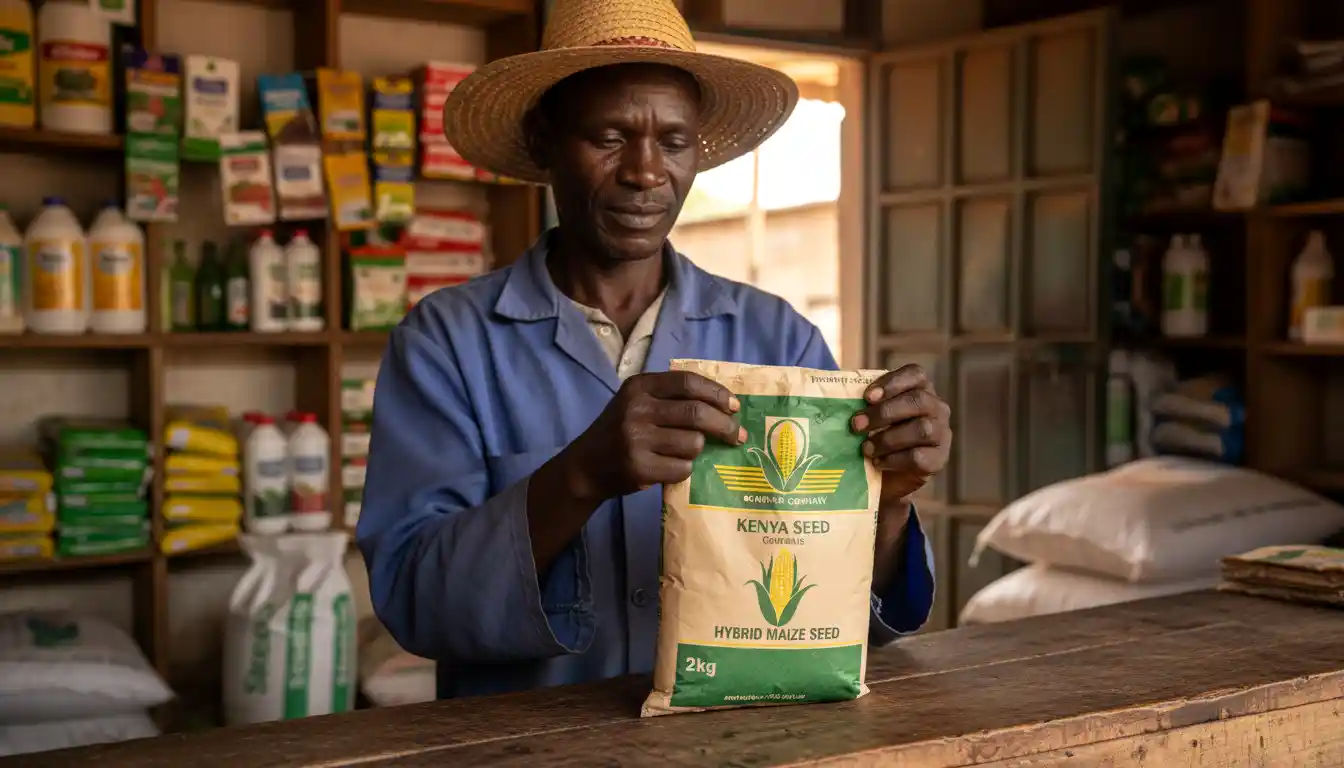
Kenya Seed Company is the government-backed giant that controls the majority of the local maize seed market. Their most iconic varieties include H614 for high altitudes and H513 for medium altitudes. From what many farmers experience, these seeds are highly reliable if you get your planting timing right.
The biggest strength of Kenya Seed Company is affordability and deep government trust. Following the March 2026 government subsidy directive, their prices are heavily capped to protect smallholders. However, their main weakness is availability delays during the peak planting rush.
Simlaw Seeds Review
Simlaw Seeds operates as a specialized division focusing heavily on horticultural and pasture seeds. They offer an incredible mix of both open-pollinated varieties and high-performance hybrids. If you are planting tomatoes, onions, or cabbages, Simlaw is generally the safest bet for consistent results.
Read Also: Kenya Seed Company Price List 2026 (Maize, Grass & Crop Seeds Prices in Kenya)
Their major strength lies in producing drought-tolerant vegetable varieties and top-tier fodder seeds like Boma Rhodes. This makes them invaluable to dairy farmers seeking to cut commercial feed costs. The primary weakness of Simlaw is their lower dominance in the staple commercial maize market.
SeedCo Review
SeedCo is a premium pan-African seed breeder known for its cutting-edge SC series maize hybrids. Varieties like SC Duma 43 are legendary for their fast maturity and high drought resilience. These seeds are heavily favored by commercial farmers who treat agriculture strictly as a business.
The core strength of SeedCo is their exceptionally high yield potential and disease resistance. However, their main weakness is premium pricing, which locks out many budget-constrained smallholders. SeedCo seeds also require strict adherence to fertilizer application protocols to achieve their advertised yields.
Seed Prices in Kenya 2026
Input costs vary significantly based on government subsidies and private brand premiums for the 2026 planting season.
Read Also: How to Find a Trusted Agrovet Near Me in Kenya (2026 Guide to Genuine Farming Inputs)
Budgeting accurately requires fresh market data to avoid surprises at the agrovet. The Kenyan agricultural sector saw major price adjustments in March 2026. Below is a direct comparison of seed prices across the three major companies.
Maize Seed Prices
Maize remains the absolute backbone of Kenyan farming. The government recently allocated KES 2 billion to subsidize Kenya Seed Company products. Meanwhile, private companies maintain market rates based on their extensive research costs.
The following table breaks down the updated 2026 maize seed prices by weight. Use these figures to calculate your capital requirements.
| Weight Bracket | Kenya Seed Company (KES) | Simlaw Seeds (KES) | SeedCo (KES) |
|---|---|---|---|
| 1kg Packet | 250 | 320 | 450 |
| 2kg Packet | 500 | 600 to 650 | 900 to 1,000 |
| 10kg Bag | 2,500 | 3,000 | 4,500 to 5,000 |
| 25kg Bag | 6,000 | 7,500 | 11,000+ |
Cost Per Acre Breakdown (What You Will Actually Spend)
| Seed Brand | Seed Needed Per Acre | Cost Per Acre (KES) | Expected Yield (Bags) | Profit Potential |
|---|---|---|---|---|
| Kenya Seed Company | 10 to 12 kg | 2,500 to 3,000 | 25 to 35 | Moderate but stable |
| Simlaw Seeds | 10 to 12 kg | 3,000 to 3,500 | 20 to 30 | Depends on crop type |
| SeedCo | 10 to 12 kg | 4,500 to 5,500 | 30 to 45 | High if managed well |
Cheap seeds are not always cheaper. If you skip fertilizer or plant late, even the best hybrid will fail.
Vegetable Seed Prices
Vegetable farming offers faster returns, but seed prices vary based on hybrid traits. Simlaw dominates this category with highly structured and affordable pricing. A 10-gram packet of Gloria F1 cabbage seed averages KES 150 to KES 950.
For larger commercial setups, buying vegetable seeds in bulk saves money. SeedCo also offers premium vegetable hybrids, but they are generally priced slightly higher than local Simlaw equivalents. Always check the expiration dates on vegetable seed tins before purchasing.
Grass & Fodder Seeds
Dairy farmers face massive commercial feed costs, making fodder establishment critical. Simlaw is the go-to provider for certified pasture seeds in Kenya. Boma Rhodes grass currently retails at approximately KES 1,800 per kilogram.
Kenya Seed Company also stocks reliable fodder varieties at their main regional depots. Always ensure you are buying sealed pasture seeds to guarantee high germination rates. Loose grass seeds sold in open markets generally have terrible performance.
Best Seed Varieties by Region
Selecting seed varieties tailored to your specific county prevents crop failure and maximizes your fertilizer investment.
Seed genetics respond directly to altitude and rainfall volume. A seed that produces 40 bags in Kitale might produce zero bags in Machakos. Here is the ultimate 2026 breakdown of what to plant in your specific region.
Rift Valley
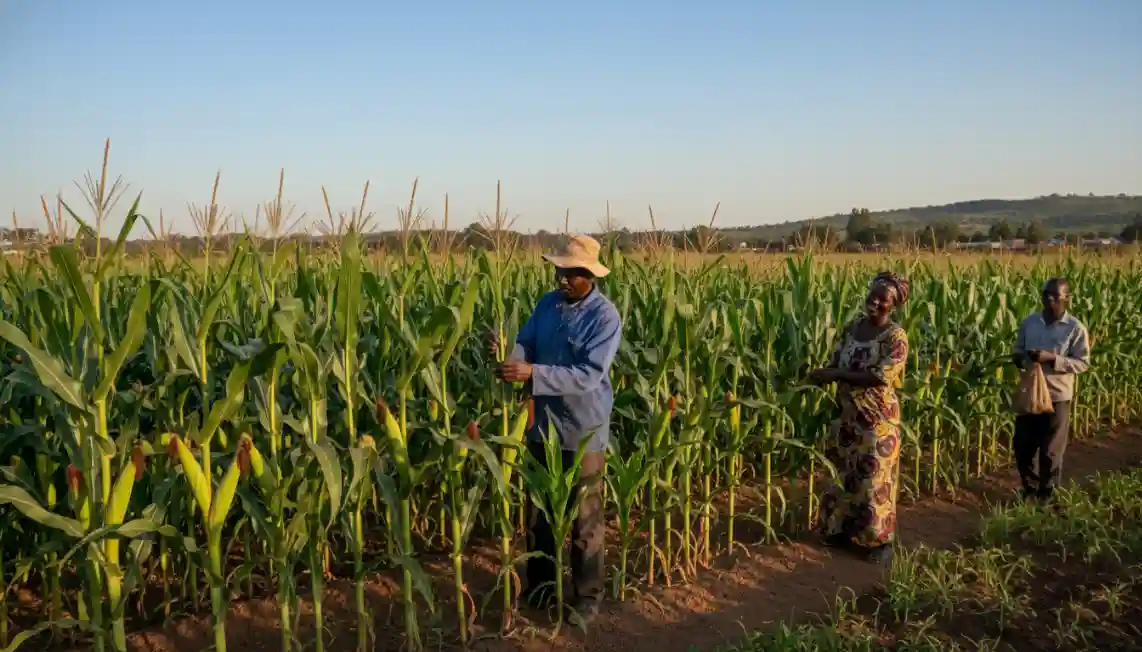
The Rift Valley is Kenya’s grain basket, featuring high altitudes and reliable long rains. The best varieties here require a long maturity period to maximize grain filling. Kenya Seed Company H614 and H6213 are the undisputed champions for areas like Uasin Gishu.
If you prefer SeedCo, their SC 719 variety is a heavy yielder suited for high-potential highland zones. However, most farmers stick to subsidized varieties due to the favorable pricing. For optimal results, ensure you apply DAP fertilizer properly during dry planting.
Central Kenya
Central Kenya features medium altitudes and bimodal rainfall patterns. Farms here are smaller, making it critical to maximize yield per square meter. Kenya Seed Company H513 is highly reliable for regions like Nyeri and Kirinyaga.
SeedCo SC Simba 61 is an excellent premium alternative for this specific zone. It offers strong resistance to Grey Leaf Spot and produces very uniform cobs. Proper commercial top dressing will help these seeds outperform traditional varieties significantly.
Eastern (Dry Areas)
Eastern Kenya experiences low, erratic rainfall and high daytime temperatures. Planting late-maturing seeds here is a guaranteed path to massive financial loss. SeedCo SC Duma 43 is the ultimate choice for Machakos, Kitui, and Makueni.
Read Also: Beyond Maize: 7 Drought-Resistant “Smart Crops” to Plant This Season
This variety matures incredibly fast, escaping drought windows before they ruin the crop. Kenya Seed Company also offers the KSDTV-01, a highly drought-tolerant variety. Moisture conservation techniques must accompany these seeds for the best results.
Western Kenya
Western Kenya enjoys heavy rainfall but struggles with acidic soils and Striga weed. SeedCo 529 is a brilliant choice here because it features strong Striga-resistant traits. This single genetic advantage can save your entire crop in Kakamega or Bungoma.
Kenya Seed Company H505 also performs reliably in the Lake Basin regions. The key to success in Western Kenya is aggressive and regular soil testing. Applying agricultural lime to acidic soils dramatically improves nutrient uptake for these seeds.
Best Seed Varieties by Purpose
Defining your primary farming objective helps you pick specific hybrid traits like drought evasion or pest resistance.
You must align your seed choice with your personal farming goals. Different seeds are engineered to solve entirely different agricultural problems. Here is how to choose based on your desired outcome.
High Yield
If you have excellent soil and sufficient capital, aim for absolute maximum yields. SeedCo SC Simba 61 and Kenya Seed H624 are heavy hitters in this category. Under optimal management, these premium seeds can easily push past 35 bags per acre.
Drought Resistant
For farmers facing unpredictable weather, survival is more important than maximum capacity. SeedCo SC Duma 43 and Kenya Seed KSDTV-01 are designed to lock in moisture. They guarantee a modest harvest even when prolonged dry spells ruin standard crops.
Fast Maturity
If you missed the onset of the rains, speed becomes your only defense. SeedCo SC Sungura 301 is arguably the fastest maturing commercial maize seed available today. It is perfect for short rain seasons where the rainfall window is very brief.
Pest Resistant
Endemic pests and diseases can quickly wipe out an otherwise perfect crop. SeedCo 529 is bred specifically to resist Striga weed, a massive problem in certain counties. Kenya Seed varieties also feature strong natural breeding against Maize Streak Virus.
Where to Buy Seeds in Kenya
Purchasing inputs strictly from licensed distributors protects you from the widespread issue of counterfeit seeds.
Knowing what to buy is useless if you end up purchasing fake uncertified seeds. The Kenyan market unfortunately suffers from brokers who package uncertified grain in branded packets. Securing genuine inputs requires strict purchasing discipline.
Download Full Seed Price Lists
If you want a full breakdown before buying, check updated price lists from official sources and trusted suppliers.
- Kenya Seed Company maize and crop seed price list
- Simlaw Seeds vegetable and pasture catalog
- SeedCo hybrid maize catalog
Always compare prices before buying. Agrovet prices can vary depending on location and demand.
Authorized Outlets and Platforms
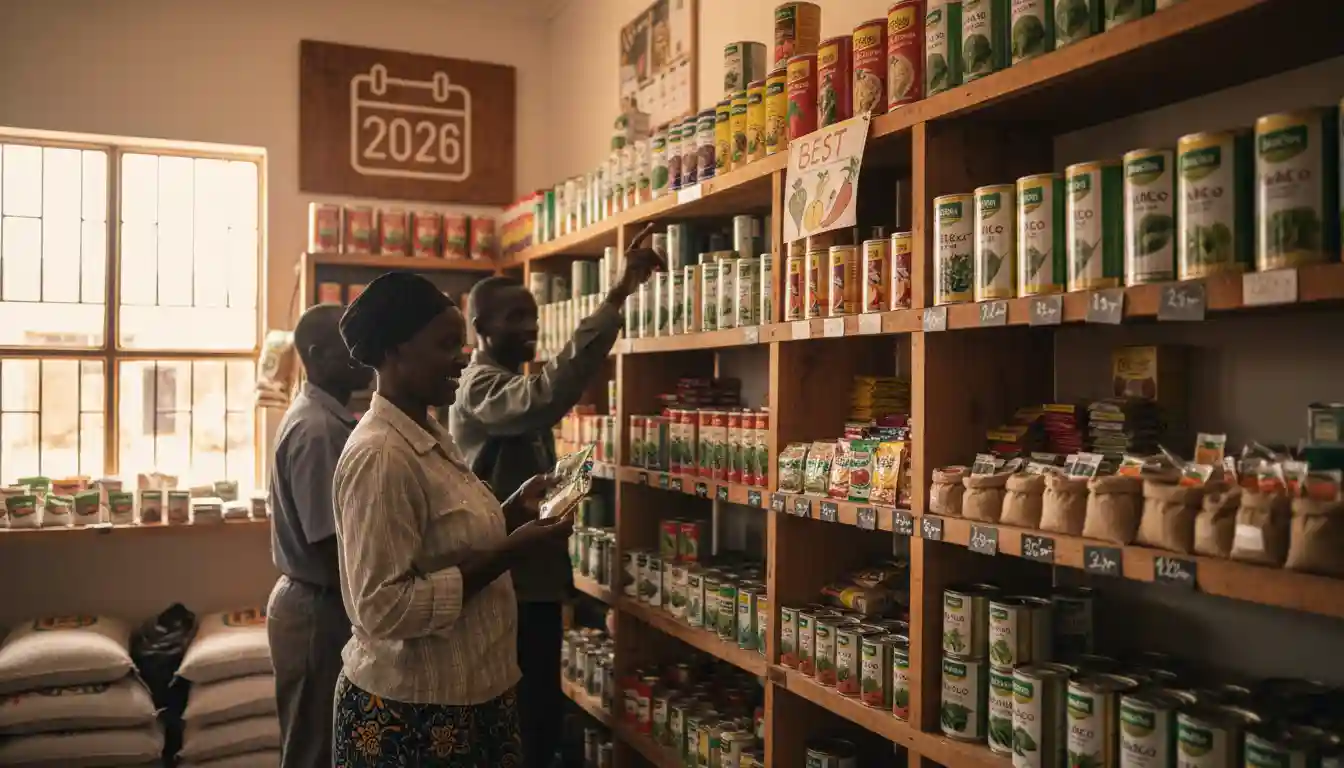
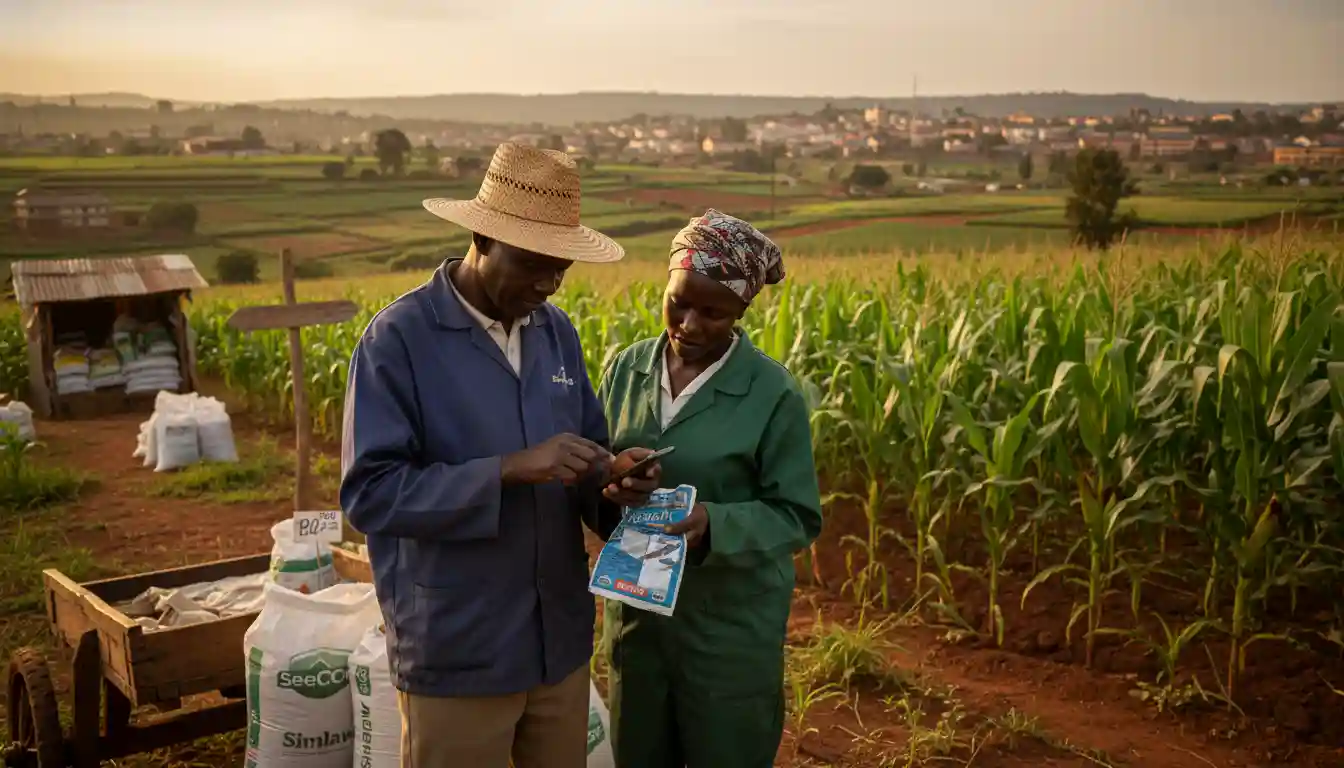
The safest place to buy Kenya Seed Company products is directly from NCPB depots. For Simlaw and SeedCo, visit major licensed agrovets that display their KEBS certificates prominently. Do not buy seeds measured out of open sacks in local municipal markets.
Digital agriculture is also expanding rapidly in 2026. Platforms like Agroduka and Jumia allow you to order verified products directly to your town. Buying online from trusted platforms removes middlemen and completely guarantees product authenticity.
How to Verify Genuine Seeds
Every genuine packet of certified seed in Kenya comes with a KEPHIS sticker. Scratch the gray panel on this sticker to reveal a unique hidden code. Send this exact code via SMS to 1393 while still at the agrovet counter.
If the system replies that the code is invalid, drop the packet immediately. Genuine hybrid performance is completely lost if the seed is tampered with. Protecting your investment starts with this simple text message.
How to Choose the Right Seed
Your final decision must rely on a careful analysis of your local soil chemistry and historical rainfall patterns.
Most beginners struggle because they blindly copy what their neighbors are planting. Seed selection is a precise science that requires careful farm evaluation. You must evaluate critical environmental factors before making a bulk purchase.
First, consider your soil type and overall chemistry. Acidic soils require specific tolerant varieties or heavy lime treatment before planting. Second, match the seed to your specific altitude, as highland seeds will fail in low-altitude heat.
Real-World Farmer Case Study
From what many farmers experience, switching from recycled grains to certified hybrids changes everything. John, a smallholder in Uasin Gishu County, struggled with poor yields in 2024. In 2025, he invested in Kenya Seed Company H6213 and applied subsidized DAP fertilizer at planting.
Read Also: 2026 Fertilizer Guide: Understanding NPK Ratios for Maximum Maize Yields
Despite unpredictable rains, his maize harvest increased from 12 to 28 bags per acre. This practical success story proves that proper seed selection works when paired with good agronomy. Treating your farm like a business always yields better financial results.
Essential Fertilizer Guide for 2026
Proper fertilizer application is absolutely non-negotiable for unlocking the full genetic yield potential of any certified seed.
Seed performance is entirely dependent on soil nutrition. In 2026, the Kenyan government successfully capped subsidized planting fertilizer at KES 2,500 per 50kg bag. Farmers must register digitally on the KIAMIS platform to access this affordable input.
The table below outlines the recommended fertilizers to pair with your chosen seeds. Ensure you apply the correct type during the planting and top-dressing phases.
| Fertilizer Type | Application Stage | 2026 Subsidized Price (KES) | Best Used For |
|---|---|---|---|
| DAP (Diammonium Phosphate) | Planting | 2,500 | Establishing strong root systems for maize. |
| CAN (Calcium Ammonium Nitrate) | Top Dressing | 2,500 | Boosting nitrogen levels during vegetative growth. |
| NPK Blends | Planting / Basal | 2,500 | Vegetables and soils requiring balanced nutrients. |
Yield Comparison
Premium seeds consistently outperform older varieties in bags per acre when supported by correct fertilizer application.
Numbers do not lie when it comes to harvest time. While Kenya Seed Company provides excellent budget options, premium breeders like SeedCo push genetic limits. However, these massive yields demand perfect agronomy and timely weeding.
The table below provides a realistic comparative breakdown of expected yields under good management practices. Applying the recommended 50kg of DAP per acre is non-negotiable for hitting these targets.
| Seed Variety | Maturity Period | Expected Yield (90kg Bags / Acre) | Required Management Level |
|---|---|---|---|
| KSC H614 | Late (160+ days) | 25 to 35 bags | Moderate to High |
| KSC H513 | Medium | 20 to 28 bags | Moderate |
| SeedCo SC Duma 43 | Early (110 days) | 30 to 35 bags | High (Requires strict nutrition) |
| SeedCo SC Simba 61 | Medium | 35 to 45 bags | Intensive Commercial |
Risks & Reality Check
Farming is inherently unpredictable, and even the most expensive hybrid seeds cannot guarantee total financial success.
Prolonged droughts, sudden armyworm infestations, and unexpected market price crashes can easily wipe out your investment. From what many farmers experience, relying solely on rain without a backup irrigation plan is incredibly risky. You must have a financial buffer to survive bad seasons.
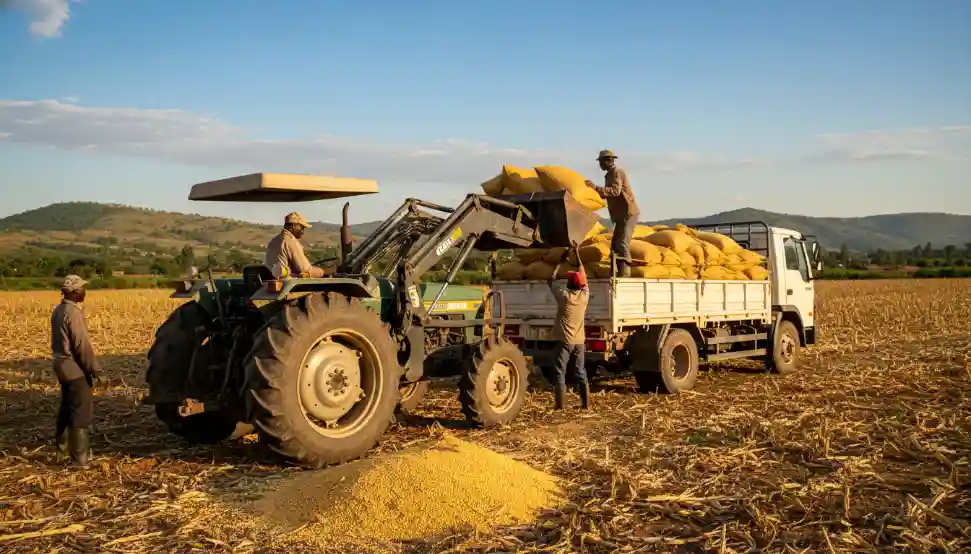
Furthermore, poor post-harvest handling frequently destroys up to thirty percent of the final crop. Aflatoxin contamination caused by damp storage conditions will render your maize completely unsellable. Always dry your grains thoroughly before storing them in hermetic bags.
Pros & Cons Summary Table
An honest evaluation reveals distinct trade-offs between upfront purchase costs, market availability, and overall yield performance.
No single seed company is perfect for every Kenyan farmer. You must carefully weigh the advantages against the limitations for your specific situation. This blunt breakdown helps you avoid expensive mistakes at the agrovet.
Here is the realistic truth of what to expect from each major supplier in 2026.
| Company | The Pros (Strengths) | The Cons (Weaknesses) |
|---|---|---|
| Kenya Seed Company | Highly affordable due to subsidies (KES 500/2kg). Deeply adapted to local highland conditions. Massive distribution network. | Prone to severe shortages during peak planting weeks. Slower adoption of extreme drought-resistant traits. |
| Simlaw Seeds | Unmatched variety in horticultural crops. Excellent OPV options. Produces the absolute best pasture and fodder seeds. | Not ideal for primary staple cereal hybrids. Vegetable seeds can be somewhat expensive in small quantities. |
| SeedCo | Incredible yield potential. Dominates the fast-maturity and drought-evasion niches. High resistance to modern crop diseases. | Premium pricing limits access for tight-budget smallholders. Genetically demanding yields crash if fertilizer is skipped. |
Conclusion
Your ultimate seed choice in 2026 must be guided by clear budget constraints and regional climate challenges.
The 2026 planting season presents a clear landscape for serious Kenyan farmers. Subsidized inputs have lowered the barrier to entry, but erratic weather demands smarter seed choices. If you want the Best Overall Value for highland areas, Kenya Seed Company is unbeatable at KES 500 per 2kg.
For commercial operations prioritizing the Best for Dry Areas, SeedCo SC Duma 43 easily justifies its premium price. The extra capital spent pays for itself when your crop survives a short rain cycle. Meanwhile, if your business relies on vegetables or dairy fodder, Simlaw Seeds remains your definitive choice.
Here are the hard truths about agriculture today. Buying the best seed will not save you if you skip fertilizer or plant late. Farming is a brutal business that requires strict financial discipline. Visit your licensed agrovet early, verify your KEPHIS codes, and prepare your land before the rains begin.
Farmers Also Ask (FAQ)
Which is the best seed company in Kenya?
Kenya Seed Company is best for affordable highland maize. SeedCo leads in premium fast-maturing hybrids. Simlaw dominates vegetable and pasture seeds.
Which maize seed yields the most?
SeedCo SC Simba 61 and Kenya Seed H624 are top yielders. They can produce 35 to 45 bags per acre under optimal commercial fertilizer management.
Where to buy certified seeds?
Purchase certified seeds exclusively from NCPB depots or licensed county agrovets. You can also use trusted digital platforms like Jumia and AgriBora.
Are cheaper seeds worth it?
Subsidized KSC varieties offer great value without sacrificing quality. However, uncertified recycled seeds will likely result in total crop failure.
Which seed company is better for maize farming in Kenya today?
KSC is better for budget-friendly highland farming. SeedCo is superior for commercial farmers in dry or highly erratic rainfall zones.
How do seed prices differ between Kenya Seed Company, Simlaw Seeds, and SeedCo?
In 2026, subsidized KSC maize is KES 500 per 2kg. Simlaw maize averages KES 600. Premium SeedCo hybrids retail around KES 900 to KES 1,000 per 2kg.
What are the latest seed prices in Kenya for 2026?
Following March 2026 directives, KSC maize is capped at KES 500 for 2kg. Subsidized DAP fertilizer now costs KES 2,500 per 50kg bag.
Where can I find a reliable seed price list before buying?
Check the official Kenya Seed Company website or local NCPB depot notice boards. Verified online agrovet catalogs also provide accurate pricing.
Which company offers the most affordable seeds without sacrificing yield?
Kenya Seed Company offers the best cost-to-yield ratio. The massive 2026 government subsidy keeps their high-yielding hybrids incredibly cheap.
Are Simlaw Seeds available across Kenya and where can you buy them?
Yes, Simlaw Seeds are distributed nationally. You can buy them through licensed agrovets, KSC branches, and trusted online agricultural stores.
Which seed varieties perform best in dry or drought-prone areas?
SeedCo SC Duma 43 and SC Sungura 301 are excellent choices. Kenya Seed KSDTV-01 is also specifically bred to evade drought and perform well.
Is it worth choosing hybrid seeds over cheaper alternatives?
Absolutely. Hybrid seeds guarantee high germination rates and strong disease resistance. This ensures a much more reliable and profitable harvest.
How can you tell if seeds are genuine or fake before planting?
Scratch the KEPHIS sticker on the packet and SMS the hidden code to 1393. A valid system reply guarantees the seeds are genuine and safe to plant.
How many kilos of maize seed do you need per acre?
Most farmers use between 10 to 12 kilograms per acre depending on spacing and planting method.