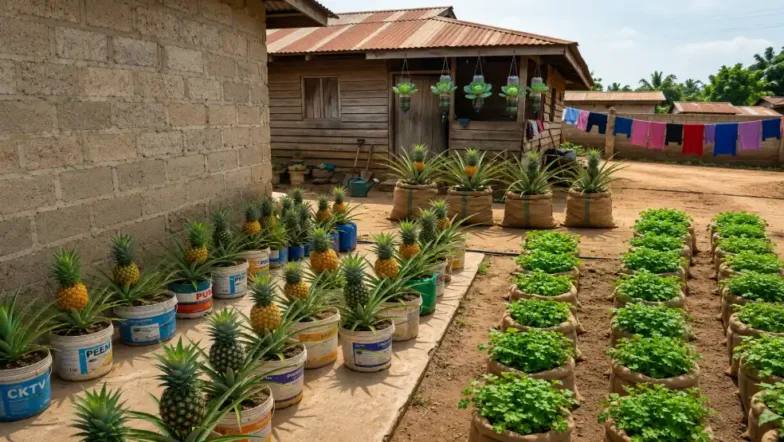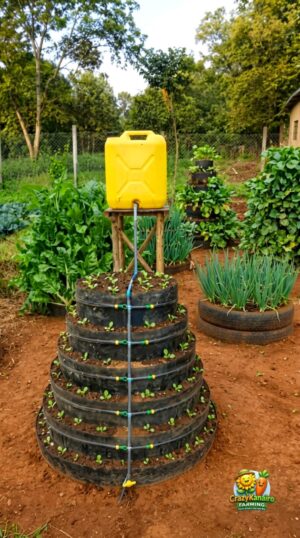

- Precision Space Maximization: Containerized dwarf orange farming allows Kenyan urban growers to produce up to 150 fruits per tree in 30 to 60-liter pots, bypassing the need for large land tracts in expensive peri-urban areas.
- High-Tech Rootstock Control: Success in 2026 relies on specific dwarfing rootstocks like Flying Dragon or Trifoliate orange, which keep trees under 2 meters while accelerating fruiting to within 18 months of grafting.
- Intensive Nutrient Management: Potted citrus requires a strict liquid fertilization schedule (fertigation) with high potassium and micronutrient ratios to sustain heavy yields in restricted root zones.
Table of Contents
The agricultural landscape in Kenya is undergoing a radical transformation as land subdivision makes traditional large-scale orcharding increasingly difficult. In 2026, the trend has shifted toward high-density urban farming, specifically the cultivation of dwarf orange trees in containers. This method is no longer just a hobby for gardening enthusiasts but a viable commercial niche for residents in Nairobi, Kiambu, and Nakuru.
Farmers are moving to container fruit production because it offers total control over the growing environment. Unlike open-field farming, where soil quality and drainage can be inconsistent, container farming allows for the use of sterile, high-performance growing media. This precision approach significantly reduces the risk of soil-borne diseases that have historically crippled the Kenyan citrus industry.
However, growers must understand that heavy fruiting in containers is not a result of luck. It is a science-driven process that requires intensive management of water, nutrients, and canopy structure. Container citrus farming in 2026 is defined as precision horticulture, where the farmer manages the tree as a high-performance biological machine rather than a decorative plant.
Why Farmers Are Growing Oranges in Containers
Container citrus farming allows for 100% control over soil quality and drainage, eliminates the need for large land acreage, and enables urban farmers to move trees to maximize sunlight exposure. This mobility and environmental control lead to higher fruit quality and easier pest management compared to traditional open-field methods in 2026.
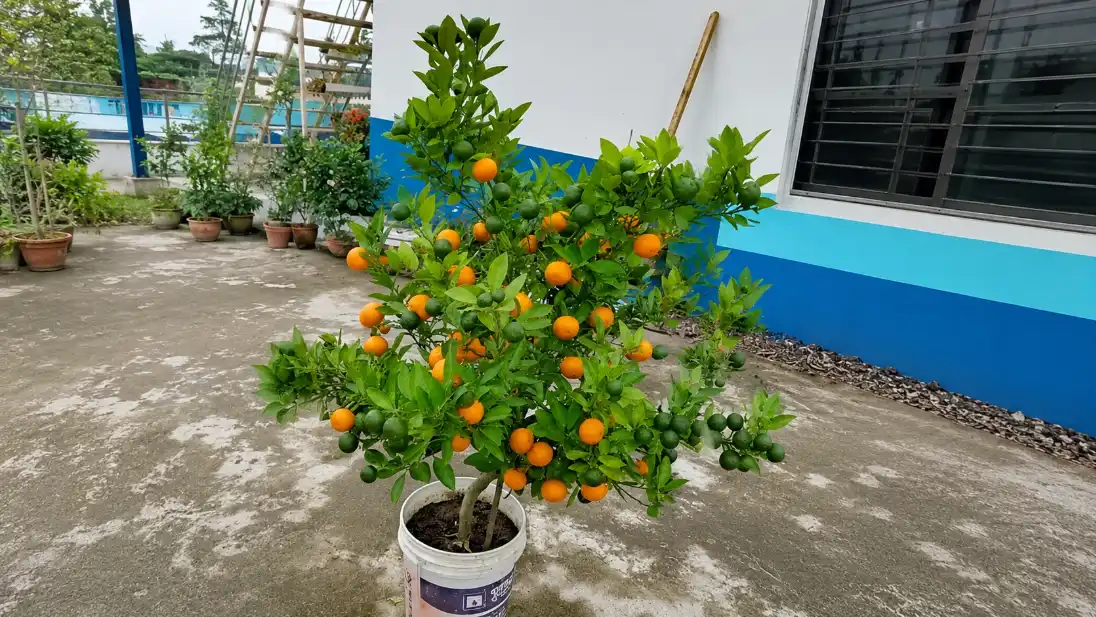
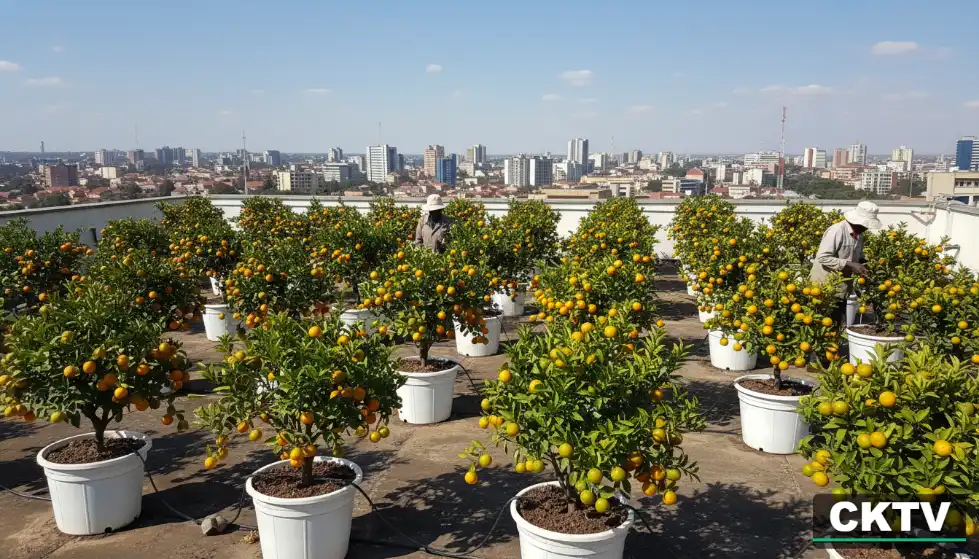
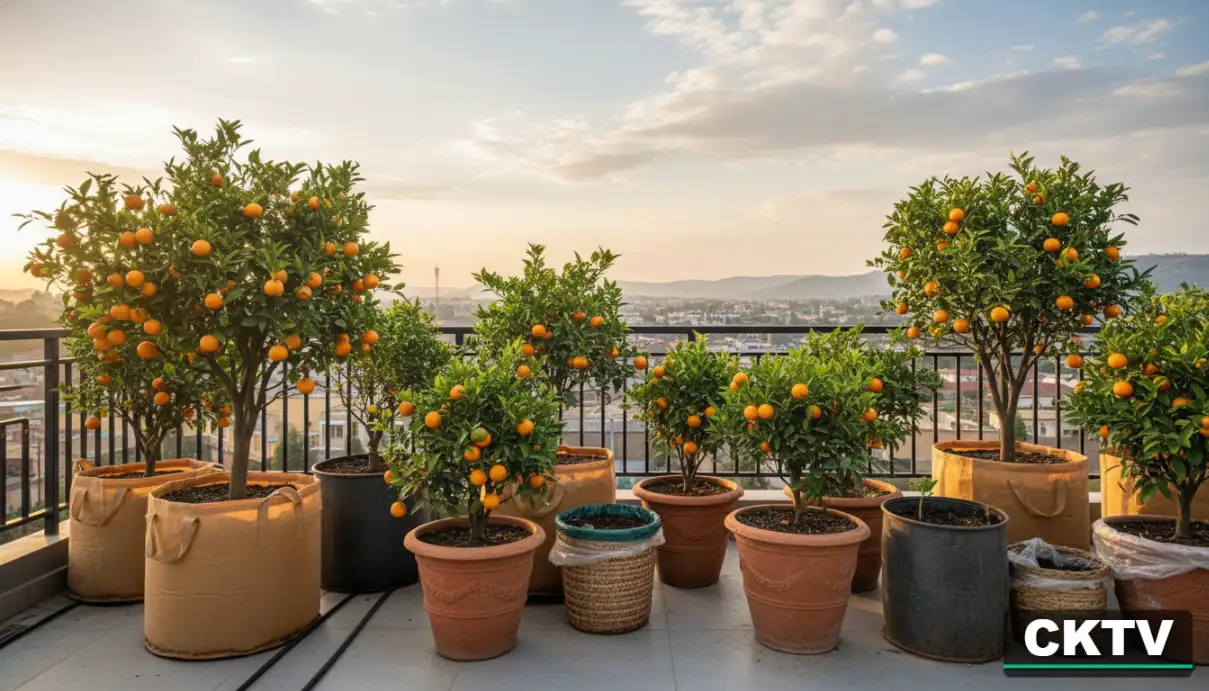
The primary benefit of container farming in the 2026 Kenyan context is space efficiency. With the average plot size in peri-urban areas shrinking, farmers can now fit 50 to 100 productive trees on a medium-sized rooftop or a paved backyard. This high-density setup maximizes the return on investment per square meter, making it far more profitable than growing low-value crops in the same space.
Pest and disease control are also significantly simplified. When trees are in individual containers, an outbreak of aphids or citrus psyllids can be isolated and treated without the risk of rapid spread across a whole field. Furthermore, the height of the pots and the ability to use physical barriers like fine mesh makes it easier to keep crawling insects away from the sensitive foliage.
Mobility remains a game-changer for growers in regions with erratic weather patterns. During the heavy rains often seen in the March to May season, pots can be shifted to avoid waterlogging or protected from hail damage. This flexibility ensures that the investment remains safe regardless of the climatic fluctuations that have become common in 2026.
The Limitations of Container Farming
While the benefits are numerous, farmers must be aware of the high maintenance requirements. Potted citrus trees have a restricted root system, meaning they cannot search for water or nutrients deep in the earth. This makes them entirely dependent on the grower for daily hydration and weekly feeding, leaving little room for neglect.
Another challenge is the risk of root binding, where roots grow in tight circles around the inside of the pot. If left unmanaged, this can lead to a decline in tree health and fruit size. Farmers in 2026 use air-pruning pots or perform regular root pruning to ensure the tree remains vigorous and productive within its confined space.
Best Dwarf Orange Varieties for Kenya
In 2026, the Washington Navel and Pixie Orange are the top choices for Kenyan container farmers due to their high sugar content and seedless nature. For growers looking for juice production, the Valencia variety remains the gold standard, especially when grafted onto dwarfing rootstocks like Carrizo Citrange.
The Washington Navel is perhaps the most famous variety for container farming because of its large, sweet fruits and ease of peeling. It is particularly suited for the Kenyan climate because it performs well in both warm and moderate regions. In a container, a well-managed Navel tree can produce 80 to 120 oranges per year at maturity.
Read Also: Maximizing Small Spaces: A Practical Guide to Productive Home Gardening in Kenya
Pixie Oranges have exploded in popularity in 2026 due to their intense sweetness and the high prices they command in urban markets. These are technically mandarins but are often categorized with oranges in the Kenyan trade. They are naturally more compact than other varieties, making them the perfect candidate for balcony and rooftop cultivation.
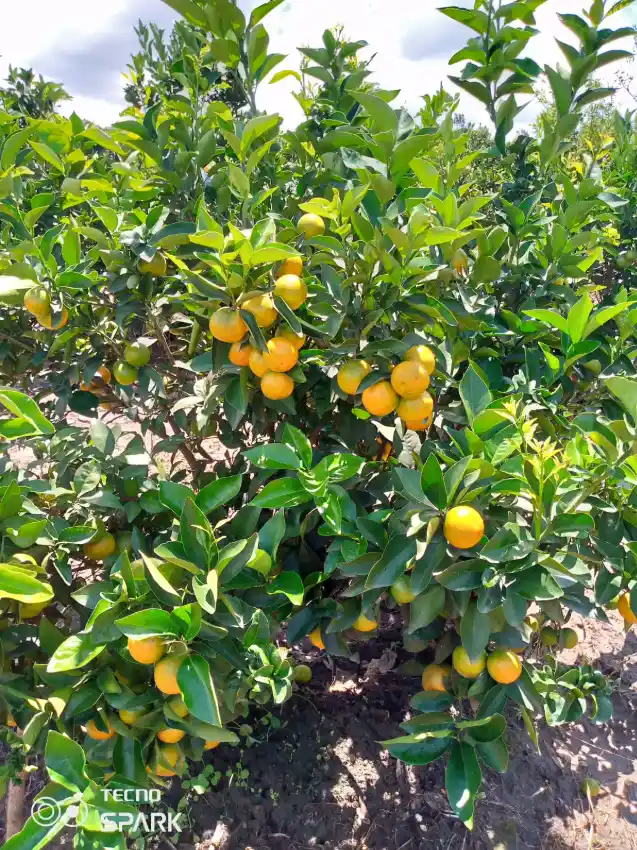
For those interested in year-round production, Valencia oranges are excellent. They have a unique ability to hold fruit on the tree for several months after ripening, allowing the farmer to harvest only what is needed. This variety is highly tolerant of the heat found in regions like Machakos and Kajiado, making it a robust choice for container setups.
| Variety | Fruiting Age (Months) | Fruit Sweetness (Brix) | Market Demand |
|---|---|---|---|
| Washington Navel | 18-24 | 12-14 | Very High |
| Pixie Orange | 24-30 | 15-18 | Premium |
| Valencia | 24-36 | 11-13 | High (Juicing) |
| Kara Mandarin | 18-24 | 14-16 | Niche Market |
When selecting a variety, farmers must also consider Clementines and Tangerines. These varieties are often more prolific in smaller containers and offer a faster turnaround from flowering to harvest. In 2026, the Minneola Tangelo is also gaining traction among niche growers for its unique bell shape and rich juice flavor.
Understanding Citrus Rootstocks (Very Important)
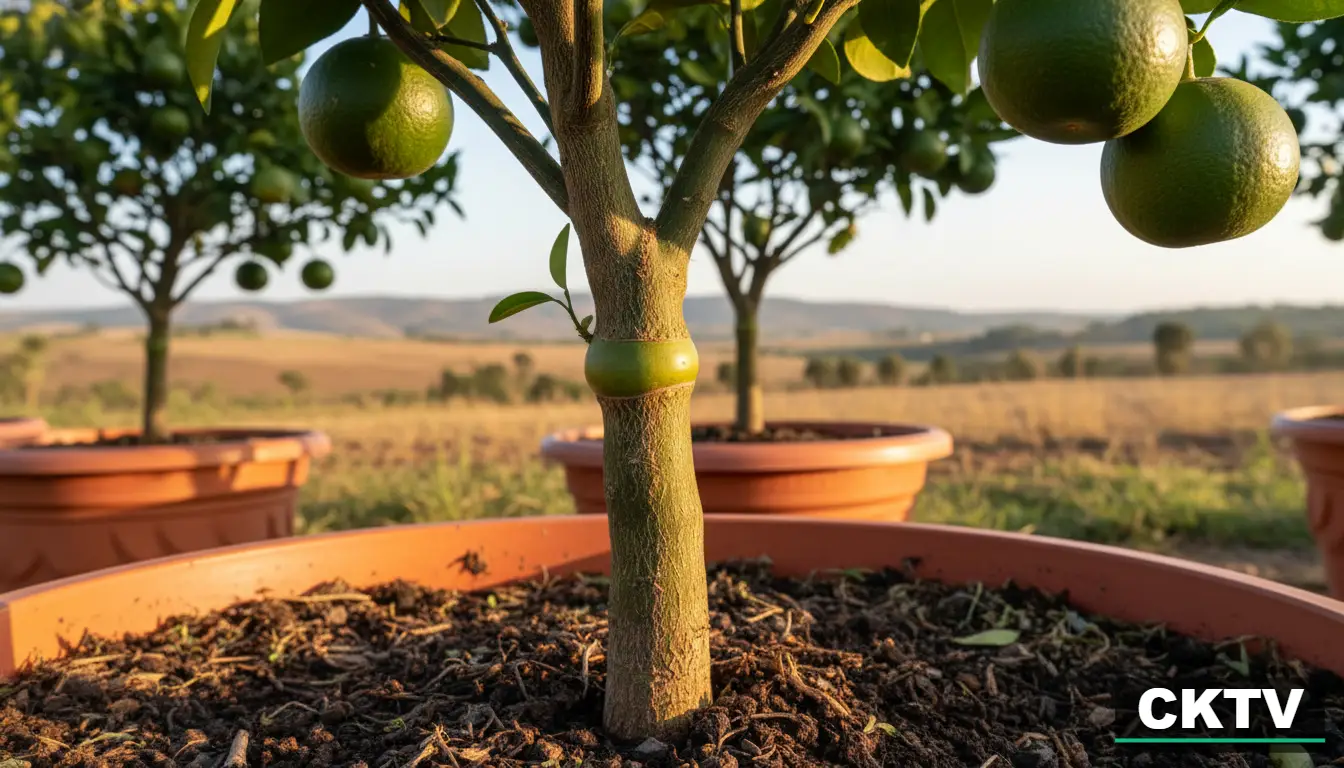
Rootstocks are the lower part of the tree that determines its size, disease resistance, and nutrient uptake efficiency. For container farming in 2026, Kenyan farmers must avoid using Rough Lemon and instead opt for dwarfing rootstocks like Trifoliate Orange or Flying Dragon to keep the tree compact and highly productive.
The rootstock is the engine of the tree. Many farmers fail because they focus only on the fruit variety and ignore what is happening below the graft union. In container farming, the rootstock must be capable of surviving in a restricted space while still pushing enough nutrients to the canopy to support heavy fruiting. A vigorous rootstock in a small pot will quickly become stressed and stop producing.
Trifoliate Orange (Poncirus trifoliata) is the most popular dwarfing rootstock in 2026. It has a naturally slow growth rate and excellent resistance to cold and root rot. Most importantly, it induces “precocity,” which means the tree starts flowering and fruiting at a much younger age than it would on its own roots.
Carrizo Citrange is another excellent option for those who want a slightly larger but still manageable tree. It offers superior tolerance to common citrus viruses and performs exceptionally well in the sandy-loam soil mixes used in most container setups. Choosing the right rootstock is the difference between a tree that lives for 3 years and one that stays productive for 20.
Why Grafted Seedlings Matter
Grafted seedlings are essential for container farming because they combine the heavy fruiting characteristics of a mature tree with the hardy, dwarfing traits of a specific rootstock. Trees grown from seeds will take up to 8 years to fruit and will quickly outgrow any container, whereas grafted trees fruit in under 2 years.
Seed-grown orange trees are genetically programmed to become massive forest giants. In a pot, this genetic drive leads to frustration for the farmer. The tree will spend all its energy growing wood and thorns instead of fruit. Furthermore, fruit from seed-grown trees is highly variable and often sour or full of seeds, making it commercially unviable in 2026.
Grafted seedlings, often sourced from certified nurseries in Thika or Matuu, are clones of high-yielding mother trees. This ensures that every tree in your container orchard will produce identical, high-quality fruit. In 2026, the move toward “certified clean” plant material is critical to preventing the spread of Citrus Greening Disease, which can be devastating if uncertified seedlings are used.
Read Also: Vegetable Farming for Profit in Kenya: Okra, Spinach & Dhania Guide (2026)
Certified nurseries provide trees that are already 1 to 2 years old, meaning the farmer is just months away from the first harvest. These nurseries also treat the seedlings for common pests like leaf miners and scale insects before sale, giving the container farmer a clean start. Investing in a KES 500 grafted seedling is far more profitable than wasting years on a free seed-grown plant.
How Farmers Perform Citrus Grafting
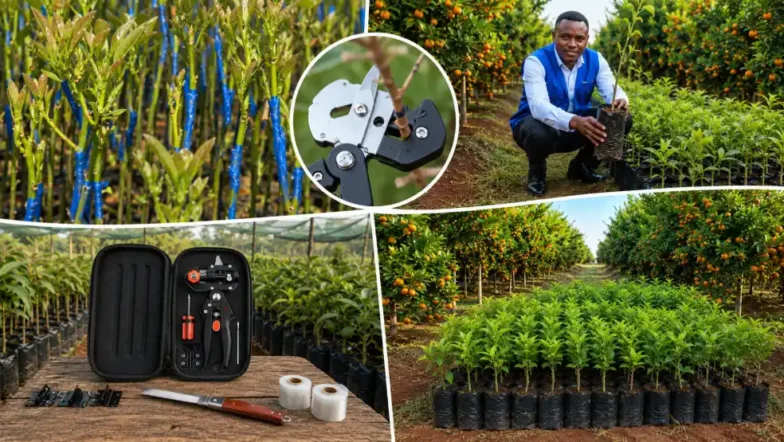
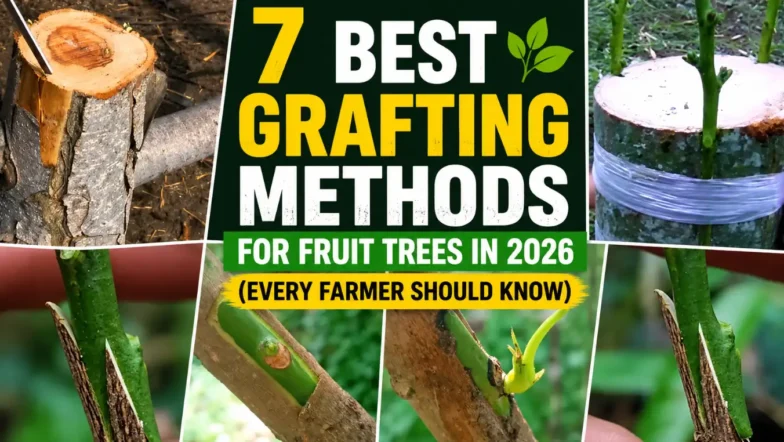
Citrus grafting in Kenya is primarily done using T-budding or Cleft grafting during the active growing seasons of March-May and September-November. Success depends on perfect alignment of the cambium layers between the scion and rootstock, followed by tight wrapping with grafting tape to prevent moisture loss.
The T-Budding method is the industry standard in 2026. It involves making a vertical cut and a horizontal cross-cut (forming a T) on the rootstock stem. A single bud from a productive mother tree is then inserted into this flap and wrapped securely. After about 21 days, if the bud remains green, the graft has taken, and the top of the rootstock is removed to force growth into the new bud.
Cleft Grafting is often used when the rootstock and scion are of similar thickness. The rootstock is cut horizontally and split down the middle. The scion, carved into a wedge shape, is inserted into the split. This method is highly effective for “top-working” older trees or quickly establishing new varieties on established root systems in larger containers.
The most common mistake in grafting is poor sanitation. In 2026, professional grafters use surgical-grade blades and disinfect them with methylated spirits between every single cut. Even a tiny amount of contamination can lead to fungal infections at the graft union, causing the scion to die back before it can establish a vascular connection with the rootstock.
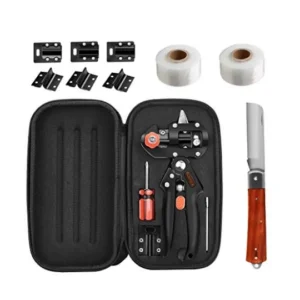
| Grafting Tool | Purpose in 2026 | Maintenance Requirement |
|---|---|---|
| Grafting Knife | Precise incisions | Must be razor sharp and sterilized |
| Parafilm/Tape | Sealing the union | Must be UV-resistant and elastic |
| Pruning Shears | Cutting rootstock tops | Oil regularly to prevent rust |
| Sterilizing Agent | Pathogen control | Use 70% alcohol for best results |

Where to Buy Quality Dwarf Orange Seedlings in Kenya
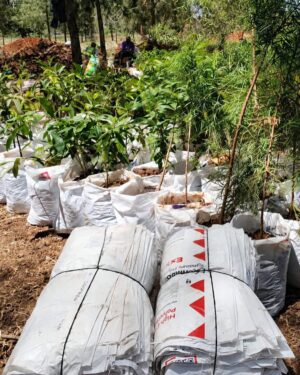
One of the biggest mistakes farmers make in container citrus farming is buying poor-quality seedlings from unverified roadside nurseries. A healthy grafted seedling determines the future productivity, disease resistance, fruit quality, and size control of your dwarf orange tree. Farmers looking for grafted citrus seedlings can explore growers such as David’s Amazing Garden TikTok Page, which has become popular for showcasing heavy fruiting container citrus trees and grafted orange seedlings in Kenya. However, farmers should still inspect seedling quality carefully before purchasing. Always check:
- the graft union is healthy and properly healed
- leaves are dark green and pest-free
- roots are not overcrowded or diseased
- there are no cracks or gum ooze on stems
- the seedling is correctly labeled with variety name
A beautiful-looking seedling alone does not guarantee long-term performance. Serious farmers inspect rootstock quality, graft strength, and overall plant health before investing money.
Container Science: Choosing the Right Pots
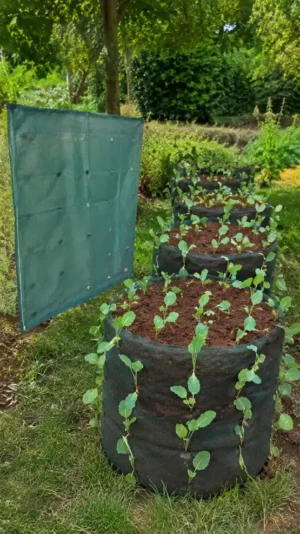
For long-term success, use UV-stabilized plastic pots or fabric grow bags with a minimum capacity of 30 liters. In the Kenyan climate of 2026, white or light-colored pots are preferred as they reflect heat, preventing the root zone from reaching lethal temperatures during the hot midday sun.
In 2026, the choice of container is as important as the tree itself. Fabric grow bags have become a favorite among urban farmers because they allow the roots to breathe. When a root reaches the edge of a fabric bag, it is “air-pruned,” which encourages the development of a dense, fibrous root system rather than the circling, stunted roots found in traditional plastic pots.
Drainage is the non-negotiable factor. Citrus trees cannot tolerate standing water around their roots. If you are using plastic buckets or drums, you must drill at least 10 to 15 large holes in the bottom and sides. Many successful farmers also place a layer of large gravel or broken bricks at the bottom of the pot to ensure that water can exit freely without clogging the holes with soil.
The size of the container dictates the ultimate size of the tree. While a 20-liter bucket is fine for the first year, a mature fruiting orange tree needs at least 45 to 60 liters of soil volume to sustain a heavy crop. In 2026, farmers often use recycled food-grade plastic drums cut in half, which provide roughly 100 liters of space and can support a massive canopy of fruit.
Sunlight and Climate Requirements
Dwarf oranges require a minimum of 6 to 8 hours of direct, unobstructed sunlight every day to produce the energy needed for fruiting. In 2026, urban farmers use light meters to identify “hot spots” on rooftops or balconies, ensuring trees are not shaded by adjacent buildings or water tanks.
Sunlight is the primary driver of sugar production in oranges. If a tree is grown in partial shade, it may look healthy and green, but it will fail to produce flowers, or the fruit it does produce will be small and sour. In Kenyan cities, where tall buildings are common, positioning pots on the northern side of the property is usually the best way to maximize sun exposure throughout the year.
Heat stress is another concern. While citrus loves warmth, the roots in a container can get much hotter than those in the ground. In 2026, farmers in Mombasa or Kisumu use “pot-in-pot” systems or reflective wraps to keep the root zone cool. If the roots get too hot, the tree will go into a defensive state, dropping its leaves and young fruit to conserve moisture.
Read Also: 15 Most Profitable Agribusiness Ideas in Kenya to Start in 2026
Wind management is often overlooked in urban farming. High-rise balconies can experience strong gusts that desiccate the leaves and blow over top-heavy pots. In 2026, farmers use heavy pots or secure their containers to railings with sturdy wire. Providing a simple windbreak made of shade netting can also help maintain the humidity levels that citrus trees prefer.
Best Soil Mix for Heavy Fruiting Container Citrus
The ideal soil mix for 2026 container citrus consists of 40% coco peat for moisture, 30% well-decomposed manure for nutrients, 20% red soil for minerals, and 10% coarse sand or pumice for drainage. This mixture ensures the roots have constant access to oxygen while retaining enough water to survive the Kenyan heat.
Ordinary garden soil is generally unsuitable for container farming because it compacts too easily. When soil compacts, it loses the air pockets that roots need to breathe, leading to slow growth and root rot. In 2026, farmers avoid “black cotton” soil at all costs in pots, as it becomes a solid brick when dry and a suffocating muck when wet.
Coco peat has become the gold standard for container farming in Kenya. It is a renewable resource that holds up to seven times its weight in water while remaining light and airy. When mixed with pumice (common in the Rift Valley regions), it creates a growing medium that can last for years without breaking down or losing its structure.
The pH of the soil mix must be kept between 5.5 and 6.5. Citrus trees are “acid-loving” plants that struggle to take up nutrients like iron and zinc if the soil becomes too alkaline. In 2026, farmers use simple digital pH testers to monitor their soil and adjust it using agricultural lime or sulfur as needed to ensure optimal nutrient availability.
Step-by-Step Planting Guide
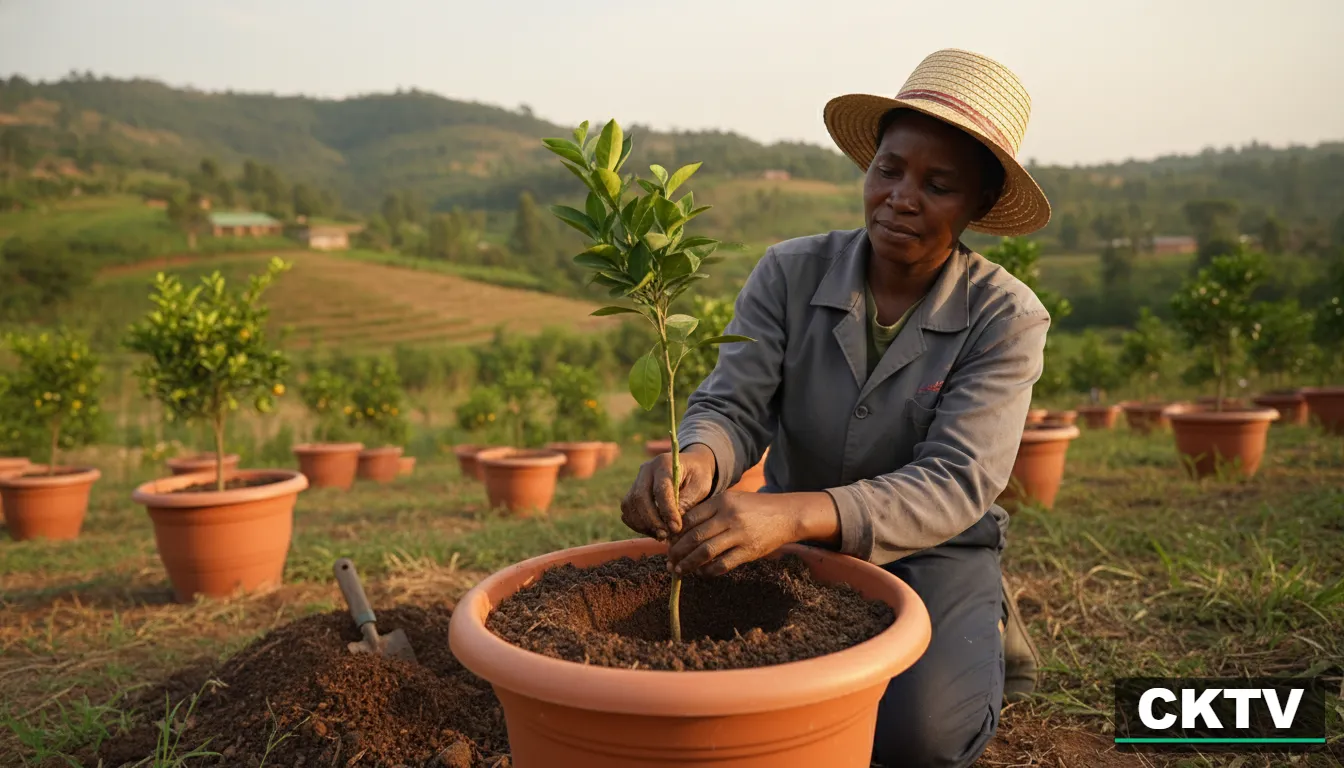
To plant, fill your container with the prepared mix, place the grafted seedling so the graft union is 2 inches above the soil line, and water thoroughly. Applying a layer of mulch on the surface is essential in 2026 to prevent surface crusting and keep the moisture levels consistent for the young roots.
When you receive your seedling from the nursery, do not be in a hurry to plant it. Let it sit in its original bag in the location where it will live for 2 to 3 days to “acclimatize” to the local light and wind conditions. This reduces transplant shock, which is one of the leading causes of seedling death in container farming.
When planting, avoid burying the stem too deep. The point where the roots meet the trunk should be just at the soil surface. If you bury the graft union, the scion may grow its own roots, which would bypass the dwarfing effects of the rootstock and cause the tree to grow out of control. Firm the soil down with your hands to remove large air pockets, but do not pack it so tight that you crush the roots.
The final step is the “initial soak.” Water the pot until you see water flowing freely from the bottom drainage holes. This ensures that the entire soil column is hydrated and that the roots make good contact with the media. In 2026, many farmers also add a liquid seaweed extract or a root stimulant during this first watering to help the tree recover quickly from the move.
Fertilizer Program for Heavy Fruiting Citrus
Potted citrus requires frequent feeding with a balanced NPK fertilizer (like 17:17:17) during growth, switching to high-potassium formulas during flowering and fruit development. In 2026, liquid fertigation is the most effective method, providing small amounts of nutrients every 7 to 10 days to prevent nutrient leaching.
Because the volume of soil in a pot is small, nutrients are quickly used up or washed away during watering. Nitrogen is essential for the lush green leaves that act as the tree’s solar panels. However, excessive nitrogen can lead to “all leaves and no fruit.” In 2026, farmers balance this by reducing nitrogen once the tree reaches the desired size and focusing on phosphorus for flower production.
Potassium is the most important element for fruit quality. It governs the size of the oranges, the thickness of the peel, and the amount of sugar in the juice. In 2026, container farmers use Sulphate of Potash or high-K foliar sprays starting from the moment the flowers fade and the tiny green fruits appear. This ensures that the tree has the energy to “hold” the fruit until harvest.
Read Also: Pixie Orange Farming in Kenya 2026: Complete Guide to Seedlings, Costs and Profit per Acre
Micronutrients like Zinc, Iron, and Boron are the “vitamins” of the citrus world. A deficiency in zinc will cause small, mottled leaves, while a lack of boron leads to fruit dropping off the tree prematurely. In 2026, the use of chelated micronutrient mixes is standard practice, as these are easily absorbed by the roots even if the soil pH is not perfect.
| Growth Stage | Key Nutrient | 2026 Fertilizer Type |
|---|---|---|
| Vegetative Growth | Nitrogen (N) | NPK 17:17:17 or CAN |
| Flowering | Phosphorus (P) & Boron | DAP or Boron foliar spray |
| Fruit Development | Potassium (K) | NPK 12:12:36 or KNO3 |
| Maintenance | Micronutrients | Chelated Multi-Micro mix |
Watering Management
Water container oranges when the top 2 inches of soil feel dry to the touch, usually every 2 days in the Kenyan heat. Always water until you see runoff from the bottom, which flushes out excess salts and ensures the entire root ball is reached, preventing dry pockets that kill roots.
In 2026, “smart watering” is the key to heavy fruiting. If the soil is allowed to go completely bone-dry, the tree will go into shock and drop its flowers. Conversely, if the soil is always soggy, the roots will rot. The goal is “moist but not wet.” Using a simple wooden skewer pushed into the soil can help you check moisture at the bottom of the pot; if it comes out clean, it is time to water.
Mulching the surface of the pot with wood shavings, dry grass, or even decorative pebbles is a 2026 best practice. Mulch acts as an insulator, reducing evaporation by up to 50% and keeping the surface roots cool. This is especially important for balconies in Nairobi, where the wind can dry out a pot in just a few hours.
During the dry seasons of January to March, some farmers use wicking systems or simple drip irrigation bottles to provide a constant, slow supply of water. This prevents the “cycle of stress” where a tree goes from wilting to being flooded, which is the primary cause of fruit splitting in oranges. Consistency is more important than the total volume of water used.
Pruning and Canopy Management
Pruning for container citrus in 2026 focuses on maintaining an open “vase” shape to allow maximum light into the center of the tree. Farmers must remove all vertical suckers and “water sprouts,” while keeping the height under 1.5 meters to ensure the tree remains stable and easy to manage in a pot.
In a container, you don’t want a tall tree; you want a bushy one. By pinching off the growing tips of the main branches, you force the tree to produce side shoots. This creates a dense canopy with many fruiting sites. Pruning should be done after the main harvest is over, giving the tree time to grow new wood for the next season’s crop.
Root pruning is a technique used by advanced 2026 growers to keep a tree in the same pot for decades. Every 3 to 4 years, the tree is removed from its container, and about 2 inches of the outer root ball is sliced off with a sharp knife. The tree is then replanted with fresh soil mix. This stimulates the growth of new, young roots that are more efficient at absorbing nutrients.
Always use clean, sharp bypass pruners to make your cuts. In 2026, farmers are taught to cut at a 45-degree angle just above a leaf node. This prevents water from collecting on the cut surface, which could lead to fungal infections. Removing dead or diseased wood immediately is also crucial for preventing the spread of pests within the compact canopy.
Pest and Disease Management
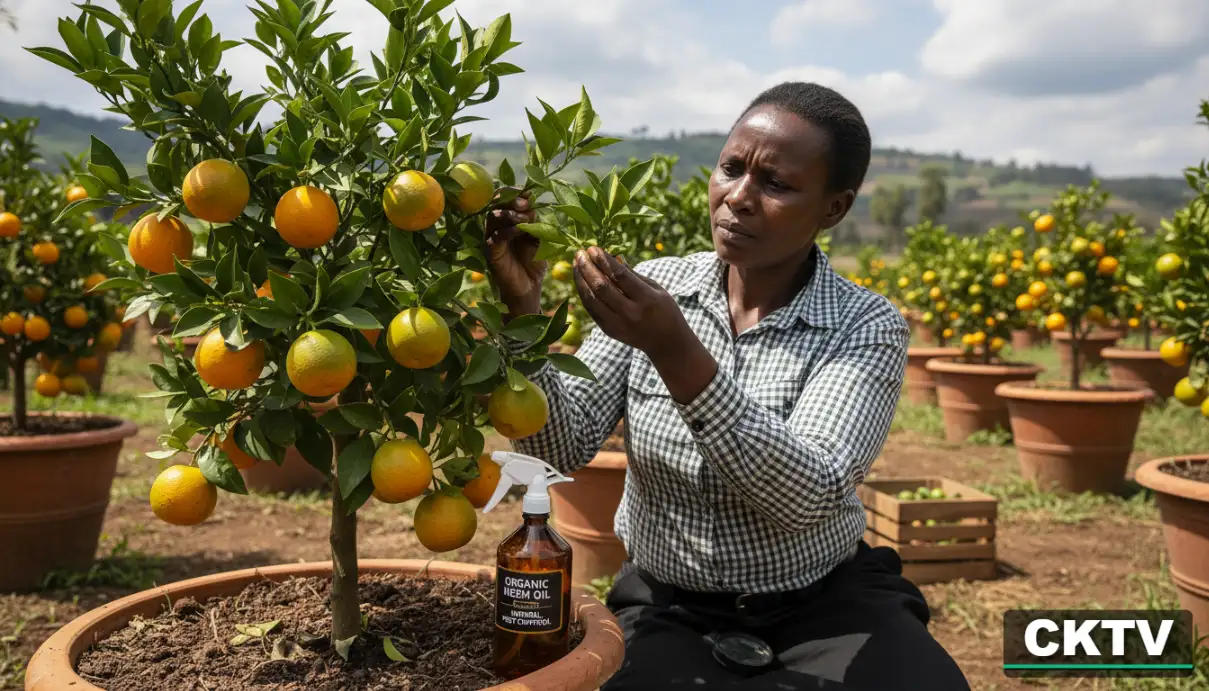
The primary pests for Kenyan container citrus are Leaf Miners, Aphids, and the Asian Citrus Psyllid. In 2026, management relies on weekly scouting and the use of organic Neem oil sprays. For fungal issues like root rot, maintaining perfect drainage and avoiding overwatering is the only effective preventative measure.
Leaf Miners are tiny larvae that tunnel inside the leaves, leaving silvery trails. While they rarely kill a mature tree, they can severely stunt a young seedling. In 2026, farmers manage this by spraying Neem oil during the “flush” periods when the tree is producing new, soft leaves. Once the leaves harden, the miners can no longer enter them.
Citrus Greening (HLB) is the most dangerous disease in East Africa. It is spread by a tiny insect called a psyllid. Symptoms include lopsided, bitter fruit and leaves with yellow blotches that are not symmetrical. In 2026, there is no cure for HLB; infected trees must be removed and destroyed immediately to protect the rest of the orchard.
Using yellow sticky traps is a low-cost, effective way to monitor for flying pests like whiteflies and aphids in 2026. These traps catch the insects before they can lay eggs, giving the farmer an early warning sign. For scale insects, which look like small bumps on the stems, a simple mixture of soap and water sprayed directly on the insects is often enough to control them without using harsh chemicals.
Why Container Citrus Trees Drop Fruits
Fruit drop is usually caused by water stress, sudden temperature changes, or a lack of Potassium and Boron. In 2026, farmers use “fruit thinning” to manually remove excess small fruits, ensuring the tree has enough energy to successfully mature a smaller number of high-quality, large oranges.
It is natural for a tree to drop some tiny fruits shortly after flowering; this is called the “June drop” (though the timing varies in Kenya). The tree is simply shedding the fruit it knows it cannot support. However, if the tree drops fruit the size of a golf ball, it is a sign that something is wrong. Usually, this is caused by a sudden dry spell followed by heavy watering.
Heat stress is another major cause of fruit abortion. If the pot gets too hot, the tree will prioritize its own survival over the fruit. In 2026, farmers in hot regions use “double potting”-placing the fruiting pot inside a larger, empty pot with a layer of air or mulch in between-to provide insulation and prevent the temperature spikes that trigger fruit drop.
Yield Expectations for Dwarf Orange Trees
A 1-year-old tree should not be allowed to fruit. In year 2, a farmer can expect 10 to 30 fruits, while a mature, well-managed tree (year 4+) can yield over 100 fruits annually. These numbers are highly dependent on the variety and the consistency of the 2026 fertilizer and watering program.
Farmers must manage their expectations. Social media often shows photos of small trees covered in hundreds of oranges, but these are often “stressed” trees that are fruiting heavily as a last-ditch effort to reproduce before they die. In a sustainable 2026 container system, you want a balanced yield that doesn’t exhaust the tree’s reserves.
Read Also: Mango Farming in Kenya: Spacing, Seedlings, Yields and Profit per Acre in 2026
The size of the fruit in a container is usually slightly smaller than in the field, but the quality is often higher. Because the farmer can control the water and nutrients, container oranges are frequently sweeter and have thinner peels. In the 2026 market, these “premium” qualities allow urban farmers to sell their produce at a higher price than mass-market field oranges.
Cost Breakdown of Starting Container Citrus Farming
Starting a single-tree unit in 2026 costs approximately KES 3,500. This includes a KES 500 grafted seedling, a KES 1,200 high-quality pot, KES 800 for specialized soil media, and KES 1,000 for a year’s supply of liquid fertilizers and basic pest control.
While the initial cost per tree is higher than field farming, the overheads are much lower. There is no need for tractor services, large irrigation systems, or expensive land leases. For many urban Kenyans in 2026, the startup capital required for 10 trees (KES 35,000) is a manageable investment that begins paying back within two years through fruit sales and home consumption savings.
Labor costs are also minimal. One person can easily manage 50 to 100 container trees in their spare time, spending about 30 minutes a day on watering and inspection. This makes it an ideal “side hustle” for urban professionals or a productive activity for retired individuals looking to stay active and generate income.
| Item | Estimated Cost (KES) | 2026 Market Note |
|---|---|---|
| Grafted Seedling | 500 | Buy from KEPHIS-certified nurseries |
| 40L Plastic Pot | 1,200 | Price for UV-stabilized heavy duty |
| Coco Peat (5kg block) | 600 | Expands to 60-70 liters when wet |
| Liquid Fertilizer (1L) | 1,500 | High-K booster for fruiting stage |
Container Citrus vs Open-Field Citrus Farming
Container farming offers 3 times higher yield per square meter and significantly lower water usage but requires much higher management intensity. In 2026, it is the preferred method for urban farmers, while open-field farming remains better suited for large-scale juicing industries in rural Kenya.
The “yield per square meter” is where container farming wins. In a traditional orchard, trees are spaced 4 to 6 meters apart. In a container setup, you can place pots just 1 meter apart, provided they get enough sun. This allows for an incredibly dense and productive use of limited urban space that would otherwise be wasted.
However, the risk factor is different. If a pump fails in a field orchard, the trees can survive on stored soil moisture for weeks. In a container setup, 48 hours without water in the February heat can result in the loss of the entire crop. This 2026 reality means that container farmers must have a reliable water source and a backup plan for when they are away from home.
Is Dwarf Orange Farming Profitable in Kenya?
Yes, it is highly profitable in 2026, particularly for those targeting the “fresh and organic” urban market. A 50-tree container orchard can net KES 150,000 annually from fruit sales alone, with additional income possible from selling established fruiting pots to other urban residents for KES 5,000+ each.
The real secret to profitability in 2026 is “edible landscaping.” Many homeowners in Nairobi’s suburbs are willing to pay a premium for an orange tree that is already 3 years old and full of fruit. Some farmers specialize in “potting up” trees, growing them to the fruiting stage, and then selling the entire setup. This is a high-margin business that complements fruit production.
For fruit sales, the goal should be direct-to-consumer marketing. By using social media and WhatsApp groups, farmers can bypass the middlemen who take a large cut of the profit. In 2026, urban consumers are willing to pay KES 50 to KES 80 per orange for fruit they know was grown locally without excessive pesticides, providing a lucrative niche for the dedicated container grower.
Farmers Also Ask (FAQ)
Which orange variety performs best in containers in Kenya?
The Pixie Orange and Washington Navel are the best due to their high sugar content, seedless nature, and manageable compact growth in 2026.
How long do dwarf oranges take to fruit?
Grafted seedlings usually produce their first small harvest within 18 to 24 months, provided they receive consistent nutrition and sunlight.
Can oranges grow in buckets?
Yes, standard 20-liter or 30-liter buckets are effective if they are UV-stabilized and have multiple drainage holes drilled in the bottom.
Why are my citrus leaves turning yellow?
Yellow leaves usually signal either overwatering (root rot) or a deficiency in Nitrogen, Iron, or Zinc in the 2026 potting mix.
What fertilizer is best for fruiting oranges?
A high-Potassium liquid fertilizer (such as NPK 12:12:36) is best for fruit development and sweetness in containerized trees.
How often should I water container citrus?
In the Kenyan climate, watering is typically required every 2 to 3 days, but daily watering is necessary during the hot dry seasons.
Can dwarf oranges grow on balconies?
Yes, provided the balcony faces North or East and receives at least 6 hours of direct sunlight per day without heavy shade.
How many fruits can one dwarf orange tree produce?
A mature, well-managed container tree can produce 80 to 150 fruits per year, depending on the pot size and nutrition levels.
Do container oranges need full sunlight?
Yes, they require a minimum of 6 to 8 hours of direct sun; without it, they will produce leaves but very few flowers or fruit.
Why is my orange tree dropping fruits?
Premature fruit drop is usually caused by irregular watering, extreme heat stress, or a lack of Potassium and Boron during fruit set.