
- Profitability Gap: Broilers offer faster cash flow with turnover every 6 to 8 weeks, while Improved Kienyeji birds command 40-60 percent higher market premiums per bird despite a 4.5 month growth cycle.
- Cost Dynamics: Feed accounts for 70 percent of production costs in 2026, with broiler starter crumbles averaging KES 4,700 per 50kg bag, making alternative protein sources like Black Soldier Fly mandatory for survival.
- Risk Profile: Broilers have a high-risk, high-management intensity requiring strict biosecurity, whereas Improved Kienyeji varieties like Sasso and Kenbro offer higher disease resilience for rural smallholders.
Table of Contents
The Kenyan poultry landscape in 2026 is no longer a hobbyist playground; it is a high-stakes financial arena where feed prices and market timing determine survival. Most beginners enter the sector romanticizing the idea of a backyard shamba filled with birds, only to be crushed by the “Feed Trap” or sudden mortality within the first month.
Success in 2026 requires moving away from traditional poultry habits and adopting a rigorous agribusiness framework that treats every chick as a unit of investment. Whether you choose the rapid turnover of broilers or the high-value resilience of Improved Kienyeji, your ability to manage feed conversion ratios and direct-to-consumer marketing will be the only things standing between you and commercial viability.
Most poultry farmers in Kenya fail because they treat their birds like pets rather than a biological production line. In 2026, success is dictated by feed efficiency and market access rather than bird numbers alone. Small farmers often fail due to high mortality rates caused by poor brooding, reliance on expensive commercial feeds without alternatives, and exploitation by brokers who buy birds at farm-gate prices far below the actual Nairobi retail value.
If you are looking for a get-rich-quick scheme, poultry farming in Kenya is the wrong place to be. In 2026, the industry is characterized by razor-thin margins and aggressive competition. The cost of day-old chicks has stabilized at around KES 110 to KES 135, but the cost of inputs continues to fluctuate with global grain prices and local supply chain disruptions.
Many farmers in regions like Nakuru, Kiambu, and Uasin Gishu are finding that traditional methods are no longer profitable. The “TikTok farming hype” often hides the brutal truth that a single outbreak of Newcastle disease or a one-week delay in feed supply can wipe out an entire season of hard work.
One of the biggest reasons for failure is the inability to calculate the true cost of production. Farmers often forget to factor in their own labor, the cost of charcoal or solar electricity for brooding, and the “unseen” mortality that occurs between week one and week six.
In 2026, the most successful small-scale farmers are those who have abandoned the middleman model. They sell directly to estate WhatsApp groups, local hotels, and organic markets in Nairobi and Mombasa. They focus on data, keeping strict records of every gram of feed consumed versus the weight gain of the birds on a weekly basis.
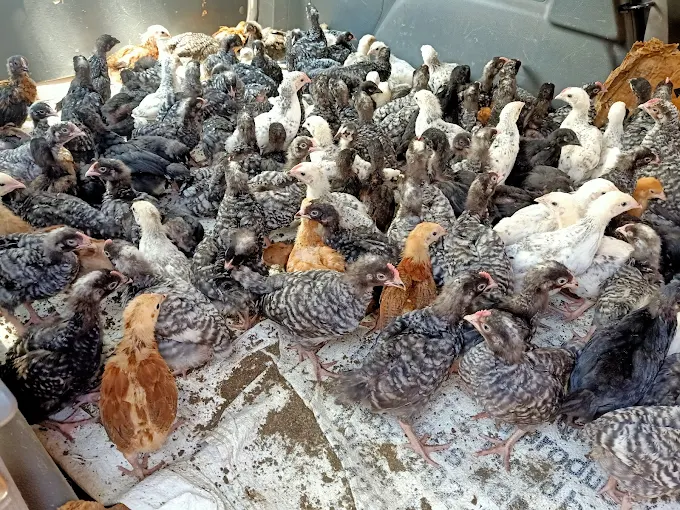
Most beginners in Kenya struggle because they copy what their neighbors are doing without understanding the underlying science of poultry genetics. They buy chicks from unregulated hatcheries that are actually cross-breeds with poor growth rates.
These birds eat for six months without reaching 1.5kg, essentially becoming money pits. In the broiler sector, farmers often fail by trying to cut costs on vaccines. A broiler is a finely-tuned biological machine designed for speed. If you miss a single Gumboro or Newcastle vaccination window, the bird immune system collapses under the weight of its own rapid growth.
The 2026 market also punishes those who do not have a pre-arranged market. In places like Eldoret and Kisumu, market flooding during festive seasons like Christmas and Easter leads to a price crash.
Smart farmers now time their production cycles to hit the market during school opening windows when poultry demand in urban centers spikes. They secure supply contracts with local chicken joints before the chicks even arrive on the farm. If you are waiting until the birds are ready to sell to start looking for a buyer, you have already lost the profit race.
The Fundamental Choice: Speed Business vs Value Business
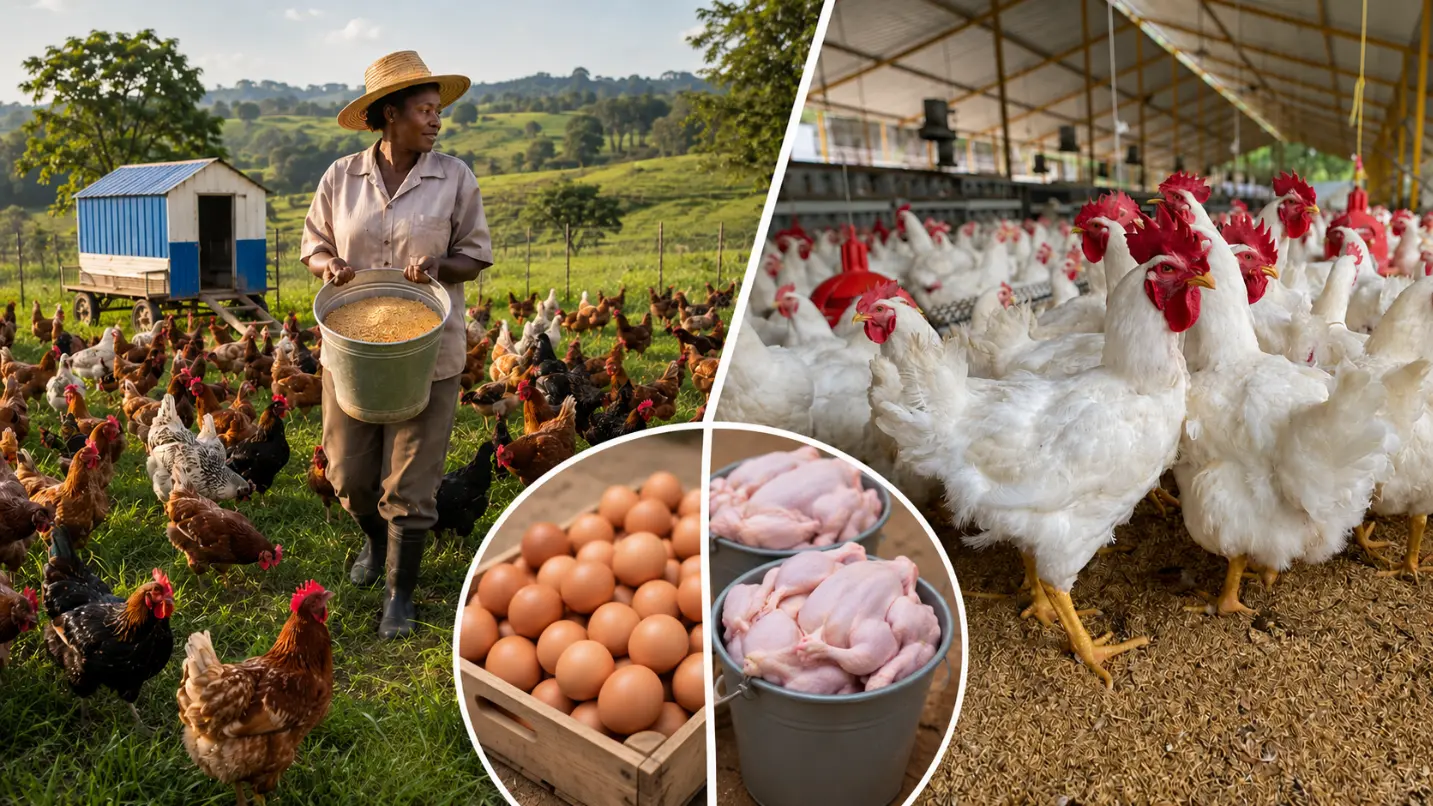
Broiler farming is a speed business focusing on rapid turnover and volume, requiring high discipline and constant cash flow. Kienyeji farming is a value business focusing on premium pricing and resilience, allowing for lower management intensity but requiring longer capital lock-up periods of up to five months.
Choosing between broilers and kienyeji is a choice between two entirely different financial philosophies. Broiler farming is akin to day trading; it is fast, intense, and relies on micro-margins multiplied by high volume. A broiler is bred to reach 1.8kg to 2.2kg in just 35 to 42 days. Every day a broiler stays on your farm past day 45, it is eating your potential profit. This is why it is called a speed business. If your electricity for the brooder fails in the first week in a cold area like Limuru, the stunted growth will haunt your margins until the slaughter date.
On the other hand, Kienyeji farming, specifically Improved Kienyeji, is a value business. These birds take 4 to 5 months to mature for meat and 5 months to start laying eggs. Your capital is locked up for a much longer period, which can be difficult for small farmers with limited cash reserves.
However, the exit price is significantly higher. While a broiler might sell for KES 700, a mature Kienyeji cock can easily fetch KES 1,500 to KES 2,000 in Nairobi City Market. The consumer is paying for the yellow yolk, the tough flavorful meat, and the organic perception that comes with free-range systems.
Read Also: Best Chicken Feed in Kenya 2026 for Fast Growth & Egg Production
To succeed in 2026, you must master the feed conversion ratio. For broilers, the target ratio is 1.5 to 1.7, meaning for every 1.7kg of feed, the bird must gain 1kg of weight. If your ratio hits 2.0 due to poor feed quality or cold temperatures, your profit is gone. For Improved Kienyeji, the ratio is much higher, around 3.5 to 4.0, but this is offset by the bird ability to scavenge and supplement its diet with low-cost alternatives like Azolla or kitchen waste, which are becoming standard in 2026 Kenyan poultry setups.
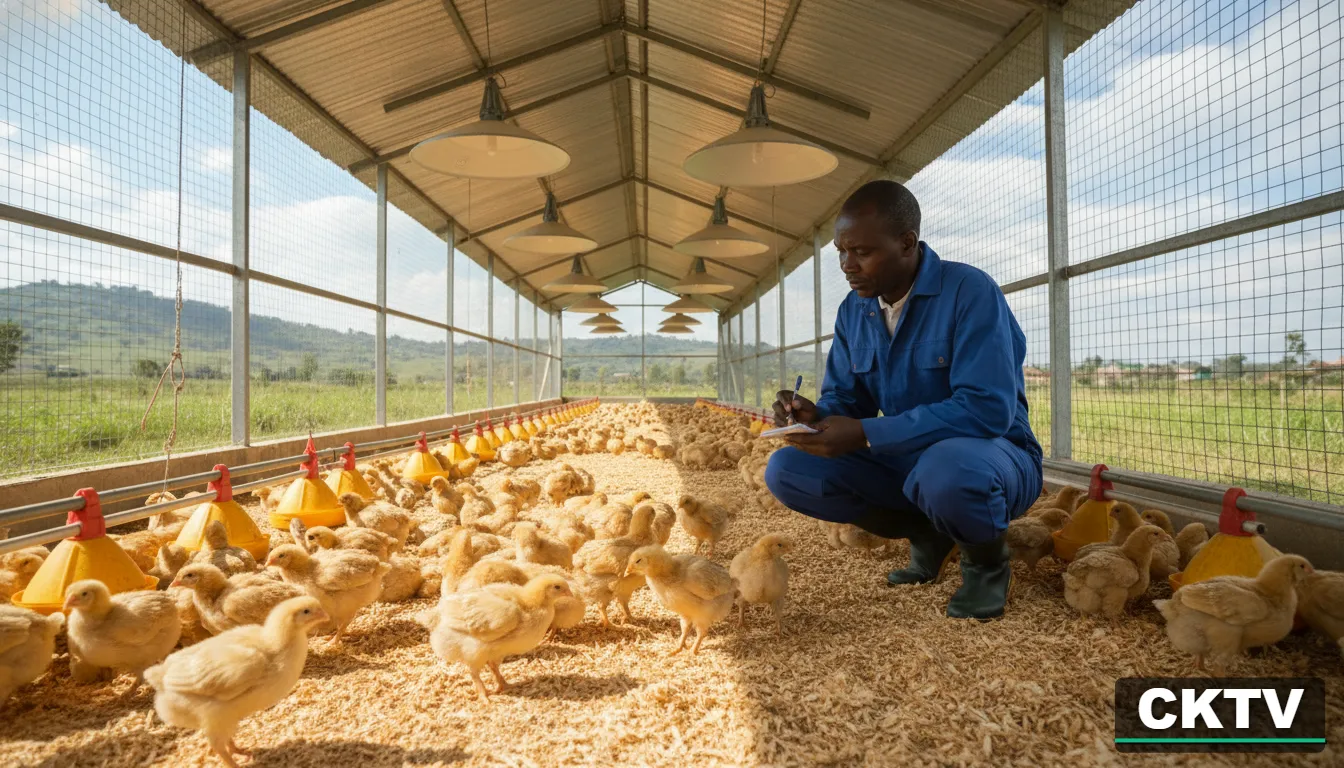
Management pressure also differs wildly between these two systems. Broilers require 24/7 monitoring during the first 2 weeks. The temperature must be precise, the litter must be dry to avoid ammonia buildup, and the water must be treated. Kienyeji birds are far more forgiving.
They can handle temperature fluctuations better and have a natural instinct to scavenge. However, don’t let this fool you into thinking they are zero-maintenance. In 2026, a zero-maintenance Kienyeji farm is just a buffet for predators and a breeding ground for parasites like mites and worms.
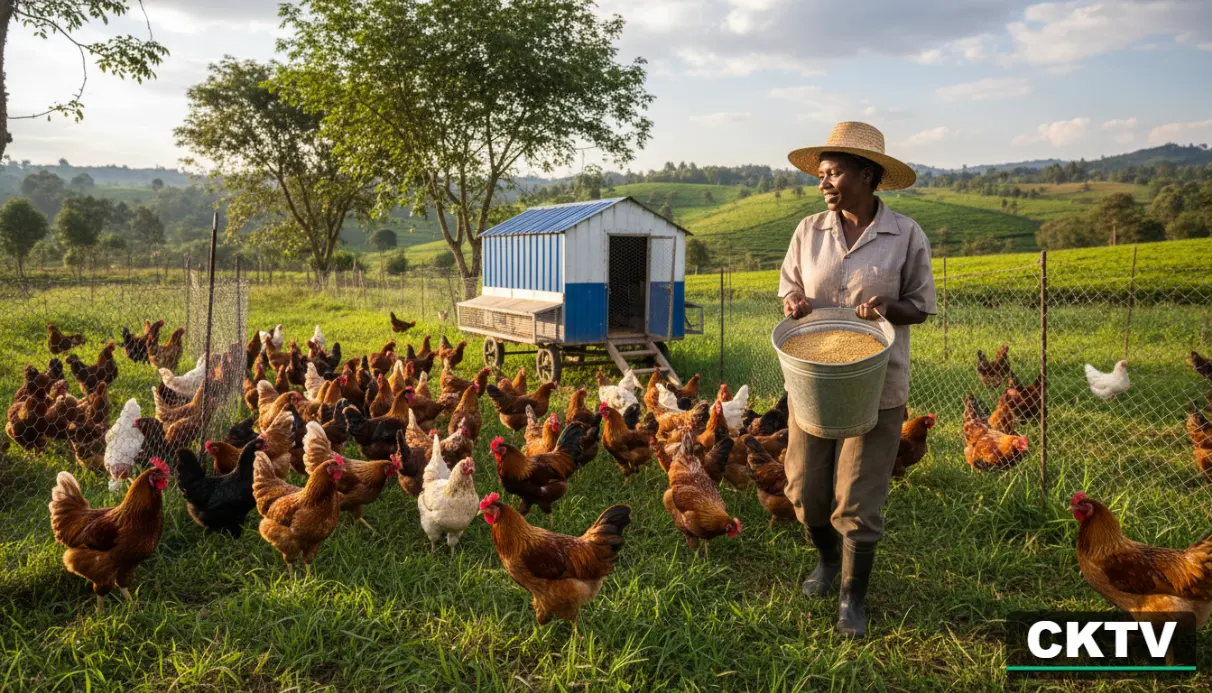
Where and How to Source Quality Chicks in Kenya
In the 2026 Kenyan poultry market, the “Feed Trap” begins the moment you buy a chick. Beginners frequently fail because they source stock from roadside brokers or unregulated hatcheries. These birds often carry latent diseases, lack proper genetic vigor, or are cross-breeds that will never reach the market weight required for profitability. If you start with low-quality genetics, no amount of expensive feed or careful management will yield a profit.
The Golden Rules of Sourcing
First, avoid the “hatchery hoax” by strictly dealing with entities that hold a valid license from the Director of Veterinary Services (DVS). A professional hatchery operates under rigorous sanitary conditions; if a seller cannot provide a business registration or a permit to operate, treat their stock as a liability.
Second, demand a comprehensive paper trail. Every batch of day-old chicks must arrive with a vaccination certificate. Your stock should be pre-vaccinated for Marek’s, Gumboro, and Newcastle disease. If there is no documentation, there is no guarantee, and you are effectively gambling with your capital.
Third, look for “Multiplier Certification.” If a supplier claims to sell KARI Improved or specialized Sasso strains, ask for proof of their partnership with established research institutions or certified parent-stock breeders. Authentic genetics are maintained in controlled environments; random backyard hatcheries simply do not have the infrastructure to sustain true hybrid vigor.
Chicken Verified Supplier Network
While you must always conduct your own verification, the following suppliers are recognized in the Kenyan market for maintaining consistent standards and professional service. You should contact them directly to confirm availability before making any payments.
- Neochicks Poultry Ltd: Specializes in Improved Kienyeji and broiler chicks, as well as poultry equipment like incubators and automated drinkers. You can reach them at 0707787884 or visit neochickspoultry.com.
- Ziwani Poultry: A veteran in the sector with over 20 years of experience, they provide a wide range of Kienyeji varieties including KARI, Kuroiler, and Sasso. Their details are available at ziwanipoultry.com.
- Midlands Kenya Chicken: Known for supplying a mix of pure-breed Kienyeji, layers, and broilers. You can contact them at 0725 040 455 or via midlandskenyachicken.com.
- Nasha Poultry Farm: Focuses on certified KARI Improved chicks, often providing them at a slightly more mature age to help farmers skip the initial brooding risks. See nashachicks.co.ke or call 0702 429 406.
The “Brooder Unit” Strategy
If you are a beginner, consider bypassing the day-old stage entirely. Many professional farmers now operate as “Brooder Units,” where they specialize in raising chicks through the high-mortality first three to four weeks. While the unit cost is higher, you are paying for the safety of a bird that has already cleared its most vulnerable period.
Partnering with a verified Brooder Unit is often the smartest move for a new farmer to ensure they don’t face a 20-30% loss within the first week of their first cycle. Always remember: in 2026, you are not just a farmer; you are an asset manager. Never let the pursuit of a “cheap” price drive your procurement decisions.
Breed Performance Table (2026 Estimates)
| Breed Type | Variety | Maturity | Target Weight | Strategy |
| Broiler | Ross 308/Cobb 500 | 35–42 Days | 1.8 – 2.4kg | High Volume / Low Margin |
| Imp. Kienyeji | KARI Improved | 4.5–5 Months | 1.5 – 2.0kg | Dual Purpose (Egg/Meat) |
| Imp. Kienyeji | Sasso / Rainbow | 3.5–4 Months | 2.0 – 3.0kg | Premium Meat |
| Imp. Kienyeji | Kuroiler | 4 Months | 2.5 – 3.5kg |
The Broiler Deep Dive: Precision and Performance
Broiler production in 2026 relies on elite genetics such as Ross 308 and Cobb 500. These birds are genetically engineered for rapid weight gain and high breast meat yield. If you are farming broilers, you are essentially managing an industrial process.
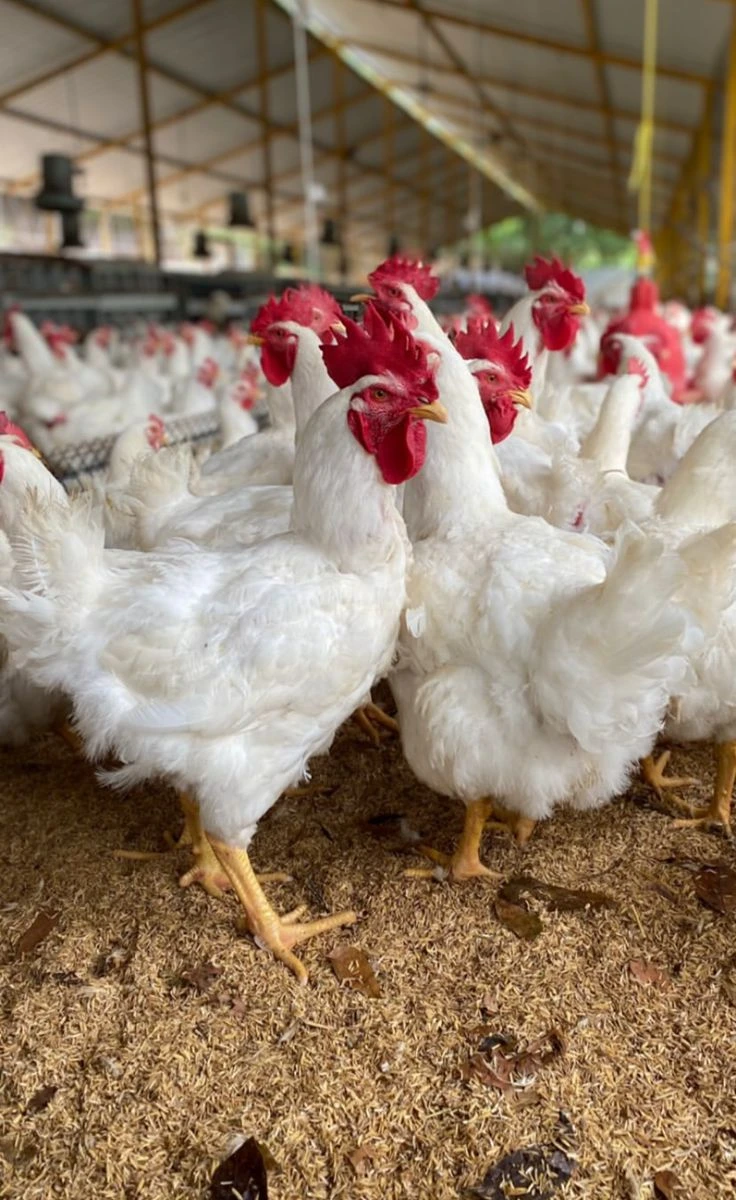
The environment must be strictly controlled, from the light intensity to the ventilation rates. In areas with high humidity like the Coast, heat stress is a major killer that requires specialized housing designs with open sides and high roofs to ensure air circulation stays optimal.
The following table outlines the performance expectations for the leading broiler and kienyeji varieties currently available from Kenyan hatcheries in 2026.
| Breed Type | Variety Name | Maturity Period | Average Weight (kg) | Primary Purpose |
|---|---|---|---|---|
| Broiler | Ross 308 / Cobb 500 | 35–42 Days | 1.8 – 2.4 | Intensive Meat Production |
| Improved Kienyeji | KARI Improved | 4.5 – 5 Months | 1.5 – 2.0 | Eggs and Meat (Dual) |
| Improved Kienyeji | Sasso / Rainbow Rooster | 3.5 – 4 Months | 2.0 – 3.0 | Heavy Meat Production |
| Improved Kienyeji | Kuroiler | 4 Months | 2.5 – 3.5 | Backyard Meat Excellence |
Operational realities for broilers include the management of wet litter, which is the leading cause of coccidiosis and ammonia buildup. In 2026, smart farmers are using wood shavings rather than sawdust to ensure better absorption.
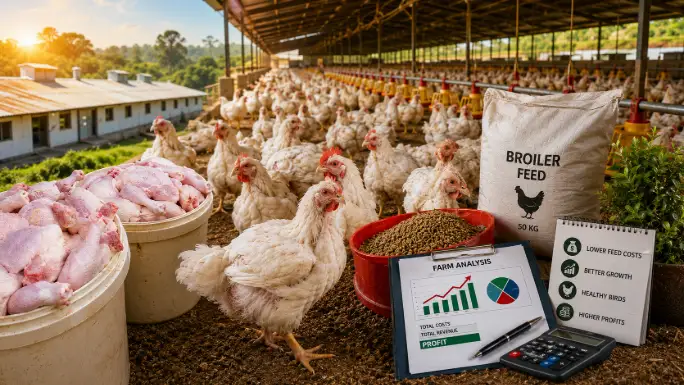
They also implement strict feeding schedules, providing broiler starter crumbles for the first 18 days, followed by grower mash, and finishing with finisher pellets. Feeding 100 broilers for six weeks in 2026 can cost approximately KES 32,000 to KES 38,000 depending on the feed brand and current market prices for soy and maize.
The Kienyeji Advantage: Resilience and Premium Markets
Improved Kienyeji chickens have revolutionized the rural economy in Kenya. Breeds like the KARI Improved, developed by KALRO, and the Kuroiler from India have higher productivity than local indigenous birds while maintaining the same flavor profile.
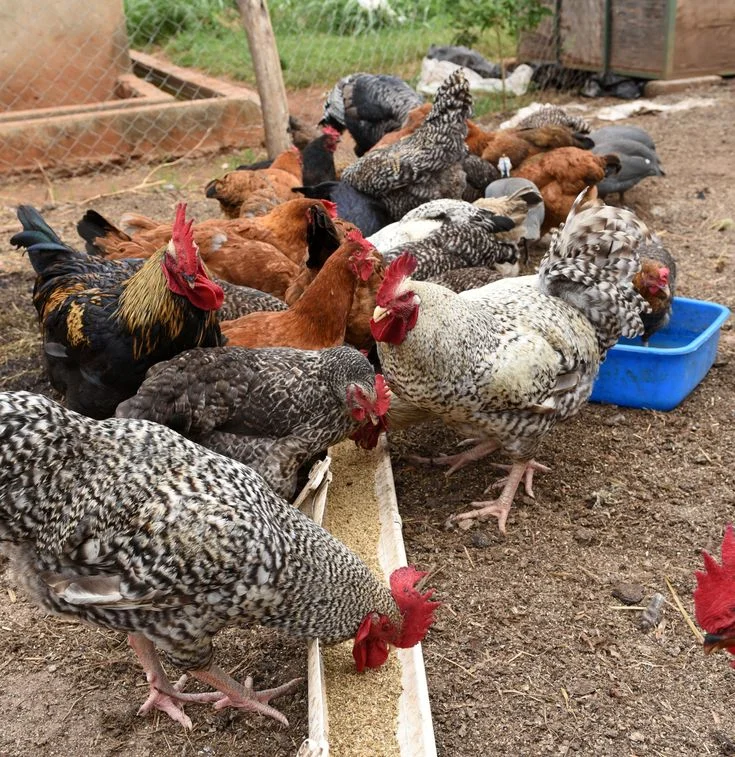
These birds have hybrid vigor, meaning they grow faster and lay more eggs than the traditional village chicken but are still tough enough to survive the Kenyan climate. They are especially popular in Western Kenya and the Rift Valley where farmers have larger pieces of land for semi-intensive grazing.
Urban consumers in Nairobi and Kisumu are willing to pay a premium for kienyeji meat because of the perceived health benefits. In 2026, the demand for “organic” and “antibiotic-free” meat has reached an all-time high. Kienyeji meat is leaner and has a more complex flavor due to the diverse diet of the birds.
For a small farmer, this means you can compete on quality rather than just price. While a broiler is a commodity, a well-raised Kienyeji bird is a specialty product. This allows you to set your own prices rather than being at the mercy of the large-scale industrial processors.
Read Also: Dairy Goats vs Improved Kienyeji Chicken in Kenya (2026): Where Should You Invest?
However, free-range does not mean zero cost. To get the best out of improved kienyeji, you still need to provide supplementary feeds, especially in the evening. You must follow a vaccination program for Newcastle, Gumboro, and Fowl Pox.
The housing must be predator-proof to prevent losses from mongooses, hawks, and stray dogs. In 2026, successful kienyeji farmers are also investing in automated drinkers to reduce labor costs and ensure the birds always have access to clean, medicated water during the long growth cycle.
The 70 Percent Feed Trap: Managing Costs in 2026
Feed costs represent the highest operational expense, often exceeding 70 percent of total costs. To remain profitable in 2026, farmers must utilize alternative proteins like Black Soldier Fly larvae to replace up to 20 percent of commercial soy components and implement strict no-waste feeding troughs.
Commercial feed prices in Kenya have been a rollercoaster. As of March 2026, a 50kg bag of Broiler Starter is retailing between KES 4,600 and KES 4,850 in major towns. If you are feeding 100 broilers, they will consume roughly 7 to 8 bags of feed to reach market weight.
That is nearly KES 35,000 in feed alone for a small batch. If your mortality is high or your selling price is suppressed by middlemen, the feed manufacturer essentially makes more money from your farm than you do. This is the reality of the feed trap.
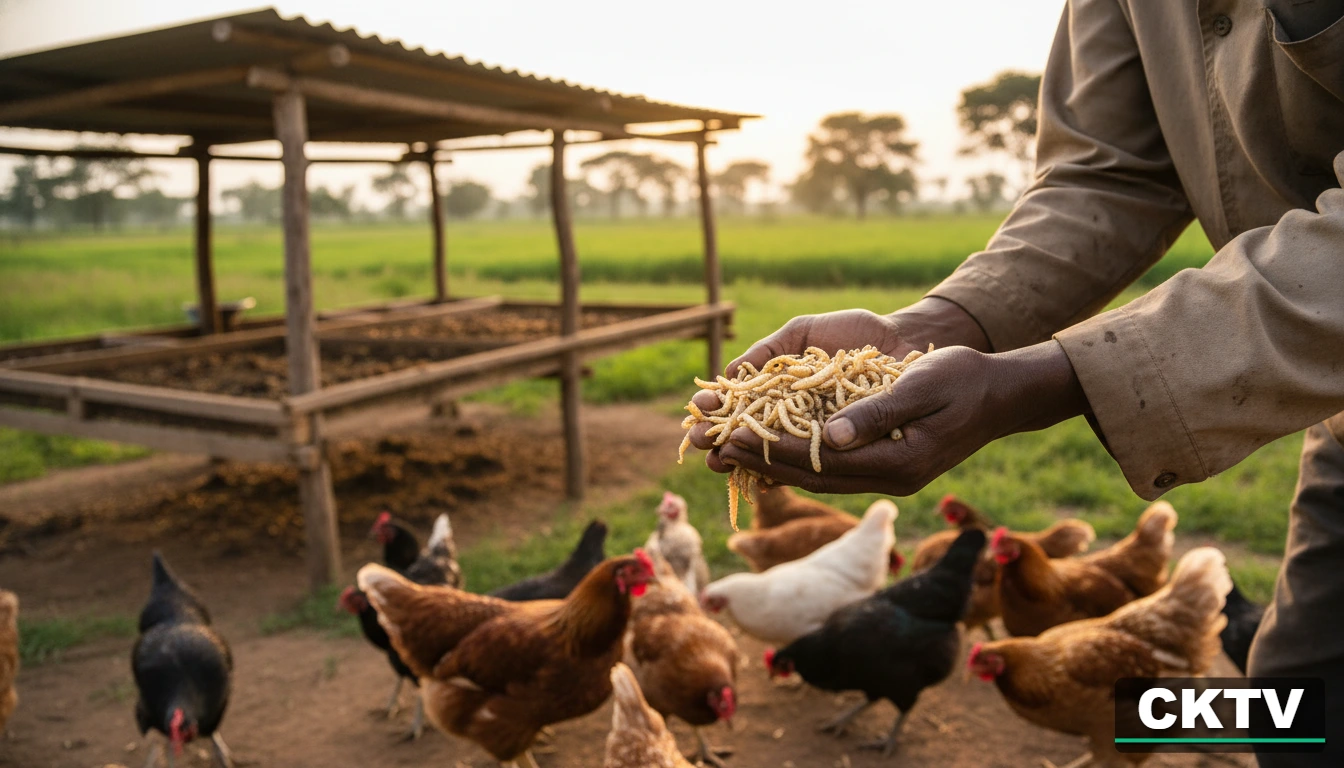
This trap is why the 2026 poultry expert focuses on alternative supplementation. Black Soldier Fly farming has moved from a niche experiment to a mainstream survival strategy for smallholders. By processing organic kitchen or market waste on the farm to produce protein-rich larvae, farmers are cutting their commercial feed bills by 15 to 25 percent.
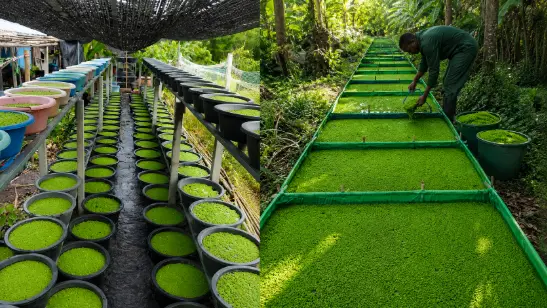
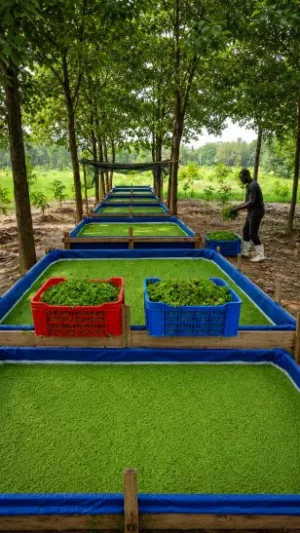
Similarly, the use of Azolla, an aquatic fern, as a protein supplement for Kienyeji birds is saving farmers in wet regions like Kisii and Kakamega thousands of shillings every month. You cannot farm successfully in 2026 by relying entirely on shop-bought feed.
While this article focuses on poultry, the 2026 circular economy approach means your poultry manure is a valuable commodity for crop farmers. Poultry waste is high in nitrogen and is being used to offset the high cost of commercial fertilizers like DAP and CAN.
In the table below, we look at how poultry farmers are integrating their waste into the broader agricultural market to increase secondary income streams.
| Fertilizer Source | Price (KES) 2026 | Nutrient Value | Best Use Case |
|---|---|---|---|
| Commercial DAP | KES 2,500 – 3,000 | High Phosphorus | Planting Maize/Grains |
| Processed Poultry Manure | KES 600 – 900 | High Nitrogen | Vegetables and Pasture |
| Composted Litter | KES 400 – 700 | Organic Matter | Soil Structure Improvement |
Startup Cost Comparison: Setting Up for Success
Starting a poultry venture requires significant initial capital, but the allocation of that capital differs based on the bird choice. For broilers, the investment is front-loaded into high-quality housing and intensive brooding equipment. For Kienyeji, the investment is spread over a longer period, with a focus on secure fencing and durable housing that can last through several rainy seasons. In 2026, the cost of timber and iron sheets has risen, leading many farmers to explore alternative building materials like interlocking stabilized soil blocks for the lower walls of their poultry houses.
For a 100-bird unit in 2026, a broiler farmer should budget approximately KES 60,000. This includes the cost of chicks at KES 13,000, feed at KES 35,000, vaccines at KES 3,000, and labor plus utilities at KES 9,000. For an Improved Kienyeji unit of the same size, the budget increases to KES 75,000. While the chicks cost the same, the feed bill is higher because the birds are on the farm for four times as long. However, the Kienyeji farmer doesn’t need to spend as much on high-tech brooding after the first three weeks, as these birds are more resilient to ambient temperatures.
Read Also: Broiler Farming in Kenya 2026: Complete Guide to Broiler Feed, Costs & Profit
Electricity costs for brooding have become a major concern. In 2026, many Kenyan farmers are installing solar-powered infrared heaters to avoid the monthly bills from the national grid. This initial investment of KES 25,000 can pay for itself within three broiler cycles. For Kienyeji farmers, who often live in rural areas with less reliable power, solar is not just a cost-saver; it is a necessity to prevent massive chick losses during the first week of life when they cannot regulate their own body temperature.
Disease and Mortality: The Profit Killers
Mortality is the single greatest profit killer in poultry farming. Broilers are susceptible to Sudden Death Syndrome and Coccidiosis due to rapid growth and high-density housing, while Kienyeji birds primarily face Newcastle Disease and Fowl Pox, requiring a strict vaccination schedule regardless of the breed perceived hardiness.
In 2026, natural resistance is a dangerous myth that kills thousands of birds every month. Even the toughest Improved Kienyeji chicken cannot survive a heavy Newcastle outbreak without a proper vaccination schedule. The 2026 biosecurity standards are non-negotiable for anyone who wants to stay in business. For broilers, the focus is on the first 21 days. You must vaccinate for Newcastle and Infectious Bronchitis on Day 7, Gumboro on Day 14, and a Gumboro booster on Day 21. If you miss these windows, your entire investment is at risk.
Biosecurity is where most Kenyan smallholders fail. They allow neighbors to walk into the poultry house to see the birds, carrying pathogens on their shoes from other farms. They don’t use disinfectant footbaths at the entrance. In 2026, viral strains have become more resilient and aggressive.
If you are farming in a high-density area like Ruiru or Kikuyu, your biosecurity must be like a hospital. No visitors, no wild birds allowed in the house, and strictly dedicated clothing for the person attending to the chickens. Remember that vaccines are cheap, but dead chickens are very expensive.
Coccidiosis remains the biggest threat to broiler profitability in 2026. This protozoal disease thrives in damp litter. If your drinkers are leaking or if the birds are overcrowded, the litter becomes a breeding ground for parasites. This leads to poor feed absorption, stunted growth, and eventually death.
Successful farmers use coccidiostats in the feed and perform regular litter turning to keep the floor dry. In the Kienyeji sector, worms and mites are the more common issues, requiring regular deworming and dusting of the housing to keep the birds comfortable and productive.
Labor and Management Pressure: The Human Factor
Most poultry guides ignore the fact that some poultry systems consume your entire lifestyle. Broiler farming is an intensive management system. Because the birds grow so fast, you have no room for error. You have to be there to check the waterers every few hours, to adjust the ventilation as the day gets hotter.
Monitor for any signs of respiratory distress. If you have a day job in the city and no reliable help on the farm, broiler farming will likely end in disaster. It is a full-time commitment for the duration of the six-week cycle.
Kienyeji farming offers a more relaxed management pressure, making it ideal for rural farmers or those with multiple agricultural projects. Once the birds are past the brooding stage, they require less constant monitoring. However, you still need a system for evening confinement and supplemental feeding.
The labor involved is more about consistency over time rather than high-intensity bursts. In 2026, many Kienyeji farmers are using mobile phone apps to track their vaccination dates and feed consumption, allowing them to manage the farm remotely while working elsewhere.
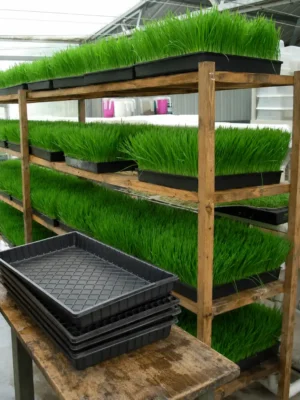
Read Also: Azolla vs. BSF vs. Hydroponic Fodder: Which is the Cheapest Feed in Kenya? (2026 Edition)
The middleman problem is another management hurdle. Brokers typically take 20 to 30 percent of a farmer potential profit by buying at farm-gate prices. In 2026, profitable farmers bypass middlemen by using digital marketing on Facebook and WhatsApp.
They form production clusters with their neighbors to negotiate directly with hotel chains and supermarkets. By aggregating their birds, they can offer a steady supply of 500 birds a week, which makes them attractive to large-scale buyers who would otherwise ignore a single small farmer with only 50 birds to sell.
2026 Poultry Trends: The Future of the Industry
The industry is shifting toward a circular economy where nothing goes to waste. In 2026, the most profitable farmers are those who integrate their poultry with other crops. Poultry manure is processed into high-quality organic fertilizer for high-value crops like tomatoes and onions.
This creates a double income stream. Furthermore, the demand for antibiotic-free meat has led to a surge in the use of probiotics and herbal extracts like aloe vera and neem (mwarobaini) to boost bird immunity naturally, reducing the reliance on expensive pharmaceutical drugs.
Social media has also changed how poultry is sold in Kenya. In 2026, the most successful farmers are those with a strong online presence. They document their farming journey on TikTok and Instagram, building trust with urban consumers who are increasingly wary of the source of their food.
Selling a bird is no longer just a transaction; it is about selling a story of quality, hygiene, and local empowerment. Farmers who embrace this digital shift are seeing much higher margins than those who wait for brokers to show up at their gate.
Finally, the rise of processed poultry products is a trend to watch. Instead of selling live birds, many small farmers are now investing in small-scale slaughtering and packaging equipment. By selling dressed, vacuum-packed chicken, they can reach supermarket shelves and high-end butcheries.
This value addition can increase the profit per bird by up to 40 percent. In 2026, the farmer who slaughters and packages their own birds is the one who truly controls the market and captures the maximum value from their labor.
Summary Verdict for 2026
- Choose Broilers if: You have high capital, reliable power (or solar), a dedicated 24/7 management schedule, and an existing contract with a buyer. You are building a factory.
- Choose Improved Kienyeji if: You are a smallholder with some space, need a more resilient system that allows for other agricultural tasks, and want to capture premium, health-conscious market segments. You are building a brand.
Final Advice: The industry in 2026 has no room for “hobbyists.” You are either an agribusiness entrepreneur tracking every gram of feed and every cent of overhead, or you are a future statistic of farmers who quit after one bad season.
Farmers Also Ask (FAQ)
Kienyeji Chicken vs Broiler Farming in Kenya (2026): Which Makes More Profit for Small Farmers?
Improved Kienyeji is generally more profitable per bird for smallholders due to premium pricing, while broilers offer more profit over a year due to multiple fast cycles.
How much feed do 100 broilers consume?
100 broilers will consume approximately 350kg to 450kg (7 to 9 bags of 50kg) of feed over 6 to 7 weeks to reach their target market weight.
How long do kienyeji chickens take to mature?
Local kienyeji take 6 to 8 months, while Improved Kienyeji varieties like Sasso or Kenbro mature for meat in 3.5 to 5 months under good management.
Why do broilers die suddenly?
Common causes include Ascites (water in the belly), Sudden Death Syndrome, heat stress, or ammonia buildup from wet litter in poorly ventilated houses.
Is kienyeji farming profitable in 2026?
Yes, but profitability depends on reducing feed costs using alternatives like BSF larvae and targeting direct-to-consumer urban markets to avoid broker exploitation.
What is the best improved kienyeji breed?
Sasso and Rainbow Rooster are best for meat, while KARI Improved and Kenbro are excellent dual-purpose birds for both meat and high egg production.
Can broilers survive on free range?
No. Broilers are bred for intensive systems; their heavy weight makes them slow, prone to predators, and unable to scavenge effectively for their high nutrient needs.
Which chicken meat sells faster?
Broiler meat sells faster in the fast-food and catering sector, while Kienyeji meat has higher demand in traditional hotels and health-conscious private households.
How much capital do I need to start chicken farming?
You need approximately KES 60,000 to KES 75,000 to start a professional 100-bird unit including housing, chicks, and feed for the first full cycle.
Is poultry farming still profitable in Kenya?
It is profitable for those with high management discipline and direct market access, but rising feed costs have made it difficult for traditional or passive farmers.