
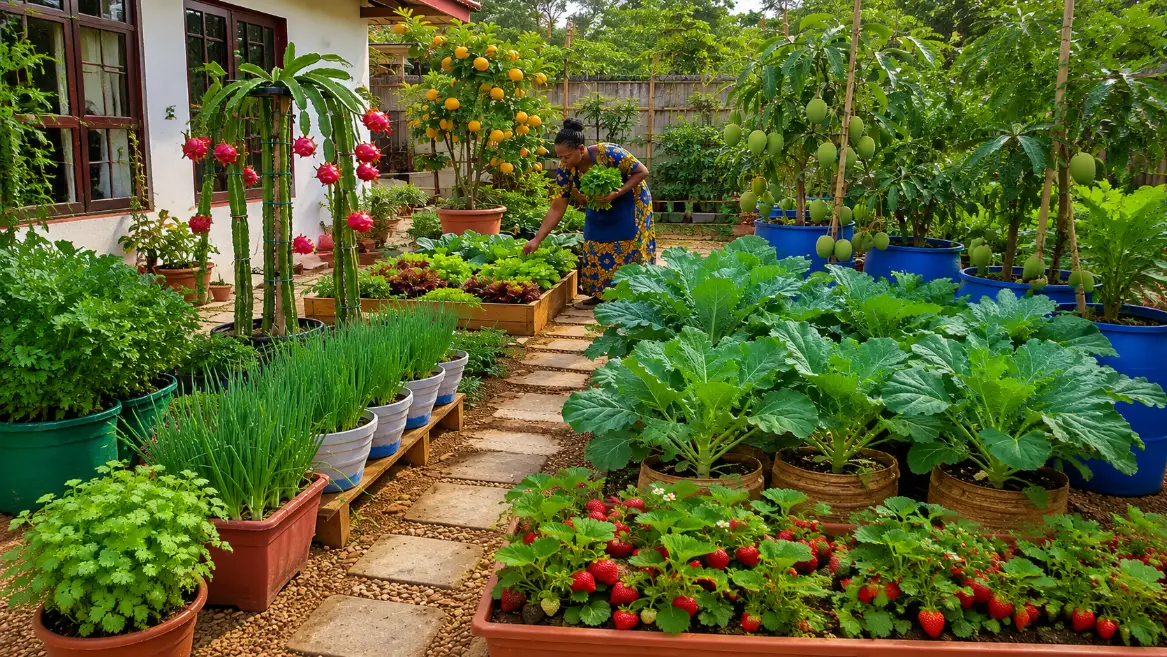

- Space Efficiency: Utilizing vertical A-frame stands and 9-inch deep raised beds can increase harvest yields by 300% compared to traditional flat-ground planting in urban settings.
- Financial Impact: A well-managed 10-square-meter kitchen garden can save a Kenyan household between KES 4,500 and KES 8,500 monthly on grocery bills while providing chemical-free produce.
- 2026 Market Reality: With commercial fertilizer prices stabilizing at KES 3,800 to 4,500 per 50kg bag, small-scale farmers are pivoting toward BSF frass and vermicompost to maintain 100% organic productivity.
Table of Contents
Urbanization in Kenya has reached a tipping point where food sovereignty starts at the balcony or the small backyard shamba. As of early 2026, the rising cost of basic commodities and the volatility of the Kenyan Shilling have made home gardening not just a hobby, but a critical economic survival strategy. Whether you are in a high-rise apartment in Roysambu or a small plot in Syokimau, maximizing every square inch of available space is the only way to insulate your family from the fluctuating prices of the Mama Mboga kiosks.
Productive home gardening in Kenya requires a shift toward intensive vertical systems, high-quality soil mixes (40% red soil, 40% manure, 20% cocopeat), and the use of F1 hybrid seeds. By integrating succession planting and organic pest control like Neem oil, urban residents can produce continuous yields of kale, spinach, and herbs from spaces as small as 2 square meters.
The economic landscape of 2026 has forced a rethink of how we utilize residential spaces. Traditional farming relied on large acreage, but modern urban farming focuses on yield per cubic meter. The entry of advanced F1 seeds that are drought-tolerant and disease-resistant means that even a beginner with three plastic crates can grow enough Sukuma Wiki to feed a family of four.
This guide moves beyond the theory of planting and dives into the brutal commercial realism of building a high-output ecosystem in a limited space.
In cities like Nairobi, Kisumu, and Mombasa, the cost of leafy greens has spiked due to high transport overheads and middleman exploitation. By cutting out the supply chain, you are effectively earning the retail margin. Furthermore, the 2026 consumer is increasingly wary of the heavy pesticide use in commercial irrigation schemes like Mwea or Perkerra. A home garden gives you absolute control over what goes into your soil and, ultimately, into your body.
You May Like: Vegetable Farming for Profit in Kenya: Okra, Spinach & Dhania Guide (2026)
This vision of home gardens as productive ecosystems goes beyond simple nutrition. A well-designed garden offers significant cost savings and even supplemental income for those who scale up to sell surplus to neighbors. Transitioning from a consumer to a producer changes the household dynamic, turning a dormant balcony into a lively, green asset that contributes to the national food security goal from the bottom up.
Soil Science and Strategic Site Selection
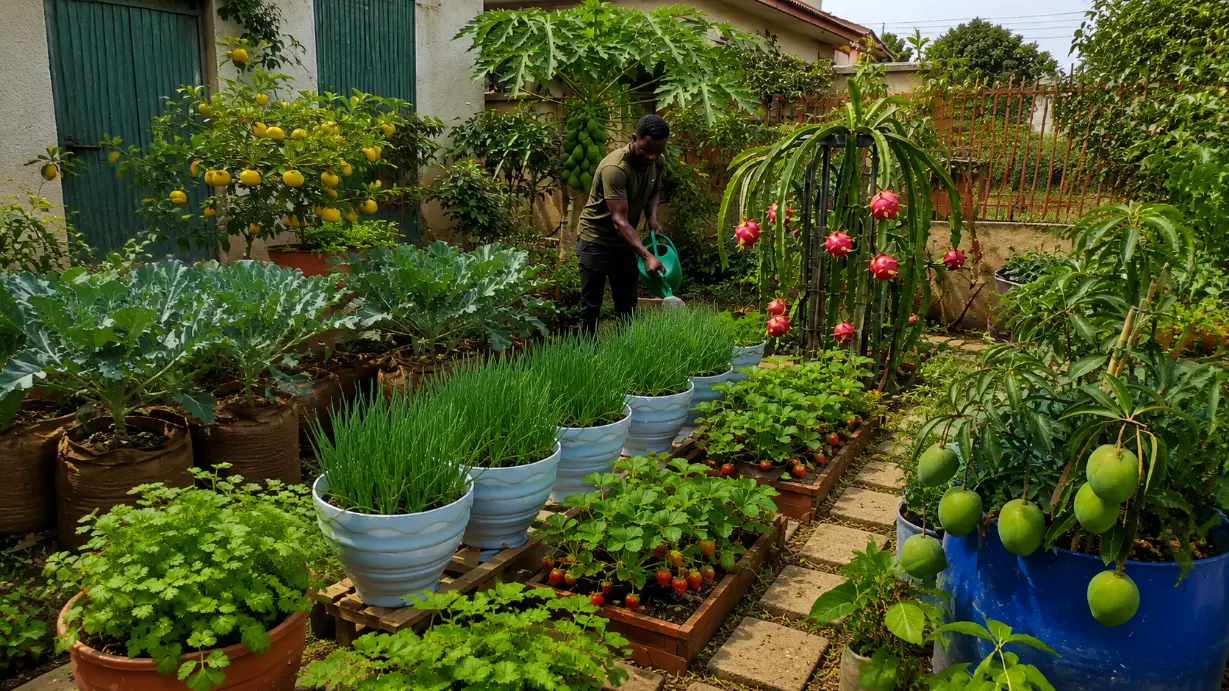
Optimal garden placement focuses on capturing 4 to 6 hours of direct sunlight, preferably morning sun. A superior soil foundation consists of a 2:2:1 ratio of red soil, well-decomposed goat or cow manure, and cocopeat to ensure aeration, nutrient density, and moisture retention in containerized environments.
Most urban dwellers make the mistake of placing their gardens in shaded corners where plants struggle to grow. In Kenya, the sun is highest and most intense between 10 AM and 3 PM. You need a site that receives at least 4 hours of this light. If you are on a balcony, North-facing units generally get more consistent light throughout the year. For those with backyards, avoid areas under large trees or near walls that cast long shadows for more than half the day.
Standard backyard soil is often compacted and nutrient-depleted. To achieve commercial-grade yields in a small space, you must engineer your growing medium. We recommend a mix of 40% loamy red soil (sourced from reputable nurseries), 40% well-cured manure, and 20% cocopeat or rice husks. The cocopeat is crucial; it acts as a sponge, holding onto water and nutrients that would otherwise leach out of containers during the hot Kenyan afternoons.
Soil health isn’t just about NPK (Nitrogen, Phosphorus, Potassium); it is about microbial life. Successful urban farmers in 2026 are increasingly using Tea Manure. This is made by soaking a sack of well-decomposed manure in a drum of water for 14 days. The resulting liquid is a potent microbial booster shot that you can use to water your plants once a week. This practice mimics the regenerative cycles of a natural forest, ensuring your soil doesn’t die after one season of intensive cropping.
For those living in areas with acidic soil, such as parts of Central Kenya, adding a small amount of agricultural lime to the mix is essential. This balances the pH levels, making nutrients more accessible to the roots. Additionally, incorporating vermicompost (earthworm castings) can drastically improve the soil structure. These worms create tunnels that allow oxygen to reach the roots, preventing the anaerobic conditions that often lead to root rot in over-watered pots.
You May Like: Tomato Farming in Kenya 2026: Complete Guide From Nursery to Harvest
Site selection also involves considering wind patterns. High-rise balconies in areas like Upper Hill can experience strong winds that desiccate tender leaves. In such cases, creating a small windbreak using decorative bamboo or mesh can protect your crops. Strategic placement also means keeping your garden close to a water source to minimize the labor of carrying heavy buckets, which often discourages beginners after the first few weeks of enthusiasm.
Engineering Vertical and Raised Bed Systems
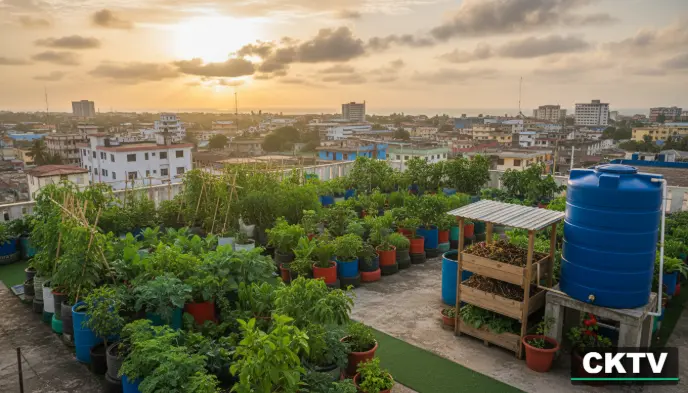
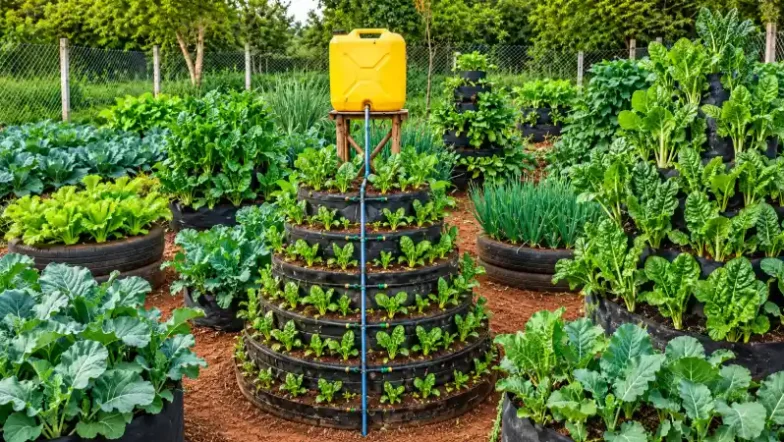
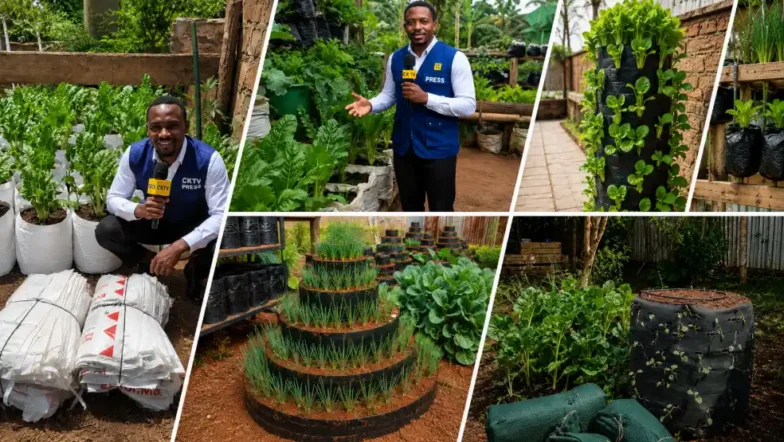
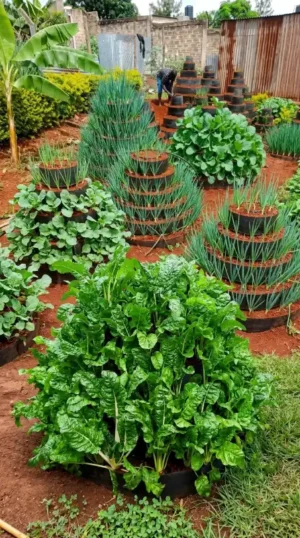
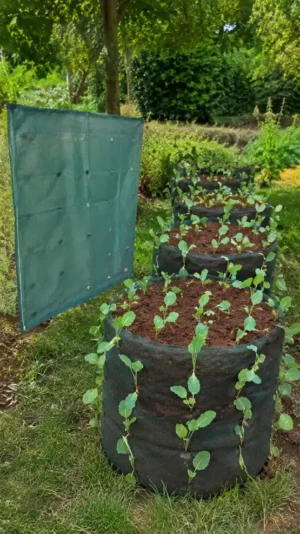
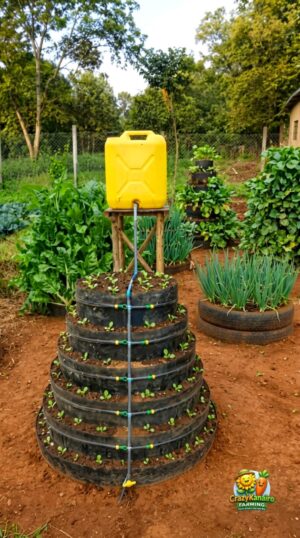
Maximizing small spaces requires moving away from ground planting to vertical A-frame stands or tiered raised beds. These structures prevent soil-borne diseases, improve drainage, and allow for 3x more plants per square foot. Using UV-treated white containers helps reflect heat, protecting sensitive root systems from the harsh Kenyan sun.
The A-frame stand is the king of small-space gardening in places like Nakuru and Eldoret. By building a wooden or metallic frame in the shape of a capital A, you can mount multiple rows of PVC pipes or gutters. This allows you to plant strawberries on the top tier, lettuce in the middle, and herbs at the bottom. This setup is particularly effective for cut-and-come-again crops, where you harvest a few leaves and let the plant continue growing.
Vertical innovation is not just about aesthetics; it is about ergonomics and pest management. Elevating your plants off the ground immediately reduces the risk of soil-borne fungi and crawling insects like cutworms. It also makes harvesting much easier, as you don’t have to bend down constantly. For a professional finish, ensure the A-frame is sturdy enough to handle the weight of wet soil, which can be surprisingly heavy after a downpour.
If you have a small patch of earth, do not plant directly into it. Build a raised bed at least 30cm high using treated timber or stones. Raised beds solve three major Kenyan gardening problems: poor drainage during the heavy April rains, soil compaction from foot traffic, and the back strain associated with traditional weeding. In a raised bed, the soil stays loose and airy, allowing roots to penetrate deeper and access more nutrients.
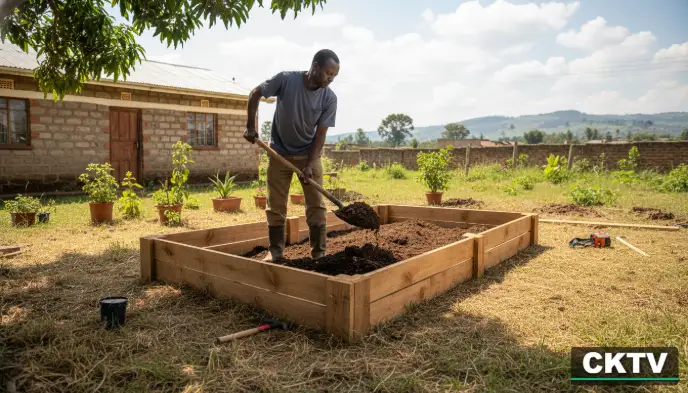
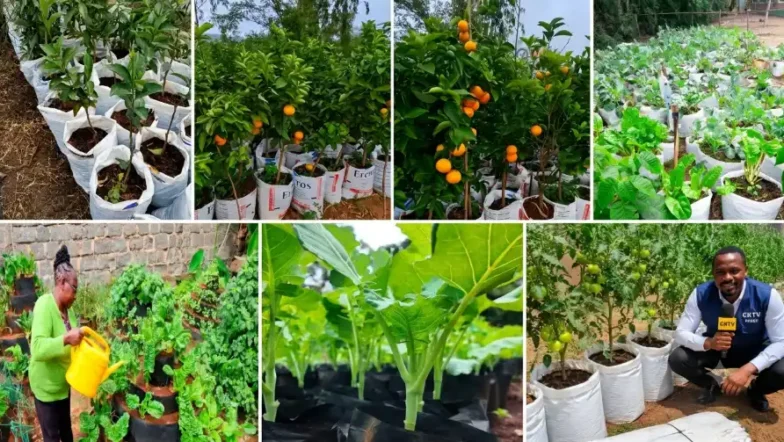
Not all pots are created equal. In the 2026 climate, where temperatures in regions like Athi River can soar, black plastic containers often cook the roots of the plants. Opt for white or light-colored containers to reflect solar radiation. Ensure every container has at least four drainage holes at the base, covered with a thin layer of gravel or small stones. This prevents the soil from clogging the holes, which would lead to root rot.
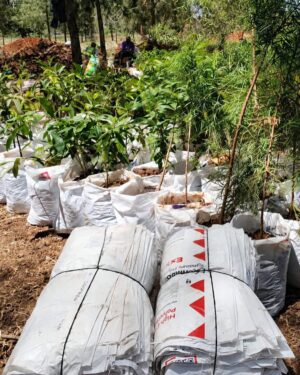
Durable materials are a key investment for long-term productivity. While cheap plastic buckets may seem attractive, they often crack under UV exposure within six months. UV-treated planting bags or recycled wooden crates lined with heavy-duty plastic are much more sustainable. If you are using wooden structures, treat them with non-toxic preservatives to prevent termites from destroying your hard work within the first season.
Intensive Planting and Crop Management Strategies
Continuous production is achieved through succession planting (sowing new seeds every 14 days) and companion planting to manage pests naturally. Integrating fast-maturing varieties like 30-day radishes or 45-day spinach ensures a constant food supply, while crop rotation prevents the buildup of soil-specific pathogens and nutrient depletion.
One of the biggest mistakes beginners make is planting their entire garden at once. This leads to a glut where you have more kale than you can eat in two weeks, followed by months of nothing. The pragmatic approach is to plant 10% of your space every two weeks. This ensures that as one batch of spinach is reaching its end, a fresh batch is ready for harvest. It stabilizes your kitchen supply and ensures you never have to buy vegetables from the market.
Succession planting requires discipline and a simple calendar. Keep a small notebook to track when each row was planted. In the Kenyan context, where the growing season is almost year-round, you can cycle through three to four generations of leafy greens in a single year. This intensive use of space is what separates a productive kitchen garden from a decorative hobby plot.
In a small space, you cannot afford to lose 20% of your crop to aphids or caterpillars. Companion planting is your first line of defense. Plant onions or garlic alongside your kale. The strong scent of the Alliums confuses pests like the Diamondback moth. Similarly, marigolds planted at the edges of your raised beds act as a trap crop for nematodes and other soil pests. This reduces the need for expensive and toxic chemical sprays.
You May Like: Top 5 High-Yield 3-Month Crops in Kenya (2026 Profit Guide + ROI Breakdown)
Even in a single raised bed, you must rotate. Never plant heavy feeders like tomatoes or peppers in the same spot twice in a row. Follow them with soil builders like beans or peas, which fix nitrogen back into the soil. Finally, follow the legumes with light feeders like carrots or onions. This three-stage cycle ensures that your engineered soil mix remains productive for years without needing a complete replacement.
Crop rotation also breaks the life cycles of specific pathogens. For example, bacterial wilt can stay in the soil for years if you continue to plant tomatoes or potatoes in the same spot. By switching to non-host crops like maize or leafy greens, you starve the bacteria. This biological management is much more effective and cheaper than trying to treat an established disease with expensive soil fumigants.
Selection of High-Yielding Crop Varieties for 2026
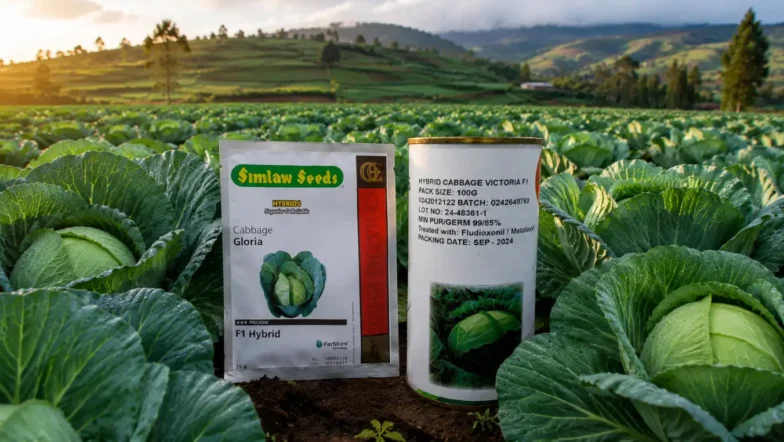
In 2026, the difference between a struggling garden and a thriving one often comes down to seed genetics. Local open-pollinated varieties are cheaper, but F1 hybrids offer the vigor needed to survive the erratic weather patterns we are seeing across East Africa.
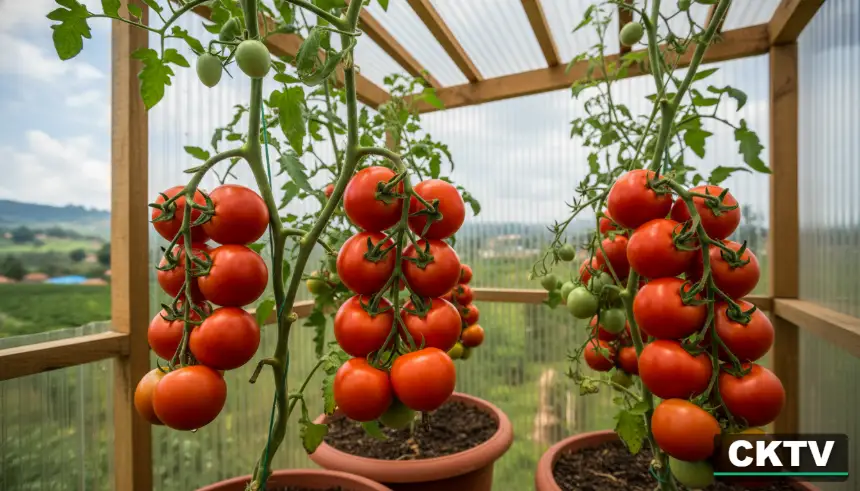
To maximize your impact, focus on varieties that balance high yield with disease resistance, specifically tailored to the Kenyan climate.
The Green Revolution on Your Balcony
Are you tired of watching your grocery bill climb every time you visit the local market? Imagine walking just a few steps to your own backyard or balcony to harvest crisp, chemical-free greens that didn’t cost you a shilling in transport or middleman markups.
In 2026, urban farming has evolved from a simple hobby into a critical economic survival strategy for Kenyans. By reclaiming your food sovereignty today, you turn a small, dormant space into a high-output ecosystem that feeds your family and puts cash back in your pocket.
Top Varieties for Intensive Yields
For small-scale systems, selecting the right genetics is the difference between a struggling garden and a thriving one.
- Kale: The Dwarf Green or Premier varieties are excellent for containerized environments where space is at a premium.
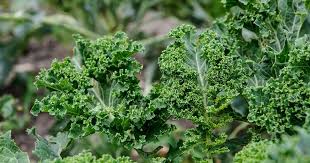
- Spinach: Consider Bloomsdale Long Standing for a traditional annual crop, or New Zealand Spinach as a heat-tolerant, sprawling perennial that thrives in intense Kenyan sun.
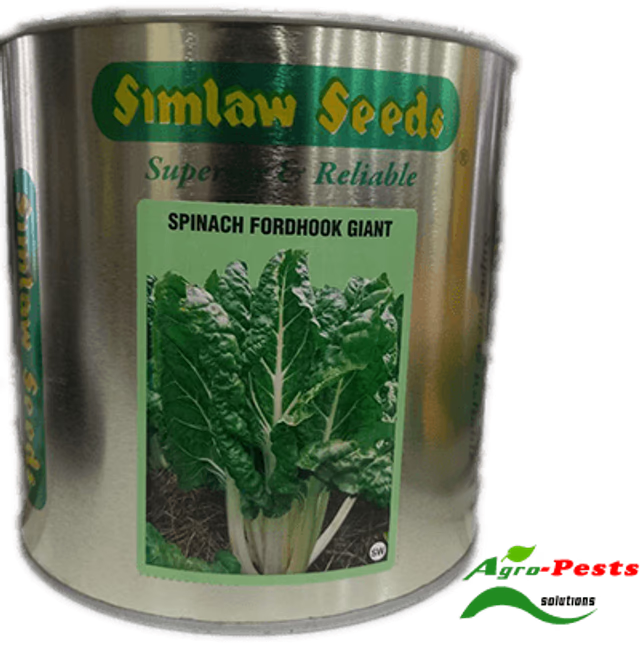
- Swiss Chard (Spinach): Fordhook Giant is the standout performer for Kenyan urban gardens, offering large, dark-green crumpled leaves and thick white stalks. It is famously resilient across various Kenyan climates, bolt-tolerant, and perfect for “cut-and-come-again” harvesting over several months.
- Spring Onions: Look for Evergreen Bunching or White Lisbon for their reliability and ability to be harvested multiple times.
- Peppers: Varieties like California Wonder are widely recommended for their thick-walled bell peppers, while Cayenne is the go-to if you prefer a high-yielding, spicy chili option.
The Tomato Strategy: Choosing Your Defender
Tomatoes are the “king of horticulture” in Kenya, but success depends entirely on your environment.
- If you are working within a greenhouse, Anna F1 is the gold standard, prized for its rapid maturity and indeterminate growth.
- For open-field gardeners facing the constant threat of soil-borne diseases, Zara F1 is a superior choice because of its robust intermediate resistance to Bacterial Wilt.
Never recycle seeds from these hybrids, as they will lose their protective traits, leading to crop failure in your second season.
Traditional Greens: The Low-Maintenance Secret
While exotic hybrids get all the attention, traditional “Kienyeji” greens like Managu (African nightshade) and Terere (amaranth) are the true workhorses of the Kenyan urban garden.
- These crops have evolved over centuries to thrive in local soils and are significantly more resilient to pests than imported varieties.
- Beyond their hardiness, they are nutritional powerhouses, providing essential iron, calcium, and antioxidants.
- Because they require fewer chemical inputs, they are the ideal foundation for any gardener looking to maintain a 100% organic, low-cost system that supports long-term health.
High-Value Herbs and Quick Wins
If your space is extremely tight, focus on high-value herbs like coriander, mint, rosemary, and basil, which provide massive utility in a tiny footprint.
- A single rosemary bush in a 10-liter bucket can provide enough seasoning for a year.
- For those wanting immediate results, focus on fast-maturing crops like radishes or baby spinach, which can be ready for the table in under 30 days.
- These short, high-speed growth cycles are perfect for keeping a family motivated, as there is nothing quite like eating a salad harvested five minutes ago to prove the worth of your investment.
Procurement Guide for Quality Seeds and Inputs
To avoid the “fake seed epidemic” and ensure a high germination success rate, always prioritize certified inputs from established institutional and private providers.
- Public & Institutional Sources: The Kenya Agricultural and Livestock Research Organization (KALRO) is the primary national research institution. You can explore their improved, climate-resilient varieties—including beans, maize, and indigenous vegetables—via their official website at agrijibu.co.ke.
- For large-scale or institutional sourcing, physical centers like KALRO Muguga, Katumani, and Kitale remain the most reliable hubs.
- Commercial Certified Seeds: Simlaw Seeds remains a gold standard for vegetable varieties. You can reach their customer care at +254 722-200545 or simlaw.co.ke. Similarly, the Kenya Seed Company offers a comprehensive range of certified maize and vegetable seeds tailored to local conditions; visit kenyaseed.com to explore their catalog.
- Seedling Propagation: For professional-grade, transplant-ready seedlings, nurseries such as Plantech Kenya utilize advanced greenhouse systems to ensure strong root development and disease-free starts for vegetables, herbs, and fruit trees. You can browse their offerings at plantechkenya.com.
- Digital Marketplaces: While platforms like Jumia (jumia.co.ke) are excellent for sourcing gardening accessories, tools, and fertilizers, be cautious when using informal platforms like Facebook Marketplace or Jiji. Only engage with sellers who provide verifiable certification numbers, especially when purchasing high-value inputs.
- Quality Control & Best Practices:
- Always check the packaging for the manufacture and expiry dates; avoid any packets that look tampered with or lack a KEPHIS (Kenya Plant Health Inspectorate Service) certification mark.
- When purchasing manure, insist on “well-cured” organic matter. It should be dark, crumbly, and earth-scented; avoid fresh manure that emits an ammonia smell, as it will burn your plant roots.
- For long-term savings, purchase 50kg bulk bags of manure or cocopeat during the off-season. Store all seeds in airtight containers in a cool, dark place to maintain their viability across multiple planting seasons.
Soil Nutrition and Fertilizer Application Guide
Maintain high productivity by applying NPK 17:17:17 during the vegetative stage and transitioning to high-potassium fertilizers for fruiting crops. In 2026, many farmers are substituting 50% of synthetic needs with Black Soldier Fly (BSF) frass, which costs approximately KES 50 per kg and provides superior organic matter.
The cost of inputs remains a significant factor for Kenyan farmers. As of March 2026, prices at major agrovets reflect a market that has stabilized but remains higher than historic norms. It is crucial to use these inputs efficiently to ensure your garden remains profitable. The table below outlines the current pricing and best use cases for common fertilizers found in the local market.
| Fertilizer Type | Unit Size | Price Range (KES) | Best Use Case |
|---|---|---|---|
| DAP (Planting) | 50kg | 4,200 to 4,800 | Root development in new beds. |
| CAN (Top-dressing) | 50kg | 3,500 to 3,900 | Leafy greens like Sukuma and Spinach. |
| NPK 17:17:17 | 10kg | 1,200 to 1,500 | General purpose urban gardening. |
| BSF Frass (Organic) | 1kg | 40 to 60 | Soil structure and slow-release nutrients. |
To maximize your return on investment, you should not rely solely on store-bought bags. Integrating Black Soldier Fly frass or vermicompost into your containers every month provides a steady stream of nitrogen and beneficial bacteria. If you are growing tomatoes or peppers, a handful of bone meal or crushed eggshells during planting can prevent blossom end rot, which is a common calcium deficiency.
Expert advice suggests that liquid foliar feeds are the best way to deliver nutrients in container gardens. Since the root volume is limited, spraying a nutrient-rich solution directly onto the leaves allows for faster absorption. This is particularly useful during the cold months of July and August when root activity slows down. Always dilute foliar feeds according to the manufacturer instructions to avoid scorching the tender leaves.
Understanding the N-P-K ratio is vital for any serious gardener. Nitrogen (N) is for leafy growth, Phosphorus (P) is for root development, and Potassium (K) is for fruiting and disease resistance. In a kitchen garden, you want to focus on Nitrogen for your kales and Potassium for your tomatoes and peppers. Over-applying nitrogen to a tomato plant will give you beautiful green leaves but very few tomatoes, a common frustration for beginners.
You May Like: Top 10 Best Maize Seeds in Kenya 2026: Prices, Yields & Highest Profit Varieties
Organic alternatives are gaining traction as people become more health-conscious. Composting your kitchen waste is the most efficient way to recycle nutrients. A small bokashi bin or a traditional compost heap can turn vegetable peelings into black gold within a few months. This not only reduces your waste management costs but also ensures your garden is truly a closed-loop system, mimicking the natural biological cycles of the earth.
Financial Analysis of Small-Scale Home Gardening
A 10-square-meter garden requires an initial setup cost of KES 12,000 to 18,000, covering containers, soil, and seeds. Under optimal management, this system generates a monthly saving of KES 6,000, reaching a break-even point within 3 to 4 months, while providing a 400% return on investment over a 12-month cycle.
When analyzing the financials, we must look at the avoided cost. In 2026, a middle-class household in Nairobi spends roughly KES 300 daily on vegetables including tomatoes, onions, greens, and herbs. This totals KES 9,000 per month. By producing 70% of these at home, you are effectively saving KES 6,300 monthly. Over a year, this is KES 75,600, which is enough to pay for several months of rent or school fees.
The potential for supplemental income is also significant. Many urban gardeners find they have a surplus of certain crops like spring onions or herbs. Selling these to neighbors or through local estate WhatsApp groups can generate an extra KES 2,000 to 5,000 monthly. While this may seem small, it covers the maintenance costs of the garden, making the food produced for the family essentially free.
Input efficiency is another area where home gardeners can save money. Buying seeds and fertilizers in bulk with a few friends or neighbors reduces the per-unit cost. For example, a 50kg bag of fertilizer is much cheaper per kilogram than buying 1kg packets at a retail agrovet. Sharing these costs among a community of urban farmers is a hallmark of the 2026 Kenyan urban farming landscape, where collaboration drives individual profitability.
The table below provides a realistic cost-benefit analysis for a standard urban garden setup. We compare three scenarios based on the level of management and expertise applied by the gardener. It is clear that even with moderate effort, the savings far outweigh the costs within the first year of operation, especially given the rising price of fresh produce in commercial markets.
| Scenario | Setup Cost | Monthly Maint. | Monthly Savings | 12-Month ROI |
|---|---|---|---|---|
| Worst Case (Poor Mgmt) | 15,000 | 2,000 | 3,000 | -3,000 (Loss) |
| Average Case (Standard) | 15,000 | 1,000 | 6,000 | +45,000 (Profit) |
| Best Case (Expert) | 15,000 | 500 | 8,500 |
Water Conservation and Organic Pest Control
Efficient water management involves early morning watering (before 8 AM) at the base of the plant and heavy mulching to reduce evaporation. Pests are managed using a Chili-Garlic-Soap spray or Neem oil, ensuring that the food remains safe for consumption without the 14-day chemical withdrawal period required by synthetic pesticides.
In the Kenyan heat, watering at noon is a waste of resources as 40% of the water evaporates before reaching the roots. Watering late in the evening can encourage fungal diseases like powdery mildew because the leaves stay damp overnight. The sweet spot is between 6 AM and 8 AM. This allows the plant to hydrate fully before the sun’s intensity peaks, ensuring it has the turgor pressure needed to withstand the day.
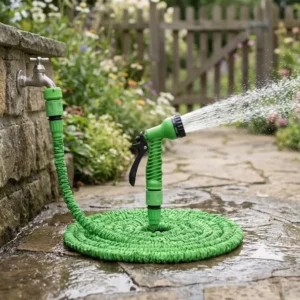
Rainwater harvesting is a low-hanging fruit for urban residents. Even a small balcony can have a simple gutter system that feeds into a 100-liter tank. Rainwater is naturally soft and free from the chlorine found in city council water, which can sometimes inhibit the growth of sensitive plants like lettuce. In 2026, many estates in Nairobi are adopting shared water harvesting systems to keep their community gardens green during the dry seasons.
Even in containers, you must mulch. Use dried grass, wood shavings, or even gravel to cover the surface of the soil. This layer acts as an insulator, keeping the soil temperature stable and reducing the frequency of watering by up to 50%. In water-scarce areas like Kitengela or Machakos, mulching is the difference between a garden that thrives and one that withers during a two-day water shortage when the pumps fail.
For common urban pests like aphids, whiteflies, and spider mites, you don’t need to visit an agrovet. A simple mixture of 2 bird’s eye chilies, 3 cloves of garlic, and a teaspoon of liquid soap blended in 1 liter of water works wonders. Spray this on your plants twice a week. The chili burns the pests, the garlic smell repels them, and the soap helps the mixture stick to the leaves, providing a natural protective layer.
Neem oil is another powerful tool in the organic gardener’s arsenal. Sourced from the Coast region, Neem contains compounds that disrupt the feeding and breeding cycles of over 200 species of insects. It is non-toxic to humans and beneficial insects like bees when applied correctly. Regular application every two weeks serves as a preventative measure, ensuring that pest populations never reach the threshold where they cause significant crop damage.
Risks, Challenges, and Realistic Expectations
Common failures in Kenyan home gardening include over-watering (leading to root rot), using un-cured manure (which burns plants), and neglecting the garden during holiday travel. Success requires consistent daily monitoring for 15 minutes rather than 5 hours of work once a week.
Many urban farmers buy fresh manure from the roadside. This is dangerous because fresh manure is high in ammonia and can literally cook your plant’s roots. It also contains weed seeds and pathogens that can ruin your engineered soil mix. Always ensure your manure has rested for at least 3 to 6 months until it looks and smells like dark, rich earth. If it still smells like dung, it is not ready for your garden.
Pests are a constant challenge, and you must be vigilant. Don’t be fooled by the lack of large farms nearby. Pests like snails and slugs thrive in the damp, shaded corners of urban estates. Check your containers at night with a flashlight to catch them in the act. Hand-picking snails is often more effective than any chemical intervention. Additionally, be aware of birds which can decimate a tray of seedlings in a single morning.
NEGLECT is the number one killer of home gardens. In a container, a plant can die of thirst in 48 hours during a January heatwave. If you travel frequently, you must install a simple drip irrigation system or have a neighbor check on your plants. Using plastic bottles with small holes in the cap turned upside down in the soil is a great DIY slow-release watering method for those who are away for a few days.
Finally, set realistic expectations. You will lose some plants to disease, and your first harvest might be smaller than expected. Gardening is a skill that is honed over seasons. The key is to observe and learn from every failure. Was the soil too wet? Did the plant get enough sun? By treating each setback as a data point, you will eventually develop the intuition needed to maintain a high-yielding, professional-grade urban farm.
Is it worth it? The 2026 Outlook
The hard truth is that home gardening is not free. It requires an initial capital investment and, more importantly, a commitment of time. If you are looking for a set and forget system, gardening is not for you. However, for those willing to put in 15 minutes of observation every morning, the rewards are profound. In an era of high inflation and chemical-laden commercial produce, a home garden is your family’s insurance policy.
The 2026 outlook suggests that food prices will remain high due to global supply chain pressures and local climatic shifts. Starting a small garden this weekend, even if it is just one pot of herbs, is the first step toward reclaiming your food autonomy. Don’t wait for the perfect shamba. Use what you have, start where you are, and grow your way to a healthier, wealthier future. Share your journey with the community using #MyKitchenGardenKenya and tag us, to inspire others.
You May Like: 15 Most Profitable Agribusiness Ideas in Kenya to Start in 2026
Community engagement is also a vital part of the urban farming movement. Sharing seeds, surplus produce, and gardening tips with your neighbors fosters a sense of resilience and cooperation. As more Kenyans turn their balconies into productive spaces, the cumulative effect on national food security becomes significant. Your small garden is part of a larger, greener revolution that is transforming the urban landscape of Kenya for the better.
Farmers Also Ask (FAQ)
How much space do I need to start a productive home garden?
You can start with as little as 1 square meter using vertical shelves. A 5×2 meter space is enough to provide 50% of a family’s vegetable needs.
What is the best soil mix for small urban gardens?
Use 40% red soil, 40% well-cured manure, and 20% cocopeat or sand for optimal drainage and nutrient retention.
Which crops grow best in vertical and raised beds in Kenya?
Leafy greens (Kale, Spinach, Managu), strawberries, herbs, and determinate tomatoes thrive best in these intensive systems.
How do I prevent pests and diseases naturally?
Use companion planting (onions/garlic) and organic sprays made from Neem oil or a Chili-Garlic-Soap mixture every two weeks.
How often should I plant to ensure continuous harvest?
Practice succession planting by sowing a small batch of seeds every 14 days rather than planting the whole garden at once.
Where can I buy seeds and seedlings in Kenya?
Certified seeds are available at Simlaw Seeds, Kenya Seed agrovets, and reputable nurseries like the Nakuru Horticulture Center.
How much can I save or earn from a small backyard garden?
An average household can save KES 4,500 to 8,000 monthly, totaling nearly KES 100,000 in annual grocery bill reductions.
What is the best way to manage water efficiently in a small garden?
Water at the base of plants before 8 AM, use thick mulch to prevent evaporation, and harvest rainwater from your roof.
Can I grow fruit trees in small spaces?
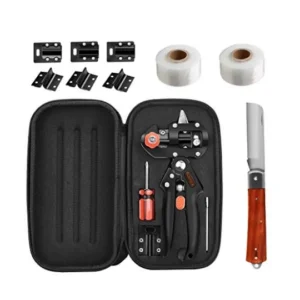
Yes, use large 50-liter drums and select grafted, dwarf varieties of lemons, oranges, or Hass avocados for container growth.
How do I start if I have never gardened before?
Start small with 3 containers of Sukuma Wiki. Once you master watering and pest control, expand to raised beds and vertical stands.





Thank you for the write up about farming. I am out of home at the moment but I have a back yard in my rural home in Kakamega county. My desire is to turn the back yard to a home garden planting variety of different things around, vegetables, fruits and others. I’m new in this venture and would like to start. How can I start? Thanks